Which european species do like too see in zoos

GiratinaIsGod

Well-Known Member
5+ year member
European species trend to be both underlooked and undertepresented in european locations. But which species do you love in particular when you see them, or would love to see more commonly
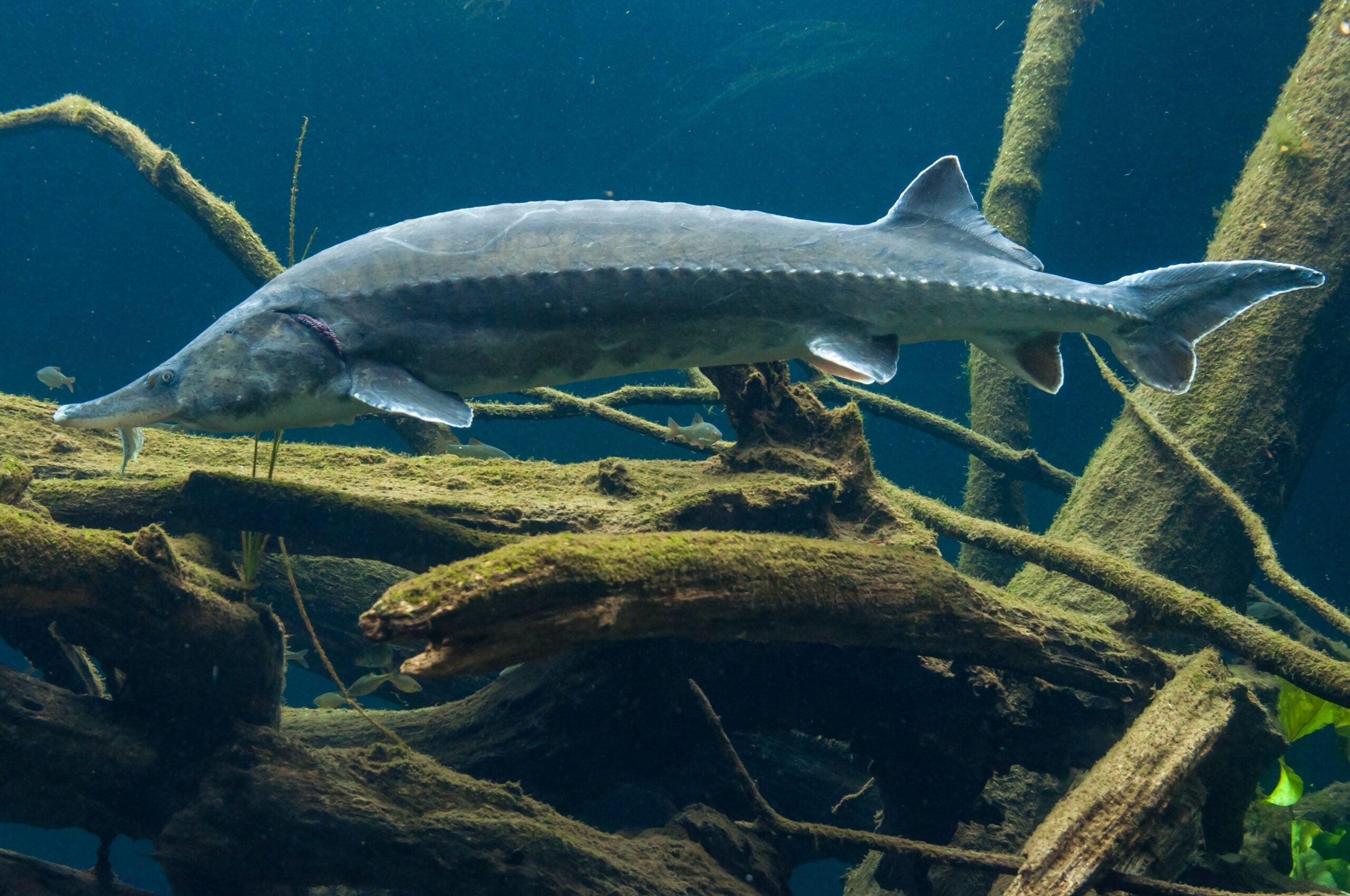
 
A clear favourite for me are sturgeons.
I am not really a fish guy, finding most species to be honest quite boring. Sturgeons are a large exeption. The look distingtly, very prehistoric, and can be HUGE, while also being sadly so endangered aswell.
beluga_sturgeon-scaled.jpg
 
Being a European myself I've seen a lot of European animals in our zoos. I really love seeing brown bears and Iberian lynx here in Spain (or Eurasian lynx in the rest of the continent). Eurasian otters and wolverines are fun to watch too. I aslo enjoy watching wolves, seals, pelicans and Alpine marmots.

Besides, when I lived in Finland, I enjoyed seeing the reindeer, especially males with their really huge antlers. Moose are also impressive when you see them in person.
 
As an American, our European representation in zoos is more or less limited to Eurasian lynx, fallow deer, more rarely red deer, European mouflon if you want to count those, and "wild boars" of dubious heritage, at least so far as mammals are concerned. Incidentally, these are also all far more common in unaccredited facilities. A few other species exist in very limited numbers (wildcats?, the odd maybe-ibex-maybe-tur hybrid goat thing), but it’s generally pretty slim pickings over here.

Edit: I probably forgot something, but I’m also not counting species that are shared across the ocean.

To answer the question, the weird probably-tur creature I saw at a roadside-type safari last winter has sure left an impression on me.
 
As an American, our European representation in zoos is more or less limited to Eurasian lynx, fallow deer, more rarely red deer, European mouflon if you want to count those, and "wild boars" of dubious heritage, at least so far as mammals are concerned. Incidentally, these are also all far more common in unaccredited facilities. A few other species exist in very limited numbers (wildcats?, the odd maybe-ibex-maybe-tur hybrid goat thing), but it’s generally pretty slim pickings over here.

Edit: I probably forgot something, but I’m also not counting species that are shared across the ocean.

To answer the question, the weird probably-tur creature I saw at a roadside-type safari last winter has sure left an impression on me.
All wildcats in North America are African.
 
American here, so I haven't seen many European species (except for stuff wide, multi-continent ranges). That said, cinereous vultures are always a cool species to see- and right now the only European species I can think of managed by the AZA.
 
For me it’s the marbled polecat. While their European range only consists of Thrace and the Balkans, these animals have one of the most interesting ranges in my opinion, ranging through the western Asia all the way to. Despite there being many sightings in Turkey I never had the chance to see this species in my entire life. I would like to see zoos focus on this species once again.

American here, so I haven't seen many European species (except for stuff wide, multi-continent ranges). That said, cinereous vultures are always a cool species to see- and right now the only European species I can think of managed by the AZA.
I thought white storks were also managed by a studbook as well.
 
Bears, wolves, wolverines, lynx and wildcats. I could have a whole day out with just those to enjoy. Or just a few of them. Boars and bison ice the cake. I also enjoy places with our native species like otters, stoat, badger, weasel and red squirrel and I enjoy deer too. The smaller native species are harder to find in collections, which is a shame when they bring a lot of educational value about the importance of the whole range of animals in the environment. And all of that before we arrive at the birds!
 
I thought white storks were also managed by a studbook as well.
That's correct, they are. I always think of them as more African, so forgot they also range in Europe. Technically Atlantic Puffins are managed too, but wasn't counting them since their range also includes parts of the United States.
 
I'm really surprised. For all European people, White Storks are well-known as typically native birds (even among people who aren't at all interested on birds and wildlife).
Well I'm not European, and in the US some zoos house them in African sections, seeing as that's the other part of their range. I'm not aware of a single US zoo with a Europe section, so white storks either need to be housed in African exhibits or in non-geographic themed areas.
 
Well I'm not European, and in the US some zoos house them in African sections, seeing as that's the other part of their range. I'm not aware of a single US zoo with a Europe section, so white storks either need to be housed in African exhibits or in non-geographic themed areas.

I can see why you think about them in that way if you only ever see them in African sections of US zoos.

In Europe (with exception of the UK and Ireland where they got eradicated too long ago), white storks are iconic part of local culture and lore. When a child asks "where children come from" parents will usually answer - a stork brings them. White storks nest in the middle of villages and towns on man-made nests or power lines. Communities think they bring good luck and protect them.

Webcam with typical czech stork nest.
 
Last edited:
There are very few European species in Australian Zoos, and the majority of them are either found wild introduced (Red Deer, Fallow Deer, Eurasian Skylark), or native (Black Kite, Glossy Ibis).

My favourite would be the humble Hermann’s Tortoise, I’m a big fan of tortoises, usually quite active and display a wide range of behaviours. Honourable mention to the Sheltopusik, very fascinating animals but usually sit still at the back of their exhibits.
 
Back
Top