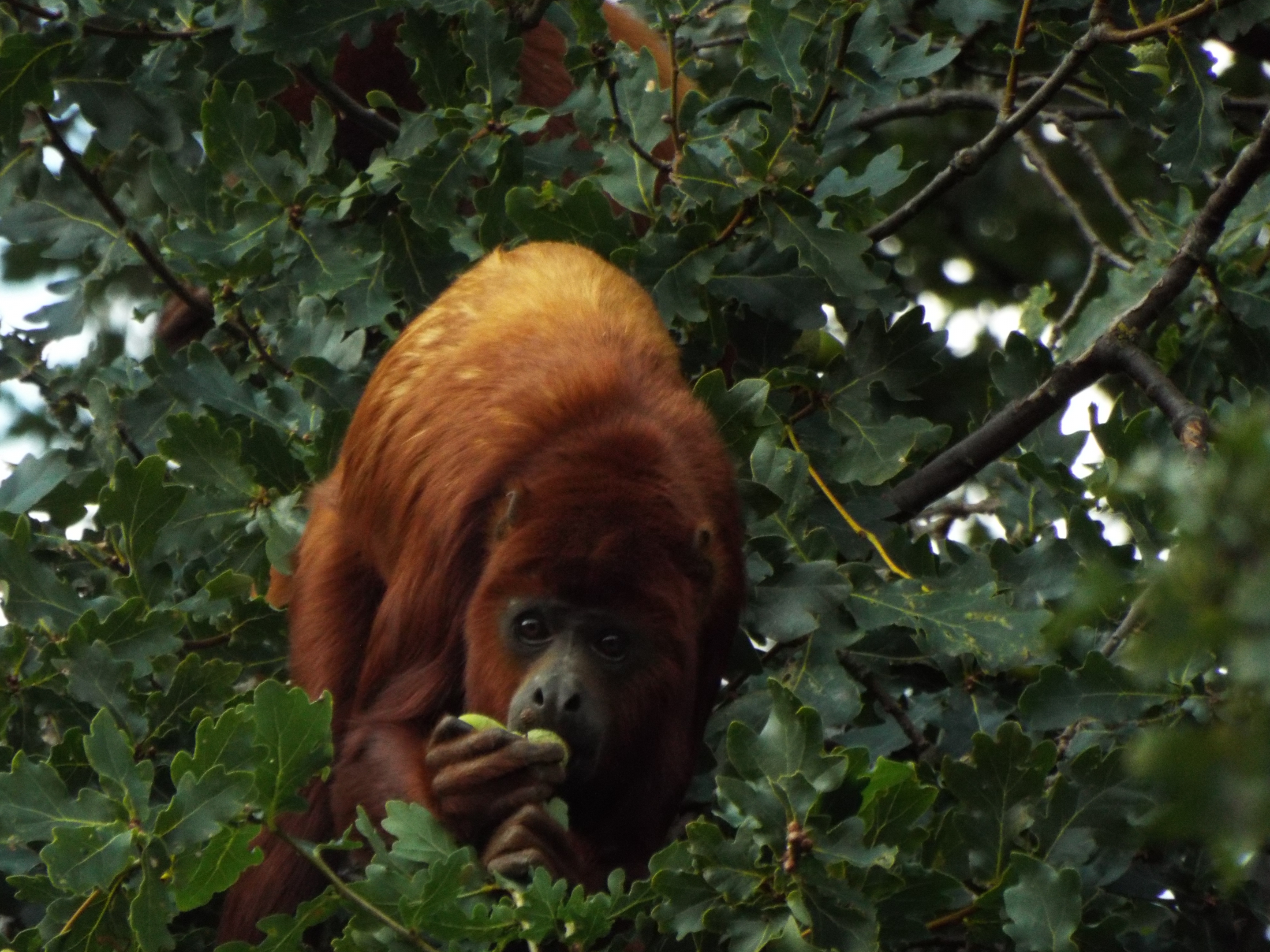
Could apes safely eat uncooked walnuts? They are poisonous to humans.
I assumed they wouldn't be ideal for the apes as well. Keepers wouldn't want the apes eating things that aren't part of their regulated diets.
Could apes safely eat uncooked walnuts? They are poisonous to humans.

Could apes safely eat uncooked walnuts? They are poisonous to humans.


What!? I've been told this my whole life!No, they aren't
What!? I've been told this my whole life!

Phew, that's a relief. I was starting to think that it must be a really slow-acting toxin and it was just taking me decades to die!No, they aren't

No. Raw cashew nut kernels are perfectly edible - although some people do have an allergic reaction. Their shells contain toxic compounds, so always buy the kernels; cooking them is optional.You're thinking of cashew nuts
No. Raw cashew nut kernels are perfectly edible - although some people do have an allergic reaction. Their shells contain toxic compounds, so always buy the kernels; cooking them is optional.
The apes don't live in the same few individual trees constantly.That's unfortunate, trees would make more naturalistic enclosures. How is tree destruction avoided in the wild?
I think that in a way we're both right. The shells can be removed after some combination of steaming and roasting, which probably does affect the kernel to some extent. But as far as I know the kernel would be wholesome if the shell could be removed in another way.I'm under the impression that the "raw" kernels that can be bought in supermarkets and shops have been steam-treated and as such are not truly raw.

That can be climbed?Gorilla mountain at Blackpool Zoo has trees

Phew, that's a relief. I was starting to think that it must be a really slow-acting toxin and it was just taking me decades to die!

I think they can yes, though not sure...they are quite scrubby growth though. This used to be a bare island with rocks, designed for Chamois. The trees have have grown up in recent years so there is nothing mature on there.That can be climbed?
Gorilla Island at Blackpool Zoo, 26/05/13 - ZooChat

And then there's this from Chimp Haven
Or you check out the la Vallée des Singes gallery which has this Bonobo enclosure:

Their Gorilla and Chimpanzees also have access to plenty of living trees
La Vallee des Singes - ZooChat
They can do that because of the huge amount of space they give to their animals...

Yes, it very much depends on the activity levels and number of the inhabitants. Adults of both sexes climb far less(in zoos anyway) and silverbacks hardly at all, but youngsters are a different matter. So the overeall number of young and size of a troop will have a big effect. I've seen Melbourne's enclosure and liked it a lot.Melbourne Zoo has a very naturalistic gorilla exhibit with many large mature trees (including some very mature Moreton Bay figs) I'm not sure if all the trees are hot-wired or if the adults just generally don't climb them but I do know that when there are infants in the troop they do have access to the trees. And after a couple of years you really notice the damage. Many, many years back they had three infants all born at once and between them they absolutely trashed the trees. Killed a couple and others took a long to recover and look full again. I've noticed they now make use of a lot of silk floss trees, which have a lovely topical look but no doubt where planted for the thorny trunks which offer a natural climbing deterrent.