Auckland Zoo Wild Indonesia Development

I presume there are still macaques - crab-eaters, rhesus and pig-tails, in research facilities in Australia. Also New Zealand? These may be another source without having to go beyond the region.
As far as I know there are no monkeys used in NZ research. I'd be surprised if there were. There are definitely a variety of primates in labs in Australia (macaques, marmosets, douroucoulis, etc). They aren't necessarily adaptable to zoo-life however, given their living conditions and histories.
 
As far as I know there are no monkeys used in NZ research. I'd be surprised if there were. There are definitely a variety of primates in labs in Australia (macaques, marmosets, douroucoulis, etc). They aren't necessarily adaptable to zoo-life however, given their living conditions and histories.
Monkeyworld here in the UK demonstrates that ex-laboratory primates (especially their several dozen Capuchins) can be successfully socialised and do well in a zoo setting.
 
Wouldn't an accredited zoo like Auckland Zoo prefer to import Crab Eating Macaques that are already part of the breeding programme (know geneological history) as oppose to lab animals, whose details may be unreliable or unknown? (Asssuming they will not just be a display/non breeding group).
 
Wouldn't an accredited zoo like Auckland Zoo prefer to import Crab Eating Macaques that are already part of the breeding programme (know geneological history) as oppose to lab animals, whose details may be unreliable or unknown? (Asssuming they will not just be a display/non breeding group).
Part of what breeding programme? The ones in Australian zoos are just the tag-end of the former population before macaques were largely abandoned by zoos. There was never a "breeding programme", they were just kept and bred by those zoos which wanted to do so.
 
Part of what breeding programme? The ones in Australian zoos are just the tag-end of the former population before macaques were largely abandoned by zoos. There was never a "breeding programme", they were just kept and bred by those zoos which wanted to do so.

An already established international breeding programme (surely one exisits for Crab Eating Macaques?)

I'm guessing Auckland Zoo's Chacma Baboon were never part of a breeding programme (just the remnants of a group which had been kept at the zoo for decades), yet the recently (2009) imported troop of Hamadryas baboon are part of a breeding programme, which I assume the macaques will be.
 
The zoo has posted a time-lapse on their YouTube channel of the construction work so far.

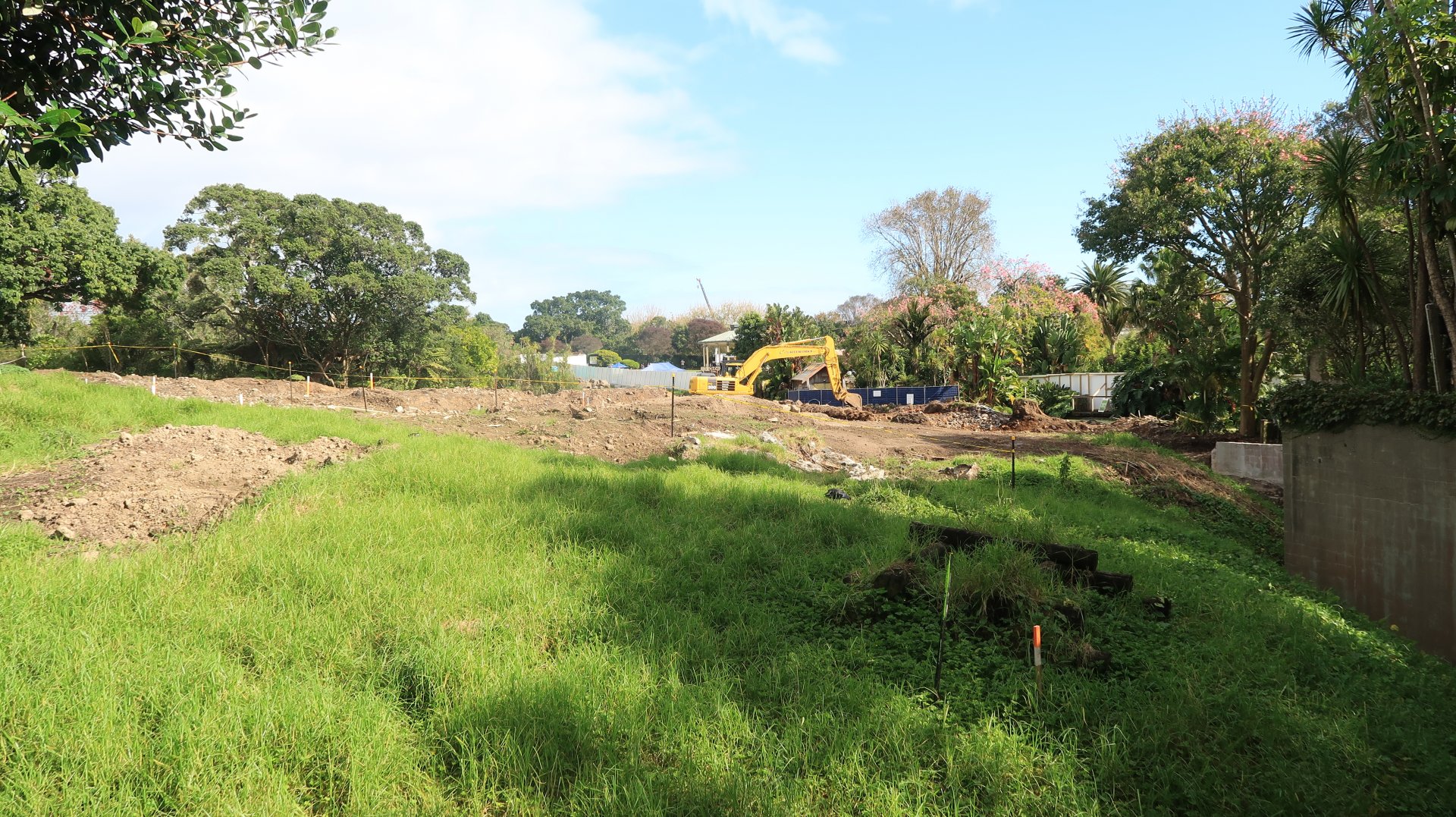
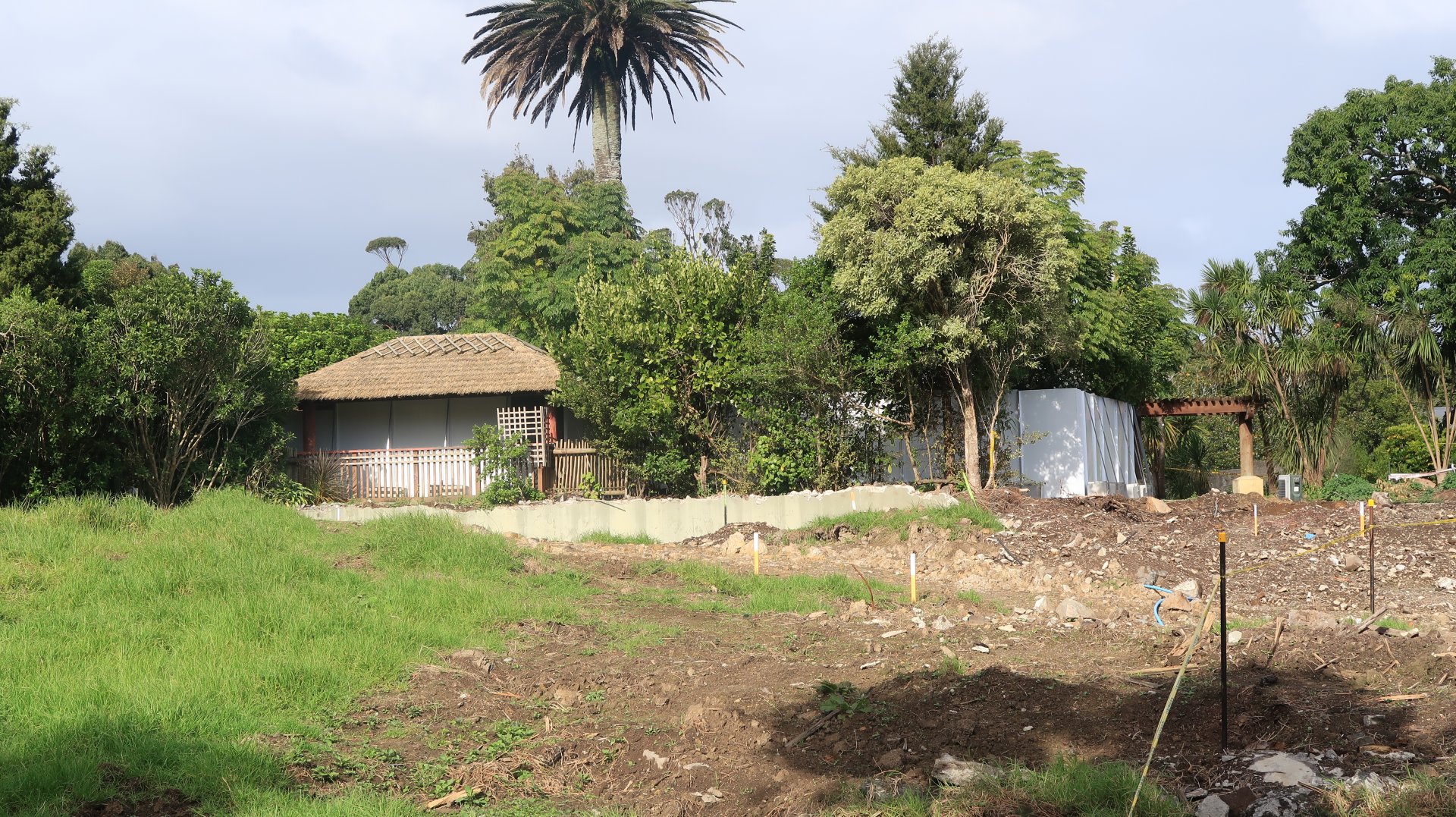
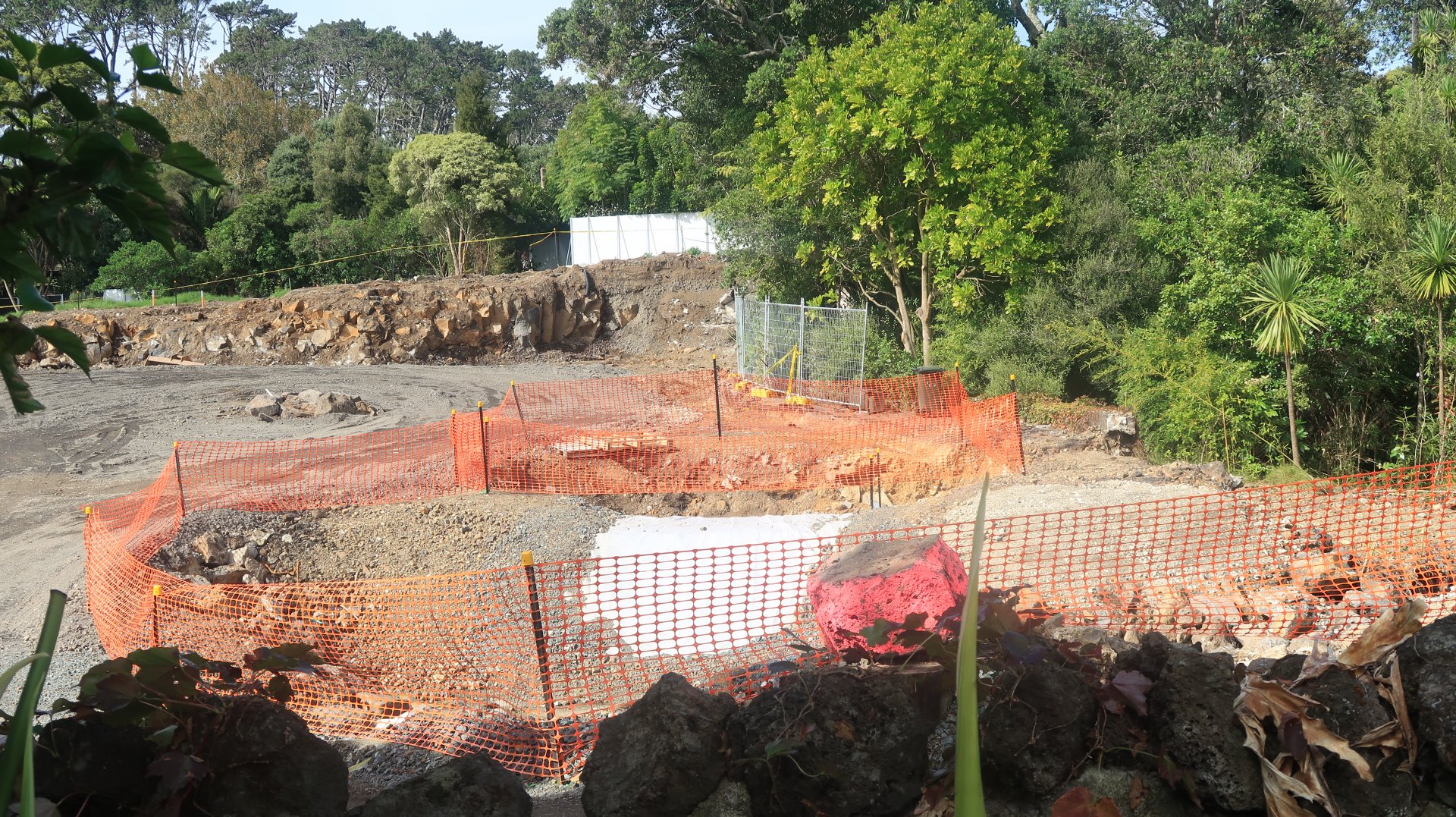
The amazing team at NZ Strong have been clearing away dirt and concrete to make way for new trees to be planted and for new structures to be built. The great news is that the concrete that we no longer needed was able to be crushed and recycled to be used as land fill. Of course, our horticulture team are also busy moving and replanting existing plants and also sourcing new plants that will eventually be installed in this area.
When you visit the zoo you will see us working hard to make our South-east Asia precinct a reality but as a result of construction only two of our species have needed to be relocated – our lemurs to a back of house area and our three orangutans to Orana Wildlife Park for a two year stay-cation. Our map is consistently updated so that our visitors will find the best ways to get around our zoo. Follow along with our redevelopment by visiting our zoo and checking our Facebook updates each Sunday.
 
As far as I know there are no monkeys used in NZ research. I'd be surprised if there were.

Not in New Zealand per se. However, some New Zealand companies carry out primate research abroad, in countries without stringent animal welfare legislation.

Wouldn't an accredited zoo like Auckland Zoo prefer to import Crab Eating Macaques that are already part of the breeding programme (know geneological history) as oppose to lab animals, whose details may be unreliable or unknown? (Asssuming they will not just be a display/non breeding group).

The genealogy of lab primates would almost certainly be documented. Due to how they're bred, these pedigrees would probably be more complete than for zoo animals.
 
Development Update - 22/4/18

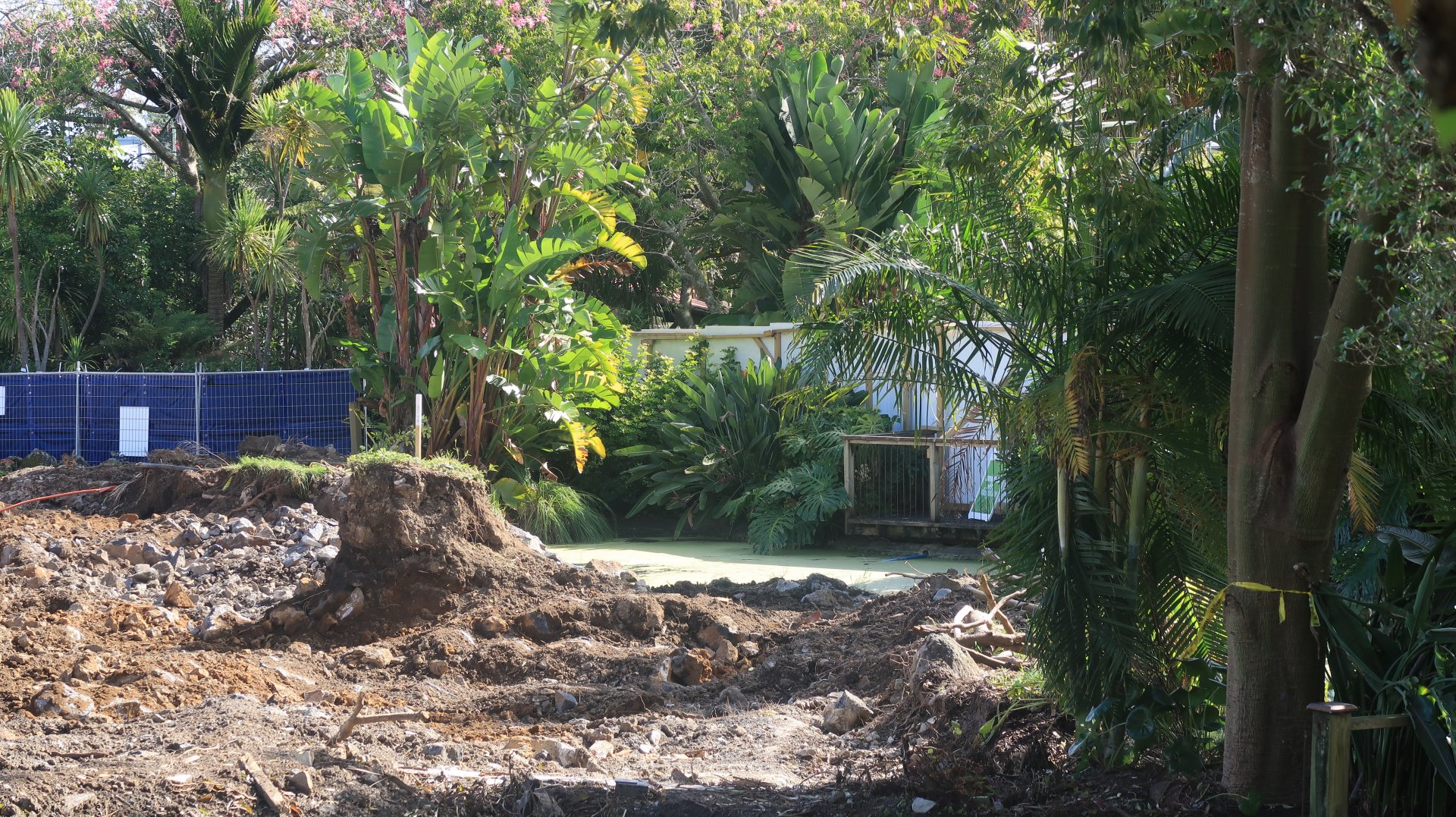
I visited Auckland Zoo on Sunday and have uploaded a few pictures to the gallery of the work so far. Progress has been made on the demolition of the orangutan exhibit and surrounding area including demolition of the lemur exhibit and stone bridge by willow island. This means you can now see right through to the band rotunda on central lawn from the path around where the orangutan exhibit was. The zoo has said the development is likely to open in stages (i.e since work on the orangutan/siamang exhibit has already started, that might open before the tiger, otter and tropical hall exhibits). An area on the left side of the tiger pit enclosure (which is in the development zone) is closed off though.

For those who don't know, Auckland Zoo is posting an update about the development on their Facebook and Instagram pages every Sunday. Last week, they posted a sketch of a "canopy climber" which is a tall pole that will be installed in multiple locations throughout the exhibit with rope/vines connecting them for the orangutans and siamangs to brachiate across. The first full scale test canopy climber will be manufactured off-site soon over a 3-4 week period.

30742968_10155527009031984_3251711549298966528_o.jpg

The zoo is going to be sharing an artist’s impression of new exhibit next Sunday.
 
Also, I should note that the zoo has reduced it's walk-up adult tickets from $28.50 to $24 and children tickets to $13 due to the construction of this development (even though only 2 animal species have had to leave the zoo).
Booking online on the zoos website at least one day in advance of your visit is even cheaper.
 
An update on the construction of the Sumatran tiger enclosure:

Auckland Zoo

Once the precinct is open, I anticipate they'll be some Sumatran tiger imports - maybe a mate for Berani; or a family unit (mother and adult cubs) as having one tiger (Berani) moving sporadically between the three outlined areas does not a decent viewing experience make!

They seem to have rotated breeding privileges (recommendations) fairly between the New Zealand zoos: Wellington > Auckland > Hamilton > Wellington, so following this pattern, it could be Auckland's turn next.
 
Once the precinct is open, I anticipate they'll be some Sumatran tiger imports - maybe a mate for Berani; or a family unit (mother and adult cubs) as having one tiger (Berani) moving sporadically between the three outlined areas does not a decent viewing experience make!

They seem to have rotated breeding privileges (recommendations) fairly between the New Zealand zoos: Wellington > Auckland > Hamilton > Wellington, so following this pattern, it could be Auckland's turn next.

Hopefully. :)

It would be interesting to see where the other tigers will come from. I think Berani still has the chance to become a father, so lets hope we hear the pitter patter of cub paws soon.
 
Hopefully. :)

It would be interesting to see where the other tigers will come from. I think Berani still has the chance to become a father, so lets hope we hear the pitter patter of cub paws soon.

I believe Ramalon (1995-2014) holds the record for being the oldest sire in the region at 18 years, when he sired Hunter and Clarence in 2013; so at 10.5, Berani has plenty of time.

Considering how well represented his family is however, I think it's equally likely they'll get a non breeding family group in. If Bashi and Senja get a move on, maybe their offspring; or maybe Sali and Kirana from Hamilton Zoo.
 
I would hope that with the importing of the Sunda Gharial that some other zoos in the region would do the same since Crocs do well in the region
 
I believe Ramalon (1995-2014) holds the record for being the oldest sire in the region at 18 years, when he sired Hunter and Clarence in 2013; so at 10.5, Berani has plenty of time.

Considering how well represented his family is however, I think it's equally likely they'll get a non breeding family group in. If Bashi and Senja get a move on, maybe their offspring; or maybe Sali and Kirana from Hamilton Zoo.

Maybe one of Melbourne’s tigers. They have 3, in 2 enclosures. Australia zoo, and Dreamworld also have plenty of candidates.
 
Maybe one of Melbourne’s tigers. They have 3, in 2 enclosures. Australia zoo, and Dreamworld also have plenty of candidates.

Assuming Raja is still alive, Dreamworld are actually down to just 1.2 Sumatran tigers now. The rest of their tigers being hybrids.

I think Australia Zoo could be a strong candidate however. They have several genetically valuable tigers (the Indonesian imported females and their offspring); and as handraised tigers, would make more engaging display animals in what Auckland intend will be an immersive and engaging experience for their visitors. For the zoo’s sake (they want people to see the tigers) and the tiger’s sake (they’re gonna have thousands of visitors), you’d think handraised tigers would make the best display animals.
 
Here’s a recent article that shows a recent pic of the Orangutan and Siamang house. It’s huge!

Out with wire fences, in with 'immersive landscapes': the revolution in zoo design

There’s also a concept picture of the tropical dome, which will house Sunda gharial.

The article mentions that Bornean orangutans, Charlie, Wanita and Melur, will be returning soon. I wonder what this means for Orana. Whether Sumatran orangutans will be imported as originally planned; or whether the breeding group of Western lowland gorilla will occupy their habitat instead? I suppose the first indication will be whether the three bachelor gorilla males go to the new Sydney Zoo.

The article describes the orangutan habitat as follows:

“The new exhibit will recognise that orangutans are entirely arboreal, meaning they live their whole lives off the ground, or at least that’s the ecological niche they occupy in the forest...Most orangutan exhibits have spaces on the ground, but this exhibit is built entirely in the trees and that’s why we’ve spent this last year bringing all these mature trees into this renewed habitat.”

I’ve read before that Bornean orangutans are less arboreal than Sumatrans (likely an evolutionary consequence of ground level predators like tigers in Sumatra); and males epescially, being heavier, walk on the ground more frequently. Charlie has always seemed typical of a male Bornean in this respect, so I wonder how readily he’ll take to the trees.
 
Back
Top