ZooChat Big Year 2021

62. Replace Common baskettail dragonfly (Epitheca cynosura) with Common whitetail dragonfly (Plathemis lydia)

Insect/Invertebrate:
83. Brilliant jumping spider (Phidippus clarus)
84. Red goldenrod aphid (Uroleucon nigrotuberculatum)
85. Imported long-horned weevil (Calomycterus setarius)
86. Swamp milkweed leaf beetle (Labidomera clivicollis)
87. Broad-nosed weevil (Aphrastus griseus)

Bird:
72. Ring-Billed Gull (Larus delawarensis)

Insect/Invertebrate:
88. Common european greenbottle fly (Lucilia sericata)
89. Margined leatherwing soldier beetle (Chauliognathus marginatus)
90. Cobra clubtail (Gomphurus vastus)
91. Hump-backed beewolf (Philanthus gibbosus)
92. Hackberry emperor (Asterocampa celtis)
93. Powdered dancer (Argia moesta)
94. Bold jumping spider (Phidippus audax)
95. Eastern eyed click beetle (Alaus oculatus)
96. Black-and-yellow lichen moth (Lycomorpha pholus)

Herptiles
6. Green frog (Lithobates clamitans)
------------------------
Amphibians
3. Green frog (Lithobates clamitans)
------------------------
 
  • Like
Reactions: MRJ
Birds
296. Merlin Falco columbarius
297. Dickcissel Spiza americana
298. Acadian Flycatcher Empidonax virescens
299. Louisiana Waterthrush Parkesia motacilla

Mammals
30. Red Fox Vulpes vulpes
31. Fisher Pekania pennanti
Birds
300. Blue Grosbeak Passerina caerulea

301. Grasshopper Sparrow Ammodramus savannarum
302. Yellow-breasted Chat Icteria virens
 
  • Like
Reactions: MRJ
Bird:
72. Ring-Billed Gull (Larus delawarensis)

Insect/Invertebrate:
88. Common european greenbottle fly (Lucilia sericata)
89. Margined leatherwing soldier beetle (Chauliognathus marginatus)
90. Cobra clubtail (Gomphurus vastus)
91. Hump-backed beewolf (Philanthus gibbosus)
92. Hackberry emperor (Asterocampa celtis)
93. Powdered dancer (Argia moesta)
94. Bold jumping spider (Phidippus audax)
95. Eastern eyed click beetle (Alaus oculatus)
96. Black-and-yellow lichen moth (Lycomorpha pholus)

Herptiles
6. Green frog (Lithobates clamitans)
------------------------
Amphibians
3. Green frog (Lithobates clamitans)
------------------------
Insect/Invertebrate:
97. Cabbage white (Pieris rapae)
98. Honeylocust treehopper (Micrutalis calva)
99. Widow skimmer (Libellula luctuosa)
100. Red-banded leafhopper (Graphocephala coccinea)
101. Metric paper wasp (Polistes metricus)
102. Beet petiole borer (Cosmobaris scolopacea)
103. Saddled leafhopper (Colladonus clitellarius)
 
  • Like
Reactions: MRJ
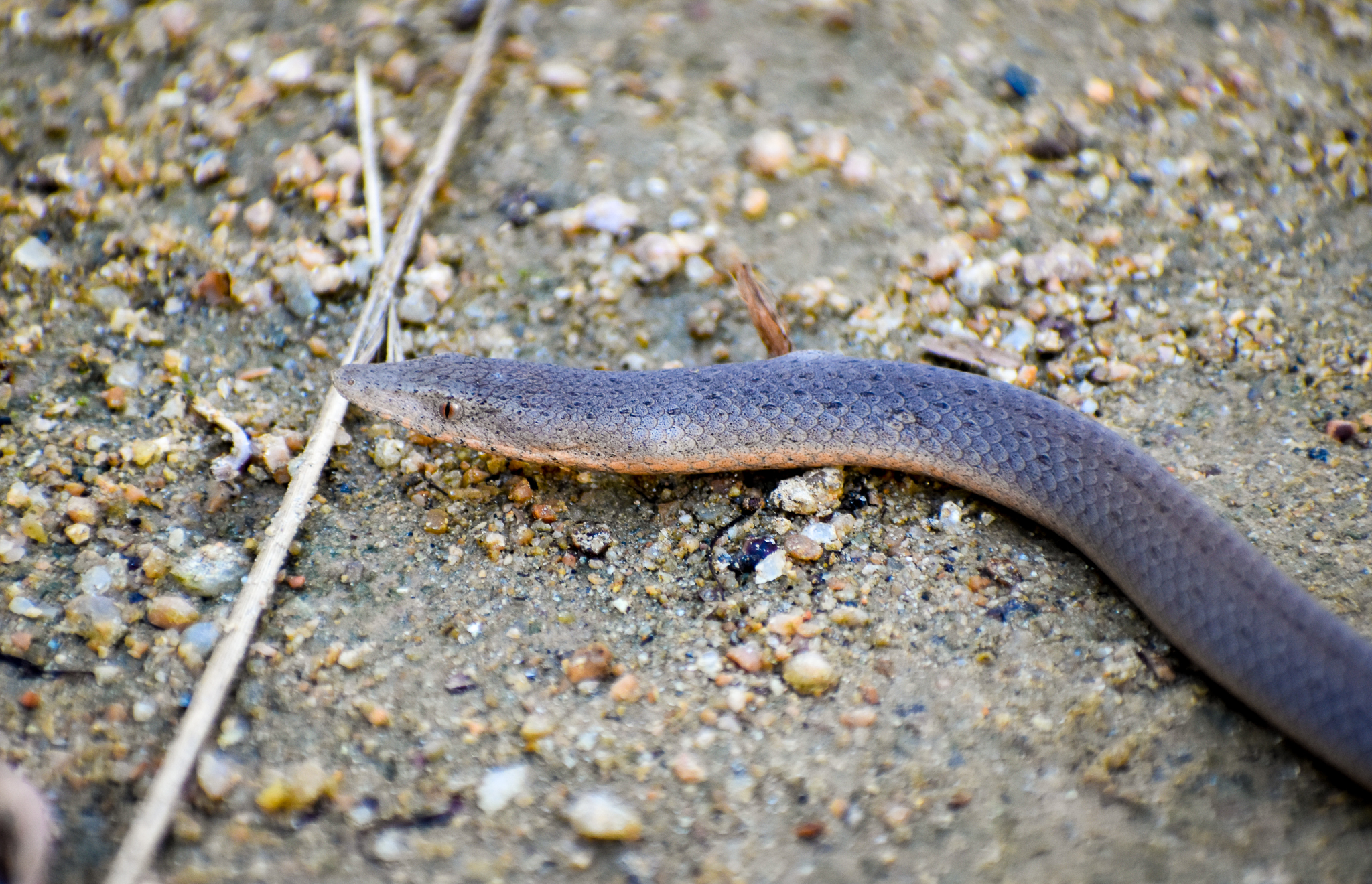
Yesterday I went to Boondall Wetlands and really didn’t have much success finding much. Just when I was about to call it a day, I came across a small group of visitors warning people of a “snake” on the path. Well it certainly wasn’t a snake but rather a Burton’s Legless Lizard! The legless lizard is definitely the wildlife highlight for 2021. Black-necked Stork and Richmond Birdwing Butterfly have both been awesome highlights but legless lizards are just too cool!

I also went to the Enoggera Reservoir today and it was absolutely heaving with birdlife. I have never seen it so packed with birds. I wasn’t the only one either to pick this pattern up either as I greeted several keen birders along the trail. I finally picked up jacana today – two of them! They are such graceful birds on their waterlilies and I saw one in flight as well. Other lifers included a radiant Spotted Pardalote that briefly made an appearance just long enough for a clear id, a small group of Silvereyes and two new species of cuckoo. Rose Robins were marvellous as well – apparently there has been a recent influx of them in south-east Queensland. I also ticked off the Mistletoebird a while back but am only getting around now to updating this list.


Birds
109) Australasian Grebe Tachybaptus novaehollandiae
110) Mistletoebird Dicaeum hirundinaceum
111) Long-billed Corella Cacatua tenuirostris
112) Yellow-faced Honeyeater Lichenostomus chrysops
113) Shining Bronze-Cuckoo Chrysococcyx lucidus
114) Spotted Pardalote Pardalotus punctatus
115) Comb-crested Jacana Irediparra gallinacea
116) Fan-tailed Cuckoo Cacomantis flabelliformis

117) White-throated Honeyeater Melithreptus albogularis
118) Silvereye Zosterops lateralis
119) Rose Robin Petroica rosea

120) Striated Pardalote Pardalotus striatus

Herptiles
11) Eastern Striped Skink Ctenotus robustus
12) Burton's Legless Lizard Lialis burtonis

Fish
1) Long-finned Eel Anguilla reinhardtii
2) Mozambique Tilapia Oreochromis mossambicus
3) Yellowfin Bream Acanthopagrus australis

Invertebrates
48) Chalky Percher Diplacodes trivialis
49) Slender Skimmer Orthetrum sabina
50) Purple Cerulean Jamides phaseli
51) Beet Webworm Spoladea recurvalis

52) Yellow-striped Flutterer Rhyothemis phyllis
53) Sparkling Northern Jumping Spider Cosmophasis micarioides


I visited Kedron Brook Wetlands Reserve a few days ago which is an incredibly impressive place that has a variety of habitats all along the track – open grassland, mangroves and wetlands namely. The reserve can be accessed via crossing a road from a very busy shopping centre and walking through a series of parks. The land is wedged within the industrial heartland of Brisbane’s northern suburbs and also serves as a bike track. It makes for an interesting experience as the birdlife often comes closely into human contact more so than in other places I have seen. Everything from Brahminy kites and sea eagles flying over trainlines, scrubwrens raising young near a bike rack and stilts sharing the wetlands with the highway backdrop. Planes from the nearby airport regularly fly over yet that doesn’t seem to disturb the birds generally.

I only had an hour to go around the track and I managed to pick up four lifers thanks to the open country. I hadn’t had a chance to visit this type of grassland habitat before so I quickly picked up some new species. The striped honeyeater was an added bonus in a patch of bush. What really struck me about the Kedron Brook was the diversity. In my short hour there I saw everything from the more traditional bushland birds (whistlers, drongos, bee-eaters, pardalotes, fairy-wrens) to open grassland birds (pipits, cisticolas, grassbirds) to wetland species (kingfishers, herons, egrets, cormorants, darters, spoonbills, stilts) to the mangrove specialists (mangrove gerygones and honeyeaters). I counted eight mangrove honeyeaters and they were much showier than the ones at Nudgee Beach!

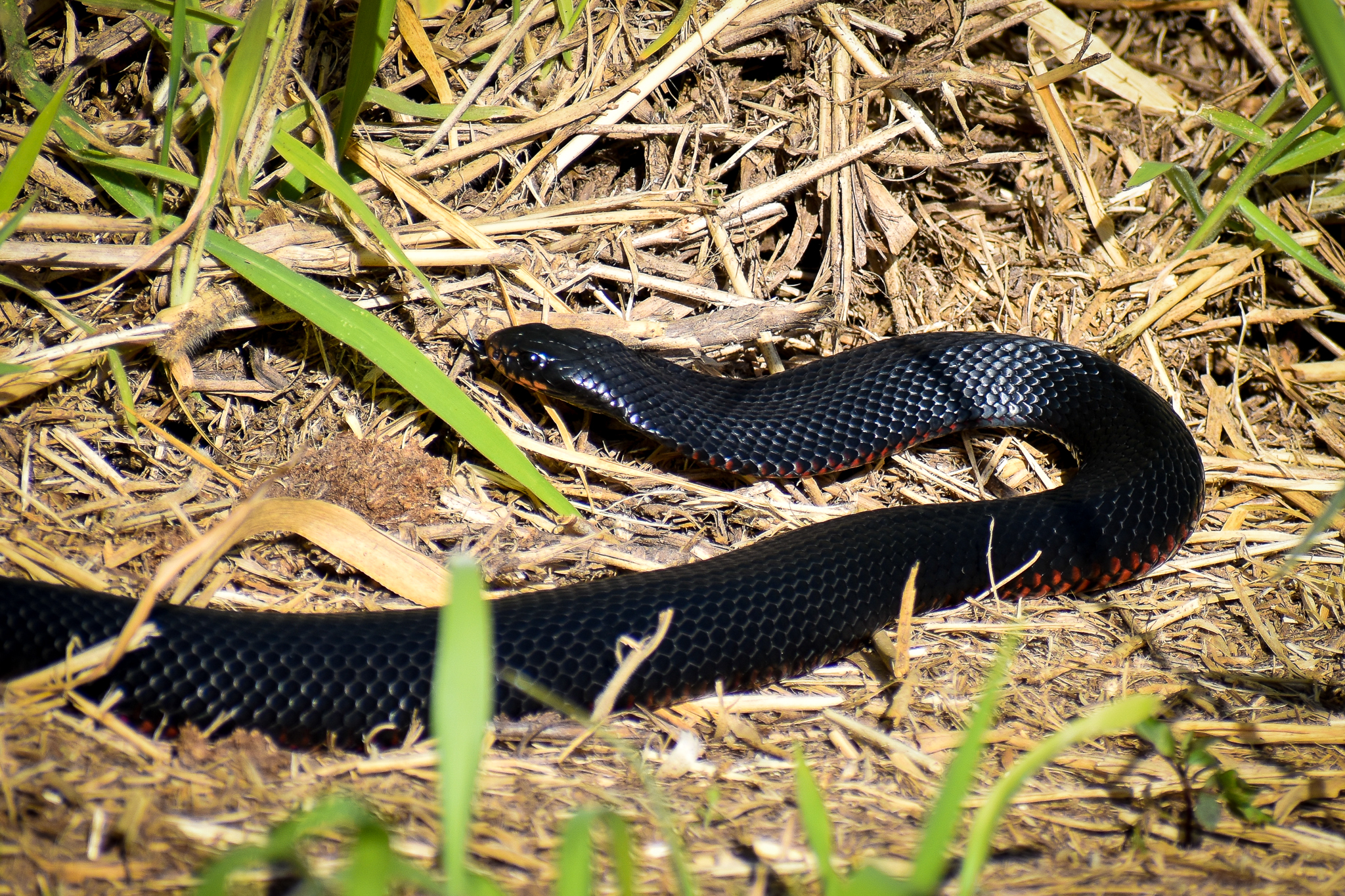
I today returned to the Kedron Brook for a second visit and found some dotterels notably. I also heard a loud rustle in the grass along the path. I paused and watched as the noise grew closer. I took a step back not knowing what it was and out emerged an absolutely beautiful Red-bellied Black Snake! It was incredibly shy retreating as soon it saw humans were out and about. A gorgeous reptile!

Birds
121) Golden-headed Cisticola Cisticola exilis
122) Striped Honeyeater Plectorhyncha lanceolata
123) Australian Pipit Anthus australis

124) Pied Stilt Himantopus leucocephalus
125) Royal Spoonbill Platalea regia
126) Tawny Grassbird Cincloramphus timoriensis
127) Olive-backed Oriole Oriolus sagittatus
128) Grey Teal Ana gracilis
129) Black-fronted Dotterel Elseyornis melanops

Herptiles
13) Red-bellied Black Snake Pseudechis porphyriacus


Invertebrates
54) Black Jezebel Delias nigrina


I visited Kedron Brook Wetlands Reserve a few days ago which is an incredibly impressive place that has a variety of habitats all along the track – open grassland, mangroves and wetlands namely. The reserve can be accessed via crossing a road from a very busy shopping centre and walking through a series of parks. The land is wedged within the industrial heartland of Brisbane’s northern suburbs and also serves as a bike track. It makes for an interesting experience as the birdlife often comes closely into human contact more so than in other places I have seen. Everything from Brahminy kites and sea eagles flying over trainlines, scrubwrens raising young near a bike rack and stilts sharing the wetlands with the highway backdrop. Planes from the nearby airport regularly fly over yet that doesn’t seem to disturb the birds generally.

I only had an hour to go around the track and I managed to pick up four lifers thanks to the open country. I hadn’t had a chance to visit this type of grassland habitat before so I quickly picked up some new species. The striped honeyeater was an added bonus in a patch of bush. What really struck me about the Kedron Brook was the diversity. In my short hour there I saw everything from the more traditional bushland birds (whistlers, drongos, bee-eaters, pardalotes, fairy-wrens) to open grassland birds (pipits, cisticolas, grassbirds) to wetland species (kingfishers, herons, egrets, cormorants, darters, spoonbills, stilts) to the mangrove specialists (mangrove gerygones and honeyeaters). I counted eight mangrove honeyeaters and they were much showier than the ones at Nudgee Beach!

I today returned to the Kedron Brook for a second visit and found some dotterels notably. I also heard a loud rustle in the grass along the path. I paused and watched as the noise grew closer. I took a step back not knowing what it was and out emerged an absolutely beautiful Red-bellied Black Snake! It was incredibly shy retreating as soon it saw humans were out and about. A gorgeous reptile!
Great post!
 
Two new birds this time, both of them nocturnal species that are very rewarding to watch. The woodcocks gave away a great show but the nightjars were a lot quieter than usual. By now, I have seen almost all breeding birds in my area, missing only the classic "heard-only" species (quail, bittern, water rail), grasshopper warbler (missed the peak season, and also seems more restricted this year) and maybe turtle dove (which has become so rare it is nearly impossible to find). There is a good location for black stork not that far from here, but it is outside my totally subjective notion of my "local area". Besides that, it's waiting for autumn migration to see new bird species.

So, I've decided to put more emphasis on dragonflies, with two small excursions almost completely dedicated to them. I only "discovered" dragonflies last year and I really enjoy watching them. They're also not that difficult to ID when you know what to look for.

Birds
217. European Nightjar, Caprimulgus europeaeus
218. Eurasian Woodcock, Scolopax rusticola

Herptiles
6. Natterjack Toad, Epidalea calamita
7. Common Frog, Rana temporaria

Fish
1. Common Rudd, Scardinius erythrophthalmus

Dragonflies
6. Blue Emperor, Anax imperator
7. Downy Emerald, Cordulia aenea
8. Broad-bodied Chaser, Libellula depressa
9. Emerald Spreadwing, Lested dryas
10. Large Red Damselfly, Pyrrhosoma nymphula
11. Black-tailed Skimmer, Orthetrum cancellatum
12. Common Blue Damselfly, Enallagma cyathigerum
13. Scarlet Dragonfly, Crocothemis erythraea
14. Scarce Chaser, Libellula fulva
15. Red-eyed Damselfly, Erythromma najas

16. White-legged Damselfly, Platycnemis pennipes
17. Green-eyed Hawker, Aeshna isoceles
18. Western Clubtail, Gomphus pulchellus

19. Small Red Damselfly, Ceriagrion tenellum

Other invertebrates
41. Tyria jacobaeae
42. Coreus marginatus
43. Polistes dominula
44. Phyllopertha horticola
45. Sitticus pubescens
46. Tortrix viridana
47. Myrmeleotettix maculatus
48. Cryptocephalus moraei
49. Episyrphus balteatus
50. Camptogramma bilineata
51. Myathropa florea
52. Panorpa communis
53. Graphosoma italicum
54. Tritomegas bicolor

(I'm a bit too lazy to look up all the english names of the "other" inverts :D)
 
great mammal eveing not so great bird wise
12 european bever Castor fiber
13 eurasian badger Meles meles
herps
2 slow worm Anguis fragilis
3 common adder Vipera berus
4 common lizard Vipera berus
 
  • Like
Reactions: MRJ
Insect/Invertebrate:
97. Cabbage white (Pieris rapae)
98. Honeylocust treehopper (Micrutalis calva)
99. Widow skimmer (Libellula luctuosa)
100. Red-banded leafhopper (Graphocephala coccinea)
101. Metric paper wasp (Polistes metricus)
102. Beet petiole borer (Cosmobaris scolopacea)
103. Saddled leafhopper (Colladonus clitellarius)
Birds:
73. Double-creasted cormorant (Phalacrocorax auritus)

Seen from the car on the way back from Kings Island
 
  • Like
Reactions: MRJ
Birds
123 Bittern Botaurus stellaris
124 Little Ringed Plover Charadrius Dubois

Herptiles
3 Common Toad Bufo bufo
4 Palmate Newt Lissotriton helveticus

Invertebrates
104 beetle Malachius bipustulatus
105 5-spot Burnet Zygaena trifolii
 
  • Like
Reactions: MRJ
Birds:
73. Double-creasted cormorant (Phalacrocorax auritus)

Seen from the car on the way back from Kings Island

Insect/Invertebrate:
104. Three-spotted fillip (Heterophleps triguttaria)
105. Double-banded grass-veneer (Crambus agitatellus)
106. Four-toothed mason wasp (Monobia quadridens)
107. Common eastern firefly (Photinus pyralis)
108. Wood soldier fly (Xylomya aterrima)
 
  • Like
Reactions: MRJ
Back
Top