You are using an out of date browser. It may not display this or other websites correctly.
You should upgrade or use an alternative browser.
You should upgrade or use an alternative browser.
ZooChat Cup finals: Vienna vs Zurich
- Thread starter CGSwans
- Start date

Two Zurich matches in the same wave? 
Two Zurich matches in the same wave?
What can I say? I’m unpredictable.
What can I say? I’m unpredictable.
Everyone knew you would say that
But in all seriousness this looks to be an interesting match - neither collection is overblessed with category species (Zurich has 16, Vienna 22) and the vast majority of species are duplicated across the two, so it really does come down to how well they are exhibited.
And I don't know any ready answers on that one, having visited neither


Been in the both collections recently and it's a tough call.Exotarium is exquisite small building containing Plain Viscacha, Tamandua and Aguty. The South Americans are also very well presented. I am only bit reserved about the Koala and Wallaby in Australia zone.
Vienna has great Rat and Koala houses. Few species in the Monkey house and they are also very good in presenting South America. Both collections have bats in their Tropical halls. It is damn close.
Vienna has great Rat and Koala houses. Few species in the Monkey house and they are also very good in presenting South America. Both collections have bats in their Tropical halls. It is damn close.


Been in the both collections recently and it's a tough call.Exotarium is exquisite small building containing Plain Viscacha, Tamandua and Aguty. The South Americans are also very well presented. I am only bit reserved about the Koala and Wallaby in Australia zone.
Vienna has great Rat and Koala houses. Few species in the Monkey house and they are also very good in presenting South America. Both collections have bats in their Tropical halls. It is damn close.
The tamandua died recently...

ZTL lists, roughly but not exactly confirming Dave's numbers (showing a somewhat wider gap of nearly 2-1 for Vienna):
Zurich (13)
Giant anteater
Naked mole-rat
Koala
Bennett's/red-necked wallaby
St Vincent agouti
Capybara
Linne's two-toed sloth
Swinhoe's striped squirrel
Rock hyrax
Rodriguez flying fox
Barbary striped grass mouse
Plains viscacha
European rabbit (Wild rabbit)*
Vienna (24)
Giant anteater
Naked mole-rat
Koala
Bennett's/red-necked wallaby
St Vincent agouti
Capybara
Linne's two-toed sloth
Egyptian spiny mouse
Egyptian hedgehog
Seba's short-tailed bat
South African pygmy mouse
European ground squirrel
Gambian pouched rat
Red-rumped agouti
Greater Egyptian jerboa
Indian flying fox
Large flying fox
Short-eared elephant shrew
Egyptian fruit bat
Northern Luzon giant cloud rat
Northern treeshrew
Black-tailed prairie dog
Pallas' long-tongued bat
Southern three-banded armadillo
*Does this mean Zurich participates in any conservation work for European rabbits?
I like that Vienna has four bat species, and that we can directly compare koala exhibits (a rare occurrence). A question: what exactly is the critique of Zurich's koala house? Opinion of it seems tepid when brought up, but the photos posted of it look fine to me.
Zurich (13)
Giant anteater
Naked mole-rat
Koala
Bennett's/red-necked wallaby
St Vincent agouti
Capybara
Linne's two-toed sloth
Swinhoe's striped squirrel
Rock hyrax
Rodriguez flying fox
Barbary striped grass mouse
Plains viscacha
European rabbit (Wild rabbit)*
Vienna (24)
Giant anteater
Naked mole-rat
Koala
Bennett's/red-necked wallaby
St Vincent agouti
Capybara
Linne's two-toed sloth
Egyptian spiny mouse
Egyptian hedgehog
Seba's short-tailed bat
South African pygmy mouse
European ground squirrel
Gambian pouched rat
Red-rumped agouti
Greater Egyptian jerboa
Indian flying fox
Large flying fox
Short-eared elephant shrew
Egyptian fruit bat
Northern Luzon giant cloud rat
Northern treeshrew
Black-tailed prairie dog
Pallas' long-tongued bat
Southern three-banded armadillo
*Does this mean Zurich participates in any conservation work for European rabbits?
I like that Vienna has four bat species, and that we can directly compare koala exhibits (a rare occurrence). A question: what exactly is the critique of Zurich's koala house? Opinion of it seems tepid when brought up, but the photos posted of it look fine to me.
Sorry, wasn't aware.The tamandua died recently...
Zurich also has a fantastic bat museum and rehabilitation center on site, which was completely revamped recently (see top link). The rehabilitation center is visible to visitors, as are the bat feedings.
Fledermaus-Welt | Zoo Zürich
Fledermäuse | Zoo Zürich
Fledermaus-Welt | Zoo Zürich
Fledermäuse | Zoo Zürich
I actually forgot, that the Desert house can also be part of this game and host some little gems like Egyptian hedgehog + huge Naked mole-rat tube labirint. This, plus the beautiful Rat House in Schönbrunn and not so favourite Australian dessert in Zurich will make me follow the wave and vote 2:1 for Vienna.
Last edited:
I suspect the below review might have something to do with this:A question: what exactly is the critique of Zurich's koala house? Opinion of it seems tepid when brought up, but the photos posted of it look fine to me.
I visited Zurich Zoo on a brief visit to Europe last month. It was the second zoo visited, after Bern Zoo and before Alpin Zoo in Innsbruck. You can find brief introductory remarks about the trip in the Bern Zoo report.
Zurich Zoo is the sort of zoo I no longer make a great effort to see, a major mixed collection based in a large city. Why? Because there is little useful I can learn that can be applied to Moonlit. After all, while a good budget for an enclosure at Moonlit might be $50,000, these zoos usually talk of budgets of $5,000,000 and more. However, that does not stop me visiting if passing and Zurich is conveniently located between Bern and Innsbruck. I also wanted to see the Masoala Rainforest Hall of which I had heard many good things. Lastly of course Zurich Zoo is the zoo with which Heini Hediger is most closely associated. Hediger is regarded as the father of zoo biology, and was the first to define the rolls of a zoo as recreation, conservation, education and science.
I got to the zoo by tram, the number 6 tram terminates about 50 metres from the zoo entrance. If taking the tram from the central rail station, as I did, be aware the number 6 stops at the tram stop across the river from the front of the station, not any of the stops around the station.
The first building encountered was, like Bern, a multi-species house containing small mammals, birds, reptiles, amphibians and fish. While it was much larger and contained many more species, I did not enjoy it as much as the vivarium at Bern. It had three levels, with the bottom basement obviously winter accommodation for some of the larger mammals.
Heading up the hill was the South American area, with the excellent spectacled bear enclosure. This area is sometimes described as an “immersion” exhibit but not by my definition. By my account for an exhibit or more probably collection of exhibits to be regarded as immersion you have to be able to look in any direction and believe you could be in the animal’s habitat.
Moving further on I came to the Australian area, a disappointment and what a disappointment! Not I hasten to add was I concerned about the husbandry, but rather the theming of the exhibit. Overall the impression I got was that the theme was arid red-sand country. This was a theming that went throughout the Australian section, inside and out. Things started well with a large enclosure with outside and inside sections for perentie, followed by an equally appropriate shingleback lizard. Going inside the red colouring dominated, making the interior quite dark. A line of white dots meander along the wall, reminiscent of Aboriginal dot painting. (By the way, Aboriginals take a dim view of whitefellas misappropriating their art). Again, this leads me to think of the arid interior, as that is where dot art comes from. Looking into the enclosure what is sitting on a perch in the middle of this desert scene? A koala.
Going outside more koalas, redneck wallabies and emus. Again, the red-sand country theming is carried through. I read later in the guide book I purchased that the theme was meant to be “savanna woodland”. Whatever, this entire area is labeled “Canberra Forest Trail”. Somebody should tell Zurich Zoo Canberra is as green as Switzerland most of the time. My view is that any landscape theming of enclosures should reflect the habitat of the species being exhibited as much as possible. That way the zoo visitor at least can associate animals with their habitats, even if they never read a sign. Years ago, I visited Nagoya Zoo and, in their koala house, the koalas sat on perches surrounded by a field of potted orchids. Neither Nagoya Zoo’s or Zurich Zoo’s koala house tell me anything about the habitat of koalas, but at least no reasonable person is likely to be tricked into believing koalas live in fields of orchids. Coincidently, when Zurich Zoo received their six koalas from the Australian Reptile Park, they gave a $600,000 donation to “Aussie Ark”, the Reptile Park’s conservation facility. If Zurich Zoo themed their exhibit around Aussie Ark, they might have looked to housing animals associated with this project, such as devils, quolls, bettongs and potoroos.
Moving out of this area and across the road is a walk-in aviary containing rainbow lorikeets (or a close relative). Once again, the arid red-sand theming. Really? Having seen this, I have to doubt all of Zurich Zoo’s theming.
Next was the Great Ape House, and I am happy it is due for replacement. Walking into it I realized I recognized the enclosures from a photo in a book I have from my childhood, where the house was being lorded as the most modern in zoo design. I call this the “Hygienic” enclosure design period, cells that could be scrubbed spotless with no natural materials to hide unwanted bugs. At least they have some natural furnishings in the enclosures now, but the sooner it is replaced the better. Mind you, this house could easily be adapted to a range of smaller mammals as well as birds.
Moving along the top of the zoo past some bird and the cat enclosures, all of ample size and well furnished, I turned a corner and dropped down a level. Just before the lion exhibit I came across my favorite exhibit of the original part of the zoo. It was a simple aviary occupied by Swinhoe's striped squirrels, Derbyan parrots and chukar partridges. Filled with activity and noise, it captivated all who bothered to stop for a look. I tell you, people spent longer at this exhibit than they did with the Asiatic lions next door.
Continuing down I passed through an education area made up of yurts with appropriate exotic livestock penned nearby. A nice idea. I headed towards to bottom of the hill ignoring a substantial part of the zoo devoted to hoofstock. I found a delightful waterfowl enclosure to walk through and came out at the other end at the penguins next to where I started.
I then had to backtrack a little to get to the new section of the zoo. Proceeding down the track under a road I pass the first exhibit, a fantastic large enclosure for a group of geladas. Further downhill was the “elephant park” which was just great. The indoor enclosure is more impressive in life than it is in photos. I thought the roof might dominate the animals, but it doesn’t. I must admit though I was drawn to the roof, as it was made up of laminated wood. It took me back to a previous stage of my life when I was involved with that type of product.
Leaving the elephant house, having seen the mouse deer that I am sure most visitors miss, I proceeded back up the hill and on to the Masoala Rainforest Hall. To my right was the childrens zoo, which I thought looked a little scruffy and did not bother to visit. To the left was the vast Lewa Savanna project which was very much under construction. I read that when finished it would display giraffes, for the first time at Zurich Zoo in 60 years! Interesting that a major city zoo could go without such a popular ABC species for so long.
I finally reached the Masoala Rainforest Hall. Now you must understand temperatures outside where high, the European heat wave was still intense, and I had been at the Zoo walking round without a break for over four hours. Then I enter the tropical heat and all I want is relief. I move down the hall a lot like an average visitor, glancing from side to side but noticing little. I did of course notice the Madagascan weavers, a species I had kept as a teenager. The males were in their brilliant red breeding plumage and were everywhere. Finally, I reached the sanctuary of the café at the opposite end of the building. I enjoyed what was my best meal in Switzerland looking out on a wetland scene with jacanas stalking past the window.
After refreshing myself I visited the museum that contained displays on the history and lifestyle of Madagascar as well as some biological exhibits such as a model of the extinct elephant bird. There were also live exhibits for Madagascan boa and a reef aquarium displaying mostly Asian-Pacific fish.
I then went back into the Rainforest Hall to enjoy the next hour searching out birds, encountering lizards, and finding the first mouse lemur I have ever seen. I climbed the treetop walk to come face to face with a vasa parrot, then suddenly back on the path a group of red-ruffed lemurs jumped across the path in front of me. A small boy nearby gasped in amazement. All without a single crashed aircraft or ruined temple, the few buildings within the hall were all very low key and appropriate. Overall the rainforest hall was a wonderful experience. After the Australian area I did check that the real Masoala was a rainforest and of course many of the trees and even some of the animals are not to be found in Madagascar. But there was nothing that grated with me the way the Australian exhibits did. I did have a couple of concerns, though. Firstly, I wonder how many members of the general public would take the time I did to discover all the hall has to offer. I also wondered how many of the small reptiles, and even small mammals such as the mouse lemurs, were stolen by visitors.
After inspecting the gift shop and buying a half-price copy of the Zoofuhrer (in German, but an impressive publication) as well as the Masoala Nature Guide (in English) I took the tram back to the city. I collected my bag from the hotel then it was back onto the train towards Innsbruck.
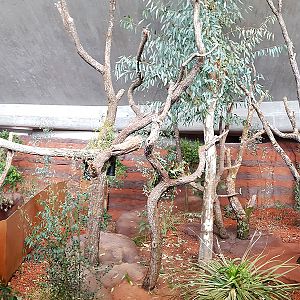
While the naturalistic interpretation of Zurich's koala enclosure might be somewhat off, I argue that at least Zurich is (abundantly) using natural elements in its koala enclosure. This separates it from every other koala enclosure I have seen, including Vienna, which is more reminiscent of a summer home patio, than a natural environment. However, despite the perhaps off-context theming and a certain weirdness resulting from this at Zurich's enclosure, I find it the decidedly most pleasant koala enclosure I have seen so far.
The likely reason for the intriguing groundworks of the enclosure are apparent (?) plans for a future ground-dwelling cohabitant in the enclosure.
Zurich enclosure on the left <-> Vienna enclosure on the right
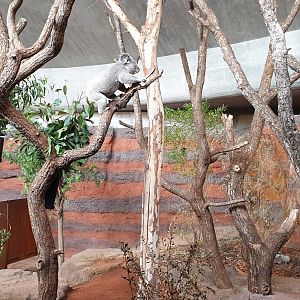
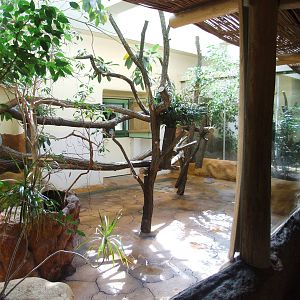
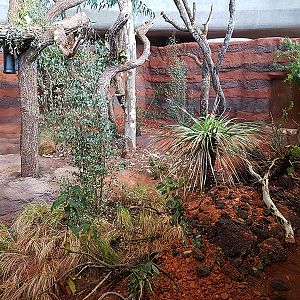
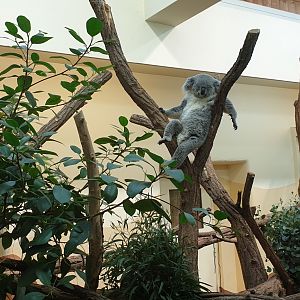
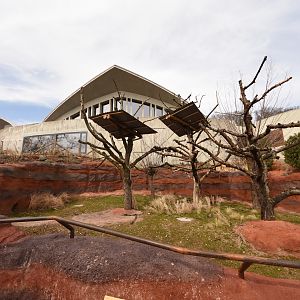
Bennett's/red-necked wallaby. In a 'red-desert' themed walk-through together with emu at Zurich
Zurich enclosure on the left <-> no images of Vienna enclosure found
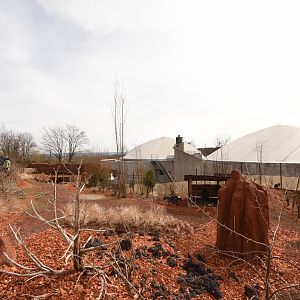
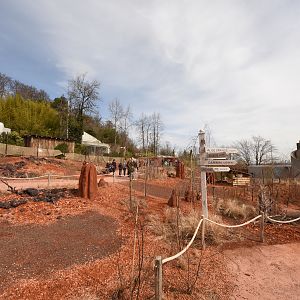
Zurich enclosure on the left <-> no images of Vienna enclosure found
Flying foxes
Zurich enclosure on the left <-> Vienna enclosure on the right
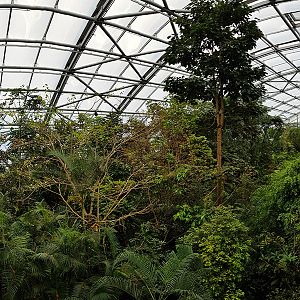
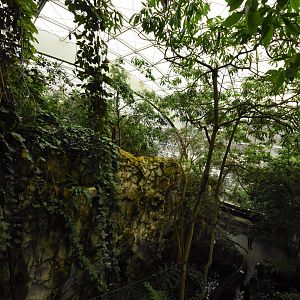
(find the flying fox)
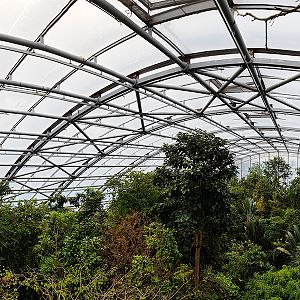
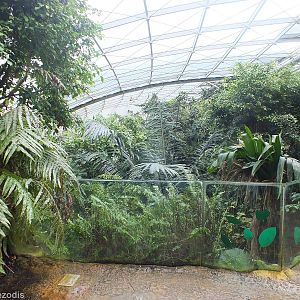
feeder on the left
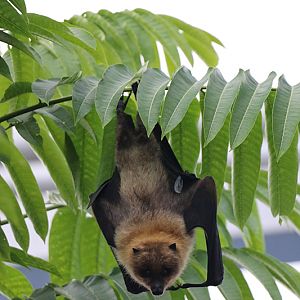
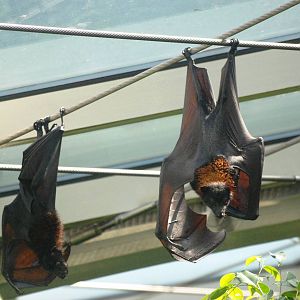
Zurich enclosure on the left <-> Vienna enclosure on the right
(find the flying fox)
feeder on the left
Two-toed sloth
Zurich enclosure on the left <-> Vienna enclosure on the right
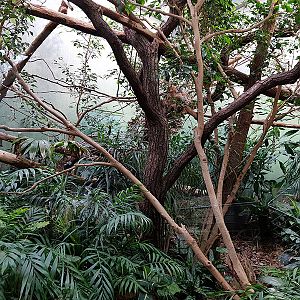
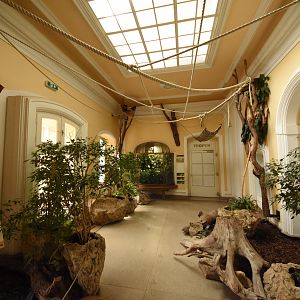
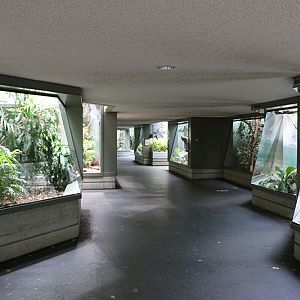
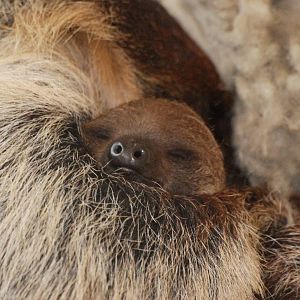
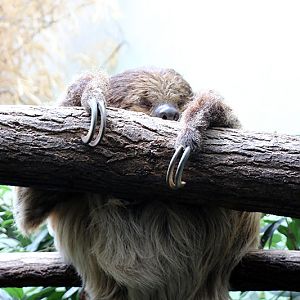
Zurich enclosure on the left <-> Vienna enclosure on the right
Capybara & giant anteater
Zurich enclosure on the left <-> Vienna enclosure on the right
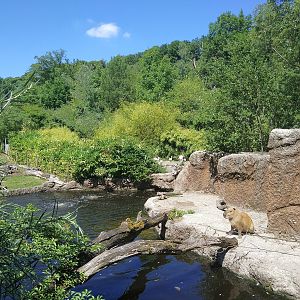
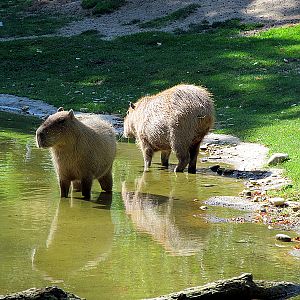
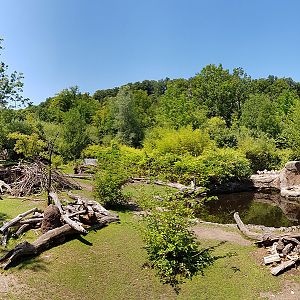
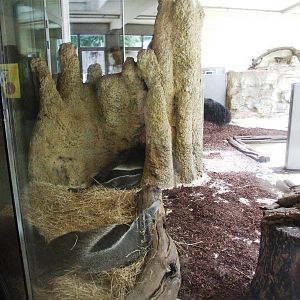
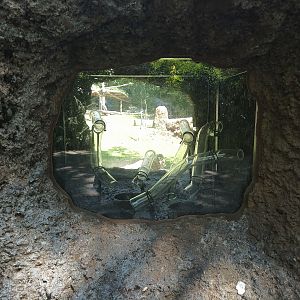
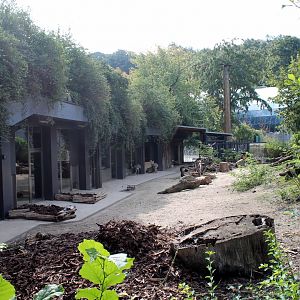
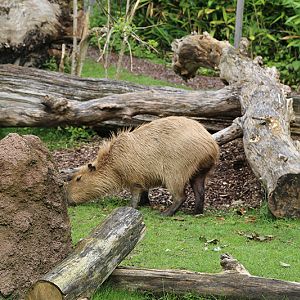
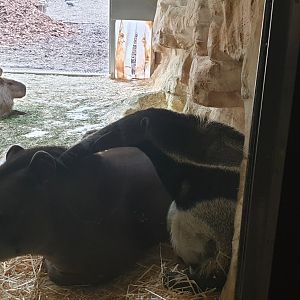
Zurich enclosure on the left <-> Vienna enclosure on the right
Agouti
Zurich enclosure on the left <-> Vienna on the right (no enclosure images found)
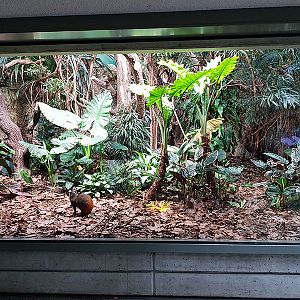
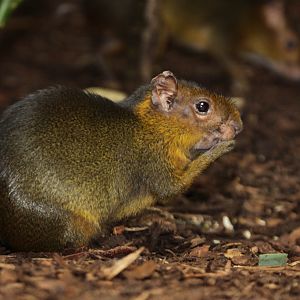
(ground level front view)
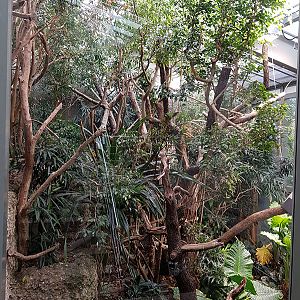
(midlevel side view)
Zurich enclosure on the left <-> Vienna on the right (no enclosure images found)
(ground level front view)
(midlevel side view)
naked mole rat
Zurich: Animals in collection but enclosure not yet open to public - hence no images.
Vienna: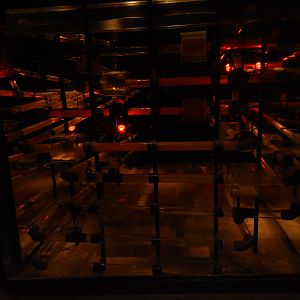
Zurich: Animals in collection but enclosure not yet open to public - hence no images.
Vienna:
Zurich only:
Plains viscacha

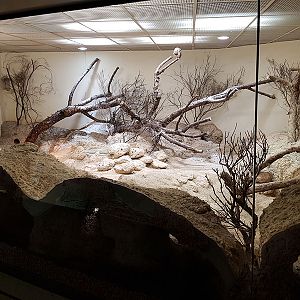
Semien: Hyraxes
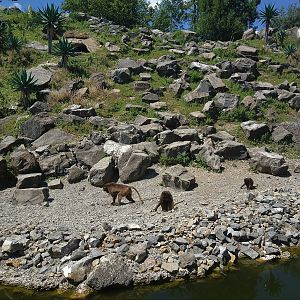
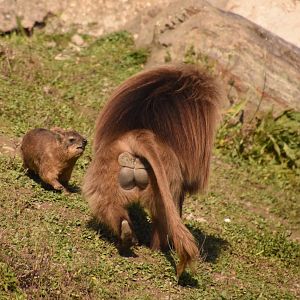
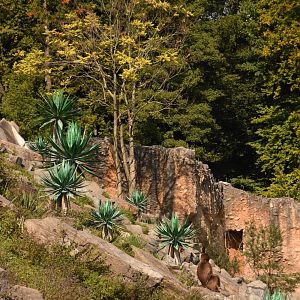
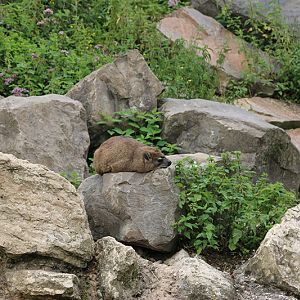
Swinhoe's squirrel
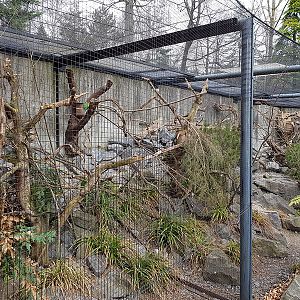
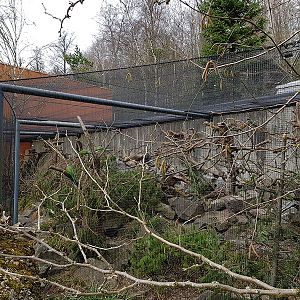
'other mammals' and education at Zurich
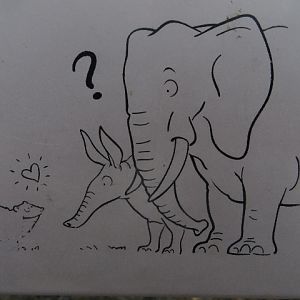
(this sign no longer exists at Zurich, but remains illustrative of the excellent educational displays at the zoo)
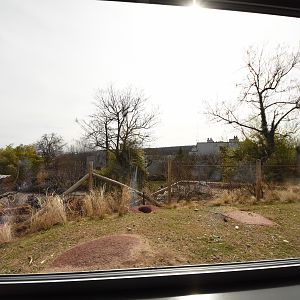
(European rabbit enclosure as educational illustration of the invasives problem in Australia)
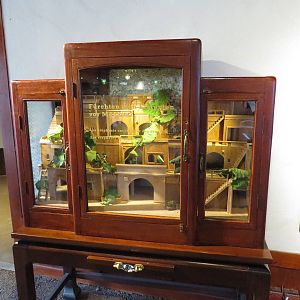
domestic mice @ elephant park
Barbary striped grass mouse @ ape house -> no images
Porcupine (Lewa) -> no images, enclosure not yet open
bat museum and rehabilitation center: Fledermaus-Welt | Zoo Zürich
Fledermäuse | Zoo Zürich
Plains viscacha
Semien: Hyraxes
Swinhoe's squirrel
'other mammals' and education at Zurich
(this sign no longer exists at Zurich, but remains illustrative of the excellent educational displays at the zoo)
(European rabbit enclosure as educational illustration of the invasives problem in Australia)
domestic mice @ elephant park
Barbary striped grass mouse @ ape house -> no images
Porcupine (Lewa) -> no images, enclosure not yet open
bat museum and rehabilitation center: Fledermaus-Welt | Zoo Zürich
Fledermäuse | Zoo Zürich
Vienna only
(Tree) porcupines
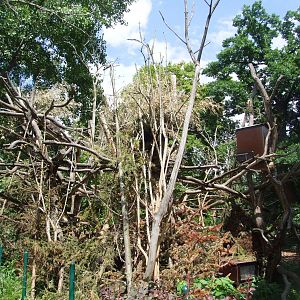

Elephant shrew @ desert house

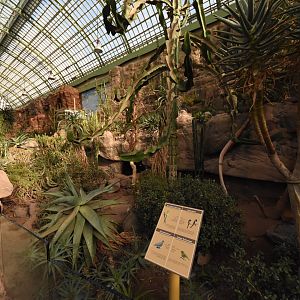
Rat house
Coypu
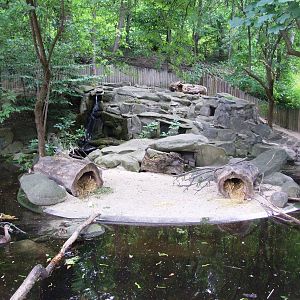
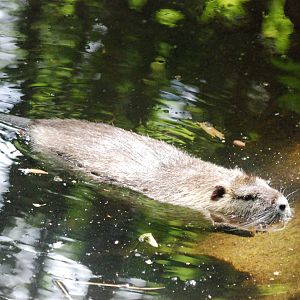
European ground squirrel
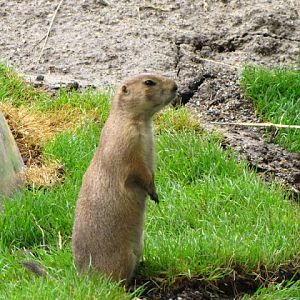
no images:
Egyptian spiny mouse
Egyptian hedgehog
Seba's short-tailed bat
South African pygmy mouse
Gambian pouched rat
Greater Egyptian jerboa
Northern Luzon giant cloud rat
Northern treeshrew
Pallas' long-tongued bat
Southern three-banded armadillo
(Tree) porcupines
Elephant shrew @ desert house
Rat house
Coypu
European ground squirrel
no images:
Egyptian spiny mouse
Egyptian hedgehog
Seba's short-tailed bat
South African pygmy mouse
Gambian pouched rat
Greater Egyptian jerboa
Northern Luzon giant cloud rat
Northern treeshrew
Pallas' long-tongued bat
Southern three-banded armadillo