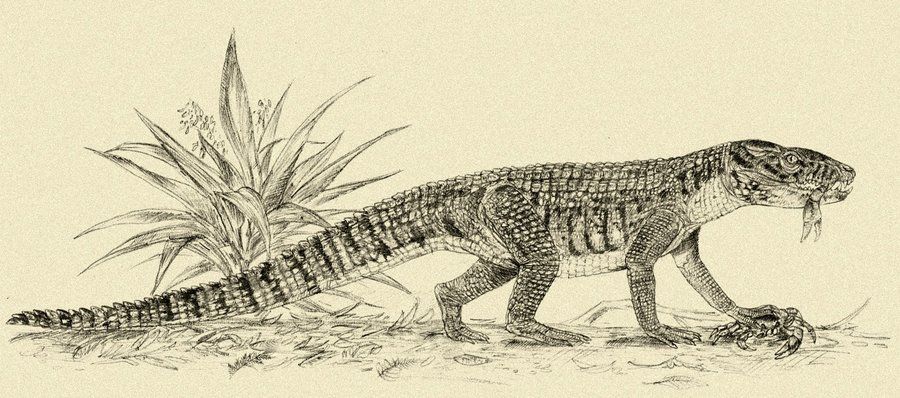
After @Chlidonias pointed out my error I looked it up and found that last terrestrial crocodile was indeed not Quinkana but Mekosuchus. The genus lived on South Pacific islands from 25,000,000 B.C.E. to 3,000 years ago.
I'd suggest Oncorhynchus rastrosus, as it clearly lives up to the cartoon image of prehistoric ancestors of modern animals (= gigantic & saber-toothed) spread by Gary Larson et al.




Nice mustache.
NUMBER THIRTY-THREE: One Fish, Two Fish, Red Fish, Bigaft Monster Fish
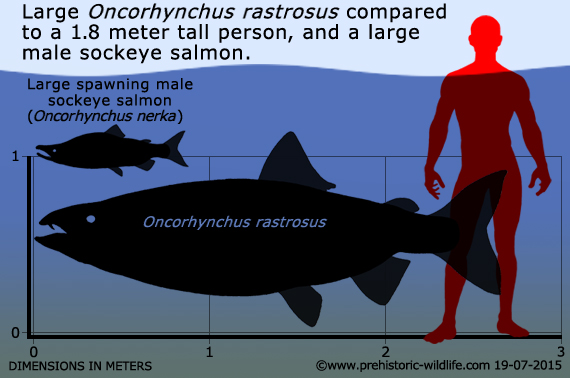
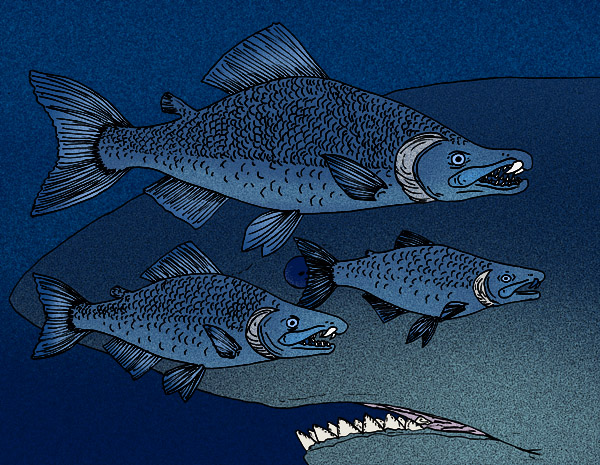
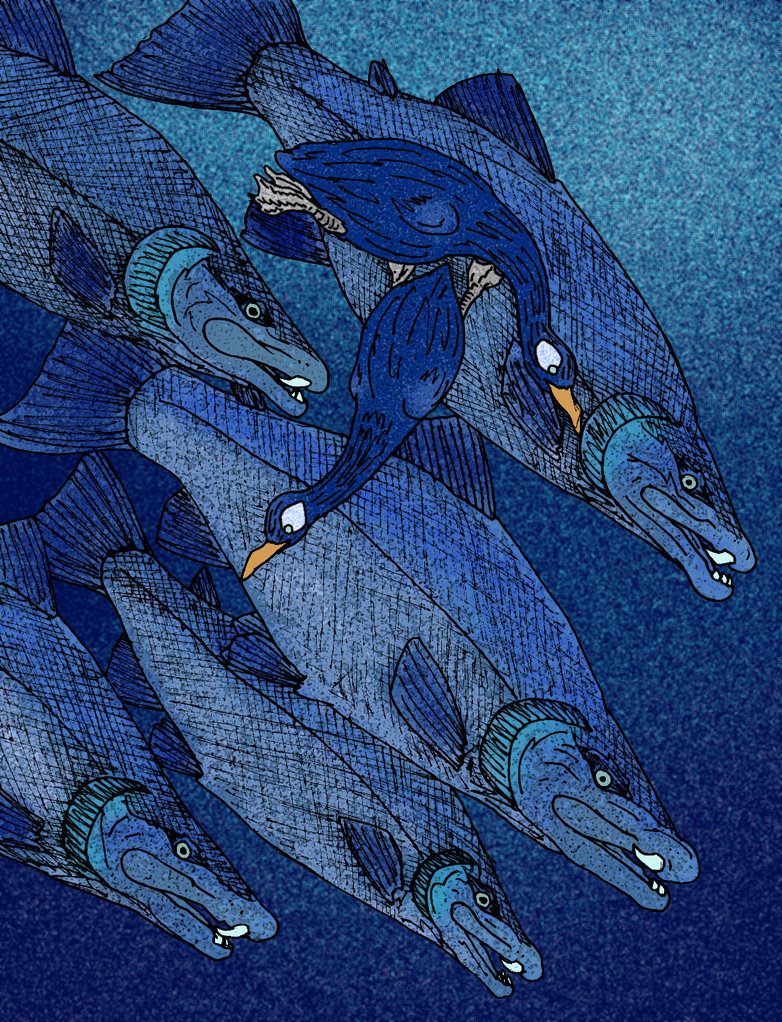
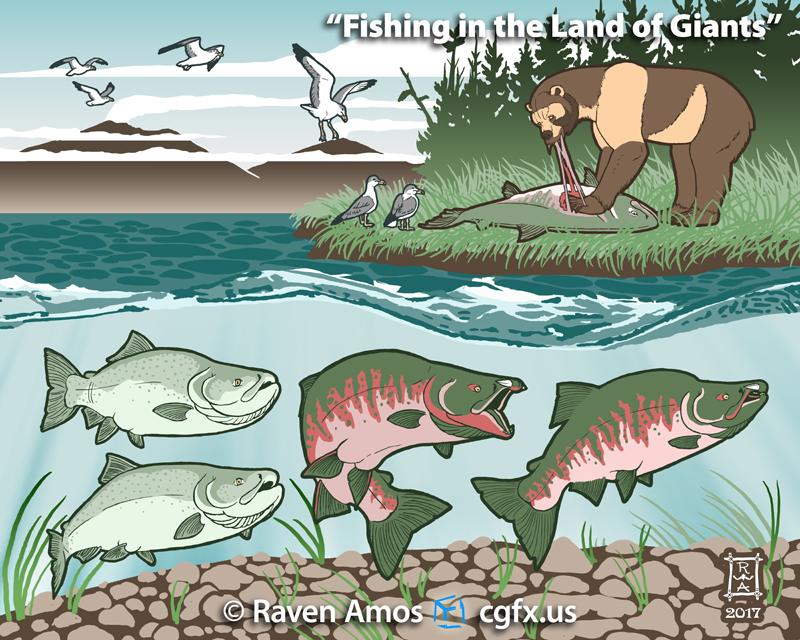
The genus Oncorhynchus is still alive today but none of the living species get quite this big. Adult super salmon measured 9 feet (2.74 meters) long and may have measured up to 400 pounds (181.43 kilograms). Like modern salmon, this species probably lived life in the ocean but swan up river to spawn. Large gill-rakes and fossilized teeth suggest this species was planktivorous. Exceptionally high levels of plankton have also been recorded in Miocene aged marine deposits, which reveals that super salmon probably grew so big as a result of both a greater abundance of food, as well as a slower lifestyle which would not require calories for fast pursuit swimming, meaning that more could go to growth. The super salmon had two, large 0.8 to 1.2 inch (2 to 3 centimeter) long upper tusk-shaped teeth. It's worth noting I don't think the exact position of the tusks in a living fish is known as reconstructions seem to depict them in varying positions. To see if the tusk-shaped teeth played an important role in breeding of this species, researchers compared 51 different fossils from ancient deposits of both freshwater and saltwater environments. Teeth from freshwater deposits are not only larger, but they are also more recurved, and the tooth tips more worn and blunt. In addition, their bony tooth bases are considerably larger. Teeth from coastal marine deposits are smaller, straighter, their tooth tips sharper, and their tooth bases smaller. This supports our hypothesis that the super salmon did developmentally change between the marine and freshwater stages of their lives, as modern salmon do today. The paleontologists think it is likely super salmon were using their tusk-shaped teeth for fighting and display against each other during the spawning season. One can imagine prehistoric bears catching these goliath salmon and pulling them up on the bank.
- Animal: Super salmon (Oncorhynchus rastrosus)
- Name Pronunciation: On-ko-rin-kus ras-tro-sus
- Name Meaning: Oncorhynchus means "hook nose"
- Named By: Cavender and Miller - 1972
- Classification: Life, Eukaryota, Animalia, Chordata, Vertebrata, Gnathostomata, Osteichthyes, Actinopterygii, Salmoniformes, Salmonidae
- When: ~ 12,000,000 B.C.E. to 5,000,000 B.C.E. (Late Miocene through to the Pleistocene)
- Where: North America (United States (California, Oregon, and Washington))
- Size: *see below*
- Diet: *see below*
Picture and Information Sources:

Honestly, I would eat it, it looks good...
NUMBER THIRTY-THREE: One Fish, Two Fish, Red Fish, Bigaft Monster Fish
The genus Oncorhynchus is still alive today but none of the living species get quite this big. Adult super salmon measured 9 feet (2.74 meters) long and may have measured up to 400 pounds (181.43 kilograms). Like modern salmon, this species probably lived life in the ocean but swan up river to spawn. Large gill-rakes and fossilized teeth suggest this species was planktivorous. Exceptionally high levels of plankton have also been recorded in Miocene aged marine deposits, which reveals that super salmon probably grew so big as a result of both a greater abundance of food, as well as a slower lifestyle which would not require calories for fast pursuit swimming, meaning that more could go to growth. The super salmon had two, large 0.8 to 1.2 inch (2 to 3 centimeter) long upper tusk-shaped teeth. It's worth noting I don't think the exact position of the tusks in a living fish is known as reconstructions seem to depict them in varying positions. To see if the tusk-shaped teeth played an important role in breeding of this species, researchers compared 51 different fossils from ancient deposits of both freshwater and saltwater environments. Teeth from freshwater deposits are not only larger, but they are also more recurved, and the tooth tips more worn and blunt. In addition, their bony tooth bases are considerably larger. Teeth from coastal marine deposits are smaller, straighter, their tooth tips sharper, and their tooth bases smaller. This supports our hypothesis that the super salmon did developmentally change between the marine and freshwater stages of their lives, as modern salmon do today. The paleontologists think it is likely super salmon were using their tusk-shaped teeth for fighting and display against each other during the spawning season. One can imagine prehistoric bears catching these goliath salmon and pulling them up on the bank.
- Animal: Super salmon (Oncorhynchus rastrosus)
- Name Pronunciation: On-ko-rin-kus ras-tro-sus
- Name Meaning: Oncorhynchus means "hook nose"
- Named By: Cavender and Miller - 1972
- Classification: Life, Eukaryota, Animalia, Chordata, Vertebrata, Gnathostomata, Osteichthyes, Actinopterygii, Salmoniformes, Salmonidae
- When: ~ 12,000,000 B.C.E. to 5,000,000 B.C.E. (Late Miocene through to the Pleistocene)
- Where: North America (United States (California, Oregon, and Washington))
- Size: *see below*
- Diet: *see below*
Picture and Information Sources:



















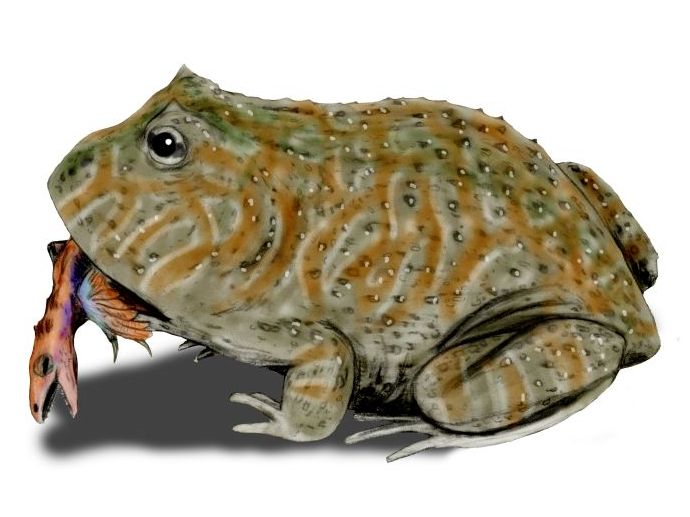
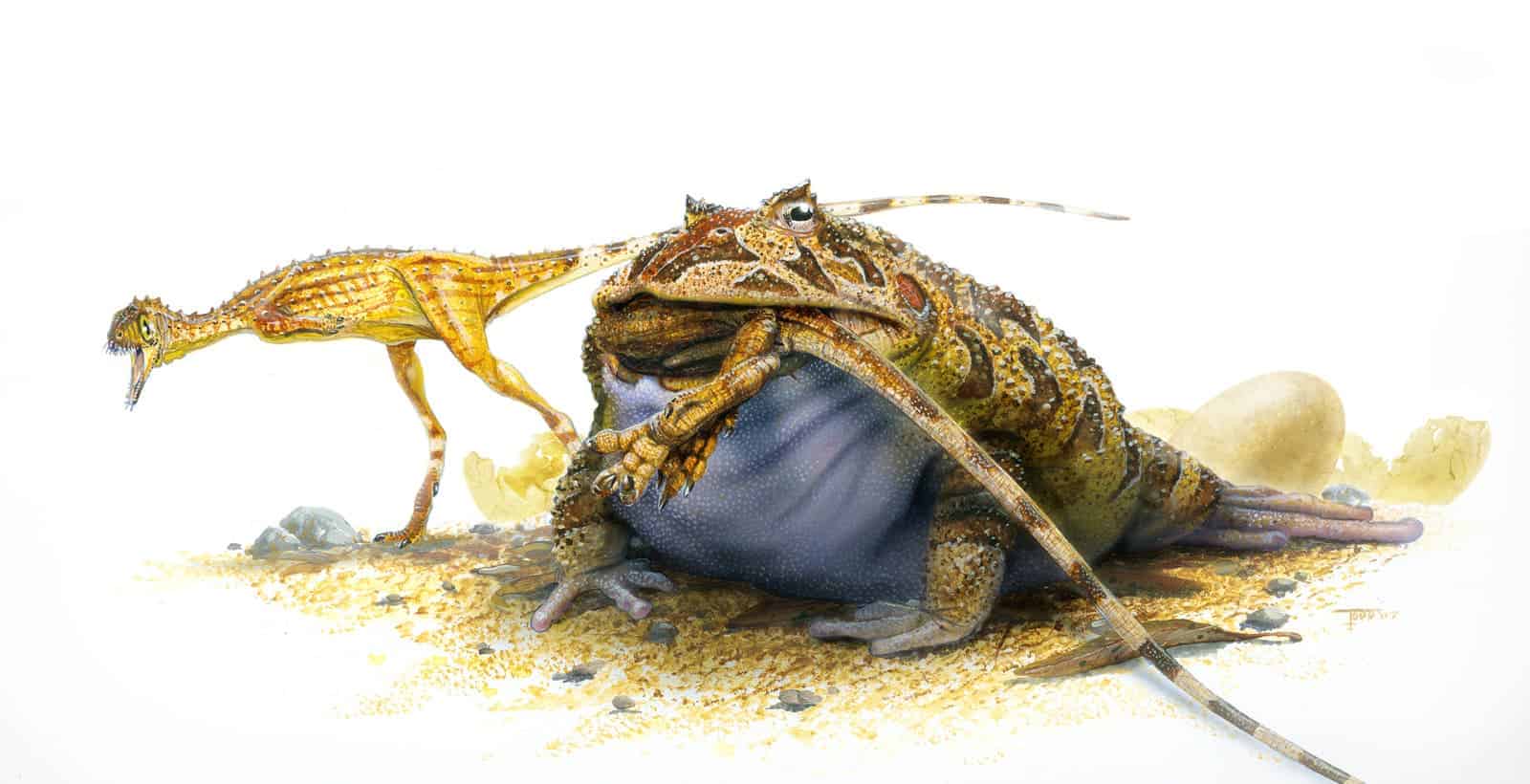

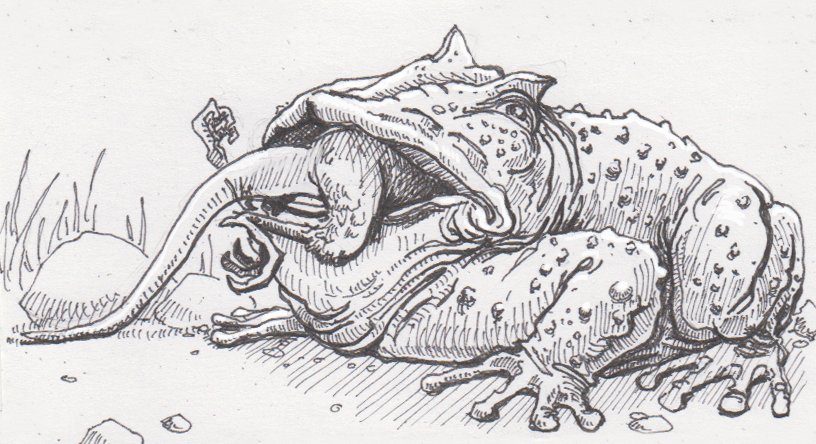
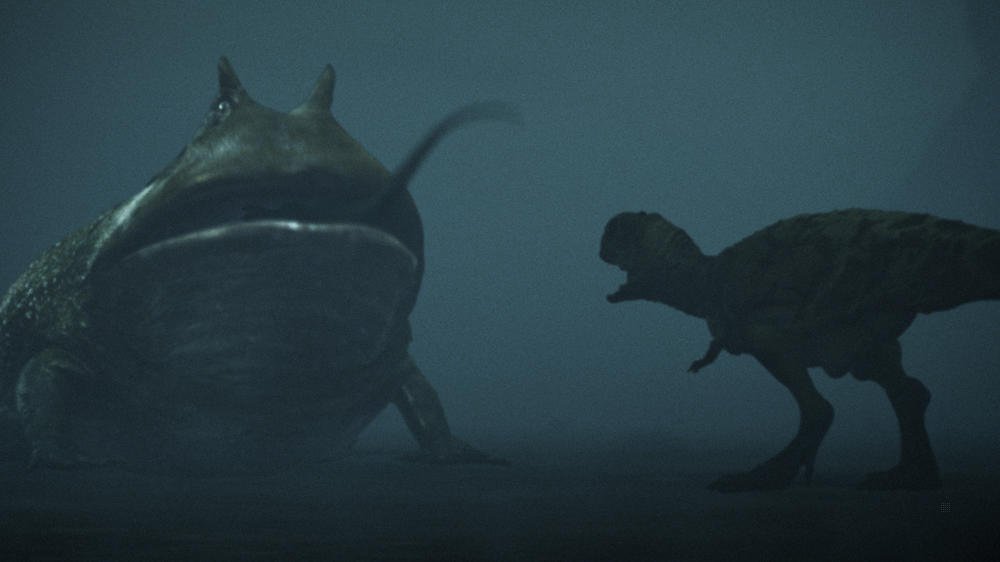



I meant "know"I no what you're thinking: "Hey?! Isn't that a picture of an a Surinam horned frog (Ceratophrys cornuta)?"
I meant Surinam horned frog, I didn't mean Argentine horned frog.The largest Argentine horned frogs measure 7.9 inches (20 centimeters) long, but the largest Beelzebufo measured up to an estimate 15.7 inches (39.88 centimeters) long, making it the biggest frog ever.
I have no idea what happened hereA 2017 study on the study found

Although it doesn't fit you're description exactly I'm 99% sure you talking about Dinosaur Revolution. Watch this video from 9:22 to 14:56. The "Microraptor-esce dinosaur" is Rahonavis. The "Mapusaurus" are Majungasaurus. The giant frogs are obviously Beelzebufo. And the "long-necked dinosaur" is Rapetosaurus.Ah yes, Beelzebufo, the thing that caused the second most amount of nightmares related to prehistoric life back when I was younger. After the ants ripping apart a Diatryma chick of course. Just like you said, that really messed me up as a kid. And the worst thing is, I haven't seen Walking with Beasts in years and I can still recall the scene with perfect detail. Anyway, Beelzebufo! When I was younger, I saw a documentary about dinosaurs, and I don't remember much about it, just that there was a Microraptor-esce dinosaur that led two baby let me think....I think they were Rugops? No, that's not it...Mapusaurus maybe? I don't remember. The point is, this Microraptor like dinosaur led two baby theropods into a area full of fog, so you couldn't see a freaking thing, then watched from a tree branch as the two babies, who were chasing it earlier, were devoured by the hungry froggo. The narrator then talked about how that type of dinosaur was exceptionally smart. Anyway, both the Beelzebufo and the other dino were eaten by the mother dino, but I was still in shock about the fact that a dinosaur just commited first-degree murder!

Where are you getting your pronunciations from? This one in particular is way off. Beelzebub, from which the frog gets its name, is pronounced "bee-el-ze-bub" - it isn't spelled "bee-zel-bub".
- Animal: Beelzebufo ampinga
- Name Pronunciation: Bee-zell-boo-foh am-ping-uh
Yeah I don't know, I usually source my pronunciations but I just put that for this one because that's how I've always said it, although after looking at the name again, I don't know why I've been saying it like that considering it isn't spelled that way.Where are you getting your pronunciations from? This one in particular is way off. Beelzebub, from which the frog gets its name, is pronounced "bee-el-ze-bub" - it isn't spelled "bee-zel-bub".
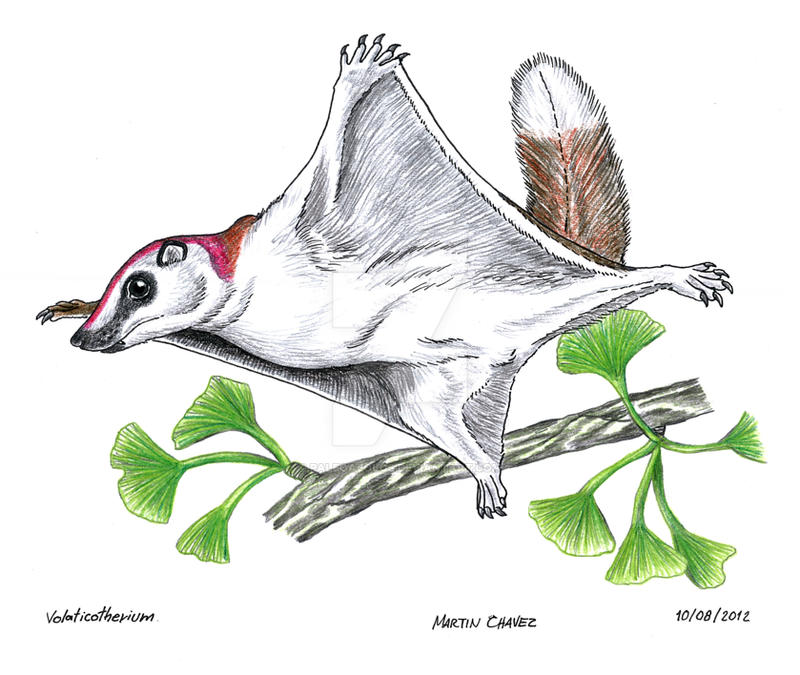
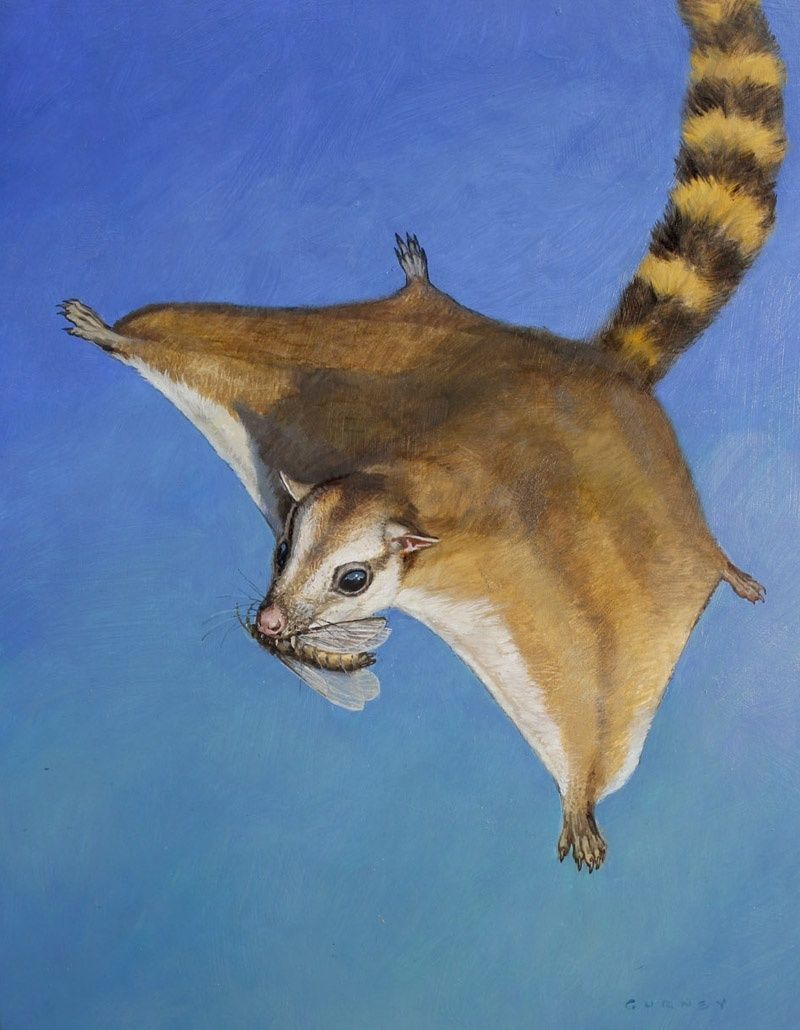

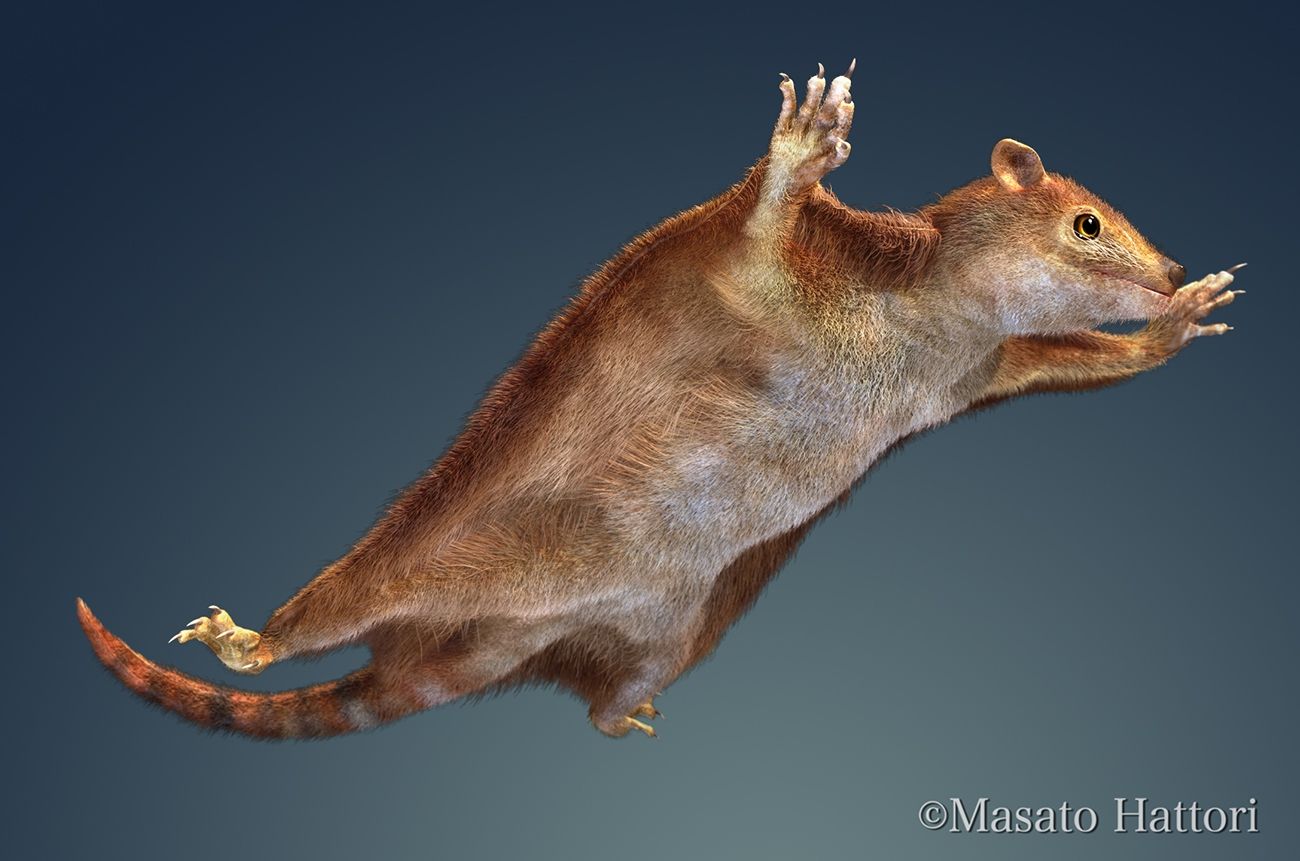
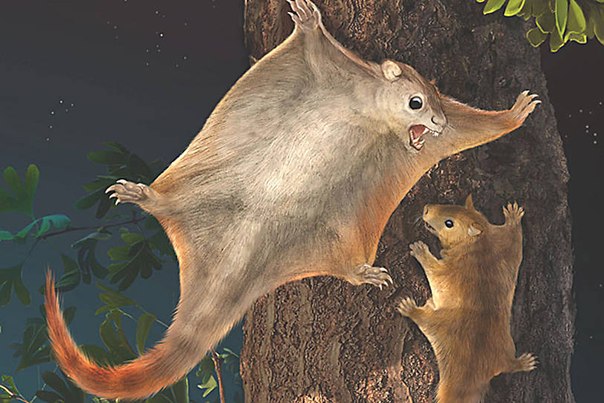
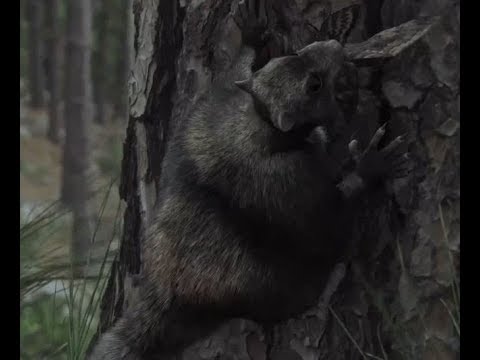

Size: About the same size as a large flying squirrel

Can you do my favorite prehistoric species, Basilosaurus? It is an incredibly l o n g e boi.