Hamilton Zoo Hamilton Zoo News 2020

Another question you might accuse me of knowing the answer to, but again I dont; and one which has not been answered the odd time I have asked it in the past - is, is there a policy on duplicating the same photos unnecessarily between the media section and within a post too

How is it unnecessary when the photos illustrate the post? For example I’m talking about a new Tuatara House. People might want to know what it looks like - so rather than directing them to my media, I’ve kindly put it here for them. What photos would I otherwise use? Copyrighted photos off the zoo’s social media? Of course I’m gonna use my own.
 
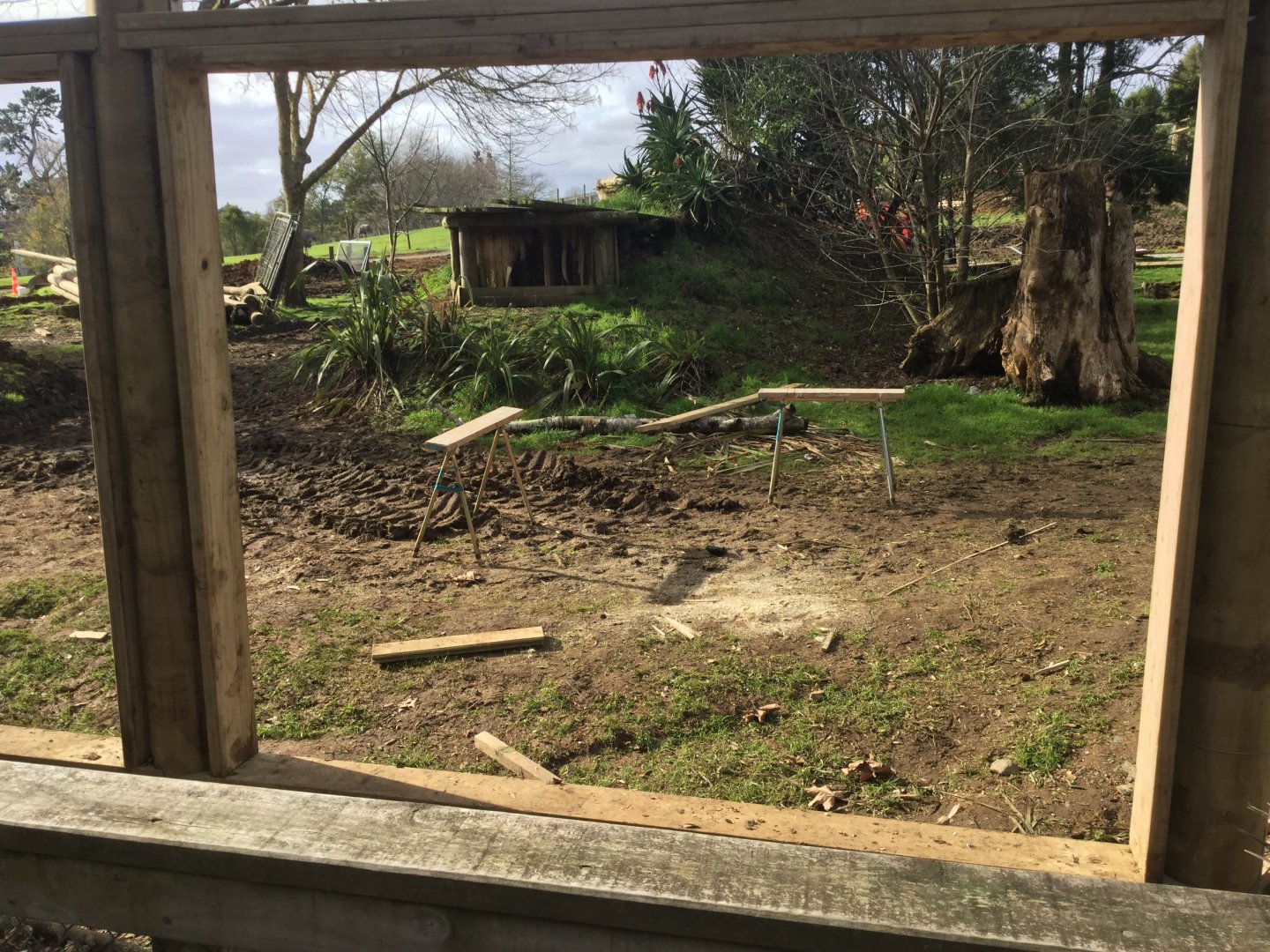
An article about the Cheetah arriving soon at Hamilton Zoo. The four males are coming from Taronga Western Plains Zoo and should be arriving by the end of the year. The zoo initially expressed interest in holding the species again in October 2019.

Full article: Hamilton Zoo to welcome four new cheetah

Four male cheetahs should call Hamilton Zoo home by the end of the year.

The large cats are being transferred from the Taronga Group, which is a group of zoos that includes Taranga Zoo in Sydney, but also others.

The cheetahs are coming from Western Australia but are currently awaiting travel permits before a confirmed arrival date can be announced.

Covid-19 has played a part in their arrival as it stopped Hamilton Zoo from preparing their enclosure due to lockdown and now border restrictions are also taking effect.

The four new cheetahs will take the Hamilton Zoo's large cat numbers to nine with five tigers already in residence.

But the zoo’s visitor destinations manager Lee-Ann Jordan hopes to have them here in spring/summer.

“We put our hand up for them in October last year, and we were lucky, as sometimes it can be multiple years to get animals.

“We had been thinking about it and about that time we heard a zoo was looking to rehome these, so we said yes please.”

The four cheetah range in age between two and four years old and have all grown up together.

“They are a coalition of cheetahs, they’ve been raised and kept together. And we’re not looking for a breeding pair at the moment.”

Work on an upgraded enclosure for the cheetahs began when the zoo reopened in May after covid-19 lockdown and is expected to be completed by September.

“The changes to the enclosure are to increase viewing areas, and to make sure there are some kind of high points in the exhibit because cheetahs like to be high.

“There will also be a visitor encounter area, because once the boys are settled in, and they’ve got used to their new surroundings and keepers we are wanting to offer visitor encounters with the cheetahs.”

Jordan admits it's pretty special to see the cats up close.

“Once you get that much closer you realise the muscle and the silkiness of their coat and then you hear them purr it’s a magic sound.”

It’s not the first time the zoo has had cheetahs, the last pair were brothers Moyo Matusi and Jambo who arrived in 2007, Jambo died in 2016 and his brother in 2017 both from old age.

It’s unsure if the new cheetahs will come with names or if the zoo will get to name or rename them.

As the importing zoo Hamilton pays the transfer costs.

“So that is the cost of vet checks, compliance to say they’re disease free, the cost of freight, and meet the cost of the keeper of the other zoo if they come with the animal.”

The cheetah is Africa’s most endangered big cat, and the world’s fastest land animal, they can reach speeds over 110km/h in just over three seconds.

Once found throughout Asia and Africa, today there are fewer than 7,100 adult and adolescent cheetahs in the wild.
 
An article about the Cheetah arriving soon at Hamilton Zoo. The four males are coming from Taronga Western Plains Zoo and should be arriving by the end of the year. The zoo initially expressed interest in holding the species again in October 2019.

Full article: Hamilton Zoo to welcome four new cheetah

I wonder if that's a typo where it says "The four cheetah range in age between two and four years old," as it goes on to say, "They have all grown up together. They are a coalition of cheetahs, they’ve been raised and kept together." I suppose they could have mashed two litters together, but this would be unusual if there was an age gap of two years.

I'm also guessing the 'five tigers' is a typo. Unless I have counting problem, there were definitely still 1.3 Sumatran tigers on my visit this weekend. :D
 
In the coming months, Hamilton Zoo will be releasing North Island Kaka (three juveniles bred at the zoo this year) at Cape Sanctuary. Last year the zoo also released two offspring into the wild. The Kaka were all bred in the zoo's free-flight aviary.
In the free-flight aviary are a pair of kaka who have been successfully breeding for the past two years. Their two offspring last year were released back to the wild and in the coming months three more juveniles, bred this year, will be released at Cape Sanctuary in the North Island.
Hamilton Zoo is part of a regional captive programme, together with the
Department of Conservation
, to boost numbers through the breed and release of these beautiful birds.
Kaka are large parrots, endemic to New Zealand and found in large forested areas in the north and south islands. Forest clearance has destroyed a huge amount of their habitat but the biggest threat to survival is introduced predators like stoats and possums.
When you visit, move slowly and quietly through the free-flight and you may see kaka in the trees. Make sure you give them lots of space though as the juveniles need to stay wild so they’re ready for their new lives when they are released.
Security Check
 
Cheetah Update

It was announced on Facebook today that the following Cheetah will be coming to Hamilton Zoo from Taronga Western Plains Zoo:

1.0 Thumani (21/05/2018) Saadani x Kesho
1.0 Bomani (06/06/2018) Jana x Kyan
1.0 Radi (06/06/2018) Jana x Kyan
1.0 Denzel (06/06/2018) Jana x Kyan

I can’t wait to see them on display when their exhibit is finished.

 
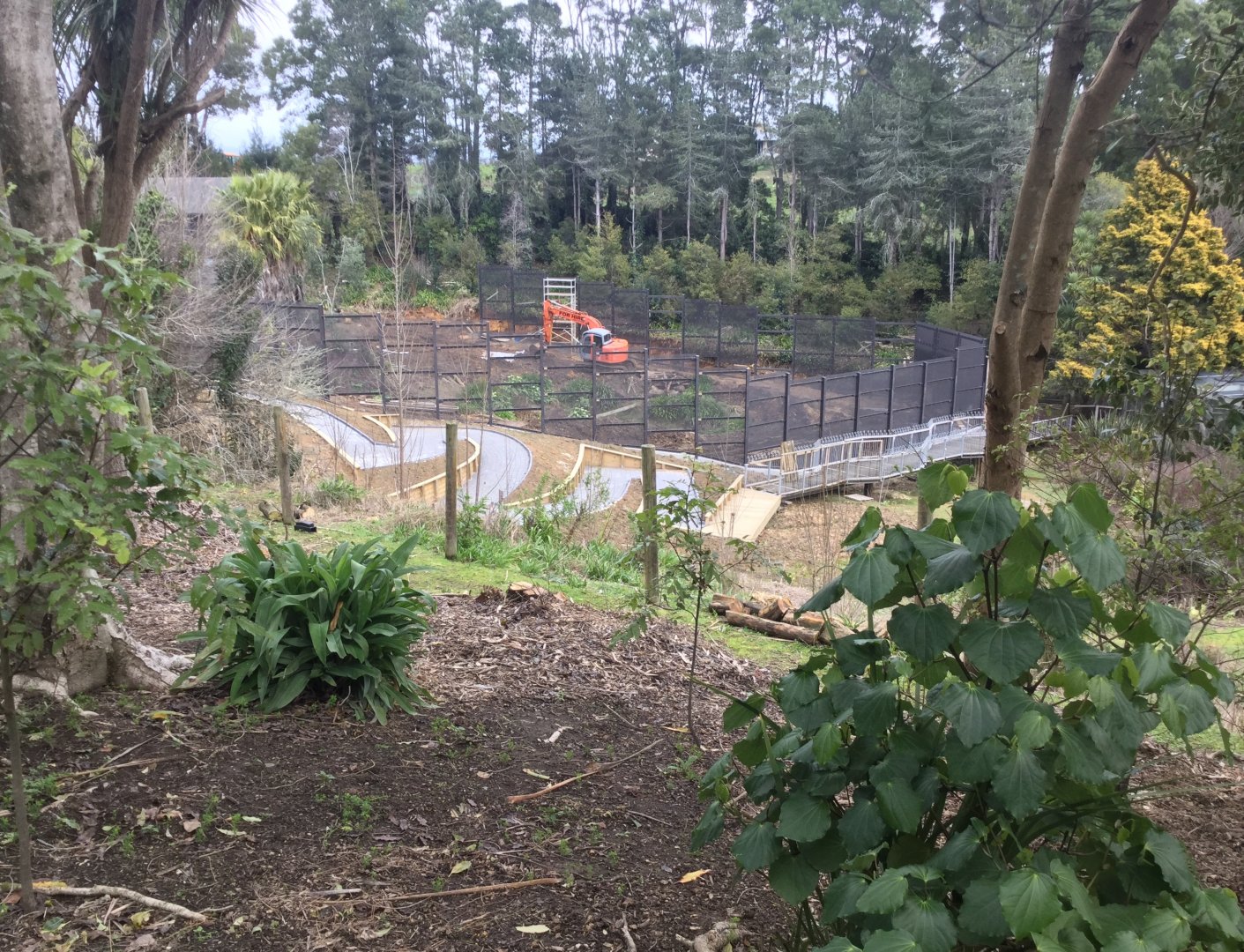
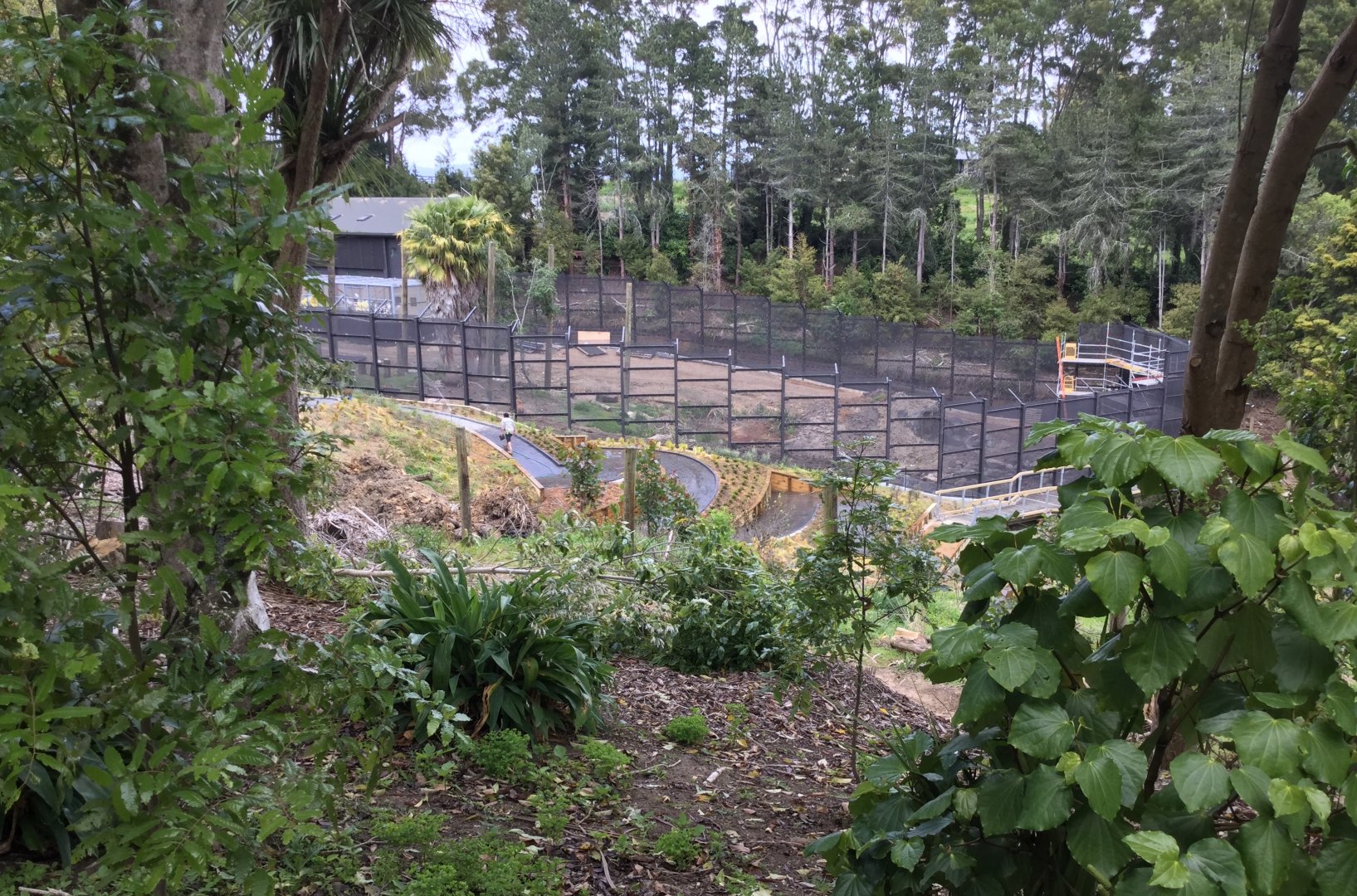
A brief update on the progress of the chimpanzee enclosure upgrade. Hamilton Zoo now predict it will all be completed by the end of spring/early summer. From their Facebook page:
CHIMPANZEE TROOP UPDATE:
We thought it was time for a catch up with our chimp troop.

Luka, Lucifer, Sally, Lucy, Sanda and Chiku are off display while their outdoor enclosure is upgraded. Work has continued steadily and we can't wait for you to see it! A lot has been achieved, even in the face of the pandemic.

The chimps have been keeping well and busy in their indoor house and purpose-built temporary outdoor house. Here's Chiku, Lucifier and Luka enjoying some treats.

You can rest assured the chimps are doing wonderfully, with lots of attention, enrichment and care by their dedicated primate keepers.

The project timeframes originally expected completion by the end of winter, however due to the pandemic these were pushed back to late spring, early summer.

Keeper Loren
Security Check
 
The new exhibit will be worth the wait as it will allow the chimpanzees to remain outside in all weather, similar to Auckland Zoo’s new orangutan exhibit.

When I spoke to one of the keepers earlier in the year, she seemed doubtful that Sanda (who has recently started estrus cycling again) would conceive due to the stress of being confined to a small cage. While the males are no doubt bouncing off the walls (they used to protest if locked in the night house); with nothing better to do - Sanda may conceive after all. #lockdownbaby

Sanda turns 35 this year and is one of the most genetically valuable chimpanzee in the region.

 
Hamilton Zoo have announced that Oz the Sumatran tiger has been put to sleep due to renal issues. :( The zoo now have three Sumatran tigers.
Hamilton Zoo has sadly said farewell to Sumatran tiger Oz.

Zoo Director Dr Baird Fleming said 15-year-old Oz became unwell over the past week and tests on Monday (28 September) indicated serious renal issues. The decision was made on Wednesday to humanly euthanise.

“Unfortunately, renal complications are quite common in older tigers and treatment is extremely difficult,” said Dr Fleming.

Tests were carried out on Oz following a recent change in his behaviour and a noticeable increase in his water intake that raised concern with his keepers.

“The carnivore team did an amazing job over just a couple of days working with Oz to take the necessary bloods voluntarily for testing without causing him any distress. But the results confirmed that things were not good,” said Dr Fleming.

“The team continued to monitor him closely, spent lots of time with him and – as hard as it is – animals let you know when it is time.”

Dr Fleming said the team were feeling the loss deeply as the passing of an animal was always tough, but their main priority for animals in their care was to ensure they did not suffer.

“Caring for these wild animals is an absolute privilege, so while we are definitely feeling it right now we also take solace in the fact that we were able to step in and make Oz comfortable before he became really unwell.”

While Oz would be remembered as fussy with his food, the carnivore keepers who cared for him said that if “he chuffed at you, you could go home happy – job done”. Chuffing is the sound a tiger makes when happy and relaxed. Oz will be greatly missed.

He was especially courteous in the way he interacted with the female tigers, giving Mencari and Sali their space but chuffing close by so they knew he was there.

While Oz was paired with Sali, it was Mencari with whom he had a special friendship. The two spent most of their time together, which is rare for typically solitary animals but testament to his gentle manner.

Oz was born in November 2004 at Tel Aviv Zoo in Israel and transferred to Auckland Zoo in 2006. An important part of the international breeding programme, Oz fathered Auckland Zoo’s first Sumatran tiger cubs with Molek in 2008.

He transferred to Hamilton Zoo in 2013 where he joined Sali and fathered cubs Kirana and Kembali. Kirana remains at Hamilton Zoo with Sali and Mencari, while Kembali transferred to Adelaide Zoo in 2018 for breeding.

Sumatran tigers are critically endangered with less than 400 remaining in the wild on the Indonesian island of Sumatra. Numbers are declining due to habitat loss from palm-oil deforestation and poaching.

Dr Fleming said the team was committed to the international breeding programme for this significant species.
Zoo bids farewell to Sumatran tiger
 
Hamilton Zoo have announced the birth of 0.1 Black-handed Spider Monkey. The zoo is running a naming competition with the following options: Bonita, Bella or Belize.
A beautiful baby spider monkey has joined the Hamilton Zoo whaanau.

Our primate team have short listed their three top names, now it's time for YOU to pick a winner.

Select your favourite below and go in the draw to WIN a family pass to Hamilton Zoo.

A winner will be announced on our Hamilton Zoo facebook page, Monday 12 October 2020.
Spider Monkey baby needs a name!
 
Hamilton Zoo have announced the birth of 0.1 Black-handed Spider Monkey. The zoo is running a naming competition with the following options: Bonita, Bella or Belize.

Spider Monkey baby needs a name!

Awesome news - this is only the second birth in 14 years, with the last infant born 11/02/2016. Both infants were sired by Salsa (24/03/1994).

The zoo's Spider monkey population now numbers 3.9 with the other monkeys (kept in two troops) including:

1.0 Diego - 26 May 1990
1.0 Salsa - 24 March 1994
1.0 Aranyo - 11 February 2016
0.1 Jeneill - 17 October 1984
0.1 Beulah - 29 December 1985
0.1 Becky - 4 September 1987
0.1 Jessie - 20 June 1996
0.1 Bodie - 9 September 2001
0.1 Borneo - 28 December 2002
0.1 Besede - 20 June 2004
0.1 Izarra - 14 January 2006
 
Really sad news from Hamilton tonight. The zoo have made the tough decision to euthanise their elderly pair of Red Pandas - Chito and Tayla together. Their male Chito (2002) was the oldest red panda in the Australasian region. Hamilton still have the pair’s last offspring at the zoo - female Jamuna.
The Zoo team is mourning the loss of a very special and much-loved couple.

We are saddened to say a final farewell to elderly red panda pair Tayla and Chito. Tayla, 13 years old, and Chito, 18 years old, have spent the last decade living together at Hamilton Zoo.

In recent years, while remaining relatively sprightly for senior pandas, they required careful monitoring by their dedicated keepers due to a number of age related ailments. Both panda declined rapidly within a short period of time and the Zoo made the sad decision to humanely euthanise to spare them further pain.

Chito was born at Auckland Zoo in December 2002 and transferred to Hamilton Zoo in 2006. Tayla was born at the National Zoo and Aquarium in Canberra, Australia in December 2007 and transferred to Hamilton Zoo in 2010 as part of the breeding programme to pair with Chito.

And what a successful pair they were! Together they produced eight offspring with seven transferring to other zoos (New Zealand and overseas) to continue the breeding programme and they are now having babies themselves.

Tayla and Chito have always been a popular pair. Tayla was known by her keepers as ‘the little old lady’ – she was quiet, chilled and the most dignified of our three red panda. She owned the house and the nest boxes, even continuing to make nests, like she did for her cubs, well after her baby-making years were over.

Chito was a determined old man who far exceeded the life expectancy for red panda (typically 10 years). He enjoyed the modifications that his keepers had made within the enclosure, which included ramps that allowed him to access his favourite perches in the tree.

We at the Zoo are feeling the loss of our beloved red panda deeply and we know the wider community will share our sadness. Chito and Tayla will be remembered as amazing ambassadors for their species and Hamilton Zoo.

Chito and Tayla’s daughter Jamuna remains here at the Zoo and we hope she will pick up where her parents have left off, playing a key part in future breeding programmes.

Endemic to the Himalayas, ranging from Nepal in the west to China in the east, red panda is listed as endangered due to habitat loss, the illegal pet trade and hunting for their pelts.
Log into Facebook | Facebook
 
Really sad news from Hamilton tonight. The zoo have made the tough decision to euthanise their elderly pair of Red Pandas - Chito and Tayla together. Their male Chito (2002) was the oldest red panda in the Australasian region. Hamilton still have the pair’s last offspring at the zoo - female Jamuna.

Log into Facebook | Facebook

Sad news indeed. I was especially fond of Chito, who I first saw as a cub at Auckland Zoo in 2003. It was the first time a litter of Nepalese red panda triplets had been born in a New Zealand Zoo. It’s only happened once since, when Chito himself sired triplets 10 years later.

Chito and Tayla produced four litters at Hamilton Zoo:

1.0 Unnamed (09/12/2011) > Died at Hamilton Zoo 2011
1.0 Ketu (09/12/2011) > Sent to Syracuse Zoo 19/11/2013

1.0 Karma (20/12/2012) > Sent to Singapore Zoo 10/11/2014
1.0 Nima (20/12/2012) > Sent to the National Zoo and Aquarium Canberra 13/03/2015
1.0 Dawa (20/12/2012) > Sent to the National Zoo and Aquairum Canberra 13/03/2015

0.1 Khusi (12/01/2014) > Sent to Wellington Zoo 24/03/2015
0.1 Khela (12/01/2014) > Sent to Auckland Zoo September 2017

1.0 Tenzing (22/01/2015) > Sent to Tasmania Zoo early 2019
0.1 Jamuna (22/01/2015) > Still at Hamilton Zoo

This is also a record for the most surviving offspring produced by a pair of a red pandas in a New Zealand Zoo.
 
Hamilton Zoo has announced the arrival of 4.0 Leopard Tortoise. The tortoises arrived in November 2019 and are named Inky, Pinky, Blinky and Clyde. They have recently been introduced to their new enclosure.
Security Check
The four male Leopard Tortoises have now been moved into the pygmy marmoset enclosure in the Parrot Court area as the weather begins to warm up:

Source: Hamilton Zoo's Facebook page
Log into Facebook | Facebook
 
Hamilton Zoo Update

I visited Hamilton Zoo over the weekend. Here are a few updates:

The zoo is building an exhibit to house New Zealand Longfin eel. As an endemic species, these will be housed in the New Zealand native section.

The breeding pair of African wild dog, Romeo and Itaya, have been seen mating and the zoo are hopeful of pups this summer.

The zebra foals have been named Zambia (colt) and Okavango (filly). One of the mares is pregnant again (due December).

Construction on the Cheetah exhibit is almost complete, ahead of their arrival early next year. The night yards and dens are now finished.

Renovations on the chimpanzee exhibit continue, but are unlikely to be completed until early next year.

Photos in the gallery: Hamilton Zoo - ZooChat
 
Sanda the chimpanzee is pregnant:

Hamilton Zoo's chimpanzee troop is expecting a new baby

The zoo announced on Friday morning that chimpanzee Sanda is pregnant and due to give birth in early summer.

This will be baby number two for 34-year-old Sanda and 27-year-old dad Luka.

The new baby will take the troop number to seven. An announcement on the birth will be made once Mum and the extended family have had the chance to bond with the baby.
 
Sanda the chimpanzee is pregnant:

Hamilton Zoo's chimpanzee troop is expecting a new baby

The zoo announced on Friday morning that chimpanzee Sanda is pregnant and due to give birth in early summer.

This will be baby number two for 34-year-old Sanda and 27-year-old dad Luka.

The new baby will take the troop number to seven. An announcement on the birth will be made once Mum and the extended family have had the chance to bond with the baby.

Great news. :) She only came into season in December last year for the first time since the birth of Chiku (2016), so she fell pregnant pretty quickly. With the added construction of their Chimp exhibit, it would be nice to see this troop thriving in the future. To do this though, they would need more females, preferably from overseas.
 
Great news. :) She only came into season in December last year for the first time since the birth of Chiku (2016), so she fell pregnant pretty quickly. With the added construction of their Chimp exhibit, it would be nice to see this troop thriving in the future. To do this though, they would need more females, preferably from overseas.

It’s nice to see that Sanda’s body has got in the rhythm of producing infants again. They waited close to eight years for her to fall pregnant with Chiku; though she had been on contraception at Adelaide Zoo for 15 years prior to arriving at Hamilton, which wouldn’t have helped.

Hamilton Zoo are in no hurry to import new females, especially given Luka’s history. They’ve achieved the delicate balance of having a cohesive troop, so that will be their focus for the foreseeable. The footprint of the renovated exhibit is smaller than the original exhibit; but plenty big enough for the soon to be troop of seven:

 
In the coming months, Hamilton Zoo will be releasing North Island Kaka (three juveniles bred at the zoo this year) at Cape Sanctuary. Last year the zoo also released two offspring into the wild. The Kaka were all bred in the zoo's free-flight aviary.

Security Check
The three North Island Kaka have now been successfully released at Cape Sanctuary. This is the second consecutive year Hamilton have bred and released Kaka. A video of their release is below.

Source: Cape Sanctuary's Facebook page
Log into Facebook | Facebook
 
Back
Top