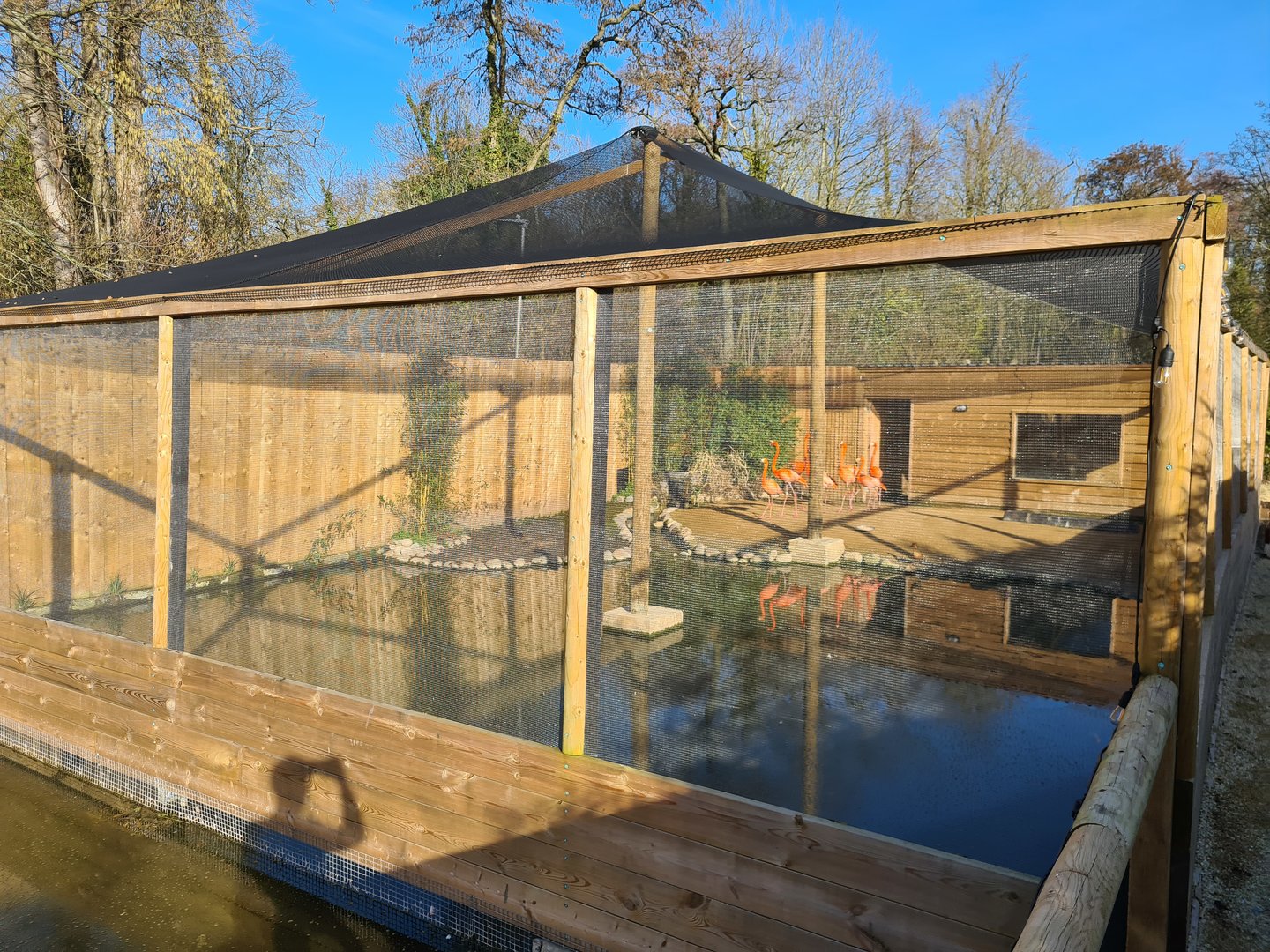
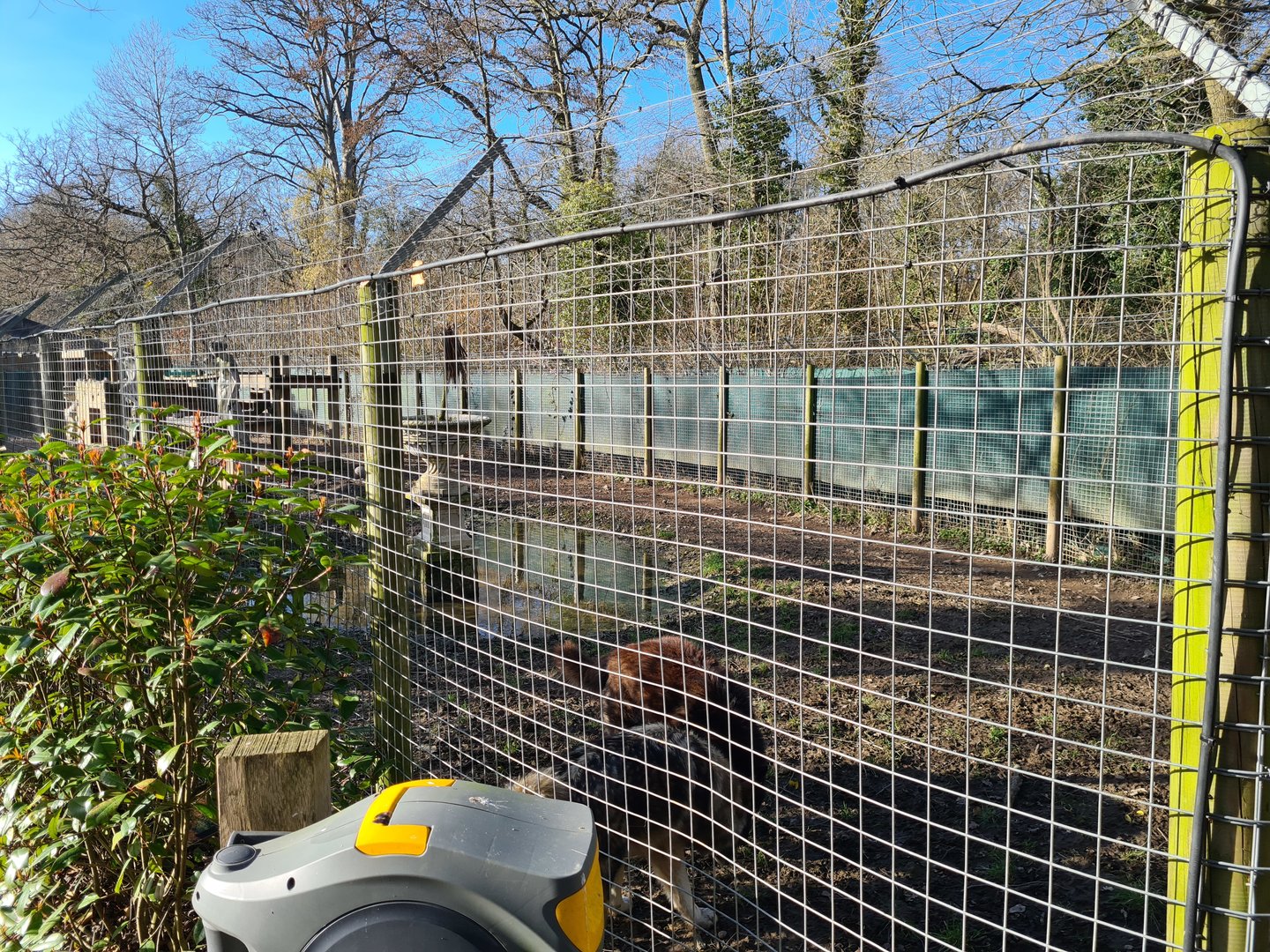
We certainly got to know it!
I'm having trouble waiting for your review, tempted to leave the office now and get on a train to Epping...
We certainly got to know it!

I appreciate the enthusiasm! I've managed to write some on my lunch break and hope to finish it off this eveningI'm having trouble waiting for your review, tempted to leave the office now and get on a train to Epping...


I'm having trouble waiting for your review, tempted to leave the office now and get on a train to Epping...


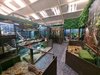


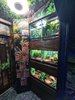
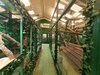
The sinks are very fancy, but they don't actually supply water yet!

(3) Get To know Animals
Get To Know Animals (hereafter GTKA) is a recently opened collection, having moved from a much smaller premises nearby, with a focus on animal encounters (who would have guesses?). We were some of the first arrivals at the zoo for opening time, and the carpark was already full with the situation only worsening as we left at the end of our visit. The zoo is completely indoors, and full to the brim with exhibits. For this reason, I won’t be able to cover everything that we saw and will instead only cover exhibits and species of note. Please follow this link for a full species list Get To Know Our Animals ~ Get to know animals.
After the pub vibes of Fenn Bell and the back garden that is HCC, GTKA was reminiscent of a pet shop. Green was the colour of the day, with masses of plastic foliage and fake turf… I don’t envy the cleaners! Upon entry we were greeted by who I believe is the owner. He and the other members of staff were all very friendly, and I had quite a candid conversation with him later in our visit. The first of the zoos notable exhibits that you’ll see is for a juvenile American alligator. The individual was quite active throughout our visit, although I’d be interested to know their long terms plans as it will soon be far too big to be housed there appropriately. A small and unfortunately fully indoor squirrel monkey exhibit was nearby, home to two individuals; I will say that it was well furnished and relatively well done.
View attachment 607788 View attachment 607789
The next room, per se, was mostly home to domestics and a well sized ferret exhibit. With the exhibit being so tall, they could have definitely made more use of the available space. Other species in the area included chinchilla, rabbits, guineapigs etc…
View attachment 607790
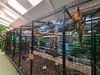
The largest room in the zoo is bordered by reptile exhibits on three sides, whilst the remaining side is mostly dedicated to a large multi-species bird aviary, a smaller one for African grays, and some exhibits for larger reptiles. I will admit, I was shocked by the mix of birds housed in the multi-species aviary. From memory I recall seeing, several macaws, African grays, cockatoos, galahs, turacos, conures, budgies, cockatiels, parakeets, lovebirds, lorikeets, pigeons, ducks and chickens. I understand that some of the birds are rescues but this does not excuse how overstocked or inappropriate the mix is.
View attachment 607791
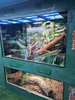
Surrounding reptile exhibits ranged from suitable to substandard. Exhibits were generally well filled with branching, especially for the larger snakes, iguanas and other lizards. Though, I felt that the red-foot, leopard tortoise, and bearded dragon exhibits were especially tight on space.
View attachment 607797
View attachment 607794
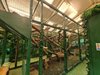
The middle of the main room features the largest exhibit in the zoo, a tall mesh cage for a single binturong. The individual was unseen and from what I understand rarely ventures out of its ground level box. The room was very noisy once more visitors arrived and when accompanied by the vocalisations from the macaws, I don’t blame it for staying hidden. For a zoo that focuses on animal experiences, they may instead benefit from bringing in a different species that would cope better with the noise.
View attachment 607792
Our favourite room in the zoo, which you might guess from the photo teased in a previous post, was the “nocturnal” area. I’ve written nocturnal with quotation marks as the room uses blue lighting as their night cycle. The issue with using blue lighting is that it inhibits the release of melatonin, effectively subjecting the animals housed here to a constant day cycle. I did speak with the owner about how red lighting would be a more appropriate to use. He seemed to take the comments well and didn’t seem to be aware that blue lighting was such an issue; Hopefully he’ll take the comments on board. Species highlights include the 9-banded armadillo (of course), Luzon cloud rat, short-tailed possum, lesser jerboa, and Gambian pouched rat (alongside the usual suspects). Most enclosures were on the smaller side, especially for the armadillo and skunks; Though I though the jerboa were offered a great deal of room.
View attachment 607793
The armadillo was encouraged into activity by the owner, and we were lucky enough to see a surprisingly active cloud rat and pouched rat. We just about caught sight of the jerboa sleeping, but unfortunately missed the possum. Nearby amphibians are housed in a small alcove. Following out of the main nocturnal room are some fish tanks behind the most extravagant set of sinks I’ve seen in a zoo (I assume they’re for handwashing after the animal encounters). Unfortunately, I managed to miss them in my photographs. From here you’re near the exit where you’ll be treated by the presence of a rough necked monitor, quite a rarity (alongside a couple of other exhibits).
View attachment 607796 View attachment 607795
Whilst it was a pleasure to see some rare species at GTKA, like at HCC, I do have some issues with the zoo as I’ve indicated above. The zoo has a clear focus towards animal handling and experiences, which aren’t things I’m interested in. That said, if you are interested in species like the armadillo or monitor, it is worth the visit. Just don’t expect to be wowed by husbandry standards or exhibitory. I probably won’t find myself visiting again, but I have at least ticked another zoo off the list.
Next up… Cedars Nature Centre
*Apologies for the lack of photos. As there is no gallery for the collection, my file limit was 10 images rather than the usual 20!*
Thank you!Excellent review - I’m uncomfortable with a lot of animal handling so this would be a miss for me (I also and maybe this is unknowing sentimentality but I’d hope for some outside space for the animals and I don’t enjoy small conditions much). Some really unusual rarities though! Interesting indeed.
Yes, great review. I'm in two minds about whether to visit - I think my desire to see a nine-banded armadillo will win out though.Thank you!
(4) Cedars Nature Centre
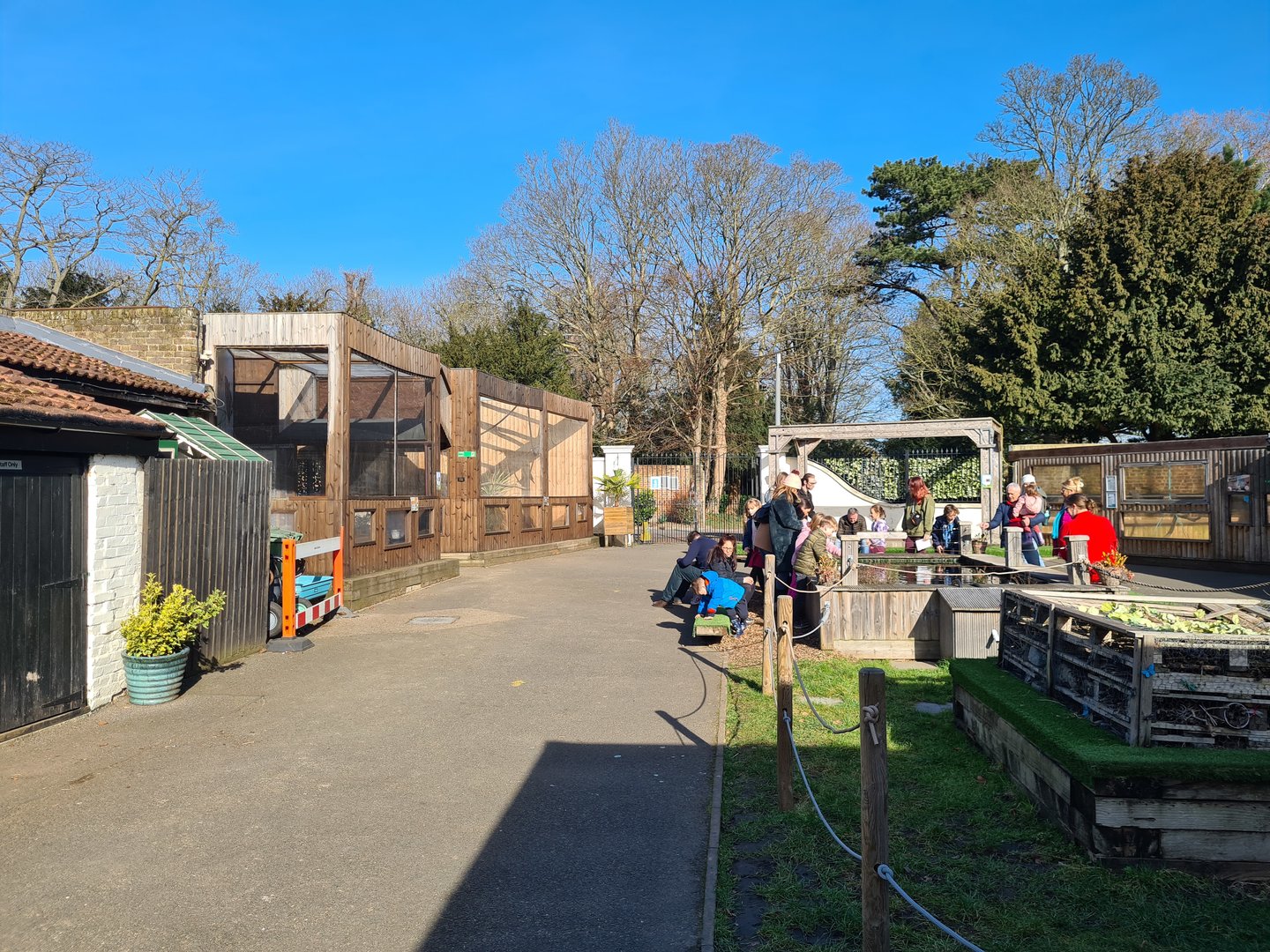
Cedars Nature Centre is a great small collection with a clear demographic, families with young children. Whilst myself and @migdog might have looked out of place with our cameras and lack of small humans, we were warmly welcomed by @stubeanz and his team. Cedars is clearly loved by its local community, and it was busy with children swapping Pokemon cards at their monthly swap shop alongside others taking part in many of the free talks and animals feeds. I must admit, I probably gave the zoo itself less attention than I should have, as I was more preoccupied with catching up with Stu (and the zorilla). Resultingly, I don’t have as many photos, but I hope I can still provide a decent enough overview of the collection.
Continuing the running theme of the weekend, Cedars is small, but the least cramped of all the collections visited thus far. They have made good use of the space but still offer plenty of room to make your way around. The perimeter of the courtyard is lined with exhibits with a smaller number in the centre. The tropical room near the entrance of the zoo houses a number of smaller species, with 3 banded armadillo being the highlight. The zoo has a great history of breeding this species, in addition to lesser hedgehog tenrecs. Just outside in the centre of the courtyard is a former butterfly exhibit that now houses domestic rabbits. I understand some changes might be made to the exhibit in the future, so watch that space! Further along the centre is a pond with various fish.
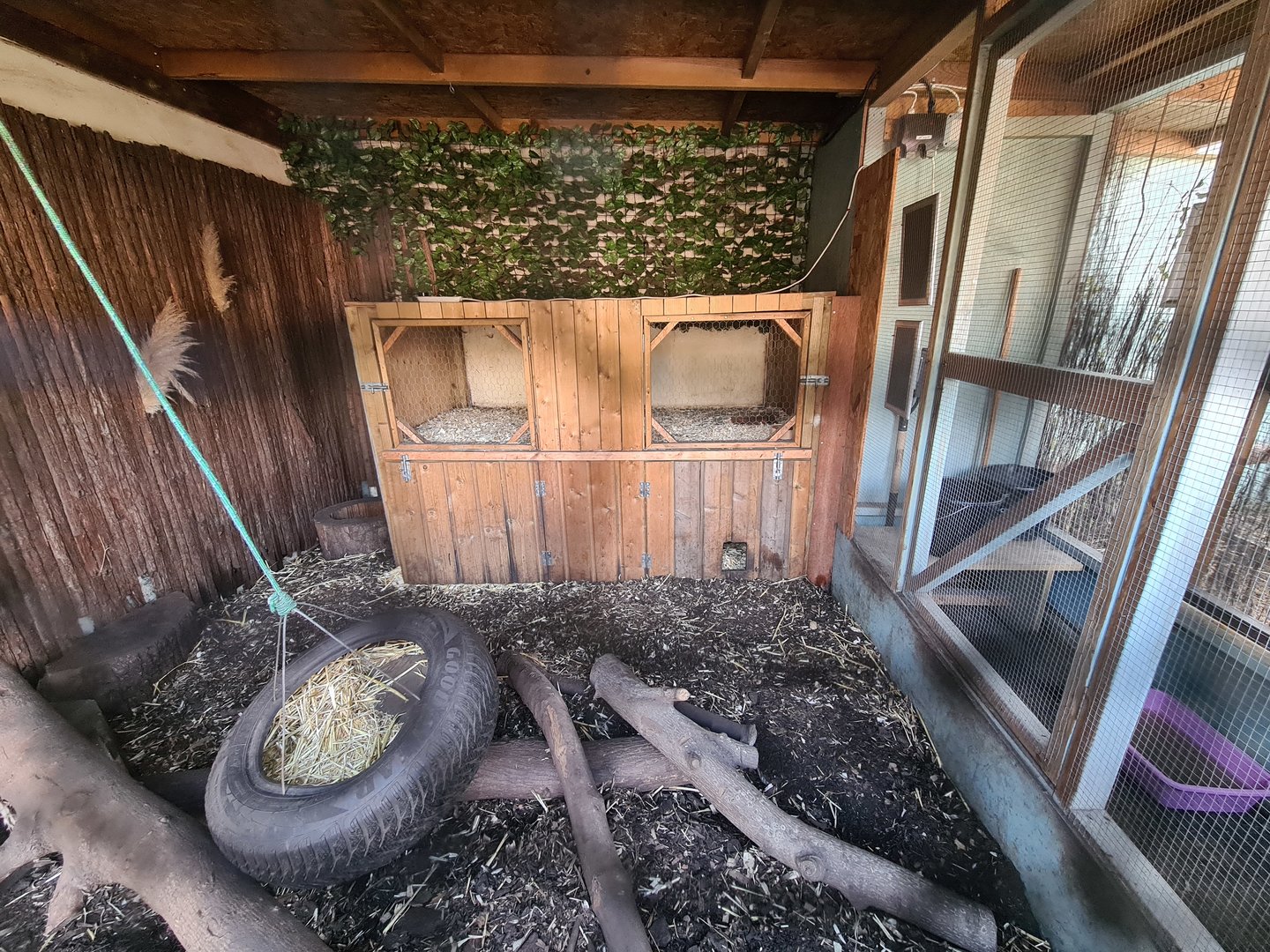
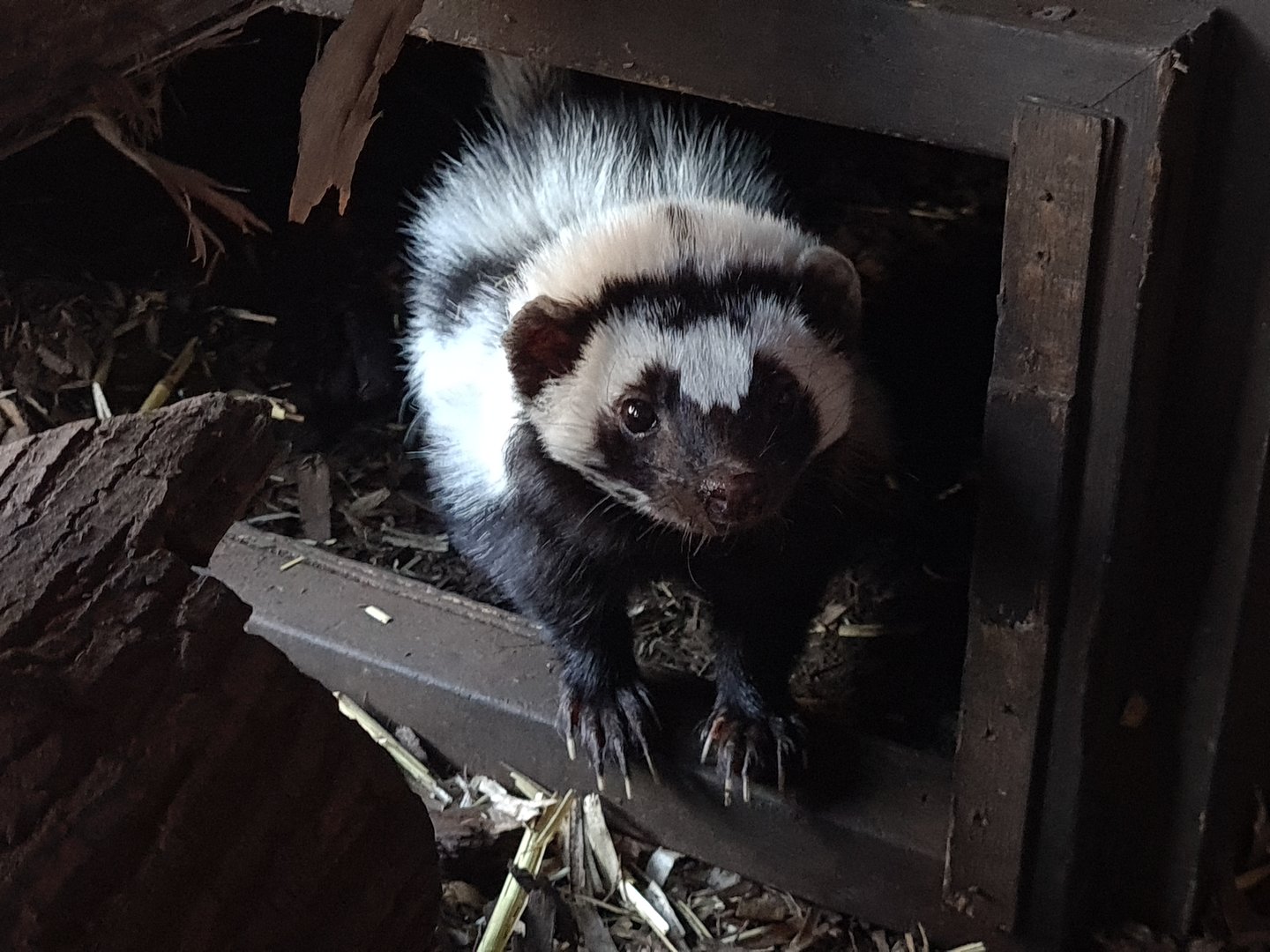
In the opposite corner of the tropical room is a small run of exhibits with a barn owl, Brazilian cavy, northern white-faced owl, and the stars of the show… a pair of zorilla! Zorilla are incredibly rare in zoos, and we were lucky enough to see nearly all the captive individuals in the UK in one day (Ventra later in the afternoon). Stu was kind enough to take us into the exhibit to watch them get fed. Views of the usually well-hidden pair were brilliant, and we were very grateful for the hands off and minimally invasive experience.
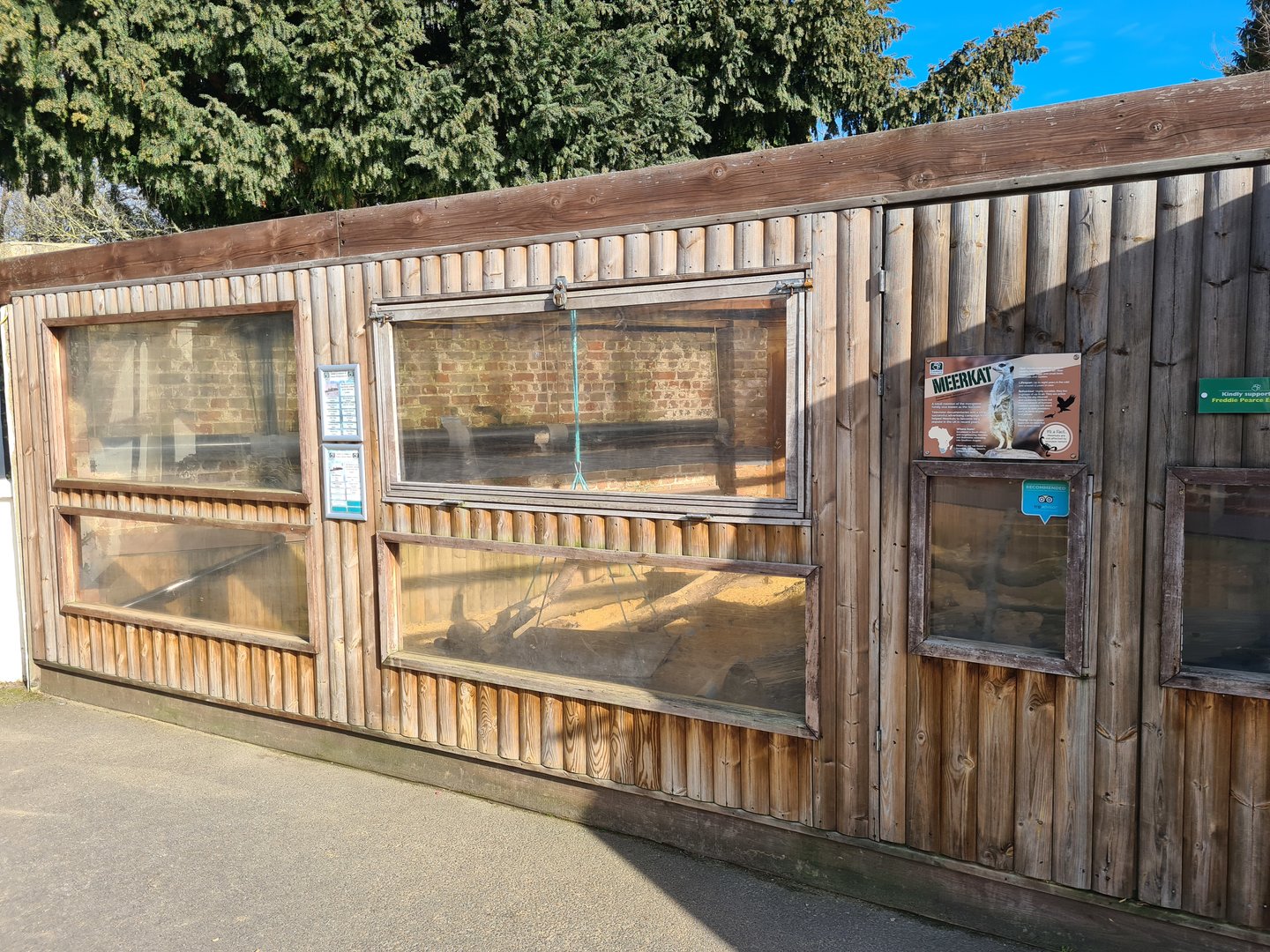
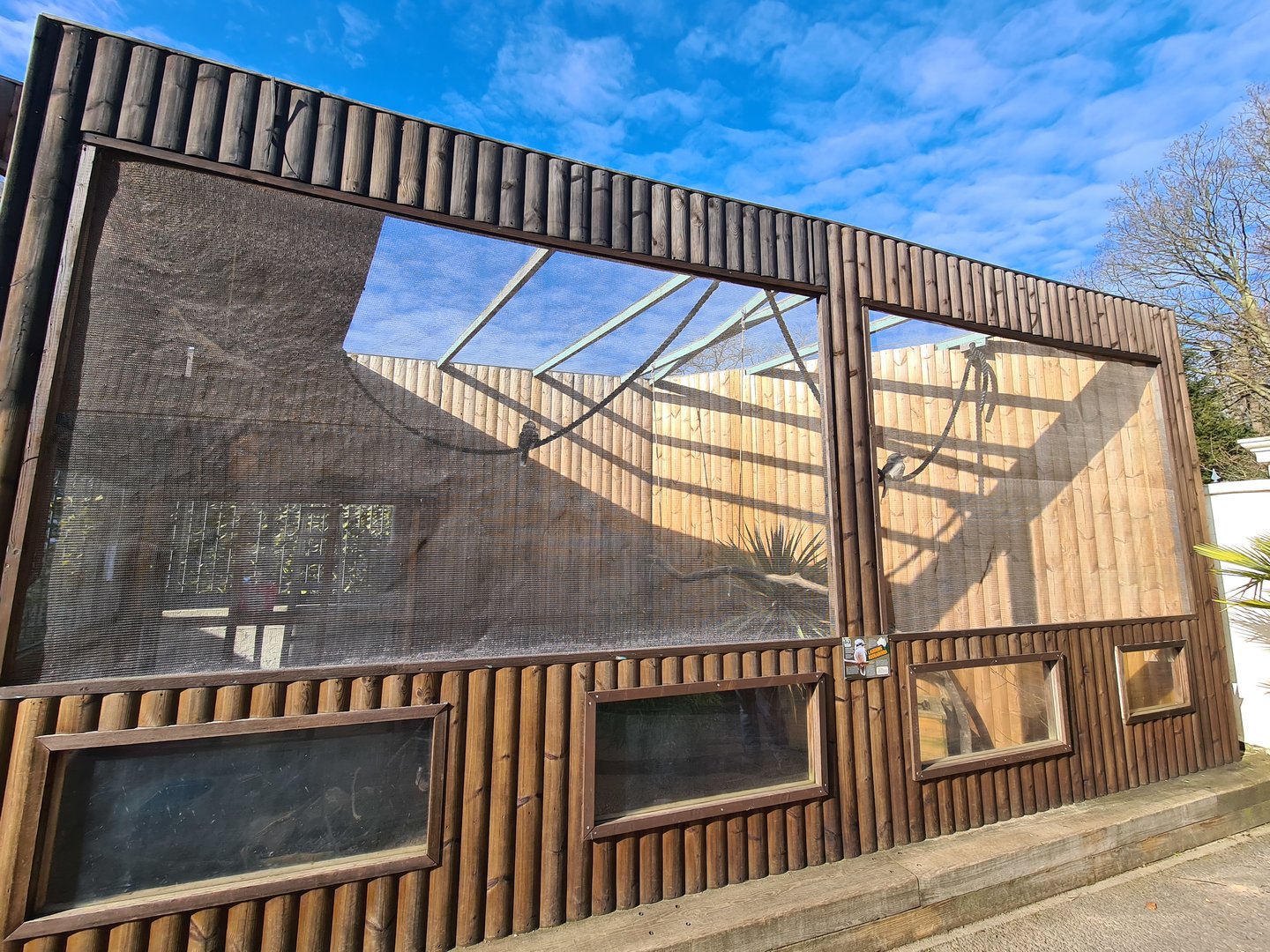
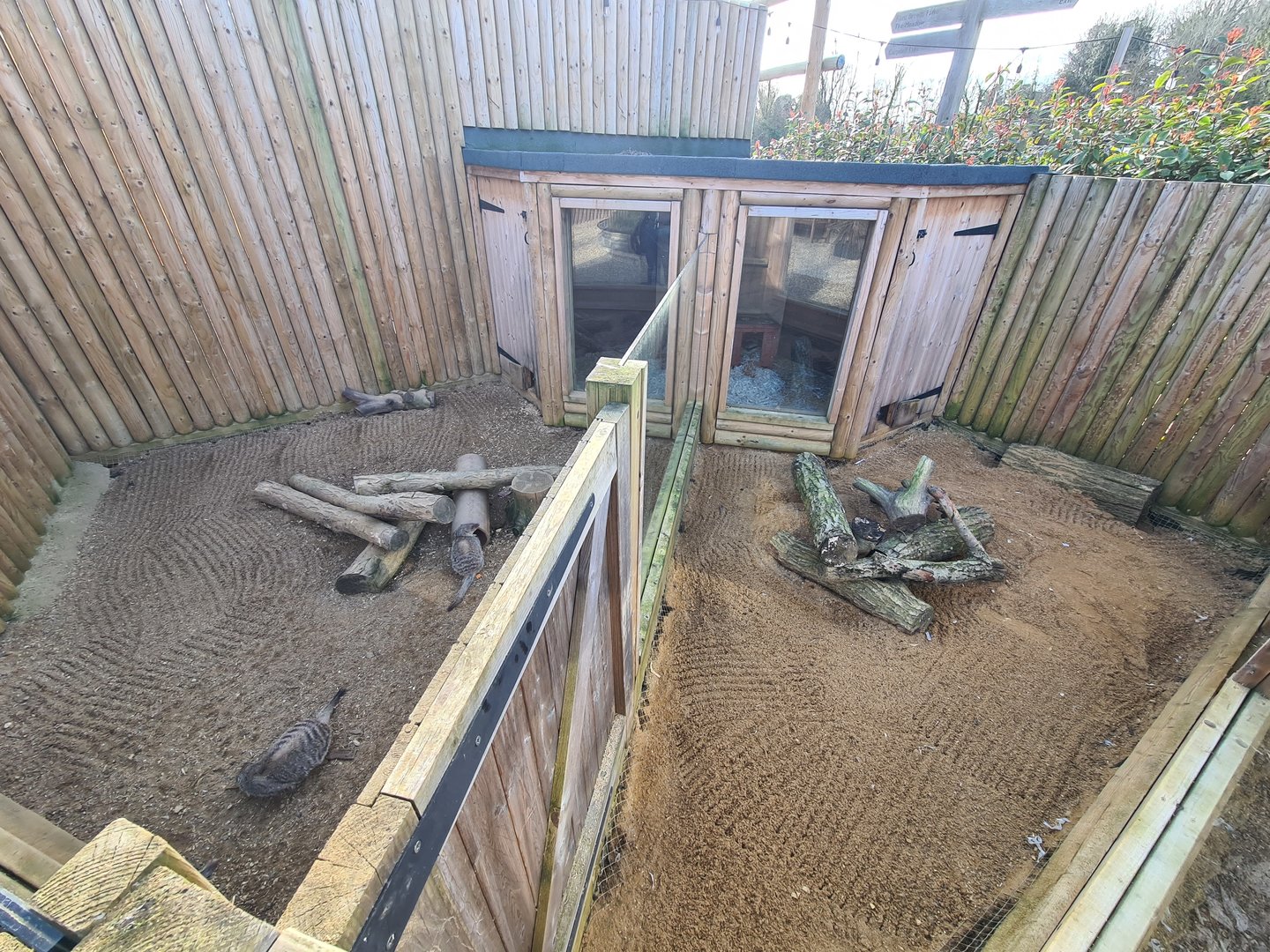
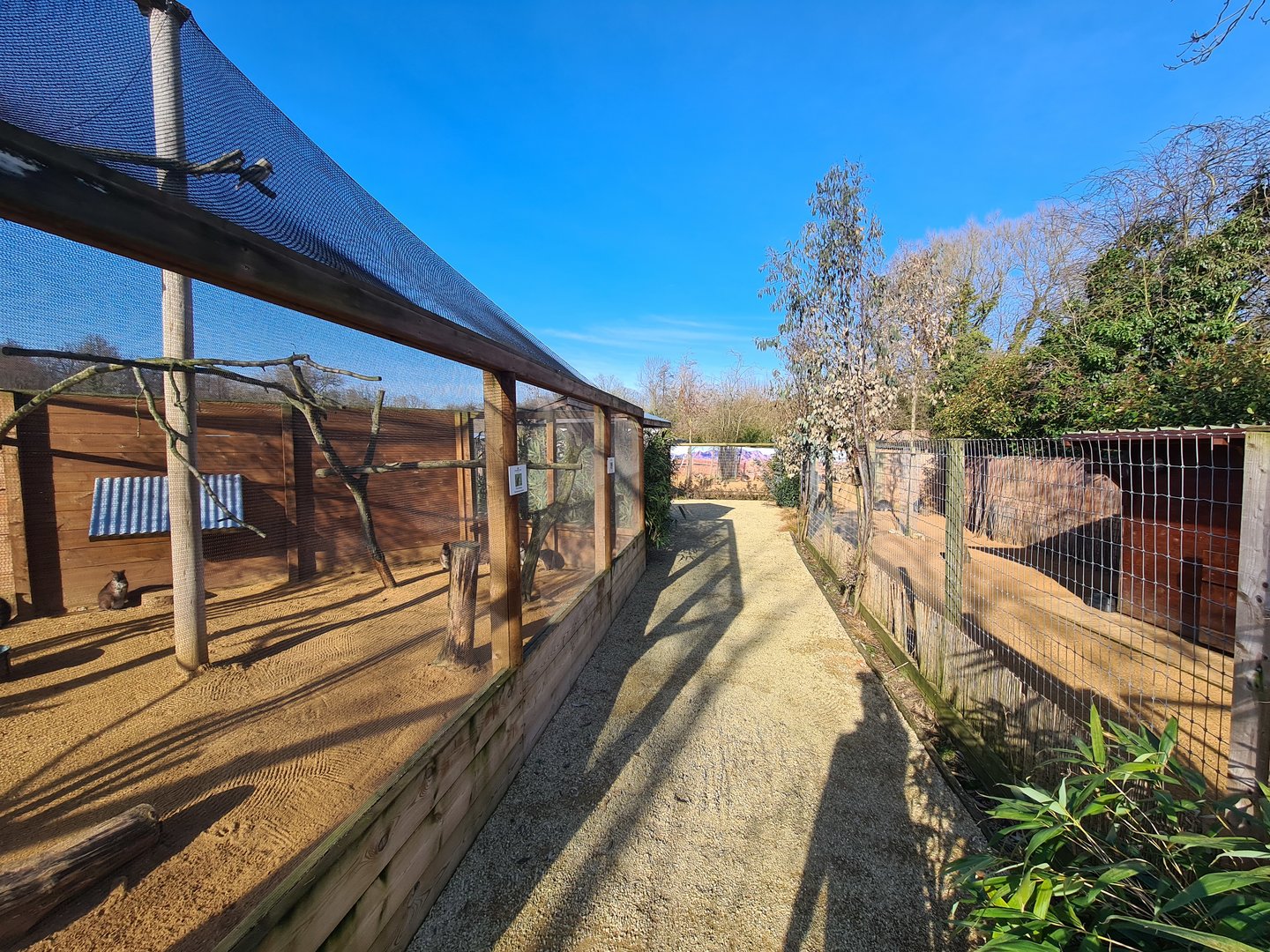
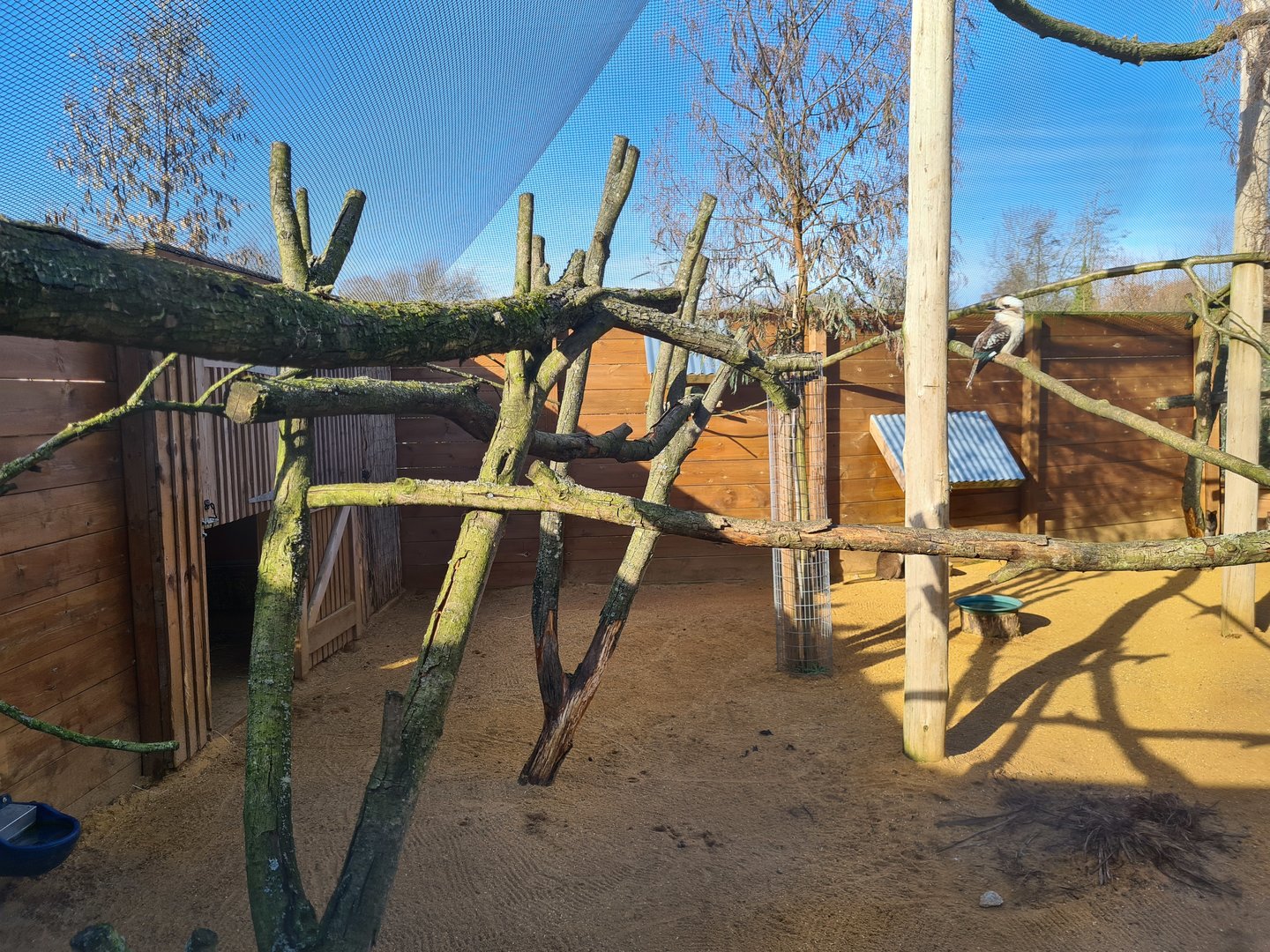
Similar exhibits surrounding the perimeter of the zoo house other small mammals, including a larger enclosure for meerkats. The newest or most recently refurbished exhibit is home to a pair of kookaburras. The exhibit is a very nice size and offers better views than the photo might suggest; Stu mentioned that he’s gradually painting all of the zoomesh black to offer even better viewing opportunities.
As I said, Cedars is small… but that’s all part of the charm! Everything is of a good standard and the place is clearly well loved by locals. It’s worth the trip for the zorilla alone, and whilst there may not be a huge number of animals present that might interest us zoo nerds, I understand this may change over time. I look forward to visiting in the future once some of the potential developments have been implemented.
Apologies for the shorter review. As mentioned, this was more of a social visit combined with a quick and unexpected "hello" to the zorilla. I am aiming to get the next overview posted at some point this weekend, but I may spread it over two parts as the zoo is considerably larger than the others!
Next up… Ventura Wildlife Foundation.
it’s great to see a good small place that is well appreciated locally. Love the fact they are painting the mesh black - such a difference to viewing and photography!

Thanks @TNT for creating this very interesting thread......in order of our visits and the subsequent overviews that will be posted, we have: (1) Fenn Bell Conservation Project, (2) Hemsley Conservation Centre, (3) Get To Know Animals, (4) Cedars Nature Centre, and (5) Ventura Wildlife Foundation, at Cassiobury Farm and Fishery
Thanks Tim. I appreciate that!Thanks @TNT for creating this very interesting thread.
(4) Ventura Wildlife Foundation
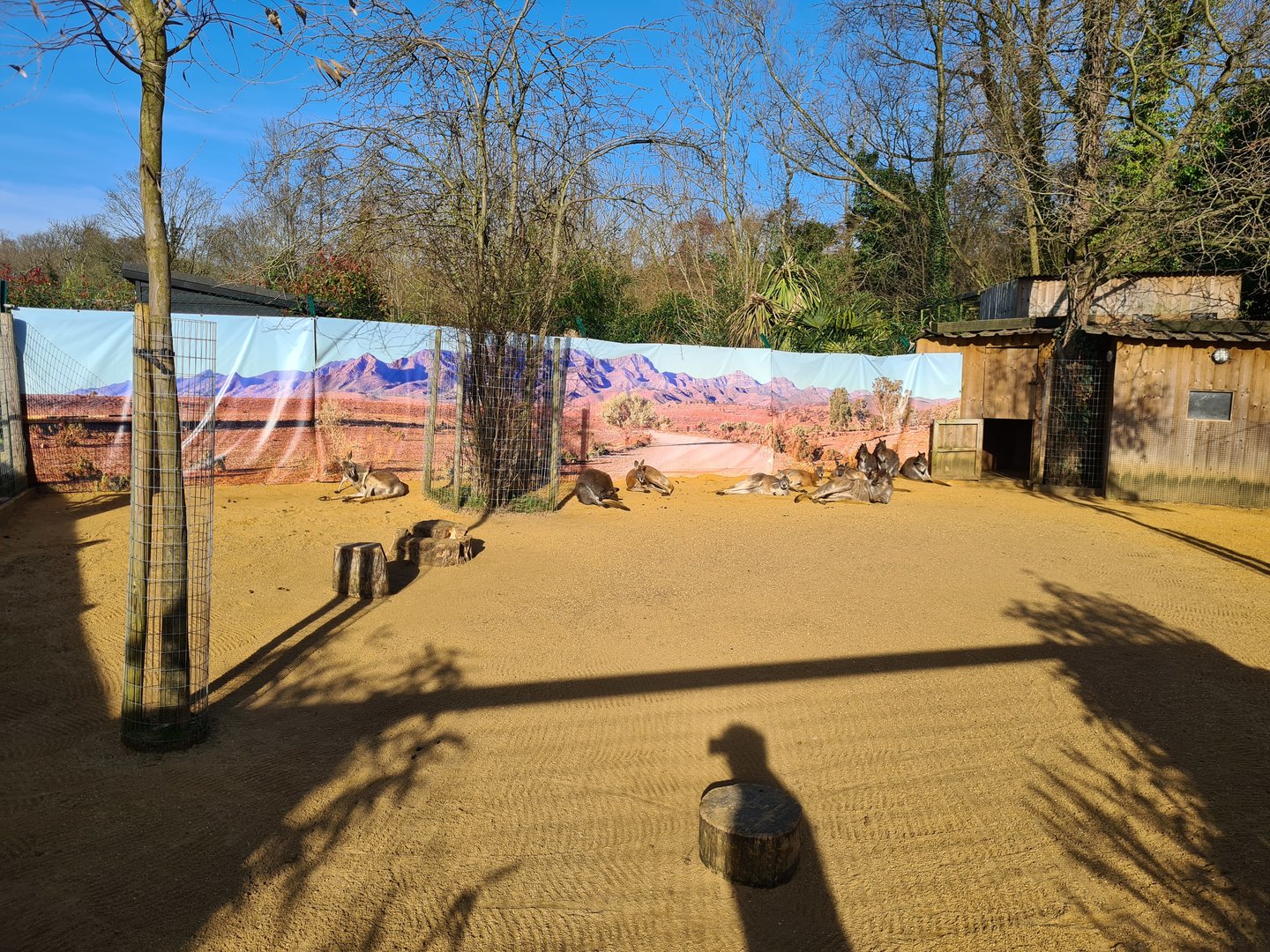
Ventura Wildlife Foundation, formerly known as Ventura Wildlife Park at its previous garden centre site, is a unique collection. Having visited both sites, I feel as though I can offer a perspective of Ventura as a “brand”, if you can call it that. The first site was very small, with a scattering of mesh exhibits and aviaries for birds, fossa, lemurs, small primates, Cuban hutias, and red-rumped agouti. Four main paddocks housed grants zebra, lama, reindeer, and some classic Aussie walkthrough species. A small extension of the initial site included exhibits for raccoon dogs and corsac foxes and at one point an “Asia” expansion was planned, though I’m unsure if this ever materialised. Fortunately, most of the species held at the wildlife park have moved to the new site, with the addition of some more exciting species.


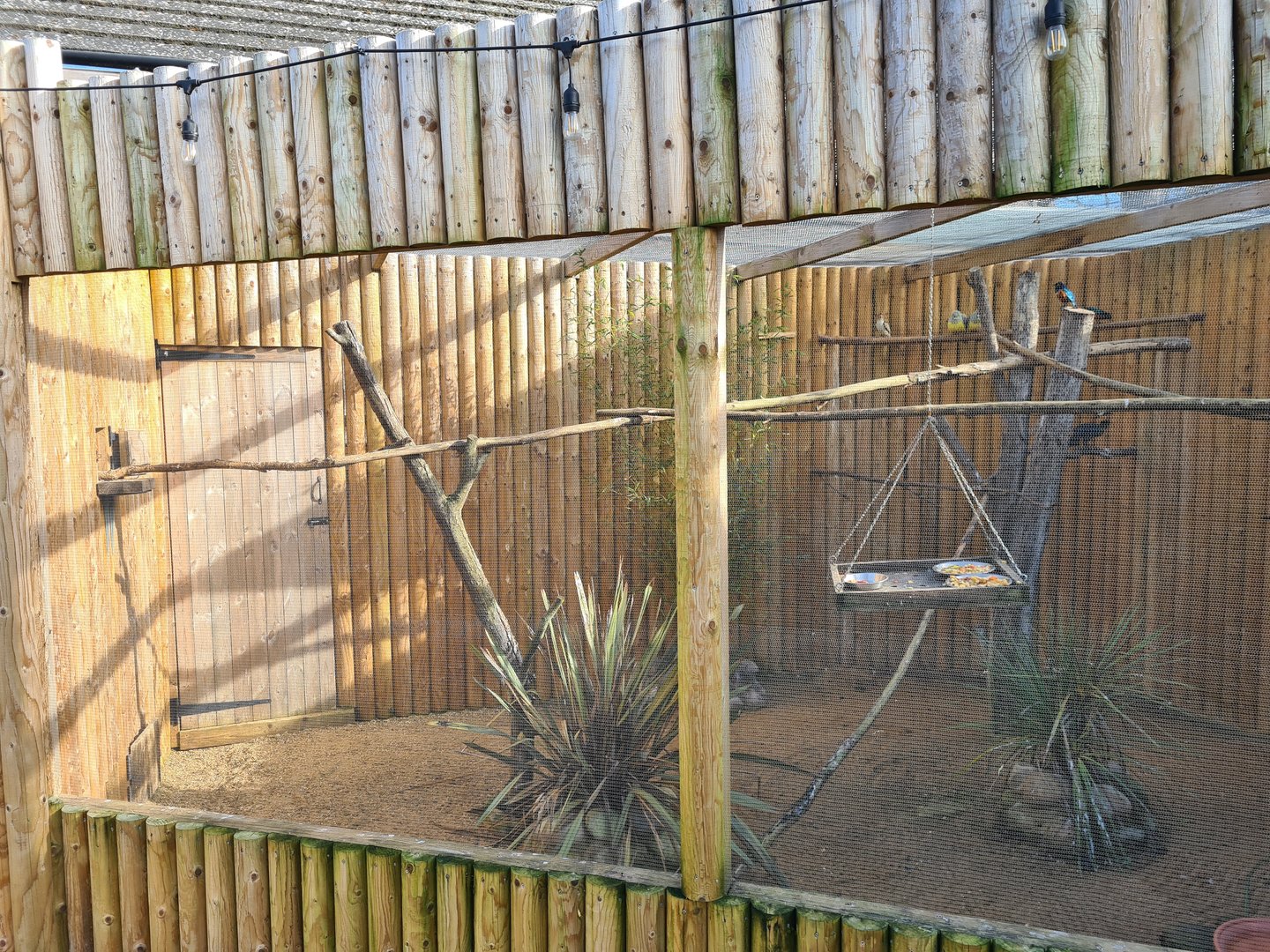
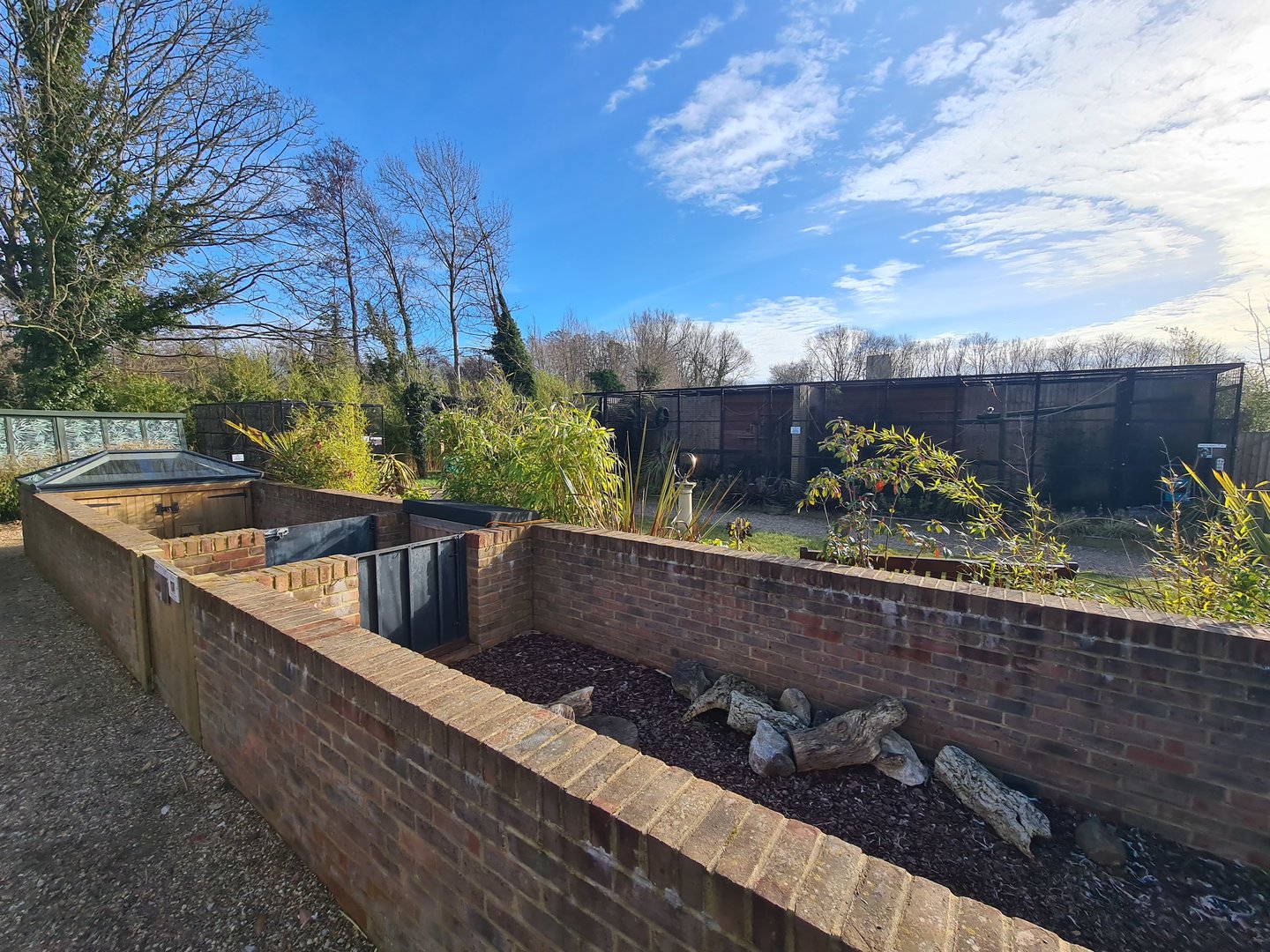
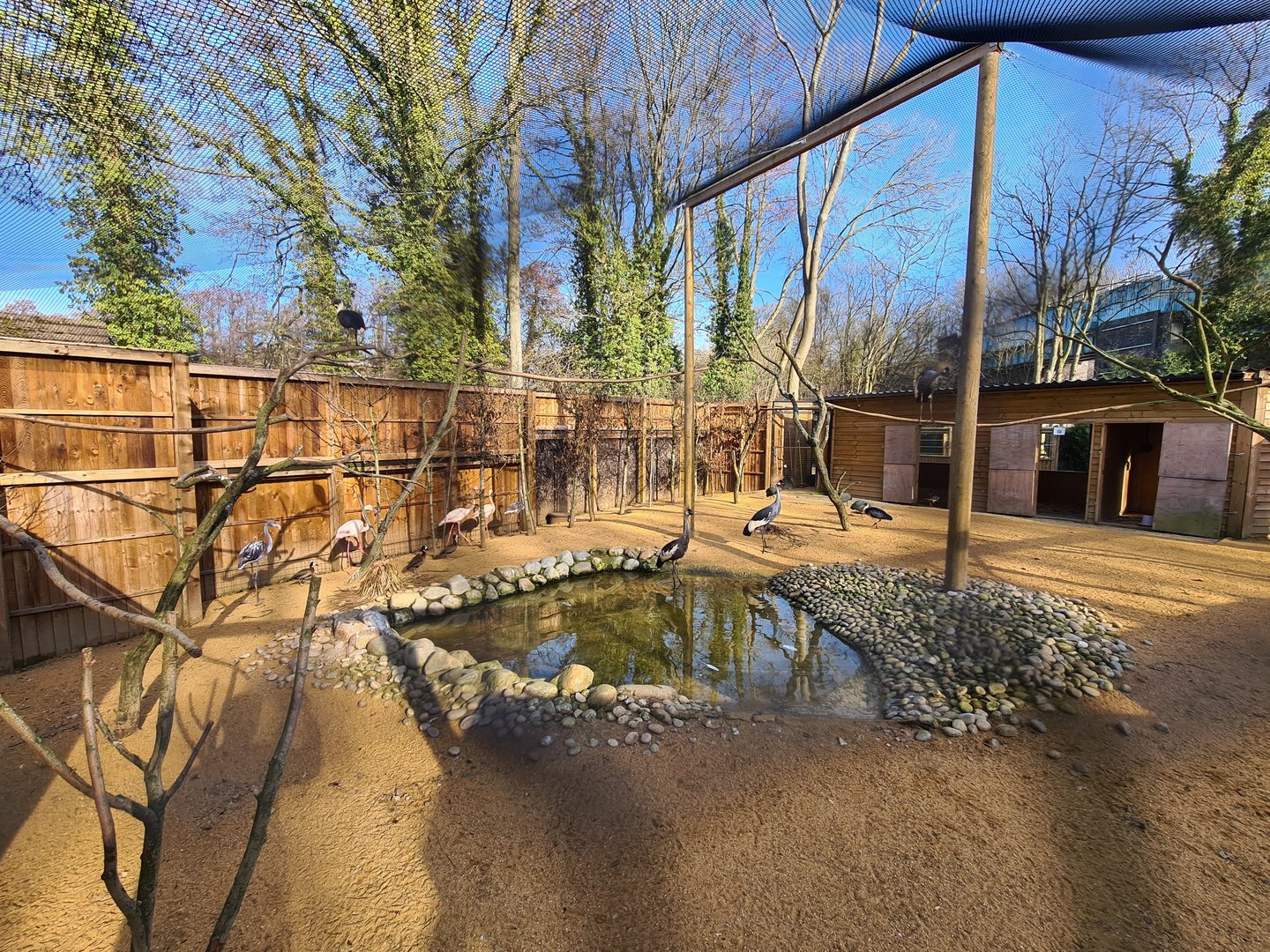
The collection is now based at the Cassiobury Farm and Fishery, and it seems the business have merged? We did struggle finding the entrance to the site as there was no signage or real guidance for the open day. Resultingly, we lost about half an hour trying to find a way in… the gate we were meant to enter through appeared to be a private entrance. What didn’t help was how quiet the site was, with us noticing no more than ten other visitors during our time there (meaning there was no-one to ask how we could get in!). Once we were in however, we virtually had the site to ourselves. The first animals we saw were in an attractive small courtyard with similar vibes to old wildlife park. A lovely aviary held Bruce’s pigeon, Von der Decken’s hornbill, superb starling, white-cheeked turaco and leopard tortoise. Another enclosure held a large spotted genet, and for the second time of the day we saw a zorilla! The zorilla (we only saw one) was held in a small exhibit which could definitely have been larger, and to the left was a pair of banded mongoose.
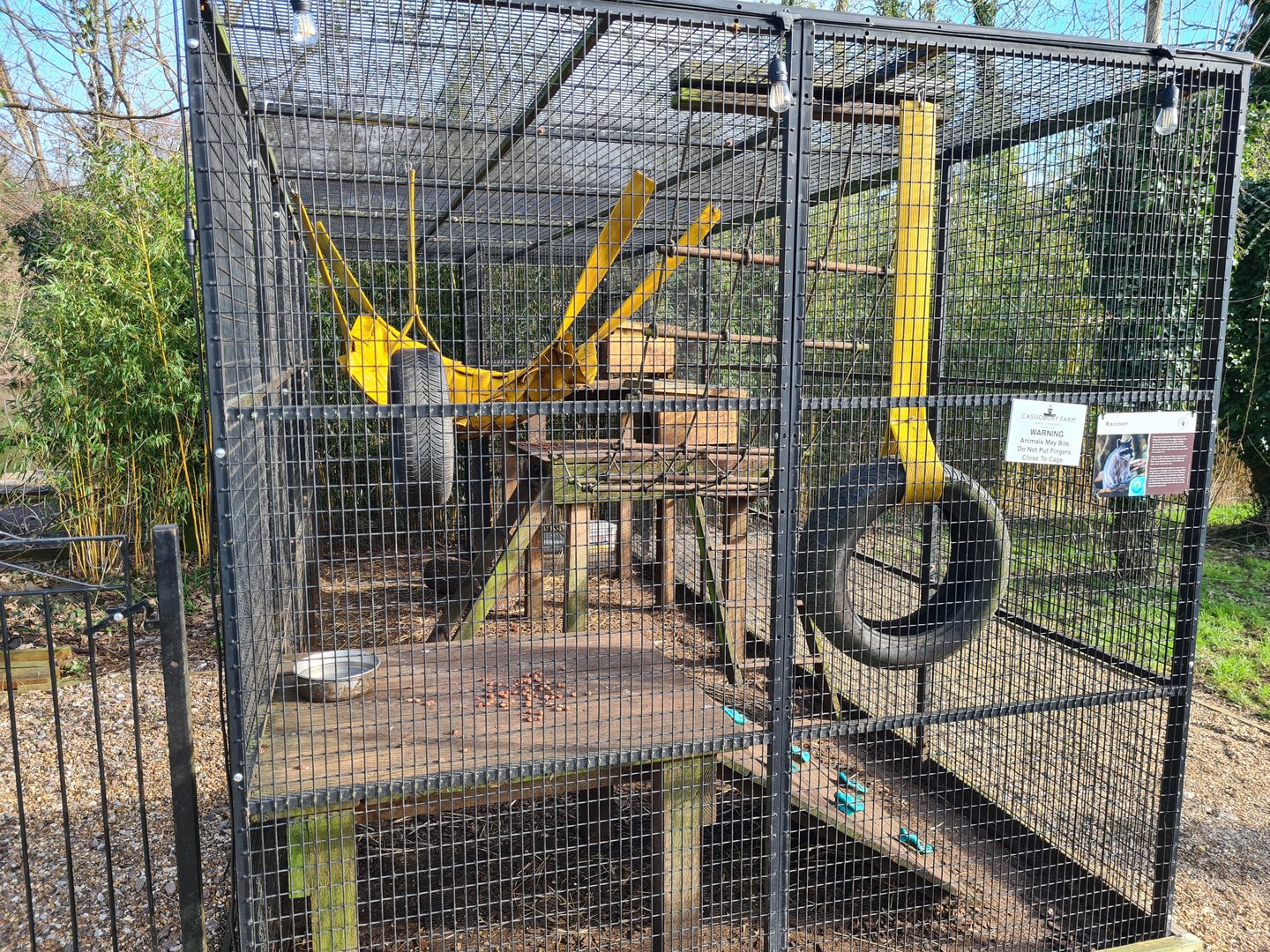
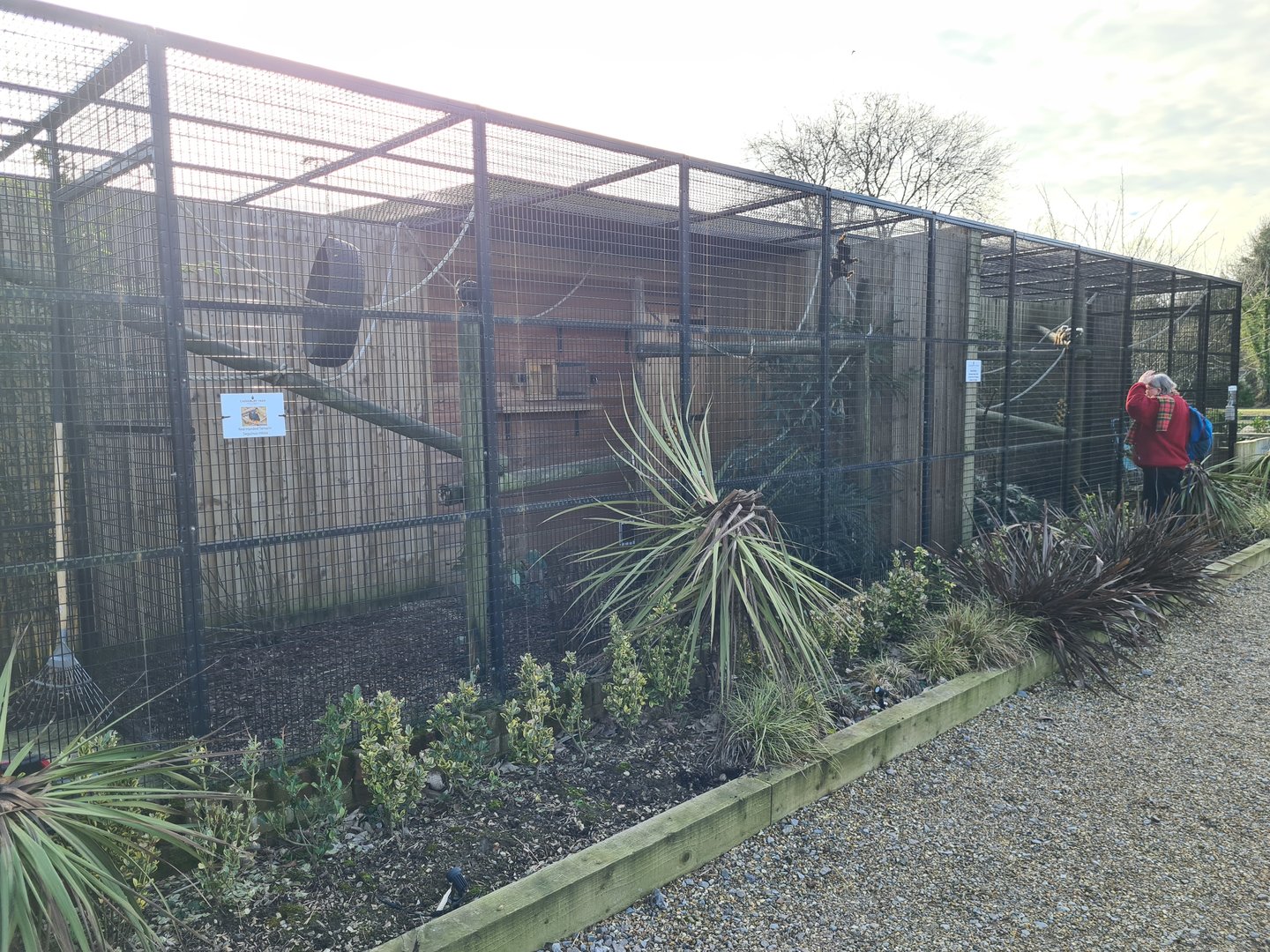
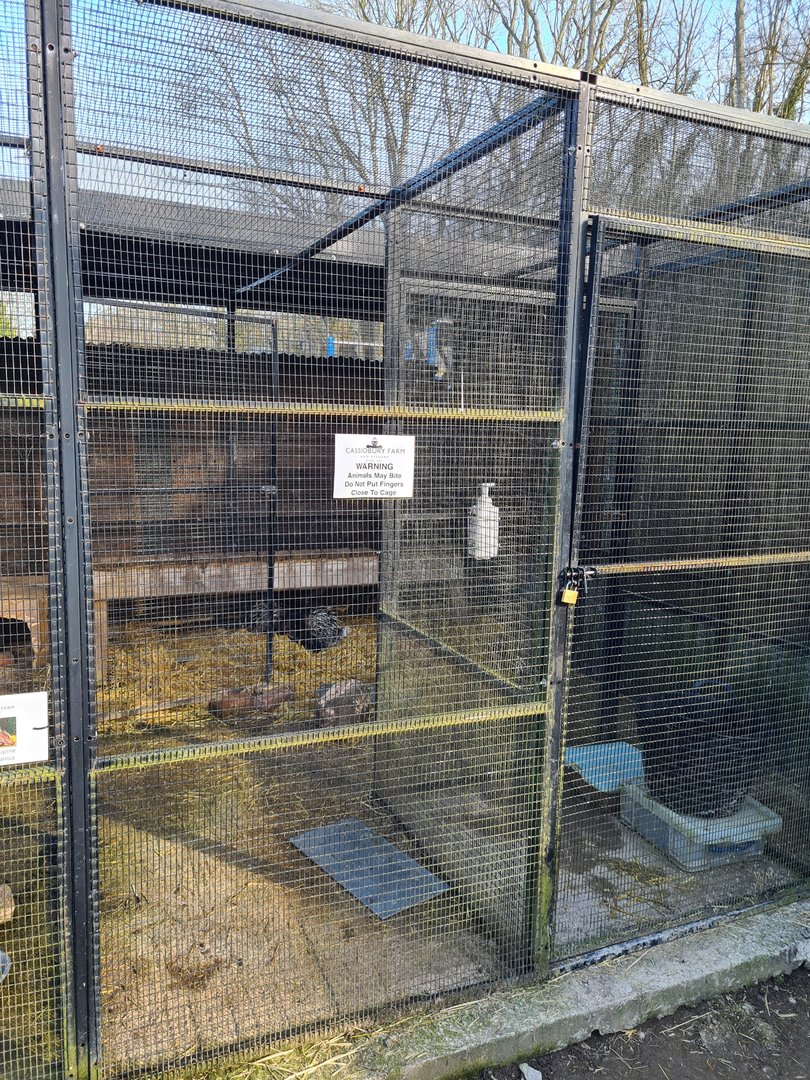
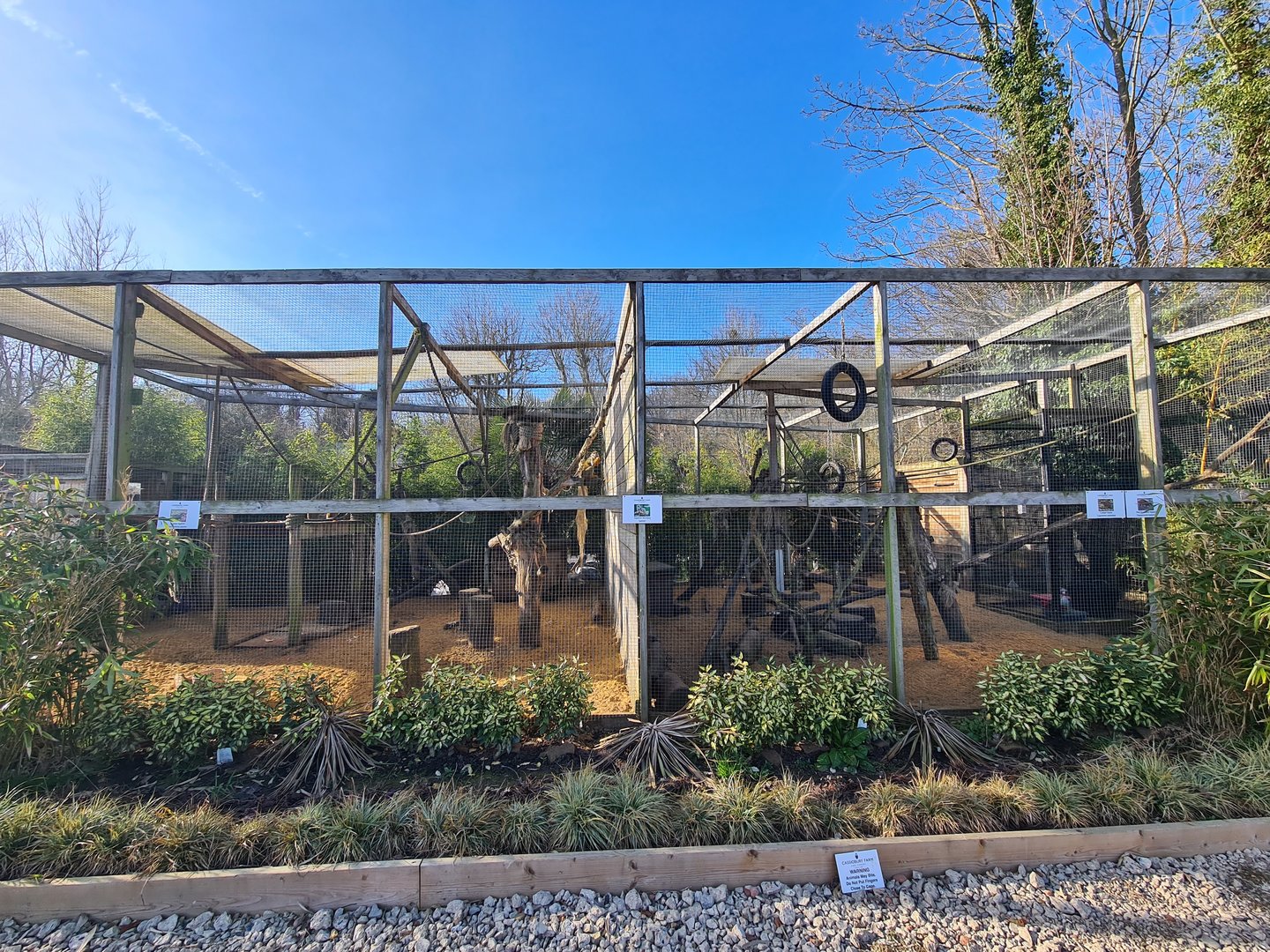
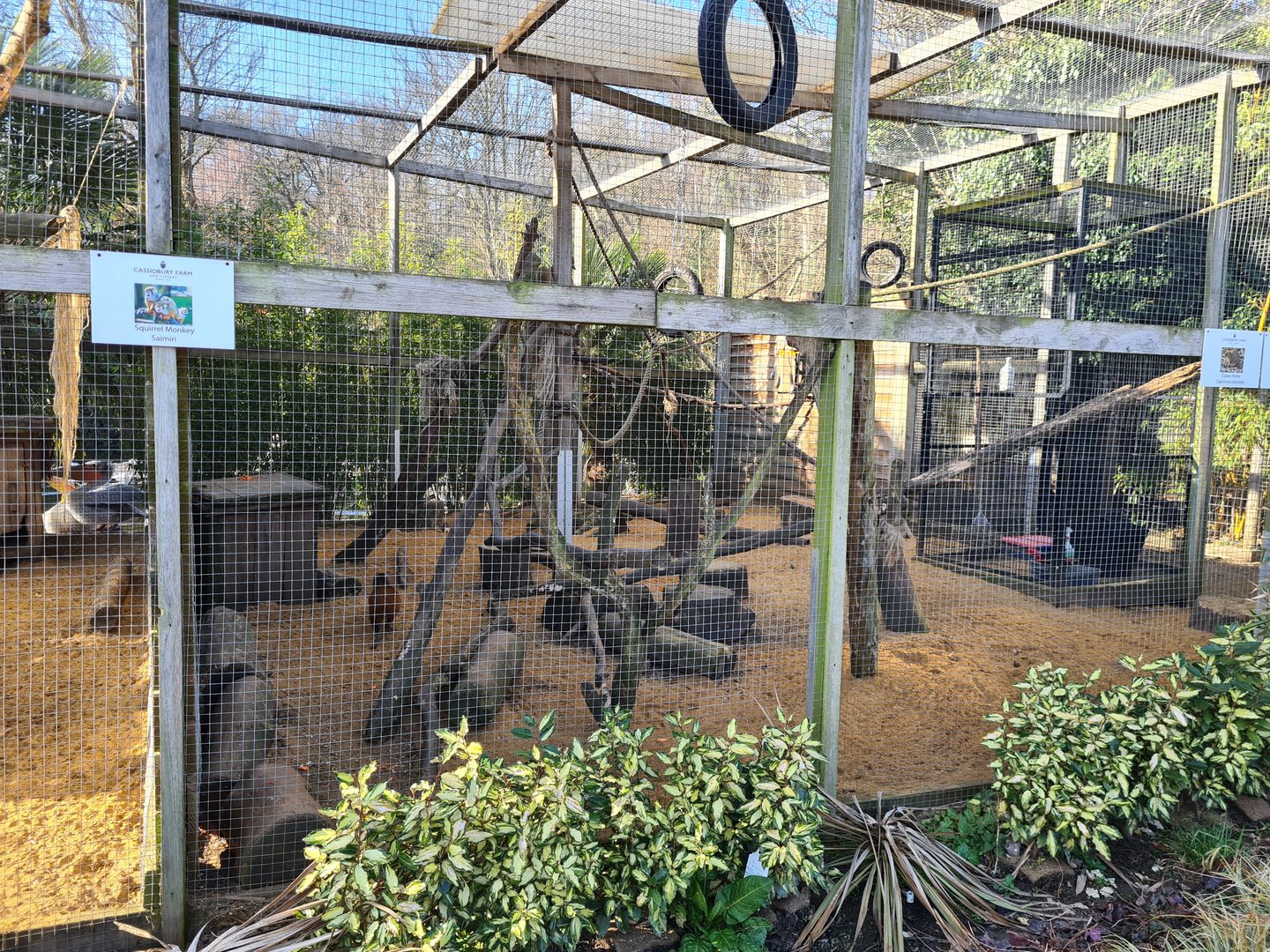
Nearby were enclosures for several tortoise species, including at least one Galapagos (only one individual seen). A couple of small pens held armadillo (unsure on the species) and they were unseen. A raccoon was held in a very small and inadequate caged exhibit, looking quite out of place compared to the rest of the collection. Two similar exhibits held red handed and cotton top tamarins respectively and whilst a little bare in comparison to those seen at HCC, they were much larger.
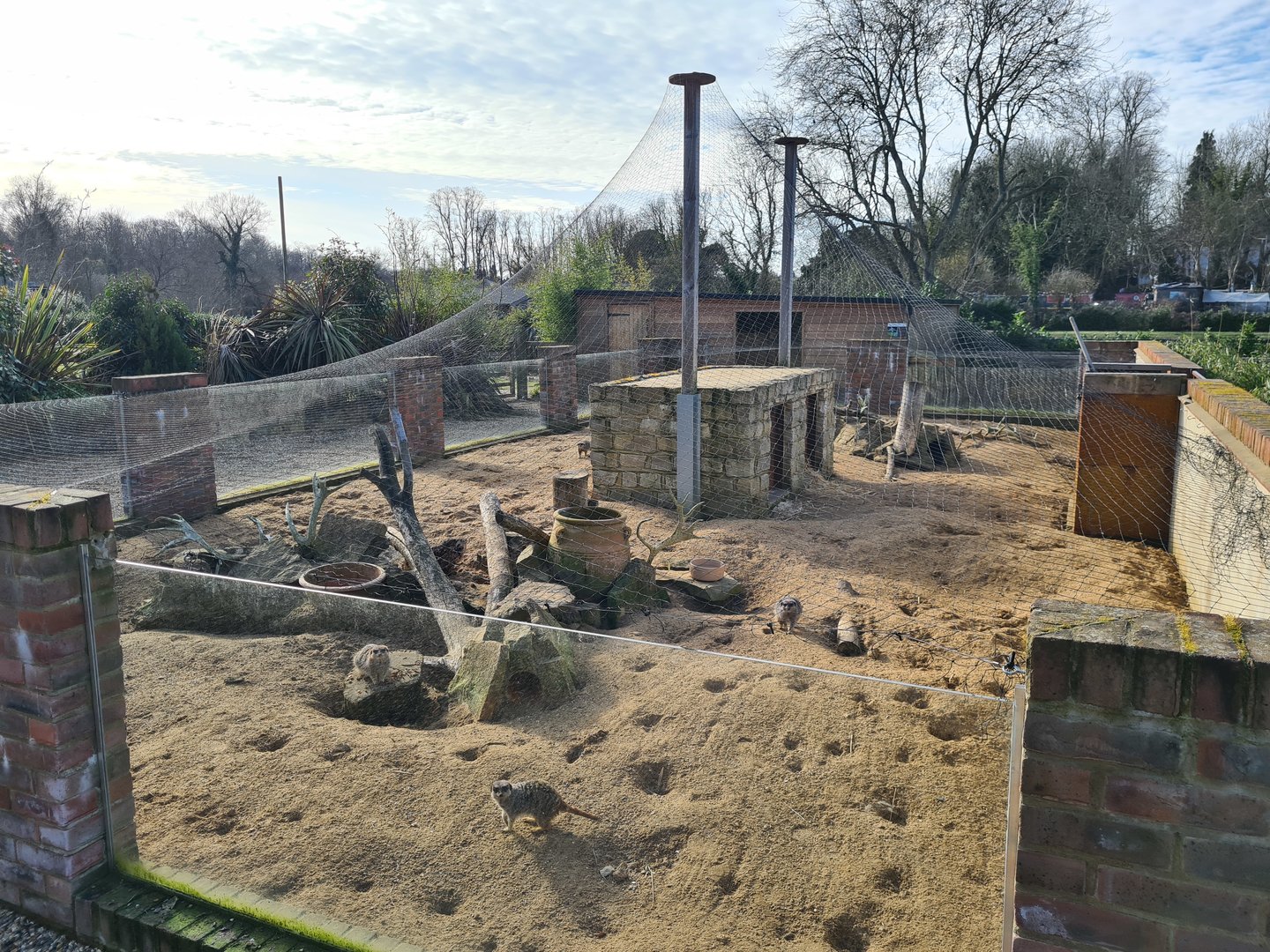
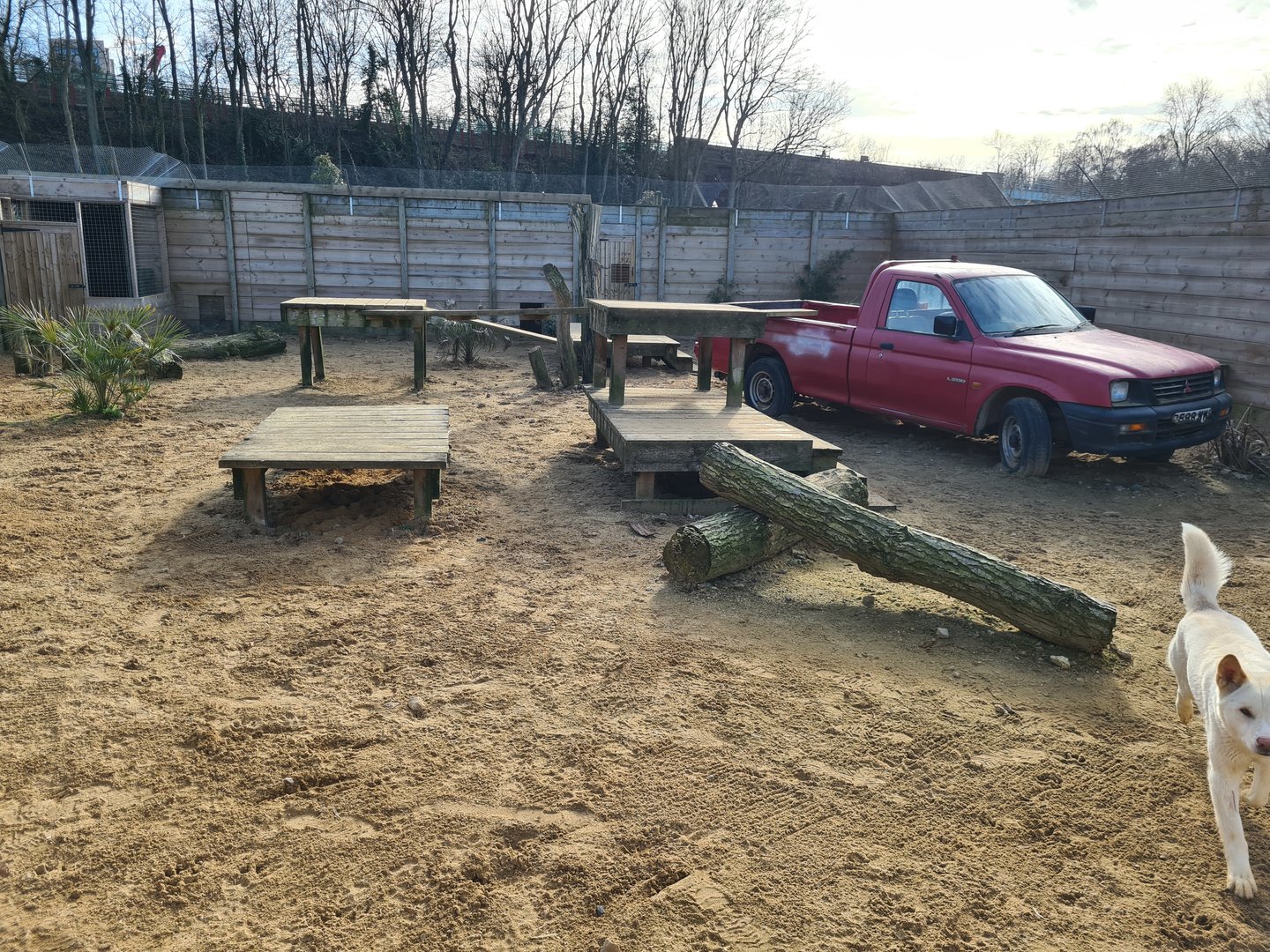
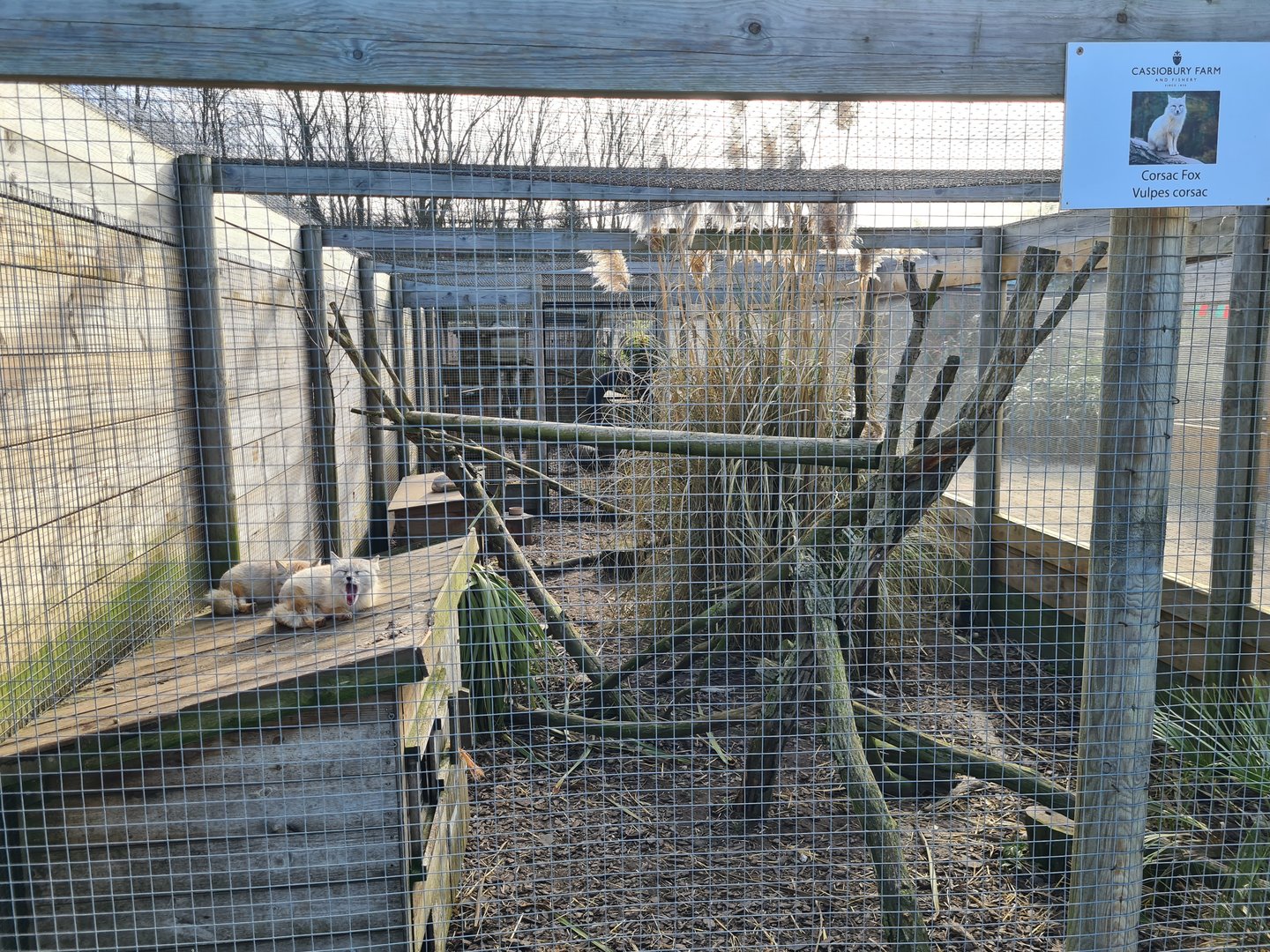
A decent aviary held an eagle owl, and nearby was a large and unusually netted meerkat enclosure. A sibling pair of dingos from Hamerton are held in a smaller but attractive enclosure. This area is carnivore heavy, with a further two small exhibits holding corsac foxes, and a mix of skunk and what we were assuming was a raccoon. Like at the former wildlife park, the corsac fox exhibit is too small; Hamerton have shown us zoo nerds how it should be done with their fantastic exhibit.
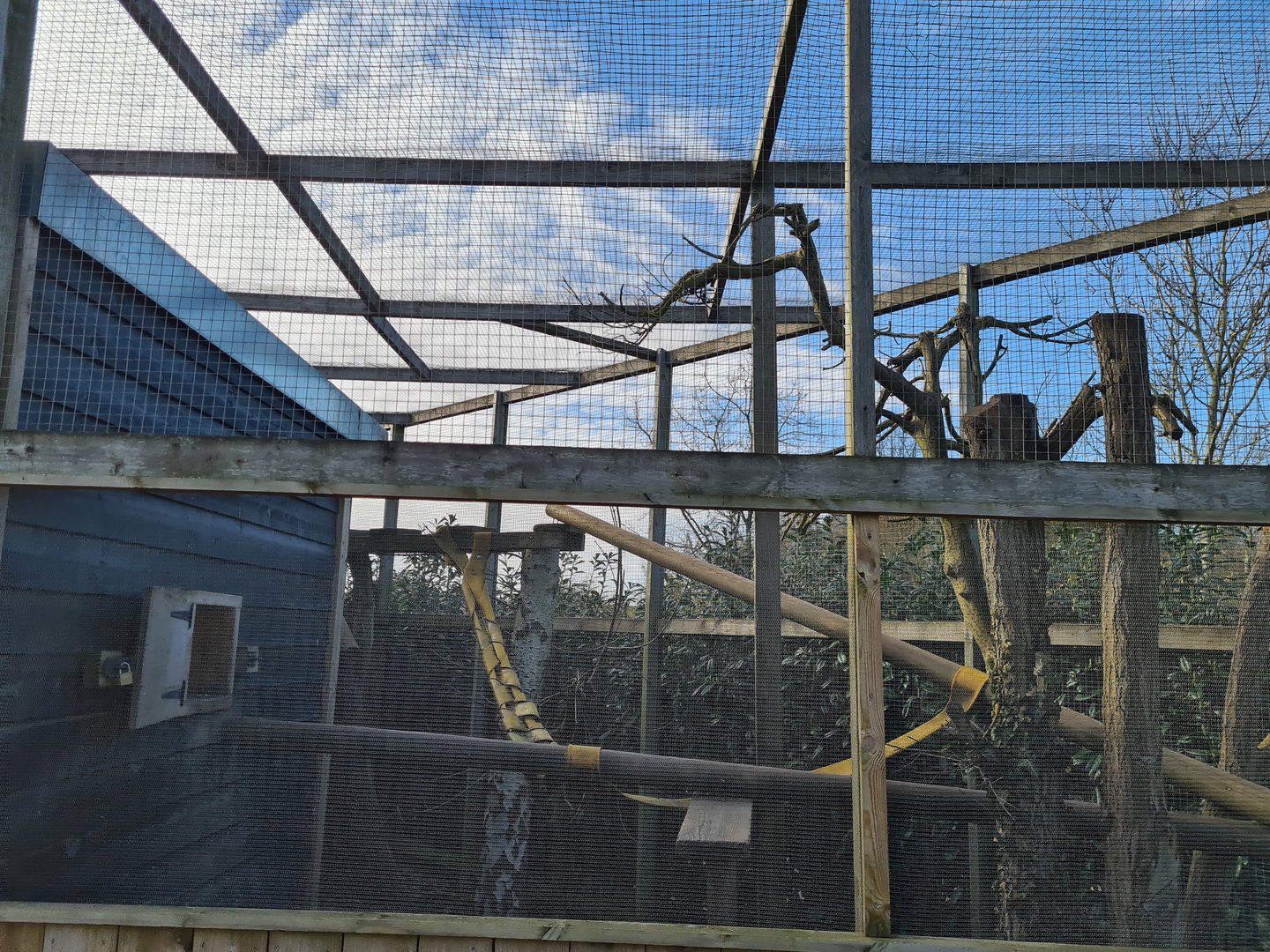
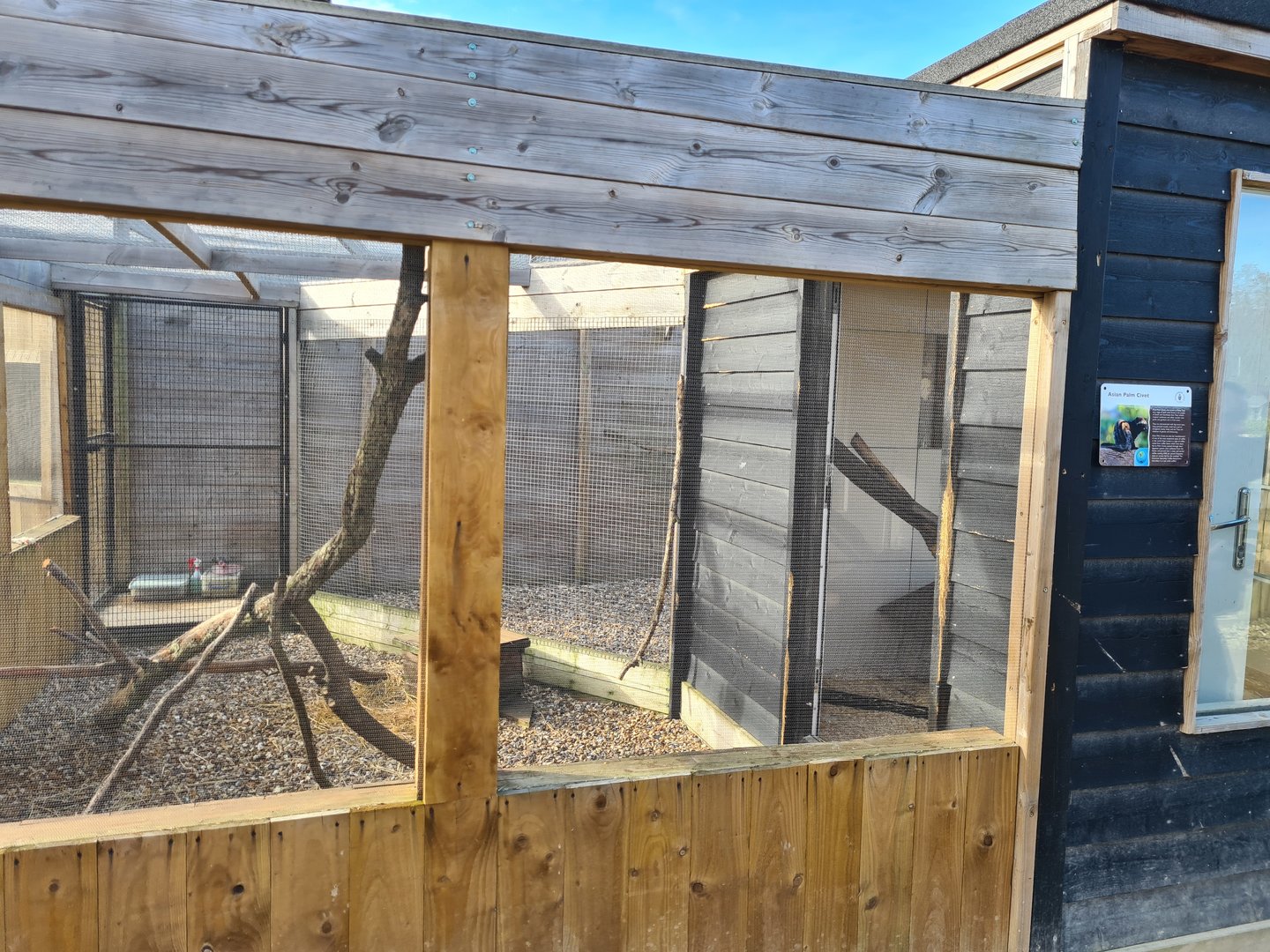
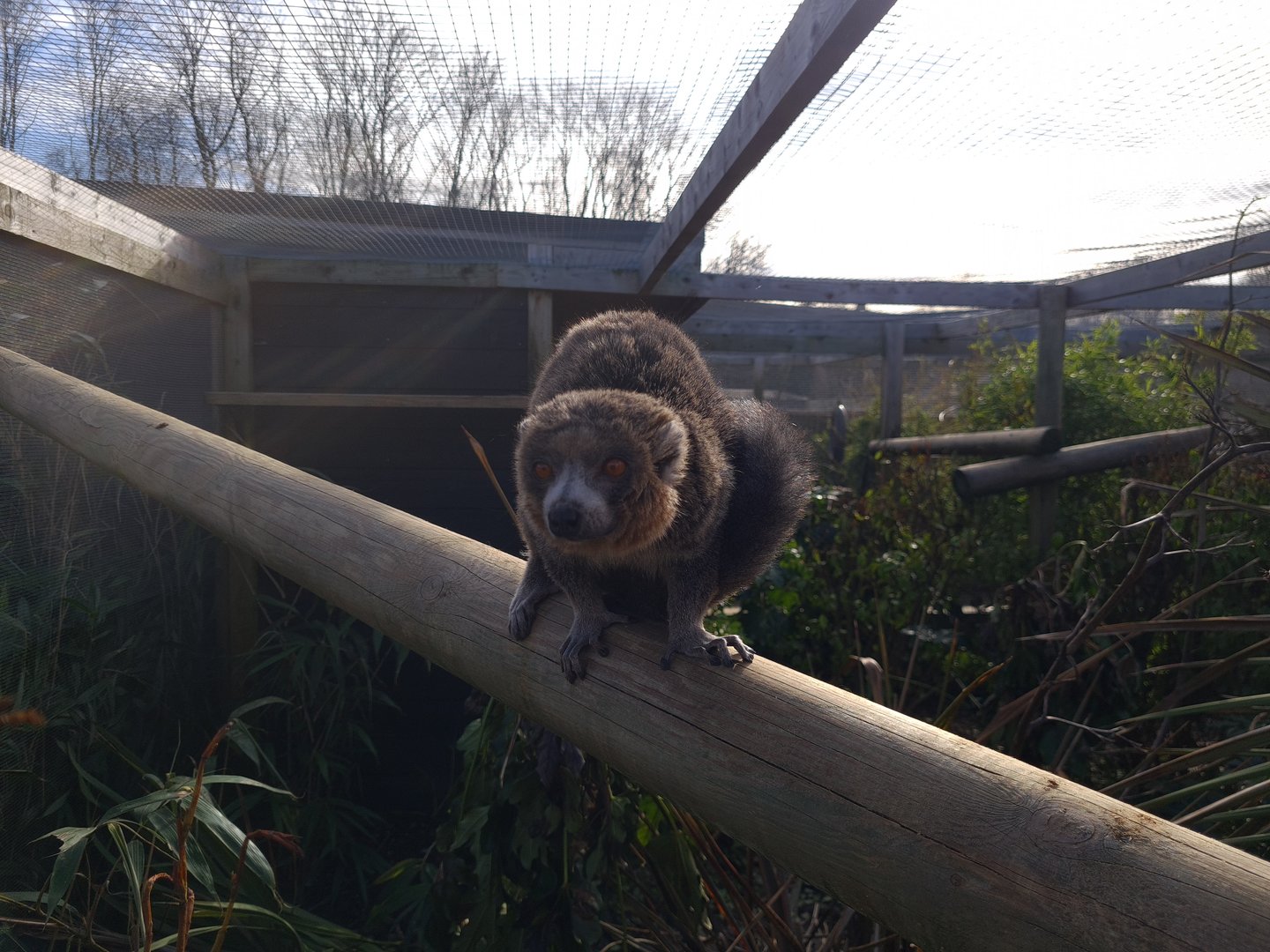
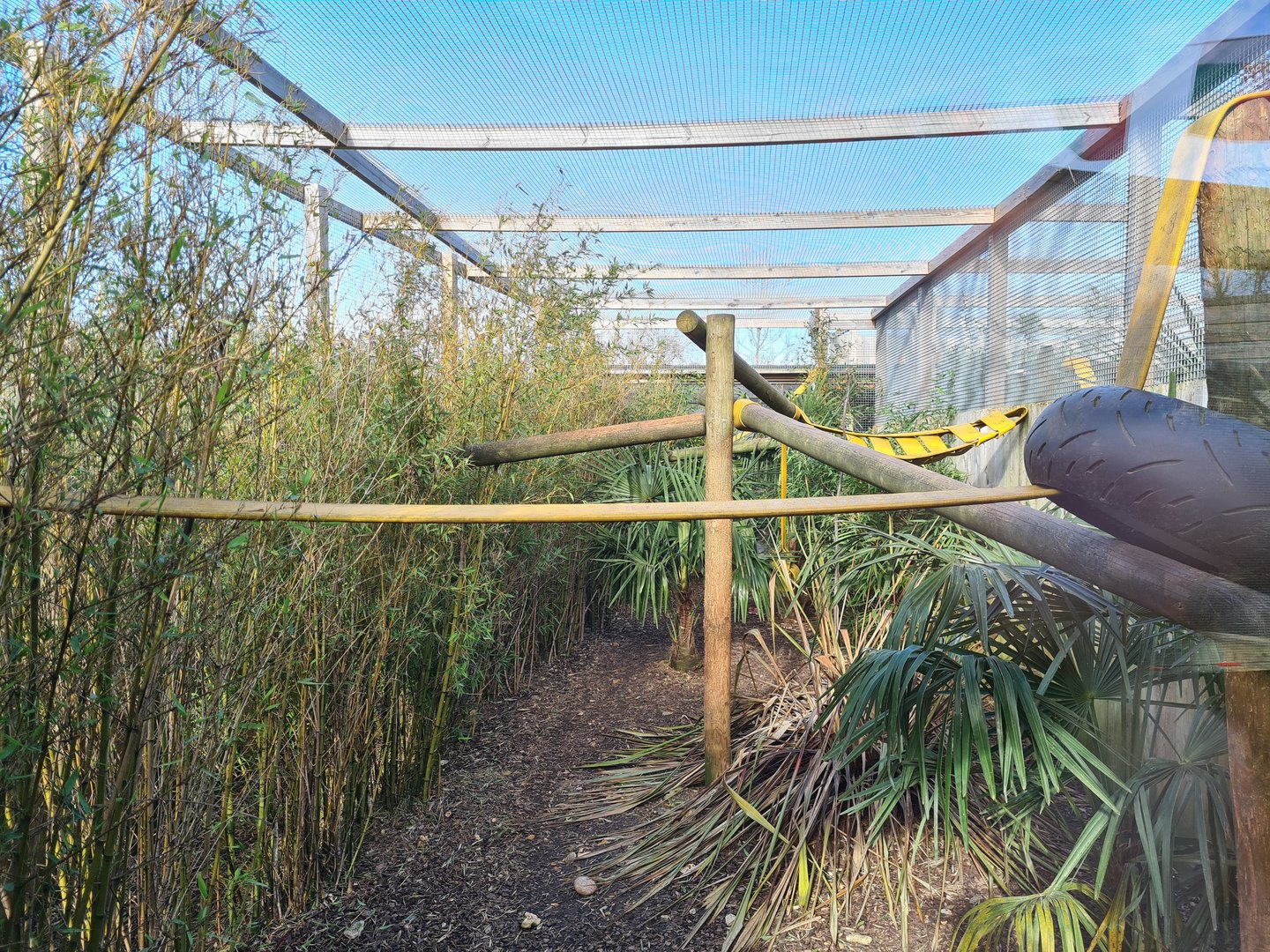
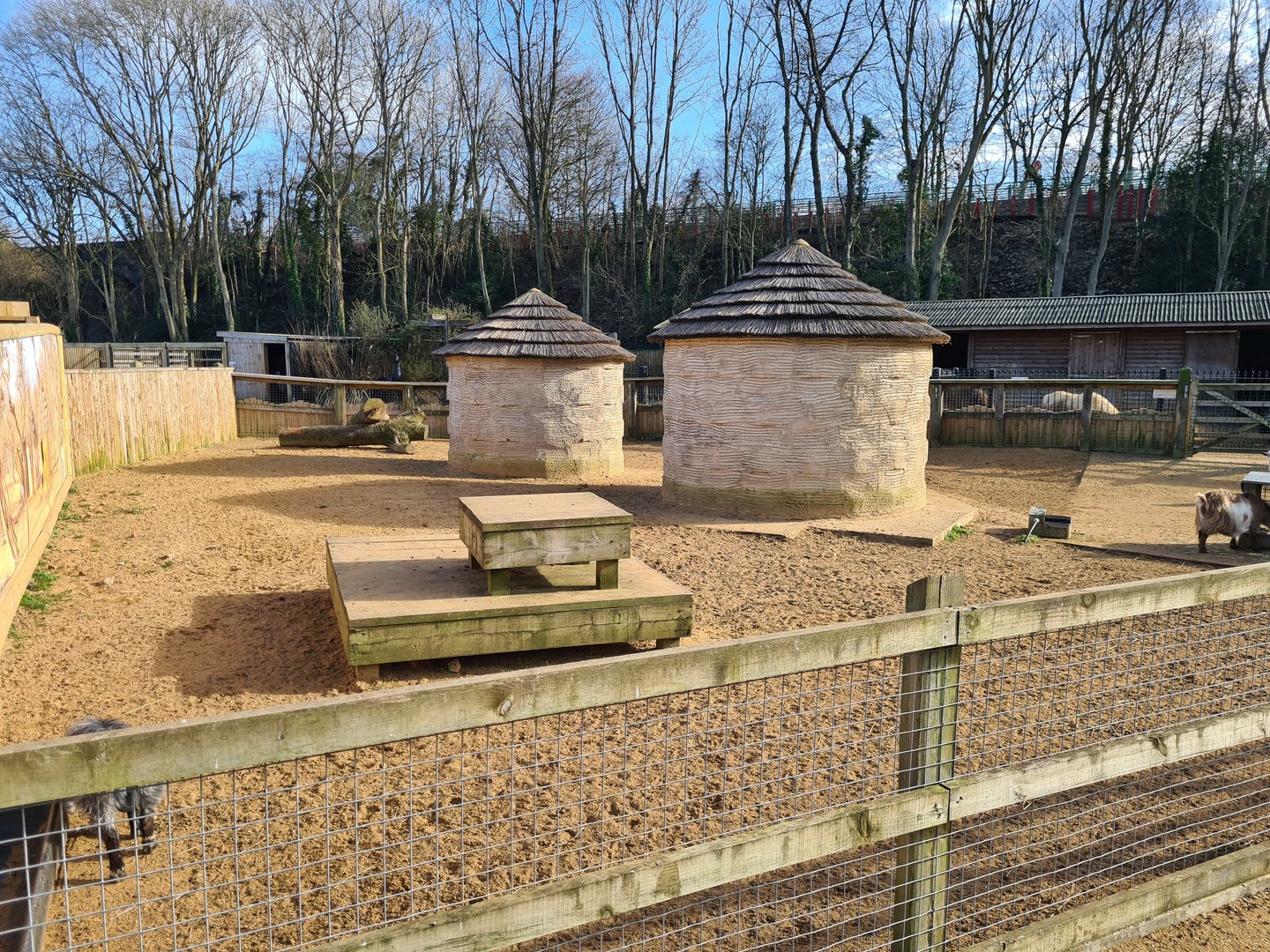
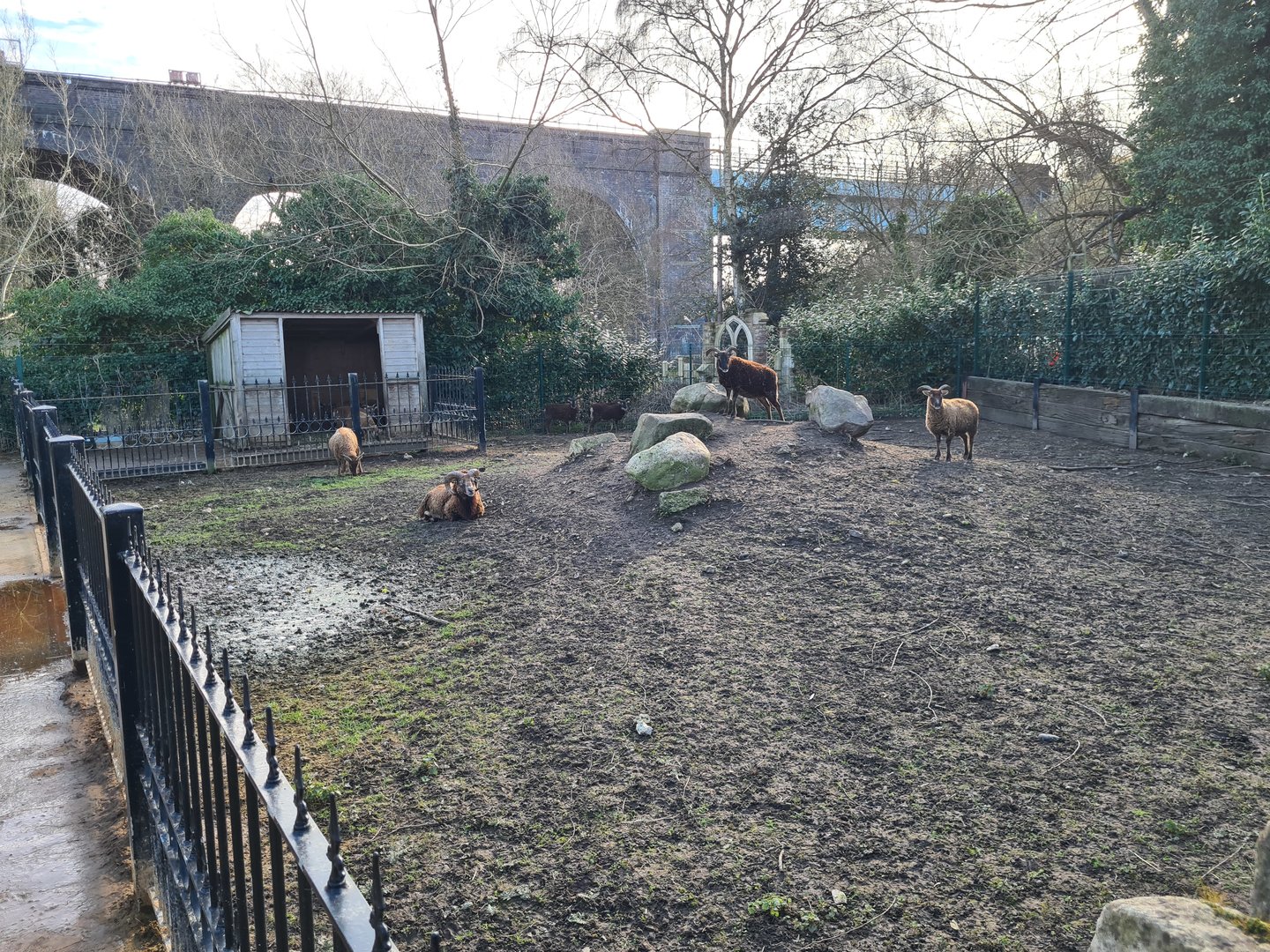
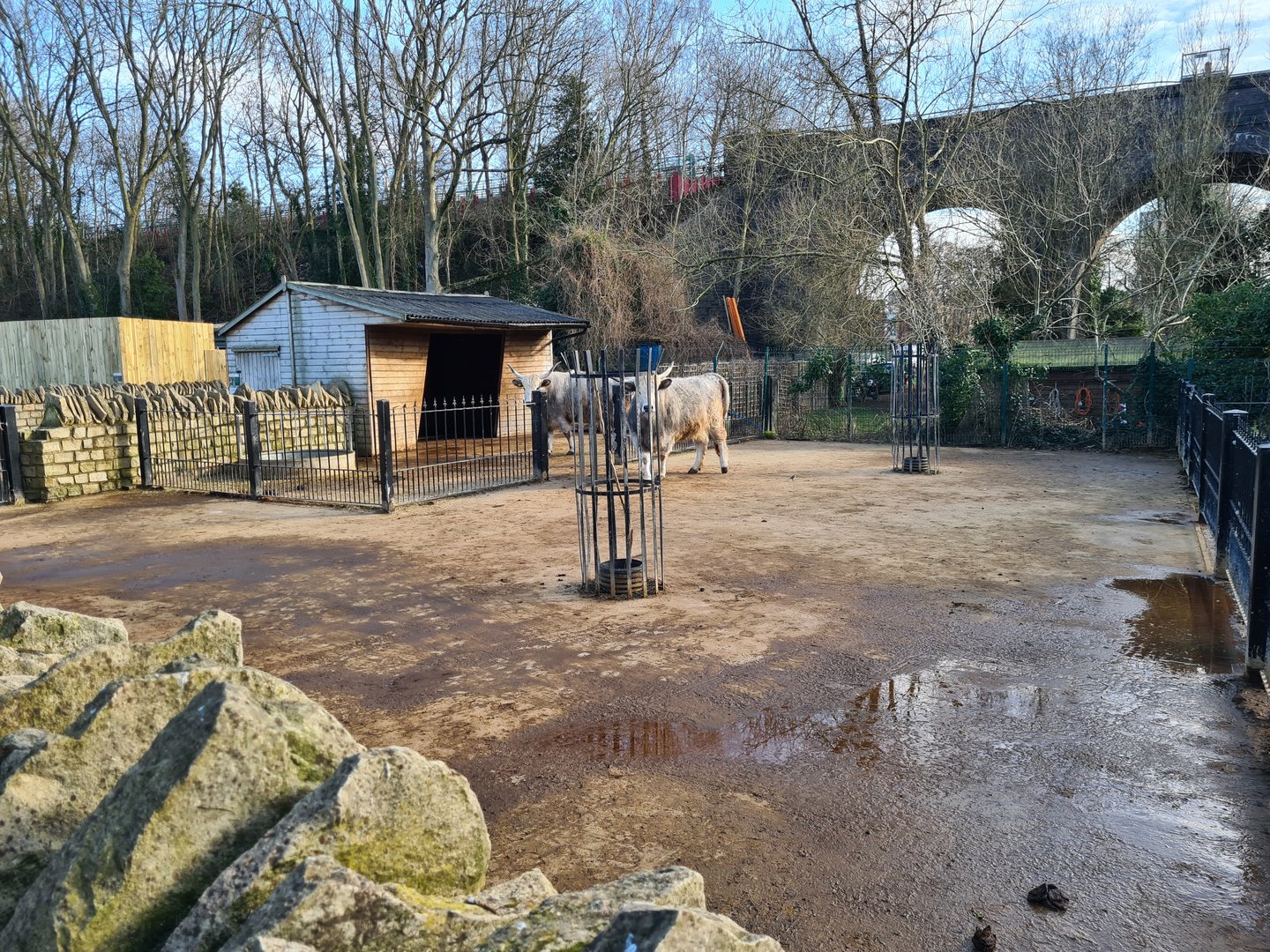
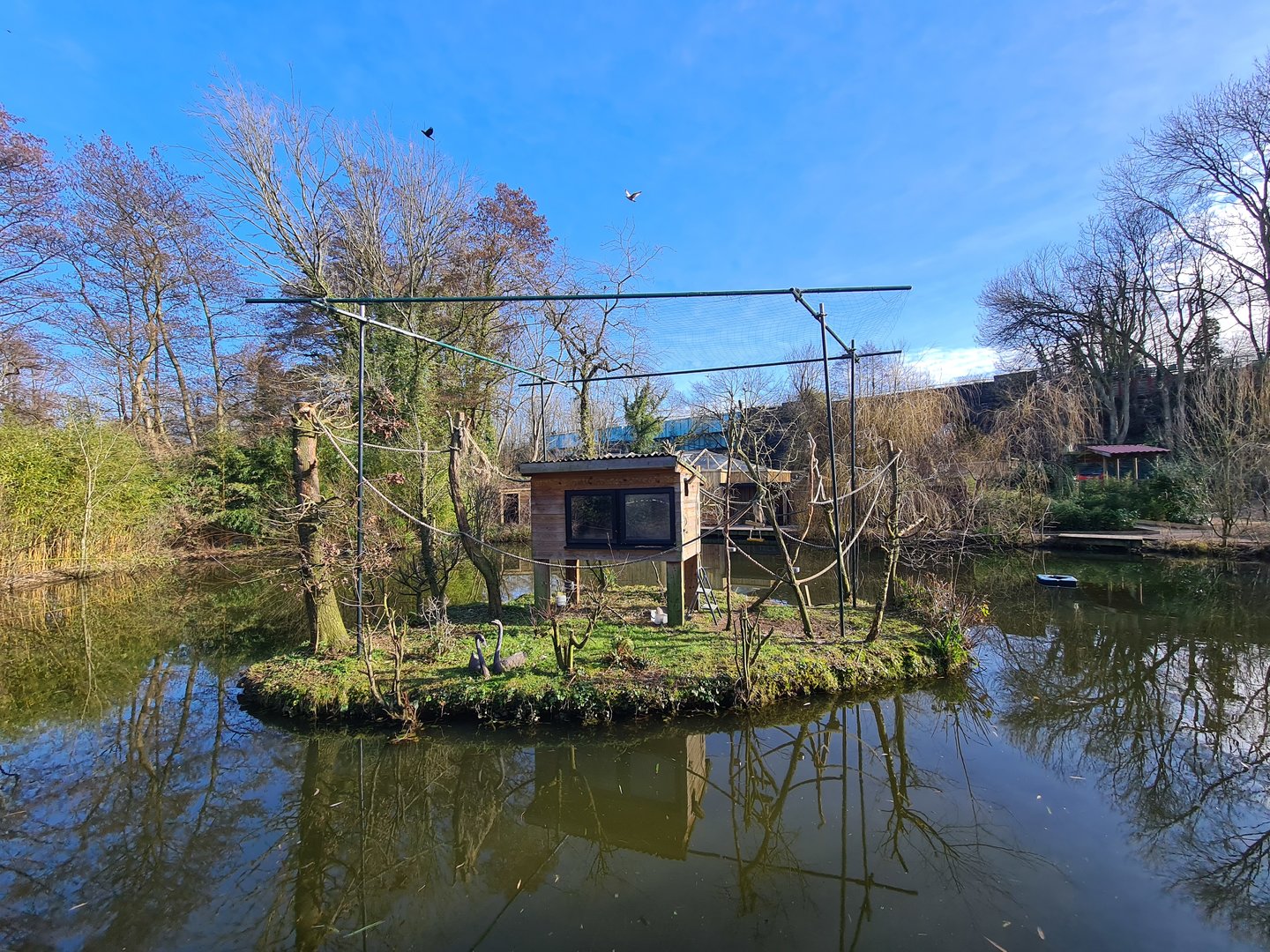
A pair of basic binturong exhibits are nearby, with one being much better than the other. A similarly basic exhibit holds a pair of Asian palm civets. Both individuals were very active later in the lay which offered great photographic opportunities. A small yet well planted Malagasy complex was home to a pair of inquisitive mongoose lemurs, followed by a walkthrough for ring tailed lemurs. A pair of fossa are maintained in separate exhibits. Whilst on the smaller side for my preference, I’d say they’re still larger than the exhibits at the wildlife park. Leading away from this area you’ll pass some basic aviaries for domestic birds and arrive in the farmyard area.
Based on the progress I’ve made so far it looks like I may need to split this overview into three parts. Part two will cover the rest of the animals and exhibits in the collection, with the final part covering the masses of construction and final thoughts. I hope to get these posted in the next week as towards the weekend I have a delayed Christmas party and the ABWAK symposium at YWP. I would like to continue to post in this thread with some final thoughts, a summary of the species of note, and possibly a comparison of exhibits for species shared across the collections. Again, thanks for all the comments and likes so far, I’m really enjoying producing this content for you all.