Exhibit ideas

Canihelpyou?

Well-Known Member
5+ year member
This thread is dedicated to all my exhibit ideas ive had and will have. I've tried plenty of times to create a full zoo thread on this forum, but simply failed because there's allot to a full zoo and it can be hard to keep enjoyment in such a big project. So, ive made it easier for myself and split up every exhibit idea i have and place them in here, this way i can also have different enclosure styles and species that might not fit into one zoo ideal. Some will be bigger than others, and im always up for your ideas, inputs and comments on these.

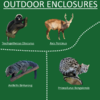
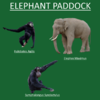
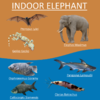
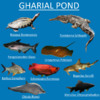
They'll be presented Mr gharial style, cutout species list :) also accompanied with a layout of the exhibit and some talks how the exhibit works, what it tries to do and such. Hopefully i can fill this thread up nicely :cool:
 
The first exhibit presented:

Outdoor walkthrough for european herps

This would be a (rough estimate) 25x20 meter walkthrough exhibit, which will be covered at 5 meters high with very fine netting to let sun easily through but keep predators outside (and the animals in!). This exhibit would work well in a european part of the zoo or perhaps a reptile zoo with an outside part. Ofcourse, only open in spring/summer, as in winter or autumn even the tempatures will drop to much for the animals to be active. The plants will also bloom nicely in spring, so this would be optimal visiting time.

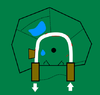
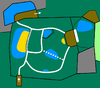
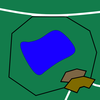
Visitors will walk through big plastic flaps and be greeted by a lush enviroment of european plants. A concrete path leads you through the exhibit, with some naturalistic barriers, like a fallen tree trunk or some large mediterean rocks you can lean on to get a better view of the animals. Here is the overall view of the exhibit:
upload_2023-7-2_19-28-17.png

The black thick lines indicate the outer barrier, the dotted lines are the hidden barricades of the enclosures within. in the middle will be a opening for staff to enter, the black dot indicates the pole on which the netting is spanned on, with the red lines all around being the information signs. These signs will give information about the animals exhibited, the free range animals and the large one in the middle is about european reptiles in general. Two ponds, the big one for european pond turtles and the small shallow one is in the free range area, mainly used by the amphibians.

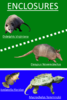
The first enclosure you see on the right when you enter will house greek tortoises, the next one over will have marginated tortoises. These enclosures will be more barren from the rest of the exhibit, to show the enviroment these critters are used to, and for optimal UV. The brown "box" you see when you almost exit is a enclosure for european vipers, which are ofcourse in exhibit and completly sealed off for the safety of visitor and free range animals.

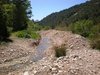
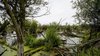
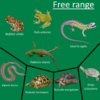
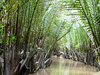
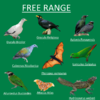
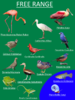
Visitors who have a keen eye and take the time will spot the four free ranging herps, a species list will be down. Here are also some pictures to show the overall vibe this part will have:
upload_2023-7-2_19-36-6.jpeg
upload_2023-7-2_19-36-16.jpeg

Species list:
upload_2023-7-2_19-36-42.png
 

Attachments

  • upload_2023-7-2_19-28-17.png
    upload_2023-7-2_19-28-17.png
    21.7 KB · Views: 82
  • upload_2023-7-2_19-36-6.jpeg
    upload_2023-7-2_19-36-6.jpeg
    168.9 KB · Views: 86
  • upload_2023-7-2_19-36-16.jpeg
    upload_2023-7-2_19-36-16.jpeg
    104.6 KB · Views: 81
  • upload_2023-7-2_19-36-42.png
    upload_2023-7-2_19-36-42.png
    445.1 KB · Views: 80
Exhibit 2:

South east asian mangrove hall

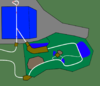
This is for sure one of my favorites, i'm a sucker for mangroves exhibits and in particuliar asian ones. Highly inspired by the old mangrove hall and the current bush hall in burgers zoo. This will be a heated walkthrough hall showing the mangroves of south east asia, with free range animals and animals in natural looking enclosures. The hall will be covered in plants and mudflats, with leaf litter all around to capture that mangrove feel. There will also be a netted off area and a large aquarium at the end, which are also apart of the exhibit. Here is the overall view:

upload_2023-7-5_20-30-51.png

The grey areas would be maintance/staff areas, the brown areas buildings, the yellow parts mudflat and the blue parts ofcourse water.

When you enter, you are met with the heat and high humitidy this area of the world has to offer. Plants like Avicennia marina, Aegialitis annulata and Barringtonia conoidea grow all around and if you look well enough, you might spot some of the free ranging birds, bats, moths or lizards (full species list all the way down!).

Besides the free rangers, there's also plenty of critters in natural looking enclosures, which can't be roaming around free for many reasons. One of the first ones on the list are archer fish and puffer fish, which will be in a 2 meter open top aquarium with a large replica of a mangrove tree in the middle. You can find this aquarium when you take the first right.

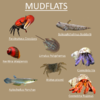
The large mudflat you see on the left is a open area for mudskippers, fiddler crabs, horshoe crabs, hermit crabs, mangrove crabs, snails and panchax. All these animals interacting together will be a sight to see on it's own, even for the average visitor. The water area will have open areas but will also have plenty of mangrove trees for hiding spots for all the animals and climbing oppurtunities, with a 60cm invisible "wall" surrounding the flats, so none of the critters can go throughout the entire hall.

The large piece of water in the middle doesn't actually contain any animals, but is more for the visitors to enjoy. This will be a series of rocks that you can walk on on the water, while your'e surrounded by Nypa fruticans. This adventure path will keep the hall a tad exciting, especially for children to enjoy. It should look something like this:
upload_2023-7-5_20-43-56.png

The other water area that's very well fenced off, and for good reason, is for asian small clawed otters. These fun little mammals will keep everybody entertained and be a active always on show animal for those who just can't seem to have any luck with the other critters.

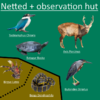
The building you see on the right is a open observation hut that also holds 2 large terrariums, one for coconut crabs and the other for banded mangrove snakes. It will also hold a cocoon hatching chamber for the moths that are free ranging in the hall. Looking out from the observation hut, you'll find a smaller mudflat for, ofcourse, smaller crabs. These will be the very fun blue soldier crabs.

If you go through the observation hut, you will now be in the netted off part of the hall. Here you can find free range herons and kingfishers. This also works as a housing for hog deer, only the inside part though. They will also have another part for fencing them off completly from visitors (in case of sick or pregnant animals), and a open pen which they share with dusky langurs. The langurs cannot be viewed from the hall, only in their outside enclosure not shown.

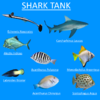
When exiting the hall, you'll be greeted and escorted out of the mangroves into the ocean by bull sharks and other fish. This aquarium will be sloped, with the high point having artifical mangrove roots to showcase a fish nursery and also show visitors how handy a safe haven like a mangrove can be for smaller fish. The further you walk the deeper and wider the tank will become and the larger the fish will become. It'll also be nice to see the interactions of the fish with eachother, remoras and cleaner wrasses will show symbiosis relationships with fish.

The species lists will follow (very) soon!
 

Attachments

  • upload_2023-7-5_20-30-51.png
    upload_2023-7-5_20-30-51.png
    73.1 KB · Views: 76
  • upload_2023-7-5_20-43-56.png
    upload_2023-7-5_20-43-56.png
    384.1 KB · Views: 84
Hereby the species lists:
upload_2023-7-5_21-50-30.png
upload_2023-7-5_21-50-43.png
upload_2023-7-5_21-50-56.png
upload_2023-7-5_21-51-8.png
upload_2023-7-5_21-51-21.png
 

Attachments

  • upload_2023-7-5_21-50-30.png
    upload_2023-7-5_21-50-30.png
    431 KB · Views: 84
  • upload_2023-7-5_21-50-43.png
    upload_2023-7-5_21-50-43.png
    308.6 KB · Views: 85
  • upload_2023-7-5_21-50-56.png
    upload_2023-7-5_21-50-56.png
    392.3 KB · Views: 82
  • upload_2023-7-5_21-51-8.png
    upload_2023-7-5_21-51-8.png
    410.4 KB · Views: 77
  • upload_2023-7-5_21-51-21.png
    upload_2023-7-5_21-51-21.png
    348.8 KB · Views: 77
Exhibit 3:

Florida hall and aquarium

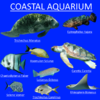
This is quite a big exhibit aswell, showing the fauna and flora of florida with parts, one being a manatee aquarium that goes onto a big greenhouse. Hereby a overall view:
upload_2023-7-9_21-54-32.png
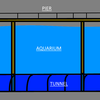
Starting the journey through florida, starts in a large aquarium that you can view from a tunnel and upper view. It shows manatees, cownose rays, sea turtles and large gamefish like lookdowns and groupers. On the map this part is actually quite straight forward, as it's a one way part, however it can be tricky to understand from a top down view.

Basically, you start in the well known "shark" tunnels, where manatees and the other sea critters swim right above and next to you. Right on top of you however, is a pier. When you exit the tunnel, a roundabout style flat staircase (so it's wheelchair accesible) which leads you on top of the pier! Here you can see the animals from above aswell. It should look like this:
upload_2023-7-9_21-58-42.png
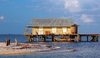
The dotted off area is a resting area for the manatees and also a seperation part for the manatees. A not shown bassin is also there for fresh born manatees, as i don't think young manatees will do to well with the large fish and turtles. On the right, there will be a artificial tropical beach to hide the walls, and the seperation part will be blocked off from viewing from the top part by a fishing hut, looking like this:
upload_2023-7-9_22-1-14.jpeg
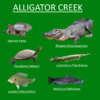
Now we will actually walk into the large hall, where you are met with a tropical tempature and humitidy. But first, you're in a open to the sides overdecked viewing area. On the left will be the alligator creek, inhabited ofcourse by alligators, turtles and fish species. They will be netted off from the free ranging species, but the way the viewing area is made will make it look like it's apart of the overall greenhouse.

Walking further, you are met with a large water area, which is accomapiend by large trees in the back for nesting grounds for the nesting spoonbills. In the water you can also find ibisses, ducks and the flamingos, all free ranging aswell. It would be a real sight to see the flamingos fly around, though i believe they will mainly stay here, as this is also their feeding grounds.

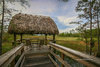
Up ahead, you can find a closed off pond for alligator snapping turtles and fish. A observation hut can be found just ahead, with a enclosure attached to it for virginian opposums. The hut would look like this, though a little bigger:
upload_2023-7-9_22-8-14.jpeg

The last enclosure here will be a open top enclosure for a group of nine banded armadillos. In the hall, free range you can find all sorts of birds, tree frogs and anoles. Only plants and animals that are native to florida will be shown here, no invasive species as to really show the native landscape. Though, information will be shown about the rise of invasive species like lionfish, burmese pythons and more.

Species list will follow!
 

Attachments

  • upload_2023-7-9_21-54-32.png
    upload_2023-7-9_21-54-32.png
    150.3 KB · Views: 85
  • upload_2023-7-9_21-58-42.png
    upload_2023-7-9_21-58-42.png
    11.3 KB · Views: 81
  • upload_2023-7-9_22-1-14.jpeg
    upload_2023-7-9_22-1-14.jpeg
    64.2 KB · Views: 81
  • upload_2023-7-9_22-8-14.jpeg
    upload_2023-7-9_22-8-14.jpeg
    343.5 KB · Views: 85
Exhibit 4:

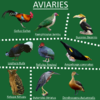
Asian aviary for larger birds

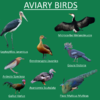
This one is a simple aviary for larger birds as storks, peafowl and ducks. Would work well in a bird area of a zoo or a asian part. A well stocked aviary with trees, shrubs and bamboo species. In the middle is a large water area for the waterfowl, with a large piece of fallen trunk hanging over the edge on the water. Here you'll most likely find the cormorants spreadin their wings for the visitors.
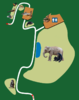
The layout is as following:
upload_2023-7-10_21-17-4.png
The first building is a seperation for the lookout inside the aviary, which also holds beautiful asian art on the walls with birds being very present. The lookout in the aviary is open on the front, with in the back the singage for the birds present. There is however another viewing point made of glass on the other side, this way you'll have more chance to see all the animals, as some can hide very well. Talking about species, here is the species list:
upload_2023-7-10_21-19-50.png
 

Attachments

  • upload_2023-7-10_21-17-4.png
    upload_2023-7-10_21-17-4.png
    27.5 KB · Views: 77
  • upload_2023-7-10_21-19-50.png
    upload_2023-7-10_21-19-50.png
    387.2 KB · Views: 79
Exhibit 5:

Prathet thai

This exhibit is on a bit of a larger scale, exhibiting fauna from thailand. The star attractions will be the asian elephants, but there will also be primates, deer, leopard cats, loris and lots of fish, reptiles and birds. Here's the layout:
upload_2023-7-19_17-50-53.png
I've opted for a visitor layout because of size, and immensly inspirited by burgers zoo's older zoo maps. A full species guide will be down below, this one is pretty big!
When entering prathet thai, you'll first be greeted by dusky langurs and hog deer (which adds to the previous mangrove exhibit). A spacious enclosure which steeps up in the back, completly open with a moat to keep the langurs from escaping. Next enclosure is a big open field for a asian elephant herd, with seperate bull keepings behind the scenes not pictured. Large trees which are planted with a rock wall around them so the elephants can't knock them over, but can enjoy the shade. In the many trees you might find the siamangs and gibbons. They also have seperate enclosures not pictured behind the scenes. A large pool for the elephants is also available.

When there's no elephants outside, you can always see them in the elephant house. This house will be quite open and have a bridge system about 2,5 meters high to guide you through. There will be a large pond for big fish and some free rangers.

After the binturong enclosure, we come to the small animal house. Here's the layout:
upload_2023-7-19_18-31-15.png
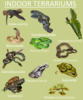
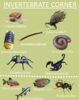
When entering, on the left will be a long wall of terrariums for lizards, snakes, amphibians and a single aquarium for a wild betta. On the right, a big pond with glass viewing pannels that continue all the way with the turn. Here you can find lots of fish, turtles and gharials. In the corner, there will be multiple enclosures for invertrebates, with on the opposite site a round tank for giant ants, and a aquarium under it so the ants can't get out. Next to the corner, is a larger tank for trunk snakes, with a view in bubble you can enter to get extra close. On the right side you can find the larger enclosures, from top to bottom: Mixed enclosure for tortoises and lizards, loris, tree shrews and civets. There will also be a second floor that is only for behind the scenes keeping, incubating and other husbandry needs.

When exiting the small animal house, you will enter the bird complex, which sports a row of aviaries showcasing multiple bird species from thailand. Right across from the aviaries is another enclosure, a netted over enclosure with a large viewing window up front for leopard cats.

While being a stand alone exhibit, i did make it so it can be paired with the mangrove hall i made previously. Though, that hall does contain species that are not from thailand, so it would be seperate from eachother.

Species list coming!
 

Attachments

  • upload_2023-7-19_17-50-53.png
    upload_2023-7-19_17-50-53.png
    172.5 KB · Views: 77
  • upload_2023-7-19_18-31-15.png
    upload_2023-7-19_18-31-15.png
    7.7 KB · Views: 81
upload_2023-7-19_18-40-3.png
upload_2023-7-19_18-40-12.png
upload_2023-7-19_18-40-22.png
upload_2023-7-19_18-40-56.png
upload_2023-7-19_18-41-6.png
upload_2023-7-19_18-41-39.png
upload_2023-7-19_18-41-20.png
upload_2023-7-19_18-40-41.png
upload_2023-7-19_18-41-55.png
 

Attachments

  • upload_2023-7-19_18-40-3.png
    upload_2023-7-19_18-40-3.png
    376.9 KB · Views: 79
  • upload_2023-7-19_18-40-12.png
    upload_2023-7-19_18-40-12.png
    283.4 KB · Views: 80
  • upload_2023-7-19_18-40-22.png
    upload_2023-7-19_18-40-22.png
    407.1 KB · Views: 83
  • upload_2023-7-19_18-40-41.png
    upload_2023-7-19_18-40-41.png
    496.5 KB · Views: 79
  • upload_2023-7-19_18-40-56.png
    upload_2023-7-19_18-40-56.png
    478.6 KB · Views: 85
  • upload_2023-7-19_18-41-6.png
    upload_2023-7-19_18-41-6.png
    355.4 KB · Views: 80
  • upload_2023-7-19_18-41-20.png
    upload_2023-7-19_18-41-20.png
    323 KB · Views: 77
  • upload_2023-7-19_18-41-39.png
    upload_2023-7-19_18-41-39.png
    428.8 KB · Views: 80
  • upload_2023-7-19_18-41-55.png
    upload_2023-7-19_18-41-55.png
    433.6 KB · Views: 78
Exhibit 6:

South american open top aquariums

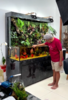
Here's a much smaller exhibit while i work on some larger exhibits. The idea is quite simple: A open top aquarium with a width of around 2,5/3 meters, with lots of live plants above the water. In the aquarium itsself will be an assorted mix of fish in blackwater biotope. Here's a image of how i would imange it:
upload_2023-8-9_14-58-7.png
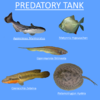
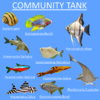
Only on a larger scale with only plants from south america. This exhibit would work well as part of a south america house or the aquarium part of a zoo. I've made 2 versions: a predator tank and a community tank. Hereby the species list of both:
upload_2023-8-9_14-59-44.png
upload_2023-8-9_14-59-57.png
 

Attachments

  • upload_2023-8-9_14-58-7.png
    upload_2023-8-9_14-58-7.png
    684.5 KB · Views: 78
  • upload_2023-8-9_14-59-44.png
    upload_2023-8-9_14-59-44.png
    350.5 KB · Views: 74
  • upload_2023-8-9_14-59-57.png
    upload_2023-8-9_14-59-57.png
    471.9 KB · Views: 70
Back
Top