Exhibit 2:
South east asian mangrove hall
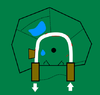
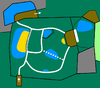
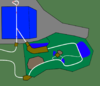
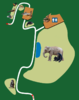
This is for sure one of my favorites, i'm a sucker for mangroves exhibits and in particuliar asian ones. Highly inspired by the old mangrove hall and the current bush hall in burgers zoo. This will be a heated walkthrough hall showing the mangroves of south east asia, with free range animals and animals in natural looking enclosures. The hall will be covered in plants and mudflats, with leaf litter all around to capture that mangrove feel. There will also be a netted off area and a large aquarium at the end, which are also apart of the exhibit. Here is the overall view:

The grey areas would be maintance/staff areas, the brown areas buildings, the yellow parts mudflat and the blue parts ofcourse water.
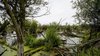
When you enter, you are met with the heat and high humitidy this area of the world has to offer. Plants like
Avicennia marina,
Aegialitis annulata and
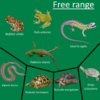
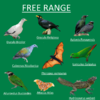
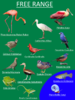
Barringtonia conoidea grow all around and if you look well enough, you might spot some of the free ranging birds, bats, moths or lizards (full species list all the way down!).
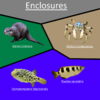
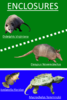
Besides the free rangers, there's also plenty of critters in natural looking enclosures, which can't be roaming around free for many reasons. One of the first ones on the list are archer fish and puffer fish, which will be in a 2 meter open top aquarium with a large replica of a mangrove tree in the middle. You can find this aquarium when you take the first right.
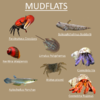
The large mudflat you see on the left is a open area for mudskippers, fiddler crabs, horshoe crabs, hermit crabs, mangrove crabs, snails and panchax. All these animals interacting together will be a sight to see on it's own, even for the average visitor. The water area will have open areas but will also have plenty of mangrove trees for hiding spots for all the animals and climbing oppurtunities, with a 60cm invisible "wall" surrounding the flats, so none of the critters can go throughout the entire hall.
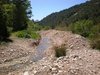
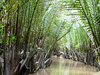
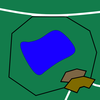
The large piece of water in the middle doesn't actually contain any animals, but is more for the visitors to enjoy. This will be a series of rocks that you can walk on on the water, while your'e surrounded by
Nypa fruticans. This adventure path will keep the hall a tad exciting, especially for children to enjoy. It should look something like this:

The other water area that's very well fenced off, and for good reason, is for asian small clawed otters. These fun little mammals will keep everybody entertained and be a active always on show animal for those who just can't seem to have any luck with the other critters.
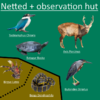
The building you see on the right is a open observation hut that also holds 2 large terrariums, one for coconut crabs and the other for banded mangrove snakes. It will also hold a cocoon hatching chamber for the moths that are free ranging in the hall. Looking out from the observation hut, you'll find a smaller mudflat for, ofcourse, smaller crabs. These will be the very fun blue soldier crabs.
If you go through the observation hut, you will now be in the netted off part of the hall. Here you can find free range herons and kingfishers. This also works as a housing for hog deer, only the inside part though. They will also have another part for fencing them off completly from visitors (in case of sick or pregnant animals), and a open pen which they share with dusky langurs. The langurs cannot be viewed from the hall, only in their outside enclosure not shown.
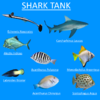
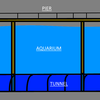
When exiting the hall, you'll be greeted and escorted out of the mangroves into the ocean by bull sharks and other fish. This aquarium will be sloped, with the high point having artifical mangrove roots to showcase a fish nursery and also show visitors how handy a safe haven like a mangrove can be for smaller fish. The further you walk the deeper and wider the tank will become and the larger the fish will become. It'll also be nice to see the interactions of the fish with eachother, remoras and cleaner wrasses will show symbiosis relationships with fish.
The species lists will follow (very) soon!

 also accompanied with a layout of the exhibit and some talks how the exhibit works, what it tries to do and such. Hopefully i can fill this thread up nicely