I know Kansas City and Indianapolis are the last two AZA holders of this species, no clue if any non-AZA places have them. It's a species I have never seen, and hopefully I'll reach KC or Indianapolis before the species leaves US zoos entirely.Almost as rare are Guinea Baboons, which I've seen at only 6 zoos. The first 5 are all AZA-accredited, with a roadside one tossed in at the end.
1- Brookfield Zoo (USA) – Guinea Baboon – 2008
2- Indianapolis Zoo (USA) – Guinea Baboon – 2008
3- Memphis Zoo (USA) – Guinea Baboon – 2008
4- Kansas City Zoo (USA) – Guinea Baboon – 2010
5- John Ball Zoo (USA) – Guinea Baboon – 2012
6- Wild Wilderness Drive-Through Safari (USA) – Guinea Baboon – 2015
When I was at Brookfield Zoo (USA), I saw this mock-rock blob habitat. It opened in 1934 and originally held Rhesus Macaques and eventually those monkeys shared the space with Sun Bears! This exhibit has also been home to species such as Dall Sheep, Alpine Ibex, Aoudad, African Crested Porcupine, Rock Hyrax, Meerkat, Rainbow Agama and even Nile Crocodile (for a summer). I got all that information from a couple of Brookfield Zoo history books, but in recent times it was Guinea Baboons on the rocks and now the exhibit has been demolished.

Indianapolis Zoo (USA) has held Guinea Baboons for many years, in a netted enclosure with massive boulders.

Memphis Zoo (USA) had Guinea Baboons there during my 2008 visit and I noted that the enclosure was the weakest one in the entire primate area. I'm not sure what happened to it or if the zoo still maintains the species.

A fantastic Guinea Baboon exhibit is to be found at Kansas City Zoo (USA), with a couple of acres set aside for the troop there.

A moat keeps the baboons inside their grassy enclosure:


@Andrew_NZP
That leaves John Ball Zoo (USA) and Wild Wilderness Drive Through Safari (USA), both showcasing Guinea Baboons in substandard exhibits which I won't advertise here.
You are using an out of date browser. It may not display this or other websites correctly.
You should upgrade or use an alternative browser.
You should upgrade or use an alternative browser.
Snowleopard's Mammals: A Lifetime List of Species Mammalian and Non-Mammalian
- Thread starter snowleopard
- Start date

Kansas City Zoo seems to have some very fine primate enclosures.

The exhibit is still around, this seems to be the current Patas Monkey exhibit, although the enclosure across from it for Lesser Spot-nosed Guenon is even a bit smaller. I think the interiors have been refurnished, and there was a good number of climbable surfaces in the enclosures when I visited.Memphis Zoo (USA) had Guinea Baboons there during my 2008 visit and I noted that the enclosure was the weakest one in the entire primate area. I'm not sure what happened to it or if the zoo still maintains the species.

I know Kansas City and Indianapolis are the last two AZA holders of this species, no clue if any non-AZA places have them. It's a species I have never seen, and hopefully I'll reach KC or Indianapolis before the species leaves US zoos entirely.
They've been the last two holders for 5 or so years now. That includes non-AZA, research schools, and anyone else with a license.

I'm going to be looking at macaques in the next few postings and I was convinced that Japanese Macaques would be the species I'd viewed the most often during my travels. However, Lion-tailed Macaques took that honour, even though they have been phased out of many American zoos in the last 15 years. They seem to be doing okay in Europe, or at least that's my impression.
Some of these zoos are ones I’ve visited on many occasions, but I’ve listed them only once and that is based on the first time I ever saw Lion-tailed Macaques at each zoo. I've visited 25 zoos with the species.
1- Woodland Park Zoo (USA) – Lion-tailed Macaque – 1996
2- San Francisco Zoo (USA) – Lion-tailed Macaque – 2006
3- San Diego Zoo (USA) – Lion-tailed Macaque – 2006
4- Adelaide Zoo (Australia) – Lion-tailed Macaque – 2007
5- Melbourne Zoo (Australia) – Lion-tailed Macaque – 2007
6- Detroit Zoo (USA) – Lion-tailed Macaque – 2008
7- Toronto Zoo (Canada) – Lion-tailed Macaque – 2008
8- Cincinnati Zoo & Botanical Garden (USA) – Lion-tailed Macaque – 2008
9- Cheyenne Mountain Zoo (USA) – Lion-tailed Macaque – 2010
10- Saint Louis Zoo (USA) –Lion-tailed Macaque – 2010
11- Riverbanks Zoo & Garden (USA) – Lion-tailed Macaque – 2010
12- Birmingham Zoo (USA) – Lion-tailed Macaque – 2010
13- Baton Rouge Zoo (USA) – Lion-tailed Macaque – 2010
14- El Paso Zoo (USA) – Lion-tailed Macaque – 2010
15- Reid Park Zoo (USA) – Lion-tailed Macaque – 2011
16- Jackson Zoo (USA) – Lion-tailed Macaque – 2012
17- Diergaarde Blijdorp (Netherlands) – Lion-tailed Macaque – 2019
18- Safari Parc Monde Sauvage (Belgium) – Lion-tailed Macaque – 2019
19- Cologne Zoo (Germany) – Lion-tailed Macaque – 2019
20- Duisburg Zoo (Germany) – Lion-tailed Macaque – 2019
21- Apenheul Primate Park (Netherlands) – Lion-tailed Macaque – 2019
22- Berlin Zoo (Germany) – Lion-tailed Macaque – 2019
23- Serengeti-Park (Germany) – Lion-tailed Macaque – 2019
24- NaturZoo Rheine (Germany) – Lion-tailed Macaque – 2019
25- Skaerup Zoo (Denmark) – Lion-tailed Macaque – 2022
I'd be intrigued to know how many AZA zoos even have the species these days.
I first saw Lion-tailed Macaques at Woodland Park Zoo (USA) and for many years I'd visit and see a small group of 4 to 5 individuals in a well-planted exhibit. Now they are all gone, replaced by Francois' Langurs in an enclosure that is not half as lush as it used to be. Here are some macaques in 2011:

Birmingham Zoo (USA) had a few Lion-tailed Macaques in a ruined temple themed exhibit in 2010 that was entirely indoors, but the roof (skylights?) was partially open to the elements.

The same goes for Cincinnati Zoo (USA) in 2008:

Saint Louis Zoo (USA) kept Lion-tailed Macaques entirely indoors when I was first there in 2010:

I saw the species via a tall, lengthy line of windows at Berlin Zoo (Germany) in 2019:

Apenheul Primate Park (Netherlands) has Lion-tailed Macaques and 35+ other primate species, all in excellent habitats.

@Therabu

@Mr Gharial
I saw Lion-tailed Macaques at Melbourne Zoo (Australia) in 2007, but I'm not sure if there are any left in all of Australia at this point. Extinct in captivity there? Maybe @Zoofan15 knows.

@Simon Hampel
San Diego Zoo (USA) has been one reliable destination for Lion-tailed Macaques, whether it is this exhibit here in 2011:

Or a different enclosure elsewhere in the zoo in 2023:

Mammal Lists:
Gibbons - 143 zoos (64 White-handed, 62 Siamang, 36 White-cheeked, 12 Yellow-cheeked, 7 Southern Grey, 5 Pileated, 3 Silvery, 2 Agile, 1 Eastern Hoolock, with some zoos obviously having multiple types of gibbon)
Elephants - 105 zoos (62 Asian, 53 African, including some zoos with both)
Gorillas - 74
Orangutans - 74
Chimpanzees - 64
Mandrills - 41
Hamadryas Baboons - 31
Lion-tailed Macaques - 25
Bonobos - 14
Olive Baboons - 11
Drills - 8
Geladas - 6
Guinea Baboons - 6
Yellow Baboons - 1
Next post: Japanese Macaques
Some of these zoos are ones I’ve visited on many occasions, but I’ve listed them only once and that is based on the first time I ever saw Lion-tailed Macaques at each zoo. I've visited 25 zoos with the species.
1- Woodland Park Zoo (USA) – Lion-tailed Macaque – 1996
2- San Francisco Zoo (USA) – Lion-tailed Macaque – 2006
3- San Diego Zoo (USA) – Lion-tailed Macaque – 2006
4- Adelaide Zoo (Australia) – Lion-tailed Macaque – 2007
5- Melbourne Zoo (Australia) – Lion-tailed Macaque – 2007
6- Detroit Zoo (USA) – Lion-tailed Macaque – 2008
7- Toronto Zoo (Canada) – Lion-tailed Macaque – 2008
8- Cincinnati Zoo & Botanical Garden (USA) – Lion-tailed Macaque – 2008
9- Cheyenne Mountain Zoo (USA) – Lion-tailed Macaque – 2010
10- Saint Louis Zoo (USA) –Lion-tailed Macaque – 2010
11- Riverbanks Zoo & Garden (USA) – Lion-tailed Macaque – 2010
12- Birmingham Zoo (USA) – Lion-tailed Macaque – 2010
13- Baton Rouge Zoo (USA) – Lion-tailed Macaque – 2010
14- El Paso Zoo (USA) – Lion-tailed Macaque – 2010
15- Reid Park Zoo (USA) – Lion-tailed Macaque – 2011
16- Jackson Zoo (USA) – Lion-tailed Macaque – 2012
17- Diergaarde Blijdorp (Netherlands) – Lion-tailed Macaque – 2019
18- Safari Parc Monde Sauvage (Belgium) – Lion-tailed Macaque – 2019
19- Cologne Zoo (Germany) – Lion-tailed Macaque – 2019
20- Duisburg Zoo (Germany) – Lion-tailed Macaque – 2019
21- Apenheul Primate Park (Netherlands) – Lion-tailed Macaque – 2019
22- Berlin Zoo (Germany) – Lion-tailed Macaque – 2019
23- Serengeti-Park (Germany) – Lion-tailed Macaque – 2019
24- NaturZoo Rheine (Germany) – Lion-tailed Macaque – 2019
25- Skaerup Zoo (Denmark) – Lion-tailed Macaque – 2022
I'd be intrigued to know how many AZA zoos even have the species these days.
I first saw Lion-tailed Macaques at Woodland Park Zoo (USA) and for many years I'd visit and see a small group of 4 to 5 individuals in a well-planted exhibit. Now they are all gone, replaced by Francois' Langurs in an enclosure that is not half as lush as it used to be. Here are some macaques in 2011:
Birmingham Zoo (USA) had a few Lion-tailed Macaques in a ruined temple themed exhibit in 2010 that was entirely indoors, but the roof (skylights?) was partially open to the elements.
The same goes for Cincinnati Zoo (USA) in 2008:
Saint Louis Zoo (USA) kept Lion-tailed Macaques entirely indoors when I was first there in 2010:
I saw the species via a tall, lengthy line of windows at Berlin Zoo (Germany) in 2019:
Apenheul Primate Park (Netherlands) has Lion-tailed Macaques and 35+ other primate species, all in excellent habitats.
@Therabu
@Mr Gharial
I saw Lion-tailed Macaques at Melbourne Zoo (Australia) in 2007, but I'm not sure if there are any left in all of Australia at this point. Extinct in captivity there? Maybe @Zoofan15 knows.
@Simon Hampel
San Diego Zoo (USA) has been one reliable destination for Lion-tailed Macaques, whether it is this exhibit here in 2011:
Or a different enclosure elsewhere in the zoo in 2023:
Mammal Lists:
Gibbons - 143 zoos (64 White-handed, 62 Siamang, 36 White-cheeked, 12 Yellow-cheeked, 7 Southern Grey, 5 Pileated, 3 Silvery, 2 Agile, 1 Eastern Hoolock, with some zoos obviously having multiple types of gibbon)
Elephants - 105 zoos (62 Asian, 53 African, including some zoos with both)
Gorillas - 74
Orangutans - 74
Chimpanzees - 64
Mandrills - 41
Hamadryas Baboons - 31
Lion-tailed Macaques - 25
Bonobos - 14
Olive Baboons - 11
Drills - 8
Geladas - 6
Guinea Baboons - 6
Yellow Baboons - 1
Next post: Japanese Macaques

I saw Lion-tailed Macaques at Melbourne Zoo (Australia) in 2007, but I'm not sure if there are any left in all of Australia at this point. Extinct in captivity there? Maybe @Zoofan15 knows.
Sadly, there are no longer any Lion-tailed macaques in Australia. Rockhampton Zoo was the last holder, with their last two dying in 2021.
There are still some, but I don't know an exact number. Disney's Animal Kingdom is the only place I've seen the species, but I know that El Paso, San Diego, and Kansas City at the very least should still have (increasingly elderly) individuals. There might be a few others as well. The loss of macaques from US zoos (both lion-tailed and Sulawesi) is probably the loss I am most disappointed by amongst any losses, as they are amongst my favorite primates. Other than seeing lion-tailed once at DAK, I've only ever seen Japanese (at three zoos this year!).I'd be intrigued to know how many AZA zoos even have the species these days.
Unlike some other groups of animals, there are also so many differences between the macaque species that means one species isn't necessarily a successful stand-in for the rest. Obviously, Japanese macaques are particularly great for Northern zoos, given their cold tolerance, meaning for zoos in warmer climates there currently isn't a choice for a large, Asian monkey species managed by the AZA (if you want to get technical, Hamadryas baboons are, but obviously they fill a very different niche). Furthermore, macaque social behavior is very unique and has a lot of variety amongst individuals. The social hierarchy in macaques range from despotic, characterized by having a strict dominance hierarchy and intolerance towards other individuals (including mature offspring), all the way to egalitarian, or much more open to other individuals and little-to-no dominance hierarchy. I am not aware of any genus that has as much variety in social behavior and social systems as the macaques do, making them really fascinating from a behavioral perspective.
Interestingly enough, the two most despotic macaque species are also the two most well-studied species, Rhesus and Japanese macaques, meaning for years scientists held false beliefs of how macaques behave, as they were only based on observations of these two species. On the egalitarian side, one of the most egalitarian species is the Sulawesi crested macaque, one of the recent AZA phase outs, and I'd love it if this species saw a return to AZA zoos seeing as there can be unique educational messaging in having two, closely related species that behave so differently. The egalitarian species, like Sulawesi and (to a slightly lesser extent) lion-tailed macaques, are also much better suited for housing in massive groups, as there is a much greater chance of conspecific conflict within Japanese macaques. Lion-tailed macaques were once amongst the largest and most successful SSPs, so it's a real shame that the health concerns caused such a massive, and rapid, decline.
Just behind Lion-tailed Macaques (25 zoos), I've seen Japanese Macaques at 23 zoos. The first third are all AZA-accredited, notable facilities, then there's a middle grouping of roadside zoos, and finally 4 European zoos at the end.
1- Minnesota Zoo (USA) – Japanese Macaque – 2008
2- Detroit Zoo (USA) – Japanese Macaque – 2008
3- Toronto Zoo (Canada) - Japanese Macaque - 2008
4- Central Park Zoo (USA) – Japanese Macaque – 2008
5- Cincinnati Zoo & Botanical Garden (USA) – Japanese Macaque – 2008
6- Milwaukee County Zoo (USA) – Japanese Macaque – 2010
7- Buffalo Zoo (USA) – Japanese Macaque – 2010
8- Blank Park Zoo (USA) – Japanese Macaque – 2012
9- Long Island Aquarium & Exhibition Center (USA) – Japanese Macaque – 2012
10- Calgary Zoo (Canada) – Japanese Macaque – 2012
11- DeYoung Family Zoo (USA) – Japanese Macaque – 2014
12- Northeastern Wisconsin (NEW) Zoo (USA) – Japanese Macaque – 2014
13- Clay Center Zoo (USA) – Japanese Macaque – 2014
14- Discovery Wildlife Park (Canada) – Japanese Macaque – 2016
15- Border City Petting Zoo (Canada) – Japanese Macaque – 2018
16- Menominee Park Zoo (USA) – Japanese Macaque – 2018
17- Animal Haven Zoo (USA) – Japanese Macaque – 2018
18- Special Memories Zoo (USA) – Japanese Macaque – 2018
19- Great Plains Zoo (USA) – Japanese Macaque – 2018
20- Artis Royal Zoo (Netherlands) – Japanese Macaque – 2019
21- Pairi Daiza (Belgium) – Japanese Macaque – 2019
22- Berlin Zoo (Germany) – Japanese Macaque – 2019
23- Dierenpark Amersfoort (Netherlands) – Japanese Macaque – 2019
Central Park Zoo (USA) has a memorable Japanese Macaque exhibit, with a spacious pond where I saw diving monkeys back in 2008:

@Austin the Sengi

Having a large troop can make all the difference, as shown here when I saw almost 20 Japanese Macaques at Blank Park Zoo (USA) in this exhibit in 2012:

Up in South Dakota, Great Plains Zoo (USA) is yet another northern American zoo with Japanese Macaques. This spacious exhibit opened in 2013, heavily advertised as having 'Snow Monkeys':


There are some subpar zoos that keep the species in corn-crib cages, such as DeYoung Family Zoo (USA) in northern Michigan:

Clay Center Zoo (USA) in Kansas in 2014:

This cage at Animal Haven Zoo (USA) is perhaps 8 feet wide and even has a metal floor. Absolutely horrendous.

Much better is the WPA-era exhibit at Detroit Zoo (USA):

@pachyderm pro
I'll never forget seeing Japanese Macaques at Long Island Aquarium (USA) in 2012, with a ruined temple vibe and weird stone statues all over the place:


Both photos by @TinoPup
And, last but not least, I should give a shout out to what I like to call the Japanese Macaque 'Spaceship' exhibit at Artis Royal Zoo (Netherlands) in Amsterdam.


@JamesB
Mammal Lists:
Gibbons - 143 zoos (64 White-handed, 62 Siamang, 36 White-cheeked, 12 Yellow-cheeked, 7 Southern Grey, 5 Pileated, 3 Silvery, 2 Agile, 1 Eastern Hoolock, with some zoos obviously having multiple types of gibbon)
Elephants - 105 zoos (62 Asian, 53 African, including some zoos with both)
Gorillas - 74
Orangutans - 74
Chimpanzees - 64
Mandrills - 41
Hamadryas Baboons - 31
Lion-tailed Macaques - 25
Japanese Macaques - 23
Bonobos - 14
Olive Baboons - 11
Drills - 8
Geladas - 6
Guinea Baboons - 6
Yellow Baboons - 1
1- Minnesota Zoo (USA) – Japanese Macaque – 2008
2- Detroit Zoo (USA) – Japanese Macaque – 2008
3- Toronto Zoo (Canada) - Japanese Macaque - 2008
4- Central Park Zoo (USA) – Japanese Macaque – 2008
5- Cincinnati Zoo & Botanical Garden (USA) – Japanese Macaque – 2008
6- Milwaukee County Zoo (USA) – Japanese Macaque – 2010
7- Buffalo Zoo (USA) – Japanese Macaque – 2010
8- Blank Park Zoo (USA) – Japanese Macaque – 2012
9- Long Island Aquarium & Exhibition Center (USA) – Japanese Macaque – 2012
10- Calgary Zoo (Canada) – Japanese Macaque – 2012
11- DeYoung Family Zoo (USA) – Japanese Macaque – 2014
12- Northeastern Wisconsin (NEW) Zoo (USA) – Japanese Macaque – 2014
13- Clay Center Zoo (USA) – Japanese Macaque – 2014
14- Discovery Wildlife Park (Canada) – Japanese Macaque – 2016
15- Border City Petting Zoo (Canada) – Japanese Macaque – 2018
16- Menominee Park Zoo (USA) – Japanese Macaque – 2018
17- Animal Haven Zoo (USA) – Japanese Macaque – 2018
18- Special Memories Zoo (USA) – Japanese Macaque – 2018
19- Great Plains Zoo (USA) – Japanese Macaque – 2018
20- Artis Royal Zoo (Netherlands) – Japanese Macaque – 2019
21- Pairi Daiza (Belgium) – Japanese Macaque – 2019
22- Berlin Zoo (Germany) – Japanese Macaque – 2019
23- Dierenpark Amersfoort (Netherlands) – Japanese Macaque – 2019
Central Park Zoo (USA) has a memorable Japanese Macaque exhibit, with a spacious pond where I saw diving monkeys back in 2008:
@Austin the Sengi
Having a large troop can make all the difference, as shown here when I saw almost 20 Japanese Macaques at Blank Park Zoo (USA) in this exhibit in 2012:
Up in South Dakota, Great Plains Zoo (USA) is yet another northern American zoo with Japanese Macaques. This spacious exhibit opened in 2013, heavily advertised as having 'Snow Monkeys':
There are some subpar zoos that keep the species in corn-crib cages, such as DeYoung Family Zoo (USA) in northern Michigan:
Clay Center Zoo (USA) in Kansas in 2014:
This cage at Animal Haven Zoo (USA) is perhaps 8 feet wide and even has a metal floor. Absolutely horrendous.
Much better is the WPA-era exhibit at Detroit Zoo (USA):
@pachyderm pro
I'll never forget seeing Japanese Macaques at Long Island Aquarium (USA) in 2012, with a ruined temple vibe and weird stone statues all over the place:
Both photos by @TinoPup
And, last but not least, I should give a shout out to what I like to call the Japanese Macaque 'Spaceship' exhibit at Artis Royal Zoo (Netherlands) in Amsterdam.
@JamesB
Mammal Lists:
Gibbons - 143 zoos (64 White-handed, 62 Siamang, 36 White-cheeked, 12 Yellow-cheeked, 7 Southern Grey, 5 Pileated, 3 Silvery, 2 Agile, 1 Eastern Hoolock, with some zoos obviously having multiple types of gibbon)
Elephants - 105 zoos (62 Asian, 53 African, including some zoos with both)
Gorillas - 74
Orangutans - 74
Chimpanzees - 64
Mandrills - 41
Hamadryas Baboons - 31
Lion-tailed Macaques - 25
Japanese Macaques - 23
Bonobos - 14
Olive Baboons - 11
Drills - 8
Geladas - 6
Guinea Baboons - 6
Yellow Baboons - 1
Last edited:
You missed them at Lincoln Park Zoo? They have an excellent exhibit there, the best one in NA perhaps even.Just behind Lion-tailed Macaques (25 zoos), I've seen Japanese Macaques at 22 zoos. The first third are all AZA-accredited, notable facilities, then there's a middle grouping of roadside zoos, and finally 4 European zoos at the end.
1- Minnesota Zoo (USA) – Japanese Macaque – 2008
2- Detroit Zoo (USA) – Japanese Macaque – 2008
3- Central Park Zoo (USA) – Japanese Macaque – 2008
4- Cincinnati Zoo & Botanical Garden (USA) – Japanese Macaque – 2008
5- Milwaukee County Zoo (USA) – Japanese Macaque – 2010
6- Buffalo Zoo (USA) – Japanese Macaque – 2010
7- Blank Park Zoo (USA) – Japanese Macaque – 2012
8- Long Island Aquarium & Exhibition Center (USA) – Japanese Macaque – 2012
9- Calgary Zoo (Canada) – Japanese Macaque – 2012
10- DeYoung Family Zoo (USA) – Japanese Macaque – 2014
11- Northeastern Wisconsin (NEW) Zoo (USA) – Japanese Macaque – 2014
12- Clay Center Zoo (USA) – Japanese Macaque – 2014
13- Discovery Wildlife Park (Canada) – Japanese Macaque – 2016
14- Border City Petting Zoo (Canada) – Japanese Macaque – 2018
15- Menominee Park Zoo (USA) – Japanese Macaque – 2018
16- Animal Haven Zoo (USA) – Japanese Macaque – 2018
17- Special Memories Zoo (USA) – Japanese Macaque – 2018
18- Great Plains Zoo (USA) – Japanese Macaque – 2018
19- Artis Royal Zoo (Netherlands) – Japanese Macaque – 2019
20- Pairi Daiza (Belgium) – Japanese Macaque – 2019
21- Berlin Zoo (Germany) – Japanese Macaque – 2019
22- Dierenpark Amersfoort (Netherlands) – Japanese Macaque – 2019
Central Park Zoo (USA) has a memorable Japanese Macaque exhibit, with a spacious pond where I saw diving monkeys back in 2008:
@Austin the Sengi
Having a large troop can make all the difference, as shown here when I saw almost 20 Japanese Macaques at Blank Park Zoo (USA) in this exhibit in 2012:
Up in South Dakota, Great Plains Zoo (USA) is yet another northern American zoo with Japanese Macaques. This spacious exhibit opened in 2013, heavily advertised as having 'Snow Monkeys':
There are some subpar zoos that keep the species in corn-crib cages, such as DeYoung Family Zoo (USA) in northern Michigan:
Clay Center Zoo (USA) in Kansas in 2014:
This cage at Animal Haven Zoo (USA) is perhaps 8 feet wide and even has a metal floor. Absolutely horrendous.
Much better is the WPA-era exhibit at Detroit Zoo (USA):
@pachyderm pro
I'll never forget seeing Japanese Macaques at Long Island Aquarium (USA) in 2012, with a ruined temple vibe and weird stone statues all over the place:
Both photos by @TinoPup
And, last but not least, I should give a shout out to what I like to call the Japanese Macaque 'Spaceship' exhibit at Artis Royal Zoo (Netherlands) in Amsterdam.
@JamesB
Mammal Lists:
Gibbons - 143 zoos (64 White-handed, 62 Siamang, 36 White-cheeked, 12 Yellow-cheeked, 7 Southern Grey, 5 Pileated, 3 Silvery, 2 Agile, 1 Eastern Hoolock, with some zoos obviously having multiple types of gibbon)
Elephants - 105 zoos (62 Asian, 53 African, including some zoos with both)
Gorillas - 74
Orangutans - 74
Chimpanzees - 64
Mandrills - 41
Hamadryas Baboons - 31
Lion-tailed Macaques - 25
Japanese Macaques - 22
Bonobos - 14
Olive Baboons - 11
Drills - 8
Geladas - 6
Guinea Baboons - 6
Yellow Baboons - 1

That exhibit only opened in 2015, I don't think the zoo had them before that.You missed them at Lincoln Park Zoo? They have an excellent exhibit there, the best one in NA perhaps even.
You missed them at Lincoln Park Zoo? They have an excellent exhibit there, the best one in NA perhaps even.
I visited Lincoln Park Zoo in 2008, before the excellent Japanese Macaque exhibit opened. In fact, one could make the argument that I've not seen the TWO best exhibits for this particular species in North American zoos. Time for another road trip!

Lincoln Park Zoo (USA):
@pachyderm pro
@Moebelle
Sauvage Zoo of Saint-Felicien (Canada):
Photos by @TinoPup
I visited Lincoln Park Zoo in 2008, before the excellent Japanese Macaque exhibit opened. In fact, one could make the argument that I've not seen the TWO best exhibits for this particular species in North American zoos. Time for another road trip!
Lincoln Park Zoo (USA):

@pachyderm pro

@Moebelle
Sauvage Zoo of Saint-Felicien (Canada):


Photos by @TinoPup
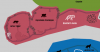
I didn't even see the whole macaque exhibit! It is beyond massive, to the point where it was hard to spot the animals. There were so many stairs, though, and the vending machine for water at the far end of the next/end exhibit wasn't taking my money, so I had to make a health decision and not push my dehydration. Here's the map:

Attachments
After Lion-tailed and Japanese, the next macaque species that I've seen the most would be the Barbary Macaque, at 16 zoos. Other than Toronto Zoo, which actually held all 3 of the macaque species I've mentioned so far at one time in 2008, I've only ever viewed Barbary Macaques in European zoos. It would be interesting to note if there are any left in North America whatsoever these days. Other than Toronto and a couple of Danish zoos in 2022, my entire viewing history of Barbary Macaques consists of 13 zoos in a month in 2019.
1- Toronto Zoo (Canada) – Barbary Macaque – 2008
2- Landgoed Hoenderdaell (Netherlands) – Barbary Macaque – 2019
3- Van Blanckendaell Park (Netherlands) – Barbary Macaque – 2019
4- Planckendael Zoo (Belgium) – Barbary Macaque – 2019
5- GaiaZOO (Netherlands) – Barbary Macaque – 2019
6- Aachener Zoo (Germany) – Barbary Macaque – 2019
7- Opel Zoo (Germany) – Barbary Macaque – 2019
8- Affen + Vogelpark Eckenhagen (Monkey + Bird Park) (Germany) – Barbary Macaque – 2019**
9- Dierenrijk (Animal Kingdom) (Netherlands) – Barbary Macaque – 2019
10- Ouwehands Dierenpark (Netherlands) – Barbary Macaque – 2019
11- Apenheul Primate Park (Netherlands) – Barbary Macaque – 2019**
12- Berlin Tierpark (Germany) – Barbary Macaque – 2019
13- Serengeti-Park (Germany) – Barbary Macaque – 2019
14- NaturZoo Rheine (Germany) – Barbary Macaque – 2019**
15- Givskud Zoo (Denmark) – Barbary Macaque – 2022**
16- Munkholm Zoo (Denmark) – Barbary Macaque – 2022
** These 4 exhibits are ones where visitors are in with the macaques
Planckendael Zoo (Belgium) is an excellent zoo, full of great exhibits all over its grounds. There's been a real focus on primates in the last 5 years, with new habitats for Bonobos, Orangutans, Gibbons, Sulawesi Crested Macaques and Barbary Macaques. The latter species has a Moroccan-themed courtyard area that leads into visitor viewing for the macaques. I think that it opened in 2019, just in time for my visit!


All 4 photos by @KevinB
GaiaZOO (Netherlands) is another terrific zoo, full to the brim with outstanding exhibits in all directions. The very first species that visitors see when they enter the park are Barbary Macaques, in a spacious slice of forest that is at least an acre in size.


Photos by @KevinB
I'm the only individual on this website to upload any photos from the obscure zoo called Affen + Vogelpark Eckenhagen (Monkey + Bird Park) (Germany), but here was where I experienced my first walk-through exhibit with Barbary Macaques.
Look carefully at this photo. In the foreground can be seen a large male macaque, looking about the size of a child as he ponders his existence. But, by zooming in, one can see a visitor in a black shirt who has stepped over the small wooden fence, and there's a macaque on top of his shoulder. You'd never in a million years go into a North American zoo with really large primates all around you, let alone have one clambering on your back and possibly grooming you. Remarkable.


To continue the trend of terrific Barbary Macaque exhibits, Apenheul Primate Park (Netherlands), that world-class Dutch zoo, also has the species in a walk-through. The big monkeys have access to the cliff walls in their sprawling, huge habitat, and in this photo you can see them high up on their 'mountain'.

@twilighter

@Mr Gharial
I saw several macaques lounging on the visitor trail, and there's also Barbary Sheep in the exhibit as well. Getting so close to large primates, with huge teeth, was a bit daunting for some visitors.

NaturZoo Rheine (Germany) is a mid-sized zoo where I spent a long time at (6 hours) as I met the director Achim Johann. This is the zoo that not long ago had 100+ Geladas and it's a real gem of a facility. The Barbary Macaque walk-through is like a shaded park in an urban city and it opened in 1974 and during my visit was home to 15 male macaques. Achim told me that, on average, one visitor per year would be bitten by one of the monkeys, but it was always because there was food involved. There was never a newspaper report, no big crisis, no lawsuits or frivolous complaining from idiots, etc. The person who had been bitten would receive a bandage, maybe a free zoo pass or stuffed animal from the gift shop, and be sent on their way. This has been the accepted policy at many zoos in Europe, where there's not the stupid lawsuits that are so prevalent in America. Zoos seem to be protected across the Atlantic, even though the teeth of a Barbary Macaque are likely to be razor-sharp! This is why primate walk-throughs are common everywhere in Europe.

@Maguari

@RonBurrgundy
Another walk-through with this species can be found at Givskud Zoo (Denmark), again with zero zoo employees or volunteers around. I should point out that I never saw anyone in with visitors at these zoos in terms of being in a professional capacity. As long as visitors don't attempt to feed the primates or wander off the pathways, then there's zero issues whatsoever. I liked the little shelters at Givskud, with macaques sometimes lounging on the shelves in there.

All macaque species are great to see in captivity, as they are often foraging for food or squabbling or moving around outside in an attempt to catch insects. So many zoo visitors rush off to see sleeping Koalas or Lions, when in reality macaques are splendid animals to sit and watch for a long time.

Mammal Lists:
Gibbons - 143 zoos (64 White-handed, 62 Siamang, 36 White-cheeked, 12 Yellow-cheeked, 7 Southern Grey, 5 Pileated, 3 Silvery, 2 Agile, 1 Eastern Hoolock, with some zoos obviously having multiple types of gibbon)
Elephants - 105 zoos (62 Asian, 53 African, including some zoos with both)
Gorillas - 74
Orangutans - 74
Chimpanzees - 64
Mandrills - 41
Hamadryas Baboons - 31
Lion-tailed Macaques - 25
Japanese Macaques - 23
Barbary Macaques - 16
Bonobos - 14
Olive Baboons - 11
Drills - 8
Geladas - 6
Guinea Baboons - 6
Yellow Baboons - 1
1- Toronto Zoo (Canada) – Barbary Macaque – 2008
2- Landgoed Hoenderdaell (Netherlands) – Barbary Macaque – 2019
3- Van Blanckendaell Park (Netherlands) – Barbary Macaque – 2019
4- Planckendael Zoo (Belgium) – Barbary Macaque – 2019
5- GaiaZOO (Netherlands) – Barbary Macaque – 2019
6- Aachener Zoo (Germany) – Barbary Macaque – 2019
7- Opel Zoo (Germany) – Barbary Macaque – 2019
8- Affen + Vogelpark Eckenhagen (Monkey + Bird Park) (Germany) – Barbary Macaque – 2019**
9- Dierenrijk (Animal Kingdom) (Netherlands) – Barbary Macaque – 2019
10- Ouwehands Dierenpark (Netherlands) – Barbary Macaque – 2019
11- Apenheul Primate Park (Netherlands) – Barbary Macaque – 2019**
12- Berlin Tierpark (Germany) – Barbary Macaque – 2019
13- Serengeti-Park (Germany) – Barbary Macaque – 2019
14- NaturZoo Rheine (Germany) – Barbary Macaque – 2019**
15- Givskud Zoo (Denmark) – Barbary Macaque – 2022**
16- Munkholm Zoo (Denmark) – Barbary Macaque – 2022
** These 4 exhibits are ones where visitors are in with the macaques
Planckendael Zoo (Belgium) is an excellent zoo, full of great exhibits all over its grounds. There's been a real focus on primates in the last 5 years, with new habitats for Bonobos, Orangutans, Gibbons, Sulawesi Crested Macaques and Barbary Macaques. The latter species has a Moroccan-themed courtyard area that leads into visitor viewing for the macaques. I think that it opened in 2019, just in time for my visit!
All 4 photos by @KevinB
GaiaZOO (Netherlands) is another terrific zoo, full to the brim with outstanding exhibits in all directions. The very first species that visitors see when they enter the park are Barbary Macaques, in a spacious slice of forest that is at least an acre in size.
Photos by @KevinB
I'm the only individual on this website to upload any photos from the obscure zoo called Affen + Vogelpark Eckenhagen (Monkey + Bird Park) (Germany), but here was where I experienced my first walk-through exhibit with Barbary Macaques.
Look carefully at this photo. In the foreground can be seen a large male macaque, looking about the size of a child as he ponders his existence. But, by zooming in, one can see a visitor in a black shirt who has stepped over the small wooden fence, and there's a macaque on top of his shoulder. You'd never in a million years go into a North American zoo with really large primates all around you, let alone have one clambering on your back and possibly grooming you. Remarkable.
To continue the trend of terrific Barbary Macaque exhibits, Apenheul Primate Park (Netherlands), that world-class Dutch zoo, also has the species in a walk-through. The big monkeys have access to the cliff walls in their sprawling, huge habitat, and in this photo you can see them high up on their 'mountain'.
@twilighter
@Mr Gharial
I saw several macaques lounging on the visitor trail, and there's also Barbary Sheep in the exhibit as well. Getting so close to large primates, with huge teeth, was a bit daunting for some visitors.
NaturZoo Rheine (Germany) is a mid-sized zoo where I spent a long time at (6 hours) as I met the director Achim Johann. This is the zoo that not long ago had 100+ Geladas and it's a real gem of a facility. The Barbary Macaque walk-through is like a shaded park in an urban city and it opened in 1974 and during my visit was home to 15 male macaques. Achim told me that, on average, one visitor per year would be bitten by one of the monkeys, but it was always because there was food involved. There was never a newspaper report, no big crisis, no lawsuits or frivolous complaining from idiots, etc. The person who had been bitten would receive a bandage, maybe a free zoo pass or stuffed animal from the gift shop, and be sent on their way. This has been the accepted policy at many zoos in Europe, where there's not the stupid lawsuits that are so prevalent in America. Zoos seem to be protected across the Atlantic, even though the teeth of a Barbary Macaque are likely to be razor-sharp!
This is why primate walk-throughs are common everywhere in Europe.@Maguari
@RonBurrgundy
Another walk-through with this species can be found at Givskud Zoo (Denmark), again with zero zoo employees or volunteers around. I should point out that I never saw anyone in with visitors at these zoos in terms of being in a professional capacity. As long as visitors don't attempt to feed the primates or wander off the pathways, then there's zero issues whatsoever. I liked the little shelters at Givskud, with macaques sometimes lounging on the shelves in there.
All macaque species are great to see in captivity, as they are often foraging for food or squabbling or moving around outside in an attempt to catch insects. So many zoo visitors rush off to see sleeping Koalas or Lions, when in reality macaques are splendid animals to sit and watch for a long time.
Mammal Lists:
Gibbons - 143 zoos (64 White-handed, 62 Siamang, 36 White-cheeked, 12 Yellow-cheeked, 7 Southern Grey, 5 Pileated, 3 Silvery, 2 Agile, 1 Eastern Hoolock, with some zoos obviously having multiple types of gibbon)
Elephants - 105 zoos (62 Asian, 53 African, including some zoos with both)
Gorillas - 74
Orangutans - 74
Chimpanzees - 64
Mandrills - 41
Hamadryas Baboons - 31
Lion-tailed Macaques - 25
Japanese Macaques - 23
Barbary Macaques - 16
Bonobos - 14
Olive Baboons - 11
Drills - 8
Geladas - 6
Guinea Baboons - 6
Yellow Baboons - 1
Last edited:
I find the idea of a macaque walk-through insane, and hard to envision. Even beyond the fact they are large, potentially dangerous animals, the risk of zoonotic disease spread in both directions makes me shocked zoos would try such a thing. I'm not denying these walk-throughs have worked in European zoos, it's just a concept I have a hard time wrapping my brain across. Are Barbary macaques the only macaques European zoos keep in walk-throughs? I wonder if there's something about that species, whether it be temperament, resilience to disease, or something else that makes them suited for walk-throughs in a way other macaque species aren't.After Lion-tailed and Japanese, the next macaque species that I've seen the most would be the Barbary Macaque, at 16 zoos. Other than Toronto Zoo, which actually held all 3 of the macaque species I've mentioned so far at one time in 2008, I've only ever viewed Barbary Macaques in European zoos. It would be interesting to note if there are any left in North America whatsoever these days. Other than Toronto and a couple of Danish zoos in 2022, my entire viewing history of Barbary Macaques consists of 13 zoos in a month in 2019.
1- Toronto Zoo (Canada) – Barbary Macaque – 2008
2- Landgoed Hoenderdaell (Netherlands) – Barbary Macaque – 2019
3- Van Blanckendaell Park (Netherlands) – Barbary Macaque – 2019
4- Planckendael Zoo (Belgium) – Barbary Macaque – 2019
5- GaiaZOO (Netherlands) – Barbary Macaque – 2019
6- Aachener Zoo (Germany) – Barbary Macaque – 2019
7- Opel Zoo (Germany) – Barbary Macaque – 2019
8- Affen + Vogelpark Eckenhagen (Monkey + Bird Park) (Germany) – Barbary Macaque – 2019**
9- Dierenrijk (Animal Kingdom) (Netherlands) – Barbary Macaque – 2019
10- Ouwehands Dierenpark (Netherlands) – Barbary Macaque – 2019
11- Apenheul Primate Park (Netherlands) – Barbary Macaque – 2019**
12- Berlin Tierpark (Germany) – Barbary Macaque – 2019
13- Serengeti-Park (Germany) – Barbary Macaque – 2019
14- NaturZoo Rheine (Germany) – Barbary Macaque – 2019**
15- Givskud Zoo (Denmark) – Barbary Macaque – 2022**
16- Munkholm Zoo (Denmark) – Barbary Macaque – 2022
** These 4 exhibits are ones where visitors are in with the macaques
Planckendael Zoo (Belgium) is an excellent zoo, full of great exhibits all over its grounds. There's been a real focus on primates in the last 5 years, with new habitats for Bonobos, Orangutans, Gibbons, Sulawesi Crested Macaques and Barbary Macaques. The latter species has a Moroccan-themed courtyard area that leads into visitor viewing for the macaques. I think that it opened in 2019, just in time for my visit!
All 4 photos by @KevinB
GaiaZOO (Netherlands) is another terrific zoo, full to the brim with outstanding exhibits in all directions. The very first species that visitors see when they enter the park are Barbary Macaques, in a spacious slice of forest that is at least an acre in size.
Photos by @KevinB
I'm the only individual on this website to upload any photos from the obscure zoo called Affen + Vogelpark Eckenhagen (Monkey + Bird Park) (Germany), but here was where I experienced my first walk-through exhibit with Barbary Macaques.
Look carefully at this photo. In the foreground can be seen a large male macaque, looking about the size of a child as he ponders his existence. But, by zooming in, one can see a visitor in a black shirt who has stepped over the small wooden fence, and there's a macaque on top of his shoulder. You'd never in a million years go into a North American zoo with really large primates all around you, let alone have one clambering on your back and possibly grooming you. Remarkable.
To continue the trend of terrific Barbary Macaque exhibits, Apenheul Primate Park (Netherlands), that world-class Dutch zoo, also has the species in a walk-through. The big monkeys have access to the cliff walls in their sprawling, huge habitat, and in this photo you can see them high up on their 'mountain'.
@twilighter
@Mr Gharial
I saw several macaques lounging on the visitor trail, and there's also Barbary Sheep in the exhibit as well. Getting so close to large primates, with huge teeth, was a bit daunting for some visitors.
NaturZoo Rheine (Germany) is a mid-sized zoo where I spent a long time at (6 hours) as I met the director Achim Johann. This is the zoo that not long ago had 100+ Geladas and it's a real gem of a facility. The Barbary Macaque walk-through is like a shaded park in an urban city and it opened in 1974 and during my visit was home to 15 male macaques. Achim told me that, on average, one visitor per year would be bitten by one of the monkeys, but it was always because there was food involved. There was never a newspaper report, no big crisis, no lawsuits or frivolous complaining from idiots, etc. The person who had been bitten would receive a bandage, maybe a free zoo pass or stuffed animal from the gift shop, and be sent on their way. This has been the accepted policy at many zoos in Europe, where there's not the stupid lawsuits that are so prevalent in America. Zoos seem to be protected across the Atlantic, even though the teeth of a Barbary Macaque are likely to be razor-sharp!
@Maguari
@RonBurrgundy
Another walk-through with this species can be found at Givskud Zoo (Denmark), again with zero zoo employees or volunteers around. I should point out that I never saw anyone in with visitors at these zoos in terms of being in a professional capacity. As long as visitors don't attempt to feed the primates or wander off the pathways, then there's zero issues whatsoever. I liked the little shelters at Givskud, with macaques sometimes lounging on the shelves in there.
Basically all macaque species are great to see in captivity, as they are often foraging for food or squabbling or moving around outside in an attempt to catch insects. So many zoo visitors rush off to see sleeping Koalas or Lions, when in reality macaques are splendid animals to sit and watch for a long time.
Mammal Lists:
Gibbons - 143 zoos (64 White-handed, 62 Siamang, 36 White-cheeked, 12 Yellow-cheeked, 7 Southern Grey, 5 Pileated, 3 Silvery, 2 Agile, 1 Eastern Hoolock, with some zoos obviously having multiple types of gibbon)
Elephants - 105 zoos (62 Asian, 53 African, including some zoos with both)
Gorillas - 74
Orangutans - 74
Chimpanzees - 64
Mandrills - 41
Hamadryas Baboons - 31
Lion-tailed Macaques - 25
Japanese Macaques - 23
Barbary Macaques - 16
Bonobos - 14
Olive Baboons - 11
Drills - 8
Geladas - 6
Guinea Baboons - 6
Yellow Baboons - 1
I find the idea of a macaque walk-through insane, and hard to envision. Even beyond the fact they are large, potentially dangerous animals, the risk of zoonotic disease spread in both directions makes me shocked zoos would try such a thing. I'm not denying these walk-throughs have worked in European zoos, it's just a concept I have a hard time wrapping my brain across. Are Barbary macaques the only macaques European zoos keep in walk-throughs? I wonder if there's something about that species, whether it be temperament, resilience to disease, or something else that makes them suited for walk-throughs in a way other macaque species aren't.
You have several really great points. After visiting hundreds of North American zoos, it was a MAJOR shock for me to head over to Europe and see primate walk-throughs everywhere. There are loads for all types of lemurs, usually with no employees or volunteers around and therefore it wasn't unusual for me to see lemurs and small monkeys perched on someone's shoulder, or rummaging through a person's pocket for food. The animals can be very bold at times as they are comfortable in their own environment and have sharp teeth to fend off eager human hands if necessary. Squirrel Monkeys, Howler Monkeys, White-faced Sakis, even big Hanuman Langurs and plenty of other types are all easily seen in walk-throughs at many zoos.
I can't think of any other macaque species that I've seen in a walk-through apart from Barbary Macaques. Maybe someone like @Dassie rat, who's usually full of valuable information, or another veteran zoo nerd would know more, but it appears that only the Barbary Macaques are seen via walk-throughs. I was personally fine with the females and youngsters, but I did give a wide berth to the impressively sized males. I'd be intrigued to know why there aren't walk-throughs with other macaque species in European zoos.

There’s this picture uploaded by Maguari back from 2010 featuring a Japanese macaque walkthrough from Olomouc, Czechia.I'd be intrigued to know why there aren't walk-throughs with other macaque species in European zoos.

I saw several macaques lounging on the visitor trail, and there's also Barbary Sheep in the exhibit as well. Getting so close to large primates, with huge teeth, was a bit daunting for some visitors.
The Barbary sheep have since left, and have now been replaced with Domesticated donkeys.
Loving this thread, and it's quite interesting to see the differences between American and European zoos.
I find the idea of a macaque walk-through insane, and hard to envision. Even beyond the fact they are large, potentially dangerous animals, the risk of zoonotic disease spread in both directions makes me shocked zoos would try such a thing. I'm not denying these walk-throughs have worked in European zoos, it's just a concept I have a hard time wrapping my brain across. Are Barbary macaques the only macaques European zoos keep in walk-throughs? I wonder if there's something about that species, whether it be temperament, resilience to disease, or something else that makes them suited for walk-throughs in a way other macaque species aren't.
I think it's mostly because this macaque is best represented in European zoos. Other macaques, like the Japanese macaques are being phased out to favour the more conservation-dependant Barbary macaque. It may also have something to do with the fact that they don't have much competition with other primates in their native habitat.
Also: come to Apenheul! Along with Barbary macaques they also have walkthroughs for Northern plains grey langur, multiple new world monkeys, Talapoins and King Colobuses!
The concept of walk-throughs with small primates doesn't bug me nearly as much. One of my local zoos, Roger Williams Park Zoo, has had tamarins free-roaming in both their former and current Rainforest building for years now, so that concept isn't foreign to me. I can easily see how the typically shy, non-aggressive, and canopy-dwelling Pitheciids would also be suitable for walk-through environments. I'm slightly more skeptical of lemur mixes, mainly since a lot of lemurs are very susceptible to zoonotic diseases, but kangaroos are also very susceptible and that's been done enough times for me to assume walk-throughs may not be as big a zoonotic disease risk (at least to the animals) as it may seem on paper. Stuff like howler monkeys though, and especially any of the cercopithecines, just seem like accidents waiting to happen, so I'm very intrigued at how Europe has managed to have so much success with them.You have several really great points. After visiting hundreds of North American zoos, it was a MAJOR shock for me to head over to Europe and see primate walk-throughs everywhere. There are loads for all types of lemurs, usually with no employees or volunteers around and therefore it wasn't unusual for me to see lemurs and small monkeys perched on someone's shoulder, or rummaging through a person's pocket for food. The animals can be very bold at times as they are comfortable in their own environment and have sharp teeth to fend off eager human hands if necessary. Squirrel Monkeys, Howler Monkeys, White-faced Sakis, even big Hanuman Langurs and plenty of other types are all easily seen in walk-throughs at many zoos.

It's worth mentioning the Walktrough Barbary Macaques forest at Terre de Singes ( Parc des Felins sister zoo).
Olomouc has excellent Japanese Macaque Walktrough exhibit
Olomouc has excellent Japanese Macaque Walktrough exhibit

Lafone
Well-Known Member
After Lion-tailed and Japanese, the next macaque species that I've seen the most would be the Barbary Macaque, at 16 zoos. Other than Toronto Zoo, which actually held all 3 of the macaque species I've mentioned so far at one time in 2008, I've only ever viewed Barbary Macaques in European zoos. It would be interesting to note if there are any left in North America whatsoever these days. Other than Toronto and a couple of Danish zoos in 2022, my entire viewing history of Barbary Macaques consists of 13 zoos in a month in 2019.
1- Toronto Zoo (Canada) – Barbary Macaque – 2008
2- Landgoed Hoenderdaell (Netherlands) – Barbary Macaque – 2019
3- Van Blanckendaell Park (Netherlands) – Barbary Macaque – 2019
4- Planckendael Zoo (Belgium) – Barbary Macaque – 2019
5- GaiaZOO (Netherlands) – Barbary Macaque – 2019
6- Aachener Zoo (Germany) – Barbary Macaque – 2019
7- Opel Zoo (Germany) – Barbary Macaque – 2019
8- Affen + Vogelpark Eckenhagen (Monkey + Bird Park) (Germany) – Barbary Macaque – 2019**
9- Dierenrijk (Animal Kingdom) (Netherlands) – Barbary Macaque – 2019
10- Ouwehands Dierenpark (Netherlands) – Barbary Macaque – 2019
11- Apenheul Primate Park (Netherlands) – Barbary Macaque – 2019**
12- Berlin Tierpark (Germany) – Barbary Macaque – 2019
13- Serengeti-Park (Germany) – Barbary Macaque – 2019
14- NaturZoo Rheine (Germany) – Barbary Macaque – 2019**
15- Givskud Zoo (Denmark) – Barbary Macaque – 2022**
16- Munkholm Zoo (Denmark) – Barbary Macaque – 2022
** These 4 exhibits are ones where visitors are in with the macaques
Planckendael Zoo (Belgium) is an excellent zoo, full of great exhibits all over its grounds. There's been a real focus on primates in the last 5 years, with new habitats for Bonobos, Orangutans, Gibbons, Sulawesi Crested Macaques and Barbary Macaques. The latter species has a Moroccan-themed courtyard area that leads into visitor viewing for the macaques. I think that it opened in 2019, just in time for my visit!
All 4 photos by @KevinB
GaiaZOO (Netherlands) is another terrific zoo, full to the brim with outstanding exhibits in all directions. The very first species that visitors see when they enter the park are Barbary Macaques, in a spacious slice of forest that is at least an acre in size.
Photos by @KevinB
I'm the only individual on this website to upload any photos from the obscure zoo called Affen + Vogelpark Eckenhagen (Monkey + Bird Park) (Germany), but here was where I experienced my first walk-through exhibit with Barbary Macaques.
Look carefully at this photo. In the foreground can be seen a large male macaque, looking about the size of a child as he ponders his existence. But, by zooming in, one can see a visitor in a black shirt who has stepped over the small wooden fence, and there's a macaque on top of his shoulder. You'd never in a million years go into a North American zoo with really large primates all around you, let alone have one clambering on your back and possibly grooming you. Remarkable.
To continue the trend of terrific Barbary Macaque exhibits, Apenheul Primate Park (Netherlands), that world-class Dutch zoo, also has the species in a walk-through. The big monkeys have access to the cliff walls in their sprawling, huge habitat, and in this photo you can see them high up on their 'mountain'.
@twilighter
@Mr Gharial
I saw several macaques lounging on the visitor trail, and there's also Barbary Sheep in the exhibit as well. Getting so close to large primates, with huge teeth, was a bit daunting for some visitors.
NaturZoo Rheine (Germany) is a mid-sized zoo where I spent a long time at (6 hours) as I met the director Achim Johann. This is the zoo that not long ago had 100+ Geladas and it's a real gem of a facility. The Barbary Macaque walk-through is like a shaded park in an urban city and it opened in 1974 and during my visit was home to 15 male macaques. Achim told me that, on average, one visitor per year would be bitten by one of the monkeys, but it was always because there was food involved. There was never a newspaper report, no big crisis, no lawsuits or frivolous complaining from idiots, etc. The person who had been bitten would receive a bandage, maybe a free zoo pass or stuffed animal from the gift shop, and be sent on their way. This has been the accepted policy at many zoos in Europe, where there's not the stupid lawsuits that are so prevalent in America. Zoos seem to be protected across the Atlantic, even though the teeth of a Barbary Macaque are likely to be razor-sharp!
@Maguari
@RonBurrgundy
Another walk-through with this species can be found at Givskud Zoo (Denmark), again with zero zoo employees or volunteers around. I should point out that I never saw anyone in with visitors at these zoos in terms of being in a professional capacity. As long as visitors don't attempt to feed the primates or wander off the pathways, then there's zero issues whatsoever. I liked the little shelters at Givskud, with macaques sometimes lounging on the shelves in there.
All macaque species are great to see in captivity, as they are often foraging for food or squabbling or moving around outside in an attempt to catch insects. So many zoo visitors rush off to see sleeping Koalas or Lions, when in reality macaques are splendid animals to sit and watch for a long time.
Mammal Lists:
Gibbons - 143 zoos (64 White-handed, 62 Siamang, 36 White-cheeked, 12 Yellow-cheeked, 7 Southern Grey, 5 Pileated, 3 Silvery, 2 Agile, 1 Eastern Hoolock, with some zoos obviously having multiple types of gibbon)
Elephants - 105 zoos (62 Asian, 53 African, including some zoos with both)
Gorillas - 74
Orangutans - 74
Chimpanzees - 64
Mandrills - 41
Hamadryas Baboons - 31
Lion-tailed Macaques - 25
Japanese Macaques - 23
Barbary Macaques - 16
Bonobos - 14
Olive Baboons - 11
Drills - 8
Geladas - 6
Guinea Baboons - 6
Yellow Baboons - 1
Lovely examples of a great opportunity to see Macaques in different ways.
I really enjoyed my visit to Trentham monkey forest here in UK last year which is has 140 (and a few youngsters who had just arrived when I visited) macaques in a 60 acre woodland. There was no trouble between the monkeys and visitors (though there were people there, they were there to control the humans not the macaques) and there were clear demarkation areas where the macaques didn't spend time on the human paths and the people didn't step over the boundaries into their spaces. Lemur walkthroughs are often unsupervised but I don't think a macaque one would be, just for extra safety. While Trentham is a single species 'zoo' it's definitely a bit of a treat. It's quite a mellow experience to sit and watch macaques for hours.
I believe Barbary macaques are just more prevelant in collections now so that's why they are around in this way. I've noticed Rhesus tend to be in places who are phasing them out or just taking ex lab monkeys on.
London now has free roaming Colobus in the Snowden aviary of course, again that's supervised.
I don't find it odd but I guess it's what you get used to. I find the idea of not having free roaming walkthroughs weird tbh!