@JVM Just so you're aware of it (and you expressed it in some other threads in the past) I think you have a very high degree of anti-familiarity bias against Brookfield.
I wanted to open this post by acknowledging that this seems like a very reasonable accusation and I accept that it may very well be the case.
I apologize that my comments appear to have derailed such an excellent thread, but I do want to clarify my intention was to only address the buildings themselves, not have a go at the entire facility campus or anything as I fear it likely appeared.
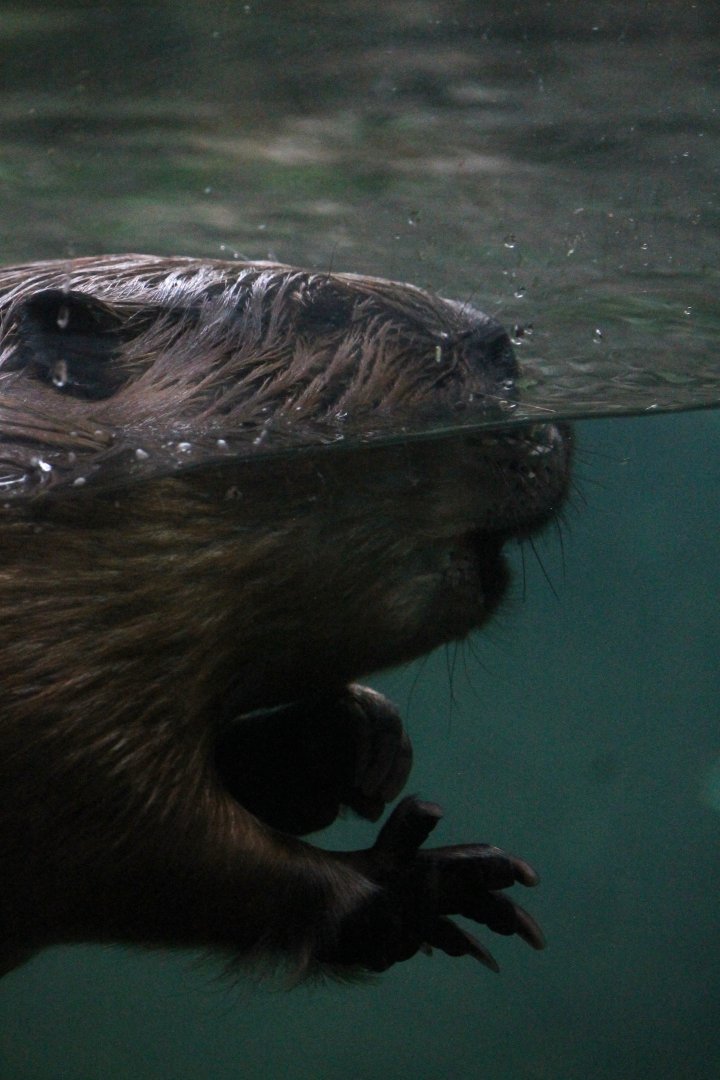
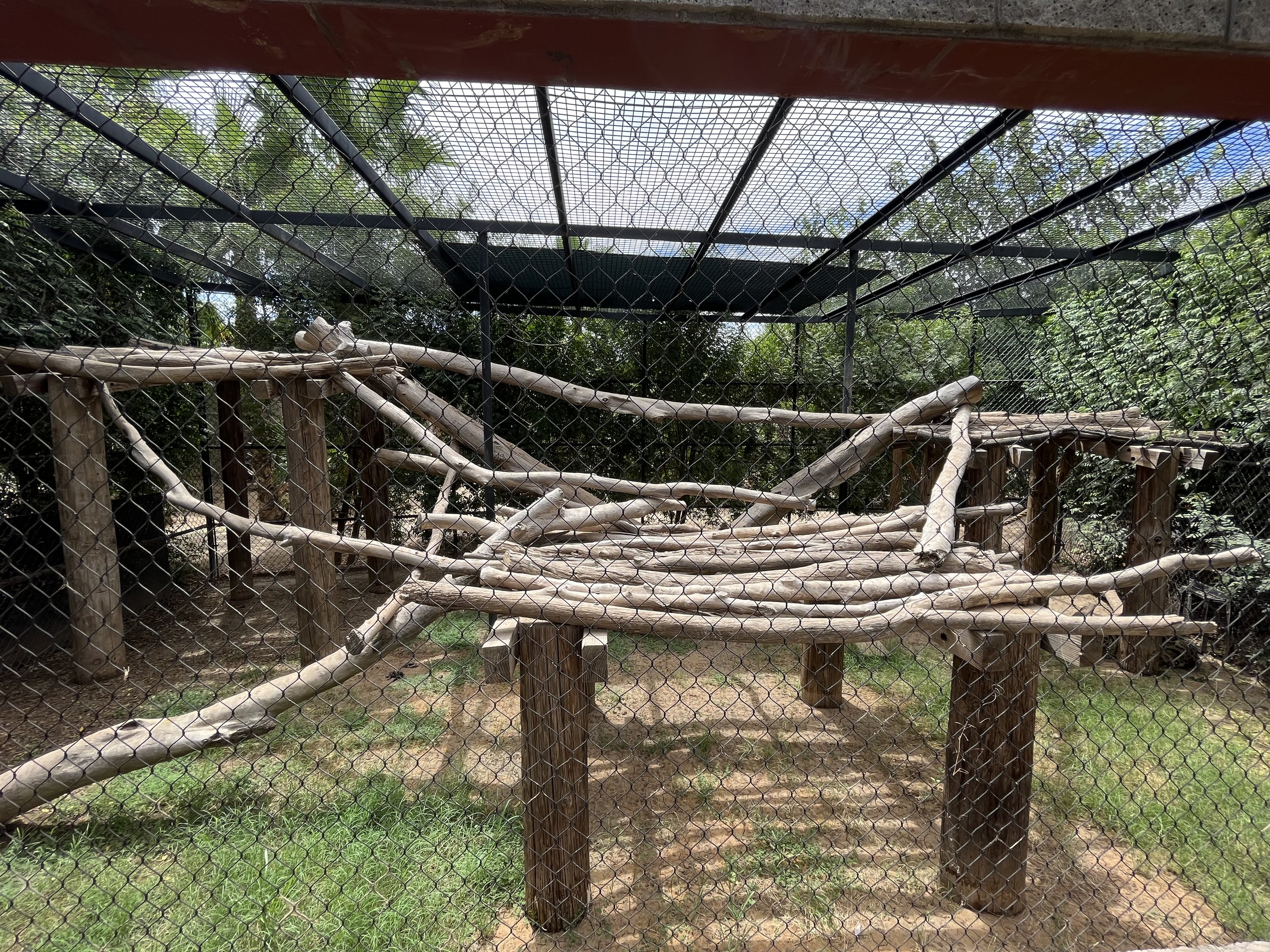
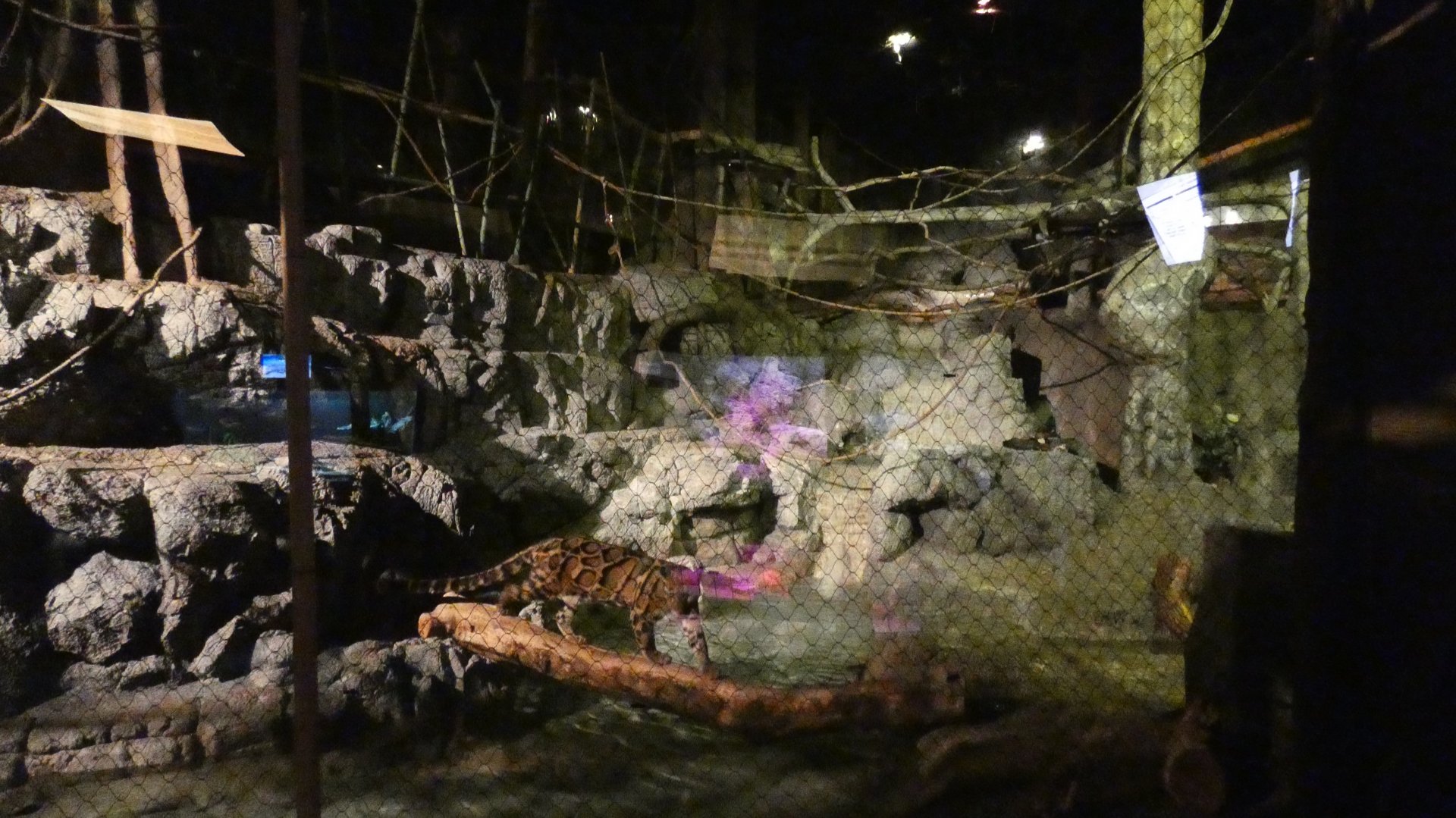
I agree with most of the above posts that a large number of species currently being kept indoors should receive outdoor access, and I also agree that the older animal houses have flaws. I can understand why some may not care for the rather compact reptile/bird houses or parts of the more immersive buildings. There are certain enclosures within these buildings I'm not a huge fan of and could use improvement one way or another -- namely the river otters and small cat exhibits. They aren't perfect; but saying that all of them are "outdated and disgraceful"... really?
Let's just say I'm glad your are not the zoo's director. Suggesting that demolishing every indoor exhibit is the way to go is, quite frankly, ludicrous. Why on earth would the zoo bulldoze Tropic World when it provides some of the largest and most complex indoor monkey exhibits in the country? Why would you demolish the historic animal houses and remove that cherished WPA-era architecture when they can/will be adapted for modern use? You don't have to choose between maintaining history and creating modern enclosures.
You have every right to argue otherwise as you have here, but my fear for a while has been that there may indeed be such a choice forced between maintaining historic architecture and modern enclosures. Outdoor enclosures can be expanded as long as material and open land exist, but these old buildings are finite spaces built based on outdated standards, and many seem to be developing problems internally (the roof leaks in the former Perching Birds, whatever was wrong in the old Reptile House, the problems with Pachyderms) that could become more serious; I am becoming concerned rehabilitation may be more trouble than it is worth, especially compared with furthering the radical transformation of the overall campus. I also have separate concerns that the optics of keeping animals indoors year-round will only become more stigmatized and that necessary standards for enclosure size will continue to increase, both of which add to the overall fear these buildings may become a liability in the future, even those enclosures that seem acceptable today.
These fears may probably sound unfounded and I would like to say I am not exactly
seeking agreement here, but I hope it's understandable, at least, why the fears and concerns described may lead me to the conclusions I expressed.
Your post also seems to imply that having any less than desirable exhibits prevents a zoo from being "world-class".
This represents my core concern and primary fear accurately, although my focus was intended to be largely specifically to substandard indoor exhibits, which I fear reflect more poorly than substandard outdoor areas.
Something about the perfect being the enemy of the good, eh?
I curse my zoo and its inadequacies (real and perceived) every day - as I should. Not because it’s awful (I don’t think many of the members here would dispute that it’s a good zoo that well deserves its inclusion in AZA) but because if you’re ever actually completely satisfied with your facilities in the zoo field, you’re doing it wrong.
The flip side is that if you convince yourself everything is awful, it kind of becomes impossible to improve, because if everything short of perfection (which is unattainable) is failure, then what’s the point?
I find that this is the mindset of animal rights activists - and why they aren’t good animal caretakers, in my experience. If a cage is a cage, no matter how big and fancy, they’re all equally bad in the end
I think this is all very true and well stated.
I'd suggest visiting some more zoos to compare these buildings to, and I suspect you'll find that you will start appreciating Brookfield Zoo more with a larger base to compare it to.
I certainly hope to visit more zoos in the future!

So far, I've had the opposite experience though, where visiting other facilities has mostly made less fond of Brookfield and less defensive towards it. I've seen pretty much everything done better somewhere else by now and even some of the less impressive overall facilities were able to outshine it in some corner or another.
One thing that has stood out to me is that Indianapolis and Saint Louis both don't really keep mammals indoors at the same level as Brookfield, and both lack indoor viewing for megafauna. I don't believe Saint Louis has any mammals kept indoors on a permanent basis anymore and Indianapolis only seems to have three terrestrial mammals kept fully indoors.
So like, Brookfield’s indoor exhibits are generally at worst AZA baseline when taken as a whole. Maybe one or two subpar exhibits in each. Trust me, for WPA era indoor complexes that’s not a bad average.
I appreciate the in-depth review and details here, especially considering one of my initial concerns was generalizing the buildings' quality. Thank you.
I think the baseline of what we consider acceptable in the AZA needs to be raised. As it stands currently, many of the poorer exhibits are on par with roadside facilities and I would like to hold a near and dear facility like Brookfield to a higher standard. This is why I am very happy with the announced plans which seem to fix the majority of 'poor' enclosures.
The master plan will improve much of the facility although it has lacked comment on the buildings so far.
I used to try to place a lot of emphasis on judging buildings for their time of construction -- the indoor small cat habitats were built over thirty years ago and Tropic World over forty, and by this standard I think the majority of Brookfield's enclosures exceed the standards of when they were constructed. I have been placing less emphasis on this factor recently, as ultimately these are exhibits being viewed today and right now, and that makes me feel obligated to be significantly more harsh than I would prefer.
The AZA factor is a difficult one. If they raise standards higher than many zoos currently stand, they won't be able to get accreditation back for long periods. This could cause these facilities to lose funding to make necessary improvements, prevent coordination between breeding programs, and if several facilities were sank at once, it could damage perceptions of zoos at large more than help. That said we obviously do not want lax standards to let people get away with putting gazelles in closets!



 This is a comically overdramatic assessment and I'm honestly a bit baffled.