Popular Zoo Mammals and Their Best Exhibits

I saw one prairie chicken and one sandhill crane. This was my first stop in the morning (the animals were leaving the smaller holding cages when I arrived), so I'd imagine I saw all the individuals on display currently.


I did not- as insane as it sounds, I saw all three institutions in the matter of just a weekend. On Saturday, I flew to Chicago and visited both Lincoln Park and Shedd. As a result, in order to have enough time at Shedd in the afternoon I skipped the nature boardwalk, farm, and Children's zoo (I'm aware there are some native species exhibits in there, but nothing that seemed worth prioritizing).


I was definitely amused by the curassows spending time in the visitor hallways.


Yes, herp-wise the Reptiles and Birds is definitely the stronger building (purely from an exhibitry perspective). I think with Feathers and Scales more of the issues are in regards to visibility than animal welfare- the exhibits stacked on top of each other were particularly difficult to see into due to the heights, and the aviary mesh was much more obstructive than what is found in more modern buildings these days.


Definitely a valuable experience, I agree, and the zoo maintains a very respectable collection of herps and birds. When looking at the species I've seen at only one zoo, Brookfield ranks third (behind Bronx and Toledo)- almost entirely due to smaller birds and herps not often seen in other collections.
There is (was?) a really nice house with an interesting collection of native herps, inverts and some raptors in the Children's Zoo, although this house keeps closing for long periods all the time so it may not have been open when you were there. Still, I feel like you missed out on some major exhibits by skipping that, like beavers, otters, bears and Red Wolves.
 
The animals wouldn't be able to use the outdoor areas half the year anyways- so I'd much rather the zoo invest primarily in good indoor spaces for those animals.
While I agree with this main point of your argument, I disagree that Brookfield has invested in 'good indoor spaces'. I do enjoy the animal buildings, but I also 'enjoyed' Wildlife World, and the interiors of both are not really too different. IMO Wildlife World has a better setup for clouded leopard (which is outdoors to be fair) and about equivalent indoor setups for the respective otter species. I don't think Wildlife World is the type of place you want to be compared to for indoor spaces, there is a lot left to be wanted. NARO is a pretty big mammal, the enclosure in the swamp is not adequate and I'm quite glad the native and cold-hearty species is slated to be given outdoor space.

I will concede I am much less knowledgeable about animal husbandry than you are. Even so, I do wish the indoor enclosures were larger. The cat enclosures may have excellent verticality, but they are very narrow. I liked them better for the hyraxes and coatis.
 
There is (was?) a really nice house with an interesting collection of native herps, inverts and some raptors in the Children's Zoo, although this house keeps closing for long periods all the time so it may not have been open when you were there. Still, I feel like you missed out on some major exhibits by skipping that, like beavers, otters, bears and Red Wolves.
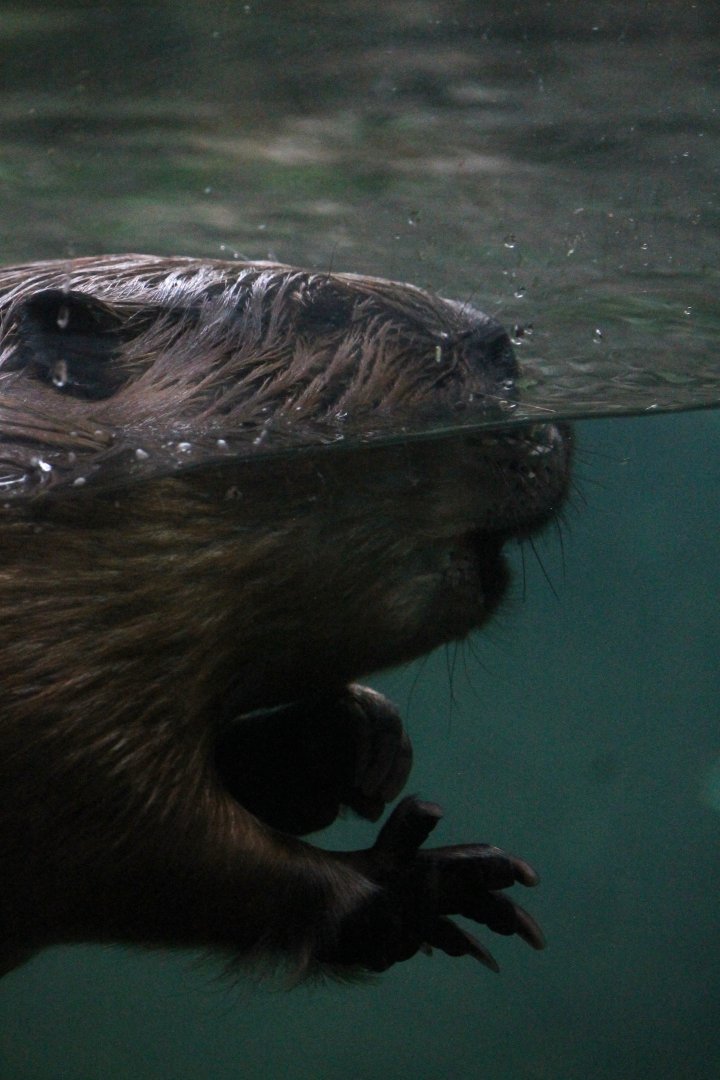
When it has been closed, it was for the night herons who have a rookery above the bear and wolf enclosures. At least when I went in May, there was a covered pathway into the building, which only had screech owls and native turtles (Spotted, wood, and painted, I think?). It used to have more terrariums. The beaver viewing area at the end is excellent.

 
There is (was?) a really nice house with an interesting collection of native herps, inverts and some raptors in the Children's Zoo, although this house keeps closing for long periods all the time so it may not have been open when you were there. Still, I feel like you missed out on some major exhibits by skipping that, like beavers, otters, bears and Red Wolves.
I agree, I would've liked to see them. However, based on the time it was clear part way through my Lincoln Park visit that I'd need to miss something if I wanted enough time at the aquarium. Missing the Children's Zoo seemed like a better choice than missing one of the other areas I'd yet to see.

I do enjoy the animal buildings, but I also 'enjoyed' Wildlife World, and the interiors of both are not really too different. IMO Wildlife World has a better setup for clouded leopard (which is outdoors to be fair) and about equivalent indoor setups for the respective otter species
I've never been to Wildlife World, so don't want to make judgments on their exhibits, however Brookfield's exhibit has a lot more climbing opportunities than other clouded leopard exhibits I've seen and seems to add up to a pretty large amount of space too.

NARO is a pretty big mammal, the enclosure in the swamp is not adequate and I'm quite glad the native and cold-hearty species is slated to be given outdoor space.
The Swamp is closed at the moment, so I didn't see the NARO exhibit. They certainly are cold-hearty, however, so if they are being given an outdoor space that is almost certainly for the best. I've seen NARO in fifteen zoos (tied for the second most common mammal I've seen), and I don't recall seeing a single all-indoor exhibit for them.

I will concede I am much less knowledgeable about animal husbandry than you are. Even so, I do wish the indoor enclosures were larger. The cat enclosures may have excellent verticality, but they are very narrow. I liked them better for the hyraxes and coatis.
They may have been better for hyraxes, that is fair, however if I were to measure the usable space in the exhibits I'd imagine they are much larger than most of the other ocelot and Pallas' cat exhibits I've seen. Sure, it'd be nice if the exhibits were a little deeper, but as they stand the animals have a lot of choice and control over their surroundings, a lot of areas to hide if they want, and capitalize on the fact these are cat species which typically prefer being up high in their exhibits. If the exhibits had, say, an extra hundred square feet of floor space, I'm not sure the activity budgets and space use of the cats would change at all, to be completely honest.
 
I agree, I would've liked to see them. However, based on the time it was clear part way through my Lincoln Park visit that I'd need to miss something if I wanted enough time at the aquarium. Missing the Children's Zoo seemed like a better choice than missing one of the other areas I'd yet to see.


I've never been to Wildlife World, so don't want to make judgments on their exhibits, however Brookfield's exhibit has a lot more climbing opportunities than other clouded leopard exhibits I've seen and seems to add up to a pretty large amount of space too.


The Swamp is closed at the moment, so I didn't see the NARO exhibit. They certainly are cold-hearty, however, so if they are being given an outdoor space that is almost certainly for the best. I've seen NARO in fifteen zoos (tied for the second most common mammal I've seen), and I don't recall seeing a single all-indoor exhibit for them.


They may have been better for hyraxes, that is fair, however if I were to measure the usable space in the exhibits I'd imagine they are much larger than most of the other ocelot and Pallas' cat exhibits I've seen. Sure, it'd be nice if the exhibits were a little deeper, but as they stand the animals have a lot of choice and control over their surroundings, a lot of areas to hide if they want, and capitalize on the fact these are cat species which typically prefer being up high in their exhibits. If the exhibits had, say, an extra hundred square feet of floor space, I'm not sure the activity budgets and space use of the cats would change at all, to be completely honest.

I’ve seen some all indoor NARO exhibits. Tennessee Aquarium, for one, although theirs is excellent. Great Lakes Aquarium had a somewhat less excellent one iirc. And then Boonshoft Museum’s is similar to Brookfield’s. At least the otters are getting an outdoor space in the master plan.
 
Neil Chace said:
I did not- as insane as it sounds, I saw all three institutions in the matter of just a weekend. On Saturday, I flew to Chicago and visited both Lincoln Park and Shedd. As a result, in order to have enough time at Shedd in the afternoon I skipped the nature boardwalk, farm, and Children's zoo (I'm aware there are some native species exhibits in there, but nothing that seemed worth prioritizing).
You probably made the correct choice in skipping the Children's Zoo. I think it is one of the more more interesting parts of the facility when fully opened up, despite similarly to BZ having a disappointingly undersized river otter habitat, but the fact it is limited and covered annually to allow for the night heron breeding often makes it a less fullsome experience than the other exhibits. I mean, I love seeing the night herons themselves and I think the zoo is making the correct choice for conservation, so I'm not saying this to denigrate, but I prefer going through that exhibit when it is open regardless.

CMP said:
While I thoroughly enjoy them, the more biogeographical buildings, like the swamp, Desert's edge, clouded leopard rainforest, and Habitat Africa: The Forest have small enclosures and outdated interiors, full of nice species, yes, but some without outdoor space for medium to large mammals. The two aviary/terrarium buildings have much nicer interiors and appropriate animal enclosures.
Are there medium to large mammals are kept indoors year-round besides the primates, clouded leopards and North American river otters? I definitely don't know of any medium to large mammals kept indoors year round at either Habitat Africa building unless we count the pangolin in that category.

To my memory, mammals kept indoors year round, excluding Tropic World residents announced to have outdoor access in Tropical Forests: Southern Hairy-Nosed Wombat, Short-Beaked Echidna, Rodriguez Fruit Bat, Egyptian Fruit Bat, Meerkat, Cape Porcupine, Damaraland Mole Rat, Naked Mole Rat, Pallas' Cat, Ocelot, Bat-Eared Fox, Small-Spotted Genet, Arabian Sand Cat, Clouded Leopard, Binturong, Prevost Squirrel, Ring-Tailed Lemur (temporarily), Fishing Cat, Dwarf Mongoose, White-Bellied Tree Pangolin, Black-and-Rufous Sengi, Tiny Hairy Screaming Armadillo, North American River Otter, Bottlenose Dolphin, Northern White-Cheeked Gibbon, Red-Tailed Monkey, Angolan Colobus Monkey

The current master plan seems poised to allow the otters, pangolin and wombat[?] outdoor access, and the lemurs will presumably return to the Play Zoo with outdoor access if the koala are moved, which would leave the cats the main species without outdoor access, something that seems unlikely to happen as long as the plan is to construct a large amphitheater. Perhaps the zoo should dismantle the former lion building entirely to make more room for that development, which combined with other plans, would reduce most of this list to six to ten species, depending on if the gibbons or African monkeys manage to make it outside in Tropical Forests.

CMP said:
While I agree with this main point of your argument, I disagree that Brookfield has invested in 'good indoor spaces'. I do enjoy the animal buildings, but I also 'enjoyed' Wildlife World, and the interiors of both are not really too different. IMO Wildlife World has a better setup for clouded leopard (which is outdoors to be fair) and about equivalent indoor setups for the respective otter species. I don't think Wildlife World is the type of place you want to be compared to for indoor spaces, there is a lot left to be wanted. NARO is a pretty big mammal, the enclosure in the swamp is not adequate and I'm quite glad the native and cold-hearty species is slated to be given outdoor space.

I will concede I am much less knowledgeable about animal husbandry than you are. Even so, I do wish the indoor enclosures were larger. The cat enclosures may have excellent verticality, but they are very narrow. I liked them better for the hyraxes and coatis.
I can't draw comparisons with Wildlife World but it's not terribly well respected on this site and often portrayed as the archetypical "collection over welfare" zoo, so if that is a viable comparison to Brookfield it is incredibly damning. If this is an accurate case, then I am forced to change my mind on preserving some of this historic architecture and advocate that the zoo's historic structures be totally dismantled.
 
You probably made the correct choice in skipping the Children's Zoo. I think it is one of the more more interesting parts of the facility when fully opened up, despite similarly to BZ having a disappointingly undersized river otter habitat, but the fact it is limited and covered annually to allow for the night heron breeding often makes it a less fullsome experience than the other exhibits. I mean, I love seeing the night herons themselves and I think the zoo is making the correct choice for conservation, so I'm not saying this to denigrate, but I prefer going through that exhibit when it is open regardless.


Are there medium to large mammals are kept indoors year-round besides the primates, clouded leopards and North American river otters? I definitely don't know of any medium to large mammals kept indoors year round at either Habitat Africa building unless we count the pangolin in that category.

To my memory, mammals kept indoors year round, excluding Tropic World residents announced to have outdoor access in Tropical Forests: Southern Hairy-Nosed Wombat, Short-Beaked Echidna, Rodriguez Fruit Bat, Egyptian Fruit Bat, Meerkat, Cape Porcupine, Damaraland Mole Rat, Naked Mole Rat, Pallas' Cat, Ocelot, Bat-Eared Fox, Small-Spotted Genet, Arabian Sand Cat, Clouded Leopard, Binturong, Prevost Squirrel, Ring-Tailed Lemur (temporarily), Fishing Cat, Dwarf Mongoose, White-Bellied Tree Pangolin, Black-and-Rufous Sengi, Tiny Hairy Screaming Armadillo, North American River Otter, Bottlenose Dolphin, Northern White-Cheeked Gibbon, Red-Tailed Monkey, Angolan Colobus Monkey

The current master plan seems poised to allow the otters, pangolin and wombat[?] outdoor access, and the lemurs will presumably return to the Play Zoo with outdoor access if the koala are moved, which would leave the cats the main species without outdoor access, something that seems unlikely to happen as long as the plan is to construct a large amphitheater. Perhaps the zoo should dismantle the former lion building entirely to make more room for that development, which combined with other plans, would reduce most of this list to six to ten species, depending on if the gibbons or African monkeys manage to make it outside in Tropical Forests.


I can't draw comparisons with Wildlife World but it's not terribly well respected on this site and often portrayed as the archetypical "collection over welfare" zoo, so if that is a viable comparison to Brookfield it is incredibly damning. If this is an accurate case, then I am forced to change my mind on preserving some of this historic architecture and advocate that the zoo's historic structures be totally dismantled.
Maybe I'm being slightly dramatic but yeah, the indoor enclosures for mammals in some of the buildings aren't great at Brookfield. I stand by what I said about the indoor NARO enclosure, really happy they're slated to be getting outdoor access in the masterplan. Clouded Leopard isn't great, WWZ does have the better enclosure IMO, and the play zoo enclosures are directly on par with WWZ. IMO wildlife world isn't quite as bad as people say except for some atrocious enclosures here and there, and AZA zoos like Brookfield actually have a lot of areas that seem about equal quality.
 
Last edited:
CMP said:
Maybe I'm being slightly dramatic but yeah, the indoor enclosures for mammals in some of the buildings aren't great at Brookfield. I stand by what I said about the indoor NARO enclosure, really happy they're slated to be getting outdoor access in the masterplan. Clouded Leopard isn't great, WWZ does have the better enclosure IMO, and the play zoo enclosures are directly on par with WWZ. IMO wildlife world isn't quite as bad as people say except for some atrocious enclosures here and there, and AZA zoos like Brookfield actually have a lot of areas that seem about equal quality.
The river otter exhibit has always stuck out like a sore thumb and I am glad the master plan intends to fix the issue - the fact they know it needs to be worked on is an admission they know the current habitat is subpar, and I know funding can be hard to come by. It also seems like one of the more flexible options on their project roster so hopefully it is pipelined sooner instead of later.

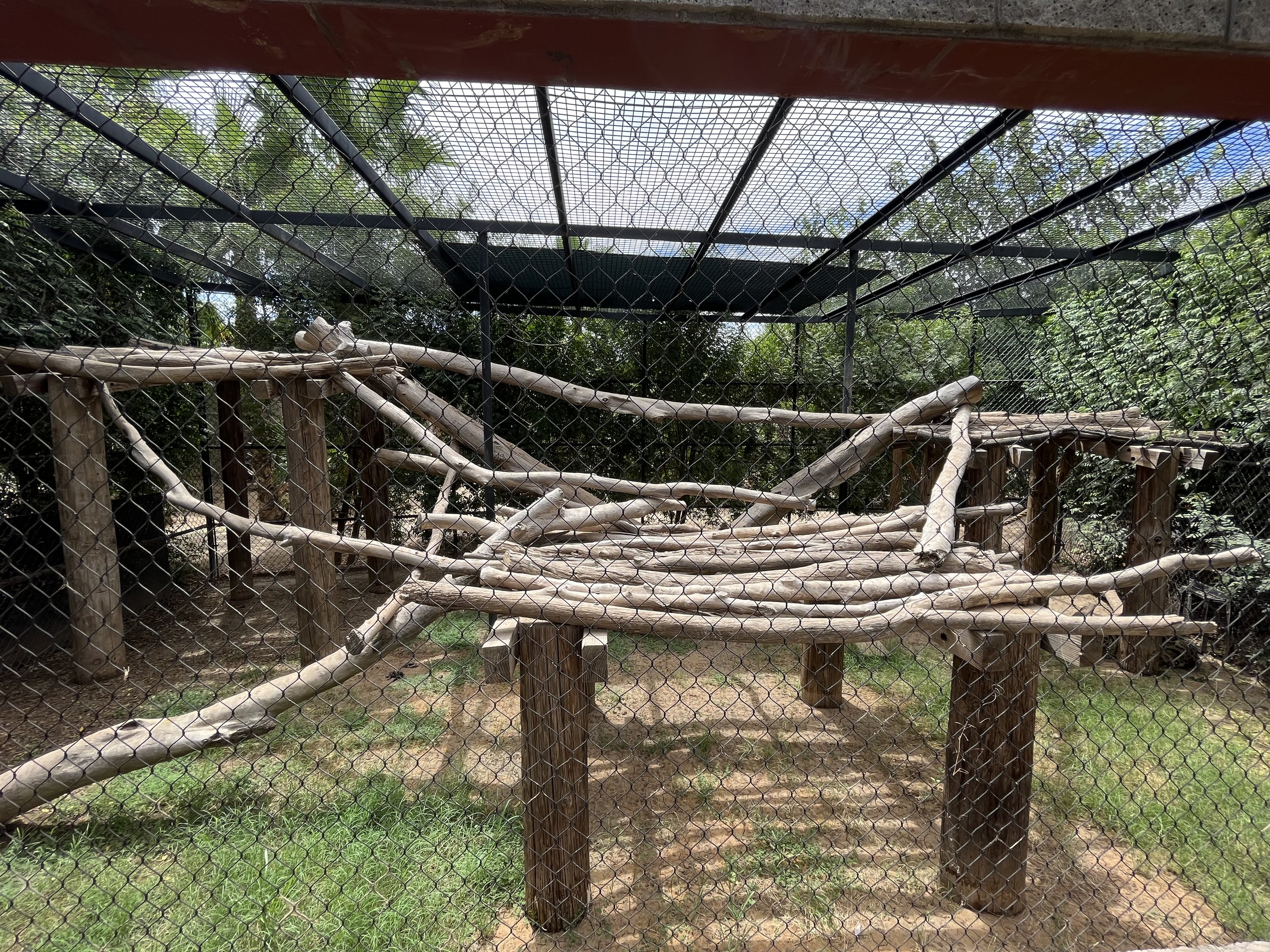
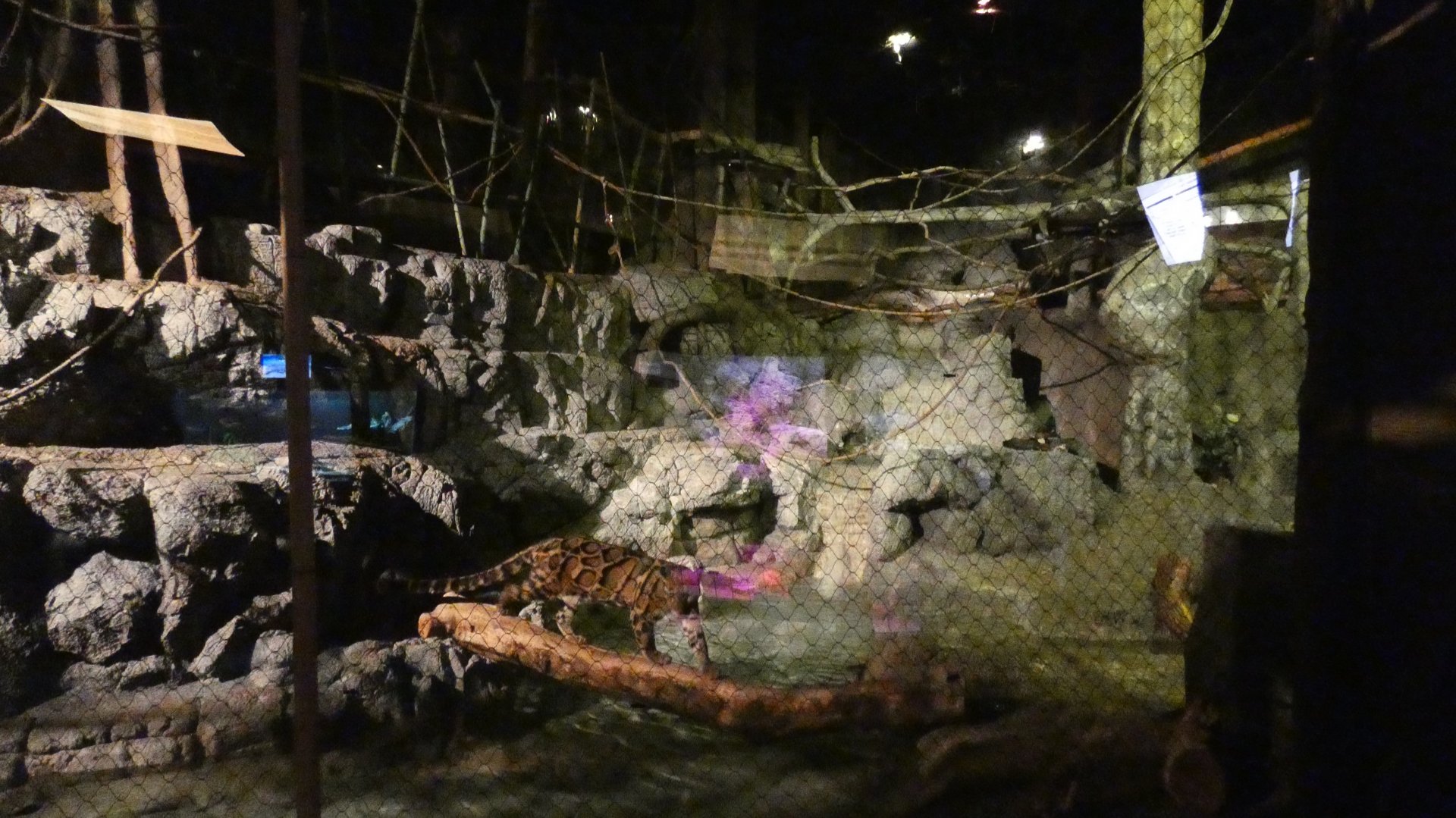
The clouded leopard exhibit has been discussed in this thread but nobody has presented details/images - I did try to locate some in the gallery.
Wildlife World Zoo wins for outdoor access, absolutely, but if I pretend WWZ's exhibit is indoors, I don't think the comparison is very similar at all, unless the photograph isn't showing the full exhibit? It looks like one climbing structure in a square grassy area here.

Are there more subpar all-indoor mammal exhibits than the NARO and Clouded leopard though? excluding primates due to Tropical Forests. I'm not trying to argue, I really want to understand because it feels like you're alluding to more examples than you're bringing up and it's making me concerned. I have a small reference pool and truly don't want to be ignorant if Brookfield is doing outright poorly here but understandably I don't want to drop the zoo too quickly if we're only talking a couple of exhibits that may be on the chopping block.
 
I’ve always thought the wombat exhibit was a bit small and hope they get some kind of outdoor access in the new Australia plans. Other than that and Tropic World, only the binturongs and otters stand out as small. The genets and sand cats, too, but they rarely get large exhibits anyway.
 
The river otter exhibit has always stuck out like a sore thumb and I am glad the master plan intends to fix the issue - the fact they know it needs to be worked on is an admission they know the current habitat is subpar, and I know funding can be hard to come by. It also seems like one of the more flexible options on their project roster so hopefully it is pipelined sooner instead of later.

The clouded leopard exhibit has been discussed in this thread but nobody has presented details/images - I did try to locate some in the gallery.
Wildlife World Zoo wins for outdoor access, absolutely, but if I pretend WWZ's exhibit is indoors, I don't think the comparison is very similar at all, unless the photograph isn't showing the full exhibit? It looks like one climbing structure in a square grassy area here.

Are there more subpar all-indoor mammal exhibits than the NARO and Clouded leopard though? excluding primates due to Tropical Forests. I'm not trying to argue, I really want to understand because it feels like you're alluding to more examples than you're bringing up and it's making me concerned. I have a small reference pool and truly don't want to be ignorant if Brookfield is doing outright poorly here but understandably I don't want to drop the zoo too quickly if we're only talking a couple of exhibits that may be on the chopping block.
Although the water feature is nice, WWZ is outdoor and has more natural substrates. Something I've learned from Memphis and Cincinnati is that indoor exhibits with dark lighting give an illusion of being larger and better than they really are. I think they are of a similar size if not WWZ being larger.

Are there more subpar all-indoor mammal exhibits than the NARO and Clouded leopard though? excluding primates due to Tropical Forests. I'm not trying to argue, I really want to understand because it feels like you're alluding to more examples than you're bringing up and it's making me concerned. I have a small reference pool and truly don't want to be ignorant if Brookfield is doing outright poorly here but understandably I don't want to drop the zoo too quickly if we're only talking a couple of exhibits that may be on the chopping block.
I think these have been changed but the play zoo had poor exhibits for armadillo and civet, the pangolin enclosure is small, and of course the gorillas need their new space. IIRC fennec fox had a small area too. However, my point may be more that a zoo with a bad reputation like WWZ can actually be on par with one with a much better reputation like Brookfield in some areas. Brookfield is nowhere near any of WWZ truly bad enclosures, but has a number that are about on par. No need to 'drop the zoo' but do acknowledge some indoor encloses need improvement (And by in large are slated to be receiving these improvements.
 
Very ironic this conversation started over defending awful bird and reptile exhibits to swing emphasis to awful mammal exhibits. It just serves to show the reality is that all of Brookfield's buildings are outdated and disgraceful.

If I were Brookfield's director, the master plan would have included the full demolition of every indoor exhibit building on the lot personally, starting with the empty Bear Grottos and Tropic World. I am flabbergasted they are still keeping these old buildings around that will continue to hold back the zoo from ever being a world-class facility.
 
Very ironic this conversation started over defending awful bird and reptile exhibits to swing emphasis to awful mammal exhibits. It just serves to show the reality is that all of Brookfield's buildings are outdated and disgraceful.

If I were Brookfield's director, the master plan would have included the full demolition of every indoor exhibit building on the lot personally, starting with the empty Bear Grottos and Tropic World. I am flabbergasted they are still keeping these old buildings around that will continue to hold back the zoo from ever being a world-class facility.
Alright, what are we on about here? :p This is a comically overdramatic assessment and I'm honestly a bit baffled.

I agree with most of the above posts that a large number of species currently being kept indoors should receive outdoor access, and I also agree that the older animal houses have flaws. I can understand why some may not care for the rather compact reptile/bird houses or parts of the more immersive buildings. There are certain enclosures within these buildings I'm not a huge fan of and could use improvement one way or another -- namely the river otters and small cat exhibits. They aren't perfect; but saying that all of them are "outdated and disgraceful"... really?

Let's just say I'm glad your are not the zoo's director. Suggesting that demolishing every indoor exhibit is the way to go is, quite frankly, ludicrous. Why on earth would the zoo bulldoze Tropic World when it provides some of the largest and most complex indoor monkey exhibits in the country? Why would you demolish the historic animal houses and remove that cherished WPA-era architecture when they can/will be adapted for modern use? You don't have to choose between maintaining history and creating modern enclosures.

As has been noted previously, the master plan includes outdoor exhibits for several species currently kept indoors: apes, monkeys, dolphins, otters, pangolins, penguins, kookaburras, etc. This is all being done without unnecessary demolition of historically significantly buildings which are iconic and should be maintained. The plan also calls for large-scale renovations of buildings like the pachyderm house and Australia house, as well as the bear grottos, that will maintain their character while building new exhibits in and around them. Just look at Tropic World. This time next year the apes will be a brand new enclosures while the strongest elements of the building, the large monkey enclosures and mixed-species environments, are kept in place.

Your post also seems to imply that having any less than desirable exhibits prevents a zoo from being "world-class". San Diego is a world-class facility, but still keeps bears in century old grottos and giraffes in a small dusty paddock. Zurich is a world-class facility, but still keeps great apes in an extremely dated pavilion. Prague is a world-class facility, but still keeps polar bears in a small, entirely concrete enclosure. No zoo is perfect and there will always be things that can be better. However, Brookfield's future plans will absolutely ensure its status as a premier zoological facility, in many instances not in spite of their buildings, but because of them.

I can relate to wanting my home zoo to be best it can possibly be, but there's no reason to get so down and talk about "dropping" the zoo (which I assume means stop visiting?) just because others criticize it. Brookfield is already a really great zoo with an immensely bright future ahead of itself and that should be celebrated.
 
Something about the perfect being the enemy of the good, eh?

I curse my zoo and its inadequacies (real and perceived) every day - as I should. Not because it’s awful (I don’t think many of the members here would dispute that it’s a good zoo that well deserves its inclusion in AZA) but because if you’re ever actually completely satisfied with your facilities in the zoo field, you’re doing it wrong.

The flip side is that if you convince yourself everything is awful, it kind of becomes impossible to improve, because if everything short of perfection (which is unattainable) is failure, then what’s the point?

I find that this is the mindset of animal rights activists - and why they aren’t good animal caretakers, in my experience. If a cage is a cage, no matter how big and fancy, they’re all equally bad in the end
 
Last edited:
Very ironic this conversation started over defending awful bird and reptile exhibits to swing emphasis to awful mammal exhibits. It just serves to show the reality is that all of Brookfield's buildings are outdated and disgraceful.

If I were Brookfield's director, the master plan would have included the full demolition of every indoor exhibit building on the lot personally, starting with the empty Bear Grottos and Tropic World. I am flabbergasted they are still keeping these old buildings around that will continue to hold back the zoo from ever being a world-class facility.
I'd suggest visiting some more zoos to compare these buildings to, and I suspect you'll find that you will start appreciating Brookfield Zoo more with a larger base to compare it to.

Very few, if any, of the mammal exhibits at Brookfield I would classify as poor, and some of them are amongst the best of their kinds. The meerkat exhibit is very spacious, provides varied terrain, and houses a very large social group. The South American monkeys have a massive exhibit that allows for really great climbing opportunities and excellent social interactions with both conspecifics and heterospecifics. The Pallas' cat and ocelot exhibits are excellent, and provide more opportunities for climbing than any other small cat exhibits I've ever seen. The bat walk-through provides a lot of climbing opportunities and complexity as well.

However, my point may be more that a zoo with a bad reputation like WWZ can actually be on par with one with a much better reputation like Brookfield in some areas. Brookfield is nowhere near any of WWZ truly bad enclosures, but has a number that are about on par.
So you are comparing some of Wildlife World's best exhibits to some of Brookfield's worst exhibits? I really don't think that is a fair comparison, as many terrible zoos have some exhibits that happen to be pretty good. The Wildlife World exhibit certainly doesn't look bigger than the Brookfield one, but looks and photographs can of course be misleading. The Wildlife World exhibit also doesn't look bad, although some additional climbing opportunities would be nice. Likewise, Brookfield's exhibit would benefit from the addition of natural substrate, although I don't think the fact it is entirely indoors matters within the context of clouded leopards.

I also think one piece missing to this conversation is what makes a zoo good or bad. The exhibits themselves of course matter, however a large part of why Wildlife World has such a terrible reputation (rightfully so) has nothing to do with their exhibit design, but instead with their involvement in animal trafficking (https://www.roadsidezoonews.org/pos...d-43-endangered-species-in-the-past-two-years). I can tell you the clouded leopard at Brookfield wasn't transferred there at less than 28 days old!
 
I mean I think Brookfield’s buildings are generally good. It’s a northern zoo and most of the animals are viewable in winter. Going through pavilions:

Desert’s Edge: Wish the genet and sand cat had more space, and the foxes could have a little more, but I have definitely seen far worse exhibits for every species in that building except maybe the sand cats.

Clouded Leopard: I have seen exhibits at AZA zoos for Amur and snow leopards that are worse than what the clouded leopard has. That’s more a condemnation of the standards for leopard exhibits but I don’t think the clouded leopard exhibit is behind the curve at all. Binturong enclosure is a little small but I’ve seen worse in the AZA.

Seven Seas: Look to be getting one of North America’s best cetacean exhibits in the master plan. Just a shame it isn’t coming earlier.

Budgies: It’s probably the biggest aviary I’ve seen for the species.

Play Zoo: Yeah. There’s room for improvement here. The koala and toucan exhibits are about industry standard. Some of the exhibits in the maze should really go to even smaller mammals, herps, or invertebrates.

Swamp: My biggest problem is the flamingoes and that’s a winter holding. The otter enclosure isn’t great but the master plan addresses this. Maybe something smaller (and rarer) like mink or muskrat can take their old enclosure afterwards.

Tropic World: The apes are getting outdoor enclosures and, while natural substrate would be nice, you’re lying to yourself if you say those aren’t some of the biggest / tallest South American primate, gibbon, and otter exhibits in the U.S.

The Macaw Building: The only one that needs demolished.

The bird and reptile buildings: I think the standards for large herp exhibits are too low but Brookfield is definitely not unique in that problem. Crowned pigeons need a new aviary. I think everyone agrees on that.

Living Coast: Won’t be a thing in the master plan. Penguins are getting a new exhibit soon. Exhibits are about average for a small zoo aquarium.

Habitat Africa The Savannah: It’s a small space but they don’t have anything big in there so it works.

Habitat Africa The Forest: Pangolins get an outdoor space in the master plan. Most exhibits are industry standard for their species.

Australia House: I wish the wombats and some of the herps had more room. Nothing else stands out as particularly bad.

So like, Brookfield’s indoor exhibits are generally at worst AZA baseline when taken as a whole. Maybe one or two subpar exhibits in each. Trust me, for WPA era indoor complexes that’s not a bad average.
 
I can tell you the clouded leopard at Brookfield wasn't transferred there at less than 28 days old!
Not to play the Devil's advocate but isn't it fairly standard practice to transfer newborn clouded leopards to facilities that are better equipped to hand-raise them. I'm thinking specifically of the Nashville Zoo's program.
 
Last edited:
I also think one piece missing to this conversation is what makes a zoo good or bad. The exhibits themselves of course matter, however a large part of why Wildlife World has such a terrible reputation (rightfully so) has nothing to do with their exhibit design, but instead with their involvement in animal trafficking (https://www.roadsidezoonews.org/pos...d-43-endangered-species-in-the-past-two-years). I can tell you the clouded leopard at Brookfield wasn't transferred there at less than 28 days old!
I was actually not at all aware of this, thank you for bringing it to my attention!

So you are comparing some of Wildlife World's best exhibits to some of Brookfield's worst exhibits? I really don't think that is a fair comparison, as many terrible zoos have some exhibits that happen to be pretty good. The Wildlife World exhibit certainly doesn't look bigger than the Brookfield one, but looks and photographs can of course be misleading. The Wildlife World exhibit also doesn't look bad, although some additional climbing opportunities would be nice. Likewise, Brookfield's exhibit would benefit from the addition of natural substrate, although I don't think the fact it is entirely indoors matters within the context of clouded leopards.
They aren't WWZ best exhibits, they are pretty average exhibits at WWZ, but that wasn't my main point. I brought up WWZ not for an overall comparison to Brookfield but rather to highlight how a ill-reputed facility actually has comparable enclosures to a place like Brookfield. Of course, Brookfield is higher quality on the whole.

The exhibit looks smaller in the image and having seen both in person are pretty similar in size. The low lighting in Brookfield creates the illusion it is larger than it actually is, while the reverse is true for outdoor exhibits like this one. Sure WWZ could use more climbing structures but IMO it is fairly comparable to Brookfield in this regard.


I think the baseline of what we consider acceptable in the AZA needs to be raised. As it stands currently, many of the poorer exhibits are on par with roadside facilities and I would like to hold a near and dear facility like Brookfield to a higher standard. This is why I am very happy with the announced plans which seem to fix the majority of 'poor' enclosures.
 
Last edited:
@JVM Just so you're aware of it (and you expressed it in some other threads in the past) I think you have a very high degree of anti-familiarity bias against Brookfield.
I wanted to open this post by acknowledging that this seems like a very reasonable accusation and I accept that it may very well be the case.

I apologize that my comments appear to have derailed such an excellent thread, but I do want to clarify my intention was to only address the buildings themselves, not have a go at the entire facility campus or anything as I fear it likely appeared.

I agree with most of the above posts that a large number of species currently being kept indoors should receive outdoor access, and I also agree that the older animal houses have flaws. I can understand why some may not care for the rather compact reptile/bird houses or parts of the more immersive buildings. There are certain enclosures within these buildings I'm not a huge fan of and could use improvement one way or another -- namely the river otters and small cat exhibits. They aren't perfect; but saying that all of them are "outdated and disgraceful"... really?

Let's just say I'm glad your are not the zoo's director. Suggesting that demolishing every indoor exhibit is the way to go is, quite frankly, ludicrous. Why on earth would the zoo bulldoze Tropic World when it provides some of the largest and most complex indoor monkey exhibits in the country? Why would you demolish the historic animal houses and remove that cherished WPA-era architecture when they can/will be adapted for modern use? You don't have to choose between maintaining history and creating modern enclosures.
You have every right to argue otherwise as you have here, but my fear for a while has been that there may indeed be such a choice forced between maintaining historic architecture and modern enclosures. Outdoor enclosures can be expanded as long as material and open land exist, but these old buildings are finite spaces built based on outdated standards, and many seem to be developing problems internally (the roof leaks in the former Perching Birds, whatever was wrong in the old Reptile House, the problems with Pachyderms) that could become more serious; I am becoming concerned rehabilitation may be more trouble than it is worth, especially compared with furthering the radical transformation of the overall campus. I also have separate concerns that the optics of keeping animals indoors year-round will only become more stigmatized and that necessary standards for enclosure size will continue to increase, both of which add to the overall fear these buildings may become a liability in the future, even those enclosures that seem acceptable today.

These fears may probably sound unfounded and I would like to say I am not exactly seeking agreement here, but I hope it's understandable, at least, why the fears and concerns described may lead me to the conclusions I expressed.

Your post also seems to imply that having any less than desirable exhibits prevents a zoo from being "world-class".
This represents my core concern and primary fear accurately, although my focus was intended to be largely specifically to substandard indoor exhibits, which I fear reflect more poorly than substandard outdoor areas.

Something about the perfect being the enemy of the good, eh?

I curse my zoo and its inadequacies (real and perceived) every day - as I should. Not because it’s awful (I don’t think many of the members here would dispute that it’s a good zoo that well deserves its inclusion in AZA) but because if you’re ever actually completely satisfied with your facilities in the zoo field, you’re doing it wrong.

The flip side is that if you convince yourself everything is awful, it kind of becomes impossible to improve, because if everything short of perfection (which is unattainable) is failure, then what’s the point?

I find that this is the mindset of animal rights activists - and why they aren’t good animal caretakers, in my experience. If a cage is a cage, no matter how big and fancy, they’re all equally bad in the end
I think this is all very true and well stated.

I'd suggest visiting some more zoos to compare these buildings to, and I suspect you'll find that you will start appreciating Brookfield Zoo more with a larger base to compare it to.
I certainly hope to visit more zoos in the future! :) So far, I've had the opposite experience though, where visiting other facilities has mostly made less fond of Brookfield and less defensive towards it. I've seen pretty much everything done better somewhere else by now and even some of the less impressive overall facilities were able to outshine it in some corner or another.

One thing that has stood out to me is that Indianapolis and Saint Louis both don't really keep mammals indoors at the same level as Brookfield, and both lack indoor viewing for megafauna. I don't believe Saint Louis has any mammals kept indoors on a permanent basis anymore and Indianapolis only seems to have three terrestrial mammals kept fully indoors.

So like, Brookfield’s indoor exhibits are generally at worst AZA baseline when taken as a whole. Maybe one or two subpar exhibits in each. Trust me, for WPA era indoor complexes that’s not a bad average.
I appreciate the in-depth review and details here, especially considering one of my initial concerns was generalizing the buildings' quality. Thank you.

I think the baseline of what we consider acceptable in the AZA needs to be raised. As it stands currently, many of the poorer exhibits are on par with roadside facilities and I would like to hold a near and dear facility like Brookfield to a higher standard. This is why I am very happy with the announced plans which seem to fix the majority of 'poor' enclosures.
The master plan will improve much of the facility although it has lacked comment on the buildings so far.

I used to try to place a lot of emphasis on judging buildings for their time of construction -- the indoor small cat habitats were built over thirty years ago and Tropic World over forty, and by this standard I think the majority of Brookfield's enclosures exceed the standards of when they were constructed. I have been placing less emphasis on this factor recently, as ultimately these are exhibits being viewed today and right now, and that makes me feel obligated to be significantly more harsh than I would prefer.

The AZA factor is a difficult one. If they raise standards higher than many zoos currently stand, they won't be able to get accreditation back for long periods. This could cause these facilities to lose funding to make necessary improvements, prevent coordination between breeding programs, and if several facilities were sank at once, it could damage perceptions of zoos at large more than help. That said we obviously do not want lax standards to let people get away with putting gazelles in closets!
 
You have every right to argue otherwise as you have here, but my fear for a while has been that there may indeed be such a choice forced between maintaining historic architecture and modern enclosures. Outdoor enclosures can be expanded as long as material and open land exist, but these old buildings are finite spaces built based on outdated standards, and many seem to be developing problems internally (the roof leaks in the former Perching Birds, whatever was wrong in the old Reptile House, the problems with Pachyderms) that could become more serious; I am becoming concerned rehabilitation may be more trouble than it is worth, especially compared with furthering the radical transformation of the overall campus.
A few things here:

1.) The leaky atrium roof in Reptiles and Birds is not as big of deal as you're making it to be. Omaha has/had leaks in the roof of the Desert Dome. Detroit rather infamously has issues with leaks in their penguin house. These structures are only 22 years old and 8 years old respectively and neither of them are going anywhere. By comparison, a leaky roof in a single medium-sized aviary is an easy fix. Animal buildings can and will require additional upkeep and investment to maintain overtime no matter if they're a decade old or a century old, this does not mean you need to get rid of them entirely.

2.) The reptile house was deemed no longer appropriate to house animals, this is true. However, it was still able to utilized for something important; upgraded and consolidated staff offices that were previously dispersed throughout the zoo. I'm not fully aware of the issues that led to the decision to close the reptile house, but just because this specific building wasn't seen as appropriate for modern use doesn't mean the others need to be replaced as well.

3. So we can both agree that Lincoln Park did an excellent job revitalizing their lion house, correct? That building is well over a century old and has a plethora of issues pre-renovation. Would it have been better for the zoo to tear down that stunning building entirely and build something from scratch? Of course that was never even option since it's listed, but even if it were hypothetically allowed, I'd still argue no. If nothing else you'd lose some truly spectacular architecture. How is Brookfield's 90 year old pachyderm house any different? In fact, the concept they have planned is clearly inspired by what Lincoln Park did, essentially turning the house into a gallery-esque viewing pavilion with new animal holding areas elsewhere. I see no reason why it can't be salvaged and retrofitted the same way.

I also have separate concerns that the optics of keeping animals indoors year-round will only become more stigmatized and that necessary standards for enclosure size will continue to increase, both of which add to the overall fear these buildings may become a liability in the future, even those enclosures that seem acceptable today.
Mammals maybe, but I don't see a scenario where it'll be looked down upon to keep every animal outdoors. Some species require highly specific conditions to thrive and wouldn't do well in an outdoor environment. Fact is nearly all of the larger/medium-sized mammals currently kept indoors year-round at the zoo will receive outdoor enclosures at some point in the master plan. Even the ones that aren't currently slated for outdoor access like the small cats can be moved elsewhere as plans develop, so I really wouldn't worry so much about what the standards will be decades from now when some of these projects won't even be completed for quite a while.

The master plan will improve much of the facility although it has lacked comment on the buildings so far.
This really isn't true though. Renovating the pachyderm and Australia houses are quite literally the next two major projects following Tropical Forests. The Living Coast is being replaced entirely by the new Amazon house, The Swamp is getting an outdoor otter exhibit attached to it which will rectify it's only real flaw husbandry wise, and the Fragile Kingdom is listed as a building that will undergo renovations at some point. Only the reptile/bird houses and maybe the African houses aren't undergoing major changes, but in my opinion they don't really need to. They still serve their purpose very well for the most part and could each be easily improved with some minor fixes.

TL;DR: don’t worry so much. :p It’s impossible to know what the standard will be in the future, so even if these buildings need to be replaced at some point, there’s no good reason to get rid of them now.
 
Last edited:
Back
Top