MOG2012
Well-Known Member
My analysis thread's research made me realize my original plans were unrealistic. For example, it had a polar dome with free-flying puffins. This zoo will be more realistic. It won't have an aquarium or many domes. My research thread's spec zoo section is for this spec zoo. I will likely post about different enclosures in zones I haven't covered before, ie. I already talked about my echidna enclosure in the thread but I haven't posted about it in this thread.
The Las Vegas Zoological Park in Las Vegas, NV, opens from 5:00 AM to 10:00 PM. This is a more realistic schedule than being open for 21 hours.
All Major Zones (names subjects to change, suggestions are encouraged):
The zoo has several entrances, but I'm going to explain the southern entrance. The first exhibits for this entrance are the Land Down Under and Islands of the World.
Inside the entrance building, you'll find ticket booths, bathrooms, and security checkpoints. After passing these sections, you will find the Penguinarium, which has a café. Upon entering this zone through two doors, a ramp leads to a hallway which has 2 doors on the right side of the hallway with 2 doors at the back of the hallway. It has various signage about penguins. The back doors of the hallway lead to a 5 m tall gallery with seating in the middle of the room.
On the back, left, and right sides of the room are large clear panels that look into a 2500 sq. m enclosure. There is an 800 sq. meter large aquatic area that is part of it, varying in depth with various aquatic plants on the seabed, and there are underwater viewing panels. On land, the area features rocky outcrops and ledges surrounded by various mosses, grasses, and shrubs. Also in the land area, there are various nesting boxes that encourage breeding. The enclosure is home to a breeding colony of 7.7 King Penguins Aptenodytes patagonicus and a breeding colony of 15.15 Western Rockhopper Penguins Eudyptes chrysocome chrysocome. The enclosure also simulates snow via the HVAC's sprinkler system. If you go to the side door in the hallway, it leads to a cafe with viewing into the penguin enclosure.

Possible Enclosure Look, Image Credit -> @Mr Gharial
If you continue walking through the entrance building, there is a 450000 litre aquarium with 150 sq. m of land area. There are various rock structures, aquatic plants, and terrestrial plants. In the water, there is a breeding school of 10.10 Boeseman’s Rainbowfish Melanotaenia boesemani, a breeding pair of 1.1 Roti Island Snake-necked Turtles Chelodina mccordi, and a solitary 0.1 Sulawesi Forest Turtle Leucocephalon yuwonoi. During the breeding season for the forest turtle (November to March), a solitary 1.0 Sulawesi Forest Turtle Leucocephalon yuwonoi is added for breeding purposes. When it’s not breeding season, the male is in an enclosure in the Islands of the World building on public view.

Possible Look of Enclosure but It will be Smaller, Image Credit -> @German Zoo World
After exiting the entrance building, there is a mesh-topped aviary on the left side of the pathway. It is 250 sq. m large, and 6 m tall. It’s home to a breeding pair of 1.1 Palm Cockatoo Probosciger aterrimus. There are various dead trees, branches, non-edible plants, perches, and hollow stumps. There are also shaded spots, and a birdbath. At nighttime, they are in an indoor enclosure behind-the-scenes in the entrance building. There is another 0.1 Palm Cockatoo Probosciger aterrimus behind-the-scenes in the Islands of the World building that’s an ambassador animal.

Possible Look of Enclosure, Image Credit -> @WhistlingKite24
Then, the next enclosure is 1000 sq. m, 5 m tall, and is mesh-netted but it doesn’t have birds. It has various trees, vegetation, hollow stumps, and boulders. It’s home to a breeding pair of 1.1 Babirusas Babyrousa celebensis x Babyrousa toganensis [A recent study showed that all the babirusas are the United States are actually hybrids]. There are also mud wallows, shallow ponds, hollow logs, and shaded structures. There are lots of misting stations with insulated structures and thermal blankets at night. Then, the path splits into two with the Land Down Under exhibit on the left path side and the Islands of the World exhibit on the right side.

Possible Look of Enclosure, Image Credit to @gulogulogulo
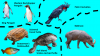
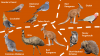
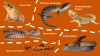
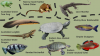
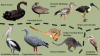
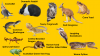
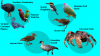
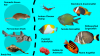
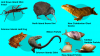
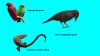
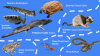
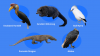
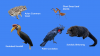
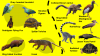
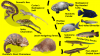
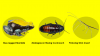
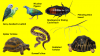
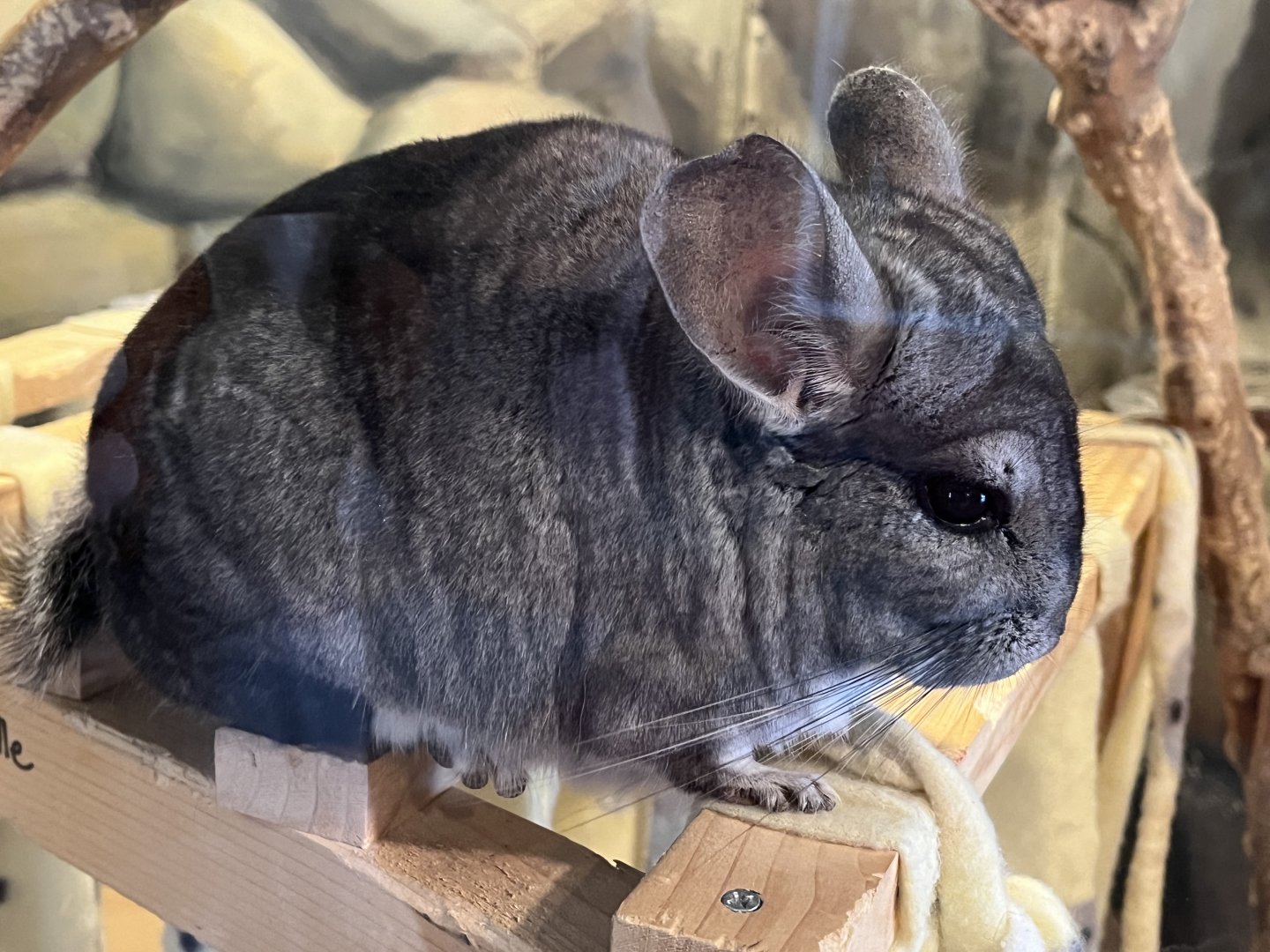
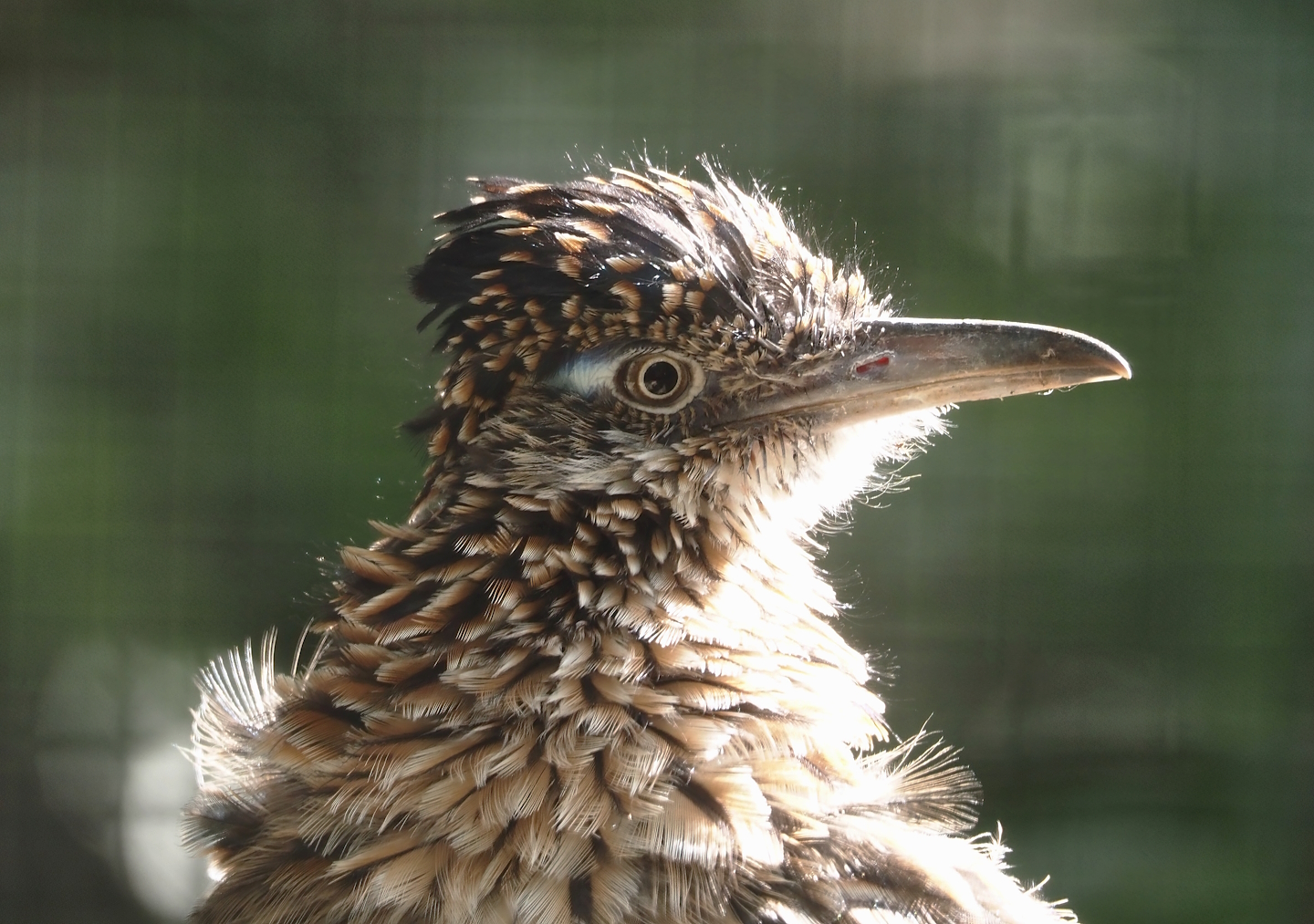
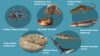
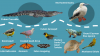
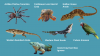
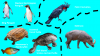
Thanks to @Mr Gharial , here are photos of all the animals in this area divided into their enclosures.

Mammals: 1
Birds: 3
Reptiles: 2
Fish: 1
Total: 7
What do you think so far? Here is a link of the Zoo document that's updated every post on this thread: Las Vegas Zoological Park
Here's a link of the Stocklist with the "analysis" on the species. It's updated everytime the Zoo document is: Las Vegas Zoological Park Stocklist
The next time I'll post is when I finish Macropodiformes on the Analysis thread which will likely be in early February with the Land Down Under exhibit being the first major one to be talked about it but for now, feel free to share your predictions for the animals and/or other things part of the zone. It has two main regions, the Central Outback and the Billabongs of East Australia.
Side Note: This is one of the several entrances of the Zoo (a total of 4-5) so there are multiple entrance animals depending on where you Park and enter with the entrance animals being relevant to the first exhibits you will experience (like only Island endemics for this from the Falkland Islands to Australasia)
The Las Vegas Zoological Park in Las Vegas, NV, opens from 5:00 AM to 10:00 PM. This is a more realistic schedule than being open for 21 hours.
All Major Zones (names subjects to change, suggestions are encouraged):
- Desert Dome of the Southwest
- Inside Africa
- Islands of the World
- the Land Down Under
- Life on the Rocks
- the New World
- Realm of Darkness
- Wild Eurasia
The zoo has several entrances, but I'm going to explain the southern entrance. The first exhibits for this entrance are the Land Down Under and Islands of the World.
Inside the entrance building, you'll find ticket booths, bathrooms, and security checkpoints. After passing these sections, you will find the Penguinarium, which has a café. Upon entering this zone through two doors, a ramp leads to a hallway which has 2 doors on the right side of the hallway with 2 doors at the back of the hallway. It has various signage about penguins. The back doors of the hallway lead to a 5 m tall gallery with seating in the middle of the room.
On the back, left, and right sides of the room are large clear panels that look into a 2500 sq. m enclosure. There is an 800 sq. meter large aquatic area that is part of it, varying in depth with various aquatic plants on the seabed, and there are underwater viewing panels. On land, the area features rocky outcrops and ledges surrounded by various mosses, grasses, and shrubs. Also in the land area, there are various nesting boxes that encourage breeding. The enclosure is home to a breeding colony of 7.7 King Penguins Aptenodytes patagonicus and a breeding colony of 15.15 Western Rockhopper Penguins Eudyptes chrysocome chrysocome. The enclosure also simulates snow via the HVAC's sprinkler system. If you go to the side door in the hallway, it leads to a cafe with viewing into the penguin enclosure.
Possible Enclosure Look, Image Credit -> @Mr Gharial
If you continue walking through the entrance building, there is a 450000 litre aquarium with 150 sq. m of land area. There are various rock structures, aquatic plants, and terrestrial plants. In the water, there is a breeding school of 10.10 Boeseman’s Rainbowfish Melanotaenia boesemani, a breeding pair of 1.1 Roti Island Snake-necked Turtles Chelodina mccordi, and a solitary 0.1 Sulawesi Forest Turtle Leucocephalon yuwonoi. During the breeding season for the forest turtle (November to March), a solitary 1.0 Sulawesi Forest Turtle Leucocephalon yuwonoi is added for breeding purposes. When it’s not breeding season, the male is in an enclosure in the Islands of the World building on public view.
Possible Look of Enclosure but It will be Smaller, Image Credit -> @German Zoo World
After exiting the entrance building, there is a mesh-topped aviary on the left side of the pathway. It is 250 sq. m large, and 6 m tall. It’s home to a breeding pair of 1.1 Palm Cockatoo Probosciger aterrimus. There are various dead trees, branches, non-edible plants, perches, and hollow stumps. There are also shaded spots, and a birdbath. At nighttime, they are in an indoor enclosure behind-the-scenes in the entrance building. There is another 0.1 Palm Cockatoo Probosciger aterrimus behind-the-scenes in the Islands of the World building that’s an ambassador animal.
Possible Look of Enclosure, Image Credit -> @WhistlingKite24
Then, the next enclosure is 1000 sq. m, 5 m tall, and is mesh-netted but it doesn’t have birds. It has various trees, vegetation, hollow stumps, and boulders. It’s home to a breeding pair of 1.1 Babirusas Babyrousa celebensis x Babyrousa toganensis [A recent study showed that all the babirusas are the United States are actually hybrids]. There are also mud wallows, shallow ponds, hollow logs, and shaded structures. There are lots of misting stations with insulated structures and thermal blankets at night. Then, the path splits into two with the Land Down Under exhibit on the left path side and the Islands of the World exhibit on the right side.
Possible Look of Enclosure, Image Credit to @gulogulogulo
Thanks to @Mr Gharial , here are photos of all the animals in this area divided into their enclosures.
Mammals: 1
Birds: 3
Reptiles: 2
Fish: 1
Total: 7
What do you think so far? Here is a link of the Zoo document that's updated every post on this thread: Las Vegas Zoological Park
Here's a link of the Stocklist with the "analysis" on the species. It's updated everytime the Zoo document is: Las Vegas Zoological Park Stocklist
The next time I'll post is when I finish Macropodiformes on the Analysis thread which will likely be in early February with the Land Down Under exhibit being the first major one to be talked about it but for now, feel free to share your predictions for the animals and/or other things part of the zone. It has two main regions, the Central Outback and the Billabongs of East Australia.
Side Note: This is one of the several entrances of the Zoo (a total of 4-5) so there are multiple entrance animals depending on where you Park and enter with the entrance animals being relevant to the first exhibits you will experience (like only Island endemics for this from the Falkland Islands to Australasia)
Attachments
Last edited: