Not wild, ... but certainly and thankfully not wing-clipped. These birds are now part of a monitoring and ringing project for the species in the Netherlands.There's a colony of wild black-crowned night herons at Artis.
You are using an out of date browser. It may not display this or other websites correctly.
You should upgrade or use an alternative browser.
You should upgrade or use an alternative browser.
Vogelpark Avifauna Vogelpark Avifauna news
- Thread starter vogelcommando
- Start date

Not wild, ... but certainly and thankfully not wing-clipped. These birds are now part of a monitoring and ringing project for the species in the Netherlands.
Artis themselves considers them wild birds. Yes, many are descendants from captive birds, but all night-herons born in Artis are basically free to roam the planet, so they can be considered wild birds born on zoo grounds. Many of the herons born in Amsterdam turn up in other countries. Some return to Amsterdam, some do not. Because of good breeding results, the colony is self-sustaining.
To keep on topic, a similar situation applies to Avifauna as well.
This is not correct where this applies to Artis Zoo. Their birds have been most definitely part and parcel of their official animal collection (birds). For many years local nature conservation administrators and the livestock / veterinary health / wildlife authorities would prevent the zoo fromArtis themselves considers them wild birds. Yes, many are descendants from captive birds, but all night-herons born in Artis are basically free to roam the planet, so they can be considered wild birds born on zoo grounds. Many of the herons born in Amsterdam turn up in other countries. Some return to Amsterdam, some do not. Because of good breeding results, the colony is self-sustaining.
To keep on topic, a similar situation applies to Avifauna as well.
Releasing these birds into the local environment .... was deemed illegal. This even though the species was a former resident breeding bird and among birds characteristic bird species along our meandering riverine habitats in the forested and marshland adjoining our bigger river systems (untill canalisation brought an end to this type of habitat along riverine systems.)!

Birth of a vicuña in the Argentina cerrado exhibit.
Dierentuin | Net geboren en meteen met de groep mee! Kom je dit weekend kijken? #vogelparkavifauna #vicuna #geboren #babyvicuna #lekkerweerditweekend… | Instagram
Dierentuin | Net geboren en meteen met de groep mee! Kom je dit weekend kijken? #vogelparkavifauna #vicuna #geboren #babyvicuna #lekkerweerditweekend… | Instagram
Kiwi Maia who hatched last year has moved to Zlin Zoo in the Czech Republic, where she will be introduced to a male from Frankfurt.
Stichting Vogelpark Avifauna
Stichting Vogelpark Avifauna
The Lorikeet Landing will be closed for at least two weeks because several lorikeets are ill and undergoing medical treatment.
Dierentuin on Instagram: "Beste bezoekers, vanwege een aantal zieke lori’s is de dierenarts gestart met een medische behandeling. Om de dieren zoveel mogelijk rust te gunnen en het herstel te bespoedigen is de Lori Landing daarom de komende 2 weken in ieder geval gesloten. Bedankt voor jullie begrip! #vogelparkavifauna #avifauna #lorilanding"
Dierentuin on Instagram: "Beste bezoekers, vanwege een aantal zieke lori’s is de dierenarts gestart met een medische behandeling. Om de dieren zoveel mogelijk rust te gunnen en het herstel te bespoedigen is de Lori Landing daarom de komende 2 weken in ieder geval gesloten. Bedankt voor jullie begrip! #vogelparkavifauna #avifauna #lorilanding"

For a while now we've been hearing promises of a vulture aviary being built in Avifauna. A sign near the vulture aviary has been saying "opening late 2023" since early 2023, and before that I believe it said 2020. Now they're finally building it but, of course, Avifauna is one of the less visited zoos in the ZooChat community so we haven't had a lot of updates.
Luckily, today, a friend of mine just happened to be in the park so I asked them to send a few pictures of the new aviary:
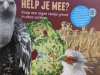
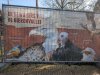
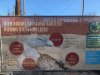
Some signs:

^ the inhabitants of the new aviary: Rüppel's griffon vultures, White-headed vultures, Secretary birds, Superb starlings and Abdim's storks. All species are already present in the zoo, and personally I expect some of the other birds to also move here (Speckled pigeons, turacos, other starlings).

^ just like the Nuboso island and Kamchatka aviary, the new vulture aviary also has a sponsor option, where you can buy ten square meters of the region to support the zoo. This also reveals some of the design of the exhibit, and we can see where the meerkat habitat will be.

^ a sign showcasing some of the proportions of the aviary. It will be 15 meters tall, have a 4.5 meter tall rock wall for nesting, and the aviary will be 2100 square meters total.
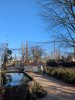
The aviary will be right after the Lorikeet landing and Australian area:

There's a large viewing point in the style of a middle-eastern house:

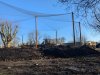
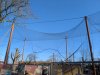
They're still working on some of the netting, but it's close to being finished:

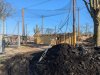
They've also built an indoor holding facility and are working on some new stuff behind the scenes (probably an employee path to the indoor holding):

Additional photos:


Luckily, today, a friend of mine just happened to be in the park so I asked them to send a few pictures of the new aviary:
Some signs:
^ the inhabitants of the new aviary: Rüppel's griffon vultures, White-headed vultures, Secretary birds, Superb starlings and Abdim's storks. All species are already present in the zoo, and personally I expect some of the other birds to also move here (Speckled pigeons, turacos, other starlings).
^ just like the Nuboso island and Kamchatka aviary, the new vulture aviary also has a sponsor option, where you can buy ten square meters of the region to support the zoo. This also reveals some of the design of the exhibit, and we can see where the meerkat habitat will be.
^ a sign showcasing some of the proportions of the aviary. It will be 15 meters tall, have a 4.5 meter tall rock wall for nesting, and the aviary will be 2100 square meters total.
The aviary will be right after the Lorikeet landing and Australian area:
There's a large viewing point in the style of a middle-eastern house:
They're still working on some of the netting, but it's close to being finished:
They've also built an indoor holding facility and are working on some new stuff behind the scenes (probably an employee path to the indoor holding):
Additional photos:
Attachments
-
 IMG-20250216-WA0009.jpg202.1 KB · Views: 19
 -
 IMG-20250216-WA0008.jpg164.5 KB · Views: 19
 -
 IMG-20250216-WA0006.jpg300.9 KB · Views: 19
 -
 IMG-20250216-WA0013.jpg223.4 KB · Views: 19
 -
 IMG-20250216-WA0012.jpg231.2 KB · Views: 19
 -
 IMG-20250216-WA0007.jpg203.2 KB · Views: 17
 -
 IMG-20250216-WA0011.jpg142.3 KB · Views: 19
 -
 IMG-20250216-WA0001.jpg174.7 KB · Views: 19
 -
 IMG-20250216-WA0004.jpg137.3 KB · Views: 19
A recent post by Zoo Inside shows photos of the new vulture aviary nearing completion, and mentions opening being planned for April 2025. I couldn't find a confirmation by Avifauna of this, but Zoo Inside is generally well informed and correct.
Zoo inside
Zoo inside
Last edited:

I was in the Park 4 years ago. I remember the old vulture aviary. What happens with it, when the species all love out ?According to a message and photos posted today in the "Vrienden van Avifauna" Facebook group the Rüppell's griffon vultures have moved into the new vulture aviary.
I was in the Park 4 years ago. I remember the old vulture aviary. What happens with it, when the species all love out ?
Nothing has been communicated about that to my knowledge, but it seems likely they will use it for other bird species that need more space, possibly after some renovations or changes.

InvertTime
Member
I feel like it will be demolished. Seeing how they are curerntly developing that area of the park (the monkey islands, the cerrado)Nothing has been communicated about that to my knowledge, but it seems likely they will use it for other bird species that need more space, possibly after some renovations or changes.
It is a very dark aviary due to the ivy and trees growing through it.
If I can put a little wish to it, maybe a reworked cassowary enclosure and after that the rework of the greenhouse and nocturnal house?
I feel like the lane that currently houses the cranes and cassowaries needs work too, but my gut tells me that this is just waiting to be demolished and reworked into something grand in 10-15 years

An article in a special anniversary magazine (Avifauna is celebrating its 75th anniversary this year) talks about the new vulture aviary. Along with a complete species list:
- Rüppell's vulture (Gyps rueppelli)
- White-headed vulture (Trigonoceps occipitalis)
- Egyptian vulture (Neophron percnopterus)
- Marabou stork (Leptoptilos crumenifer)
- Secretary bird (Sagittarius serpentarius)
- Eurasian hoopoe (Upupa epops)
- Superb starling (Lamprotornis superbus)
- African golden oriole (Oriolus auratus)
In an article by ZooFlits, the spokesperson for Avifauna mentions that the addition of bat-eared foxes (Otocyon megalotis) has been cancelled for now. It is possible they will come in a second phase. However, it is not yet clear whether they will then get their own enclosure or will be kept in the aviary.
- Rüppell's vulture (Gyps rueppelli)
- White-headed vulture (Trigonoceps occipitalis)
- Egyptian vulture (Neophron percnopterus)
- Marabou stork (Leptoptilos crumenifer)
- Secretary bird (Sagittarius serpentarius)
- Eurasian hoopoe (Upupa epops)
- Superb starling (Lamprotornis superbus)
- African golden oriole (Oriolus auratus)
In an article by ZooFlits, the spokesperson for Avifauna mentions that the addition of bat-eared foxes (Otocyon megalotis) has been cancelled for now. It is possible they will come in a second phase. However, it is not yet clear whether they will then get their own enclosure or will be kept in the aviary.
- Rüppell's vulture (Gyps rueppelli)
- White-headed vulture (Trigonoceps occipitalis)
- Egyptian vulture (Neophron percnopterus)
- Marabou stork (Leptoptilos crumenifer)
- Secretary bird (Sagittarius serpentarius)
- Eurasian hoopoe (Upupa epops)
- Superb starling (Lamprotornis superbus)
- African golden oriole (Oriolus auratus)
Sounds like a nice list, although I personally do hope it's not a final list yet. There's still quite a few African species scattered throughout the park that could make a nice addition here. Most notably the Abdim's storks currently out of place in the Cuban lagoon aviary, but also the Hamerkops and Speckled pigeons from the current/former Secretarybird aviary and maybe some of the birds from the last two tropical halls (Village weavers, Violet turaco, Wattled starling).
Nothing has been communicated about that to my knowledge, but it seems likely they will use it for other bird species that need more space, possibly after some renovations or changes.
There are still the Southern ground hornbills and Pied crows there. Although I personally hope they will renovate that row of old aviaries, there is a pretty good chance they'll leave it as is for the two remaining species.
Avifauna is at an odd middle point of their transformation. The park is mostly filled with really good exhibits, such as the Kamchatka aviary, the Argentine Cerrado, the Madagascar walkthrough and the Cuban lagoon. But then there's also old, run-down exhibits scattered throughout, such as the old Vulture aviary, the tropical hall, the corpse of the Night safari and the row of open-topped crane and waterfowl exhibits next to the Cassowaries. It's pretty much guaranteed that these areas will be renovated eventually, but what will take their place is all up to speculation. Seeing their recent projects, though, we can guarantee that they'll be great!

Paul.Haerle
Well-Known Member
I don‘t think the current species list will work long as Marabou Storks can eat the smaller birds, so I hope they will be replaced by Yellow-billed Storks or a other smaller stork.Sounds like a nice list, although I personally do hope it's not a final list yet. There's still quite a few African species scattered throughout the park that could make a nice addition here. Most notably the Abdim's storks currently out of place in the Cuban lagoon aviary, but also the Hamerkops and Speckled pigeons from the current/former Secretarybird aviary and maybe some of the birds from the last two tropical halls (Village weavers, Violet turaco, Wattled starling).
Maybe they could add Von-der-Deckens Hornbill or African Grey Hornbills.
I don‘t think the current species list will work long as Marabou Storks can eat the smaller birds, so I hope they will be replaced by Yellow-billed Storks or a other smaller stork.
Maybe they could add Von-der-Deckens Hornbill or African Grey Hornbills.
Both Yellow-billed and V.D. Decken's hornbills are part of their current collection so that is fully possible, but I don't personally believe the Marabous will cause too much issue
Paul.Haerle
Well-Known Member
Marabou Storks kill flamingos or pelican chicks ...Both Yellow-billed and V.D. Decken's hornbills are part of their current collection so that is fully possible, but I don't personally believe the Marabous will cause too much issue
Marabou Storks kill flamingos or pelican chicks ...
And are safely held with Little egrets, Lapwings, Thick-knees, Francolins and Parrots in Parc des Oiseaux. Also Little egrets, Green-winged teals and Hamerkops in Amersfoort and Francolins, Hamerkops and Guineafowl in Blijdorp. All birds that are admittedly more stocky, but also a lot less fast and nimble than Orioles, Hoopoes and Starlings
View attachment 771993
^ the inhabitants of the new aviary: Rüppel's griffon vultures, White-headed vultures, Secretary birds, Superb starlings and Abdim's storks. All species are already present in the zoo, and personally I expect some of the other birds to also move here (Speckled pigeons, turacos, other starlings).
There's still quite a few African species scattered throughout the park that could make a nice addition here. Most notably the Abdim's storks currently out of place in the Cuban lagoon aviary
Just noticed that the sign at the aviary did list Abdim's storks as one of the new inhabitants, I wonder if this was cancelled last minute or simply forgotten in the article's species list
A Steller's sea eagle has hatched. After the first chick did not make it, the second egg turned out to also be fertilized, and has now hatched. The chick seems to be growing and doing well. The nest can be watched via livestream. Hopefully things continue to go well.
Stichting Vogelpark Avifauna | Alphen aan den Rijn
Dieren livestream - Vogelpark Avifauna
Stichting Vogelpark Avifauna | Alphen aan den Rijn
Dieren livestream - Vogelpark Avifauna