Taronga Western Plains Zoo Taronga Western Plains Zoo Review

20.08.2022. I went to TWPZ today because the lion cubs are now on exhibit. Here are some updates since my last visit in December:

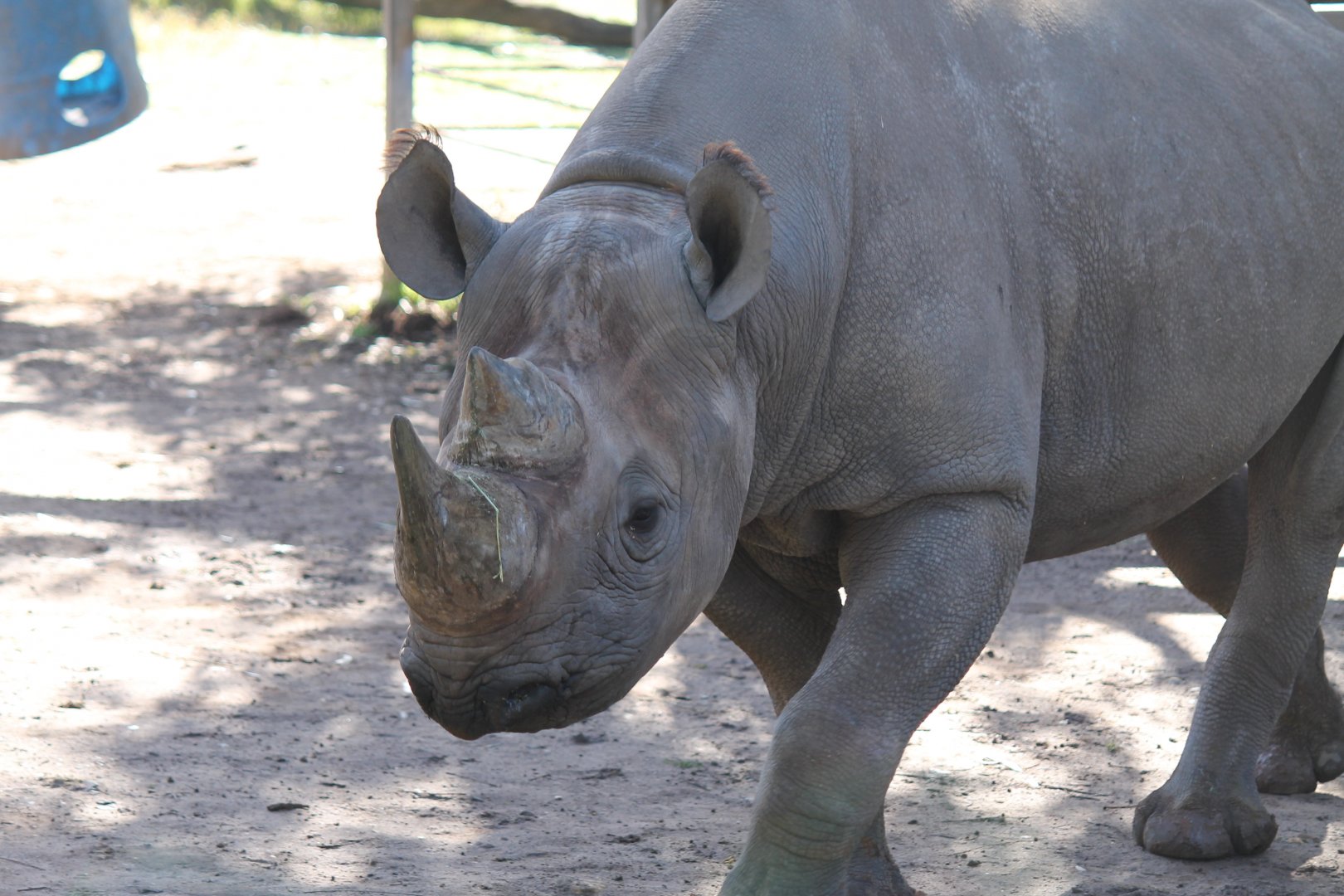
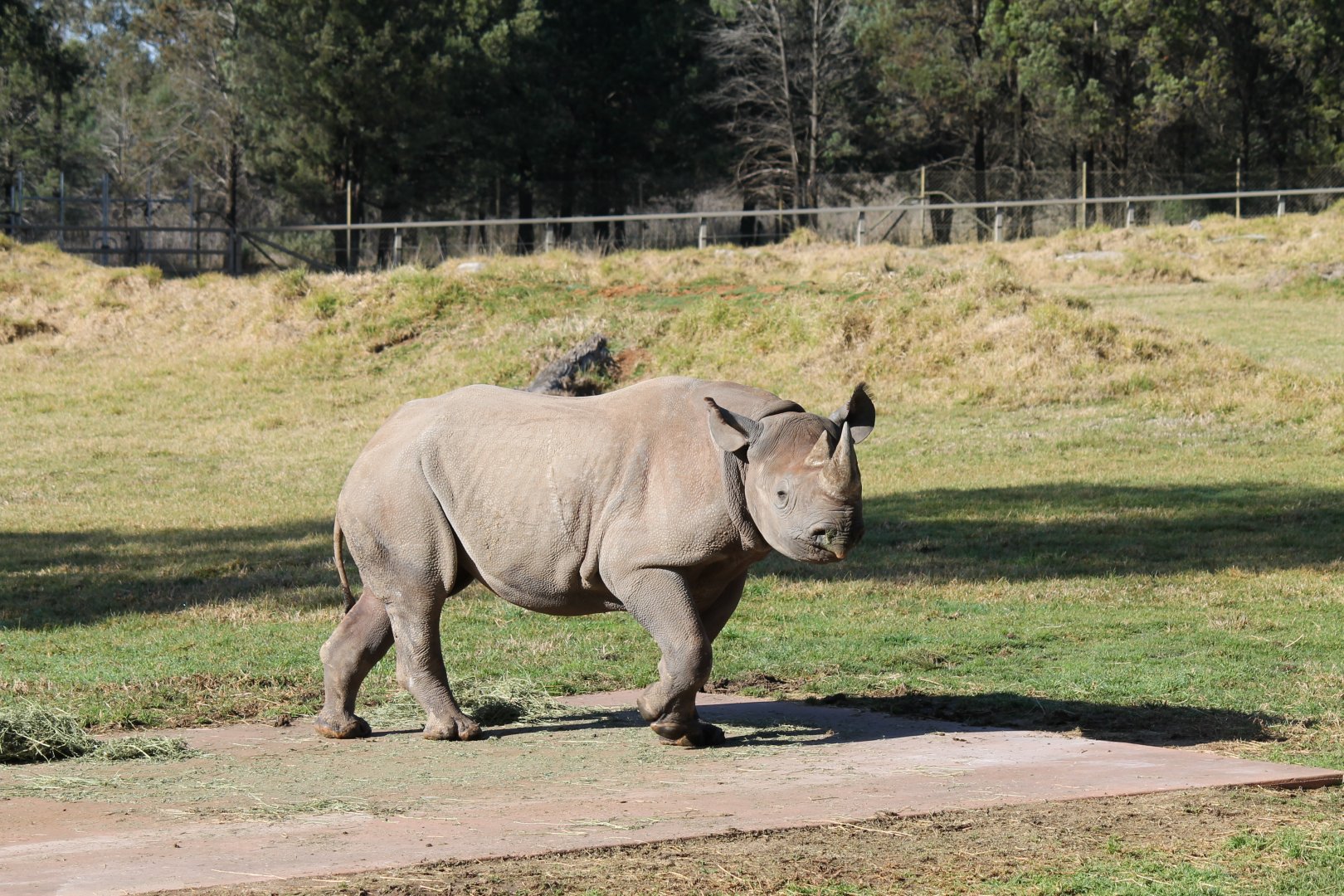
For something different I started at the start of the zoo today, mainly because I wanted to go to the rhino talk. I learned that TWPZ hope to import a black rhino bull or two from North America soon. The import should have already been underway but the process was held up by Covid.

2 black rhino were on display. Mpzeni was in the small paddock and Pampoen was in the big paddock. The other six were off-exhibit.


There was some unrest in the meerkat group. A few of them had injuries from battles to establish a new hierarchy within the group.

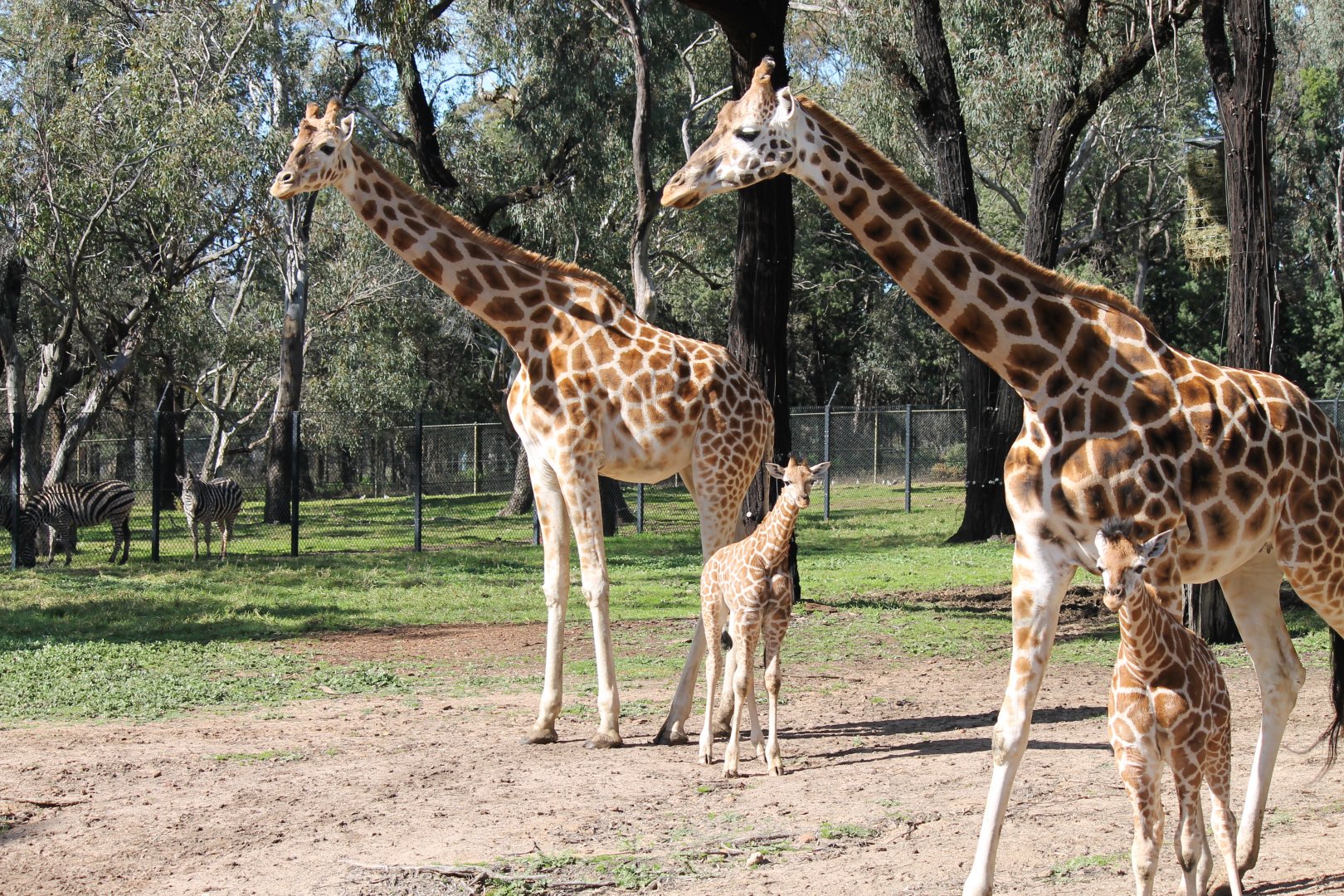
The zebra that are usually in with the giraffe are seperate again, presumably to protect the giraffe calves.


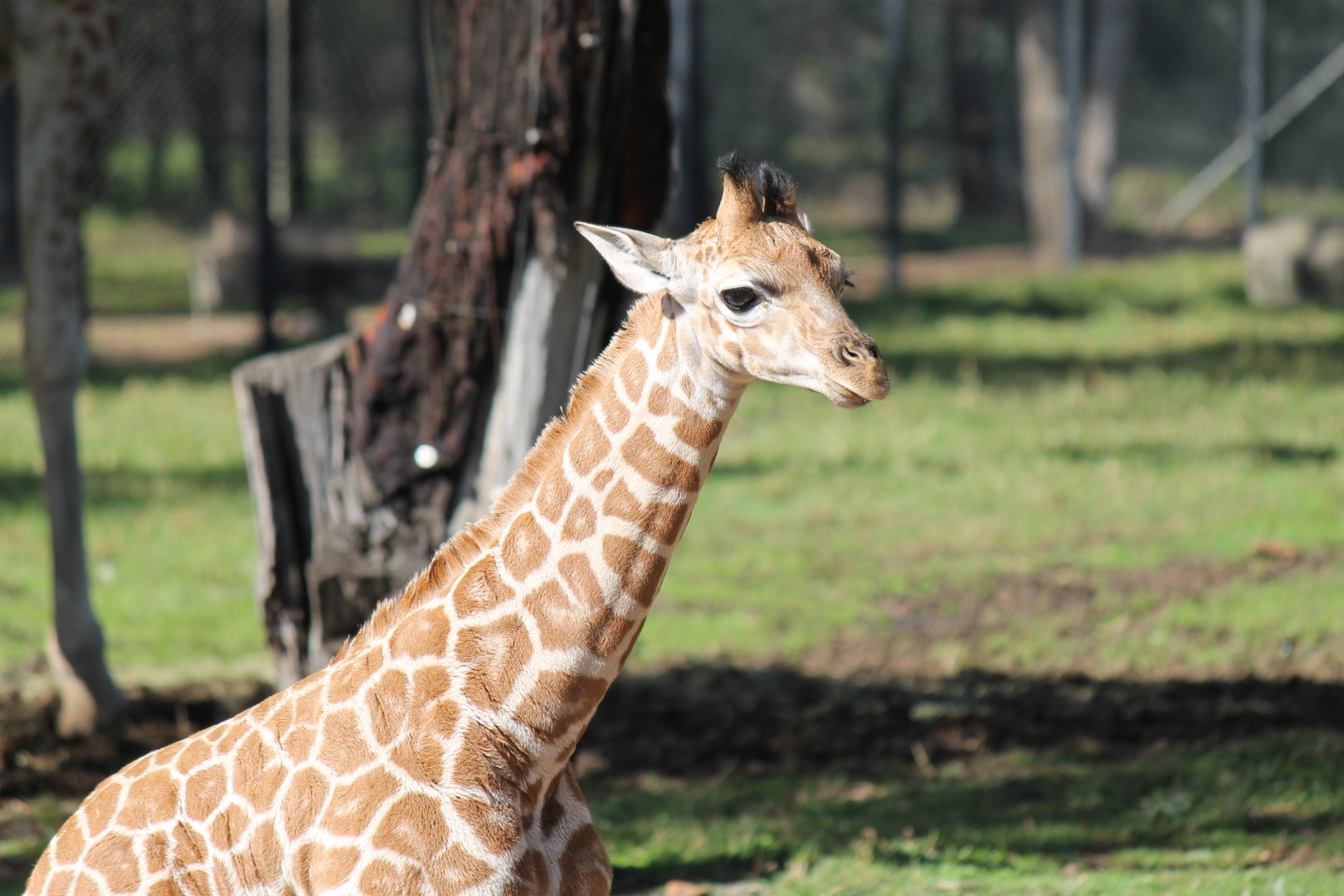
Both giraffe calves were on display.

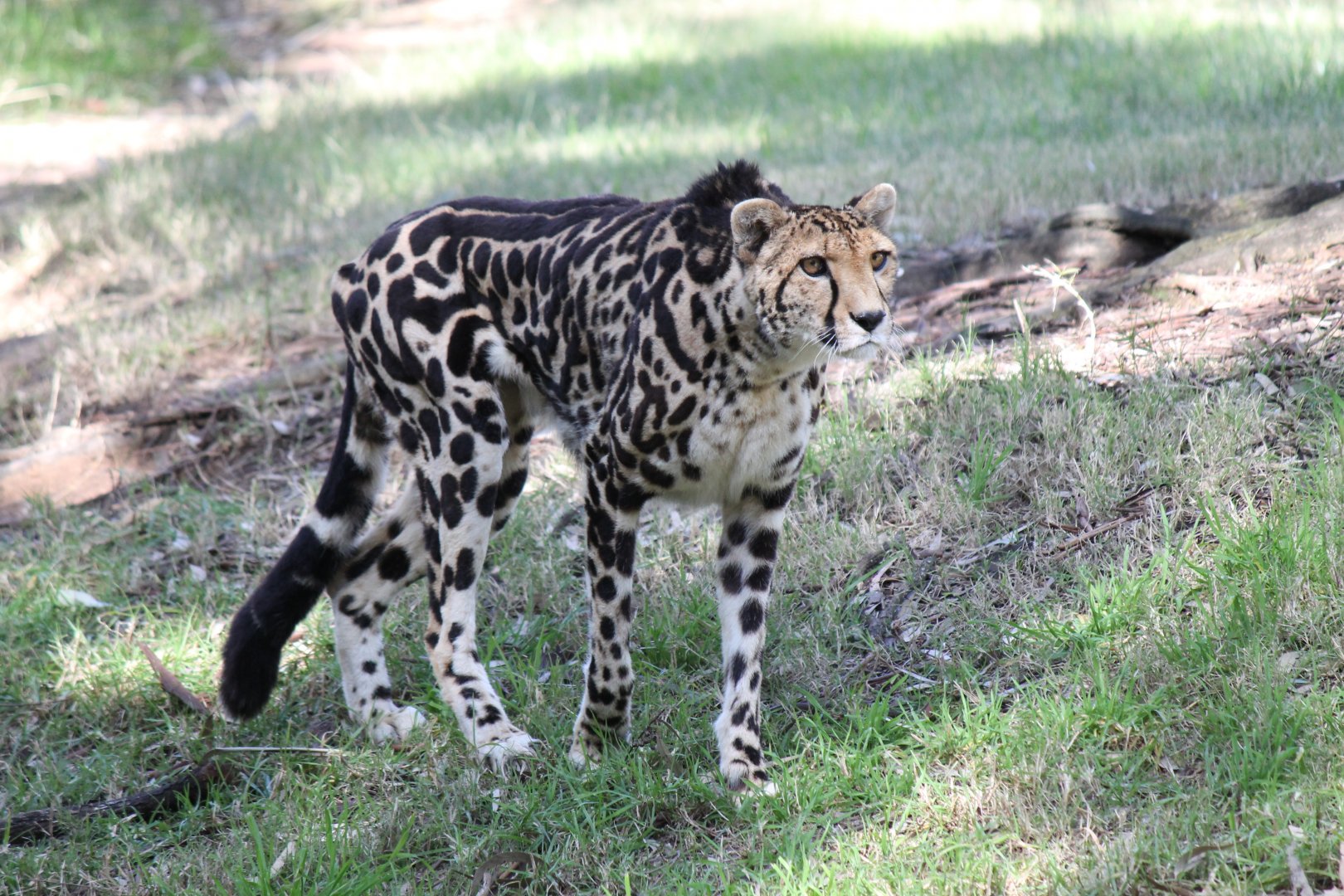
The hightlight of the day for me personally was that I FINALLY got to see a King Cheetah!!! Halla was on display and by attending the cheetah talk, I got really good views of her. She is a stunning cat!


The zebra paddock next to elephants was empty and the zebra had been moved into the paddock that formerly held the onager.

I looked for the Leopard Tortoise at The Waterhole but couldn’t see any. There is a little enclosure near the cafe which I assume held them but it was empty. I don’t know if they are gone or just indoors for the winter.

I missed Hari on my first lap, but caught up with him and Amala on my second lap at about 2:00pm, just before they were due to go off display. He is growing so fast!

The Scimitar-horned Oryx are in with the Camel and Barbary sheep. Works are being done on the paddock, there is a temporary fence dividing it to keep the animals away from some new landscaping work I think.

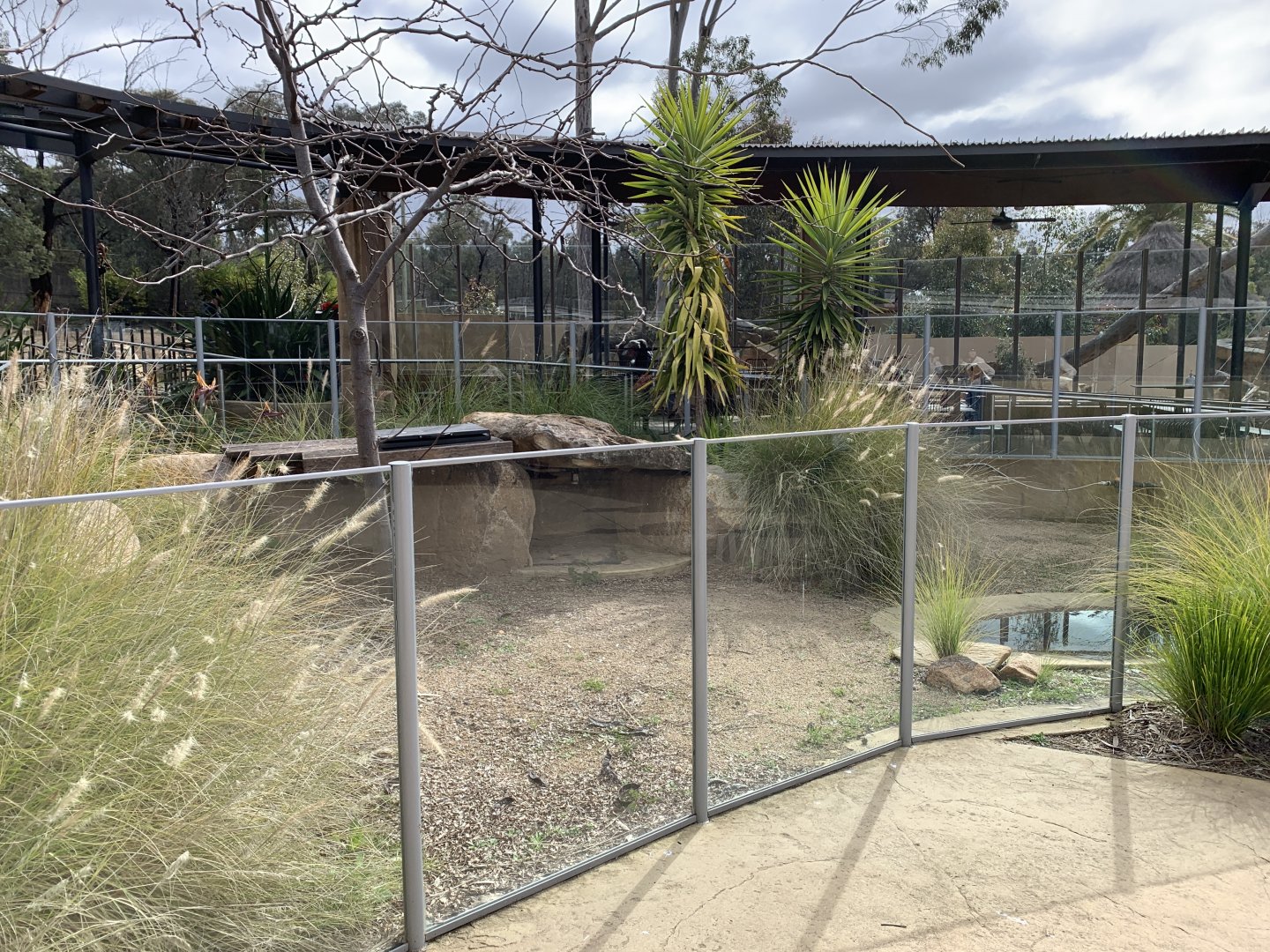
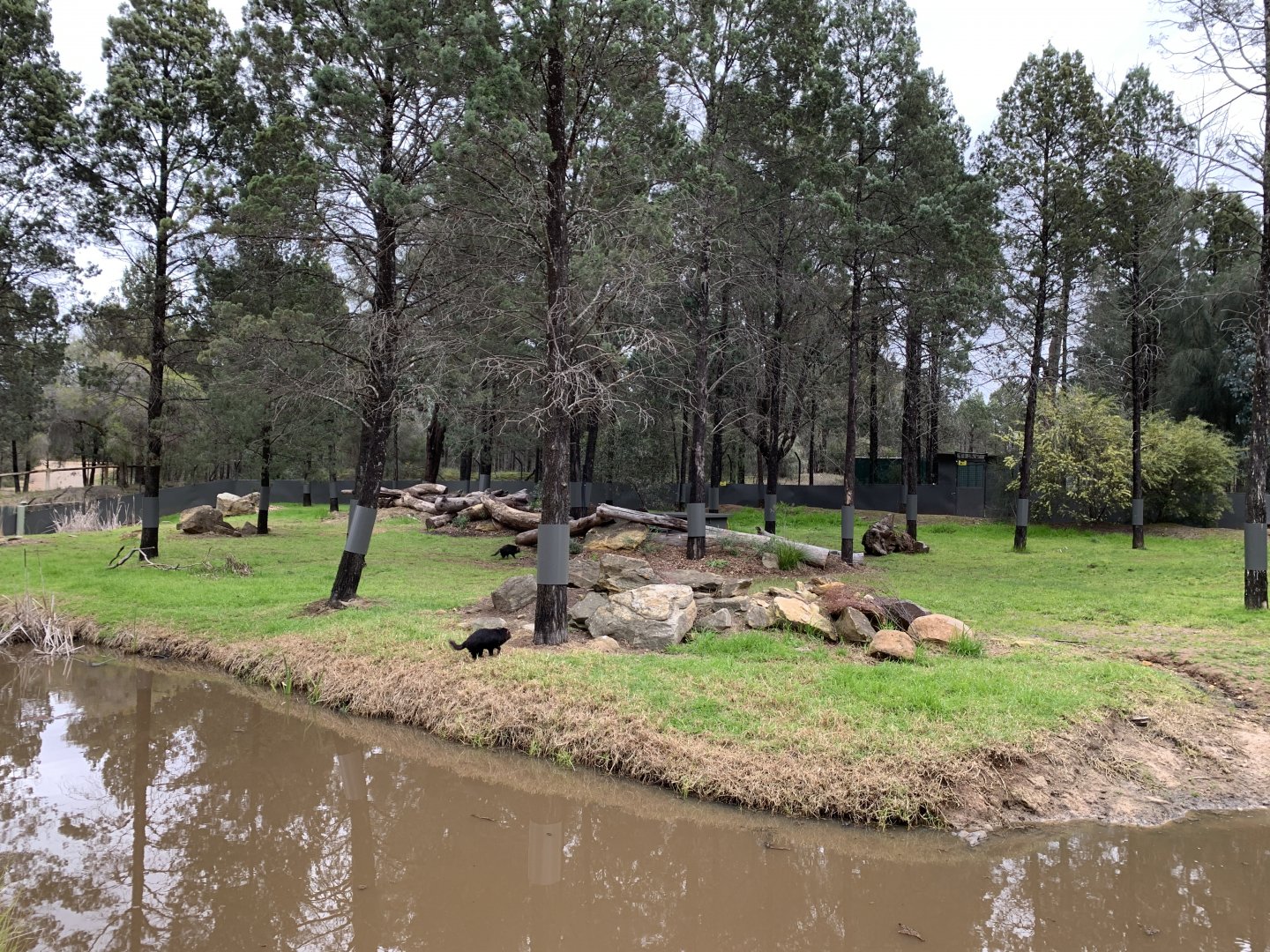
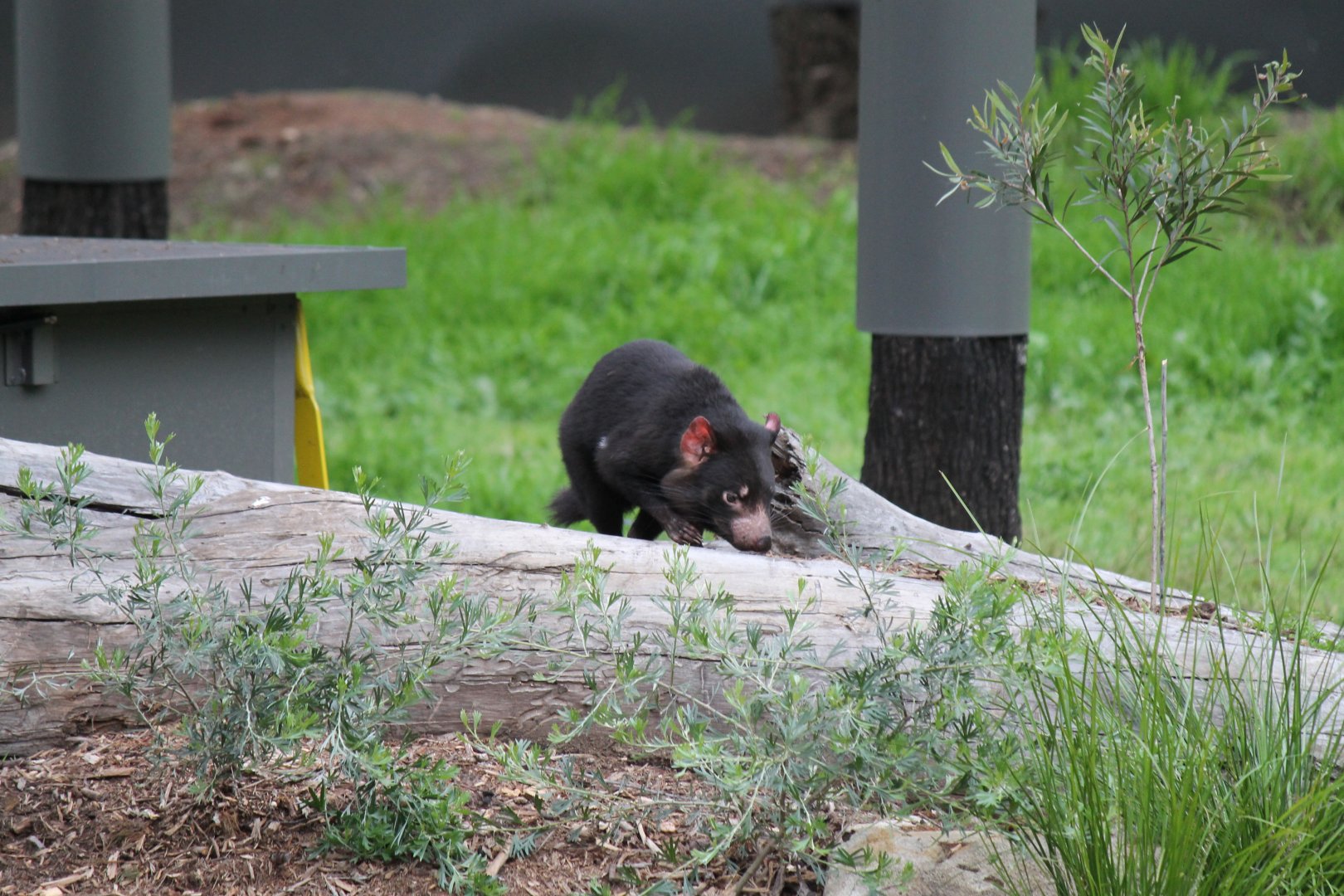
The former dingo exhibit has now been repurposed for Tasmanian Devil. I think TWPZ have done a really good job with it. It spacious, enriching and aesthetically pleasing. I saw 4 devils. This was the first time I’ve seen them at TWPZ.

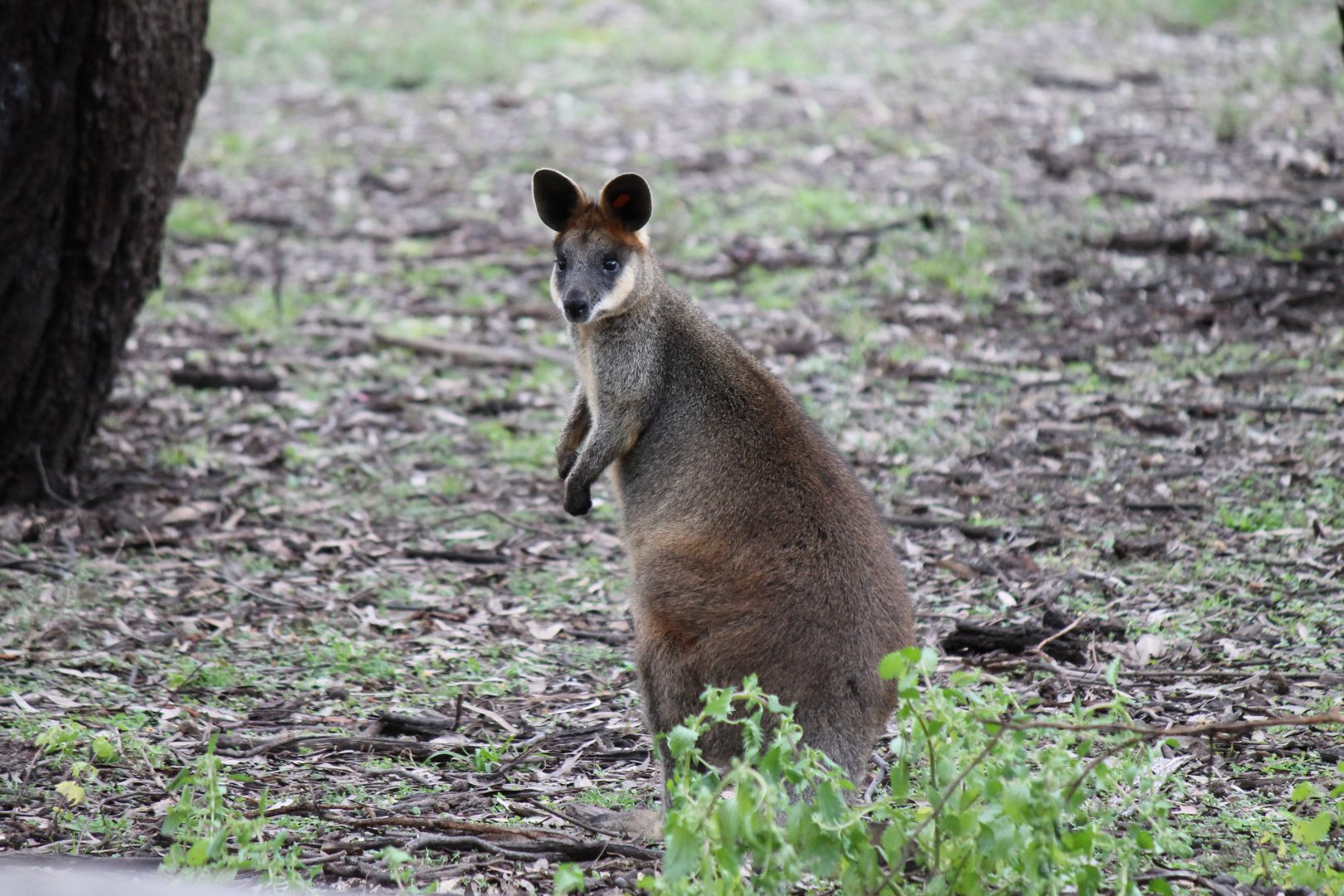
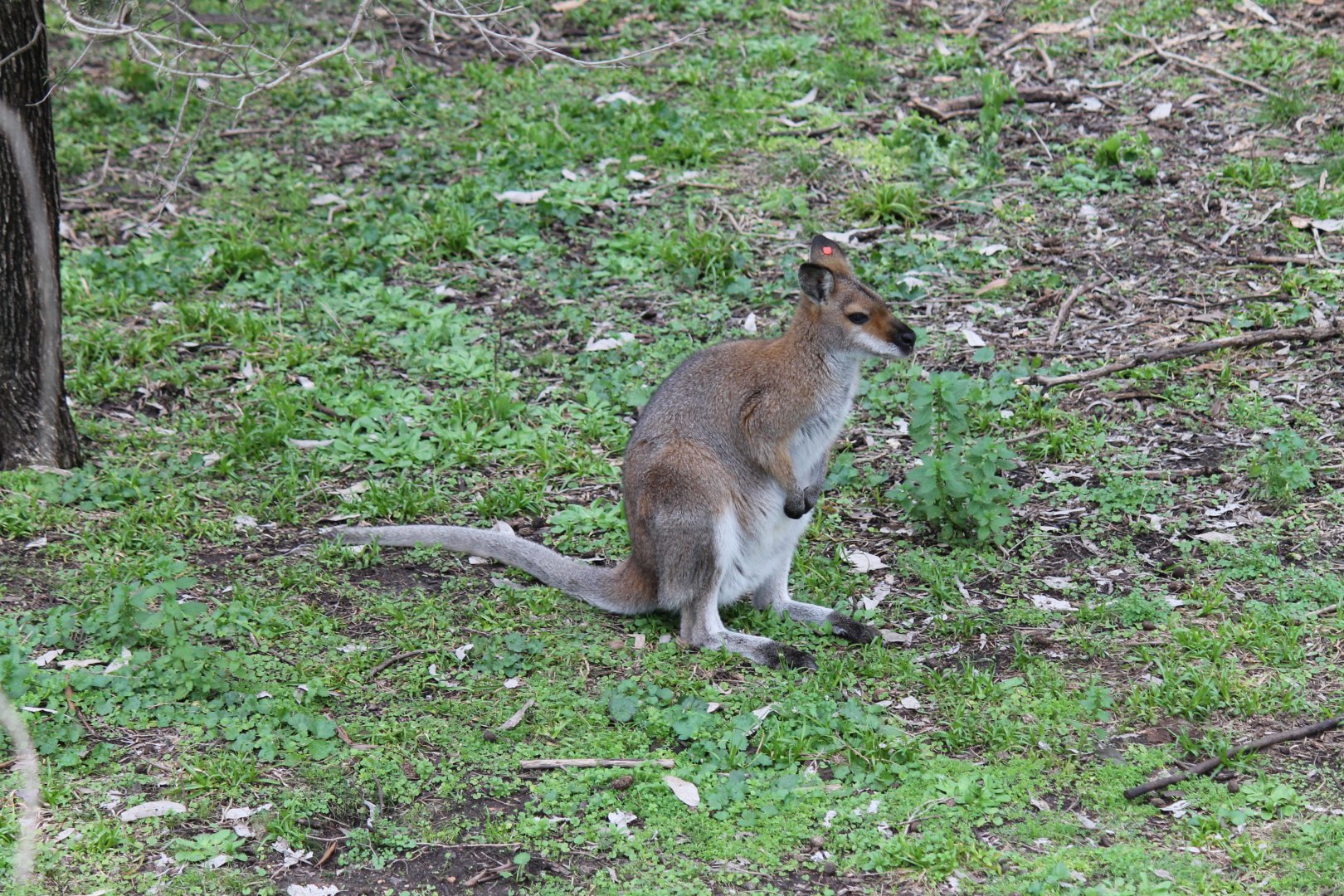
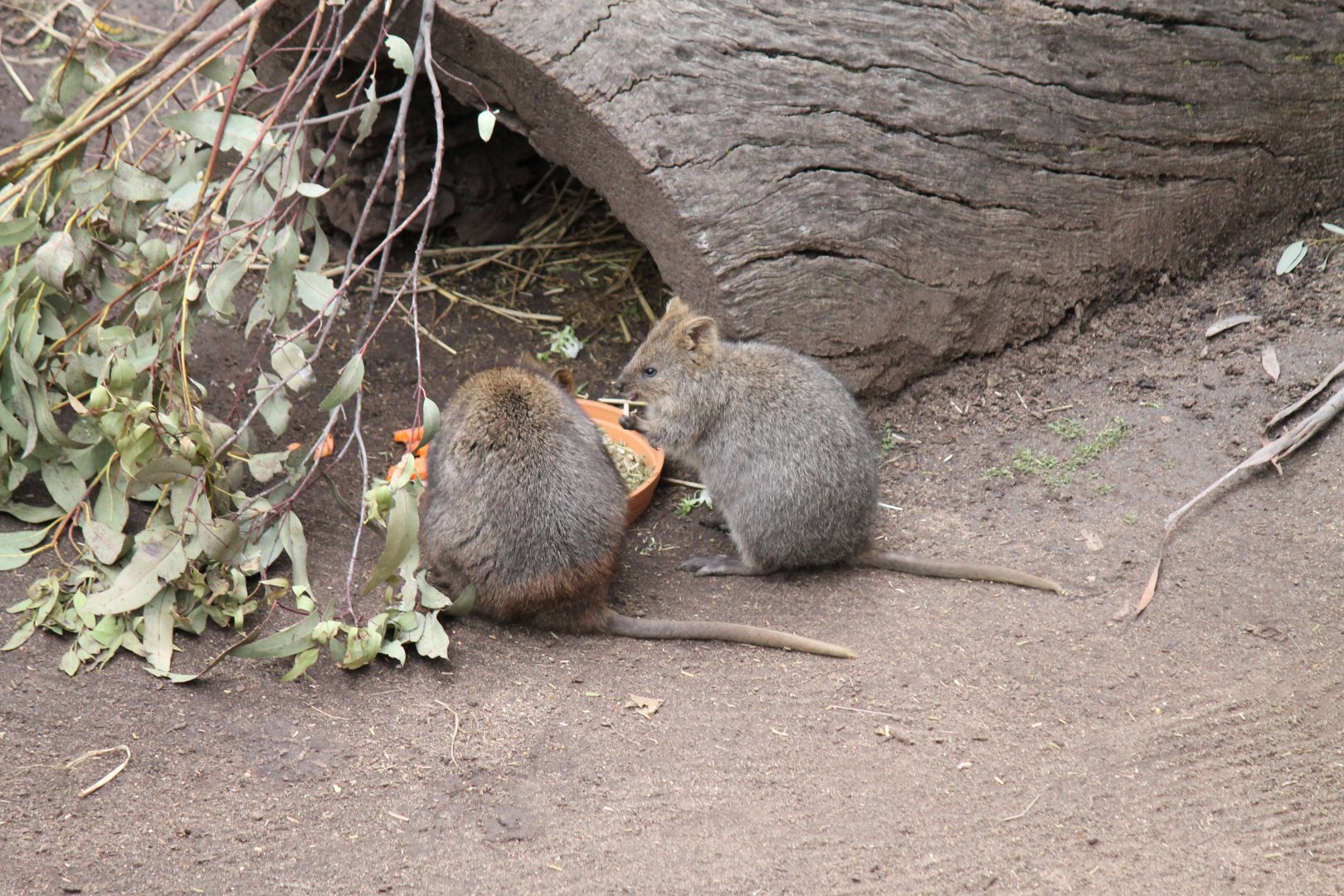
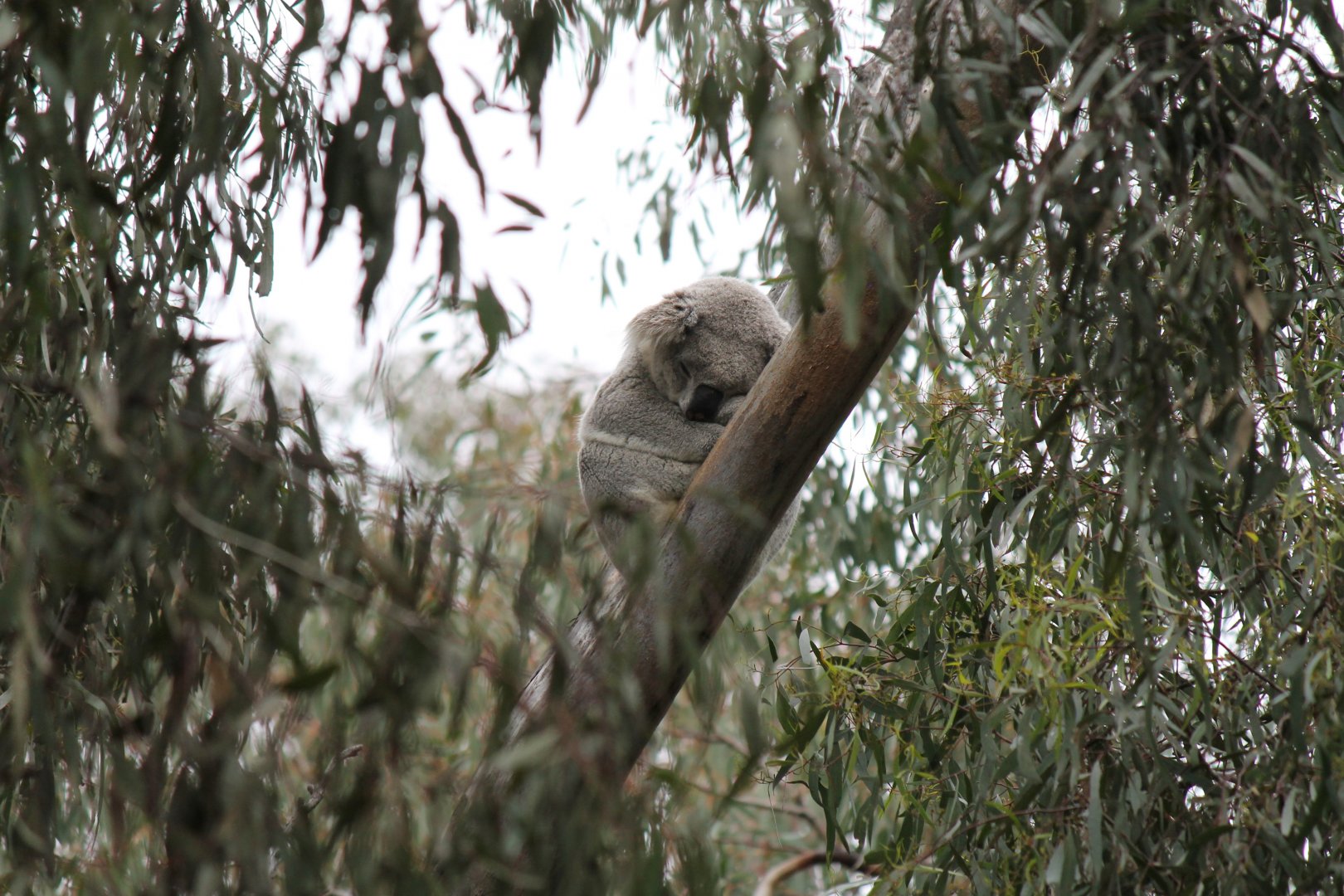
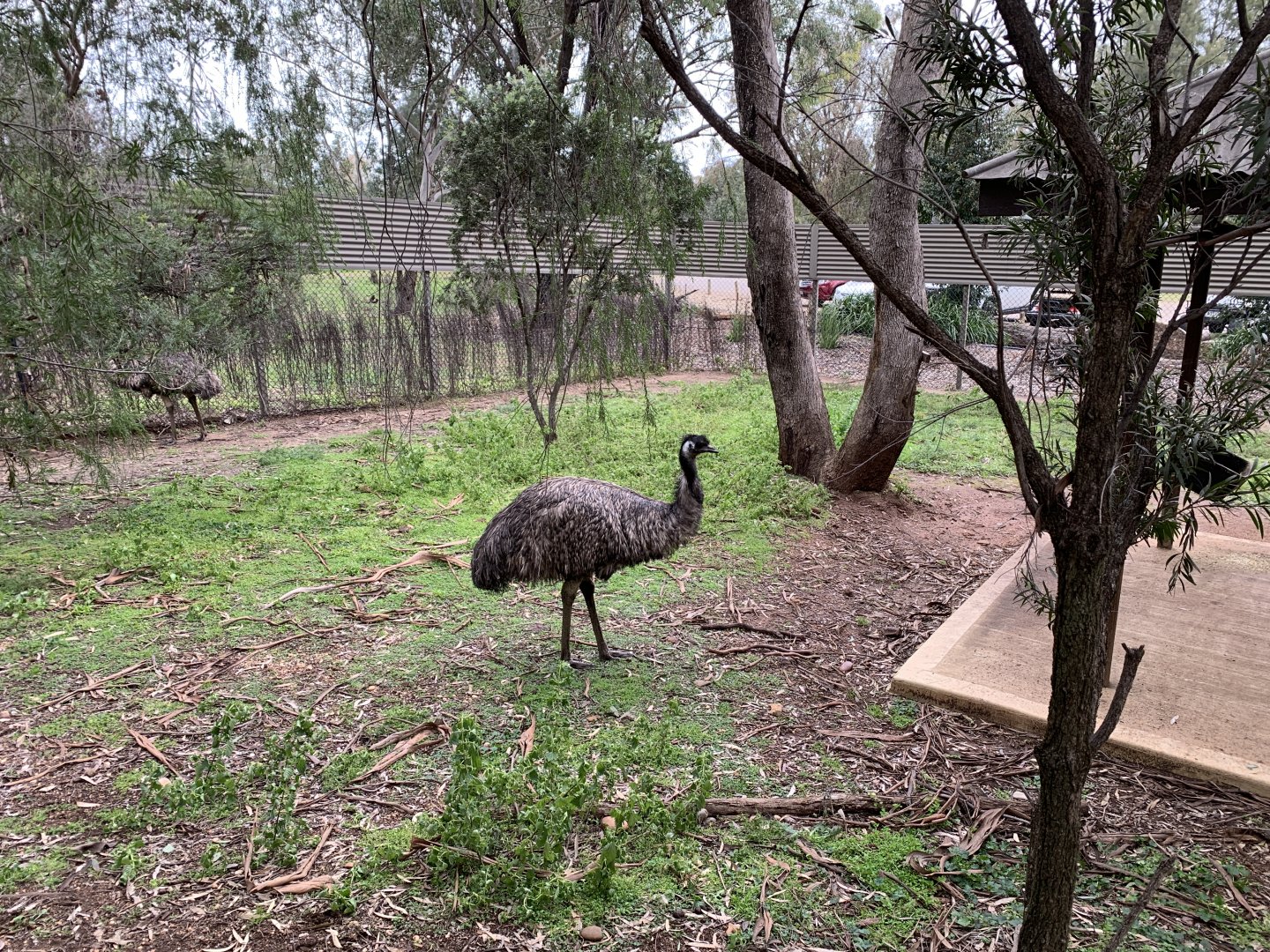
On my last few visits I’ve skipped the Australian Walkabout just to avoid Covid exposure, so today was the first time I’d checked it out in a while. I saw Emu, Swamp Wallaby, Red-necked Wallaby, Koala, Quokka and Short-beaked Echidna, which I believe are all the species held in that area of the zoo.

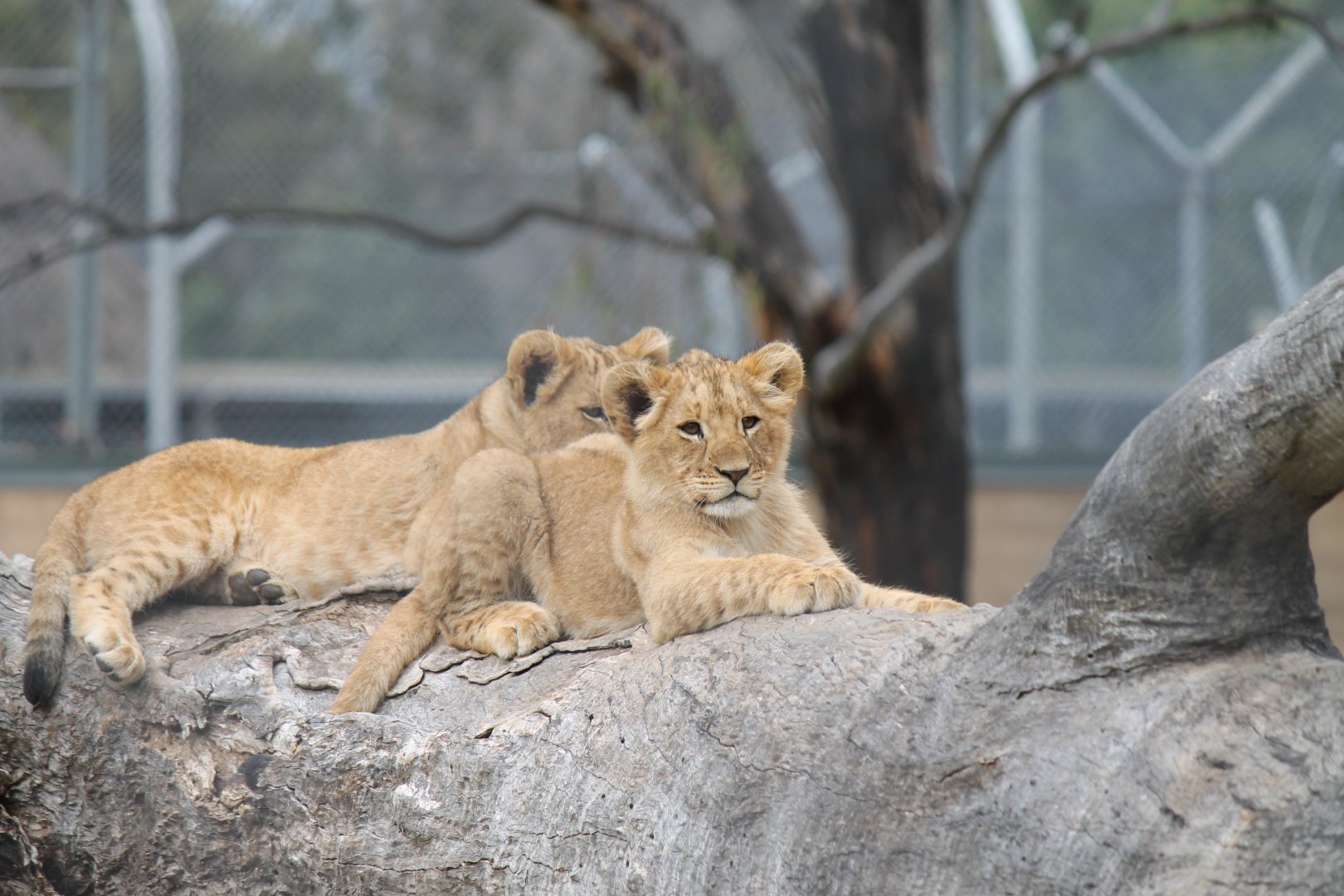
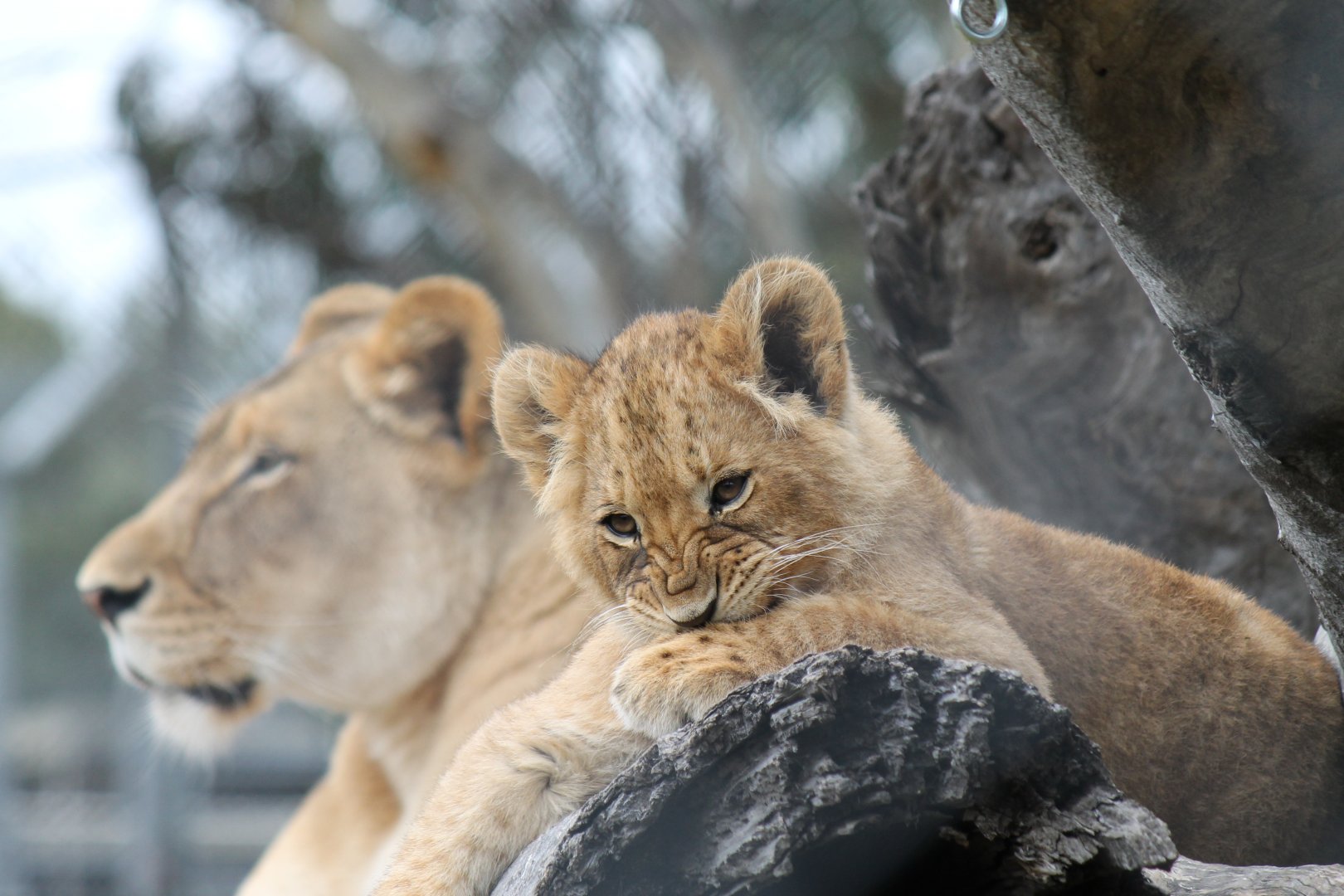
The lion cubs were on exhibit! They are in the small enclosure along with their mother and father. Evelyn was off display, and the three old girls were in the big enclosure.

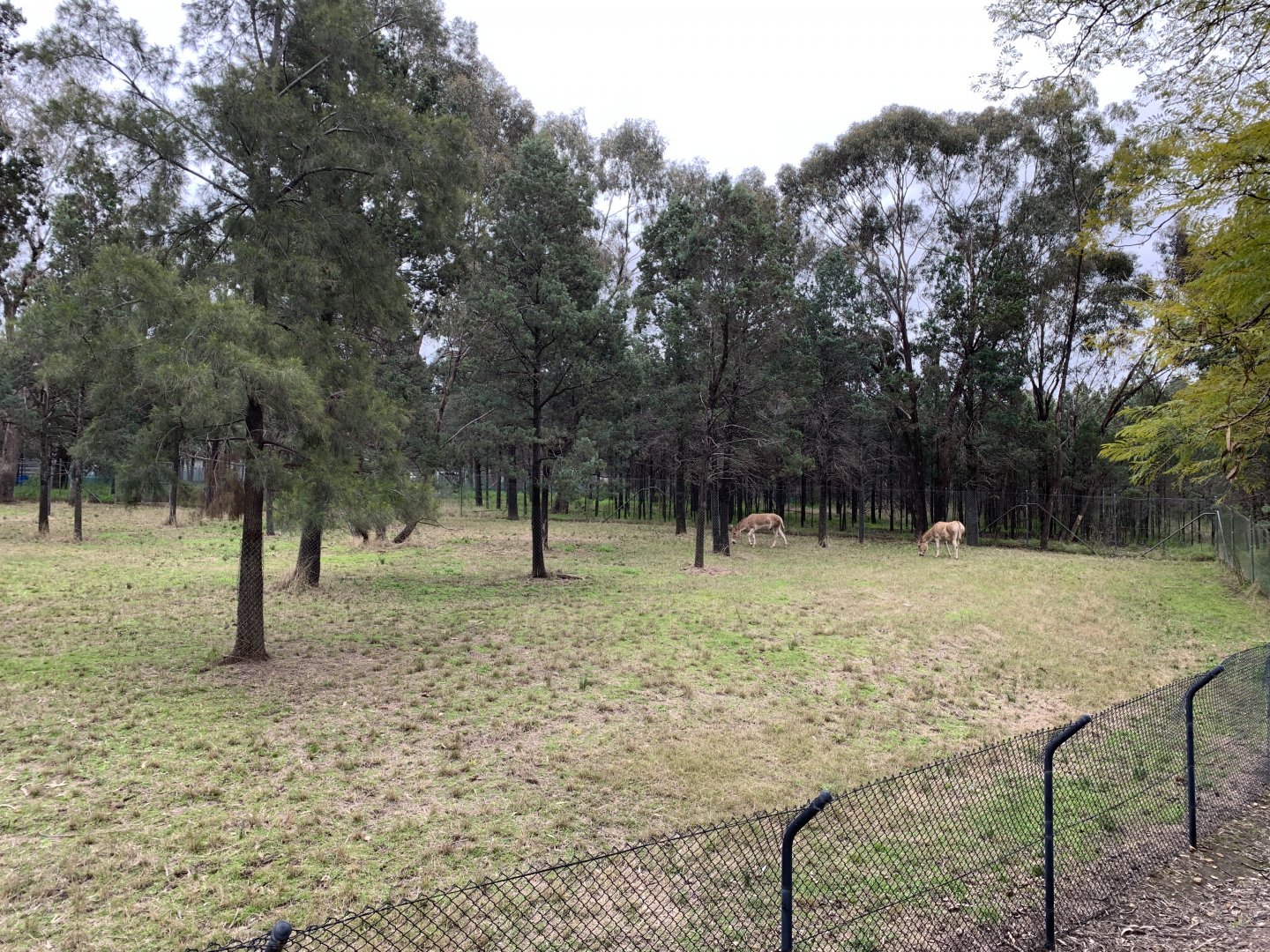
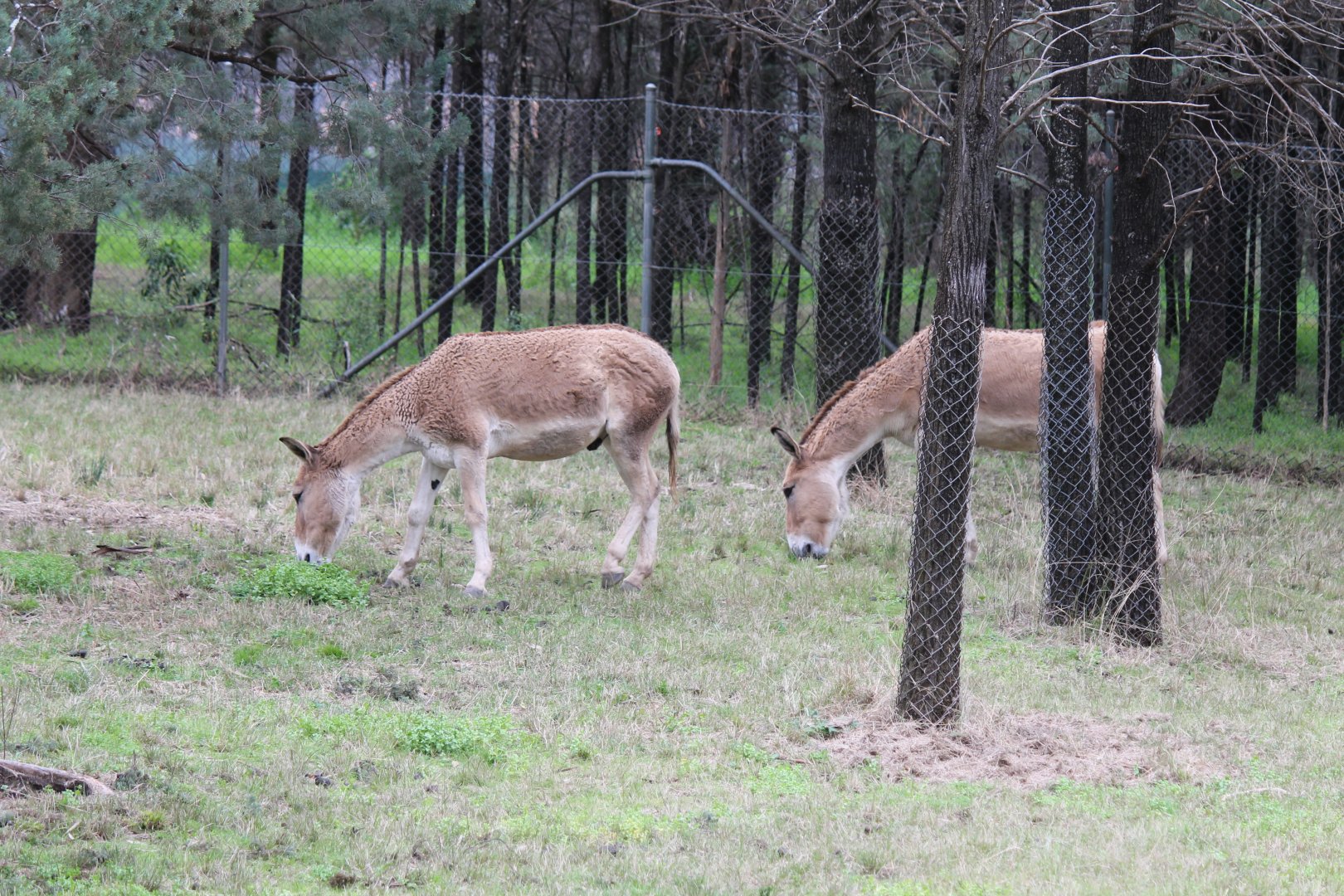
The the Persian Onager have been moved to the old wallaby paddock next to the ostrich that was empty back in December. It was an interesting examination of zoo visitor behaviour. Back in December when the onager were in a prominent position near The Waterhole, everyone stopped to admire them and were quite taken with them. Now that they are in a more secluded exhibit no one looked at them. I spent about ten minutes admiring them because I’m sure in the not-to-distant future I will visit TWPZ and they will be gone, but not one other person stopped to look at them in that whole time, they all walked straight past like they weren’t even there. They are exactly the same animals as they were before, just in a different position in the zoo, and it completely changed how people engaged with them. Fascinating.

Work on the Wildlife Hospital is progressing, it’s due to open some time this year.
 
Last edited:
Thanks for the update @akasha.

It sounds likely that the zebra have been seperated due to the new giraffe calves. Zebra stallions can be aggressive even to adult giraffe and they’re right to be cautious until the calves are a little bigger.

That’s exciting some bull rhinoceros appear to have been identified within the North American population. Like us, they’d surely have a few surplus bulls.
 
For something different I started at the start of the zoo today, mainly because I wanted to go to the rhino talk. I learned that TWPZ hope to import a bull or two from North America soon. The import should have already been underway but the process was held up by Covid.

White Rhinos i'm assuming?

The zebra paddock next to elephants was empty and the zebra had been moved into the paddock that formerly held the onager.

Presumably they'll use this area to expand their current Asian Elephant complex, especially for the cow herd.

The former dingo exhibit has now been repurposed for Tasmanian Devil. I think TWPZ have done a really good job with it. It spacious, enriching and aesthetically pleasing. I saw 4 devils. This was the first time I’ve seen them at TWPZ.

That's a real nice, large exhibit for Tasmanian Devil. Do you know what happened to their dingos?
 
White Rhinos i'm assuming?


Presumably they'll use this area to expand their current Asian Elephant complex, especially for the cow herd.


That's a real nice, large exhibit for Tasmanian Devil. Do you know what happened to their dingos?
No, black rhino.

Yes, that would make sense. It’s probably vacant to expand the elephant complex.

No idea what happened to the dingoes. Died of old age I would assume.
 
Yes, that would make sense. They're in need of new males, with all of the current males descending of two singular males (and are related to all of the females)
Sorry, I was driving around the zoo in my head as I was writing that, and just assuming everyone else knew the black rhinos were first :oops:
 
Sorry, I was driving around the zoo in my head as I was writing that, and just assuming everyone else knew the black rhinos were first :oops:

That's all good.

Thanks for the review too, and I hope you enjoyed your visit.:) It's good to always have the occasional update on Dubbo and how their collection's going.
 
That's all good.

Thanks for the review too, and I hope you enjoyed your visit.:) It's good to always have the occasional update on Dubbo and how their collection's going.
I sure did! Lots of babies, and seeing the King Cheetah was amazing after so many disappointments with missing them on previous visits. Plus I’ve gotta give a shout out to Dora, he’s a superstar! It’s always a thrill to see him :D
 
Sorry, I was driving around the zoo in my head as I was writing that, and just assuming everyone else knew the black rhinos were first :oops:

I assumed black rhinoceros as the Australian rhino project will soon provide Dubbo and Monarto with an influx of Southern white rhinoceros founders from South Africa. The first batch should arrive late next year, following a 12 month quarantine at Orana.
 
I sure did! Lots of babies, and seeing the King Cheetah was amazing after so many disappointments with missing them on previous visits. Plus I’ve gotta give a shout out to Dora, he’s a superstar! It’s always a thrill to see him :D

That's great! It's always great to visit a zoo and discover some new zoo babies!

Hopefully one day i'll be able to see a King Cheetah too; they seem to be so fascinating and beautiful. Definitely on the 'to-see' list.
 
17.08.24. I travelled to Dubbo to attend the Australian National Cavy Show. It was held at the regional theatre and had a couple of hundred guinea pigs competing. I’d never been to a guinea pig show, and I quite enjoyed seeing all the different breeds and watching the judging.

I also visited the botanic gardens for the first time, and enjoyed them, particularly the Shoyoen Japanese Garden which has koi in a large pond and offers free food to visitors to feed the fish and ducks. I recommend a visit if you find yourself in Dubbo.

Anyway, as I was in Dubbo, I couldn’t resist popping out to the zoo. As it was after 3pm, I didn’t buy a ticket, but I had always wanted to investigate the free part of the zoo a little more so that’s what I did. Usually I buy my ticket online, so I bypass the shop area and head for the main gate, but today I stopped at the main carpark and wandered over to the viewing area for the primate islands. I saw 4 Ring-tailed Lemur on their island, which is closest to the viewing platform.

full


Behind them are two islands for Black-handed Spider Monkey. I saw the troop cross from the first island to the second via cables.

full


On the distant fourth island I spotted two Black and White Ruffed Lemurs which I haven’t actually laid eyes on in my last couple of visits.

As the spider monkeys were a bit far away to see properly, I walked around the western side of the lake to get closer. There is a children’s play area that I passed, before reaching a chainlink fence that blocks access to the rest of the zoo. From here I got a better look at the monkeys, counting 15, including 4 juveniles.

full


I took my time to have a stickybeak beyond the fence into the area that used to be the Children’s Zoo. I could see that the old wombat, echidna and malleefowl exhibit structures are still there, as well as the old hoofstock walk-through. Back in the day it mostly held fallow deer, but I also recall seeing other young hand-raised individuals in there, like sambar and banteng.

full

Area that was the Children’s Zoo, and has no visitor access now. At the back on the left is a treated pine structure which was the old wombat exhibit. To the right of that you can just see the fence of the old hoofstock walk-through. To the right of the picnic area, you can just see the old Malleefowl Aviary. It was a walk-through and also held Regent Honeyeater.

I also spotted a newer structure which I’m pretty sure are the breeding aviaries for the Regent Honeyeater.

full

Area that was the Children’s Zoo, and has no visitor access now. On the left is the old Malleefowl aviary. The treated pine exhibit in the centre was for Short-beaked Echidna. I believe the structure on the right are the new aviaries for Regent Honeyeater, which are not accessible to visitors.

In this area there is a small wetland, and I saw a few wild birds, including Australasian Swamphen, Red-browed Finch, White-browed Babbler and Grey-crowned Babbler.

full


I wandered back to the main building, noting the new boat hire shed. The pedal boats are allowed access to half of the lake surrounding the primates, but unfortunately it looks like you can’t get as close to the animals as I thought you might. Still, I’ll give it a go one day for something different.

Of course being that far along, I did the ‘free safari’ by driving along Obley Road, where you can see the paddocks for the surplus stock. I spotted Arabian Camel, Przewalski’s Horse, Addax and Scimitar-horned Oryx.

Anyway, I think it’s neat that you can see a few species for free if you don’t have time to dedicate to a proper visit.
 
17.08.24. I travelled to Dubbo to attend the Australian National Cavy Show. It was held at the regional theatre and had a couple of hundred guinea pigs competing. I’d never been to a guinea pig show, and I quite enjoyed seeing all the different breeds and watching the judging.

I also visited the botanic gardens for the first time, and enjoyed them, particularly the Shoyoen Japanese Garden which has koi in a large pond and offers free food to visitors to feed the fish and ducks. I recommend a visit if you find yourself in Dubbo.

Anyway, as I was in Dubbo, I couldn’t resist popping out to the zoo. As it was after 3pm, I didn’t buy a ticket, but I had always wanted to investigate the free part of the zoo a little more so that’s what I did. Usually I buy my ticket online, so I bypass the shop area and head for the main gate, but today I stopped at the main carpark and wandered over to the viewing area for the primate islands. I saw 4 Ring-tailed Lemur on their island, which is closest to the viewing platform.

full


Behind them are two islands for Black-handed Spider Monkey. I saw the troop cross from the first island to the second via cables.

full


On the distant fourth island I spotted two Black and White Ruffed Lemurs which I haven’t actually laid eyes on in my last couple of visits.

As the spider monkeys were a bit far away to see properly, I walked around the western side of the lake to get closer. There is a children’s play area that I passed, before reaching a chainlink fence that blocks access to the rest of the zoo. From here I got a better look at the monkeys, counting 15, including 4 juveniles.

full


I took my time to have a stickybeak beyond the fence into the area that used to be the Children’s Zoo. I could see that the old wombat, echidna and malleefowl exhibit structures are still there, as well as the old hoofstock walk-through. Back in the day it mostly held fallow deer, but I also recall seeing other young hand-raised individuals in there, like sambar and banteng.

full

Area that was the Children’s Zoo, and has no visitor access now. At the back on the left is a treated pine structure which was the old wombat exhibit. To the right of that you can just see the fence of the old hoofstock walk-through. To the right of the picnic area, you can just see the old Malleefowl Aviary. It was a walk-through and also held Regent Honeyeater.

I also spotted a newer structure which I’m pretty sure are the breeding aviaries for the Regent Honeyeater.

full

Area that was the Children’s Zoo, and has no visitor access now. On the left is the old Malleefowl aviary. The treated pine exhibit in the centre was for Short-beaked Echidna. I believe the structure on the right are the new aviaries for Regent Honeyeater, which are not accessible to visitors.

In this area there is a small wetland, and I saw a few wild birds, including Australasian Swamphen, Red-browed Finch, White-browed Babbler and Grey-crowned Babbler.

full


I wandered back to the main building, noting the new boat hire shed. The pedal boats are allowed access to half of the lake surrounding the primates, but unfortunately it looks like you can’t get as close to the animals as I thought you might. Still, I’ll give it a go one day for something different.

Of course being that far along, I did the ‘free safari’ by driving along Obley Road, where you can see the paddocks for the surplus stock. I spotted Arabian Camel, Przewalski’s Horse, Addax and Scimitar-horned Oryx.

Anyway, I think it’s neat that you can see a few species for free if you don’t have time to dedicate to a proper visit.

Thanks for posting. I didn’t realise Dubbo had so many free exhibits; in addition to what you get views of driving along the road (like at Werribee Open Range Zoo and other zoos).

Those islands are incredible. What great enrichment for the spider monkeys to be able to traverse ropes from one to another. It gives them a choice of how to run their day; as well as the opportunity to function fission-fusion, which is an integral behavioural feature of many primate species.
 
07.09.2025. Somehow it has been three years since I last visited TWPZ. I bought an annual pass, and visited today. Because I have the pass, I wasn’t too worried about seeing everything, and just spent my time focusing on the animals that were close and active.

full

Eland

A few things had changed since my last visit. As usual, I’ll post them here with reference to my previous visits described above.

I didn’t see any African Hunting Dogs. I wonder why TWPZ did a big upgrade on their exhibit but haven’t committed to re-establishing a breeding pair? Seems like a bit of a waste.

The viewing area for the two small Black Rhino exhibits was closed off for upgrades. It needed doing, so I was happy to see that.

full


Zebra were back in with the Giraffe, and one juvenile giraffe was separated in the smaller paddock.

Masikio was on exhibit in the Bongo paddock on the main loop.

full


Somehow on previous visits I seem to have missed the second Ring-tailed Lemur exhibit. Has the island recently been upgraded? It was a really great exhibit, and I counted 15 lemur (though there could have been more).

full


Today I tried the Savannah Safari for the first time. It’s $10, and I booked and paid at the boarding point. The guide was very good, she gave lots of info on individual animals and how the savannah is managed, as well as the usual facts that every zoo trots out. (Though she did compare rhino horns to toenails rather than fingernails for a change.)

Currently on the savannah are:

7.0 Giraffe
3.0 Plains Zebra
7 Scimitar-horned Oryx
2.0 White Rhino
7 Eland
Blackbuck (Females and castrated males)
1.0 Ostrich
3 Helmeted Guineafowl

full


full


Plains Zebra are back in the paddock near the elephants.

Six young Asiatic Water Buffalo were on display in the paddock next to The Waterhole. Previously it held Addax.

full


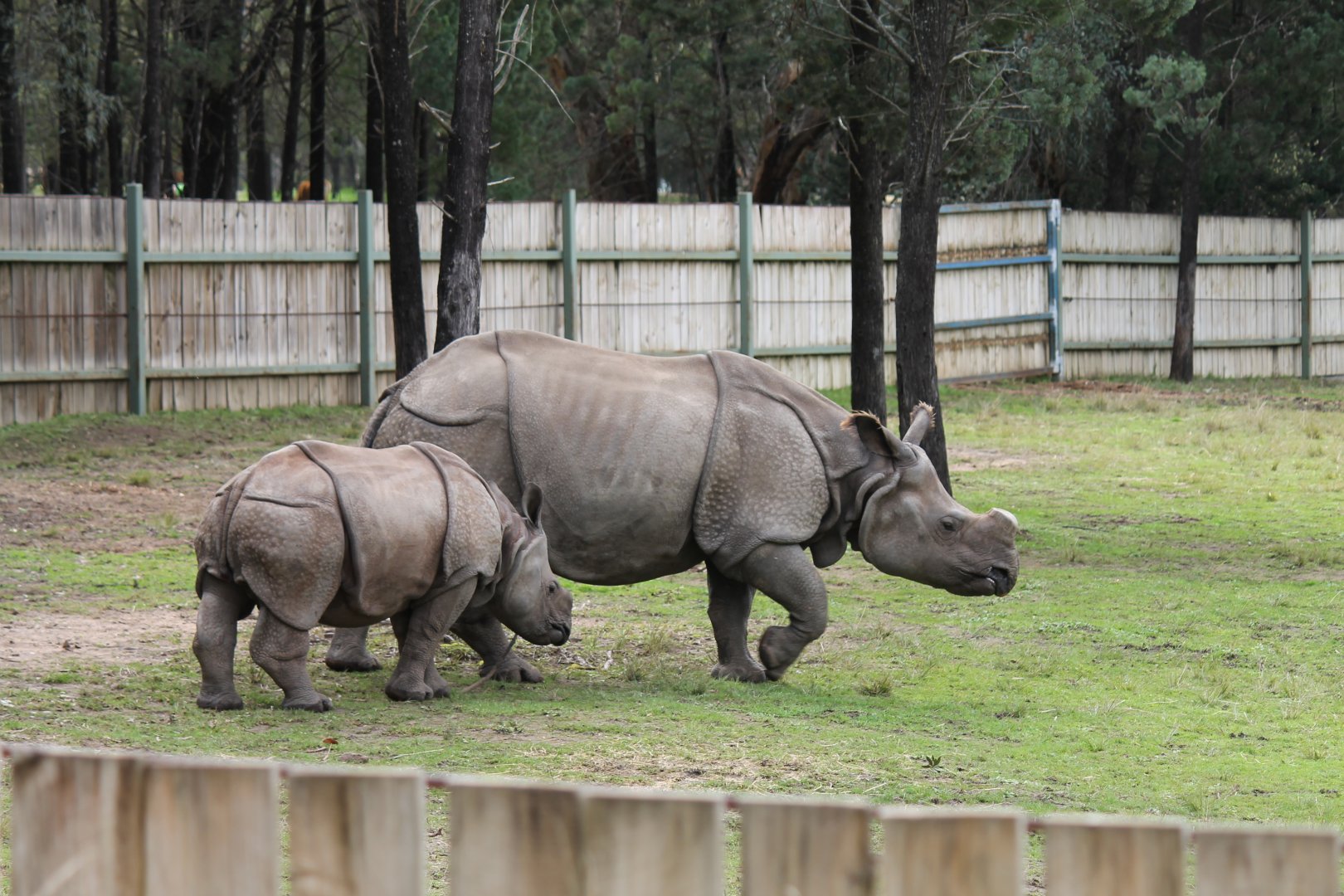
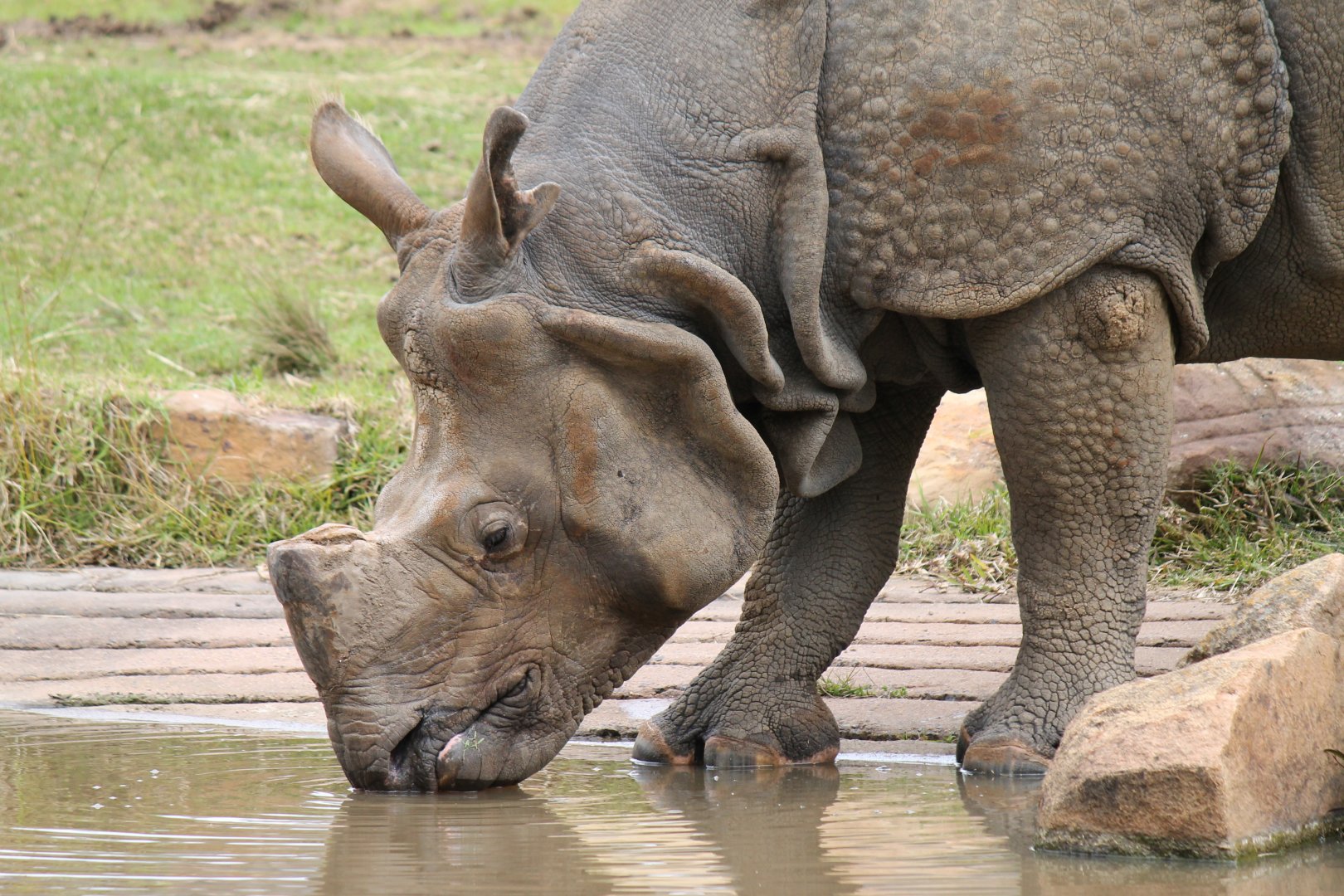
Hari was alone in the big Greater One-horned Rhino paddock.

full


The Tasmanian Devil exhibit is holding up well, and is an unexpected highlight of the entire zoo, considering all the exotics TWPZ holds. I spent quite a while watching their antics in their beautiful habitat.

The family pride of African Lion was moved into the big exhibit two weeks ago. The small exhibit is closed, with the two boys being off-exhibit. When I arrived around 2pm, Lwazi and the cubs were relaxing on top of the shelter, and the five lionesses were sleeping down the back of the exhibit. When the keeper talk began at 2:30pm, they all congregated at the front of the exhibit. Lovely to see the whole pride together and active! (I do have a bunch of photos I will post. It’s just going to take me a while to get them off my camera.)

The two Persian Onager were still there. They are starting to look old now. Don’t wait too long if you want to see them.

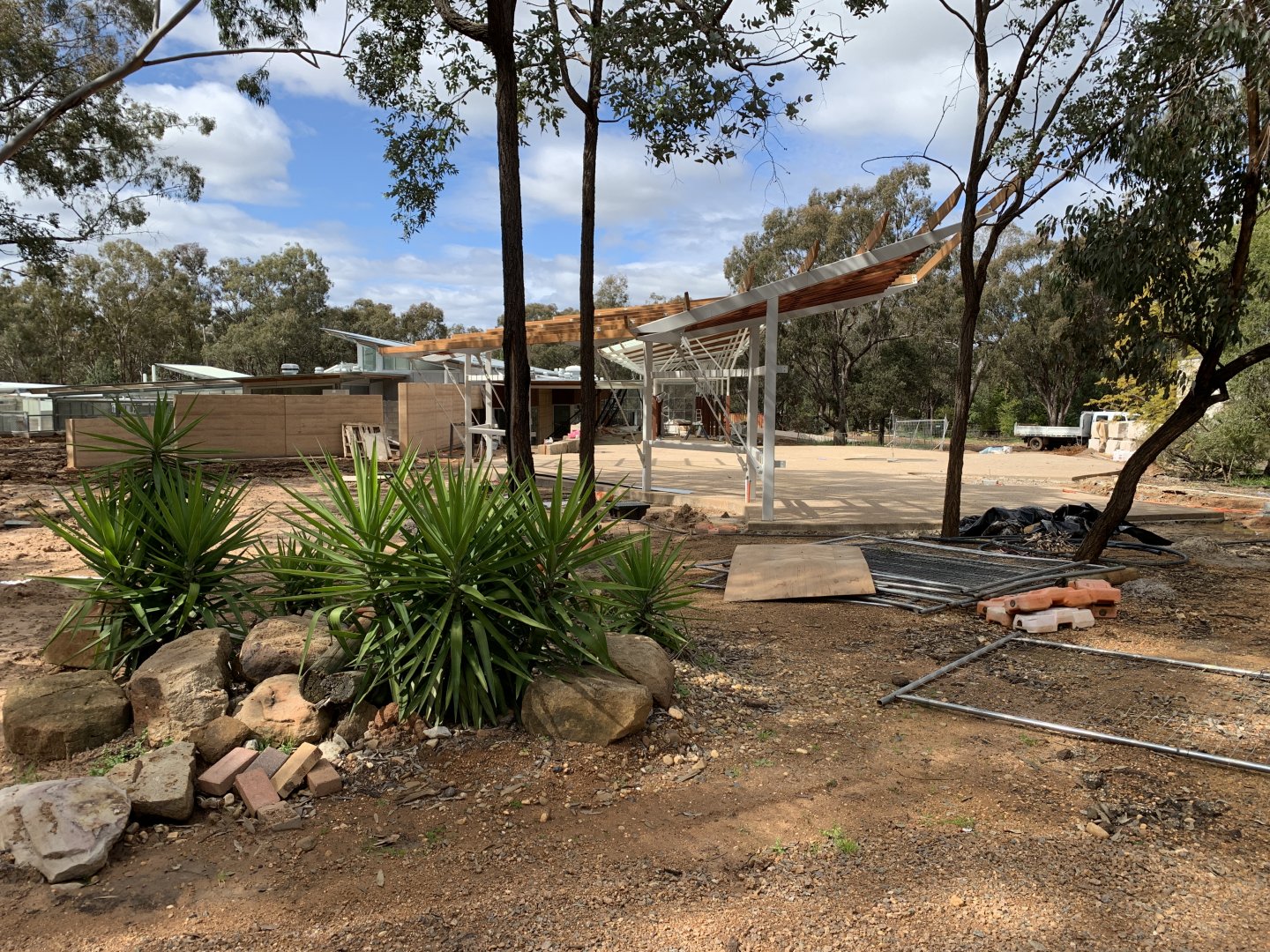
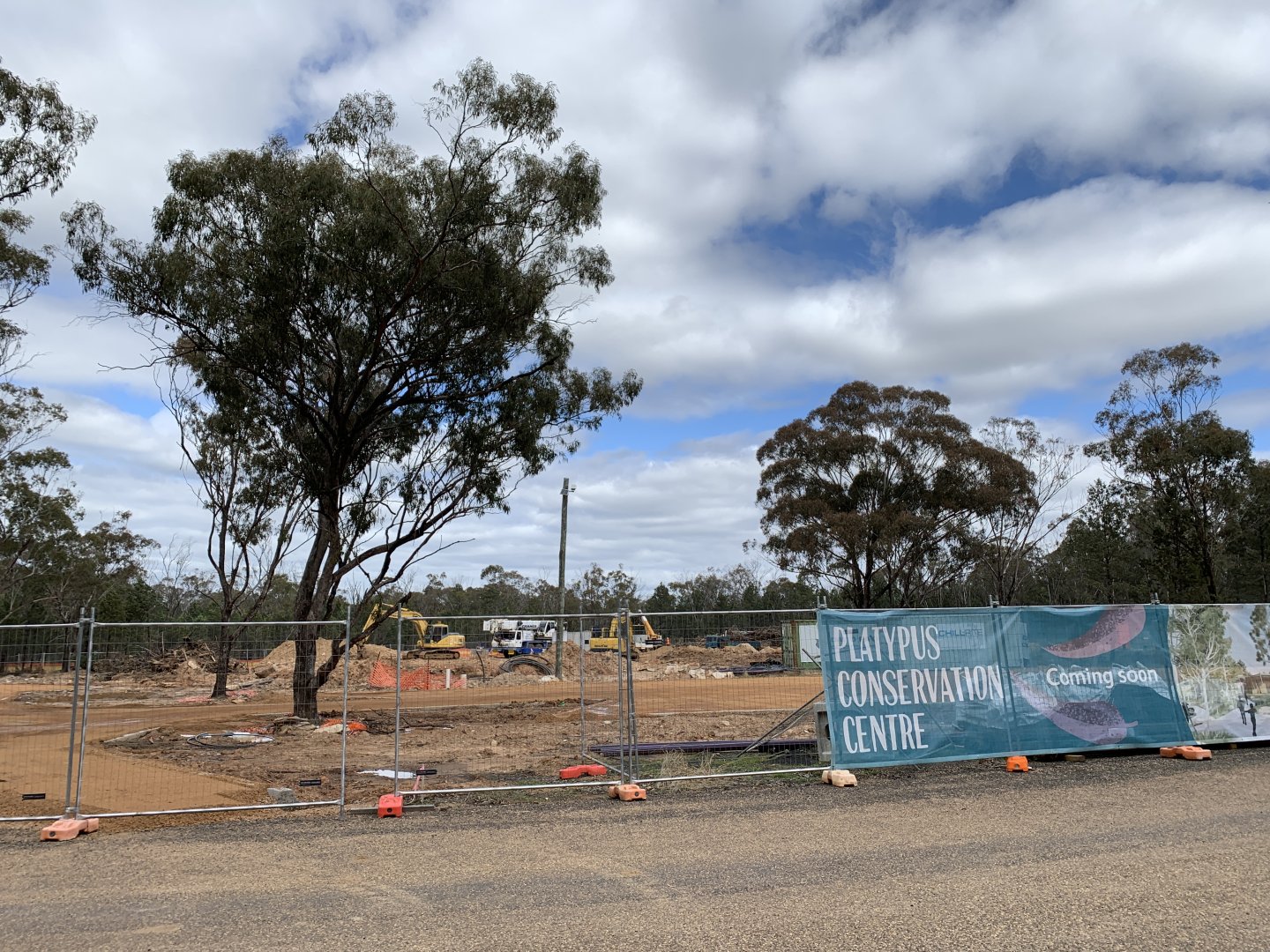
Platypus Rescue HQ was open. It has one nice exhibit for viewing. Mackenzie, a 24-year-old Taronga-bred male was in here. There were also four (2.2) more Platypus off-exhibit for breeding. Keepers are hoping for puggles by February, and TWPZ would become the third facility worldwide to successfully breed platypus. (I believe the other four platypus are named, Boots, Abraham, Patty and Selma.)

full


full


full


The conservation tanks make for an interesting spectacle. I really enjoyed the platypus house, I think it’s well thought out and visitor-friendly.

full


full


The baby Galapagos Tortoise were off-display, and I saw three adults.

To be continued…
 
Last edited:
07.09.2025. Somehow it has been three years since I last visited TWPZ. I bought an annual pass, and visited today. Because I have the pass, I wasn’t too worried about seeing everything, and just spent my time focusing on the animals that were close and active.

full

Eland

A few things had changed since my last visit. As usual, I’ll post them here with reference to my previous visits described above.

I didn’t see any African Hunting Dogs. I wonder why TWPZ did a big upgrade on their exhibit but haven’t committed to re-establishing a breeding pair? Seems like a bit of a waste.

The viewing area for the two small Black Rhino exhibits was closed off for upgrades. It needed doing, so I was happy to see that.

full


Zebra were back in with the Giraffe, and one juvenile giraffe was separated in the smaller paddock.

Masikio was on exhibit in the Bongo paddock on the main loop.

full


Somehow on previous visits I seem to have missed the second Ring-tailed Lemur exhibit. Has the island recently been upgraded? It was a really great exhibit, and I counted 15 lemur (though there could have been more).

full


Today I tried the Savannah Safari for the first time. It’s $10, and I booked and paid at the boarding point. The guide was very good, she gave lots of info on individual animals and how the savannah is managed, as well as the usual facts that every zoo trots out. (Though she did compare rhino horns to toenails rather than fingernails for a change.)

Currently on the savannah are:

7.0 Giraffe
3.0 Plains Zebra
7 Scimitar-horned Oryx
2.0 White Rhino
7 Eland
Blackbuck (Females and castrated males)
1.0 Ostrich
3 Helmeted Guineafowl

full


full


Plains Zebra are back in the paddock near the elephants.

Six young Asiatic Water Buffalo were on display in the paddock next to The Waterhole. Previously it held Addax.

full


Hari was alone in the big Greater One-horned Rhino paddock.

full


The Tasmanian Devil exhibit is holding up well, and is an unexpected highlight of the entire zoo, considering all the exotics TWPZ holds. I spent quite a while watching their antics in their beautiful habitat.

The family pride of African Lion was moved into the big exhibit two weeks ago. The small exhibit is closed, with the two boys being off-exhibit. When I arrived around 2pm, Lwazi and the cubs were relaxing on top of the shelter, and the five lionesses were sleeping down the back of the exhibit. When the keeper talk began at 2:30pm, they all congregated at the front of the exhibit. Lovely to see the whole pride together and active! (I do have a bunch of photos I will post. It’s just going to take me a while to get them off my camera.)

The two Persian Onager were still there. They are starting to look old now. Don’t wait too long if you want to see them.

Platypus Rescue HQ was open. It has one nice exhibit for viewing. Mackenzie, a 24-year-old Taronga-bred male was in here. There were also four (2.2) more Platypus off-exhibit for breeding. Keepers are hoping for puggles by February, and TWPZ would become the third facility worldwide to successfully breed platypus. (I believe the other four are named, Boots, Abraham, Patty and Selma.)

full


full


full


The conservation tanks make for an interesting spectacle. I really enjoyed the platypus house, I think it’s well thought out and visitor-friendly.

full


full


The baby Galapagos Tortoise were off-display, and I saw three adults.

To be continued…

Thanks for the update.

I’m glad you got a good view of the family pride of lions. Seeing a pride with offspring from three litters is an incredible experience due to the variance in interactions between multiple adults. They’ll surely be making maximum use of their large exhibit.

It intrigues me to hear the two young male lions are off display. I’m wondering if the exhibit was cub-proofed for their juvenile siblings; and now adolescents are housed in it, they want to add features that will challenge/excite them. This could be the intention if the last litter was their parents third and final litter and cubs won’t be inhabiting said exhibit again for many years.

It also wouldn’t surprise me if a couple of young lionesses have been brought in to join the males in a non-breeding pride. Fall outs between lionesses aren’t uncommon as females enter adolescence/young adulthood and a facility like Monarto may have needed to move some of their lionesses on.

Last I heard, Dubbo had 0.4 African wild dog:

0.1 Masego (17/11/2015) Guban x Kimanda (Dubbo)
0.1 Mambo (25/08/2016) Guban x Kimanda (Dubbo)
0.1 Spot (25/08/2016) Guban x Kimanda (Dubbo)
0.1 Bayana (25/08/2016) Guban x Kimanda (Dubbo)

Since they’re a pack animal and if one was off display/out of sight, it wouldn’t be unsurprising if the others were too. The captive lifespan is 8-12 years, so it wouldn’t be surprising if some of them have passed.

My assumption is Dubbo will start a new pack once these post-reproductive females have passed. The region desperately needs new founders and currently has a single viable pair (at Altina).
 
The wildlife hospital is open. It has viewing windows into eight rooms; Nutrition, Operating Theatre, Treatment Room, Wildlife Consultation, Research & Clinical Lab, CryoDiversity Bank, Conservation Science and Reproductive Science. While I was watching, some members of the public brought in an injured Barn Owl. I watched for a while as the vet assessed and began treating it. I admit I was skeptical when TWPZ announced this project, but I think it adds an interesting element to the zoo and is quite engaging.

full


full


full

Wildlife Hospital - Nutrition

full

Wildlife Hospital - Operating Theatre

full

Wildlife Hospital - Treatment Room

full

Wildlife Hospital - Wildlife Consultation

full

Wildlife Hospital - Research & Clinical Lab

full

Wildlife Hospital - CryoDiversity Bank

full

Wildlife Hospital - Conservation Science

full

Wildlife Hospital - Reproductive Science

Attached to the hospital is a walk-in aviary for Regent Honeyeater. I’m so glad they are back on display after a long absence from exhibition at TWPZ. The aviary isn’t huge, but I really liked it. The viewing platform is mid-level, allowing visitors to look up, down and at eye-level for birds. I saw five of the six signed species, Regent Honeyeater, Malleefowl, Eastern Whipbird, Zebra Finch and Scaly-breasted Lorikeet. (I missed Little Lorikeet.) The Regents were very active and vocal, making a terrific display species. They often landed within a metre of me to feed.

full


full


full

Scaly-breasted Lorikeet

full

Regent Honeyeater

Near the Wildlife Hospital are two enclosures for Platypus Pre-release.

full


full


As usual, I did a second lap, but started it at 3:45pm, later than I normally would. By this time many of the animals were back in their night quarters. Having skipped the Asian Forest exhibits on the first lap, by this time only Dora was still on display, so I missed the bongo, tigers, otters, and the new siamang.

full

Dora

The White-handed Gibbon island is closed for upgrades. Are the gibbons still at the zoo?

full


Around this area, at the back of the hippo paddock, the fences and paths had been tidied up. It might not seem like a big deal, but this area was always a little manky, and it’s good to see every part of the zoo having attention paid to, to elevate the visitor experience.

full


I have to mention the wild Apostlebirds at TWPZ. This zoo would have to be the best place in Australia to see this species. I reckon I saw over 50 of them on this visit, at very close range. At one point I witnessed an all in brawl between two groups, which was quite a noisy and chaotic spectacle. All over the zoo, so many visitors stop to watch them, they are hard to miss with their constant vocalisations. The grounds of TWPZ are wildlife rich, but I think these guys are the stars of the show, and very underrated.

full

Apostlebirds

One of the main reasons I visited today was to see the new Platypus House and Wildlife Hospital. I was very impressed with both. There were also lots of little areas/things that are being improved, and it feels like someone at the zoo ‘gets it’ again. TWPZ feels like it’s in a stage of rejuvenation (of course big things are coming with the savannah and accommodation expansions), which is encouraging to see. I look forward to all the improvements to come, big and small, over the next few years.
 
Last edited:
Great review!
Six young Asiatic Water Buffalo were on display in the paddock next to The Waterhole. Previously it held Addax.
It's interesting Dubbo have elected to acquire more of this species, with the older trio soon heading to Taronga. Still a great addition, and they would make nice use of that exhibit.
Keepers are hoping for puggles by February, and TWPZ would become the third facility worldwide to successfully breed platypus. (I believe the other four platypus are named, Boots, Abraham, Patty and Selma.)
Dubbo would the fourth in fact - Healesville, Warrawong and Taronga have all previously bred Platypus.
The White-handed Gibbon island is closed for upgrades. Are the gibbons still at the zoo?
They should still be. The island has been under renovation for over two years now, following the move of the White Handed Gibbons to the Saimang island following the deaths of the previous pair. It appears they've been moved off display following Kasarna's arrival earlier in the year. Not sure whether it's temporary or a permenant move (they are an older pair).
 
Back
Top