Chlidonias presents: Bustralia

Adelaide Zoo


Adelaide Zoo is the last of the four “main” zoos in Australia I have visited (the others being Melbourne, Taronga, and Perth), although it has been so long since I’ve been to the others that any comparisons would be pretty groundless. I’ve only been to Taronga and Perth once each (in 2010 and 2011 respectively) and Melbourne several times (initially in 1993) but not for years now. However I feel like Adelaide might be my favourite of the four.

It is a small zoo and very attractive with all the gardens. It opened in 1883 and you can see several old houses and enclosures dotted about, restructured for more modern sentiments. This does mean there are quite a few enclosures which are really quite small, and not everything is very successfully transitioned – the Ring-tailed Lemurs in repurposed bear grottos with horrendous mock-rock comes to mind – but overall it is a very pleasant zoo. In several places there are mesh tunnels (Red Panda, tamarins, colobus) to extend cage space.


full

Red Panda enclosure in two parts – the giant fig tree in the foreground and the trees in the far back (where a panda can be seen sleeping in a tree top), joined by mesh tunnels.


There are some really nice mammal enclosures otherwise, some of which are new and some older. The Dusky Langur/Malayan Tapir enclosure with its enormous fig tree is famous of course, and the deck here also overlooks the gibbon islands. The Giant Panda enclosures were eye-catching – very rocky, almost a Japanese Garden look, and not at all how most panda enclosures are constructed.


full

Gibbon islands as viewed from the mentioned walkway deck


full

Giant Panda


Birds are where Adelaide really shines. There are aviaries scattered everywhere around the zoo, all of which are well-planted and (mostly) well-signed. They seem to move birds around a lot though, judging by past reviews and species lists, and the signage doesn’t always follow. There are several fairly big walk-through aviaries, including an Australian Rainforest one, an Australian Wetlands one, and an Asian one – the last one had many fewer species signed and / or seen than other people have seen there.


full

Australian Rainforest aviary, with a Superb Lyrebird walking through.


full

Australian Wetlands aviary


full

Aviary for Gouldian Finches and other birds.


full

Walk-in aviary being prepared for Orange-bellied Parrots.


full

Australian Pelicans, an enclosure shared with Cape Barren Goose.


Smaller animals aren’t neglected here either, with a great Reptile House and a house called the Envirodome for invertebrates as well as a couple of species of frogs, some additional reptiles, and a few fish. The masterplan, displayed on a signboard by the giraffes, has an Aquarium on it – currently the only fish at the zoo are Archerfish and a tropical community tank in the Envirodome.

I have put a full species list for the zoo here: Adelaide Zoo species list, September 2025 [Adelaide Zoo]


full

Adelaide Zoo masterplan


full

Envirodome tanks


full

Envirodome tanks


full

Reptile House tank (this one for a Gila Monster).


full

Pigmy Bluetongue Skink – the best animal at the zoo
 
Last edited:
Belair National Park


With my Metrocard in hand, bought the previous day after I’d been to the zoo and museum, I headed early in the morning to Belair National Park. I didn’t want to leave it too late so I skipped the free breakfast at the hostel (which doesn’t start until 7.30am) and bought some food instead at a convenience store on the way to the train station.

Belair is a large area of eucalyptus woodland east of Adelaide (much larger than I had thought when looking at the map of it beforehand!). It is very easy to reach – just take the Belair train which has its terminus station (called Belair) at the top corner of the park, with the ride from the central railway station being about 45 minutes. You get off the train and can literally walk directly into the park from the platform!

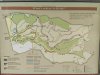
I spent the whole day there, about seven hours in total, just wandering around the trails without much care where exactly I was going. There are map signboards scattered around the park but none of them have a “you are here” marker and when I did try to follow any of the trails using the map (when heading back to the station) I would end up somewhere not where I thought.

The weather wasn’t great – it was raining on and off throughout the day – although it was mostly “off”, and because it was overcast the temperature was to my liking (i.e. not hot). This may have affected the birds though because I had a hard time finding them.

I saw lots of birds, I will say, but of only a few species. The most common birds here by far are Adelaide and Eastern Rosellas, Rainbow Lorikeets, Galahs, and Greater Sulphur-crested Cockatoos. They were everywhere. I also saw a pair of Musk Lorikeets in a nest hole, and by one of the rest areas a Long-billed Corella, making seven parrot species in one day. In most countries this would be astounding, but in Australia it’s just Friday.

full

Adelaide Rosellas


Other larger birds which were seen frequently were Australian Magpies, Grey Currawongs, Red Wattlebirds, and a few Common Kookaburras. The lake bumped up the numbers a bit, with various common ducks and other waterbirds.

full

Grey Currawong


I don’t know if this is a real thing, or just something I’ve made up, but I wonder if having lots of very obvious birds around, like all the parrots, reduces your ability to locate the smaller quieter birds not only because the abundant birds are distracting but also perhaps your brain has reset for “those” birds.

I think it was a couple of hours before I saw anything below the size of a Noisy Miner, and that was a little flock of Buff-rumped Thornbills which were a lifer so that was great. The problem with the little birds (when you finally see them!) is that they tend to be flitting through the tops of the trees, and because eucalyptus have an open scraggly sort of canopy you’re basically trying to identify tiny birds backlit against the sky, waiting until they either come down lower against the trunk or branches, or down into the bushes. This is especially the case when the birds are something like thornbills which are all so similar if not seen well.

Things picked up a bit after this though, with Striated Pardalote, Striated Thornbill, Grey Fantail, Superb Fairy-Wren, White-browed Scrubwren, Silvereye, and a selection of honeyeaters (New Holland, Crescent, and Yellow-faced) being seen.


I was kind of disappointed with the day’s results to be honest – it really didn’t seem like I was seeing much – but it ended up being 37 species when I counted them up (plus Feral Pigeon and House Sparrow in the city taking the day’s total to 39). However I had a look at the recent checklists on eBird for the park, and most lists are under 30 species – most are well under 30 – so I guess it wasn’t that bad after all. I think the impression of not seeing many species was because 95% of the individual birds were the parrots.


It wasn’t all birds. There were a couple of mammals I expected to see here and I found them easily. First were the Western Grey Kangaroos, which were quite common, and mostly seen through the trees either individually or in pairs or trios.

full


full


The second mammal was Koala. Even where these are common they aren’t necessarily easy to find, but I saw at least ten of them here. The sparse canopy obviously helped!

full


I then had an unexpected third mammal. While standing overlooking a creek valley, a Fallow Deer walked out of the trees on the opposite side, saw me, and immediately turned around and walked quickly back into the trees. It then stopped and watched me from inside the thicket. If I hadn’t seen it going in I wouldn’t have even known it was there.


Belair bird list: Little Black Cormorant, Australian Wood Duck, Mallard, Australian Black Duck, Grey Teal, White-eyed Duck, Common Coot, Dusky Moorhen, Spur-winged Plover, Spotted Dove, Crested Pigeon, Common Bronzewing Pigeon, Galah, Greater Sulphur-crested Cockatoo, Long-billed Corella, Rainbow Lorikeet, Musk Lorikeet, Adelaide Rosella, Eastern Rosella, Common Kookaburra, European Blackbird, Striated Pardalote, Buff-rumped Thornbill, Striated Thornbill, Grey Fantail, Superb Fairy-Wren, White-browed Scrubwren, Silvereye, Magpie-Lark, Red Wattlebird, Noisy Miner, New Holland Honeyeater, Crescent Honeyeater, Yellow-faced Honeyeater, Australian Magpie, Grey Currawong, Little Raven
 
Map of Belair National Park. The Belair train station is at the top left corner.

IMG20250912115157.jpg


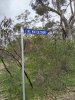
Even in the national parks there are signs letting Australians know how far it is to the next alcohol!

IMG20250912135426.jpg
 

Attachments

  • IMG20250912115157.jpg
    IMG20250912115157.jpg
    138.7 KB · Views: 65
  • IMG20250912135426.jpg
    IMG20250912135426.jpg
    205 KB · Views: 65
Some of the day’s parrots:


full

Eastern Rosellas


full

Adelaide Rosellas


full

Galah


full

Long-billed Corella
I must agree, especially after seeing photos of them- it seems like there are far too many of these colorful parrots around, it sounds like it'd be much better if they were each replaced with 2-3 species of little brown jobs :p

Jokes aside, it must be quite nice having such utterly spectacular birds as the 'common' ones down there.
 
Monarto Safari Park


Monarto Safari Park is the “open-range” counterpart to Adelaide Zoo, in the same way that Werribee is to Melbourne Zoo, Whipsnade is to London Zoo, and San Diego Wild Animal Park is to San Diego Zoo. I didn’t actually intend to go to Monarto – safari parks and open-range zoos don’t interest me that much, with common zoo animals but just in bigger fields than a standard zoo enclosure. It is known as a very good birding location but the entry is AU$54 and then there’s the cost of the bus out there.

However, when I was at Adelaide Zoo I bought a year-membership because it gives free entry not just to Adelaide and Monarto, but also to Taronga and Dubbo in Sydney, to Melbourne, Healesville, Werribee and Kyabram in Victoria, and also to Perth Zoo. The membership cost AU$169, and each of the zoos costs around $50-odd entry individually (Australian zoos are not at all cheap to visit!). Because I’m travelling around all those places (except Perth) it will save me quite a bit of money. And it meant that I could now go look for birds at Monarto for “free”!


Monarto is easy to get to without a car, but if including the entry fee it is very expensive. During the week there is a direct bus out there from the city which is $24.20 each way (it is a LinkSA bus, so not covered by the Adelaide Metrocard). During the weekend you need to take a city-bus to the suburb of Mt Barker ($4.55 with the Metrocard), and then the LinkSA bus the rest of the way ($15.20). There is only one bus a day there and back. The LinkSA website said the weekend bus is $15.20 but when I paid in cash it was only $14.60 so I think the higher price is that Australian surcharge thing I mentioned earlier in the thread. The ticket still said $15.20 on it. The weekend bus gets to Monarto at 10am and comes back the other way at 4.30pm, so you have an entire day there.

I was expecting the bus to have a lot of passengers, given that it was a Saturday, but there was just one couple. I guess it isn’t well-used, so don’t be surprised if it gets canned in the future!


The safari park can be seen almost entirely by the shuttle bus which runs around a loop road through all the paddocks. It takes just over an hour to do one loop, and otherwise the only exhibits you need to see on foot are at one section by stop 2 (Meerkats, South African Crested Porcupines, Yellow-footed Rock Wallabies, Chimpanzees, and a Mallee-themed aviary), and then the Tasmanian Devils at one of the later stops.

I did the whole loop first so saw almost all the animals, and then once back at the visitor centre I walked to stop 2 to see those enclosures but mainly for birding.


Honestly I wouldn’t be happy paying $54 to visit Monarto (and even less so if including the bus fares from the city which would make it about $100 in total). It’s not good value for money as a zoo visit, in my opinion. Full species list as below (in order of the bus route):

Addax, Barbary Sheep, Scimitar-horned Oryx, [on foot: Meerkat, South African Crested Porcupine, Yellow-footed Rock Wallaby, Chimpanzee, Tawny Frogmouth], Red Deer, Przewalski’s Horse, American Bison, Black Rhinoceros, Plains Zebra, Asian Elephant, [on foot: Tasmanian Devil], Nyala, Giraffe, Ostrich, Eland, White Rhinoceros, Cheetah, Spotted Hyaena, African Wild Dog, African Lion.

I saw all the animals which are visible on the bus route, but on the walking areas didn’t see the porcupines (asleep somewhere), rock wallabies (hiding), chimps (didn’t go to their enclosure), or devils (didn’t get off the bus at that point).

The mallee-themed aviary was odd. I don’t know why it is situated so far away from the other enclosures at stop 2. The way it is depicted on the map – a picture of frogmouths inside a large loop trail - it looks like it is going to be a big walk-through aviary but when you get there it is a single smallish aviary and the only birds in it are a pair of frogmouths. The signage on the aviary implies there should also be Bush Stone-Curlew, Regent Parrot, Common Bronzewing, Peaceful Dove and Malleefowl (one of the map-boards around the park even had a Malleefowl as the picture for the aviary) but none of them are in there currently.


The tour-guide doing the commentary on the bus had a few questionable remarks, including that Scimitar-horned Oryx “were declared extinct in the wild last year” and that the reason they have Red Deer at the park was “because they are found on every continent except Antarctica”. They also have the claim that they are the second-largest safari park in the world, “with only South Africa being larger”, which is a weird statement and I’m not sure of how they are measuring that or what sort of facilities they are encompassing in it.


Nevertheless, I was really here for the wild birds and so I had a good time there. It was a totally clear day as well, all blue sky, no rain unlike the other days in Adelaide so far, and warm without being too hot.

I had already seen one of my “wanted” Monarto birds while on the shuttle bus – the mighty Emu, now the largest bird I have seen in the wild. They are very common on the zoo grounds. I don’t think it would be possible to miss them if visiting.

full


However I’d have thought the same about the kangaroos! There are three species living wild at Monarto: the Western Grey Kangaroo, the Red Kangaroo, and the Euro. Yes, you read that last one correctly. Australia’s currency is called the dollaroo, probably, so it is only fitting that they have also done the opposite and named a kangaroo after a unit of currency.

I’ve seen Western Greys and Euros before, but not Reds so that was the one I mainly wanted to see. There were a few Western Greys seen from the bus, but the lady doing the commentary seemed nonplussed that there weren’t any around otherwise – usually the kangaroos are everywhere she said.

Luckily, when walking around later, I did see a bare handful of Red Kangaroos (pictured below), but no Euros were seen all day.

full


The habitat at Monarto is a mix of bare grass paddocks where the animals are kept, and mallee scrub where the walking trails are. The scrub mostly looks the same to me, but it must have different plant compositions because some spots would have lots of birds flitting about and others would have nothing.

The area just near the visitor centre was productive with three honeyeaters right off the bat (Brown-headed, Singing, and Spiny-cheeked) and an Elegant Parrot amongst others.

full

Singing Honeyeater, not currently singing.


Then there was a long stretch of nothing much before hitting the next birdy section of scrub where there was a male Red-capped Robin, noisy parties of White-browed Babblers, Grey Shrike-Thrushes, a male Redrump sharing a branch with Galahs, and a couple of (identifiable) species of thornbills – the Yellow-rumped Thornbill is distinctive in being larger than other thornbills and in foraging mainly on the ground, while the Yellow Thornbill is yellow. I also found out that Yellow Thornbills have orange throats, something which is maybe not obvious from field guides but very obvious on live birds (when they are seen well enough). It confused me at first, until I googled photos of them.

full

Red-capped Robin


Probably my favourite bird at Monarto was the White-winged Chough. These are large black birds – the white in the wings is only seen when they fly – which look like what might result if you crossed a crow with a chicken. They walk everywhere, roaming about the scrub in small groups of five or six birds, digging in the ground with their long curved bills as they go. They don’t like to fly, so when you approach they strut quickly away like nervous chickens.

I had only seen them for the first time last year in Sydney, and then again from the bus a few days ago between Melbourne and Adelaide (so now I’ve seen them in three States), but this was the first time I’d been able to watch them for long periods. Very cool birds.

full

White-winged Chough, demonstrating a sample from the Ministry of Silly Walks.


There were 29 bird species seen today at Monarto, plus an extra four seen on the way there from the bus (Feral Pigeon, Long-billed Corella, House Sparrow, Common Starling):

Emu, Australian Wood Duck, Spur-winged Plover, Australian White Ibis, Pied Stilt, Whistling Kite, Black Kite, Crested Pigeon, Galah, Australian Ringneck, Redrump, Elegant Parrot, Welcome Swallow, Willy Wagtail, Yellow-rumped Thornbill, Yellow Thornbill, Red-capped Robin, Hooded Robin, White-browed Babbler, Grey Shrike-thrush, Magpie-Lark, Brown-headed Honeyeater, Singing Honeyeater, Spiny-cheeked Honeyeater, Red Wattlebird, White-winged Chough, Australian Magpie, Grey Currawong, Little Raven


Four of the birds were lifers for me: Emu, Hooded Robin, Yellow Thornbill and Spiny-cheeked Honeyeater.


full

Australian Ringnecks, seen frequently at Monarto.
 
Monarto Safari Park


Monarto Safari Park is the “open-range” counterpart to Adelaide Zoo, in the same way that Werribee is to Melbourne Zoo, Whipsnade is to London Zoo, and San Diego Wild Animal Park is to San Diego Zoo. I didn’t actually intend to go to Monarto – safari parks and open-range zoos don’t interest me that much, with common zoo animals but just in bigger fields than a standard zoo enclosure. It is known as a very good birding location but the entry is AU$54 and then there’s the cost of the bus out there.

However, when I was at Adelaide Zoo I bought a year-membership because it gives free entry not just to Adelaide and Monarto, but also to Taronga and Dubbo in Sydney, to Melbourne, Healesville, Werribee and Kyabram in Victoria, and also to Perth Zoo. The membership cost AU$169, and each of the zoos costs around $50-odd entry individually (Australian zoos are not at all cheap to visit!). Because I’m travelling around all those places (except Perth) it will save me quite a bit of money. And it meant that I could now go look for birds at Monarto for “free”!


Monarto is easy to get to without a car, but if including the entry fee it is very expensive. During the week there is a direct bus out there from the city which is $24.20 each way (it is a LinkSA bus, so not covered by the Adelaide Metrocard). During the weekend you need to take a city-bus to the suburb of Mt Barker ($4.55 with the Metrocard), and then the LinkSA bus the rest of the way ($15.20). There is only one bus a day there and back. The LinkSA website said the weekend bus is $15.20 but when I paid in cash it was only $14.60 so I think the higher price is that Australian surcharge thing I mentioned earlier in the thread. The ticket still said $15.20 on it. The weekend bus gets to Monarto at 10am and comes back the other way at 4.30pm, so you have an entire day there.

I was expecting the bus to have a lot of passengers, given that it was a Saturday, but there was just one couple. I guess it isn’t well-used, so don’t be surprised if it gets canned in the future!


The safari park can be seen almost entirely by the shuttle bus which runs around a loop road through all the paddocks. It takes just over an hour to do one loop, and otherwise the only exhibits you need to see on foot are at one section by stop 2 (Meerkats, South African Crested Porcupines, Yellow-footed Rock Wallabies, Chimpanzees, and a Mallee-themed aviary), and then the Tasmanian Devils at one of the later stops.

I did the whole loop first so saw almost all the animals, and then once back at the visitor centre I walked to stop 2 to see those enclosures but mainly for birding.


Honestly I wouldn’t be happy paying $54 to visit Monarto (and even less so if including the bus fares from the city which would make it about $100 in total). It’s not good value for money as a zoo visit, in my opinion. Full species list as below (in order of the bus route):

Addax, Barbary Sheep, Scimitar-horned Oryx, [on foot: Meerkat, South African Crested Porcupine, Yellow-footed Rock Wallaby, Chimpanzee, Tawny Frogmouth], Red Deer, Przewalski’s Horse, American Bison, Black Rhinoceros, Plains Zebra, Asian Elephant, [on foot: Tasmanian Devil], Nyala, Giraffe, Ostrich, Eland, White Rhinoceros, Cheetah, Spotted Hyaena, African Wild Dog, African Lion.

I saw all the animals which are visible on the bus route, but on the walking areas didn’t see the porcupines (asleep somewhere), rock wallabies (hiding), chimps (didn’t go to their enclosure), or devils (didn’t get off the bus at that point).

The mallee-themed aviary was odd. I don’t know why it is situated so far away from the other enclosures at stop 2. The way it is depicted on the map – a picture of frogmouths inside a large loop trail - it looks like it is going to be a big walk-through aviary but when you get there it is a single smallish aviary and the only birds in it are a pair of frogmouths. The signage on the aviary implies there should also be Bush Stone-Curlew, Regent Parrot, Common Bronzewing, Peaceful Dove and Malleefowl (one of the map-boards around the park even had a Malleefowl as the picture for the aviary) but none of them are in there currently.


The tour-guide doing the commentary on the bus had a few questionable remarks, including that Scimitar-horned Oryx “were declared extinct in the wild last year” and that the reason they have Red Deer at the park was “because they are found on every continent except Antarctica”. They also have the claim that they are the second-largest safari park in the world, “with only South Africa being larger”, which is a weird statement and I’m not sure of how they are measuring that or what sort of facilities they are encompassing in it.


Nevertheless, I was really here for the wild birds and so I had a good time there. It was a totally clear day as well, all blue sky, no rain unlike the other days in Adelaide so far, and warm without being too hot.

I had already seen one of my “wanted” Monarto birds while on the shuttle bus – the mighty Emu, now the largest bird I have seen in the wild. They are very common on the zoo grounds. I don’t think it would be possible to miss them if visiting.

full


However I’d have thought the same about the kangaroos! There are three species living wild at Monarto: the Western Grey Kangaroo, the Red Kangaroo, and the Euro. Yes, you read that last one correctly. Australia’s currency is called the dollaroo, probably, so it is only fitting that they have also done the opposite and named a kangaroo after a unit of currency.

I’ve seen Western Greys and Euros before, but not Reds so that was the one I mainly wanted to see. There were a few Western Greys seen from the bus, but the lady doing the commentary seemed nonplussed that there weren’t any around otherwise – usually the kangaroos are everywhere she said.

Luckily, when walking around later, I did see a bare handful of Red Kangaroos (pictured below), but no Euros were seen all day.

full


The habitat at Monarto is a mix of bare grass paddocks where the animals are kept, and mallee scrub where the walking trails are. The scrub mostly looks the same to me, but it must have different plant compositions because some spots would have lots of birds flitting about and others would have nothing.

The area just near the visitor centre was productive with three honeyeaters right off the bat (Brown-headed, Singing, and Spiny-cheeked) and an Elegant Parrot amongst others.

full

Singing Honeyeater, not currently singing.


Then there was a long stretch of nothing much before hitting the next birdy section of scrub where there was a male Red-capped Robin, noisy parties of White-browed Babblers, Grey Shrike-Thrushes, a male Redrump sharing a branch with Galahs, and a couple of (identifiable) species of thornbills – the Yellow-rumped Thornbill is distinctive in being larger than other thornbills and in foraging mainly on the ground, while the Yellow Thornbill is yellow. I also found out that Yellow Thornbills have orange throats, something which is maybe not obvious from field guides but very obvious on live birds (when they are seen well enough). It confused me at first, until I googled photos of them.

full

Red-capped Robin


Probably my favourite bird at Monarto was the White-winged Chough. These are large black birds – the white in the wings is only seen when they fly – which look like what might result if you crossed a crow with a chicken. They walk everywhere, roaming about the scrub in small groups of five or six birds, digging in the ground with their long curved bills as they go. They don’t like to fly, so when you approach they strut quickly away like nervous chickens.

I had only seen them for the first time last year in Sydney, and then again from the bus a few days ago between Melbourne and Adelaide (so now I’ve seen them in three States), but this was the first time I’d been able to watch them for long periods. Very cool birds.

full

White-winged Chough, demonstrating a sample from the Ministry of Silly Walks.


There were 29 bird species seen today at Monarto, plus an extra four seen on the way there from the bus (Feral Pigeon, Long-billed Corella, House Sparrow, Common Starling):

Emu, Australian Wood Duck, Spur-winged Plover, Australian White Ibis, Pied Stilt, Whistling Kite, Black Kite, Crested Pigeon, Galah, Australian Ringneck, Redrump, Elegant Parrot, Welcome Swallow, Willy Wagtail, Yellow-rumped Thornbill, Yellow Thornbill, Red-capped Robin, Hooded Robin, White-browed Babbler, Grey Shrike-thrush, Magpie-Lark, Brown-headed Honeyeater, Singing Honeyeater, Spiny-cheeked Honeyeater, Red Wattlebird, White-winged Chough, Australian Magpie, Grey Currawong, Little Raven


Four of the birds were lifers for me: Emu, Hooded Robin, Yellow Thornbill and Spiny-cheeked Honeyeater.


full

Australian Ringnecks, seen frequently at Monarto.
I was always under the impression that Red Kangaroos and Emus were extremely common in Australia, so knowing you've been to the country several times before is surprises me you hadn't seen them. Are they not common?

I had never heard wallaroos called "Euros" before. Does no one call them wallaroos in Australia?
 
Monarto Safari Park


Monarto Safari Park is the “open-range” counterpart to Adelaide Zoo, in the same way that Werribee is to Melbourne Zoo, Whipsnade is to London Zoo, and San Diego Wild Animal Park is to San Diego Zoo. I didn’t actually intend to go to Monarto – safari parks and open-range zoos don’t interest me that much, with common zoo animals but just in bigger fields than a standard zoo enclosure. It is known as a very good birding location but the entry is AU$54 and then there’s the cost of the bus out there.

However, when I was at Adelaide Zoo I bought a year-membership because it gives free entry not just to Adelaide and Monarto, but also to Taronga and Dubbo in Sydney, to Melbourne, Healesville, Werribee and Kyabram in Victoria, and also to Perth Zoo. The membership cost AU$169, and each of the zoos costs around $50-odd entry individually (Australian zoos are not at all cheap to visit!). Because I’m travelling around all those places (except Perth) it will save me quite a bit of money. And it meant that I could now go look for birds at Monarto for “free”!


Monarto is easy to get to without a car, but if including the entry fee it is very expensive. During the week there is a direct bus out there from the city which is $24.20 each way (it is a LinkSA bus, so not covered by the Adelaide Metrocard). During the weekend you need to take a city-bus to the suburb of Mt Barker ($4.55 with the Metrocard), and then the LinkSA bus the rest of the way ($15.20). There is only one bus a day there and back. The LinkSA website said the weekend bus is $15.20 but when I paid in cash it was only $14.60 so I think the higher price is that Australian surcharge thing I mentioned earlier in the thread. The ticket still said $15.20 on it. The weekend bus gets to Monarto at 10am and comes back the other way at 4.30pm, so you have an entire day there.

I was expecting the bus to have a lot of passengers, given that it was a Saturday, but there was just one couple. I guess it isn’t well-used, so don’t be surprised if it gets canned in the future!


The safari park can be seen almost entirely by the shuttle bus which runs around a loop road through all the paddocks. It takes just over an hour to do one loop, and otherwise the only exhibits you need to see on foot are at one section by stop 2 (Meerkats, South African Crested Porcupines, Yellow-footed Rock Wallabies, Chimpanzees, and a Mallee-themed aviary), and then the Tasmanian Devils at one of the later stops.

I did the whole loop first so saw almost all the animals, and then once back at the visitor centre I walked to stop 2 to see those enclosures but mainly for birding.


Honestly I wouldn’t be happy paying $54 to visit Monarto (and even less so if including the bus fares from the city which would make it about $100 in total). It’s not good value for money as a zoo visit, in my opinion. Full species list as below (in order of the bus route):

Addax, Barbary Sheep, Scimitar-horned Oryx, [on foot: Meerkat, South African Crested Porcupine, Yellow-footed Rock Wallaby, Chimpanzee, Tawny Frogmouth], Red Deer, Przewalski’s Horse, American Bison, Black Rhinoceros, Plains Zebra, Asian Elephant, [on foot: Tasmanian Devil], Nyala, Giraffe, Ostrich, Eland, White Rhinoceros, Cheetah, Spotted Hyaena, African Wild Dog, African Lion.

I saw all the animals which are visible on the bus route, but on the walking areas didn’t see the porcupines (asleep somewhere), rock wallabies (hiding), chimps (didn’t go to their enclosure), or devils (didn’t get off the bus at that point).

The mallee-themed aviary was odd. I don’t know why it is situated so far away from the other enclosures at stop 2. The way it is depicted on the map – a picture of frogmouths inside a large loop trail - it looks like it is going to be a big walk-through aviary but when you get there it is a single smallish aviary and the only birds in it are a pair of frogmouths. The signage on the aviary implies there should also be Bush Stone-Curlew, Regent Parrot, Common Bronzewing, Peaceful Dove and Malleefowl (one of the map-boards around the park even had a Malleefowl as the picture for the aviary) but none of them are in there currently.


The tour-guide doing the commentary on the bus had a few questionable remarks, including that Scimitar-horned Oryx “were declared extinct in the wild last year” and that the reason they have Red Deer at the park was “because they are found on every continent except Antarctica”. They also have the claim that they are the second-largest safari park in the world, “with only South Africa being larger”, which is a weird statement and I’m not sure of how they are measuring that or what sort of facilities they are encompassing in it.


Nevertheless, I was really here for the wild birds and so I had a good time there. It was a totally clear day as well, all blue sky, no rain unlike the other days in Adelaide so far, and warm without being too hot.

I had already seen one of my “wanted” Monarto birds while on the shuttle bus – the mighty Emu, now the largest bird I have seen in the wild. They are very common on the zoo grounds. I don’t think it would be possible to miss them if visiting.

full


However I’d have thought the same about the kangaroos! There are three species living wild at Monarto: the Western Grey Kangaroo, the Red Kangaroo, and the Euro. Yes, you read that last one correctly. Australia’s currency is called the dollaroo, probably, so it is only fitting that they have also done the opposite and named a kangaroo after a unit of currency.

I’ve seen Western Greys and Euros before, but not Reds so that was the one I mainly wanted to see. There were a few Western Greys seen from the bus, but the lady doing the commentary seemed nonplussed that there weren’t any around otherwise – usually the kangaroos are everywhere she said.

Luckily, when walking around later, I did see a bare handful of Red Kangaroos (pictured below), but no Euros were seen all day.

full


The habitat at Monarto is a mix of bare grass paddocks where the animals are kept, and mallee scrub where the walking trails are. The scrub mostly looks the same to me, but it must have different plant compositions because some spots would have lots of birds flitting about and others would have nothing.

The area just near the visitor centre was productive with three honeyeaters right off the bat (Brown-headed, Singing, and Spiny-cheeked) and an Elegant Parrot amongst others.

full

Singing Honeyeater, not currently singing.


Then there was a long stretch of nothing much before hitting the next birdy section of scrub where there was a male Red-capped Robin, noisy parties of White-browed Babblers, Grey Shrike-Thrushes, a male Redrump sharing a branch with Galahs, and a couple of (identifiable) species of thornbills – the Yellow-rumped Thornbill is distinctive in being larger than other thornbills and in foraging mainly on the ground, while the Yellow Thornbill is yellow. I also found out that Yellow Thornbills have orange throats, something which is maybe not obvious from field guides but very obvious on live birds (when they are seen well enough). It confused me at first, until I googled photos of them.

full

Red-capped Robin


Probably my favourite bird at Monarto was the White-winged Chough. These are large black birds – the white in the wings is only seen when they fly – which look like what might result if you crossed a crow with a chicken. They walk everywhere, roaming about the scrub in small groups of five or six birds, digging in the ground with their long curved bills as they go. They don’t like to fly, so when you approach they strut quickly away like nervous chickens.

I had only seen them for the first time last year in Sydney, and then again from the bus a few days ago between Melbourne and Adelaide (so now I’ve seen them in three States), but this was the first time I’d been able to watch them for long periods. Very cool birds.

full

White-winged Chough, demonstrating a sample from the Ministry of Silly Walks.


There were 29 bird species seen today at Monarto, plus an extra four seen on the way there from the bus (Feral Pigeon, Long-billed Corella, House Sparrow, Common Starling):

Emu, Australian Wood Duck, Spur-winged Plover, Australian White Ibis, Pied Stilt, Whistling Kite, Black Kite, Crested Pigeon, Galah, Australian Ringneck, Redrump, Elegant Parrot, Welcome Swallow, Willy Wagtail, Yellow-rumped Thornbill, Yellow Thornbill, Red-capped Robin, Hooded Robin, White-browed Babbler, Grey Shrike-thrush, Magpie-Lark, Brown-headed Honeyeater, Singing Honeyeater, Spiny-cheeked Honeyeater, Red Wattlebird, White-winged Chough, Australian Magpie, Grey Currawong, Little Raven


Four of the birds were lifers for me: Emu, Hooded Robin, Yellow Thornbill and Spiny-cheeked Honeyeater.


full

Australian Ringnecks, seen frequently at Monarto.


Some nice dry country birding, Hooded Robin are a favourite of mine with their black and white colour scheme. I’m not sure if you keep track of subspecies but the the Australian Ringneck subspecies you saw would be a new one for you, they are very distinctive to the ones you would’ve previously seen in Western Australia.

I was always under the impression that Red Kangaroos and Emus were extremely common in Australia, so knowing you've been to the country several times before is surprises me you hadn't seen them. Are they not common?

I had never heard wallaroos called "Euros" before. Does no one call them wallaroos in Australia?

Red Kangaroo’s are reasonably common in their preferred habitat which is dry woodland or on open dry plains. Their range misses pretty much all large Australian cities including all of those on the east coast, Melbourne, Perth and Darwin. They aren’t present in Adelaide proper but can be seen just outside of it like here at Monarto. Emu’s once had a large range but habitat destruction and hunting (prior to their protection) has made them extinct in many wetter areas such as along the east coast and in and around Melbourne. They’re usually quite common where they occur but can range from guaranteed to just a little bit common.
 
There are no live animals any more and the taxidermies of extinct Australian animals are also no longer there. Instead all the exotic mammals are in packed display cases on the ground floor, and all the Australian specimens are in “habitat displays”. They are really nicely done, but I was hoping to see a bunch of extinct mammals.
full


full


full


Zoo related photos from the museum: the last two flamingos at Adelaide Zoo (named Greater and Chile), and the Javan Rhino is (I think) the famous one which used to live at Adelaide Zoo.


full


full


Being mainly a zoo day there was a low wild-animal tally today, only 21 bird species and one mammal (the flying foxes).

That's a great shame about the extinct animals. They have some very well preserved Thylacine specimens, both lifelike and colouration not faded. There is an adult lying down and two 'pups', you have probably seen photos of them elsewhere.

But the Javan rhino is a great find. He is a pretty famous individual. Apart from the smaller size, I notice the granulated skin and how the frontal crease/fold extends right over the shoulder unlike in Greater One Horned.
 
Last edited:
I was always under the impression that Red Kangaroos and Emus were extremely common in Australia, so knowing you've been to the country several times before is surprises me you hadn't seen them. Are they not common?
They are both common and widespread - but largely are inland arid or semi-arid species. The distribution of Red Kangaroos does not reach most of the coasts, and the Emu is absent from most of the east coast.

I had never heard wallaroos called "Euros" before. Does no one call them wallaroos in Australia?
The Euro is the red inland subspecies of Wallaroo.
 
Some nice dry country birding, Hooded Robin are a favourite of mine with their black and white colour scheme. I’m not sure if you keep track of subspecies but the the Australian Ringneck subspecies you saw would be a new one for you, they are very distinctive to the ones you would’ve previously seen in Western Australia.
Yes I have seen three of them now - the Twenty-eight semitorquatus, the Port Lincoln zonarius, and now the Mallee barnardi.
 
Monarto Safari Park


Monarto Safari Park is the “open-range” counterpart to Adelaide Zoo, in the same way that Werribee is to Melbourne Zoo, Whipsnade is to London Zoo, and San Diego Wild Animal Park is to San Diego Zoo. I didn’t actually intend to go to Monarto – safari parks and open-range zoos don’t interest me that much, with common zoo animals but just in bigger fields than a standard zoo enclosure. It is known as a very good birding location but the entry is AU$54 and then there’s the cost of the bus out there.

However, when I was at Adelaide Zoo I bought a year-membership because it gives free entry not just to Adelaide and Monarto, but also to Taronga and Dubbo in Sydney, to Melbourne, Healesville, Werribee and Kyabram in Victoria, and also to Perth Zoo. The membership cost AU$169, and each of the zoos costs around $50-odd entry individually (Australian zoos are not at all cheap to visit!). Because I’m travelling around all those places (except Perth) it will save me quite a bit of money. And it meant that I could now go look for birds at Monarto for “free”!


Monarto is easy to get to without a car, but if including the entry fee it is very expensive. During the week there is a direct bus out there from the city which is $24.20 each way (it is a LinkSA bus, so not covered by the Adelaide Metrocard). During the weekend you need to take a city-bus to the suburb of Mt Barker ($4.55 with the Metrocard), and then the LinkSA bus the rest of the way ($15.20). There is only one bus a day there and back. The LinkSA website said the weekend bus is $15.20 but when I paid in cash it was only $14.60 so I think the higher price is that Australian surcharge thing I mentioned earlier in the thread. The ticket still said $15.20 on it. The weekend bus gets to Monarto at 10am and comes back the other way at 4.30pm, so you have an entire day there.

I was expecting the bus to have a lot of passengers, given that it was a Saturday, but there was just one couple. I guess it isn’t well-used, so don’t be surprised if it gets canned in the future!


The safari park can be seen almost entirely by the shuttle bus which runs around a loop road through all the paddocks. It takes just over an hour to do one loop, and otherwise the only exhibits you need to see on foot are at one section by stop 2 (Meerkats, South African Crested Porcupines, Yellow-footed Rock Wallabies, Chimpanzees, and a Mallee-themed aviary), and then the Tasmanian Devils at one of the later stops.

I did the whole loop first so saw almost all the animals, and then once back at the visitor centre I walked to stop 2 to see those enclosures but mainly for birding.


Honestly I wouldn’t be happy paying $54 to visit Monarto (and even less so if including the bus fares from the city which would make it about $100 in total). It’s not good value for money as a zoo visit, in my opinion. Full species list as below (in order of the bus route):

Addax, Barbary Sheep, Scimitar-horned Oryx, [on foot: Meerkat, South African Crested Porcupine, Yellow-footed Rock Wallaby, Chimpanzee, Tawny Frogmouth], Red Deer, Przewalski’s Horse, American Bison, Black Rhinoceros, Plains Zebra, Asian Elephant, [on foot: Tasmanian Devil], Nyala, Giraffe, Ostrich, Eland, White Rhinoceros, Cheetah, Spotted Hyaena, African Wild Dog, African Lion.

I saw all the animals which are visible on the bus route, but on the walking areas didn’t see the porcupines (asleep somewhere), rock wallabies (hiding), chimps (didn’t go to their enclosure), or devils (didn’t get off the bus at that point).

The mallee-themed aviary was odd. I don’t know why it is situated so far away from the other enclosures at stop 2. The way it is depicted on the map – a picture of frogmouths inside a large loop trail - it looks like it is going to be a big walk-through aviary but when you get there it is a single smallish aviary and the only birds in it are a pair of frogmouths. The signage on the aviary implies there should also be Bush Stone-Curlew, Regent Parrot, Common Bronzewing, Peaceful Dove and Malleefowl (one of the map-boards around the park even had a Malleefowl as the picture for the aviary) but none of them are in there currently.


The tour-guide doing the commentary on the bus had a few questionable remarks, including that Scimitar-horned Oryx “were declared extinct in the wild last year” and that the reason they have Red Deer at the park was “because they are found on every continent except Antarctica”. They also have the claim that they are the second-largest safari park in the world, “with only South Africa being larger”, which is a weird statement and I’m not sure of how they are measuring that or what sort of facilities they are encompassing in it.


Nevertheless, I was really here for the wild birds and so I had a good time there. It was a totally clear day as well, all blue sky, no rain unlike the other days in Adelaide so far, and warm without being too hot.

I had already seen one of my “wanted” Monarto birds while on the shuttle bus – the mighty Emu, now the largest bird I have seen in the wild. They are very common on the zoo grounds. I don’t think it would be possible to miss them if visiting.

full


However I’d have thought the same about the kangaroos! There are three species living wild at Monarto: the Western Grey Kangaroo, the Red Kangaroo, and the Euro. Yes, you read that last one correctly. Australia’s currency is called the dollaroo, probably, so it is only fitting that they have also done the opposite and named a kangaroo after a unit of currency.

I’ve seen Western Greys and Euros before, but not Reds so that was the one I mainly wanted to see. There were a few Western Greys seen from the bus, but the lady doing the commentary seemed nonplussed that there weren’t any around otherwise – usually the kangaroos are everywhere she said.

Luckily, when walking around later, I did see a bare handful of Red Kangaroos (pictured below), but no Euros were seen all day.

full


The habitat at Monarto is a mix of bare grass paddocks where the animals are kept, and mallee scrub where the walking trails are. The scrub mostly looks the same to me, but it must have different plant compositions because some spots would have lots of birds flitting about and others would have nothing.

The area just near the visitor centre was productive with three honeyeaters right off the bat (Brown-headed, Singing, and Spiny-cheeked) and an Elegant Parrot amongst others.

full

Singing Honeyeater, not currently singing.


Then there was a long stretch of nothing much before hitting the next birdy section of scrub where there was a male Red-capped Robin, noisy parties of White-browed Babblers, Grey Shrike-Thrushes, a male Redrump sharing a branch with Galahs, and a couple of (identifiable) species of thornbills – the Yellow-rumped Thornbill is distinctive in being larger than other thornbills and in foraging mainly on the ground, while the Yellow Thornbill is yellow. I also found out that Yellow Thornbills have orange throats, something which is maybe not obvious from field guides but very obvious on live birds (when they are seen well enough). It confused me at first, until I googled photos of them.

full

Red-capped Robin


Probably my favourite bird at Monarto was the White-winged Chough. These are large black birds – the white in the wings is only seen when they fly – which look like what might result if you crossed a crow with a chicken. They walk everywhere, roaming about the scrub in small groups of five or six birds, digging in the ground with their long curved bills as they go. They don’t like to fly, so when you approach they strut quickly away like nervous chickens.

I had only seen them for the first time last year in Sydney, and then again from the bus a few days ago between Melbourne and Adelaide (so now I’ve seen them in three States), but this was the first time I’d been able to watch them for long periods. Very cool birds.

full

White-winged Chough, demonstrating a sample from the Ministry of Silly Walks.


There were 29 bird species seen today at Monarto, plus an extra four seen on the way there from the bus (Feral Pigeon, Long-billed Corella, House Sparrow, Common Starling):

Emu, Australian Wood Duck, Spur-winged Plover, Australian White Ibis, Pied Stilt, Whistling Kite, Black Kite, Crested Pigeon, Galah, Australian Ringneck, Redrump, Elegant Parrot, Welcome Swallow, Willy Wagtail, Yellow-rumped Thornbill, Yellow Thornbill, Red-capped Robin, Hooded Robin, White-browed Babbler, Grey Shrike-thrush, Magpie-Lark, Brown-headed Honeyeater, Singing Honeyeater, Spiny-cheeked Honeyeater, Red Wattlebird, White-winged Chough, Australian Magpie, Grey Currawong, Little Raven


Four of the birds were lifers for me: Emu, Hooded Robin, Yellow Thornbill and Spiny-cheeked Honeyeater.


full

Australian Ringnecks, seen frequently at Monarto.

Wild emu to Black capped Robin, that's got to be one of the best small to large bird days anyone can have! Lovely shots, those Chough look really interesting.
 
– safari parks and open-range zoos don’t interest me that much, with common zoo animals but just in bigger fields than a standard zoo enclosure..

I agree on that one. I do occassionally visit them though, usually for one particular or unusual species which that park has got among all the more generalised and 'common' species. So while everyone else is parked in a traffic standstill staring at Lions or Tigers (I often actually avoid entering those carnivore reserves if possible as a matter of course anyway!) I'm to be found parked up elsewhere and watching some obscure ungulate herd.
 
Last edited:
The museum is free and has a variety of displays over four floors. The route between the levels isn’t well signed at all, with the staircases looking more like service stairs than visitor access. The museum appears to have changed quite a bit since the last photos in the gallery (South Australian Museum - ZooChat) which were taken by @Najade in 2018. There are no live animals any more and the taxidermies of extinct Australian animals are also no longer there. Instead all the exotic mammals are in packed display cases on the ground floor, and all the Australian specimens are in “habitat displays”. They are really nicely done, but I was hoping to see a bunch of extinct mammals.
The selection of pictures in the gallery might have been a bit misleading. I think most of the displays looked like this during my visit too. It was just that one small wall display with the extinct mammals that had this barren white vibe to it and all the live animals were in an off-shot corner. But it's a bit sad if they got rid of those displays altogether now.
So, I returned to the museum today and turns out they are still there.

The live displays are in the Discovery Centre, although I still didn't get to see them. The Discovery Centre has limited hours (10am to 2.30pm) and is only open on some days of the week. Last time I went it was already closed (I was there after 3pm), and today was a day when it is closed entirely. The window in the door is mostly covered up but I did see some tanks in there.

For the extinct animals display, I asked a staff member and he sent me in the right direction. It is basically a small alcove off the South Australian Biodiversity hall, but it is covered in a curtain and it is dark inside - the lights only go on when you go through the curtain, so I had literally walked right past it last time. Even with the lights on it is still quite dim. I only had the long lens on my camera so I took photos with my phone instead. Those species which weren't already in the museum's gallery I have uploaded pictures of.

South Australian Museum - ZooChat
 
Cleland Wildlife Park and Laratinga Wetland


This day was a mix of zoo and birding.


Cleland Wildlife Park is on the outskirts of Adelaide in the Cleland National Park. To get there without a car isn't difficult but needs precise timing if a long walk is to be avoided. Bus numbers 863 or T800 can be caught regularly (about every half an hour) from the city to the Crafers Park N Ride interchange, but then from there the Crafers-to-Cleland bus (#823) only runs to Cleland twice a day on weekdays (10.10am and 1.10pm) and three times a day on weekends (10.07am, 1.07pm and 4.07pm), although the return is three times each day (10.40am, 1.40pm and 4.40pm on weekdays; and 10.36am, 1.36pm and 4.36pm on weekends).


Halfway between Crafers and the Wildlife Park is the Mt Lofty Botanical Gardens which is reputedly a good site for Southern Brown Bandicoots. I therefore walked from Crafers via several kilometres of trails through the forest, looking for birds and stopping at the Mt Lofty Botanical Gardens on the way, arriving at the Wildlife Park just after noon.

I was hoping to look for these bandicoots at Melbourne’s Cranbourne Gardens (going there from Sorrento when I was taking the ferry) but that would have required an hour and a half bus ride from Sorrento to Frankston Station, then a second bus for another half an hour, then a half-hour walk to the gardens, then back to the bus stop and ride on to Cranbourne Station, followed by another one or two hours by train back to Melbourne’s Southern Cross Station. Basically, there wasn’t time.

A couple of other places I visited have bandicoots living there – the Nangak Tamboree reserve in Melbourne and the Belair National Park in Adelaide – but I didn’t see any there.

There weren’t many birds in the forest, nor in the Botanic Gardens. The only two species of note were a Bush Bronzewing (a type of pigeon) at the gardens and an Eastern Spinebill (a type of honeyeater) in the forest just before I reached the Wildlife Park. No bandicoots were seen.


The entry ticket for Cleland Wildlife Park is AU$34.50 for an adult. A family came up while I was entering, looked at the sign, and turned around because it was too expensive.

I wanted to go to the Laratinga Wetlands afterwards to look for Freckled Ducks, so had to rush the park in order to make the 1.36pm bus back to Crafers (to catch another bus onwards to Laratinga). This meant I only had just over an hour to try and get around everything. A longer visit would have been preferable, but four hours there would be too long if waiting for the 4.36pm bus and I then wouldn't have had time to get to Laratinga.

The area covered by the park turned out to be quite a bit bigger than it looked on the map, the whole left and top sections being large paddocks for kangaroos and other Australian animals, and it took a while to get around. Other than the paddocks, there are three sizeable walk-through aviaries and a mixed cockatoo aviary, and some individual smaller enclosures for mammals like devils, wombats and echidnas. I managed to do a circuit of the whole park with ten minutes to spare before the bus.

Overall I wasn't that enthusiastic about Cleland. It's nice enough - I really liked the aviaries - but I think I would have liked it more if I hadn't been rushing it.


I have put a species list with some extra photos here: Cleland Wildlife Park species list, September 2025 [Cleland Wildlife Park]


full


full


full


When finding birding sites around Adelaide the Laratinga Wetlands had come up as a reliable location to see Freckled Ducks, which is the only one of the non-tropical Australian waterfowl I haven’t seen yet.

To get there by public transport you take the T800 bus from Adelaide city to Mt Barker (this is the same bus I used when going to Monarto yesterday and to Crafers earlier today), and from there Laratinga Wetlands is about 2.5km. There is a bus from Mt Barker which passes by Laratinga (the number 838) but it only runs once an hour so I just walked this last part. It’s an easy walk along Springs Road, with a footpath the whole way.

Having seen no bandicoots at the Botanic Gardens I thought today was going to be the first of the trip with no mammals but the day was saved by rabbits! They were bouncing all over the show along the way.

full


The wetlands are fairly small, with several ponds surrounded by walking tracks. There were quite a few people there but it wasn’t busy.

The waterways were full of ducks and other water birds. Grey Teal, Chestnut Teal, Black Ducks, White-eyed Ducks, Australian Wood Ducks, Australasian Shovelers, Black Swan, Common Coots, Dusky Moorhens, Australasian Swamphens, Australian Little Grebes, Hoary-headed Grebes...

You know what wasn’t on any of the ponds? Freckled Ducks. For a species which is considered reliable here they sure weren’t present!


full

Hoary-headed Grebes


There are reed beds around most of the ponds, and it turned out to be very easy to see Australian Reed Warblers. Photographing them wasn’t possible because they would be popping in and out of the reeds at random, but they were very common.

Also common were Little Grassbirds, which were a lifer. The first one I saw I actually mistook for a pipit initially because it was walking about on the mud between reeds stubs, exactly like a pipit might, except it wasn’t flicking its tail as a pipit would have been doing. Even with the photos I luckily managed to snap I had to double-check them against pictures of Little Grassbirds on the internet to make sure.

full

Little Grassbird


After circuiting all the ponds here I was still sans Freckled Duck. That was kind of annoying!

There was one more pond I could see but it wasn’t on the path. I don’t think it was even within the boundaries of the Wetlands, and I could only see it through a stretch of trees and a fence. I scanned along it, seeing the usual ducks and coots. There was a line of White-eyed Ducks asleep in a row along a half-submerged branch. Just past them I saw a small bird walking about on the edge of the water, a Black-fronted Dotterel.

I moved position to get a better view of the dotterel, to make sure of what it was, and then had another scan along the water. The White-eyed Ducks had shuffled a bit and one which had been largely hidden from my previous view-point had decided to stand up and start preening, and it was clearly not a White-eyed Duck at all. It was a Freckled Duck. It must have been the sole single lone solitary only Freckled Duck at Laratinga today!


Today’s bird tally was 43 species. There were 37 seen at Laratinga in total (the other six only seen elsewhere during the day were Feral Pigeon, Common Bronzewing, Bush Bronzewing, Striated Thornbill, Striated Pardalote, and Eastern Spinebill):

Australian Little Grebe, Hoary-headed Grebe, Black Swan, Australian Wood Duck, Grey Teal, Chestnut Teal, Australian Black Duck, Australasian Shoveler, White-eyed Duck, Freckled Duck, Australian White Ibis, Common Coot, Dusky Moorhen, Australasian Swamphen, Black-fronted Dotterel, Greater Sulphur-crested Cockatoo, Rainbow Lorikeet, Musk Lorikeet, Adelaide Rosella, Welcome Swallow, European Blackbird, Grey Shrike-Thrush, Australian Reed Warbler, Little Grassbird, Superb Fairy-Wren, Grey Fantail, Willy Wagtail, Silvereye, Red Wattlebird, Noisy Miner, New Holland Honeyeater, White-plumed Honeyeater, Yellow-faced Honeyeater, Black-faced Cuckoo-Shrike, Magpie-Lark, Australian Magpie, Little Raven


full

Superb Fairy-Wren
 
In one of the other Australian threads it was mentioned that Alice Springs is a dangerous city, which was news to me. I had only ever thought of it as a tourist town. But apparently it is not "just a bit" dangerous there - last year was ranked as the 18th most dangerous city in the world! Another town I looked at, I think it was Mt Isa, had a danger rating of 100/100 (where 0/100 is no crime). It is a common thread across NT and inland QLD.

I read anecdotal statements online saying town X is really dangerous and other anecdotal statements saying the opposite, but generally it sounds like during the day there may not be much trouble but at night stay out of sight. It mostly revolves around alcohol, drugs, and youth crime.

I've never been to any of them yet, so I don't know the reality.
As someone who has been to both Alice Springs and Mt. Isa, I can say they are both amazing places and I strongly recommend a visit to both. Both towns have fantastic wildlife and both are surrounded by some gorgeous landscape, however it may be difficult to access areas outside of town without a car.

Both of these places do have significant issues with crime, and while it is sometimes overexaggerated, it would be foolish to underestimate the frequency of the crime and the violence that can and does occur in these areas. Both towns are relatively safe during the day but certainly "come to life" after dark. It would be extremely unwise to be out on the streets in either town after nightfall, particularly in Alice.
 
Last edited:
Outer Harbour


Outer Harbour is north-west-ish of the central city, 45 minutes by train, at the mouth of the Torrens River. The main reason I had it on my list of places to visit was that the breakwaters were supposed to be a handily-accessible location for a few different coastal animals, including Black-faced Cormorants, Pied and Sooty Oystercatchers, Australian Sealions, and New Zealand Fur Seals (called Long-nosed Fur Seals in Australia).

The weather the first couple of days in Adelaide had been okay – a little rainy here and there but not anything bad – and then the next two days were clear and still. The forecast wasn’t so great for the next few days though. Today and tomorrow had a forecast of a 90% chance of rain, with “damaging winds”. The rain wasn’t supposed to come through until the afternoon today, so I figured it was a good day to go to Outer Harbour. I’d be able to take the train out there in the morning for a couple of hours and be back before the bad weather arrived.

From the train I could tell it was already extremely windy because all the palm and banana trees had their leaves going sideways in the same direction, like you’d see in footage of hurricanes.

It wasn’t a great distance from the station to the breakwater, just a few minutes, but it was a struggle! Once on the walkway which runs alongside the channel between the two breakwaters the wind was ridiculous. Luckily it was blowing in the direction I was walking, but that just meant that when coming back I was walking into the gale.

I could see black and white cormorants all over the boulders of the outer breakwater which should be Black-faced Cormorants but they weren’t quite close enough to be sure they weren’t Pied Cormorants instead, and the wind was too strong to hold the binoculars steady.

Some Caspian Terns flying past were identifiable at least, as were Great Crested Terns at the beach. I had a scan of the beach for oystercatchers and sealions but there were only Silver Gulls, and it was like a sandstorm so I went back to the track.

I managed to find a sheltered spot between the boulders where I could see across to the outer breakwater, and where I could hold my binoculars steady. The roosting cormorants were still a touch too far away, but individuals flying past were close enough to identify as Black-faced, and one even landed in the waves very close to where I was standing.

I also managed to see New Zealand Fur Seals on the rocks at the end of that breakwater, distinguishable from sealions by their pointy faces.

This hadn’t exactly been a successful visit but I didn’t think I’d gain much by staying any longer because there was really only one place to stand which had any shelter from the wind, so I returned to the station and caught the next train back to the city.

I was still expecting it to start pouring down at any minute. It never did – not a drop of rain all day! And in town the wind was nowhere near as strong as it had been at Outer Harbour. But, expecting rain, I went back to the South Australian Museum. As mentioned in some posts above, on my last visit I had missed the section with specimens of extinct Australian mammals. This time I found them and have put photos in the gallery (here: South Australian Museum - ZooChat).


Bird total for today was 30 species but they were just scattered through the day rather than being clustered in a nice location, and the only “interesting” one was the Black-faced Cormorant.
 
For the extinct animals display, I asked a staff member and he sent me in the right direction. It is basically a small alcove off the South Australian Biodiversity hall, but it is covered in a curtain and it is dark inside - the lights only go on when you go through the curtain, so I had literally walked right past it last time. Even with the lights on it is still quite dim. I only had the long lens on my camera so I took photos with my phone instead. Those species which weren't already in the museum's gallery I have uploaded pictures of.

South Australian Museum - ZooChat

I guess this is to conserve the specimens to minimise exposure to light. Was the Thylacine displayed the same as the one previously already featured in the (Zoochat) Gallery do you think? That is one of the pups I mentioned with it, but the lying-down adult must be offshow these days in the vaults.

Oh, and Freckled ducks are cool, I've seen them at Slimbridge in UK. You really need to see a flock/group if you can.
 
Last edited:
I guess this is to conserve the specimens to minimise exposure to light. Was the Thylacine displayed the same as the one previously already featured in the (Zoochat) Gallery do you think? That is one of the pups I mentioned with it, but the lying-down adult must be offshow these days in the vaults.
Yes, the same Thylacine as in the earlier photo in the gallery.
 
I was always under the impression that Red Kangaroos and Emus were extremely common in Australia, so knowing you've been to the country several times before is surprises me you hadn't seen them.
They are both common and widespread - but largely are inland arid or semi-arid species. The distribution of Red Kangaroos does not reach most of the coasts, and the Emu is absent from most of the east coast.
I thought I'd follow this on a bit for further edification on where I have been previously in Australia.

I have been there a number of times but the geographical spread of the visits has been quite limited. Apart from a weekend visit to Melbourne in 1993 for a concert I've done four short "animal-dedicated" trips which were just to Australia - to Tasmania (including Sydney and Melbourne) in 2007; to Brisbane (predominantly for visiting Lamington National Park) in 2008; to the Cairns area, also in 2008; and to Sydney for a few days in 2010 for the "sole" reason of seeing the Long-beaked Echidna which had recently been placed on display for the first time in decades.

Other than those "just-Australia" trips, I have been through the country several more times on the way to or from Asia, including to Perth and the southwest corner of Western Australia in 2011 and Brisbane again in 2019, but otherwise all those "passing-through" visits have been in Melbourne or Sydney because that's how the cheapest flights generally worked.

So in summary: I have been to Tasmania, southwest Western Australia, Brisbane and Cairns, and Sydney and Melbourne. The closest I've been to anywhere inland is Undara which is in north Queensland (out of Cairns).

On this trip, because it has a larger scope, I'll be visiting the remaining States (South Australia, the Northern Territory, and hopefully the ACT as well), and I should be seeing a bunch of new birds and mammals along the way just by virtue of being in new habitats which I haven't visited before.
 
Back
Top