Los Angeles Zoo & Botanical Gardens Los Angeles Zoo News 2025

I would recommend stopping by the chimps @ 12:30pm for a keeper talk. Some rare species I would look out for (anyone feel free to add any species I missed or details):
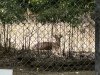
  • Calamian Deer (Axis calamianensis)- notoriously difficult to spot but my last visit in September 2024 it was on exhibit around 12:50pm, I believe someone here mentions best time is about 2 hours of the zoo opening.
  • Somali Ostrich (Struthio molybdophanes)- same area alongside deer, from my experience more easier to spot.
  • Western Siberian Eagle-owl (Bubo bubo sibiricus)- one of C-shaped exhibits with the sea eagles above the chimp area.
  • Rüppell’s Sand Fox (Vulpes rueppellii)- one of C-shaped exhibits @ the Drylands (with Wild Dogs and Zebras)
  • Mountain Tapir (Tapirus pinchaque)
  • Southern Hairy-Nosed Wombat (Lasiorhinus latifrons)
And though not that rare, I think maybe that the LAIR still has a juvenile Perentie. Enjoy your visit! :)

Thanks, this is a fantastic list! I always make sure to see the wombat, so I was definitely gonna make sure to see them again. I actually saw the calamanian deer once! But my family kept walking ahead of me so I only got some footage of it laying down before walking away . But fingers crossed I get another chance to see it tomorrow, though rather slim as I’m prioritizing the left part of the zoo (LAIR, chimps, bongo, gorillas, etc.).

That sand fox seems so rare that it would take a miracle to see it. I saw the Eurasian eagle owl last year’s visit, didn’t realize it was such a rarity, though I did still very much appreciate it.

Thanks so much for the list, I think it’s gonna be a lot of fun tomorrow.

I have a 4 second clip of the deer I can share tomorrow.
 

Attachments

  • IMG_6399_Original.jpeg
    IMG_6399_Original.jpeg
    273.6 KB · Views: 13
  • IMG_6398_Original.jpeg
    IMG_6398_Original.jpeg
    330.3 KB · Views: 12
Looks like I'll be going back to the zoo with family tomorrow since I'll be in the area anyways, hoping to see the baby chimps, LAIR, giant otters, jaguar, bongo antelope, and especially the tasmanian devils.

Any reccomended times for seeing the chimps, giant otters, jaguar, bongo, painted dogs, mountain tapir, and tasmanian devils being active?

Any other major rarities I should keep an eye out for? Any other notable herps besides the chinese giant salamander to keep an eye out for in LAIR?
@BenFoxster -- Thursday should be a great time to visit the zoo as there are not many visitors on weekdays and L.A. is having some very nice fall weather! I went to the zoo four times during August for Member Appreciation Month and was able to see the Tasmanian devils, baby perentie, new bateleur eagle, baby gerenuks, new axolotl exhibit, red river hog, and much more! Here are some tips and advice based on my recent visits:

Exhibits/Animals Added This Year
  • Cape vulture exhibit opened in February -- it's very nicely done with both glass and mesh viewing areas. The adjacent pathways have reopened allowing access to the bongo/yellow-backed duiker habitat, gerenuks, and nearby roundhouse featuring Abyssinian ground hornbill, Von der Decken's hornbills, and pudu.
  • Trumpeter swan exhibit opened in May and is a nice addition across from the flamingos. Also, there is a juvenile flamingo that really stands out from the others since it's gray!
  • Axolotl exhibit opened in the Children's Zoo nursery earlier this year. It's a larger window than the one in the cave and has more signage. However, the cave exhibit is still open, too. On one of my visits both axolotls were in the nursery, but the next time I went, they were separated into the two exhibits.
  • Tasmanian devil exhibit features two males, which I saw very active in the late afternoon. The first time I tried to see them, they weren't out, but on my next visit, they were both creating quite a ruckus!
  • The nursery yard in the Children's Zoo had Vietnamese pot-bellied pigs and two baby gerenuks on exhibit on both my visits.
  • The baby perentie is in the Desert LAIR with handwritten signage. I think it took over one of the snake exhibits and that snake was moved into the adjacent red diamond rattlesnake habitat.
  • The bateleur eagle has replaced the Siberian eagle-owl in the roundhouse with the Steller's sea eagle.
  • The Wild World exhibit near the entrance has been extended until January 11. Try to check this out when you first get to the zoo as it's right by the restrooms. There are only a small number of herps on display, but it's very well-done.
Good News!
  • There is now air-conditioning in the Desert LAIR, plus the main LAIR building is even cooler! This is a game changer for me because now I can spend as much time as I want there without getting so hot!
  • You may get lucky and see the sand fox! The last time I was there, no one was around and I surprised it. At first it was scared and ran to hide, but then after a while, it was curious and started to run around its enclosure. Try to avoid going into the roundhouse if there are other people there. Be as quiet as possible and talk in a soft voice. Be still and wait and you may get lucky, too!
Things to Be Aware Of
  • Many animals now have choice on whether to be on exhibit or not even though this is not communicated on the website. This makes it difficult to see certain animals, such as the tiger and jaguar. For the roundhouses, it's not so much of an issue.
  • Although the website states that the animals start to go in for the evening at 4 p.m., this is not true. Some animals are not visible at all due to the choice aspect mentioned above while others start to get put away before 4 (especially the animals in the Drylands area, such as the gazelles and babirusa). Still others are visible way past 4: the last time I was there I finally saw the rhino and it was right before 5!
  • The eateries and gift shops are not all open despite the posted hours on the website. This is especially true on weekdays. If you want to get anything in the gift shop, go there first. One time I went and the store was closed by 3:45 although the zoo is open until 5. Also, do not rely on the eateries being open. I walked all the way to Mahale Cafe once during its "open" hours and it was closed. Bring snacks and water because the zoo charges a fortune ($9 for a can of water!).
Other Places of Interest in and around Griffith Park
  • Check out the ranger station at 4730 Crystal Springs Drive (turn right out of the zoo and go past the golf course to turn left into the parking lot). It's open late and features taxidermied native animals and other interesting displays. Although rangers will likely not be there, you can pick up maps and there are clean restrooms.
  • If you want an eerie experience, take a quick walk up to the Old Zoo to see abandoned bear grottos and animal cages. I would not go there at night, but should be safe in the daytime. Here's a link regarding my visit to the Old Zoo on ZooChat: Impressions of the Old L.A. Zoo (Griffith Park Zoo) [Griffith Park Zoo (Closed)]
  • Near the zoo on the other side of the L.A. River is Glendale Narrows Riverwalk where you will see a multitude of black-necked stilts, great blue herons, snowy egrets, black-crowned night herons, mallards, and songbirds. Try to take time to see the native wildlife in Los Angeles while you're here!
 
Last edited:
@BenFoxster -- Thursday should be a great time to visit the zoo as there are not many visitors on weekdays and L.A. is having some very nice fall weather! I went to the zoo four times during August for Member Appreciation Month and was able to see the Tasmanian devils, baby perentie, new bateleur eagle, baby gerenuks, new axolotl exhibit, red river hog, and much more! Here are some tips and advice based on my recent visits:

Exhibits/Animals Added This Year
  • Cape vulture exhibit opened in February -- it's very nicely done with both glass and mesh viewing areas. The adjacent pathways have reopened allowing access to the bongo/yellow-backed duiker habitat, gerenuks, and nearby roundhouse featuring Abyssinian ground hornbill, Von der Decken's hornbills, and pudu.
  • Trumpeter swan exhibit opened in May and is a nice addition across from the flamingos. Also, there is a juvenile flamingo that really stands out from the others since it's gray!
  • Axolotl exhibit opened in the Children's Zoo nursery earlier this year. It's a larger window than the one in the cave and has more signage. However, the cave exhibit is still open, too. On one of my visits both axolotls were in the nursery, but the next time I went, they were separated into the two exhibits.
  • Tasmanian devil exhibit features two males, which I saw very active in the late afternoon. The first time I tried to see them, they weren't out, but on my next visit, they were both creating quite a ruckus!
  • The nursery yard in the Children's Zoo had Vietnamese pot-bellied pigs and two baby gerenuks on exhibit on both my visits.
  • The baby perentie is in the Desert LAIR with handwritten signage. I think it took over one of the snake exhibits and that snake was moved into the adjacent red diamond rattlesnake habitat.
  • The bateleur eagle has replaced the Siberian eagle-owl in the roundhouse with the Steller's sea eagle.
  • The Wild World exhibit near the entrance has been extended until January 11. Try to check this out when you first get to the zoo as it's right by the restrooms. There are only a small number of herps on display, but it's very well-done.
Good News!
  • There is now air-conditioning in the Desert LAIR, plus the main LAIR building is even cooler! This is a game changer for me because now I can spend as much time as I want there without getting so hot!
  • You may get lucky and see the sand fox! The last time I was there, no one was around and I surprised it. At first it was scared and ran to hide, but then after a while, it was curious and started to run around its enclosure. Try to avoid going into the roundhouse if there are other people there. Be as quiet as possible and talk in a soft voice. Be still and wait and you may get lucky, too!
Things to Be Aware Of
  • Many animals now have choice on whether to be on exhibit or not even though this is not communicated on the website. This makes it difficult to see certain animals, such as the tiger and jaguar. For the roundhouses, it's not so much of an issue.
  • Although the website states that the animals start to go in for the evening at 4 p.m., this is not true. Some animals are not visible at all due to the choice aspect mentioned above while others start to get put away before 4 (especially the animals in the Drylands area, such as the gazelles and babirusa). Still others are visible way past 4: the last time I was there I finally saw the rhino and it was right before 5!
  • The eateries and gift shops are not all open despite the posted hours on the website. This is especially true on weekdays. If you want to get anything in the gift shop, go there first. One time I went and the store was closed by 3:45 although the zoo is open until 5. Also, do not rely on the eateries being open. I walked all the way to Mahale Cafe once during its "open" hours and it was closed. Bring snacks and water because the zoo charges a fortune ($9 for a can of water!).
Other Places of Interest in and around Griffith Park
  • Check out the ranger station at 4730 Crystal Springs Drive (turn right out of the zoo and go past the golf course to turn left into the parking lot). It's open late and features taxidermied native animals and other interesting displays. Although rangers will likely not be there, you can pick up maps and there are clean restrooms.
  • If you want an eerie experience, take a quick walk up to the Old Zoo to see abandoned bear grottos and animal cages. I would not go there at night, but should be safe in the daytime. Here's a link regarding my visit to the Old Zoo on ZooChat: Impressions of the Old L.A. Zoo (Griffith Park Zoo) [Griffith Park Zoo (Closed)]
  • Near the zoo on the other side of the L.A. River is Glendale Narrows Riverwalk where you will see a multitude of black-necked stilts, great blue herons, snowy egrets, black-crowned night herons, mallards, and songbirds. Try to take time to see the native wildlife in Los Angeles while you're here!

----- [No news here, just recounting visit highlights] -----

Hi Lori, sorry for the late response, I managed to read your detailed comment the morning of my trip as I was getting ready but never had a chance to respond until this morning. You were right about the weather being nice, and the Thursday being a good day to visit; it was very empty and admittedly I enjoyed being practically alone and having almost the entire zoo to myself. The gorillas, langurs, and maybe chimps were the busiest sections of the zoo that day.

Overall I had a fantastic time. Since the zoo is missing many iconic species like lions, elephants, hippos, bears, etc., it always gives me an opportunity to enjoy many of the underrated species.

I started off with Wild World, the children's section, LAIR, and Australia, knowing that on previous visits these sections tend to get packed and congested by the afternoon.

I saw the baby gerenuk, axolotols, and active tamanduas! If it weren't for your post I wouldn't have known there were baby gerenuk. Then I spent a long time at LAIR and Australia; I had arrived at the zoo a few minutes before opening and by the time I was done with Australia it was already 12! I spent almost an hour in LAIR, and 45 mins in Australia; normally I finish these two secitons plus the children's zoo in under an hour. I'm starting to get into my herp phase so I appreciated LAIR more this time than usual. Of the few herp houses I've visited, I enjoy LAIR and the herp buildings at San Diego's Wilderness Explorers Base Camps the most. I like these two herp exhibits better than San Diego's outdoor reptile house and amphibian terrariums personally; too much glare and lack of AC outside makes taking your time examining each terrarium more of a hassle, especially when you're trying to see as much of the zoo as possible. The only bad news is that I got so enamored by LAIR that I forgot to look for the baby parentie!

I was very lucky and saw one of the tassie devils running around and playing; running back and fourth between its two exhibits. The foliage makes a massive difference; if more of the zoo's grottoes had such lush foliage the exhibits would look much more modern. I spent over half an hour with the tassie's alone; my highlight of the visit. These guys have always been a childhood dream for me to see; I still remember back when I was 10-12 and visited the San Diego Zoo for the first time and saw on the map that "Australia Outback" was "coming soon" and featured a picture of a tasmanian devil, being disappointed that we visited before the section could be constructed and still never seeing their tassies to this day. I enjoyed seeing the wombats too, and the komodo wasn't shy today and stayed by the glass. Almost every animal was out and either active or clearly visible, such as the gorillas that stayed by the glass during my visit.

Unfortunately we were on a time crunch and had to leave by 1 (ended up leaving at 1:30), so I had to rush the rest of the park a bit. The bighorn sheep and gorillas were also great highlights on my visit. It was a shame to see the vulture exhibit completely void of any guests, knowing that the zoo spent years making this area. I only saw one vulture out, though I was here at the zoo just this past July, so it wasn't my first time seeing the vultures and swan lake.
The ringtail lenurs and colobus monkeys were very active and playful. The small girl lemur that was a confiscated pet was very adorable. A mom and her daughter stopped their stroller in front of the exhibit to tie the girl's shoes and the lemur curiously watched over them against the fencing as though she wanted to help too. The colobus were playfully fighting and jumping everywhere; the little one being a highlight. Unfortunately due to time and not wanting to back track I had to turn back after the colobus roundhose and didn't go up the hill to see the sifakas, sevals, river hog, or somali ostrich. Luckily I saw them all on my last visit. The chimps were great, didn't get to spend as much time with them as I'd hoped, and never saw the baby's face, but I'll probably be back in November or December anyways.

I only got a minute or two to check out the bataleur and sea eagle. By this point it was already past 12 and got hot, so most of the animals were alseep and laying down by the back of their exhibits, like the tiger and snow leopards. I did get lucky again with the calamanian deer though, it was sitting against the fencing like last time! I even took a selfie with it lol. The warty pigs were asleep at the back of the exhibit, same for the binturong. The mountain tapir was very active though, as were the spider monkey and capuchins. I got a lot of footage of them all. I arrived at Rainforest of the Americas around 1, and every species was hiding or sleeping. The tapir and giant otter exhibits were bigger than I;d remmebred; the giant otter habitat being especially gorgeous and probably my favorite nonherp exhibit in the entire park. The howler monkey exhibit is rather small for the species though; I feel it would be better suited as a large exhibit for their troop of capuchins.

Overall it was a great time, and loved the rarities. I even bought a tassie plush on my way out to show my support. Next time I'll get a keychain or magnet, but it was difficult to justify spending $11 for something so small rn, especially after already spending $15 on the plush.

Really hope the master plan can still come to fruition someday, if it does this will definitley become a top ten American zoo.
 
I went to the zoo last Friday and I saw the buff cheeked gibbons singing it was awesome, I didn't see the baby chimpanzees but I did see the peccaries in the old Addax enclosure.
 
Some updates from my visit yesterday:
  • Zoe the chimpanzee had a baby boy either late on Saturday or very early on Sunday. The baby was visible with Zoe and some other chimps in the Penthouse on Sunday afternoon. The 2 other babies (Yoshi's daughter born on August 20 and Vindi's daughter born on September 9) were in the main exhibit with their mothers and some other females.
  • The sarus crane exhibit is empty and the signs for the cranes have been removed.
  • The spectacled owl exhibit is empty and the sign for the owl has been removed.
 
Some updates from my visit yesterday:
  • Zoe the chimpanzee had a baby boy either late on Saturday or very early on Sunday. The baby was visible with Zoe and some other chimps in the Penthouse on Sunday afternoon. The 2 other babies (Yoshi's daughter born on August 20 and Vindi's daughter born on September 9) were in the main exhibit with their mothers and some other females.
  • The sarus crane exhibit is empty and the signs for the cranes have been removed.
  • The spectacled owl exhibit is empty and the sign for the owl has been removed.
so the cranes are no longer in the zoo? Also a new baby chimpanzee
 
so the cranes are no longer in the zoo? Also a new baby chimpanzee

I asked a docent and was told that the sarus cranes moved together to another zoo (she didn't mention which one) that has other sarus cranes. A different species will be placed in that exhibit once some modifications/renovations are made to the exhibit. I was not told what species would be placed in the now former sarus crane exhibit.
 
I asked a docent and was told that the sarus cranes moved together to another zoo (she didn't mention which one) that has other sarus cranes. A different species will be placed in that exhibit once some modifications/renovations are made to the exhibit. I was not told what species would be placed in the now former sarus crane exhibit.
Tbh I hope they put in red pandas to complete with the snow leopards, also when I was walking in the zoo the bear exhibit was closed but strangely the waterfall was running? What happened to the markhor?
 
I was attending the Annual Volunteer Meeting, and I heard some updates and plans for the Zoo. The zoo is examining the habitat spaces and improving the lives of their animals, such as the Giraffes, and filling in empty habitats, like those of the Peccaries, which have been expanded. The Zoo is also in a budget process for the Olympics.

-No word of getting a comparion for the ostrich or more seals and sea lions at the moment alongside the second walkthrough aviary.
-Sarus cranes have been moved out, and the Tufted Deer near the Play park will be moved there.
-The Maned Wolf and Giant Anteater might switch Habitats and perhaps share, and there is hope the Female Maned Wolf is Pregnant.
-The Red-tailed Black Cockatoos have been moved off-display, and plans to put in new birds like Palm Cockatoos, Major Mitchell's, or Pink Cockatoo, and possibly Keas.
-The Roundhouses that house the Sifaka and Blue-eyed Black Lemurs will be renovated, but the main focus is the Mandrill Roundhouse renovations.
-I was told the Old Bear Habitat would have Red Pandas, the old Lion Habitat could become a new walk-through Meerkat Habitat, and the Old Sea Lion Pool near the Gharial would be a larger new home for the Tomistomas.
-The Oropendola Habitat in the Rainforests of America would move Charlie, Linnaeus's Two-toed Sloth there from the Children's Zoo
-Another Reason the Koala moved out was due to their food shortage, as they need three different types of eucalyptus that must be fresh and fed.
-A Female Okapi is in quarantine.
-From a friend in Facebook, the Laughing Kookaburra is back on display.
 
I was attending the Annual Volunteer Meeting, and I heard some updates and plans for the Zoo. The zoo is examining the habitat spaces and improving the lives of their animals, such as the Giraffes, and filling in empty habitats, like those of the Peccaries, which have been expanded. The Zoo is also in a budget process for the Olympics.

-No word of getting a comparion for the ostrich or more seals and sea lions at the moment alongside the second walkthrough aviary.
-Sarus cranes have been moved out, and the Tufted Deer near the Play park will be moved there.
-The Maned Wolf and Giant Anteater might switch Habitats and perhaps share, and there is hope the Female Maned Wolf is Pregnant.
-The Red-tailed Black Cockatoos have been moved off-display, and plans to put in new birds like Palm Cockatoos, Major Mitchell's, or Pink Cockatoo, and possibly Keas.
-The Roundhouses that house the Sifaka and Blue-eyed Black Lemurs will be renovated, but the main focus is the Mandrill Roundhouse renovations.
-I was told the Old Bear Habitat would have Red Pandas, the old Lion Habitat could become a new walk-through Meerkat Habitat, and the Old Sea Lion Pool near the Gharial would be a larger new home for the Tomistomas.
-The Oropendola Habitat in the Rainforests of America would move Charlie, Linnaeus's Two-toed Sloth there from the Children's Zoo
-Another Reason the Koala moved out was due to their food shortage, as they need three different types of eucalyptus that must be fresh and fed.
-A Female Okapi is in quarantine.
-From a friend in Facebook, the Laughing Kookaburra is back on display.
Honstely good for the meerkats they deserve a larger exhibit but what about the old elephant exhibit?
 
I was told the Old Bear Habitat would have Red Pandas, the old Lion Habitat could become a new walk-through Meerkat Habitat, and the Old Sea Lion Pool near the Gharial would be a larger new home for the Tomistomas.
A larger habitat for the Tomistoma is great but what would replace them in the current exhibit, a fifth crocodilian species?
The zoo is examining the habitat spaces and improving the lives of their animals, such as the Giraffes, and filling in empty habitats, like those of the Peccaries, which have been expanded.
Does this mean the zoo is going to expand or update the Giraffe exhibit?
 
okay hear me out Reticluaded Python or Green Anaconda they can fit the old false Gharial exhibit or not maybe a dwarf crocodiles
 
I was attending the Annual Volunteer Meeting, and I heard some updates and plans for the Zoo. The zoo is examining the habitat spaces and improving the lives of their animals, such as the Giraffes, and filling in empty habitats, like those of the Peccaries, which have been expanded. The Zoo is also in a budget process for the Olympics.

-No word of getting a comparion for the ostrich or more seals and sea lions at the moment alongside the second walkthrough aviary.
-Sarus cranes have been moved out, and the Tufted Deer near the Play park will be moved there.
-The Maned Wolf and Giant Anteater might switch Habitats and perhaps share, and there is hope the Female Maned Wolf is Pregnant.
-The Red-tailed Black Cockatoos have been moved off-display, and plans to put in new birds like Palm Cockatoos, Major Mitchell's, or Pink Cockatoo, and possibly Keas.
-The Roundhouses that house the Sifaka and Blue-eyed Black Lemurs will be renovated, but the main focus is the Mandrill Roundhouse renovations.
-I was told the Old Bear Habitat would have Red Pandas, the old Lion Habitat could become a new walk-through Meerkat Habitat, and the Old Sea Lion Pool near the Gharial would be a larger new home for the Tomistomas.
-The Oropendola Habitat in the Rainforests of America would move Charlie, Linnaeus's Two-toed Sloth there from the Children's Zoo
-Another Reason the Koala moved out was due to their food shortage, as they need three different types of eucalyptus that must be fresh and fed.
-A Female Okapi is in quarantine.
-From a friend in Facebook, the Laughing Kookaburra is back on display.
Hoping these are true, definitely one of the things I felt the zoo should have focused on in filling up former/empty exhibits, it is a bummer about the pinnipeds and ostrich (I wouldn’t expect pinnipeds be too difficult to acquire from another facility, and I think the zoo should look into acquiring geriatric female common ostriches for Rebecca)
 
A larger habitat for the Tomistoma is great but what would replace them in the current exhibit, a fifth crocodilian species?

Does this mean the zoo is going to expand or update the Giraffe exhibit?
Update the Habitat, but how I don't know?
 
Back
Top