All About Beetles: Yoshistar888's guide to the Beetles of the Zoochat gallery


Entry 25


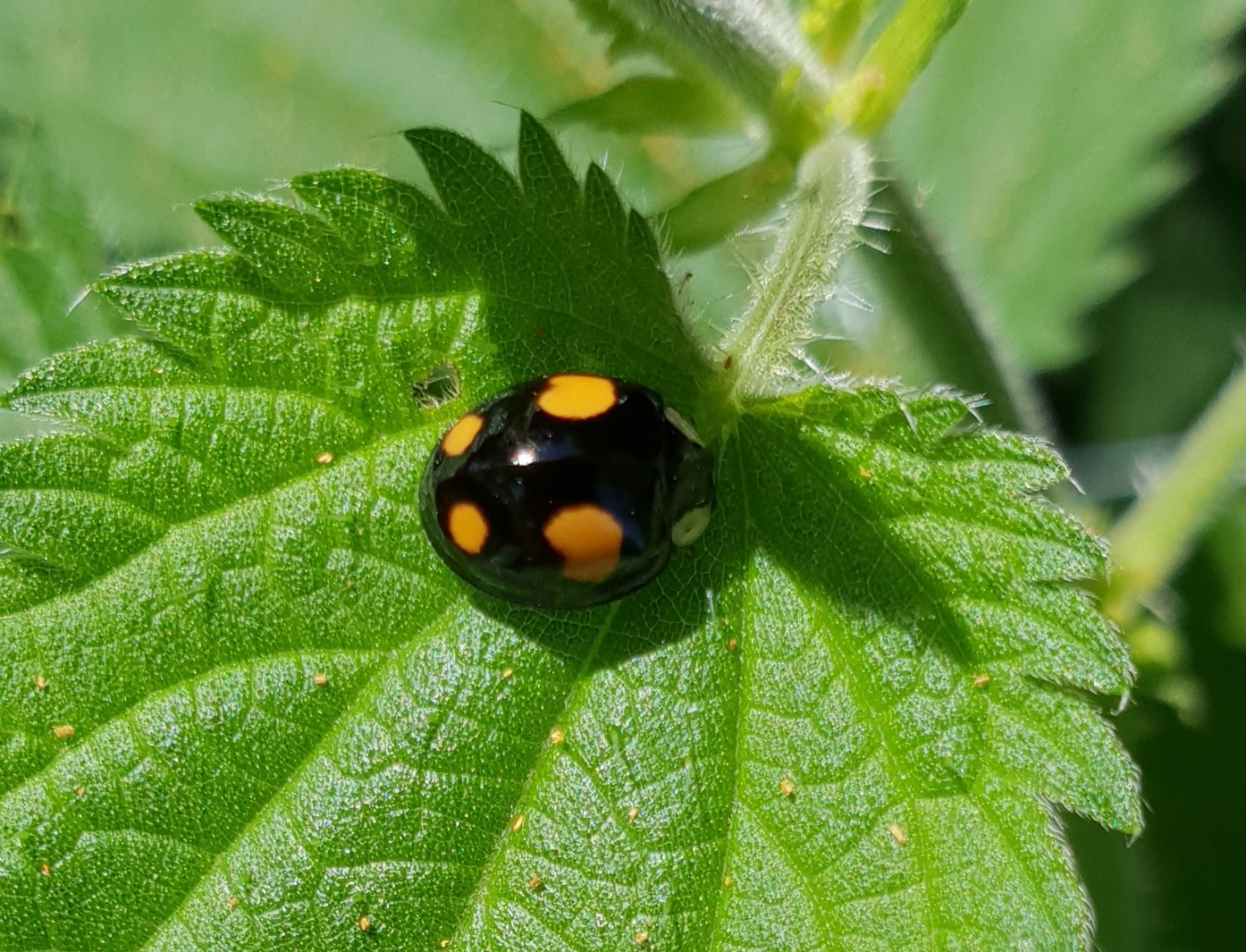
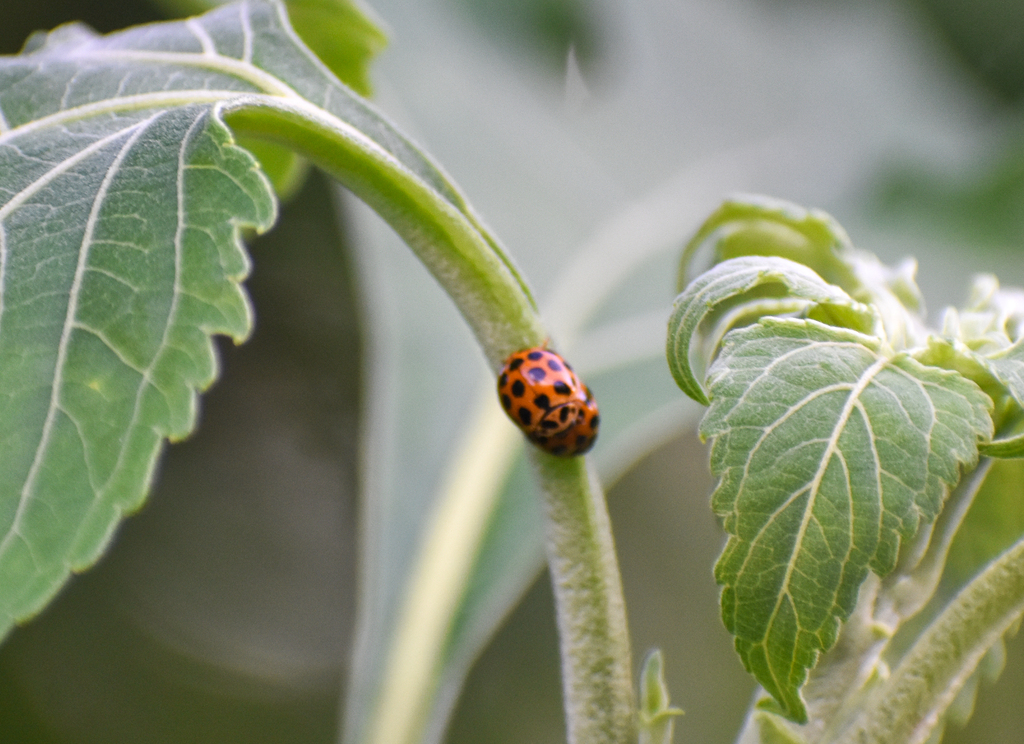
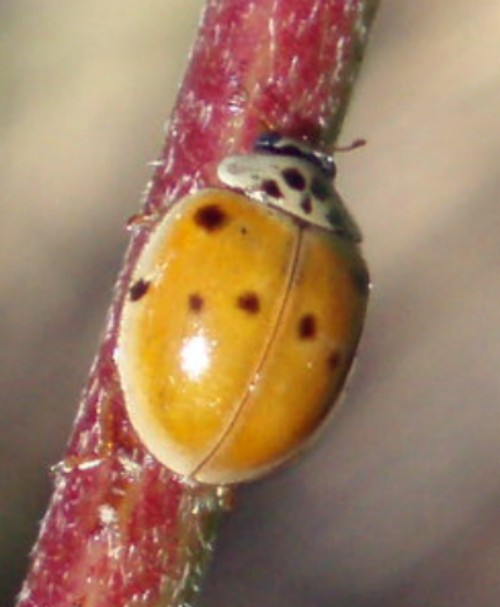
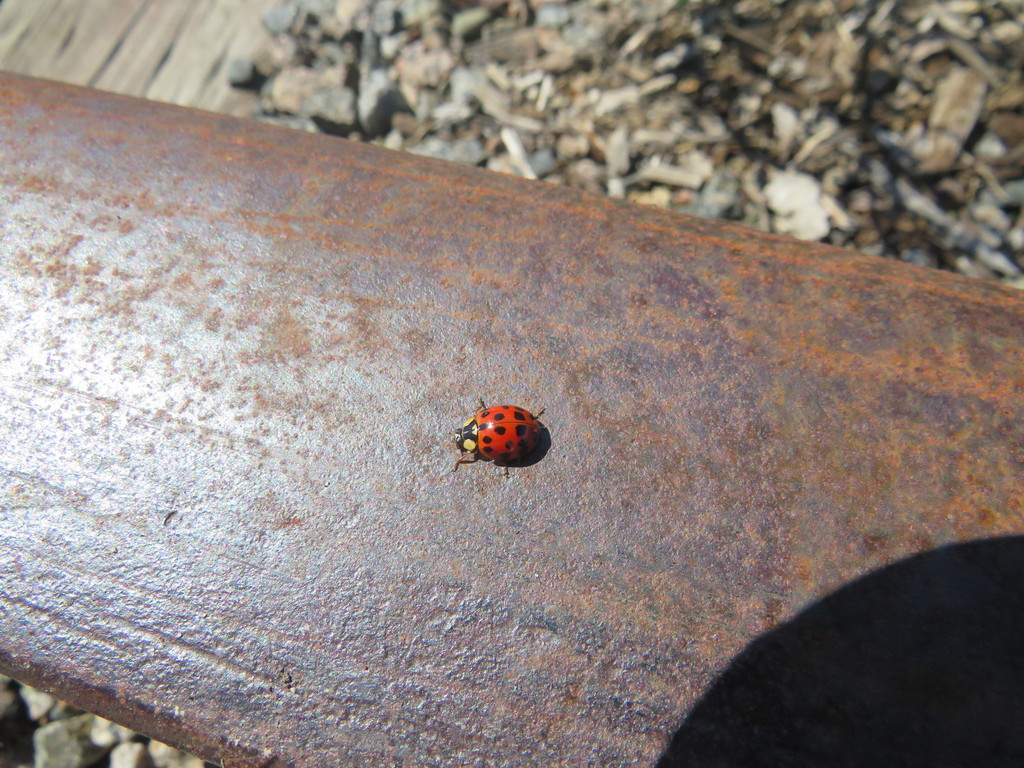
Asian Ladybird (Harmonia axyridis)


Native to Eastern Asia, this species is now found in most of the world including in Europe, North America, South America, South Africa and New Zealand where it outcompetes native lady beetle species. They are extremely variable, coming in a diverse range of colours and patterns from red with small black spots, red with large black spots, solid red, orange with black spots, black with orange spots and black with red spots. They are a small beetle only reaching 8.5mm, they feed on aphids and other small, soft bodied invertebrates.


Photo’s by @CheeseChameleon1945 and @vogelcommando


Entry 26


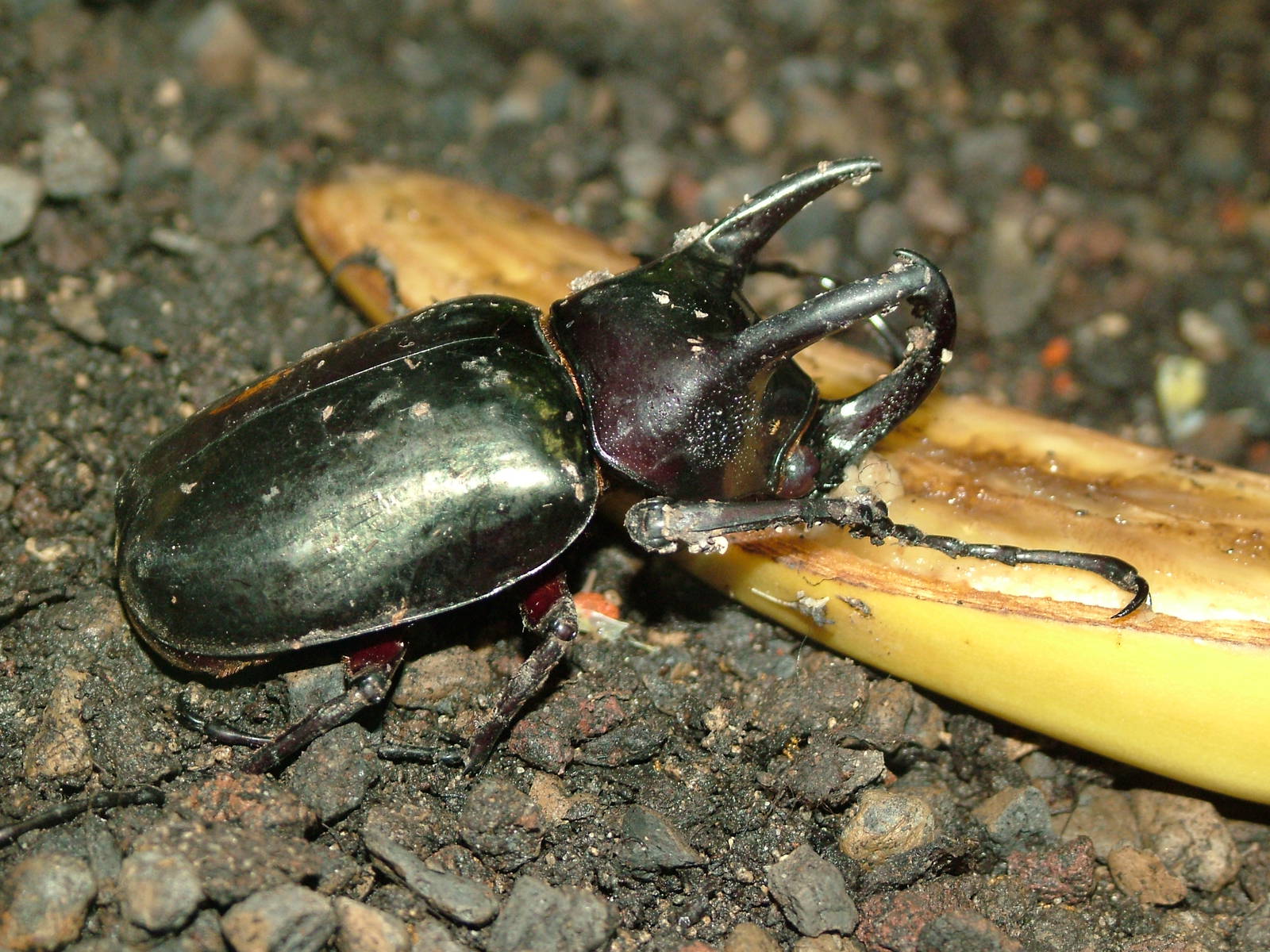
Japanese Rhinoceros Beetle (Trypoxylus dichotomus)


Despite their common name, Japanese Rhinoceros Beetles are found throughout much of Eastern Asia including in China, South Korea, Taiwan, Laos, Vietnam, Thailand and Myanmar. There are several subspecies including ones restricted to remote Japanese islands such as Kuchinoerabu. They are a popular pet in Japan and surrounding areas, male beetles have a large horn which can measure up to 30mm long, longer than most beetles, the horn is used to settle territorial disputes. Males grow up to 80mm long and females up to 60mm, they are most common in forest habitats.


Photo by @Deer Forest


Entry 27


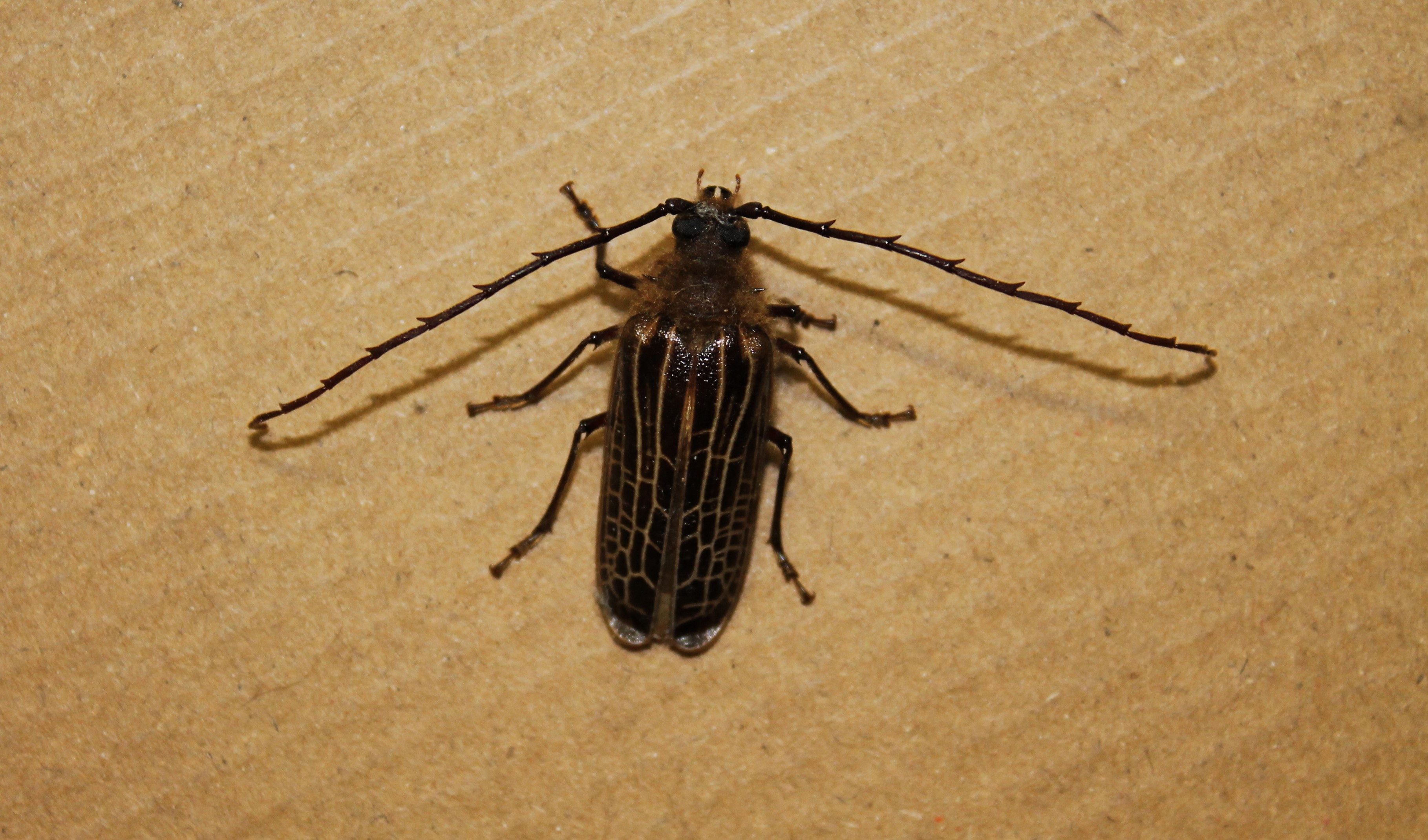
Huhu Beetle (Prionoplus reticularis)


The Huhu is New Zealand’s largest beetle species, it is a part of the Longhorn beetle family (Cerambycidae), interestingly they have an extremely short adult lifespan, only two weeks which are used exclusively for breeding however, their larval stage can last up to three years, as a larva they eat decaying wood. According to the Museum of New Zealand, adult Huhu Beetles can be dangerous when ingested, there is a reported case of a cat eating a beetle, falling ill and subsequently dying the next day. The larvae are completely safe to eat and apparently have a nutty taste.


Photo by @Chlidonias


Entry 28


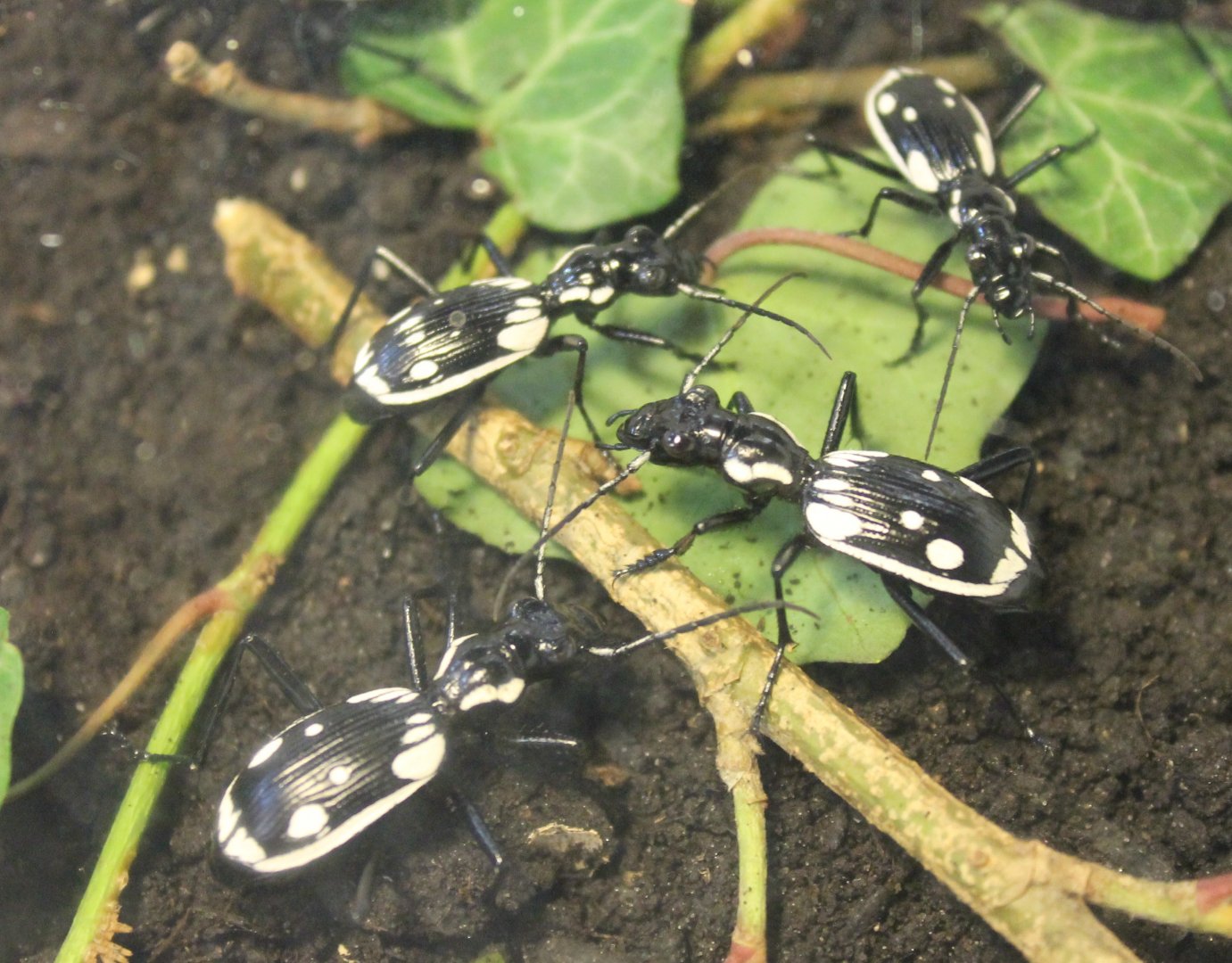
Egyptian Predator Beetle (Anthia sexmaculata)


This species has an interesting life cycle, the beetle larvae intrude on ant nests and consume the ants and ant larvae within the colony, by eating the ants, the beetle picks up the ants scent which fools the ants into believing that the beetle larva is part of the colony. The adults are predators of a variety of small invertebrates filling a similar ecological niche to tiger beetles, however unlike tiger beetles, they are flightless. They can excrete a toxic acid from their rear which is used for stunning prey. They grow to a length of 40mm and are found throughout North Africa.


Photo by @vogelcommando


Entry 29


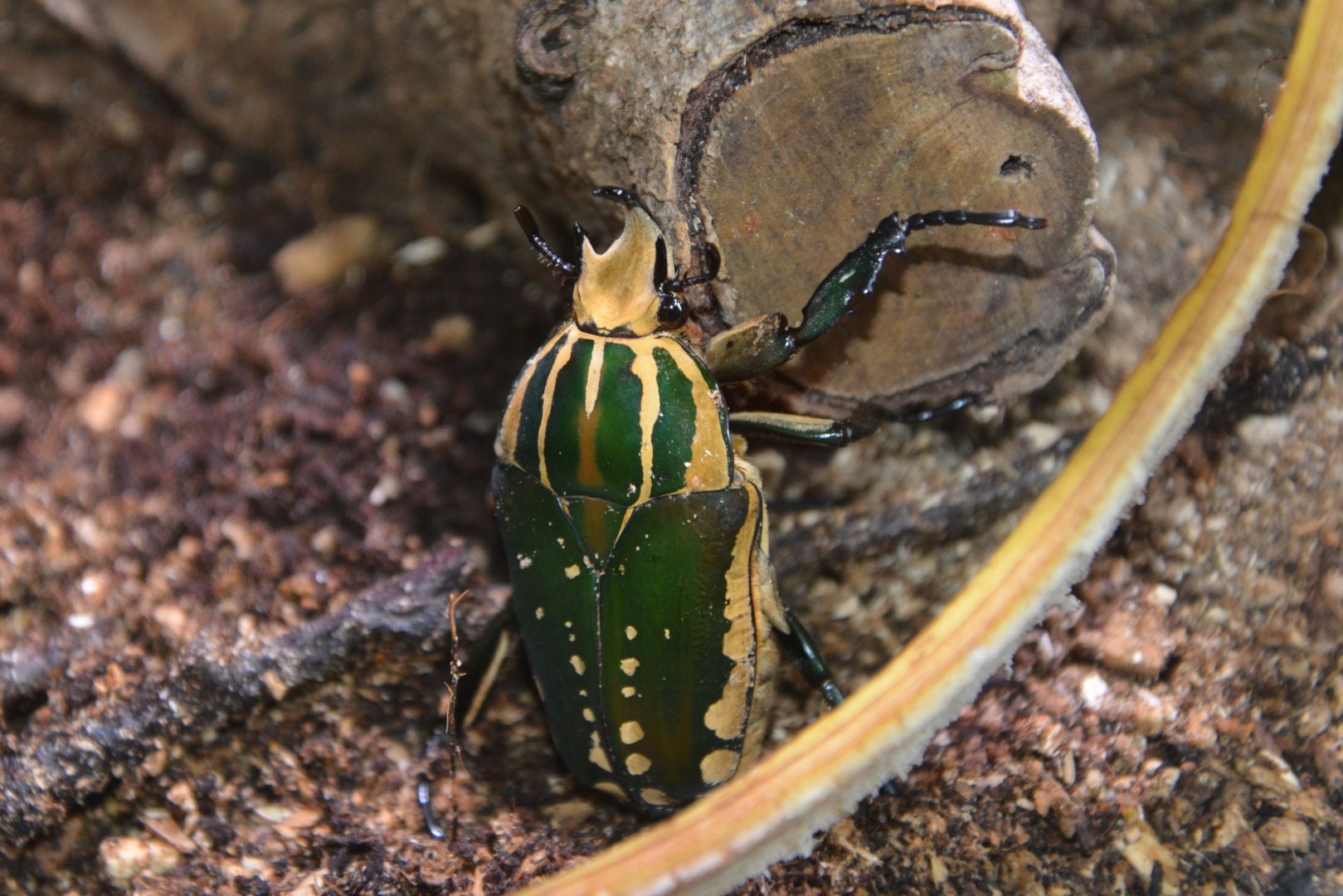
Magnificent Flower Beetle (Mecynorhina polyphemus)

A large species found in Central African rainforests and present within zoological collections. They are sexually dimorphic, the males have horns whereas the females lack them, additionally the males are larger than the females, males growing to 80mm in length whereas females to 55mm. There are two subspecies, M.polyphemus polyphemus which is slightly smaller and found in the Ivory Coast and Ghana and M.polyphemus confluens which is found in the Democratic Republic of the Congo, Republic of Congo, Ivory Coast, Gabon and Uganda. These beetles are herbivorous and feed on fruit and tree sap.


Photo by @Sicarius of M.p.confluens


Entry 30

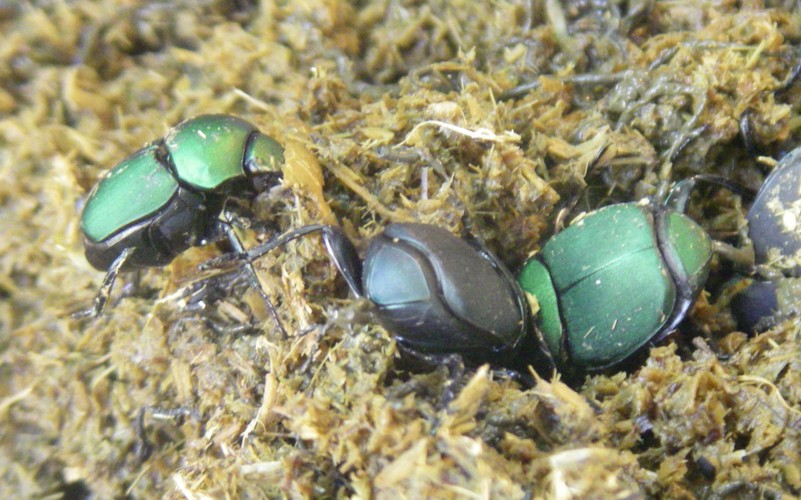
Common Tumblebug (Canthon pilularius)


One of many species of Dung Beetles that famously roll dung, the Common Tumblebug inhabits open areas such as grasslands, fields and paddocks of Eastern and Central North America. It has also been intentionally introduced to Hawaii, more specifically the island of Oahu, however it is not considered detrimental to the ecosystem as there are no native Dung Beetles in Hawaii and it does not prey on native insects. They grow up to 19mm in length.


Photo by @Kakapo


Entry 31


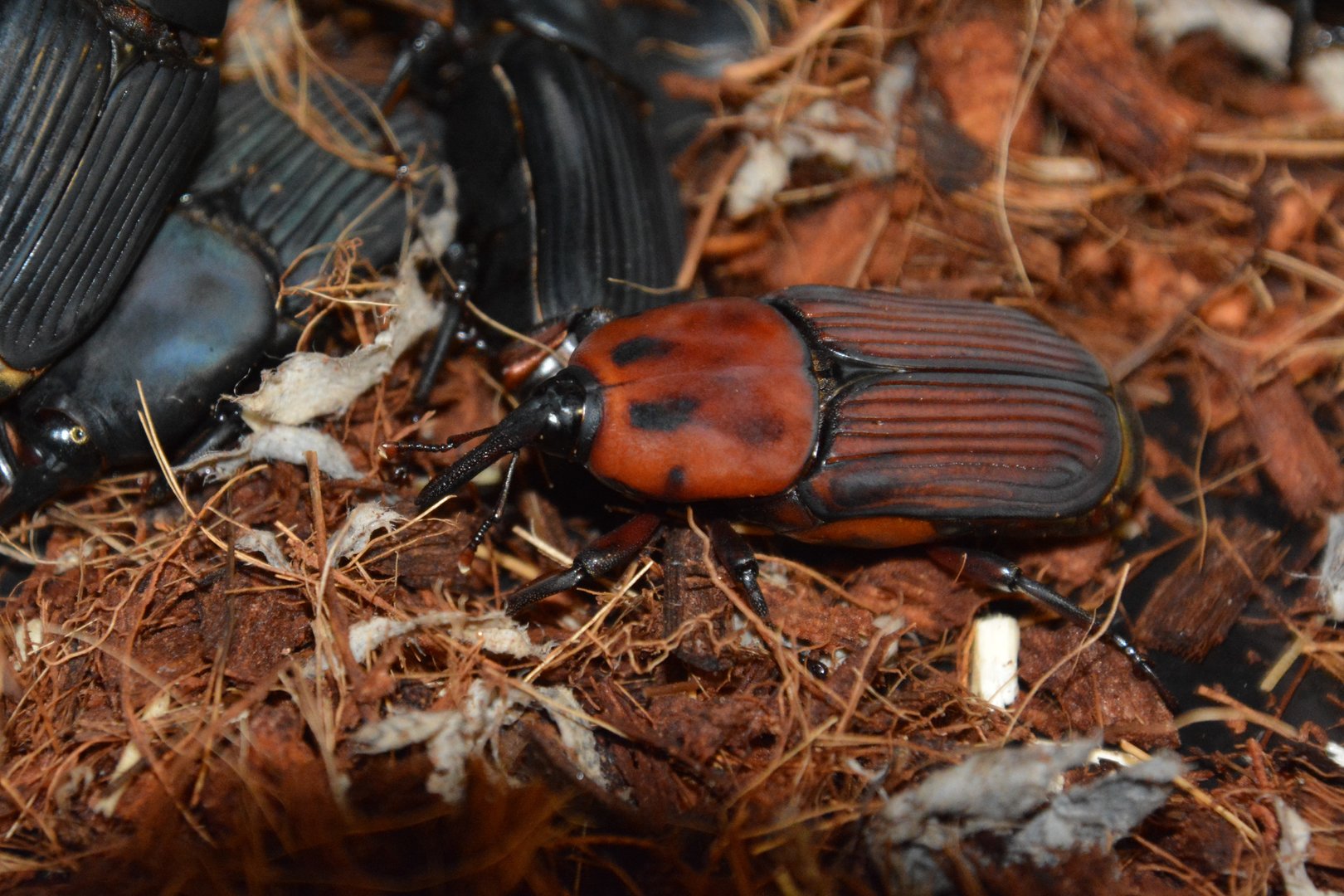
Red Palm Weevil (Rhynchophorus ferrugineus)

A serious pest of palms including the commercially important Date Palm and Coconut Palm, this species is native to Southern and Eastern Asia but has also established in Europe, the Middle East and North Africa. While adults can damage palms, it is the larvae which burrow into the palm which can cause trees to die. Average size is 35mm long but can reach up to 42mm, the larvae are also sometimes consumed by humans in their native range.

Photo by @Sicarius


Entry 32

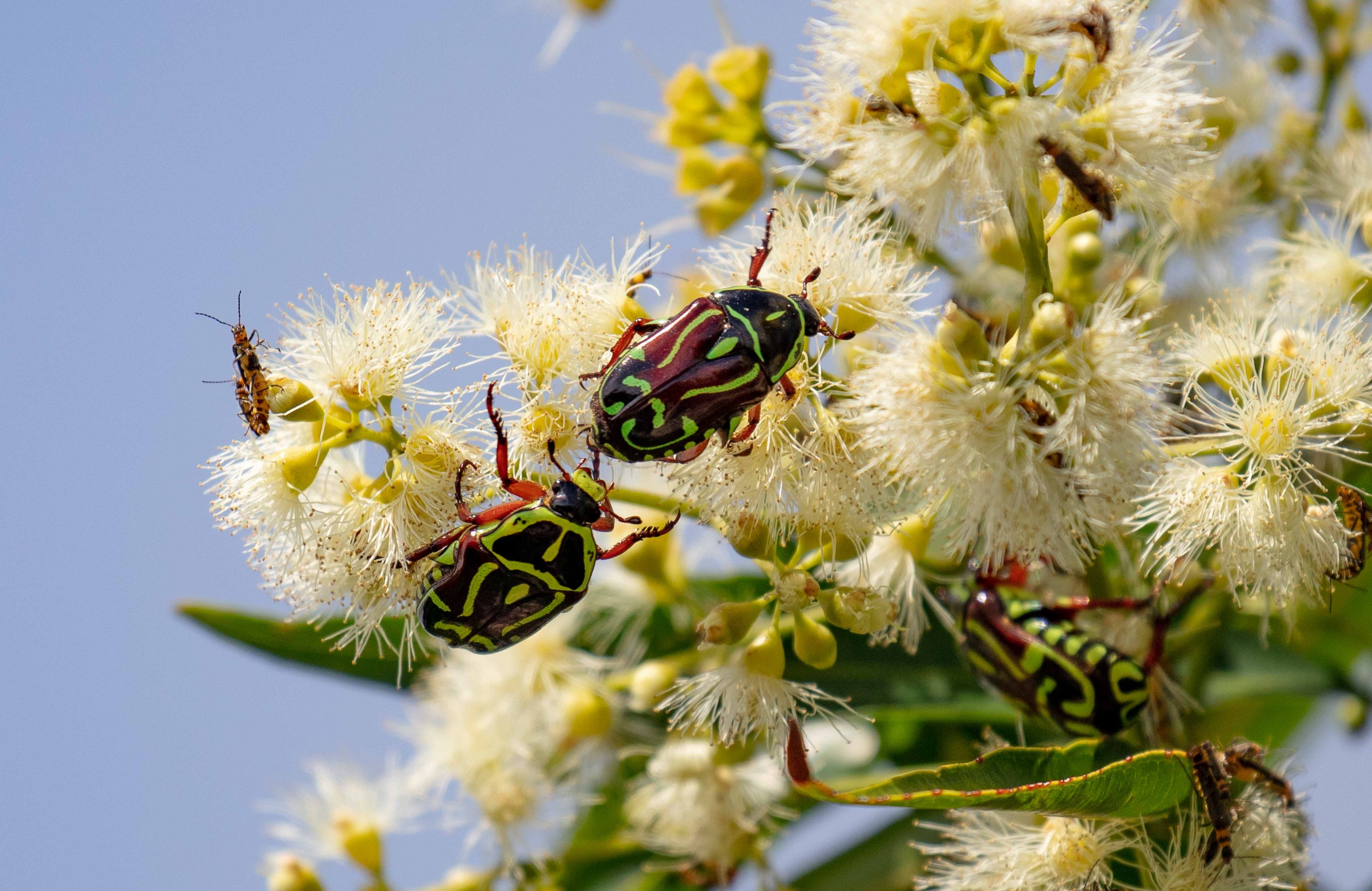
Fiddler Beetle (Eupoecila australasiae)

Fiddler Beetles are a colourful chafer species found in eastern Australia that mostly inhabit heath and woodland but also appear in suburban parks and gardens, particularly around Sydney. Their common name comes from the distinctive pattern on it’s back which resembles a violin. They grow up to 20mm in length.

Photo by @Hix


Entry 33


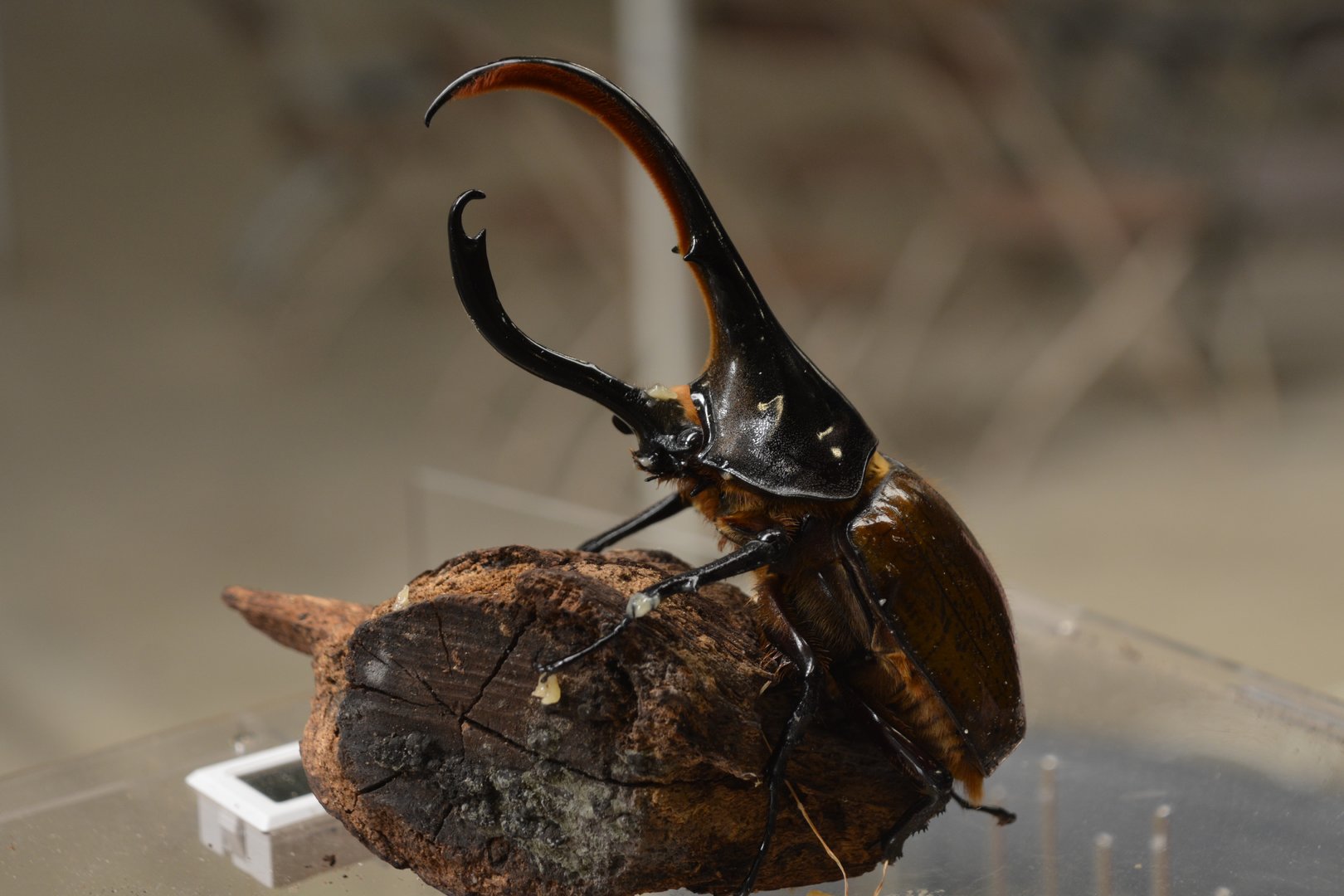
Hercules Beetle (Dynastes hercules)

The Hercules Beetle (specifically this species) is the world’s longest beetle, body size is at a maximum of 85mm but including the large horn that grows to 173mm, however, the size of both the beetle and their horns vary greatly from individual to individual. This species is found across Central and South America, the northernmost point of their range is in southern Mexico then goes through most of Central America and then also found in northern South America. There are also isolated populations on islands and on the Atlantic coast of Brazil that are assigned different subspecies. They have been known to carry over a hundred times their body weight.

Photo by @Sicarius


Entry 34

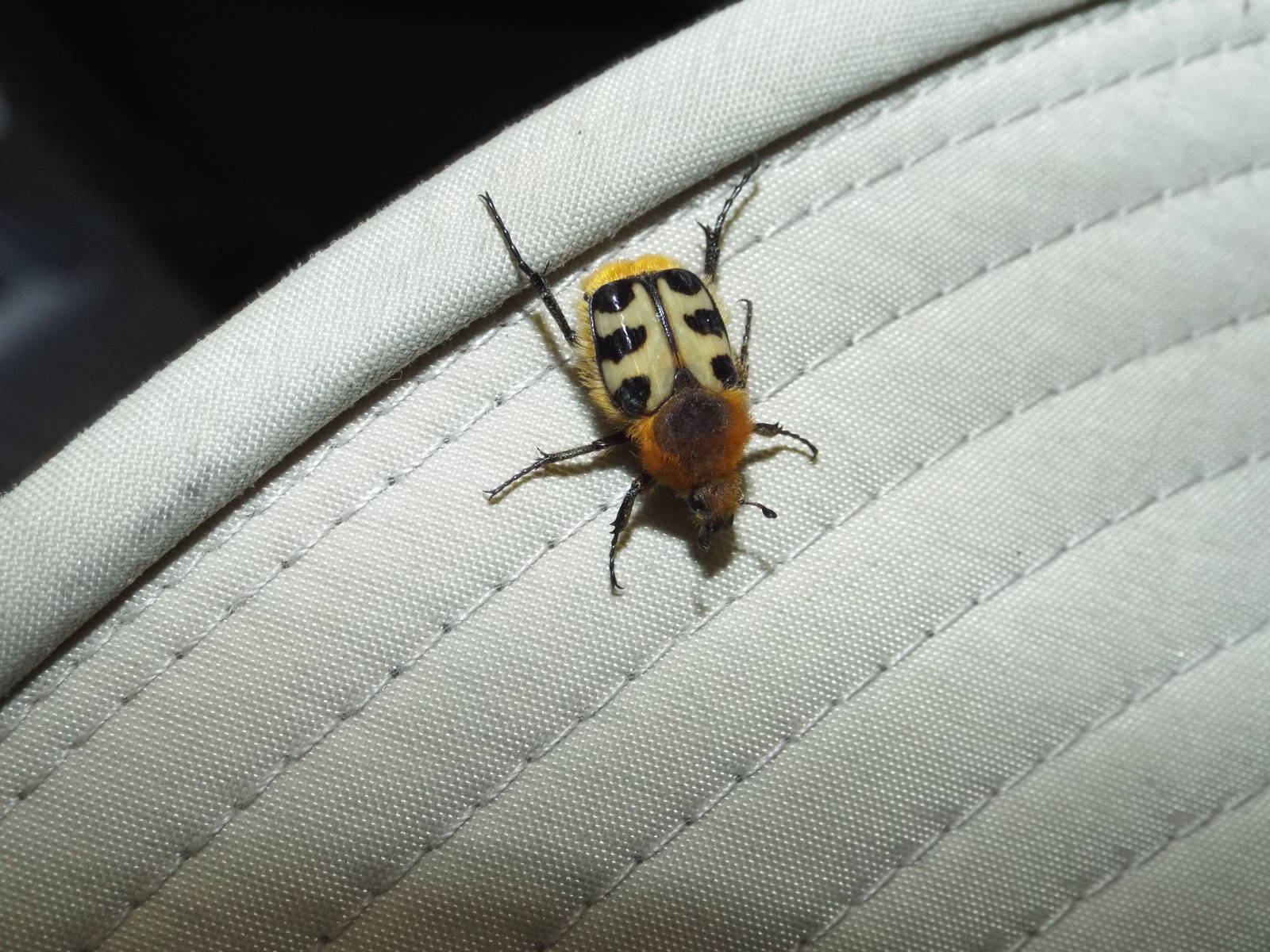
French Bee Chafer (Trichius gallicus)

Despite its name, this species is not endemic to France but found throughout most of Western Europe. Similar to other species in the genus Trichius, they have a bee-like pattern on their body which is a form of mimicry. They feed on nectar and grow to around 10mm long.

Note: this species was formerly known as T.roseacus but that name is now invalid.

Photo by @TeaLovingDave

 
A really enjoyable thread, it reminds me of a comment from British evolutionary biologist and geneticist JBS Haldane who said " that if God or divine being had created all living organisms on earth then that creator must have had an inordinate fondness for beetles." Beetles account for a greater number of species than any other single group of living animals
 
Apologies about no update yesterday, was a bit busy


Entry 35

Six-spotted Tiger Beetle (Cicindela sexguttata)

Native to Eastern North America, the Six-spotted Tiger Beetle is in some areas a common sight in woodland and grassland where it hunts invertebrates including but not limited to, spiders, caterpillars, grasshoppers and ants. Their name comes from the six white spots present on the elytra however, not all beetles have six white spots as their colour and patterns are variable. Grows to 14mm in length.

Photo by @CMP


Entry 36

Chinese Diving Beetle (Cybister chinensis)


Native to East Asia including China, the Korean peninsula and Japan and grow up to a length of 43mm. They feed on small invertebrates and tadpoles.

Photo by @Sicarius

 
Entry 37

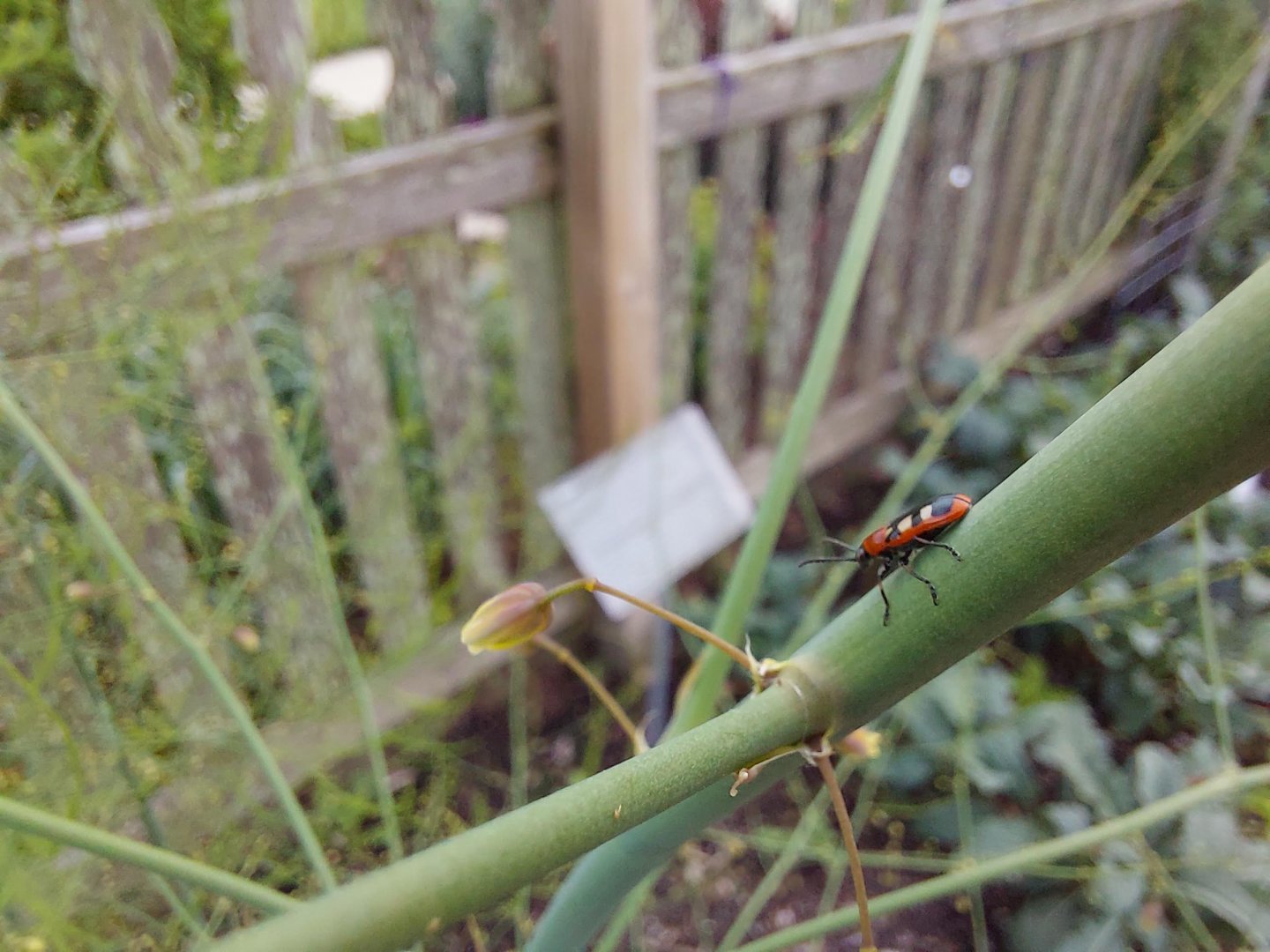
Common Asparagus Beetle (Crioceris asparagi)

As its name implies, this species is an important pest of Asparagus, both in its native range of Europe, and in North America where it has been introduced. They are small beetles growing to 9.5m in length.

Photo by @CMP


Entry 38


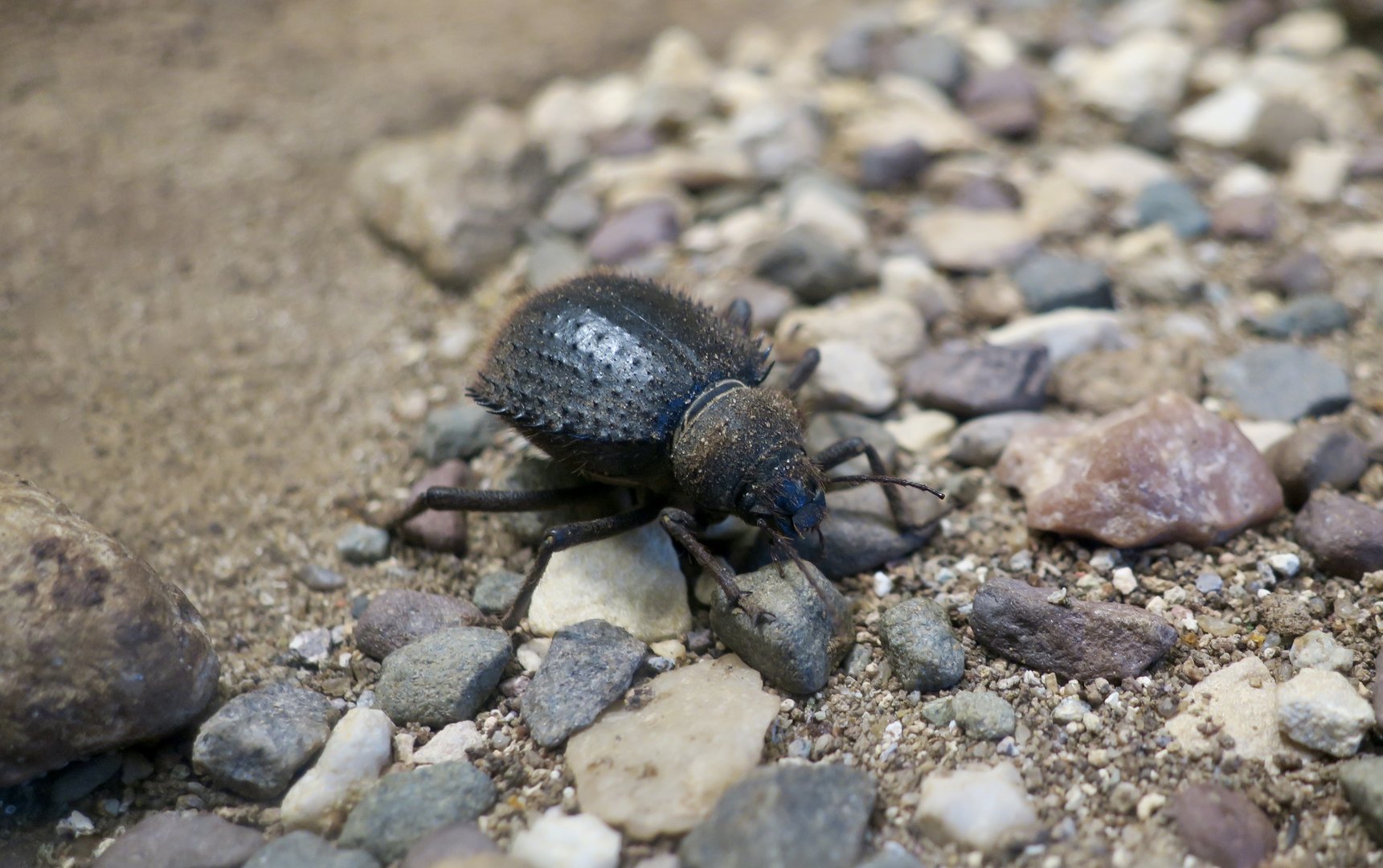
Urchin Beetle (Prionotheca coronata)


Found in North Africa and the Middle East, these are a species of Darkling Beetle,(Tenebrionidae) well adapted for life in the desert. They have spines which are used for self defence against larger predators, the beetle raises it’s posterior and places it’s head on the sand, it will react to sounds made next to it and switch it’s body so the abdomen is always facing the predator. If the animal gets too close, the beetle will latch on and dig it’s spines into it.

Photo by @RatioTile

 
Looking for photos of these beetles (or really any new beetle species but these in particular):

Alpine Longicorn Rosalia alpina: There was a photo of this beetle in the gallery up until recently but it has been deleted. it's kept at a couple of zoos in Europe so hopefully someone has a picture out there. Very annoyed that I wrote the entry for it assuming the photo would still be up and now can't post it when ready.

American Burying Beetle Nicrophorus americanus: This species was on display at a few US Zoos including Cincinnati and maybe St Louis. Considering the conservation significance of this species it would be a great one to cover for the thread.
 
Alpine Longicorn Rosalia alpina: There was a photo of this beetle in the gallery up until recently but it has been deleted. it's kept at a couple of zoos in Europe so hopefully someone has a picture out there. Very annoyed that I wrote the entry for it assuming the photo would still be up and now can't post it when ready.
It's here: Insect ID? - ZooChat

Photo comments don't show up in word searches.
 

Entry 39


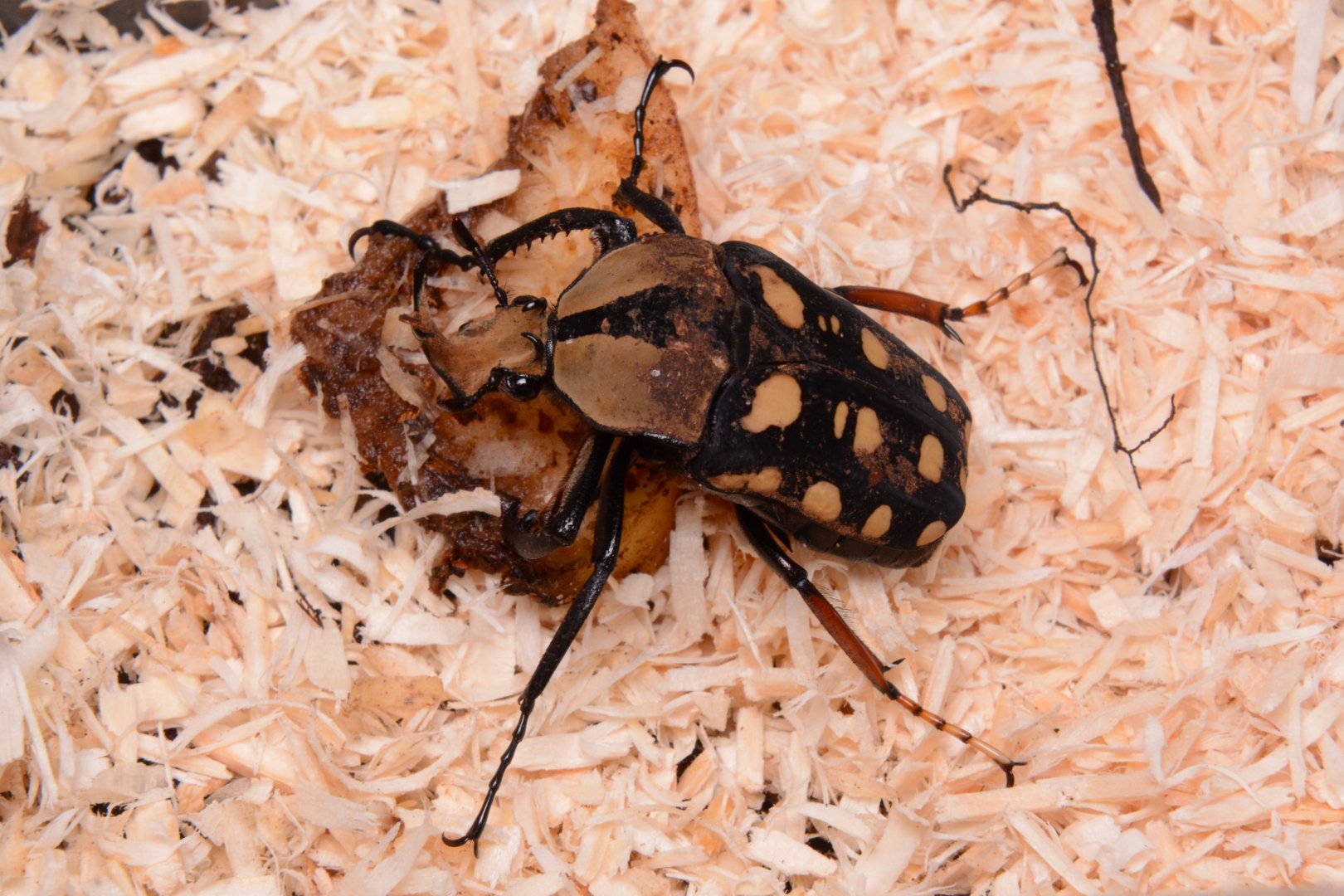
Orange-spotted Fruit Chafer (Mecynorhina passerinii)

This attractive species is found in forests of Southern Africa, as south as South Africa and Eswatini, north up through Mozambique, Zambia, Zimbabwe, Tanzania and the Democratic Republic of the Congo. The males grow up to 45mm whereas females are larger and can grow up to 55mm. There are three subspecies, M.passerini dukei, M.passerini nigricans and M.passerini passerini. They are herbivorous and eat tree sap.

Photo by @Sicarius s


Entry 40

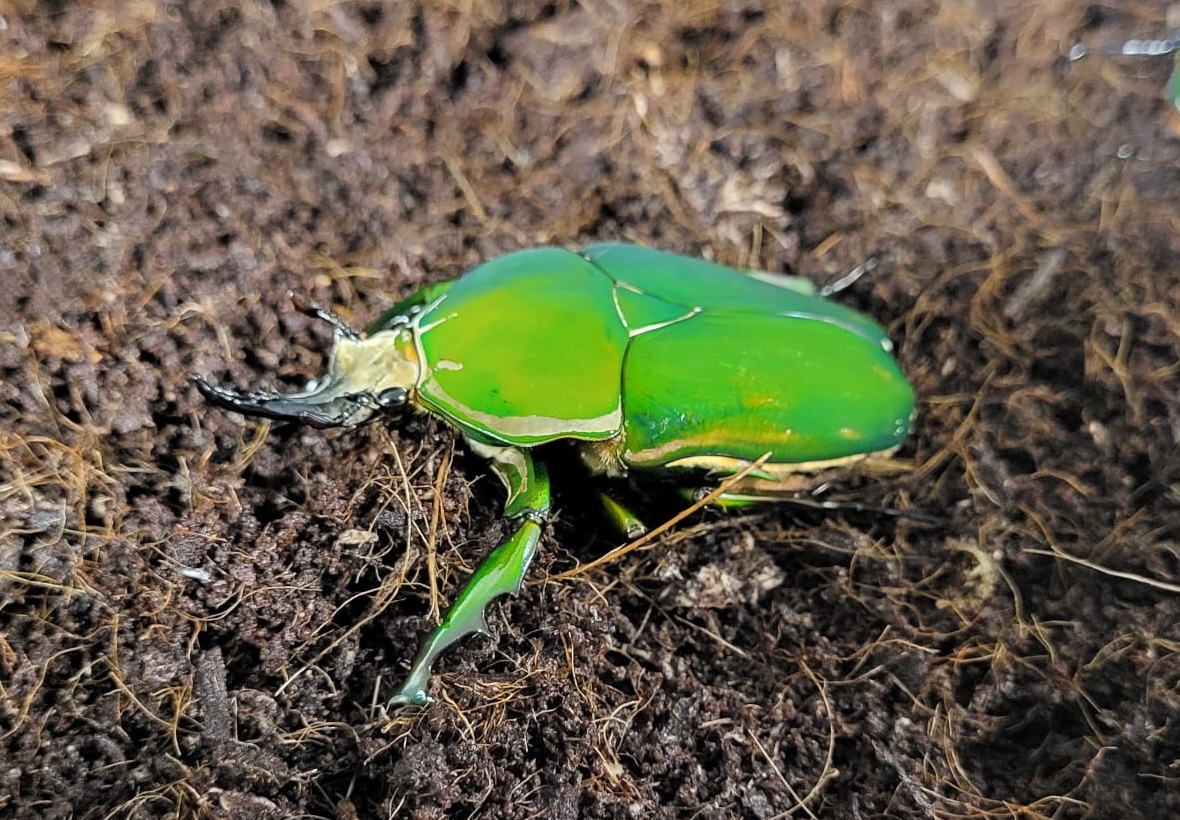
Caucasus Beetle (Chalcosoma chiron)


Formerly known as Chalcosoma caucasus, the common name of this species is misleading as it is found nowhere near the Caucasus Mountains but instead in the humid rainforests of Thailand, Vietnam, Peninsular Malaysia, Sumatra and Java. It is closely related to the famous Atlas Beetle, however these are even larger, with males growing up to 130mm in length, females up to 60mm. There are four subspecies, C.chiron belangeri in Thailand and Vietnam, C.chiron chiron in Java, C.chiron kirbyi in Peninsular Malaysia and C.chiron janssensi in Sumatra.

Photo by @Maguari

 
No more entries for a little while, I'm feeling a bit sick and thus haven't been able to write any new ones.


Entry 41


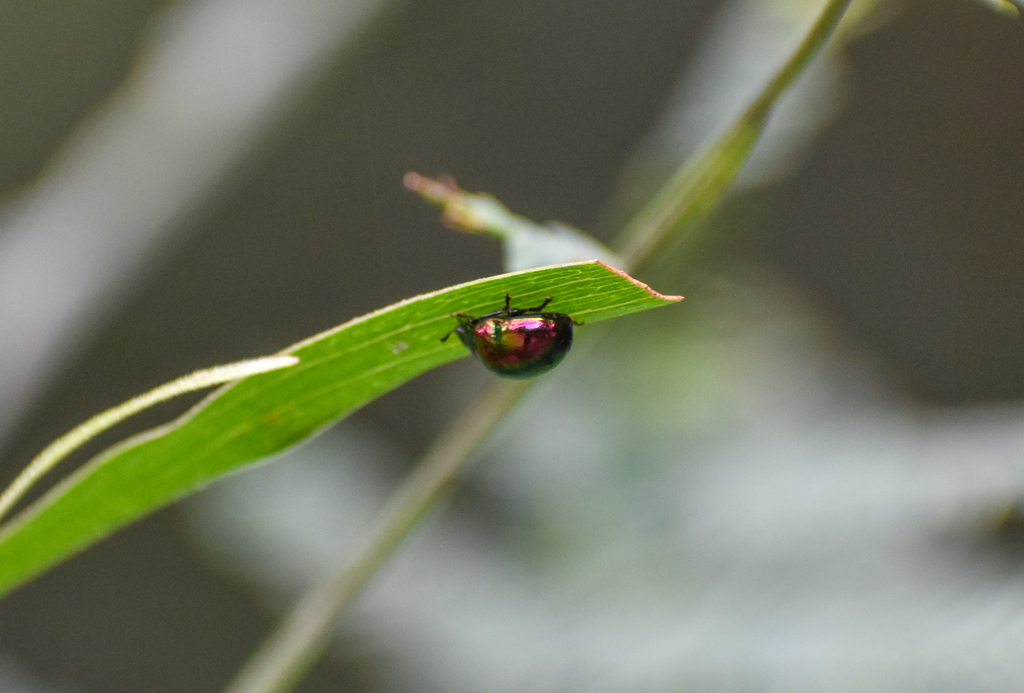
Hop Bush Leaf Beetle (Callidemum hypochalceum)

This is a leaf beetle in the family (Chrysomelidae), a diverse and colourful family found across the world. Hop Bush Leaf Beetles are metallic green in colour and grow up to around 12mm in length, they feed exclusively on Hopbush in the genus Dodonaea. They’re found in Eastern Australia.

Photo by @WhistlingKite24


Entry 42

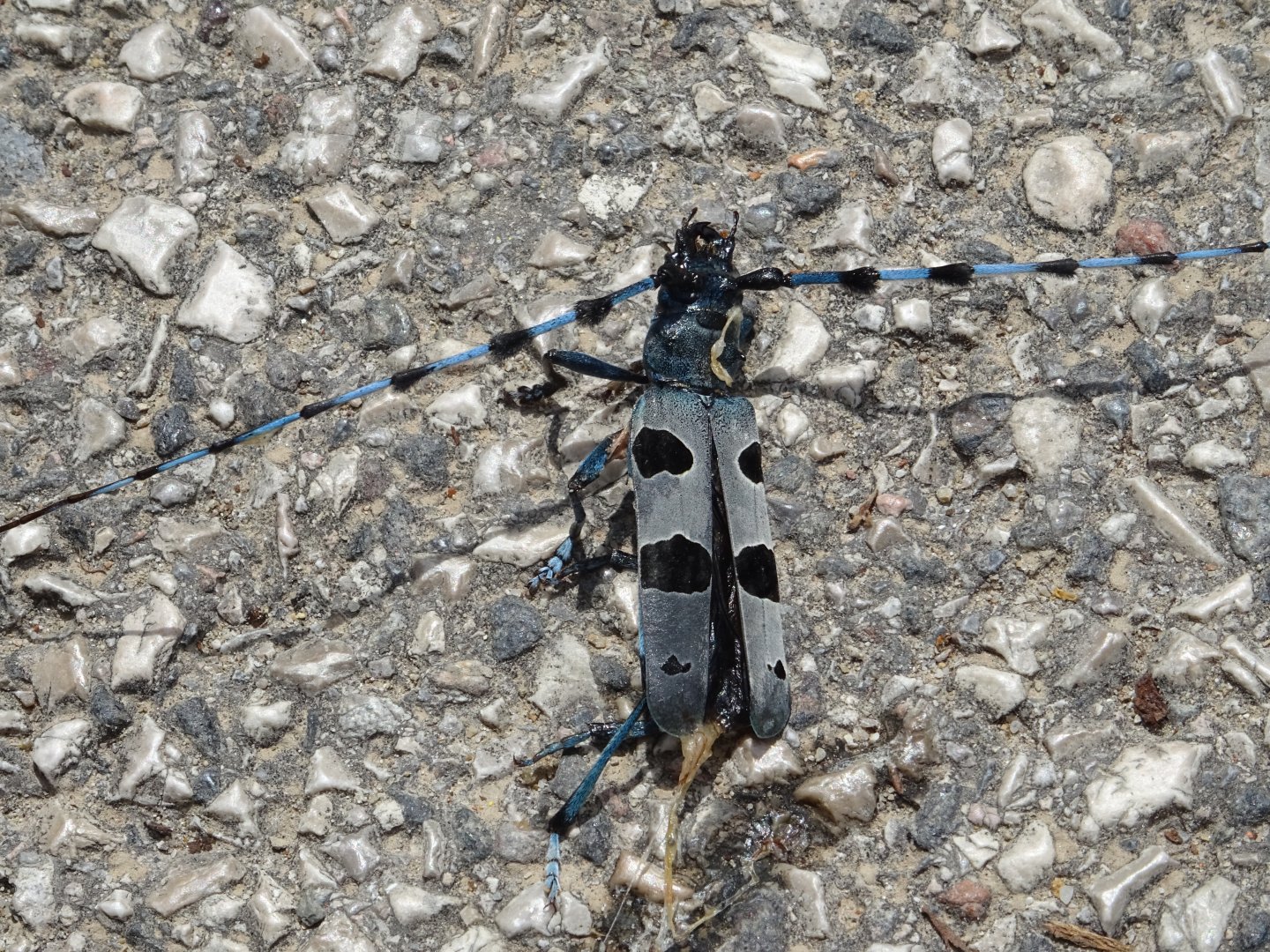
Rosalia Longicorn (Rosalia alpina)


One of the most spectacularly patterned species of the Longhorn Beetle family (Cerambycidae), while it is a wide ranging species found as far east as Spain and as far west as Russia and Turkey, it is considered rare and listed as Vulnerable on the IUCN red list and is protected in several countries. It grows up to 38mm long, lives for up to three years (including larval stage), and is active between the months of June and August.

Photo by @Daubentoniidae

 
Great thread! Beetles are the most diverse of all animals, and especially interesting for young visitors (who did not catch insects in a jam jar as a child?). But in zoos we see flower beetles Pachnoda at most.

I wonder whether zoos or hobbyists will learn to present such fascinating creatures as jewel beetles Buprestidae, longhorn beetles Cerambycidae and stag beetles Lucianidae? Unfortunately, all tend to develop in dead wood and grow for several years before living only few weeks as adults. Perhaps the impressive scarabs are more likely to be kept.
 
Last edited:
Started writing entries again, these should come out daily for a while but there might be short breaks every now and again.


Entry 43

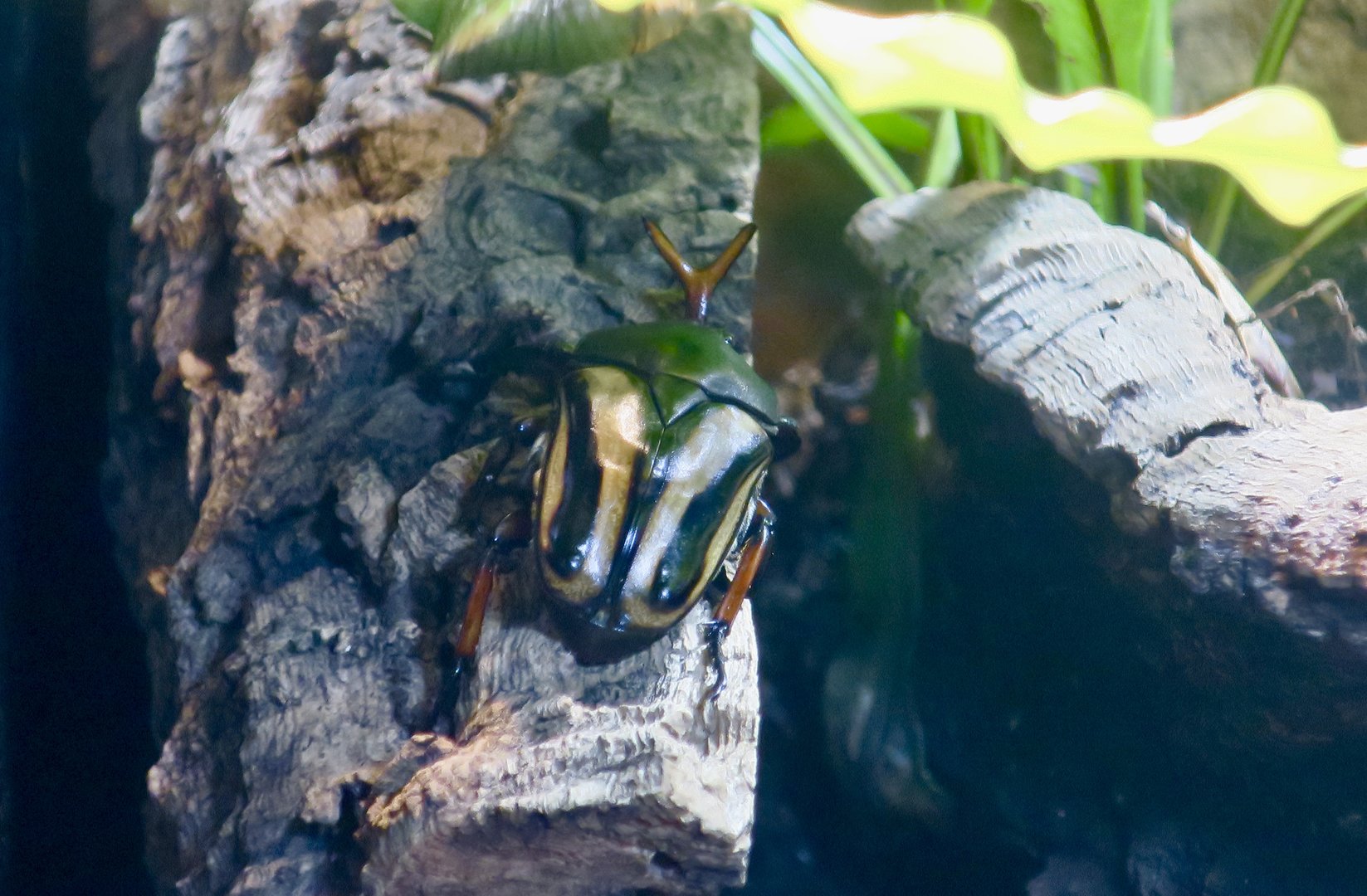
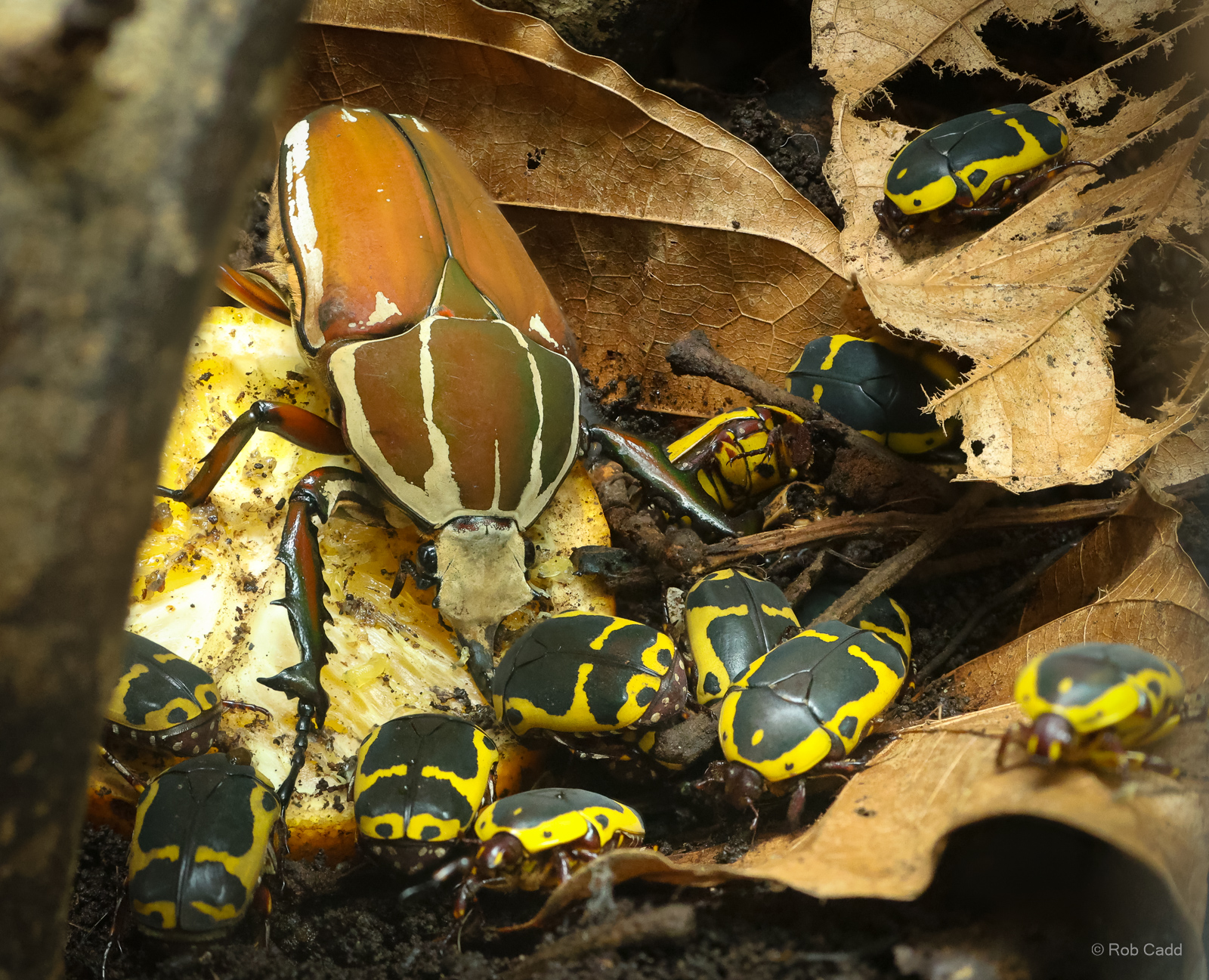
Flamboyant Flower Beetle (Eudicella gralli)

Also known as the Striped Love Beetle, this species is in the subfamily Cetoniinae, the flower chafers. They are found in Uganda and other parts of Central Africa where they feed on fruit and nectar. This is a species sought after by collectors, both live animals and dead specimens. Their body is prismatic, which gives them a rainbow sheen, they grow up to 40mm.

Photo by @RatioTile


Entry 44

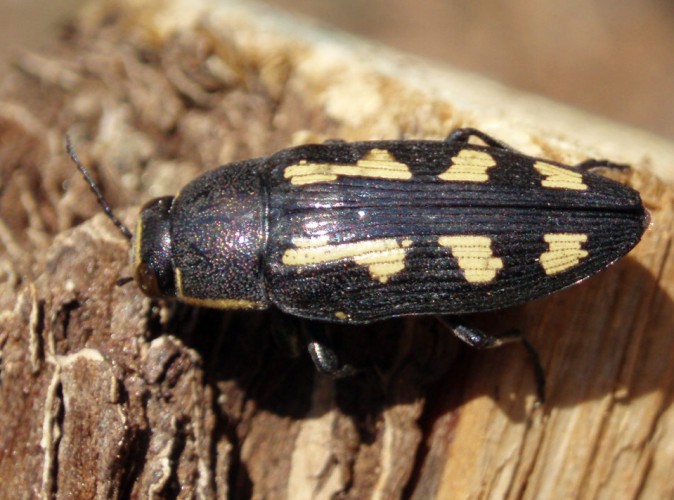
Painted Jewel Beetle (Buprestis novemmaculata)

The Painted Jewel Beetle is apart of the family Buprestidae, the Jewel Beetles, a colourful family of rather slender beetles found worldwide in primarily forest habitat. This species is native to Europe and grows up to 14mm in length. Another common name for this species is the Flat-headed Wood Borer although this name can refer to many species of the family.

Photo by @Kakapo


Entry 45


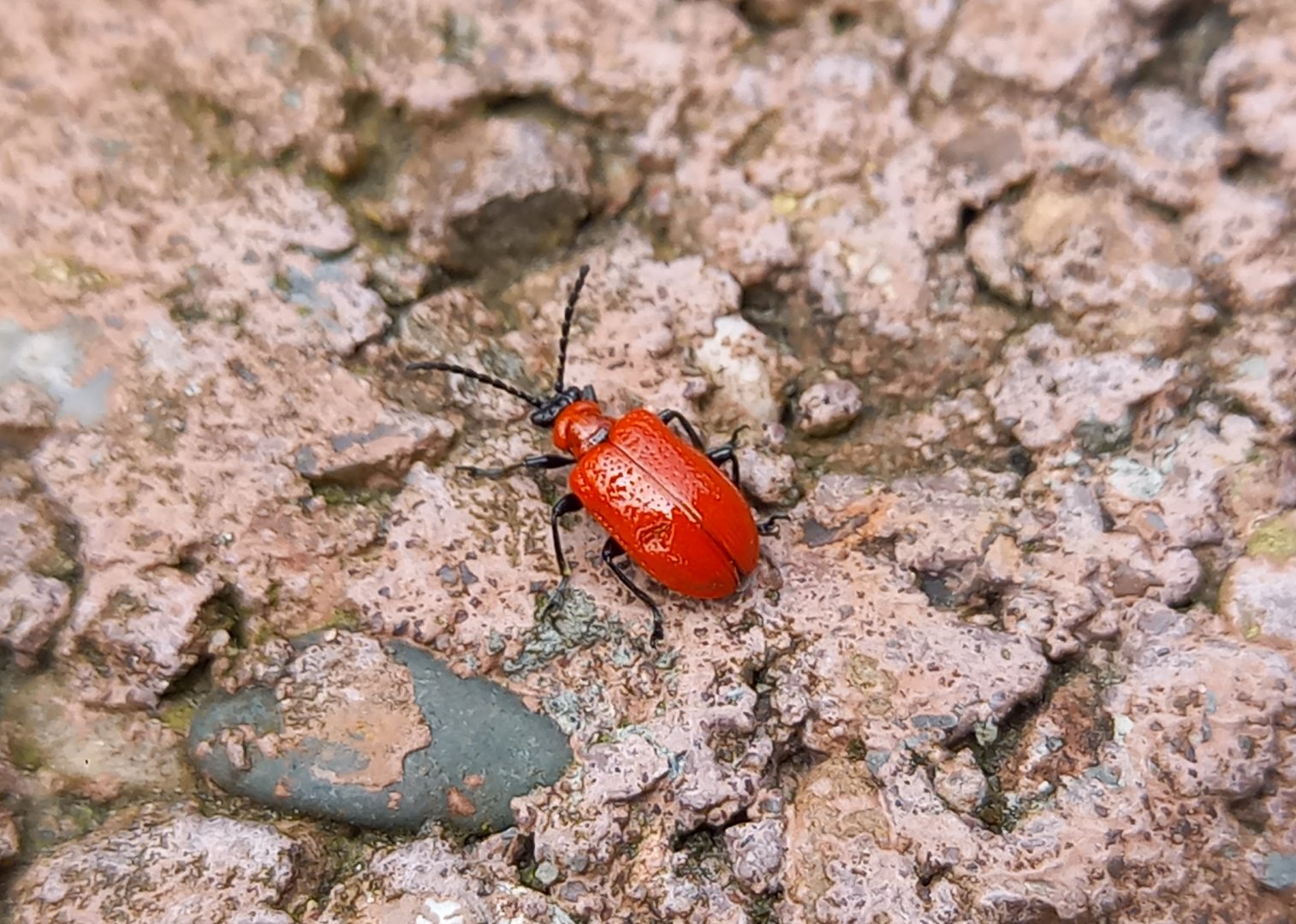
Scarlet Lily Beetle (Lilioceris lilii)

This species is a pest of the ornamental plants of the genus Lillium more commonly known as Lilies. They are native to Europe but have spread to North America and successfully colonised much of the continent. They grow up to 10mm long and have a uniform scarlet colouration that gives them their common name.

Photo by @vogelcommando


Entry 46

Large Spotted Ladybird (Harmonia conformis)

This is a medium-large ladybird species of up to 7mm long and a common sight during summer in much of Eastern Australia, particularly in and around Melbourne. They have very distinctive larvae that look superficially similar to a rove beetle. Both the larvae and adult feed on small soft-bodied invertebrates such as aphids and are considered welcome in most suburban gardens.

Photo by @WhistlingKite24

 
Entry 47

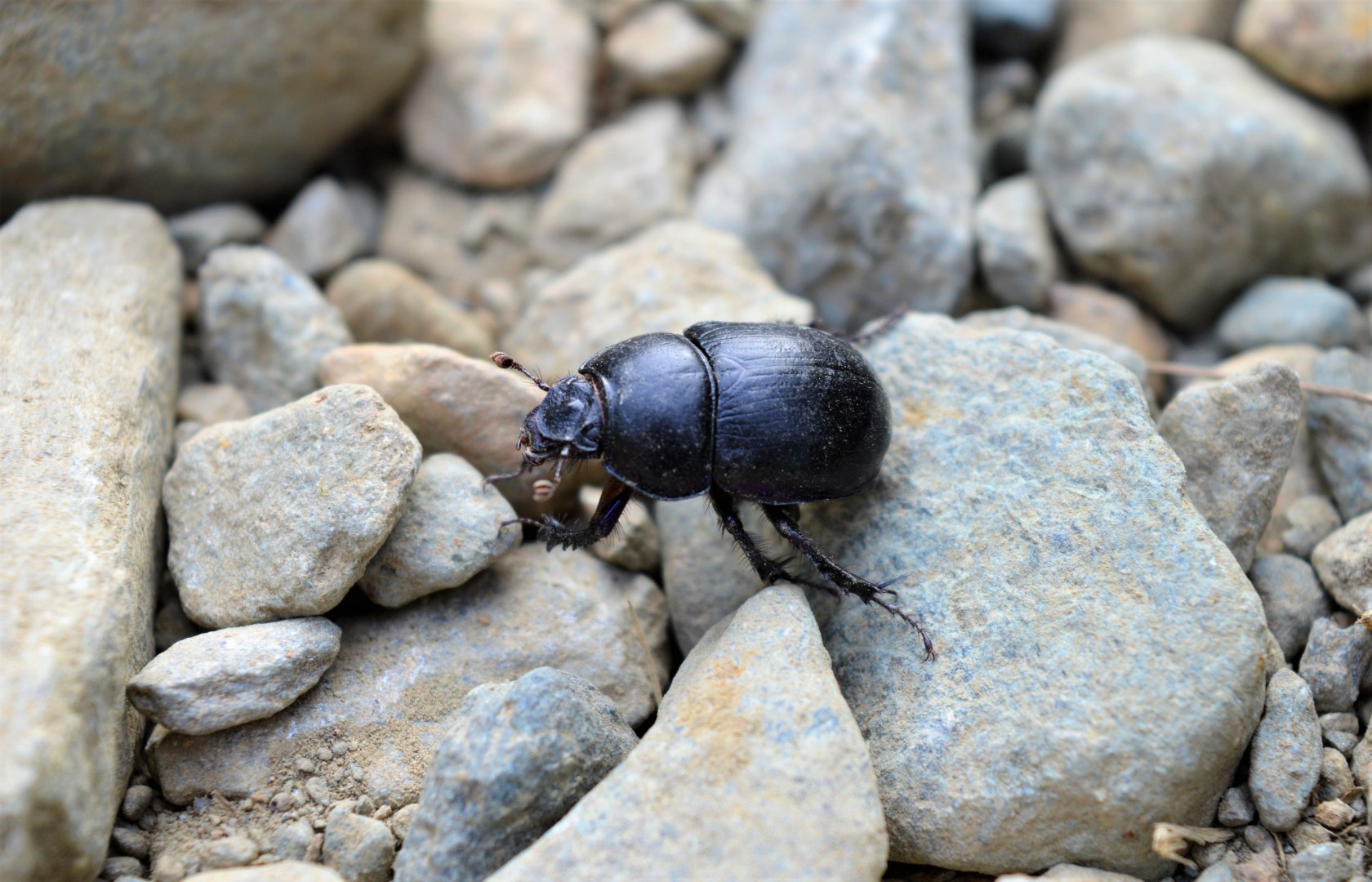
Dor Beetle (Geotrupes stercorarius)

Dor Beetles are a species of Earth Boring Dung Beetle (Geotrupidae) not to be confused with the true Dung Beetles, (Scarabaeidae family, Scarabaeinae subfamily), not all beetles in Geotrupidae consume dung, however, the Dor Beetle does. They grow up to 25mm long and are found in most of Europe including the British Isles. They create burrows for mating that can be as deep as 50cm.

Photo by @Benosaurus


Entry 48

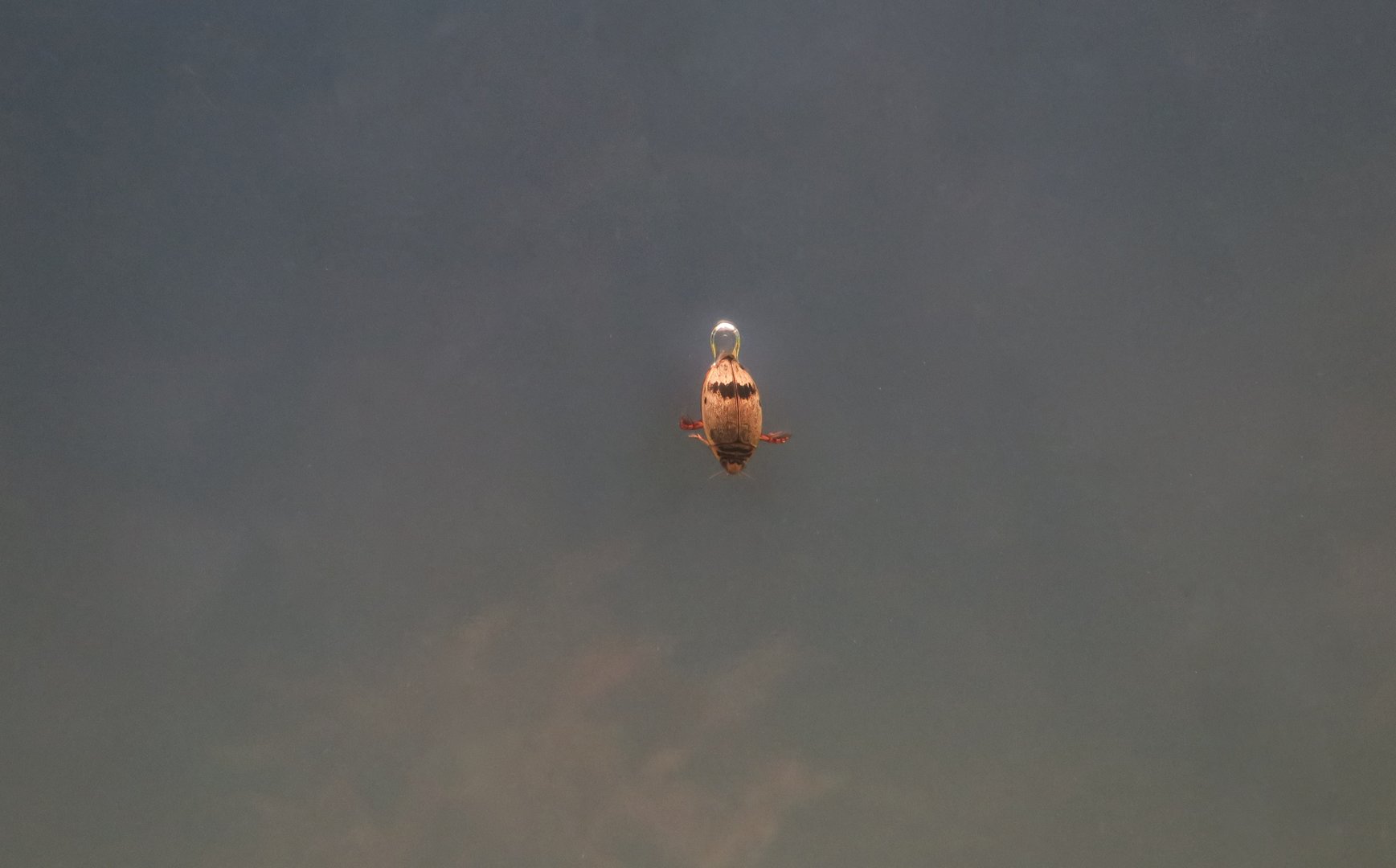
Mottled Diving Beetle (Thermonectus nigrofasciatus)

Closely related to the aforementioned Sunburst Diving Beetle, this species is found in the Eastern United States all the way west to Arizona. Similar to other diving beetles, they are predators that feed on small aquatic invertebrates. There are two subspecies, T.n.nigrofasciatus and T.n.ornaticollis.

Photo by @RatioTile

 
Apologies for no entries yesterday, got side-tracked doing something else


Entry 49

Giant Flower Beetle (Mecynorrhina torquata)

This is another large chafer species from Africa and is one of the most sought after species by collectors due to the variance in colour, pattern and size between individuals. There are four subspecies, M.t.torquata found in Côte d'Ivoire and Ghana, M.t.immaculicollis in Cameroon, Gabon, Central African Republic, Republic of the Congo and Democratic Republic of the Congo, M.t.poggei in Democratic Republic of the Congo and M.t.ugandensis which is sometimes considered a separate species is found in Uganda and the Democratic Republic of the Congo. They grow up to 85mm in length.

Photo by @vogelcommando


Photo by @ro6ca66


Entry 50

Ten-spotted Ladybird (Adalia decempunctata)

Found across much of the Palearctic including Europe, North Africa, Siberia, the Caucasus and Western Asia, this is a small-medium ladybird species growing to 5mm. They are extremely variable, including red beetles with large black spots, red beetles with small black spots, an entirely red variety with a black head, a black and orange spot variety and many more. n

Photo by @Kakapo

 
Mecynorhina ugandensis is most often considered a separate species. I would recommend a split in this thread.

Mecynorrhina torquata has different subspecies in captivity. Here's one I uploaded a few years ago:
Cameroon giant flower beetle (Mecynorrhinella torquata immaculicollis) - ZooChat

I saw just as many sources treating as a subspecies as a full species so I stuck with the former, I was actually thinking of asking you but didn’t in the end (probably should have in hindsight). There’s nothing I can do to the old entry now, but in light of that, I’ll give M.ugandensis it’s own entry later down the line :). Thanks
 
Back
Top