America's 100 Must See Exhibits

Love Amazon Rising. The aquatics are good enough, but the reptile collection in this exhibit is terrific. The caiman lizard exhibit with it's deep pool and climbing opportunities above do a great job of showing what the species is capable of with space.
Yes - and it's frequently active, making it an excellent display animal.

I do wish Amazon Rising would bring back Bullet Ants though. The lack of them now is really the only criticism I have of the exhibit (other than that it could maybe use a sloth).
 
40. Amazon Rising
Shedd Aquarium, IL
Opened: 2000
Size: 8,600 Square Feet (800 Square Meters)
Inhabitants: >250 species of neotropical fish, herps and birds.


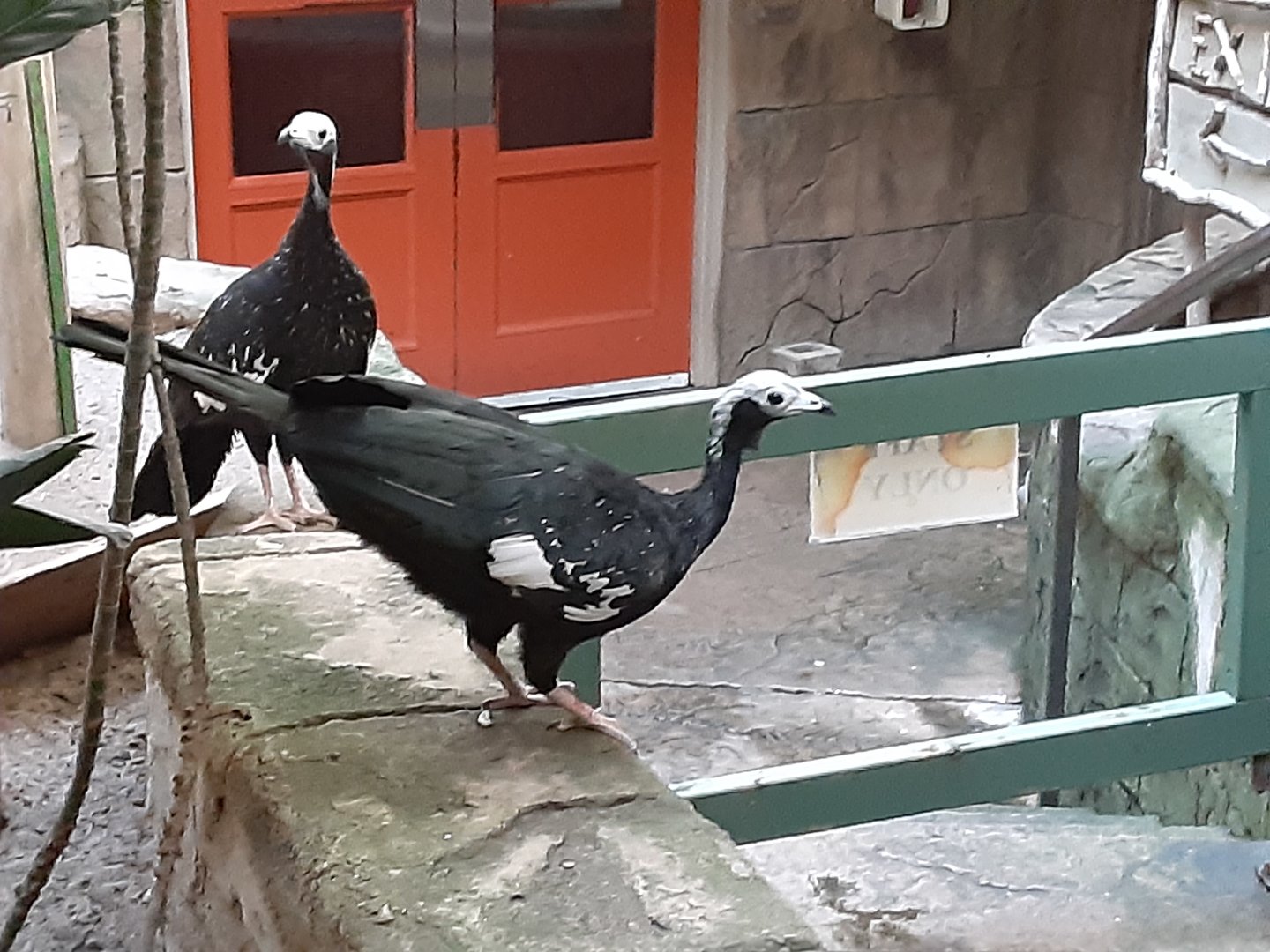
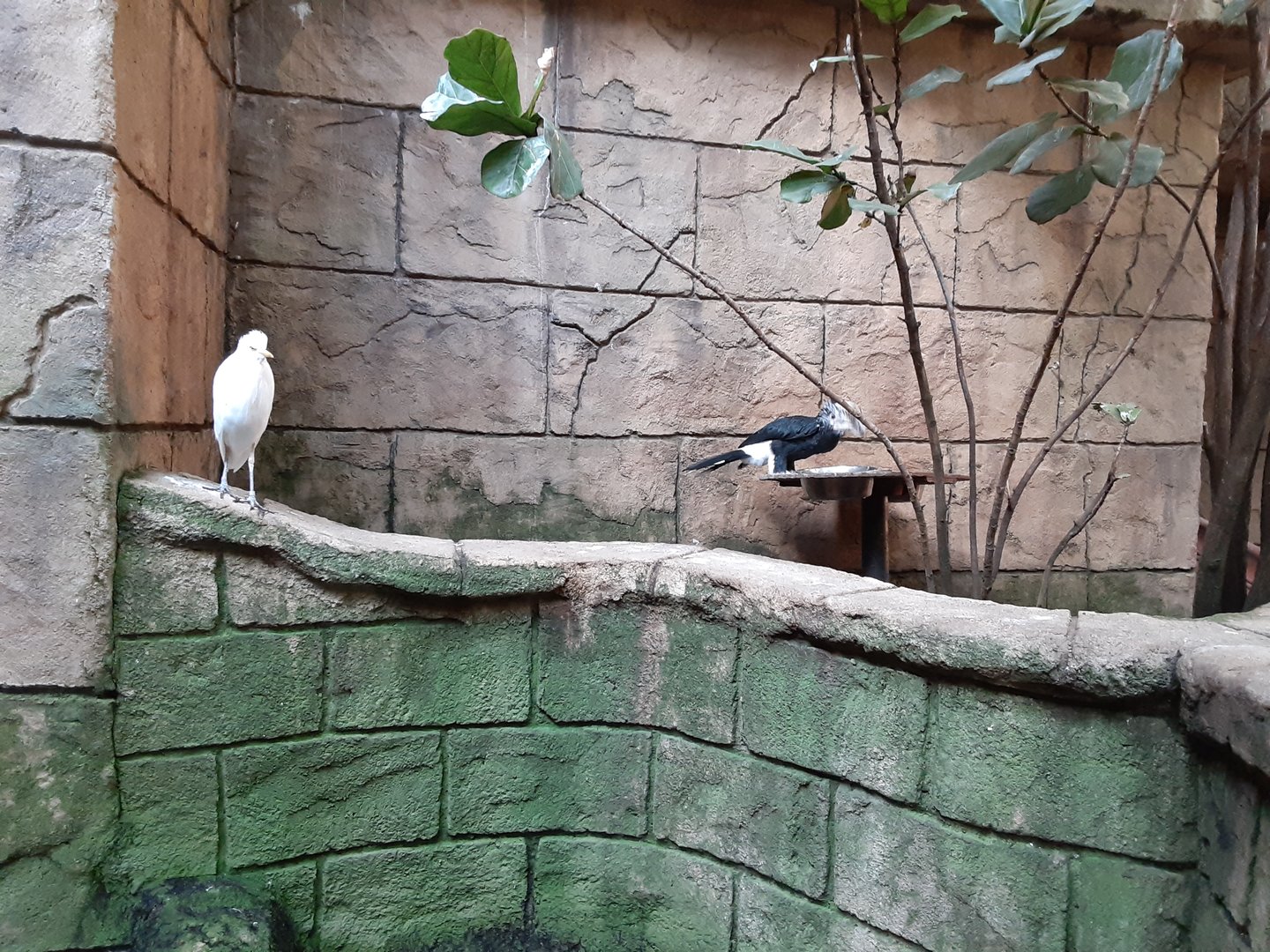
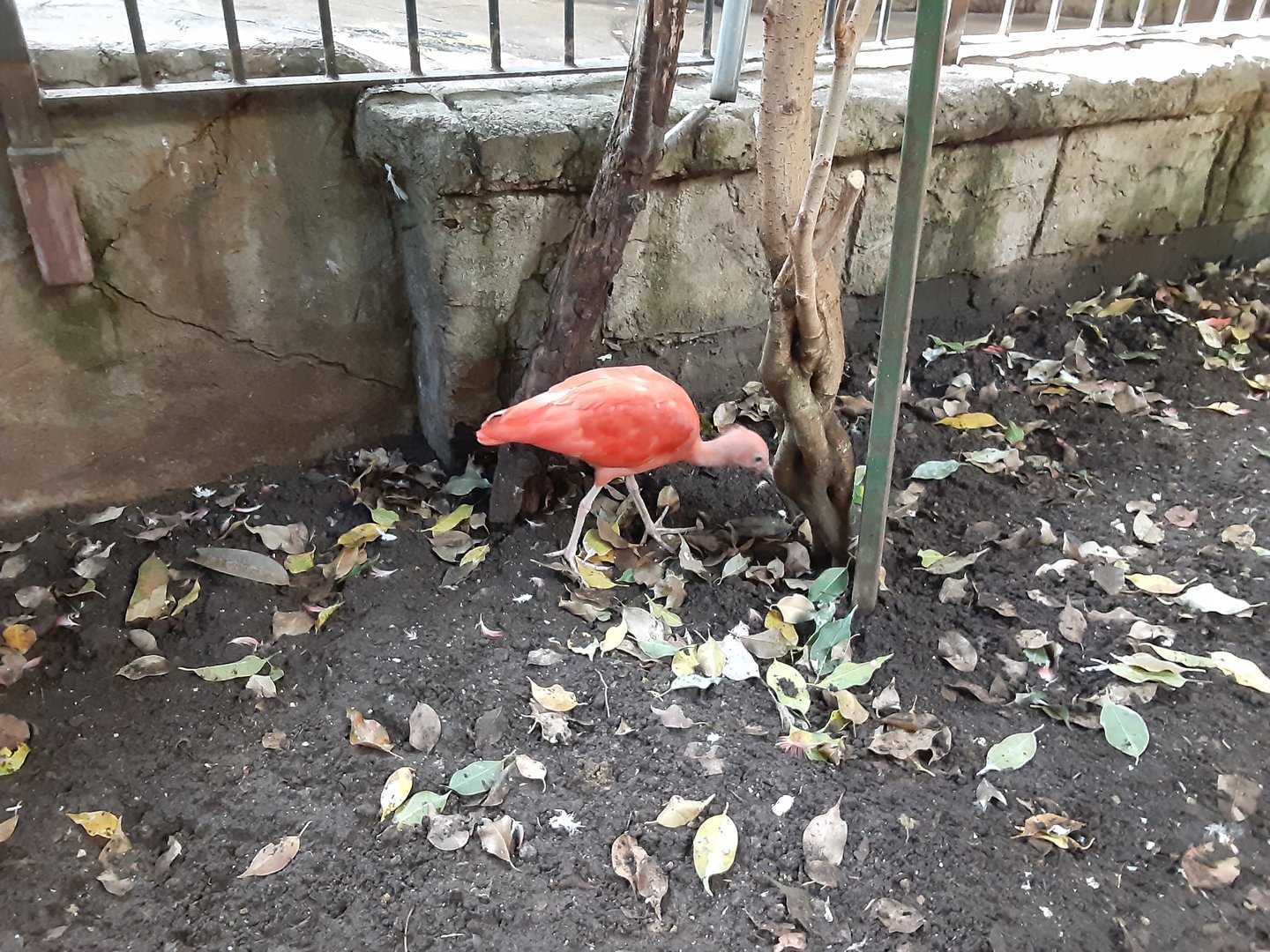
Shedd Aquarium recently announced plans to turn its historic galleries into themed complexes which has caused some concern that one of the zoo worlds greatest collections will be dramatically scaled back. However, if this display is any indication, perhaps there is less to worry about than initially thought. A little over 20 years ago, two of the aquarium's original galleries were combined and transformed into a series of outstanding South American tanks and one of the most interesting showcases of Amazonian biodiversity in any zoological institution. The exhibit is centered around representing a flooded forest, with some tanks that will change water levels depending on the season. While theming is present, it's subtle enough to where it isn't overbearing and the quality of the interpretive elements is of an extremely high level. Every tank is beautifully scaped with top-notch detailing and are all packed with a diverse array of species. The larger tanks are also supplemented by a variety of well-done vivaria which further boosts an already extensive collection. The first grouping of floodplain tanks in the gallery are separate from one another, but are all part of a single cohesive ecosystem which can be freely roamed by a variety of lizards, tortoises and birds. Some of the other most notable displays include a lengthy flooded forest tank, a densely vegetated caiman exhibit, and the river channel tank with arapaima and pacu. The latter is due to be expanded as part of the aquarium's centennial campaign, which will further ensure this brilliant gallery remains first in class for years to come.

full

@pachyderm pro
full

@pachyderm pro
full

@pachyderm pro
full

@pachyderm pro
full

@pachyderm pro
full

@pachyderm pro

Similar Exhibits: Another excellent showcase of neotropical river ecosystems is the Amazonia building at Smithsonian’s National Zoo. Instead of being a gallery, it's structured more like a walkthrough rainforest with many free-roaming species. It's also a bit larger than Shedd Aquarium's display, but the collection isn't even close to being as diverse with a focus on just a few larger tanks that aren't as well designed.

full

@SwampDonkey
full

@Moebelle
full

@Moebelle
full

@Moebelle

Anyone aware of any similar anaconda exhibits? Probably my favorite part of the entire thing.
 
Bonus Post #2 - Just out of Reach: Must-see Exhibits in Canadian Zoos

This is America’s 100 must-see exhibits, not North America. While I considered doing a comprehensive tour of the continent as a whole, truthfully there isn't enough worth mentioning to justify including exhibits from Canada and Mexico in this thread. However, that's not to say there isn't anything notable and it wouldn't be right to ignore exhibits that would have made this list if they were located in the US. I know next to nothing about Mexican zoos, so I decided to stick to Canada in this post. If there are any members who are familiar with collections in Mexico and believe there are exhibits that are noteworthy, do mention them below as I'd personally be very curious to hear of any.

With that said, here are three Canadian zoo exhibits that would have made this list if they were located in the United States:

1. Journey to Churchill

Assiniboine Park Zoo, Manitoba
Opened: 2014
Size: 10 Acres (4 Hectares)
Inhabitants: Polar Bear, Musk Ox, Caribou, Arctic Fox, Harbor Seal, Snowy Owl


How this relatively obscure little zoo in the middle of Manitoba got their hands on $90 million I have no clue, but what I do know is that this is by far the greatest exhibit Canada has to offer. When looking at polar bear exhibits on both sides of the pond, they each have their general strengths and weaknesses, with US polar bear enclosures focusing on the visitor experience while Europe prioritizes space for the animals. Here is an exhibit that takes the best elements from both and there isn’t a single polar bear habitat anywhere else in the world that strikes such a perfect balance of exemplary animal welfare and an inspiring visitor experience. There are several open grassy fields filled with multiple bears living in groups, which is an unusual sight, as well as multiple underwater viewing windows and even a pair of underwater tunnels both for the bears and an adjacent seal exhibit. That's not the only highlight of this extensive complex: arctic foxes have a pleasant enclosure, musk ox and caribou are found in scenic grassy pastures, and snowy owls are treated to an incredibly spacious aviary. The theming and educational components are phenomenal with plenty of commentary on global warming, and the large restaurant with windows gazing out at one of the bear exhibits is the cherry on top. This exhibit is an easy shoe-in for any worldwide must-see list without a doubt.

full

@snowleopard
full

@snowleopard
full

@snowleopard
full

@snowleopard
full

@snowleopard
full

@snowleopard
full

@snowleopard

2. Penguin Plunge
Calgary Zoo, Alberta
Opened: 2012
Size: 24,700 Square Feet (2,300 Square Meters)
Inhabitants: Humboldt Penguin, King Penguin, Southern Rockhopper Penguin, Gentoo Penguin


A few profiles ago I talked about Penguin and Puffin Coast at Saint Louis Zoo and teased that there would be another similar exhibit mentioned at a later time. This is that exhibit, as there are a ton of similarities between the two penguin houses and it's clear this one was heavily inspired by Saint Louis. It's another walkthrough penguin fridge with open-topped enclosures on both sides of the guest pathway, but these penguin exhibits are actually quite a bit larger and better detailed. The species list is also identical minus the lack of puffins, although there is one particularly notable feature that gives this exhibit an edge. Just like the Saint Louis exhibit, there is a large outdoor enclosure for Humboldt penguins adjacent to the building. However, this Humboldt penguin exhibit is both surprisingly large and surprisingly green. The coolest aspect of the complex is that during the winter months the Antarctic penguins are given access to this enclosure and seeing king, gentoo and rockhopper penguins in a spacious outdoor exhibit is quite impressive.

full

@snowleopard
full

@snowleopard
full

@Pleistohorse

3. Eastern Asia
Sauvage Zoo of St-Félicien, Quebec
Opened: c.1995
Size: Unknown
Inhabitants: Amur Tiger, Japanese Macaque, Red Panda, Red Crowned Crane

A debt of gratitude is owed to @TinoPup, who just recently uploaded an extensive photo showcase of this rather unknown collection. In essence, Sauvage is the North American equivalent of a Scandinavian zoo; a lopsided focus on mammals, interesting mixed-species environments, and absolutely gigantic enclosures in natural settings. There are several exhibits at this zoo that I considered for this spot, such as the polar bear/arctic fox complex and the large enclosure for a variety of small woodland mammals, but I decided to go with the Eastern Asia complex. Only a few species are featured, but they are all in absolutely enormous exhibits set in a gorgeous temperate forest. The whole area is traversed via an elevated walkway which provides some breathtaking views of both the animal enclosures and the surrounding forest. It can be challenge actually finding the inhabitants at times, but that's part of the experience of exhibits like these. It really is unfortunate exhibits like this are rather uncommon in the US as even with just a few species they can really make for a spectacle. Truthfully this whole zoo would have likely been included in 'America's 50 Must-see zoos' had it been located in the states and this stunning series of enclosures is big reason why.

full

@TinoPup
full

@TinoPup
full

@TinoPup
full

@TinoPup

There are other Canadian zoo exhibits that are worthy of a mention: Great Vancouver Zoo's hippo pond and BC Wildlife Parks kermode bear enclosure come to mind. However, the former is flawed because of the small indoor quarters and the latter would really only be considered must-see for its inhabitants (although the exhibit itself is quite good). In spite of being the most famous zoo in all of Canada, Toronto Zoo really doesn't have much that stands out as a must-see exhibit, which is rather interesting considering its popularity.
 
Anyone aware of any similar anaconda exhibits? Probably my favorite part of the entire thing.
New England Aquarium is similar in that the anaconda is displayed with fishes and turtles (the anaconda exhibit actually has more individual fish in it than the giant ocean tank) but lacks the shift door and back of house holding capabilities that Shedd has.
 
Bonus Post #2 - Just out of Reach: Must-see Exhibits in Canadian Zoos

This is America’s 100 must-see exhibits, not North America. While I considered doing a comprehensive tour of the continent as a whole, truthfully there isn't enough worth mentioning to justify including exhibits from Canada and Mexico in this thread. However, that's not to say there isn't anything notable and it wouldn't be right to ignore exhibits that would have made this list if they were located in the US. I know next to nothing about Mexican zoos, so I decided to stick to Canada in this post. If there are any members who are familiar with collections in Mexico and believe there are exhibits that are noteworthy, do mention them below as I'd personally be very curious to hear of any.

With that said, here are three Canadian zoo exhibits that would have made this list if they were located in the United States:

1. Journey to Churchill

Assiniboine Park Zoo, Manitoba
Opened: 2014
Size: 10 Acres (4 Hectares)
Inhabitants: Polar Bear, Musk Ox, Caribou, Arctic Fox, Harbor Seal, Snowy Owl


How this relatively obscure little zoo in the middle of Manitoba got their hands on $90 million I have no clue, but what I do know is that this is by far the greatest exhibit Canada has to offer. When looking at polar bear exhibits on both sides of the pond, they each have their general strengths and weaknesses, with US polar bear enclosures focusing on the visitor experience while Europe prioritizes space for the animals. Here is an exhibit that takes the best elements from both and there isn’t a single polar bear habitat anywhere else in the world that strikes such a perfect balance of exemplary animal welfare and an inspiring visitor experience. There are several open grassy fields filled with multiple bears living in groups, which is an unusual sight, as well as multiple underwater viewing windows and even a pair of underwater tunnels both for the bears and an adjacent seal exhibit. That's not the only highlight of this extensive complex: arctic foxes have a pleasant enclosure, musk ox and caribou are found in scenic grassy pastures, and snowy owls are treated to an incredibly spacious aviary. The theming and educational components are phenomenal with plenty of commentary on global warming, and the large restaurant with windows gazing out at one of the bear exhibits is the cherry on top. This exhibit is an easy shoe-in for any worldwide must-see list without a doubt.

full

@snowleopard
full

@snowleopard
full

@snowleopard
full

@snowleopard
full

@snowleopard
full

@snowleopard
full

@snowleopard

2. Penguin Plunge
Calgary Zoo, Alberta
Opened: 2012
Size: 24,700 Square Feet (2,300 Square Meters)
Inhabitants: Humboldt Penguin, King Penguin, Southern Rockhopper Penguin, Gentoo Penguin


A few profiles ago I talked about Penguin and Puffin Coast at Saint Louis Zoo and teased that there would be another similar exhibit mentioned at a later time. This is that exhibit, as there are a ton of similarities between the two penguin houses and it's clear this one was heavily inspired by Saint Louis. It's another walkthrough penguin fridge with open-topped enclosures on both sides of the guest pathway, but these penguin exhibits are actually quite a bit larger and better detailed. The species list is also identical minus the lack of puffins, although there is one particularly notable feature that gives this exhibit an edge. Just like the Saint Louis exhibit, there is a large outdoor enclosure for Humboldt penguins adjacent to the building. However, this Humboldt penguin exhibit is both surprisingly large and surprisingly green. The coolest aspect of the complex is that during the winter months the Antarctic penguins are given access to this enclosure and seeing king, gentoo and rockhopper penguins in a spacious outdoor exhibit is quite impressive.

full

@snowleopard
full

@snowleopard
full

@Pleistohorse

3. Eastern Asia
Sauvage Zoo of St-Félicien, Quebec
Opened: c.1995
Size: Unknown
Inhabitants: Amur Tiger, Japanese Macaque, Red Panda, Red Crowned Crane

A debt of gratitude is owed to @TinoPup, who just recently uploaded an extensive photo showcase of this rather unknown collection. In essence, Sauvage is the North American equivalent of a Scandinavian zoo; a lopsided focus on mammals, interesting mixed-species environments, and absolutely gigantic enclosures in natural settings. There are several exhibits at this zoo that I considered for this spot, such as the polar bear/arctic fox complex and the large enclosure for a variety of small woodland mammals, but I decided to go with the Eastern Asia complex. Only a few species are featured, but they are all in absolutely enormous exhibits set in a gorgeous temperate forest. The whole area is traversed via an elevated walkway which provides some breathtaking views of both the animal enclosures and the surrounding forest. It can be challenge actually finding the inhabitants at times, but that's part of the experience of exhibits like these. It really is unfortunate exhibits like this are rather uncommon in the US as even with just a few species they can really make for a spectacle. Truthfully this whole zoo would have likely been included in 'America's 50 Must-see zoos' had it been located in the states and this stunning series of enclosures is big reason why.

full

@TinoPup
full

@TinoPup
full

@TinoPup
full

@TinoPup

There are other Canadian zoo exhibits that are worthy of a mention: Great Vancouver Zoo's hippo pond and BC Wildlife Parks kermode bear enclosure come to mind. However, the former is flawed because of the small indoor quarters and the latter would really only be considered must-see for its inhabitants (although the exhibit itself is quite good). In spite of being the most famous zoo in all of Canada, Toronto Zoo really doesn't have much that stands out as a must-see exhibit, which is rather interesting considering its popularity.

I don’t know much about it but I’ve seen photos and read very high praise of Cochrane Polar Bear habitat. Wondering if you considered that a worthy mention or maybe for the purpose of this list it’s not being considered a true zoo?

No criticism, just interested :)
 
I second @nedpepper with the Cochrane Polar Bear Habitat. It's really far north, and only has three polar bears currently, but it is a breathtaking facility. There's 4 enclosures with the largest being 21 acres and containing an entire lake - not a pond - that freezes in winter. There's two enclosures that are each 0.5 acres and are more for older bears, monitoring health, introducing bears to each other, etc. and a 1.5 acre enclosure.
 
Bonus Post #2 - Just out of Reach: Must-see Exhibits in Canadian Zoos

3. Eastern Asia
Sauvage Zoo of St-Félicien, Quebec
Opened: c.1995
Size: Unknown
Inhabitants: Amur Tiger, Japanese Macaque, Red Panda, Red Crowned Crane

A debt of gratitude is owed to @TinoPup, who just recently uploaded an extensive photo showcase of this rather unknown collection. In essence, Sauvage is the North American equivalent of a Scandinavian zoo; a lopsided focus on mammals, interesting mixed-species environments, and absolutely gigantic enclosures in natural settings. There are several exhibits at this zoo that I considered for this spot, such as the polar bear/arctic fox complex and the large enclosure for a variety of small woodland mammals, but I decided to go with the Eastern Asia complex. Only a few species are featured, but they are all in absolutely enormous exhibits set in a gorgeous temperate forest. The whole area is traversed via an elevated walkway which provides some breathtaking views of both the animal enclosures and the surrounding forest. It can be challenge actually finding the inhabitants at times, but that's part of the experience of exhibits like these. It really is unfortunate exhibits like this are rather uncommon in the US as even with just a few species they can really make for a spectacle. Truthfully this whole zoo would have likely been included in 'America's 50 Must-see zoos' had it been located in the states and this stunning series of enclosures is big reason why.

full

@TinoPup
full

@TinoPup
full

@TinoPup
full

@TinoPup

There are other Canadian zoo exhibits that are worthy of a mention: Great Vancouver Zoo's hippo pond and BC Wildlife Parks kermode bear enclosure come to mind. However, the former is flawed because of the small indoor quarters and the latter would really only be considered must-see for its inhabitants (although the exhibit itself is quite good). In spite of being the most famous zoo in all of Canada, Toronto Zoo really doesn't have much that stands out as a must-see exhibit, which is rather interesting considering its popularity.

I highly recommend a visit to Zoo Sauvage if anyone has a chance! It is a breathtaking facility. Missing from my photos are the Asian ungulate section, by the way. They do have a good amount of birds, but all were off exhibit due to avian flu. Every single exhibit is outside and they're all viewed from looking down/up. There's only four glass windows - the polar bear pool in exhibit #2, the huge gelada window, and ones downstairs at the tiger and brown bear/bobcat exhibits (I didn't go to either, since the animals weren't near them anyway). The chain link fencing is only on the sides of exhibits/under the walkways and often not visible at all.

Aquarium du Quebec is wonderful, as well. None of their exhibits fit here - the polar bear one might if it weren't for several better ones in their own country! - but the facility itself is gorgeous, with lots of interesting species. The outdoors areas are basically a botanic garden, and it all overlooks the St Lawrence.
 
I don’t know much about it but I’ve seen photos and read very high praise of Cochrane Polar Bear habitat. Wondering if you considered that a worthy mention or maybe for the purpose of this list it’s not being considered a true zoo?

No criticism, just interested :)
I didn't really consider the polar bear habitat because it's a little bit odd to define it as a zoo per say, but I do agree that it is phenomenal and among the very best anywhere in the world. Like @TinoPup said, Canada has several amazing polar bear exhibits - Assiniboine, Toronto, Sauvage (mixed with arctic foxes), Aquarium du Quebec, etc. - and it's easily the best country for the species in captivity. Calgary Zoo will be opening their new polar bear habitat later this year and I'm expecting it to be similarly first in class.
 
I didn't really consider the polar bear habitat because it's a little bit odd to define it as a zoo per say, but I do agree that it is phenomenal and among the best anywhere in the world. Like @TinoPup said, Canada has several amazing polar bear exhibits - Assiniboine, Toronto, Sauvage (mixed with arctic foxes), Aquarium du Quebec, etc. - and it's easily the best country for the species in captivity. Calgary Zoo will be opening their new polar bear habitat later this year and I'm expecting it to be similarly first in class.
Mixed with arctic foxes? Do they get along?
 
Mixed with arctic foxes? Do they get along?
Presumably they do, or the bears would have decided to "discontinue" the mix by now. :p The enclosures are large and varied enough to where both species can stay out of each others way and I believe there are some areas only the foxes can access. That's not the only unconventional carnivore mix at Sauvage, as they also mix brown bears with bobcats.
 
Bonus Post #2 - Just out of Reach: Must-see Exhibits in Canadian Zoos

This is America’s 100 must-see exhibits, not North America. While I considered doing a comprehensive tour of the continent as a whole, truthfully there isn't enough worth mentioning to justify including exhibits from Canada and Mexico in this thread. However, that's not to say there isn't anything notable and it wouldn't be right to ignore exhibits that would have made this list if they were located in the US. I know next to nothing about Mexican zoos, so I decided to stick to Canada in this post. If there are any members who are familiar with collections in Mexico and believe there are exhibits that are noteworthy, do mention them below as I'd personally be very curious to hear of any.

With that said, here are three Canadian zoo exhibits that would have made this list if they were located in the United States:

1. Journey to Churchill

Assiniboine Park Zoo, Manitoba
Opened: 2014
Size: 10 Acres (4 Hectares)
Inhabitants: Polar Bear, Musk Ox, Caribou, Arctic Fox, Harbor Seal, Snowy Owl


How this relatively obscure little zoo in the middle of Manitoba got their hands on $90 million I have no clue, but what I do know is that this is by far the greatest exhibit Canada has to offer. When looking at polar bear exhibits on both sides of the pond, they each have their general strengths and weaknesses, with US polar bear enclosures focusing on the visitor experience while Europe prioritizes space for the animals. Here is an exhibit that takes the best elements from both and there isn’t a single polar bear habitat anywhere else in the world that strikes such a perfect balance of exemplary animal welfare and an inspiring visitor experience. There are several open grassy fields filled with multiple bears living in groups, which is an unusual sight, as well as multiple underwater viewing windows and even a pair of underwater tunnels both for the bears and an adjacent seal exhibit. That's not the only highlight of this extensive complex: arctic foxes have a pleasant enclosure, musk ox and caribou are found in scenic grassy pastures, and snowy owls are treated to an incredibly spacious aviary. The theming and educational components are phenomenal with plenty of commentary on global warming, and the large restaurant with windows gazing out at one of the bear exhibits is the cherry on top. This exhibit is an easy shoe-in for any worldwide must-see list without a doubt.

full

@snowleopard
full

@snowleopard
full

@snowleopard
full

@snowleopard
full

@snowleopard
full

@snowleopard
full

@snowleopard

2. Penguin Plunge
Calgary Zoo, Alberta
Opened: 2012
Size: 24,700 Square Feet (2,300 Square Meters)
Inhabitants: Humboldt Penguin, King Penguin, Southern Rockhopper Penguin, Gentoo Penguin


A few profiles ago I talked about Penguin and Puffin Coast at Saint Louis Zoo and teased that there would be another similar exhibit mentioned at a later time. This is that exhibit, as there are a ton of similarities between the two penguin houses and it's clear this one was heavily inspired by Saint Louis. It's another walkthrough penguin fridge with open-topped enclosures on both sides of the guest pathway, but these penguin exhibits are actually quite a bit larger and better detailed. The species list is also identical minus the lack of puffins, although there is one particularly notable feature that gives this exhibit an edge. Just like the Saint Louis exhibit, there is a large outdoor enclosure for Humboldt penguins adjacent to the building. However, this Humboldt penguin exhibit is both surprisingly large and surprisingly green. The coolest aspect of the complex is that during the winter months the Antarctic penguins are given access to this enclosure and seeing king, gentoo and rockhopper penguins in a spacious outdoor exhibit is quite impressive.

full

@snowleopard
full

@snowleopard
full

@Pleistohorse

3. Eastern Asia
Sauvage Zoo of St-Félicien, Quebec
Opened: c.1995
Size: Unknown
Inhabitants: Amur Tiger, Japanese Macaque, Red Panda, Red Crowned Crane

A debt of gratitude is owed to @TinoPup, who just recently uploaded an extensive photo showcase of this rather unknown collection. In essence, Sauvage is the North American equivalent of a Scandinavian zoo; a lopsided focus on mammals, interesting mixed-species environments, and absolutely gigantic enclosures in natural settings. There are several exhibits at this zoo that I considered for this spot, such as the polar bear/arctic fox complex and the large enclosure for a variety of small woodland mammals, but I decided to go with the Eastern Asia complex. Only a few species are featured, but they are all in absolutely enormous exhibits set in a gorgeous temperate forest. The whole area is traversed via an elevated walkway which provides some breathtaking views of both the animal enclosures and the surrounding forest. It can be challenge actually finding the inhabitants at times, but that's part of the experience of exhibits like these. It really is unfortunate exhibits like this are rather uncommon in the US as even with just a few species they can really make for a spectacle. Truthfully this whole zoo would have likely been included in 'America's 50 Must-see zoos' had it been located in the states and this stunning series of enclosures is big reason why.

full

There are other Canadian zoo exhibits that are worthy of a mention: Great Vancouver Zoo's hippo pond and BC Wildlife Parks kermode bear enclosure come to mind. However, the former is flawed because of the small indoor quarters and the latter would really only be considered must-see for its inhabitants (although the exhibit itself is quite good). In spite of being the most famous zoo in all of Canada, Toronto Zoo really doesn't have much that stands out as a must-see exhibit, which is rather interesting considering its popularity.
Certainly nice to hear about some impressive Canadian exhibits. I'm surprised Toronto doesn't have anything must-see though.

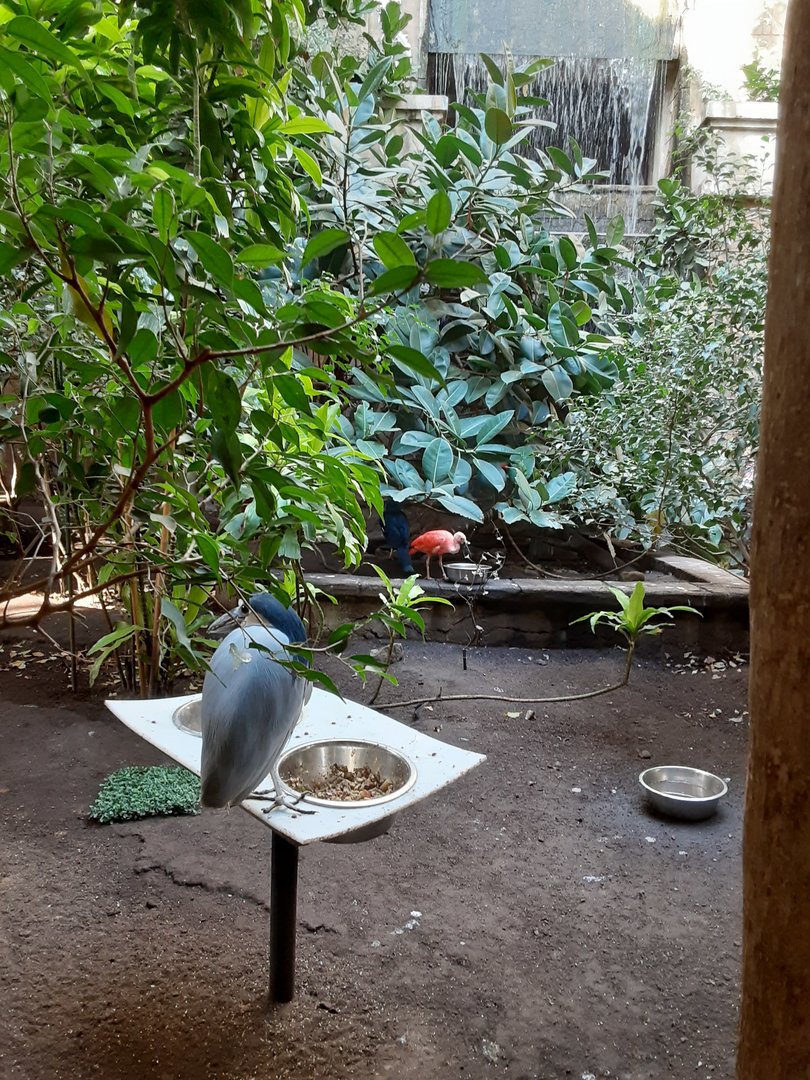
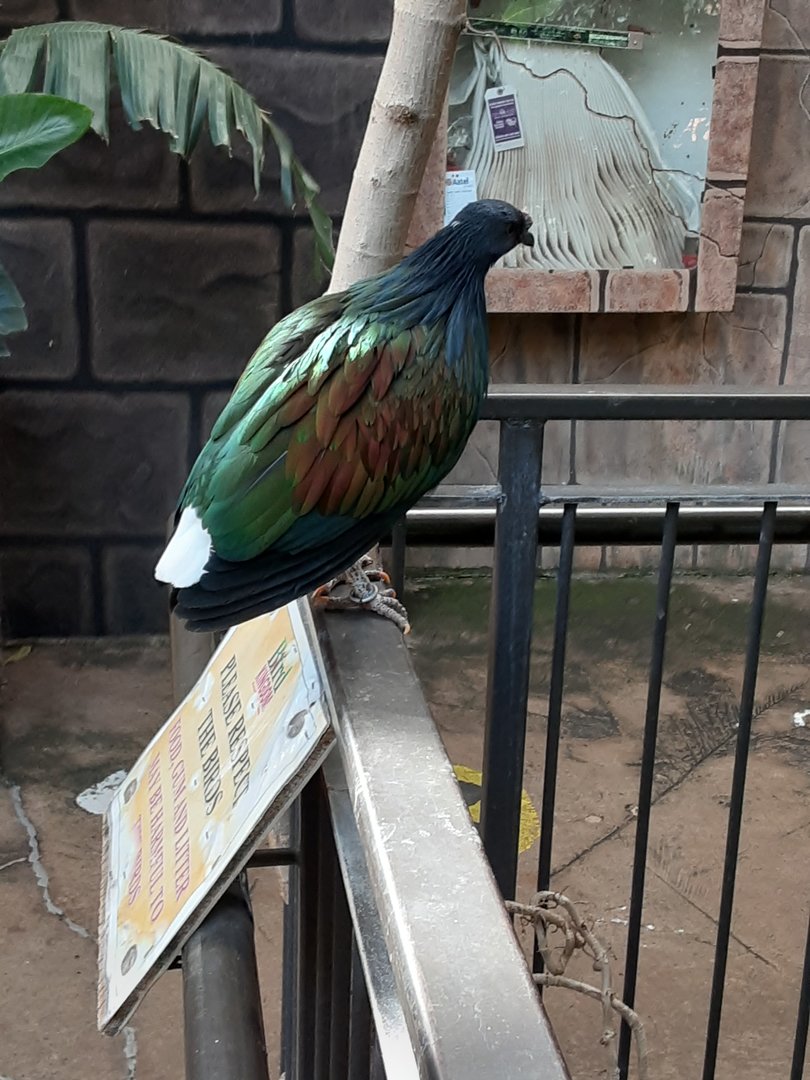
While it may fall slightly short of being must-see, another impressive exhibit in a Canadian zoo is the Main Aviary at Bird Kingdom, which is only one mile away from being qualified for this list, located in Niagara Falls, Ontario. This exhibit is the largest indoor free-flight aviary in the world, and certainly is an impressive site to take in, with the exhibit visible from multiple levels, from the canopy to ground-level. Species in the aviary include Blue-Throated Piping Guans, Boat-Billed Herons, Scarlet Ibis, White-Cheeked Turaco, and Nicobar Pigeons.

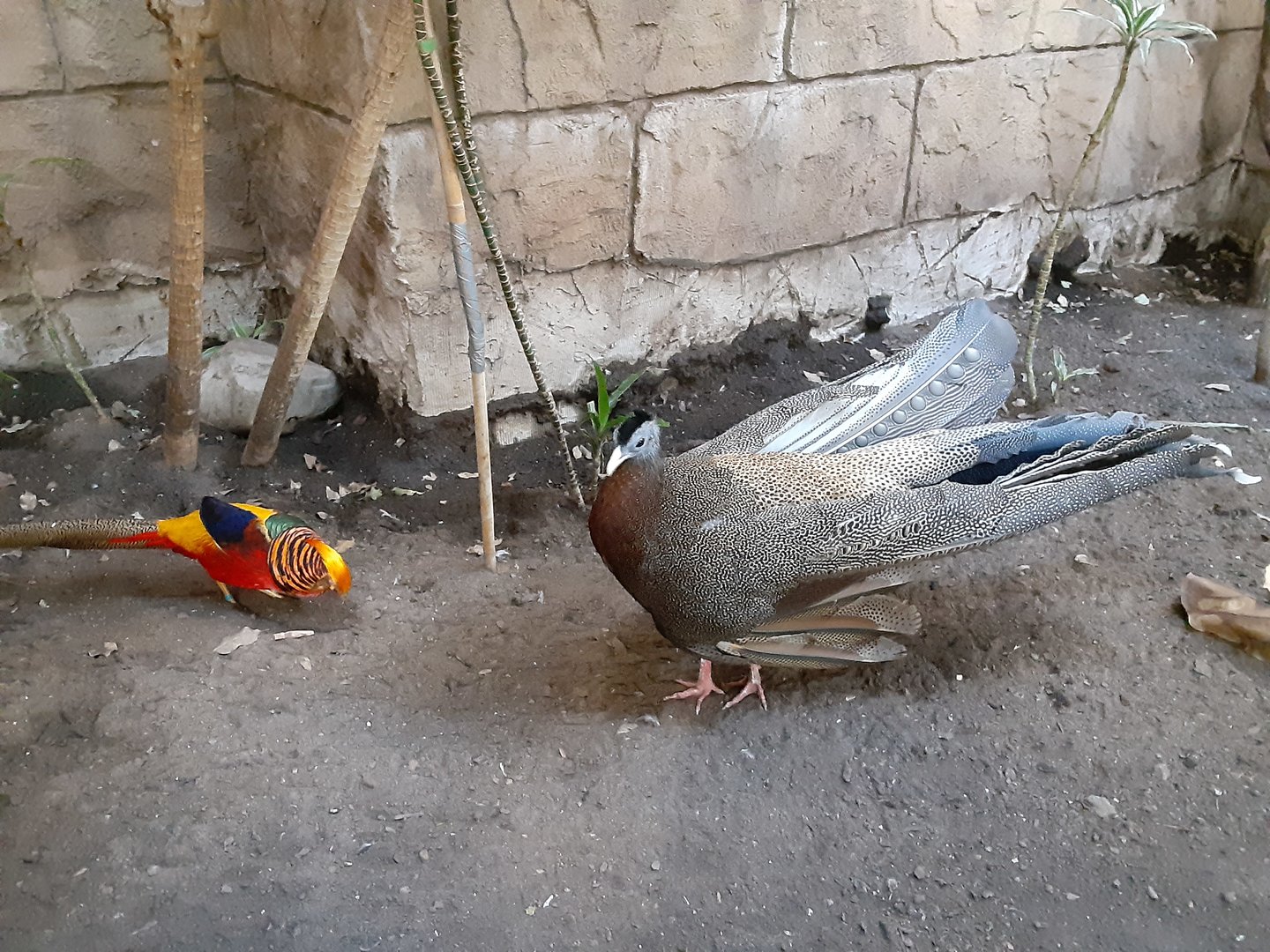
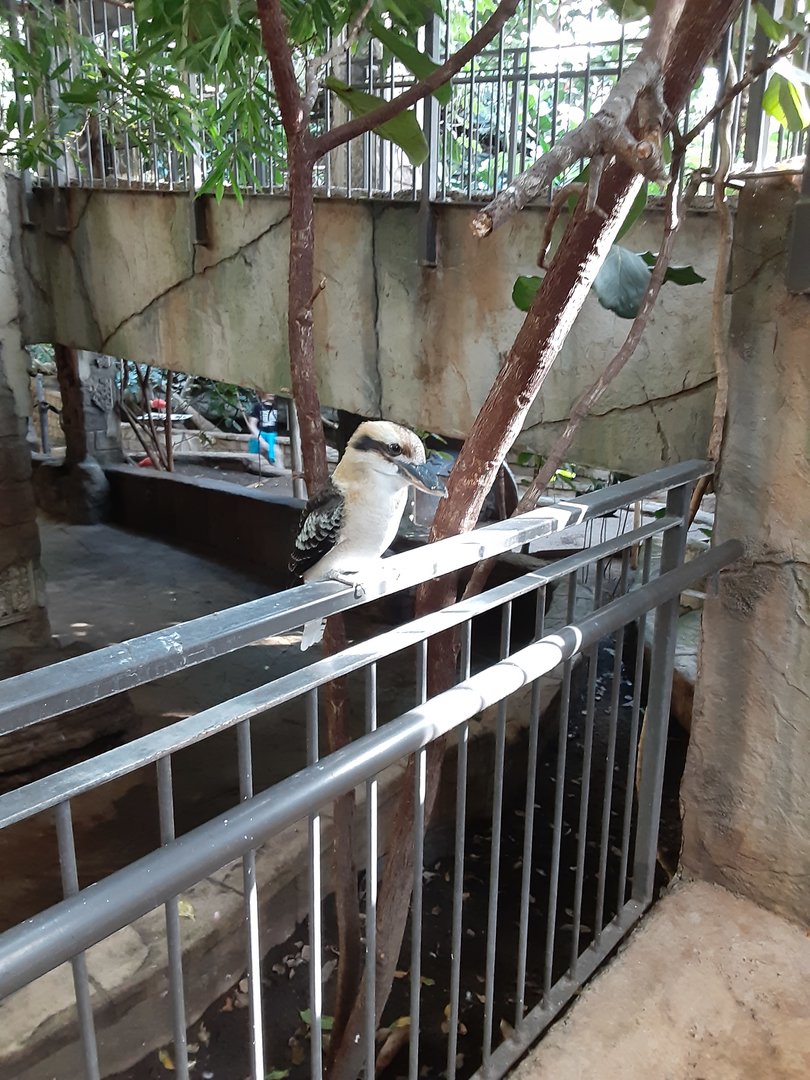
Here are some pictures of the aviary from my Bird Kingdom visit this fall:
 
I consider 3 Mexican zoo exhibits to be the best in the country.
1. Xcaret -Aviario . This huge free flight aviary for mesoamerican birds has great landscape and many species, including some rarely seen in animal collections.
2. Africam Safari Puebla - African elephant area. This quite large enclosure is very natural and holds a herd of 16 African elephants that are always active.
Since the original import from Namibia, various elephants have been born here.
3. Chapultepec zoo _ Anfibibium -museo de ajolote. The old elephant house has been converted into the first Mexican amphibians house. The stars are the 4 species of axolotl shown with all stages of development and great educational elements. Outside a large marsh shows the native fauna of the original lakes of central Mexico.
 
41. Toyota Elephant Passage
Denver Zoo, CO
Opened: 2012
Size: 10 Acres (4 Hectares)
Inhabitants: Asian Elephant, Indian Rhino, Malayan Tapir, Clouded Leopard, Fishing Cat, White-cheeked Gibbon, Asian Small-clawed Otter, Sarus Crane, Great Hornbill and a few Southeast Asian ectotherms.


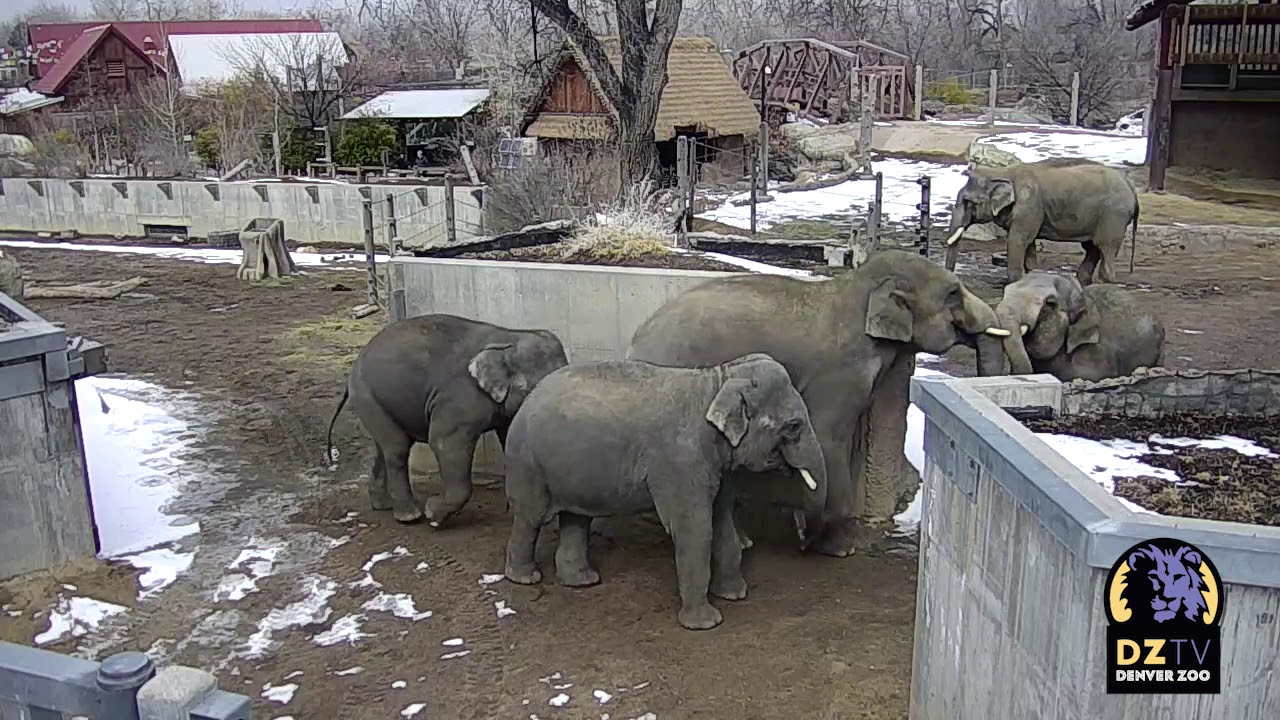
Rotational habitats have become a popular trend in American zoos. If done well they can provide additional stimulation for their inhabitants and greater suspense to the guest experience. Denver has fully embraced this concept more than any other zoo in the country and nowhere is it done on a larger scale than the Elephant Passage. A variety of spacious paddocks are connected via overhead bridges and shutes, rotated between a trio of large Asian pachyderms: America’s only bachelor herd of Asian elephants, as well as Indian rhino and Malayan tapir. Rotational exhibits can be difficult when the species rotating through them have vastly different needs, but since the inhabitants of these exhibits are all relatively similar, it works quite well. There are six paddocks in total (including a smaller yard just for the tapirs), all simple enough to accommodate the different species, but dynamic in design with changes in elevation and several large water features. Many satellite enclosures are featured as well, such as an impressive clouded leopard habitat and a variety of gibbon islands connected by ropes going over the guest pathways which are an easy crowd-pleaser. The main plaza is based on a Southeast Asian marketplace with many highly themed buildings included. The most monumental of these structures is the village hall, which contains many smaller species including a variety of herps as well as fishing cat and Asian small-clawed otter. The biggest visual flaw is that the complex as a whole relies far too much on clunky looking mockrock and also features some rather unattractive sightlines. It may not be very immersive, but it more than makes up for it in its innovation and well done execution of a tricky concept.

full

@MGolka
full

@Ituri
full

@MGolka
full

@MGolka
full

@MGolka
full

@geomorph
full

@geomorph

Photo 1: Rotational Elephant/Rhino/Tapir Exhibit
Photo 2: Rotational Elephant/Rhino/Tapir Exhibit
Photo 3: Gibbon Island
Photo 4: Elephant Bridge
Photo 5: Village Hall
Photo 6: Clouded Leopard Exhibit
Photo 7: Elephant House

Similar Exhibits: Sanctuary Asia at Oklahoma City Zoo similarly rotates elephants and rhinos through several acres of spacious enclosures. Each paddock has the aesthetic of a manicured lawn, but is extremely generous in size, adding up to be one of the largest pachyderm facilities in the US. There are also many supporting species like red panda, cassowary, and most notable for zoo nerds, tanuki. The centerpiece of the area is the grand Lotus Pavilion, a massive restaurant/event center where the zoo makes their own Chinese food that also includes a Komodo dragon exhibit.

full

@Coelacanth18
full

@Coelacanth18
full

@Coelacanth18
full

@Coelacanth18
 
41. Toyota Elephant Passage
Denver Zoo, CO
Opened: 2012
Size: 10 Acres (4 Hectares)
Inhabitants: Asian Elephant, Indian Rhino, Malayan Tapir, Clouded Leopard, Fishing Cat, White-cheeked Gibbon, Asian Small-clawed Otter, Sarus Crane, Great Hornbill and a few Southeast Asian ectotherms.


Rotational habitats have become a popular trend in American zoos. If done well they can provide additional stimulation for their inhabitants and greater suspense to the guest experience. Denver has fully embraced this concept more than any other zoo in the country and nowhere is it done on a larger scale than the Elephant Passage. A variety of spacious paddocks are connected via overhead bridges and shutes, rotated between a trio of large Asian pachyderms: America’s only bachelor herd of Asian elephants, as well as Indian rhino and Malayan tapir. Rotational exhibits can be difficult when the species rotating through them have vastly different needs, but since the inhabitants of these exhibits are all relatively similar, it works quite well. There are six paddocks in total (including a smaller yard just for the tapirs), all simple enough to accommodate the different species, but dynamic in design with changes in elevation and several large water features. Many satellite enclosures are featured as well, such as an impressive clouded leopard habitat and a variety of gibbon islands connected by ropes going over the guest pathways which are an easy crowd-pleaser. The main plaza is based on a Southeast Asian marketplace with many highly themed buildings included. The most monumental of these structures is the village hall, which contains many smaller species including a variety of herps as well as fishing cat and Asian small-clawed otter. The biggest visual flaw is that the complex as a whole relies far too much on clunky looking mockrock and also features some rather unattractive sightlines. It may not be very immersive, but it more than makes up for it in its innovation and well done execution of a tricky concept.

full

@MGolka
full

@Ituri
full

@MGolka
full

@MGolka
full

@MGolka
full

@geomorph
full

@geomorph

Photo 1: Rotational Elephant/Rhino/Tapir Exhibit
Photo 2: Rotational Elephant/Rhino/Tapir Exhibit
Photo 3: Gibbon Island
Photo 4: Elephant Bridge
Photo 5: Village Hall
Photo 6: Clouded Leopard Exhibit
Photo 7: Elephant House

Similar Exhibits: Sanctuary Asia at Oklahoma City Zoo similarly rotates elephants and rhinos through several acres of spacious enclosures. Each paddock has the aesthetic of a manicured lawn, but is extremely generous in size, adding up to be one of the largest pachyderm facilities in the US. There are also many supporting species like red panda, cassowary, and most notable for zoo nerds, tanuki. The centerpiece of the area is the grand Lotus Pavilion, a massive restaurant/event center where the zoo makes their own Chinese food that also includes a Komodo dragon exhibit.

full

@Coelacanth18
full

@Coelacanth18
full

@Coelacanth18
full

@Coelacanth18
While both of these exhibits are certainly impressive, and I was expecting both of them to get entries on the list. However, if only one could be featured, I'd personally reverse these two- with OKC Zoo getting the entry and Denver as the similar exhibit. The natural beauty in the OKC Zoo pachyderm exhibits is unrivaled by the exhibits at Denver, and while the overhead passages and inclusion of tapirs are impressive, the images from OKC Zoo just show a much more visually impressive exhibit that I feel warrants a full entry on that list, although that is not to downplay the impressive, innovative nature of Elephant Passage, and ideally I think both would've find inclusion as full entries on the list.
 
It was an amazing experience to see 5 bull elephants at this exhibit in 2018. It really is wonderfully designed to allow their separation when needed. The use of pools was also a great idea allowing for visitors to see the elephant’s largely without barriers.
 
While both of these exhibits are certainly impressive, and I was expecting both of them to get entries on the list. However, if only one could be featured, I'd personally reverse these two- with OKC Zoo getting the entry and Denver as the similar exhibit. The natural beauty in the OKC Zoo pachyderm exhibits is unrivaled by the exhibits at Denver, and while the overhead passages and inclusion of tapirs are impressive, the images from OKC Zoo just show a much more visually impressive exhibit that I feel warrants a full entry on that list, although that is not to downplay the impressive, innovative nature of Elephant Passage, and ideally I think both would've find inclusion as full entries on the list.

But Sanctuary Asia is not a bull only facility which is a unique feature of Denver’s. It’s something you just don’t see in this country and even interests average visitors, due to the unique management styles and the fact that at times you can see 5 bulls together in a yard. The exhibit at the Oklahoma City Zoo looks interesting but its a fairly typical breeding herd which thankfully several zoos have these days.

maxresdefault.jpg
 
41. Toyota Elephant Passage
Denver Zoo, CO
Opened: 2012
Size: 10 Acres (4 Hectares)
Inhabitants: Asian Elephant, Indian Rhino, Malayan Tapir, Clouded Leopard, Fishing Cat, White-cheeked Gibbon, Asian Small-clawed Otter, Sarus Crane, Great Hornbill and a few Southeast Asian ectotherms.


Rotational habitats have become a popular trend in American zoos. If done well they can provide additional stimulation for their inhabitants and greater suspense to the guest experience. Denver has fully embraced this concept more than any other zoo in the country and nowhere is it done on a larger scale than the Elephant Passage. A variety of spacious paddocks are connected via overhead bridges and shutes, rotated between a trio of large Asian pachyderms: America’s only bachelor herd of Asian elephants, as well as Indian rhino and Malayan tapir. Rotational exhibits can be difficult when the species rotating through them have vastly different needs, but since the inhabitants of these exhibits are all relatively similar, it works quite well. There are six paddocks in total (including a smaller yard just for the tapirs), all simple enough to accommodate the different species, but dynamic in design with changes in elevation and several large water features. Many satellite enclosures are featured as well, such as an impressive clouded leopard habitat and a variety of gibbon islands connected by ropes going over the guest pathways which are an easy crowd-pleaser. The main plaza is based on a Southeast Asian marketplace with many highly themed buildings included. The most monumental of these structures is the village hall, which contains many smaller species including a variety of herps as well as fishing cat and Asian small-clawed otter. The biggest visual flaw is that the complex as a whole relies far too much on clunky looking mockrock and also features some rather unattractive sightlines. It may not be very immersive, but it more than makes up for it in its innovation and well done execution of a tricky concept.

full

@MGolka
full

@Ituri
full

@MGolka
full

@MGolka
full

@MGolka
full

@geomorph
full

@geomorph

Photo 1: Rotational Elephant/Rhino/Tapir Exhibit
Photo 2: Rotational Elephant/Rhino/Tapir Exhibit
Photo 3: Gibbon Island
Photo 4: Elephant Bridge
Photo 5: Village Hall
Photo 6: Clouded Leopard Exhibit
Photo 7: Elephant House

Similar Exhibits: Sanctuary Asia at Oklahoma City Zoo similarly rotates elephants and rhinos through several acres of spacious enclosures. Each paddock has the aesthetic of a manicured lawn, but is extremely generous in size, adding up to be one of the largest pachyderm facilities in the US. There are also many supporting species like red panda, cassowary, and most notable for zoo nerds, tanuki. The centerpiece of the area is the grand Lotus Pavilion, a massive restaurant/event center where the zoo makes their own Chinese food that also includes a Komodo dragon exhibit.

full

@Coelacanth18
full

@Coelacanth18
full

@Coelacanth18
full

@Coelacanth18

One of my favorite exhibits in the country. I had no idea what to expect at Denver as it was a last minute add to our trip. That meant we didn’t really do any scouting and just dove into it. Coming around the corner from the dated hippo exhibit to see this was really impressive. Bonus points for one of the best clouded leopard habitats around!
 
But Sanctuary Asia is not a bull only facility which is a unique feature of Denver’s. It’s something you just don’t see in this country and even interests average visitors, due to the unique management styles and the fact that at times you can see 5 bulls together in a yard. The exhibit at the Oklahoma City Zoo looks interesting but its a fairly typical breeding herd which thankfully several zoos have these days.

maxresdefault.jpg
I genuinely do not care that Denver keeps bulls and OKC keeps a breeding herd. Both of these are great, naturalistic ways to exhibit elephants, and which type of herd a zoo keeps doesn't do anything to change the exhibits themselves, which is what this thread should be analyzing. Both are incredible facilities, but the OKC exhibit just seems more aesthetically impressive than the Denver Zoo exhibit, which is why I feel the OKC Zoo's exhibit is a marginally better exhibit than the Denver Zoo exhibit, and is the one I would include if I had to choose one of these two exhibits.
 
I genuinely do not care that Denver keeps bulls and OKC keeps a breeding herd. Both of these are great, naturalistic ways to exhibit elephants, and which type of herd a zoo keeps doesn't do anything to change the exhibits themselves, which is what this thread should be analyzing. Both are incredible facilities, but the OKC exhibit just seems more aesthetically impressive than the Denver Zoo exhibit, which is why I feel the OKC Zoo's exhibit is a marginally better exhibit than the Denver Zoo exhibit, and is the one I would include if I had to choose one of these two exhibits.

Personally I think that’s misreading the point of this thread and its title. It ignores the fact that the groups or species kept in an exhibit influence perceptions and experiences of said exhibit. In this case Denver’s exhibit is not as aesthetic partially because it is designed to have more individual spaces for elephants to be seperated in order to accommodate bull elephants.

According to this logic one could replace the 20 gorillas in Congo Gorilla Forest with just a trio of gorillas and because they have the species nothing else matters. The size of groups and their composition is clearly important to making an exhibit must see.
 
Back
Top