You are using an out of date browser. It may not display this or other websites correctly.
You should upgrade or use an alternative browser.
You should upgrade or use an alternative browser.
Auckland Zoo Auckland Zoo News 2016
- Thread starter Tygo
- Start date


@ZooNZ, here's some information about the new exhibit I posted a while back on the Auckland Zoo redevelopment thread Auckland Zoo - Auckland Zoo Redevelopment
This precinct will take visitors through flooded forest with views of Sumatran Orangutans in the trees above, as well as eye-level encounters with Sumatran Tigers and Asian Small-clawed Otters. Outdoors the Orangutans and Siamang Gibbons will be housed on several islands. The Sumatran Orangutans will have a day room made up of climbing and nesting structures located above the flooded forest. Existing enclosures to be demolished are the former meerkat tunnels exhibit, the tiger pit and current orangutan exhibit. The band rotunda will be relocated to make space for the precinct. A tropical Crab eating Macaque enclosure will be built, featuring an underwater viewing window. The Tiger exhibit will also have underwater viewing. The precinct will hopefully also include Rhinoceros Hornbills and Tomistomas. South East Asia will be the largest project the zoo has ever embarked on!

Yeah, thanks for the info. I've read through it quite a few times already@ZooNZ, here's some information about the new exhibit I posted a while back on the Auckland Zoo redevelopment thread Auckland Zoo - Auckland Zoo Redevelopment

Brolga Enclosure
The temporary brolga enclosure is quite enclosed, the first two photos are of the construction site where the brolgas were, with the last two the brolga enclosure. The fence is very high, and they have a very small enclosure too. Sorry if the photos are bad, and sorry for the late post
The temporary brolga enclosure is quite enclosed, the first two photos are of the construction site where the brolgas were, with the last two the brolga enclosure. The fence is very high, and they have a very small enclosure too. Sorry if the photos are bad, and sorry for the late post
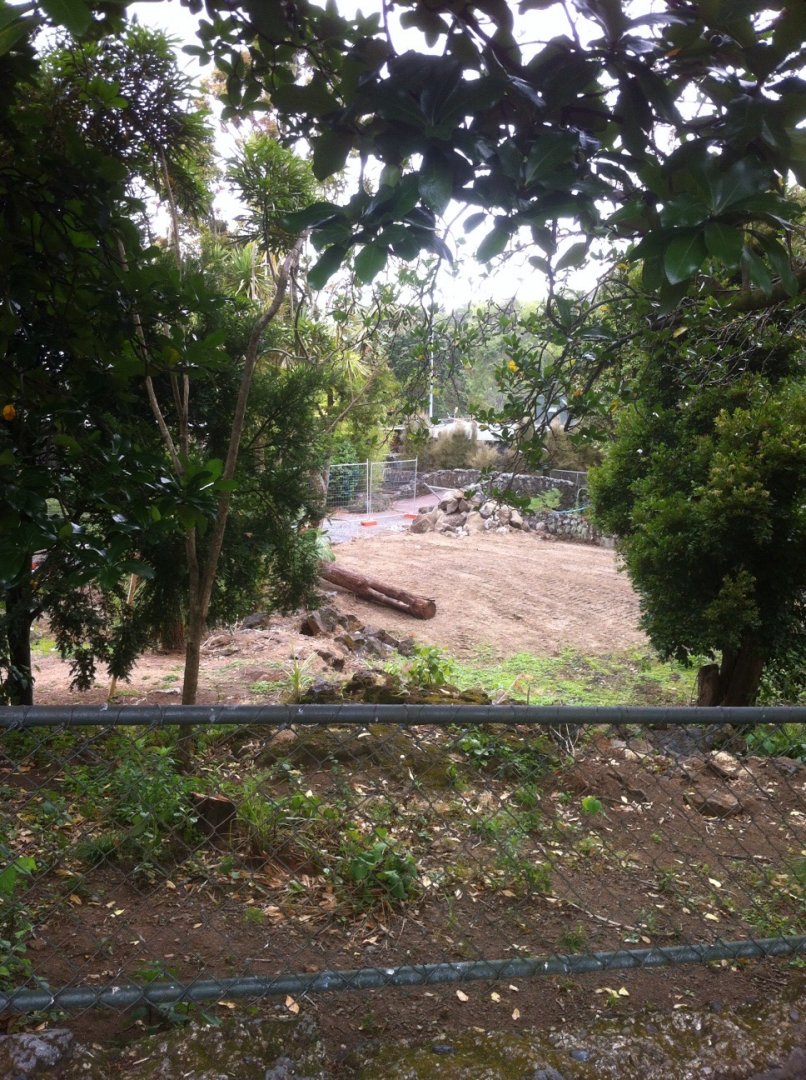
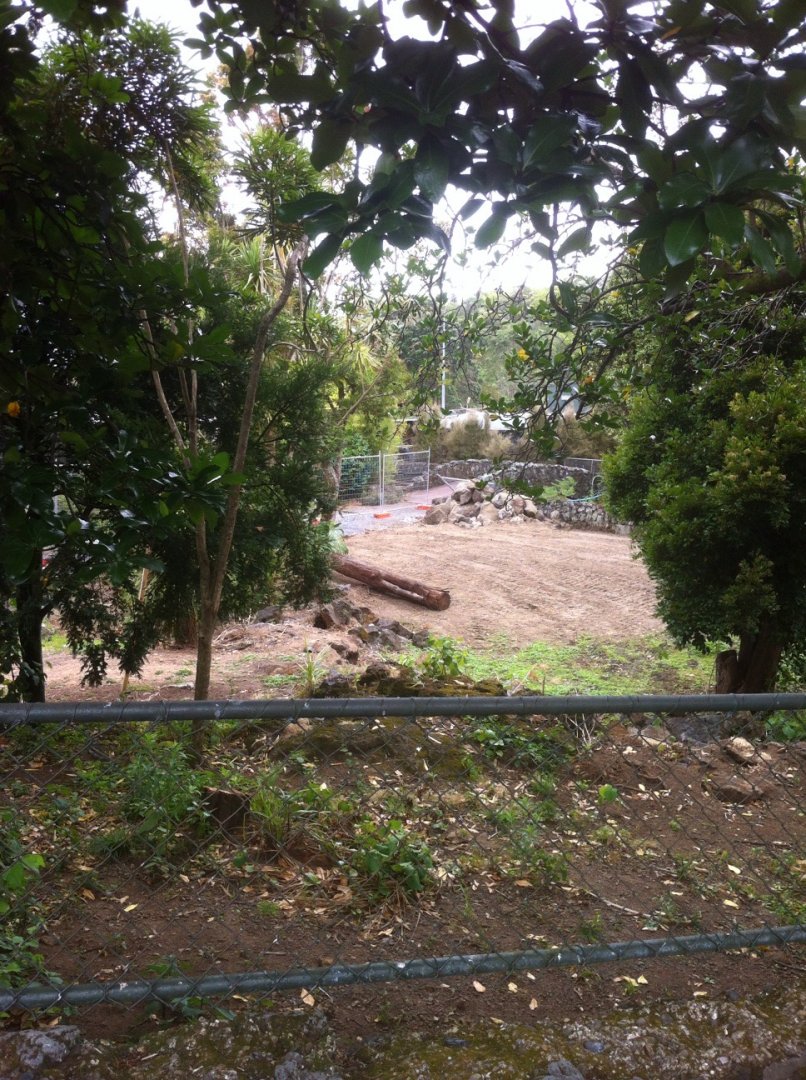
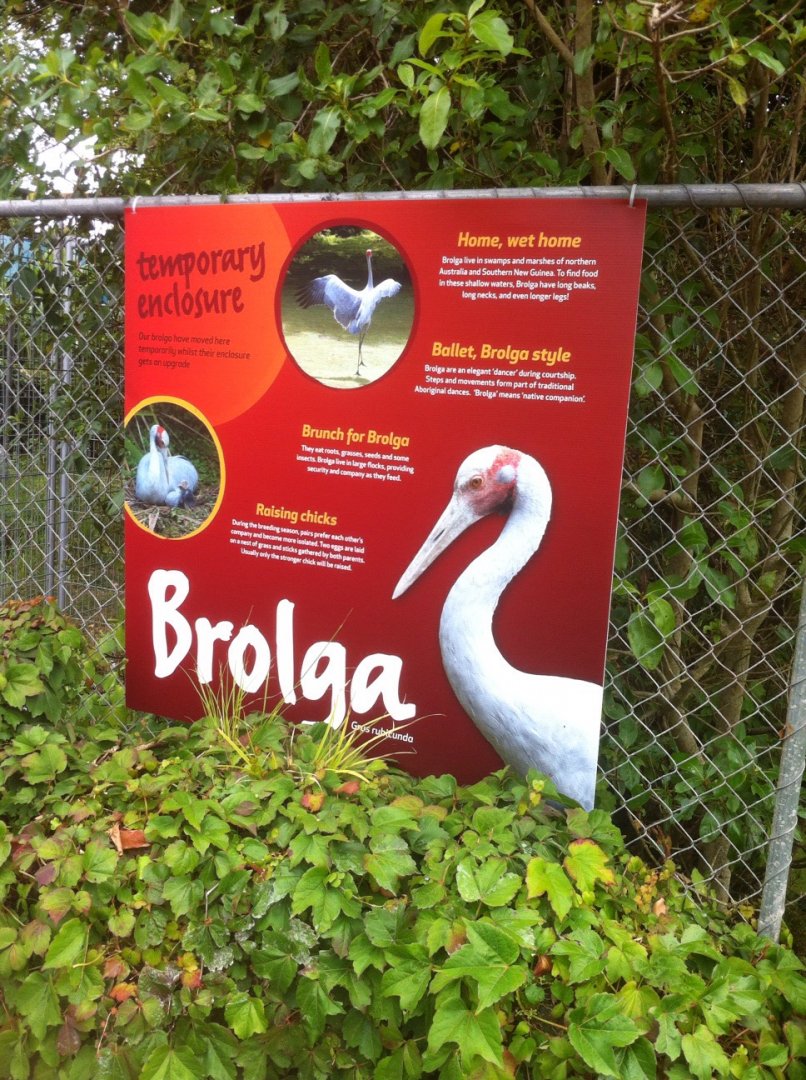
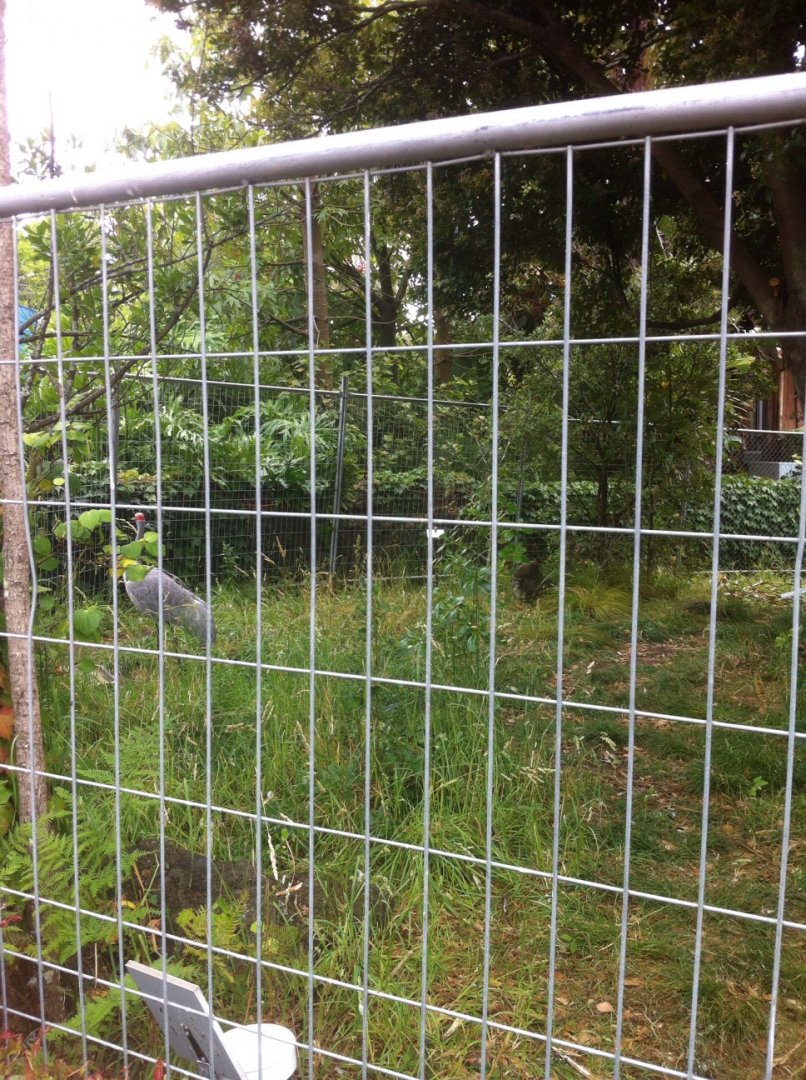

Sounds great in design.Does anyone know if the current tigers will be kept or new ones will be imported?
BennettL
I'm almost certain the current tigers will remain at Auckland Zoo.
Molek (F2000) is post reproductive and so will not be of any reproductive use at another zoo.
Berani (M2008) is unlikely to be required by any of the other zoos in NZ for breeding as they all have males of equal or better genetic value to breed with. He has two full siblings in Australia (including a brother) so is unlikely to be required in Australia anytime soon.
Wellington Zoo are currently awaiting reccomendation to breed with their pair (which will hopefully come this year) which are aged 9 years (male) and 7 years (female). They will most likely be the next zoo to breed Sumatran tigers in New Zealand. With the option to breed the pair at Hamilton Zoo again as well, I think it will be a while before Auckland Zoo are given the oppotunity.
One tiger that could throw a spanner in the works though is Jaka (M2000) at Auckland Zoo. Jaka is significant as he is the only remaining offspring of Jambi (M1988) and Cantic (F1992), that is able to breed (the others are deceased or post reproductive females).
The studbook coordinator seems to be favouring later breeding of both males and females. Females are bred as late at eight years for the first litter and many males such as Ramalon and Lari have been bred in their mid/late teens. The purpose of this is to slow the gap between the generations and therefore manage the breeding programme easier.
Therefore Jaka is valuable as he is only second generation (Nico/Meta > Jambi > Jaka) as opposed to tigers like Hamilton's latest cubs which are fifth generation (Nico/Meta > Jambi > Malu > Setia > Sali > Kirana and Kembali). Note: Nico/Meta are regarded as founders, and Jambi the first generation.
So it looks as if,they will all stay but Jaka really should be breed.Before hand has Jaka produced any cubs?
BennettL
Jaka has not bred before, he is one of six siblings:
Nisha (F96) - died in 2006, never bred.
Rokan (M96) - died in 2016, never bred.
Malu (F96) - 2.1 cubs in 2000, 2.1 cubs in 2003.
Molek (F00) - 2.1 cubs in 2008
Mencari (F00) - speyed in 2011, never bred.
Malu's second litter (2003) has not bred and neither has Molek's litter (2008). Of Malu's first litter (all now deceased), one was sent to the UK to breed and another died in 2014 having never bred. The cubs, Setia, has two surviving cubs in the region and two grandcubs.
The reason Jaka is so valuable is because every generation accumulates more genetics.
Eg. Malu and Jaka are siblings...
Malu bred with Calang to produce a litter in 2000 (including Setia)
Setia bred with Hari to produce two litters in 2008 (including Sali)
Sali bred with Oz to produce a litter in 2014 (including Kembali)
Kembali is therefore related to Calang and all of his relations, Hari and all of his relations and Oz and all his relations. Jaka is not.