6. Wild Caribbean: - (10 exhibits)
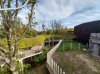
To begin our trip to the islands, we will first walk past a billboard-like sign that welcomes travelers to what lies ahead. Which from there, after turning to your left. We are soon greeted with a colorful set of doors that invite you to step inside and enter through the recreated tropics. Once inside, you are already greeted with the sounds of free-flying birds like the Bananaquit, along with several hidden sound speakers that play an atmospheric steel drum melody that further enhances the experience.
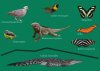
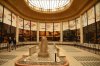
In addition to the free-flying birds, don’t forget to look around for within this 13,000 square-foot complex is where you’ll find free-roaming butterflies and Rhinoceros Iguanas that roam among visitors, as seen in the image below:

Quite notably, all but one of these animals are given the freedom to freely roam among the visitors throughout this section of the dome. Natural light provided by the roof of the 40-ft-tall glass dome above compliments the artificial heat lamps that are also provided for the free-roaming iguanas. Separately from the free-roaming animals, is an exhibit within an exhibit; for displayed inside of a 3,000 sq ft sectioned off side of the walkthrough are a pair of the critically endangered Cuban Crocodiles (which the zoo have great success with regarding conservation efforts). Now behind this main exhibit is a smaller extension of the main building that not only serves as the crocodiles’ night quarters; but is also connected to a separate enclosure of slightly larger proportions (just note that this outdoor space is not accessible for public viewing).
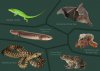
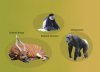
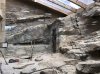
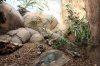
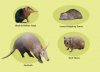
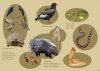
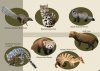
Past the crocodiles and into the next part of the building, you will first go through a double door system before giving way to a rope curtain. Which from there, guests are led into a darkened hallway themed to an underground cavern; and throughout this hall, there are six total enclosures convincingly designed to be “built” into the cave walls. Of these enclosures, five are sizable terrariums positioned on the left side of the hall, closest to the entrance. While on the opposite wall is a large, dimly lit room that contains a thriving colony of Jamaican Fruit Bats, which are among the following animals seen in the image below:

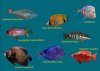
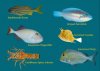
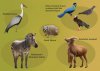
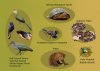
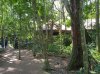
Further down the hall from the previous enclosures, straight ahead is a floor-to-ceiling saltwater tank that brightly shines within this otherwise nocturnal-themed space. As for the aquarium itself, it is meant to resemble a typical Caribbean reef; more specifically a coral reef from the Bahamas that the zoo has helped to support and restore. I should also mention that the building uses physical signage to help guests identify certain species of fish, as seen with the images below:


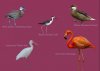
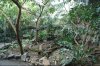
Once you’ve identified which fish is what, and admired the efforts that the zoo strives to achieve; we are soon led outside to a large aviary adjacent to the exit, which itself covers a footprint that’s nearly as big as the entire dome. The aviary of question is a semi-walkthrough and is designed to replicate the shallow-water ecosystems of several Caribbean islands. While it may not be the flashiest of modern aviaries, it certainly helps to showcase animals as flamboyant as the American Flamingo to better distract us from the aviary’s otherwise basic design; as shown with the image below:

From this point on the tour, the path loops around from the flamingo viewing area and leads us back towards the same billboard sign that greeted us earlier, which from there, our adventures through the wildest parts of the Caribbean islands have now reached their final destination.
To begin our trip to the islands, we will first walk past a billboard-like sign that welcomes travelers to what lies ahead. Which from there, after turning to your left. We are soon greeted with a colorful set of doors that invite you to step inside and enter through the recreated tropics. Once inside, you are already greeted with the sounds of free-flying birds like the Bananaquit, along with several hidden sound speakers that play an atmospheric steel drum melody that further enhances the experience.
In addition to the free-flying birds, don’t forget to look around for within this 13,000 square-foot complex is where you’ll find free-roaming butterflies and Rhinoceros Iguanas that roam among visitors, as seen in the image below:
Quite notably, all but one of these animals are given the freedom to freely roam among the visitors throughout this section of the dome. Natural light provided by the roof of the 40-ft-tall glass dome above compliments the artificial heat lamps that are also provided for the free-roaming iguanas. Separately from the free-roaming animals, is an exhibit within an exhibit; for displayed inside of a 3,000 sq ft sectioned off side of the walkthrough are a pair of the critically endangered Cuban Crocodiles (which the zoo have great success with regarding conservation efforts). Now behind this main exhibit is a smaller extension of the main building that not only serves as the crocodiles’ night quarters; but is also connected to a separate enclosure of slightly larger proportions (just note that this outdoor space is not accessible for public viewing).
Past the crocodiles and into the next part of the building, you will first go through a double door system before giving way to a rope curtain. Which from there, guests are led into a darkened hallway themed to an underground cavern; and throughout this hall, there are six total enclosures convincingly designed to be “built” into the cave walls. Of these enclosures, five are sizable terrariums positioned on the left side of the hall, closest to the entrance. While on the opposite wall is a large, dimly lit room that contains a thriving colony of Jamaican Fruit Bats, which are among the following animals seen in the image below:
Further down the hall from the previous enclosures, straight ahead is a floor-to-ceiling saltwater tank that brightly shines within this otherwise nocturnal-themed space. As for the aquarium itself, it is meant to resemble a typical Caribbean reef; more specifically a coral reef from the Bahamas that the zoo has helped to support and restore. I should also mention that the building uses physical signage to help guests identify certain species of fish, as seen with the images below:
Once you’ve identified which fish is what, and admired the efforts that the zoo strives to achieve; we are soon led outside to a large aviary adjacent to the exit, which itself covers a footprint that’s nearly as big as the entire dome. The aviary of question is a semi-walkthrough and is designed to replicate the shallow-water ecosystems of several Caribbean islands. While it may not be the flashiest of modern aviaries, it certainly helps to showcase animals as flamboyant as the American Flamingo to better distract us from the aviary’s otherwise basic design; as shown with the image below:
From this point on the tour, the path loops around from the flamingo viewing area and leads us back towards the same billboard sign that greeted us earlier, which from there, our adventures through the wildest parts of the Caribbean islands have now reached their final destination.