The reproductive window for female elephants often "closes" before a female reaches the age of 24. To be safe, females need to have their first calf at age 20 or earlier. And don`t let the breaks get too long. Many females will be able to reproduce after a 10 year gap between calves, but not all.
The elephant situation in Australia is such a mess, it is a disgrace. So Melbourne, Taronga and Dubbo are not cooperating with Sydney Zoo, and not with Australia Zoo either. Who just went to great lengths to import females only (just brilliant!!). And Auckland is not cooperating with any of those zoos either. And Melbourne and Taronga have already lost interest or otherwise given up on building a sustainable population a little over 10 years after their great import. Elephants have no future in Australia under such horrible management.
There’s certainly room from improvement. The general consensus is that the breeding programme got off to a good start; but has stagnated in recent years, especially at Melbourne. I also agree with comments that the bulls should have been swapped between Perth and Melbourne long ago.
———————
This is where I think we should go from here:
Australia Zoo (0.4 Sumatran elephant):
Maintain these as a seperate population i.e. don’t hybridise with other subspecies of Asian elephant. Australia Zoo could potentially collaborate with the EEP (who have 2.4 Sumatran elephants) to import semen for AI; or even better, look at importing a bull from Indonesia. Terri Irwin clearly has a talent for these negotiations (as proven by the tiger and elephant imports); and could be working on an import as we speak. Personally, I think efforts should have been made to get the three older females pregnant prior to export to give them a head start.
Melbourne Zoo (1.5 Indian elephant):
We’ve already reached a consensus on this - import the bull from Perth Zoo and commence breeding ASAP. If there is legitimate concern for Man Jai being vulnerable to EEHV, then perform AI on Dokoon and Kulab this year; and import Putra Mas in late 2022 to breed with Num Oi in 2022; and Mali in 2024. This would stagger the births with two calves born 2022; one calf born 2024; and one calf born 2026.
Taronga Zoo (1.2 Indian elephant):
Assuming the elephants are staying: perform AI on Pak Boon when Jai Dee is five years old (2022); with the intention of her having her third calf in 2024. Tang Mo is unlikely to ever breed. Jai Dee could either be accommodated in Gung’s old exhibit once he reaches adolescence; or join a bachelor herd at Dubbo with their three young bulls.
Taronga Western Plains Zoo (4.4 Indian elephant):
Taronga Western Plains Zoo aren’t doing too bad. They should breed from Thong Dee and Porntip again either through AI (Putra Mas) or natural mating (Gung) when their respective calves are around five years of age. This would mean them giving birth to their third calves around 2023 and 2025 respectively. Female calves would join the matriarchal herd; male calves would join the bachelor herd.
Perth Zoo (1.2 Indian elephant):
We already know Perth Zoo’s plans: export the younger female upon the death of Tricia (the elderly female). The bull will also be exported in the next few years, hopefully to join the breeding programme at Zoos Victoria; as Perth Zoo phase out their elephants.
Auckland Zoo (0.1 Indian elephant; 0.1 Sri Lankan elephant):
Like the Sumatran elephants; Auckland Zoo’s Sri Lankan elephant should not hybridise with the Indian elephant subspecies if it is possible for semen to be imported from Europe from a Sri Lankan bull (Auckland Zoo was looking into this). If this is no longer an option, then maybe just import the younger female from Perth Zoo and maintain an ambassador herd of 0.3 (two of which are already post reproductive/non reproductive); with the viewing of phasing elephants out from Auckland Zoo in the long term.
———————
Like I say, these are just my thoughts and opinions. The previously low incidences of EEHV in Australasia (one fatality to date) compared to facilities in Europe mean that breeding at natural birth intervals would swamp the facilities we have, unless there are more opportunities for exports to other regions like with Ongard to Zoo Miami). Assuming these opportunities are not readily available, breeding at intervals of seven years between calves seems a necessary compromise between maintaining adequate reproductive health and being able to accomodate the calves produced long term.
I haven’t commented on Sydney Zoo, as it’s pointless without knowing their import plans for the immediate future.


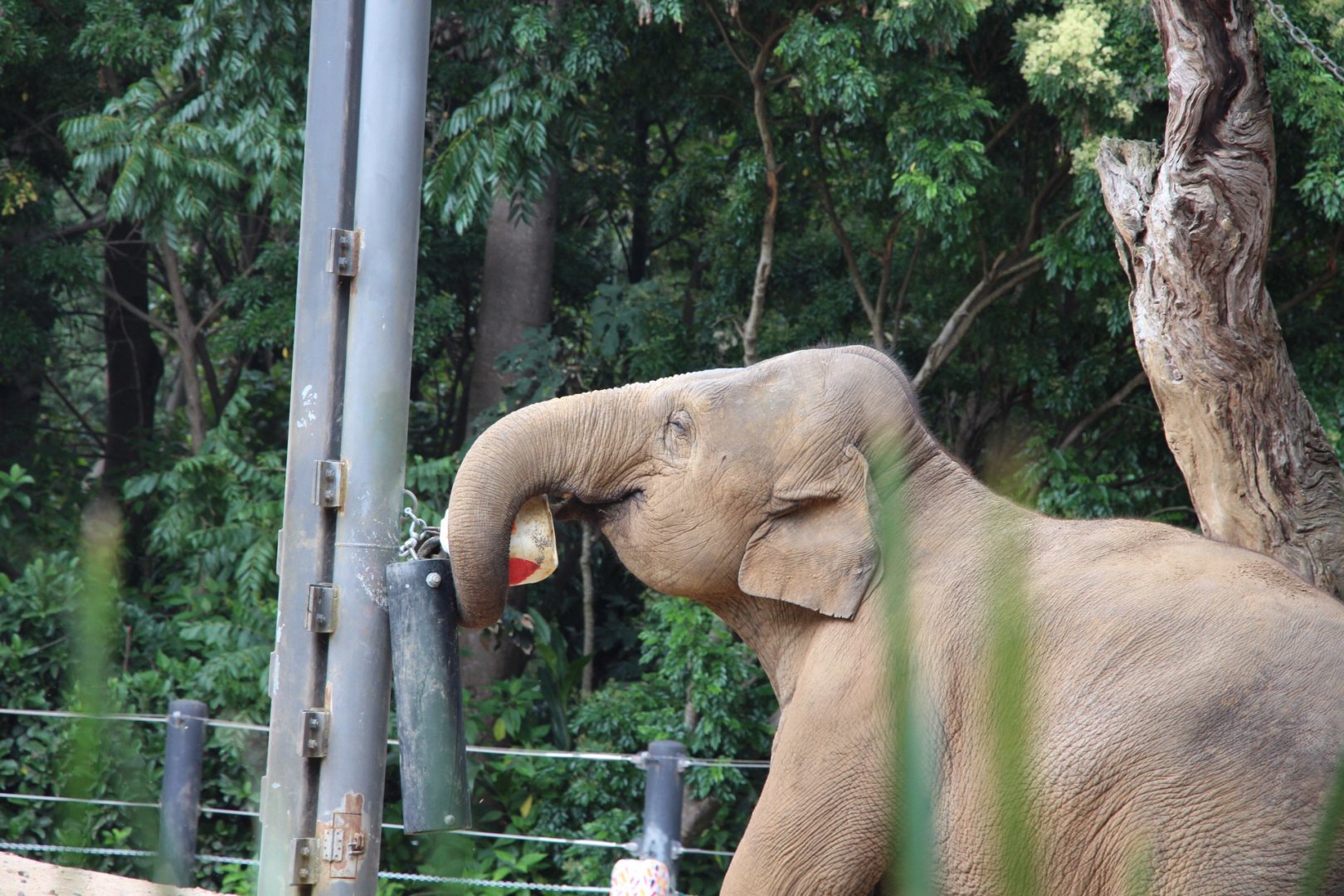




 Perth have shown that they are willing to cooperate with AI from Putra Mas, so all 3 adult cows (Dokkon, Kulab and Num-Oi) in my opinion should be impregnated this year, before it gets to late.
