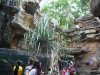
Now for a small marsupial enclosure which caught my eye on zoochat some time ago.
I've used the excellent photos of zoochatters
@Goura,
@LaughingDove and
@Hix in this comment to highlight why I find these enclosures brilliant. I hope they don't mind my use of them to illustrate the points nor find it disrespectful.
Perth zoo numbat enclosure
This is an enclosure and exhibit design that really caught my attention when I saw it recently because of the way that it showcases and champions an obscure and endangered small mammal species, the numbat.
Perth zoo maintains a number of these animals (seldom kept by zoos in Australia and never outside of the continent), successfully breeds them, has reintroduced them back into the wild and assists in-situ conservation efforts for the numbat. This is all incredibly impressive work for me to read about.
The enclosure appears to be large and naturalistic with sandy substrate and leaf litter which is similar to that found in the semi-arid natural habitat of sand dunes and woodland of the numbat. The enclosure is planted with numerous native plant species like eucalyptus, shrubs and spinifex grasses allowing the animal plenty of cover to hide away if it feels stressed.
Logs and branches are littered around so that the animal can have enrichment through climbing and fully utilize the enclosure as it would with its natural habitat. I think the dead wood also probably attracts termites and other insects which also must help a great deal in keeping these little animals enriched as they hunt their prey.
The viewing area itself is pretty impressive as it is covered / roofed and gives the visitor a panorama of the enclosure so that they can watch the animal as it moves around. The area is even provided with benches so that visitors can sit and watch numbats.
A visitor centre / hut is close to the viewing area and enclosure where visitors can go to find out more information pertaining to the species. The permanent exhibition inside is called "Numbats under threat" straight, the point and unpretentious in good Aussie fashion.
A screen inside plays a looped film about the numbat and narrates information to the visitor about its ecology, conservation situation in the wild. I imagine that part of the film also discusses the ex-situ / in-situ role of the zoo in its conservation and this therefore highlights the importance of zoos as centres of conservation in the 21st century. A very impressive use of an audio-visual display at a zoo being put to use for raising awareness of species conservation with the general public.
The signage around the enclosure is also very impressive and really highlight the importance of this animal and therefore make it iconic and memorable for the public.
This is an animal that clearly has been made to have a regional importance in Western Australia and it is a very interesting and admirable conservation marketing strategy.
By linking the numbat with the regional cultural identity of Western Australia this therefore hopefully helps people from the area to feel much more engaged with the plight of the species and supportive of the ongoing effort to conserve the numbat.
Information signs are impressive in their content giving information about the ecology of the species such as its diet of termites, natural habitat and some unique features of this marsupial. The signs are straight to the point and uncluttered with information, maybe even minimalistic in some ways, but this ultimately is good as it encourages visitors to read them and not be intimidated by scientific sounding words / jargon.
The signage boards that display information about the conservation situation of the numbat and the threats it faces from habitat loss and invasive species such as cats and red foxes are very good too and really hit the message home by appealing to the visitors empathy.
The role of the zoo in the ex-situ and in-situ work to save the species is constantly reinforced to the visitor through the signage and is conveyed very effectively.
There is even some numbat themed artwork like this wooden sculpture of a numbat on display which once again highlights this animal to the public and makes it iconic, quirky and memorable.
All in all this is an excellent enclosure and exhibit in both husbandry and conservation terms and in educational value for visitors. I really think that other zoos around the world could learn from Perth zoo a lesson in how to showcase a small endemic and endangered mammal species.
I think what this shows is that small mammals can be made to be just as charismatic by a zoo as a lion or elephant it just entails breaking the boring "ABC" mould and a trick or two in creative and intelligent marketing.