Taipei Zoo
Taiwan Day 2, Part 2 (Trip Day 2)
The fare for Taipei Zoo is remarkably affordable, only 100 NTD (about 3 USD) for a ticket. @RatioTile and I headed straight for the native species area, where the bulk of my targets were held, barely glancing at the flamingo exhibit near the entrance.
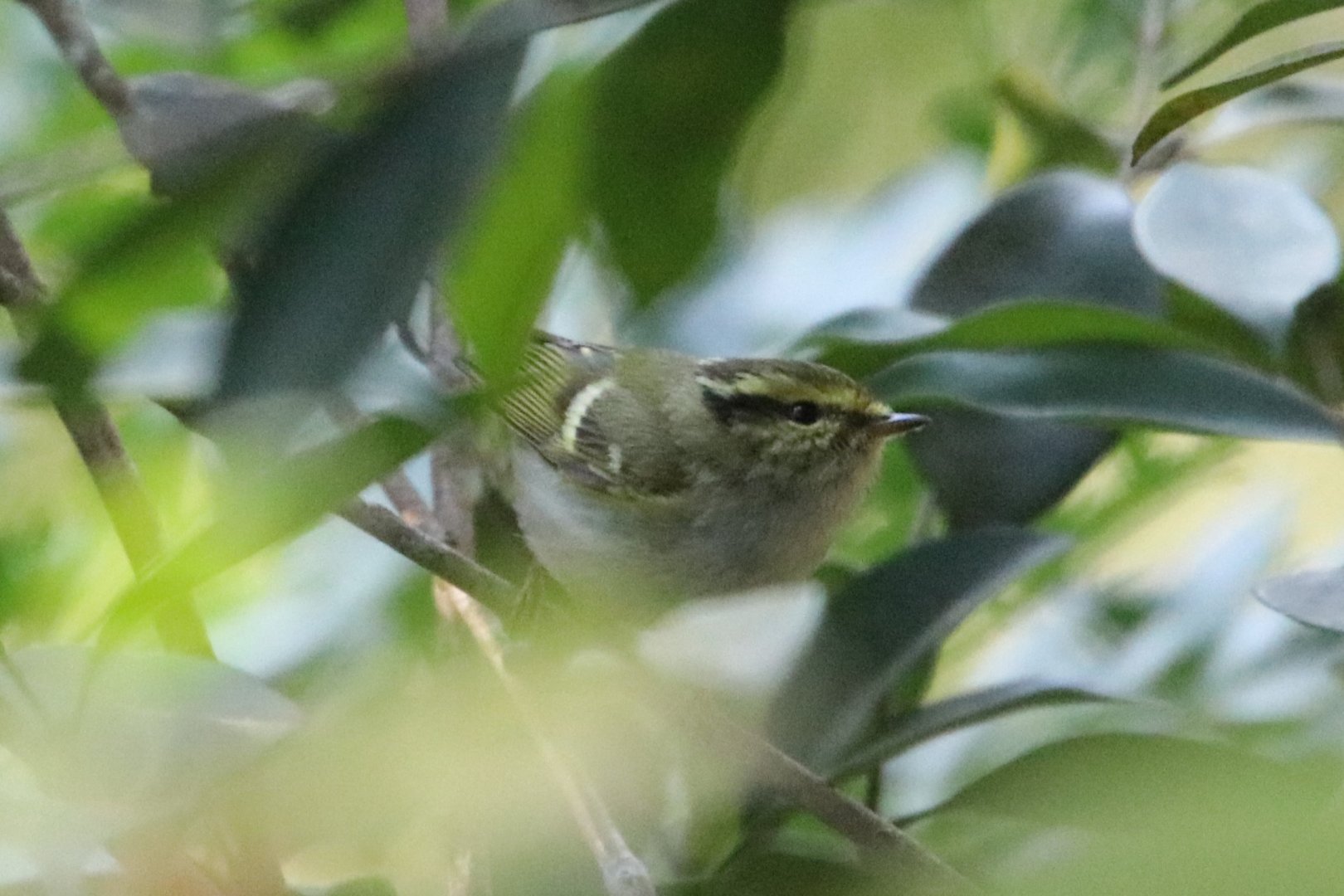
The entire native species complex, labeled the 'Formosan Animal Area' on the map, was very well done. The exhibits were lush with plenty of foliage, substrate, and space for each species. We started with a series of enclosures for endemic ungulate subspecies, those being Formosan Muntjac, Sika, Sambar, and Wild Boar. In the wild boar enclosure, I saw White-rumped Shama, an introduced species to Taiwan, as well as a Pale Thrush and Arctic Warbler. A sleeping Leopard Cat was a first, and I was glad to see an Asiatic Black Bear after so long, as they are quickly vanishing from the states. Ratiotile was very familiar with the zoo and explained to me that neither were really of the pure subspecies, unlike was otherwise indicated. The Leopard Cat was in a lush, closed-top enclosure, while the bear had a more traditional grotto. A sleeping Eurasian Otter was also a first, much less exciting to the European Zoochatters than the nearby Formosan Serow and Rock Macaques. The Serow had a nicely sloped enclosure, with more individuals visible in the back for breeding. The Macaques were in a moated 'baboon rock' style enclosure.
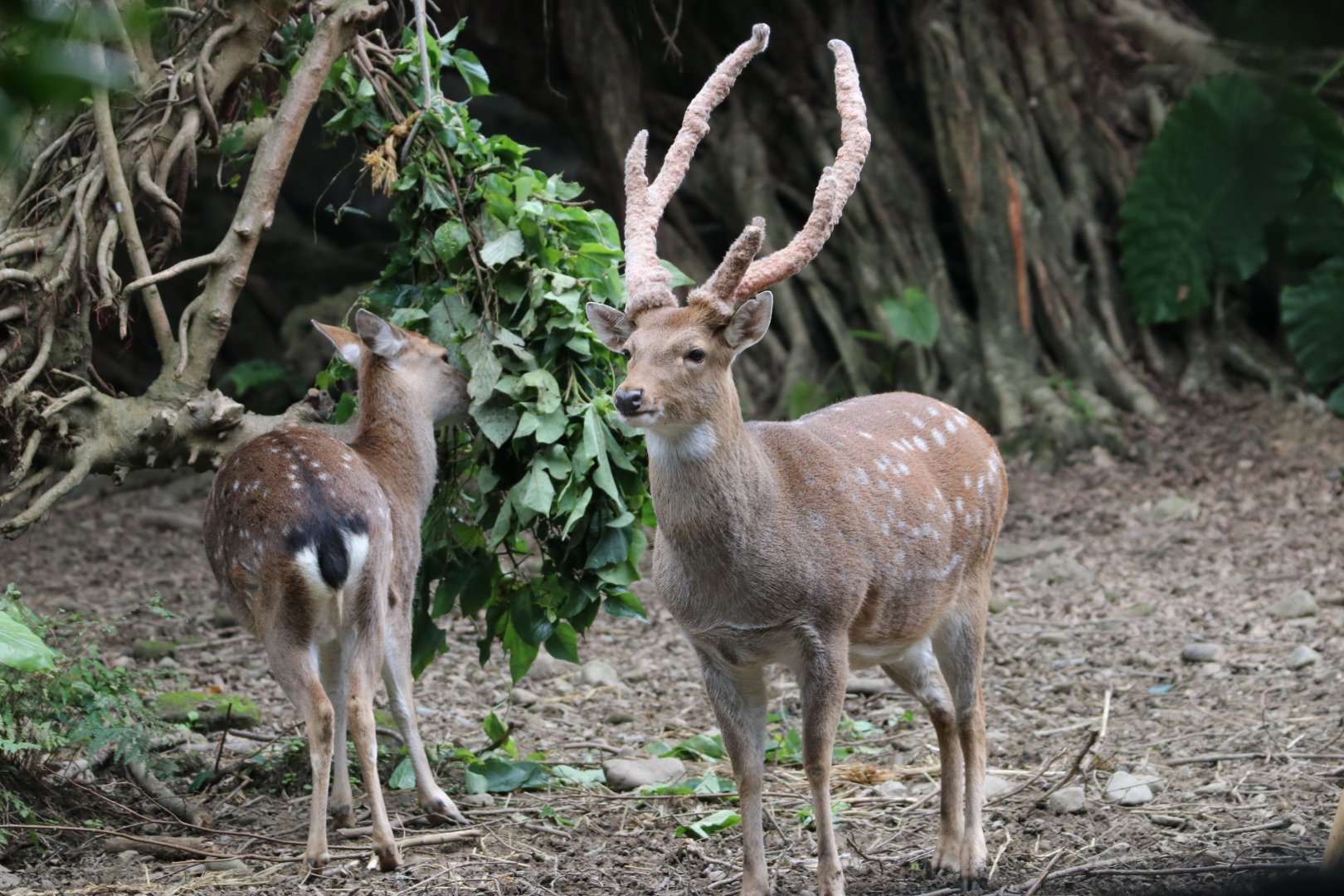 Taiwan Sika Deer in the Formosan Animal Area, they share the exhibit with a Formosan Sambar
Past here was the Insectarium, which I'd really been looking forward to. While not as speciose as St. Louis or Cincinnati, it was very nicely done, and the focus on native species, especially those from the surrounding islands like Lanyu and Liuchiou was great to see. The insectarium had two wings, and a number of museum exhibit areas without live species on display. The first room of live animals had a wall of terrariums with phasmids, a stag beetle, and a fantastic weevil species, as well as a larger paludarium with odonate larvae and a grasshopper.
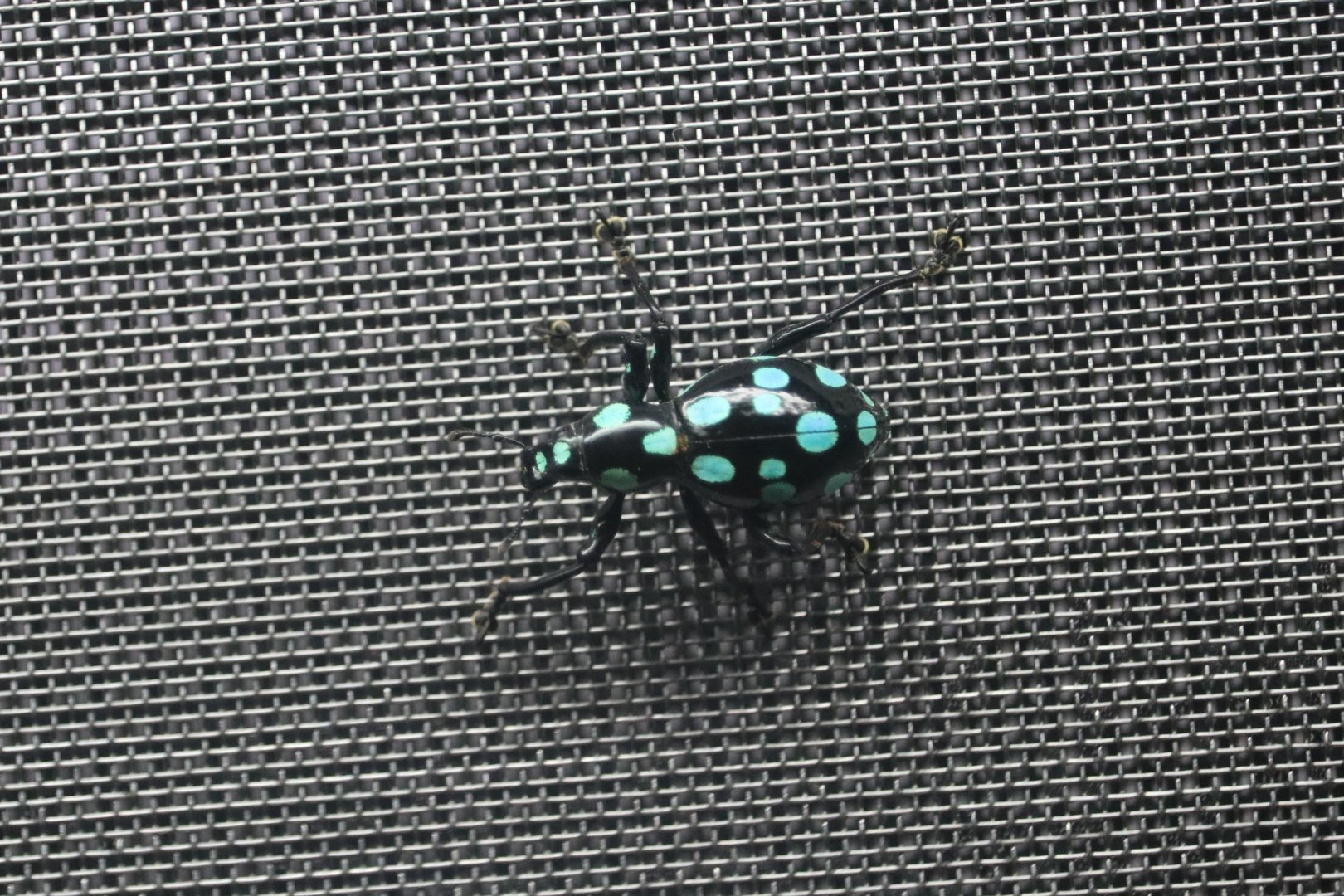 Lanyu endemic weevil
The main room is an indoor greenhouse for a variety of East-Asian butterfly species. While the gardens were quite nice and the species even nicer, the best part of the room was that the left wall was occupied with a row of terrariums for a series of fantastic caterpillars, something I haven't really seen done before.
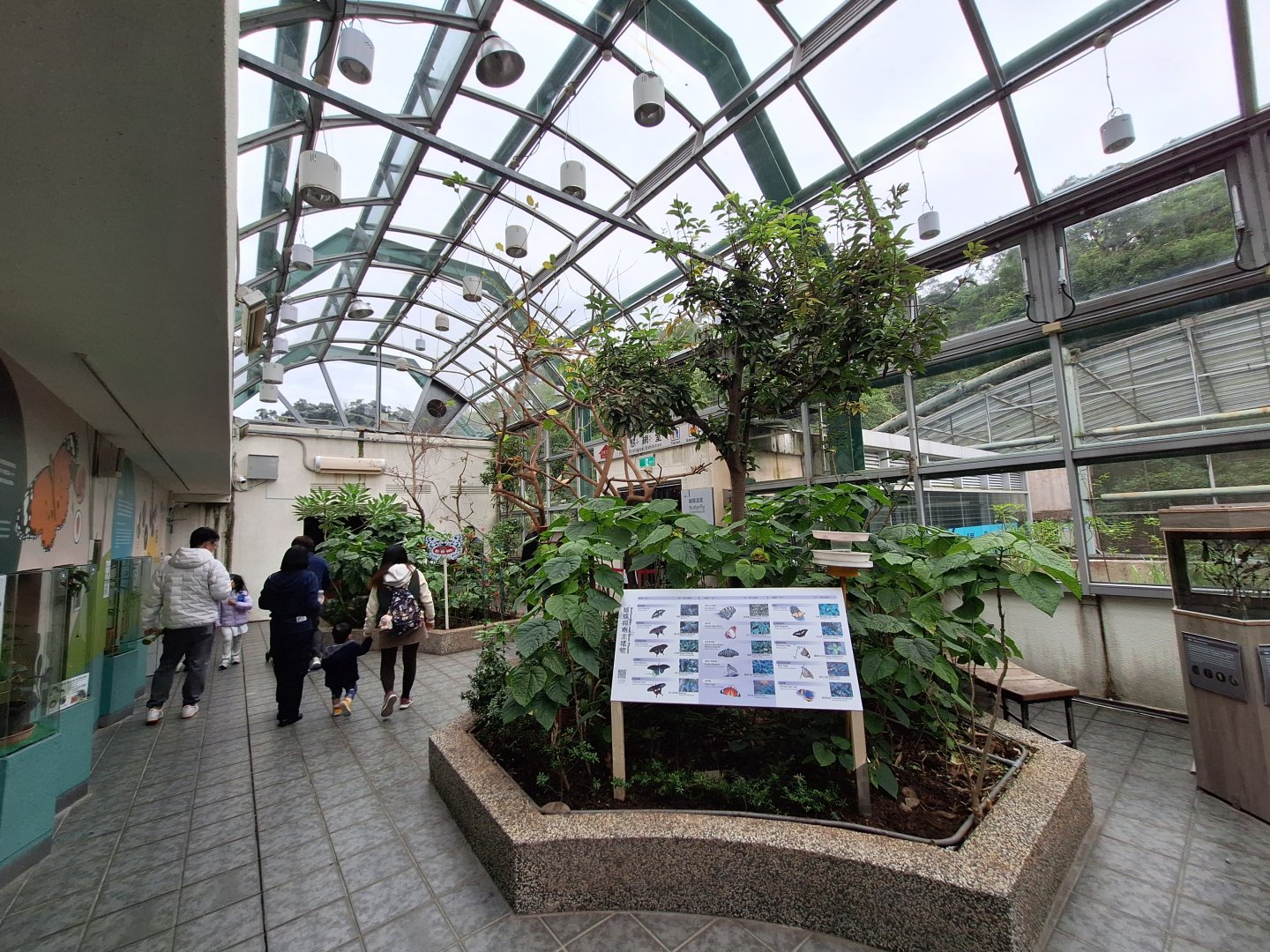
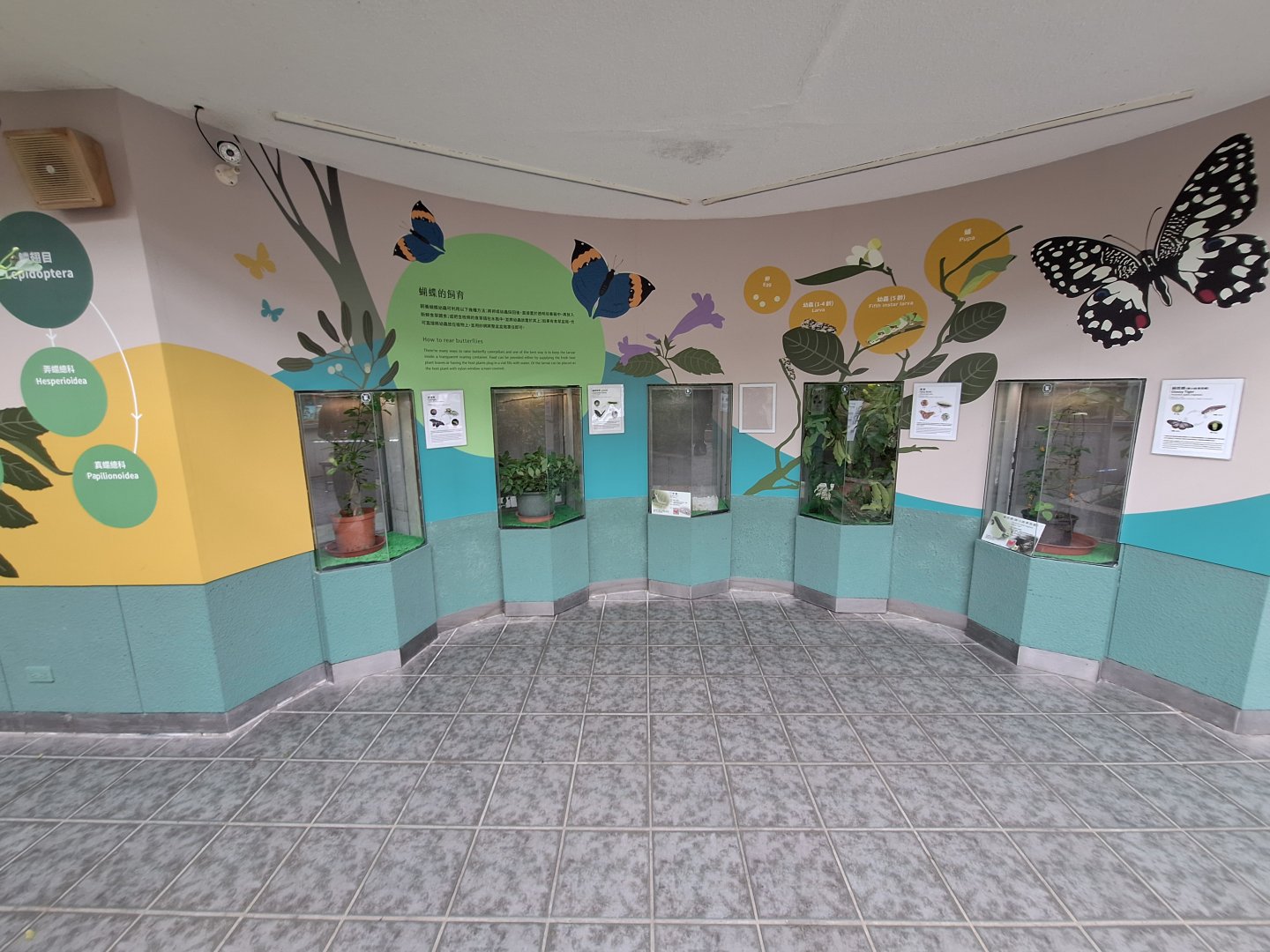
I'm now left wondering why caterpillar terrariums are not more commonplace, as they made excellent exhibit subjects here. The remaining room in this side of the insectarium was for five aquatic insects, including one for firefly larvae, another first. I hadn't realized they were aquatic.
I'm very grateful for Raitotile's company, he was very knowledgeable about all the inhabitants, was able to point out the best rarities, and knew the layout of the zoo very well. Case in point, I may have missed the last live animal area, which required going back outside and into another entrance to the other wing, where there were a number of other enclosures for more interesting insects, these ones trending a bit larger with Siliquofera grandis and Elephant Beetle in the mix, along with some other katydid species.
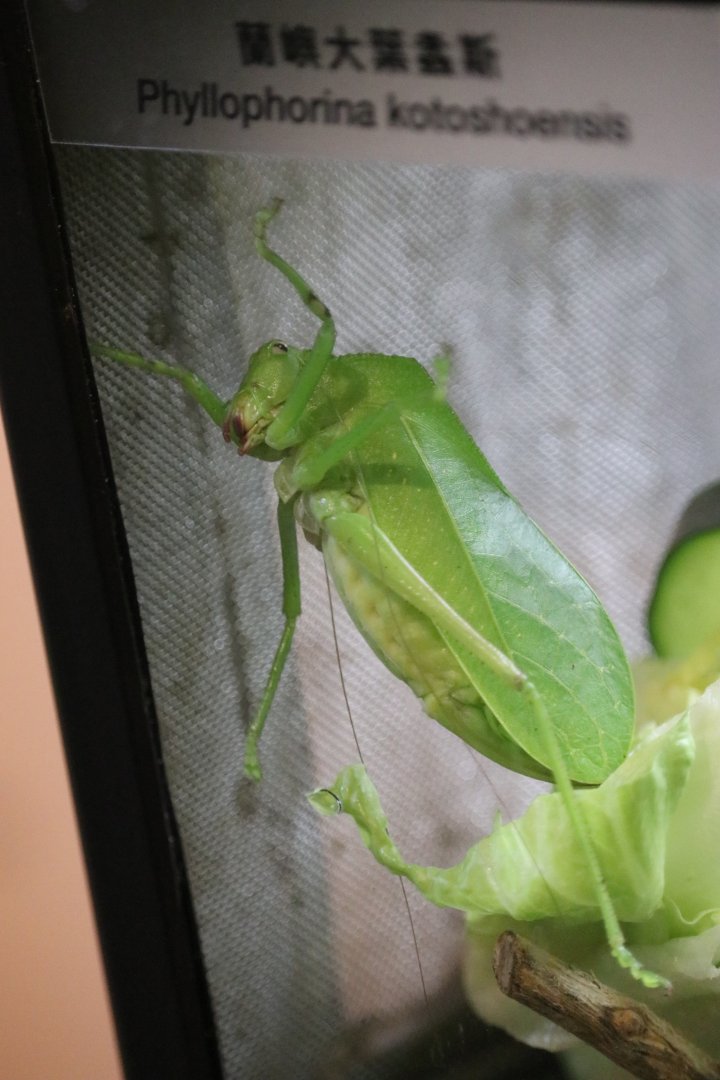 Lanyu Giant Katydid
Overall, the insectarium's quality, signage, and species list were all excellent and a highlight of the zoo. Although the insectarium didn't feel quite as large as STL and Cincinatti, Ratiotile did mention to me that a portion of the insectarium, an additional butterfly greenhouse, was undergoing renovation.
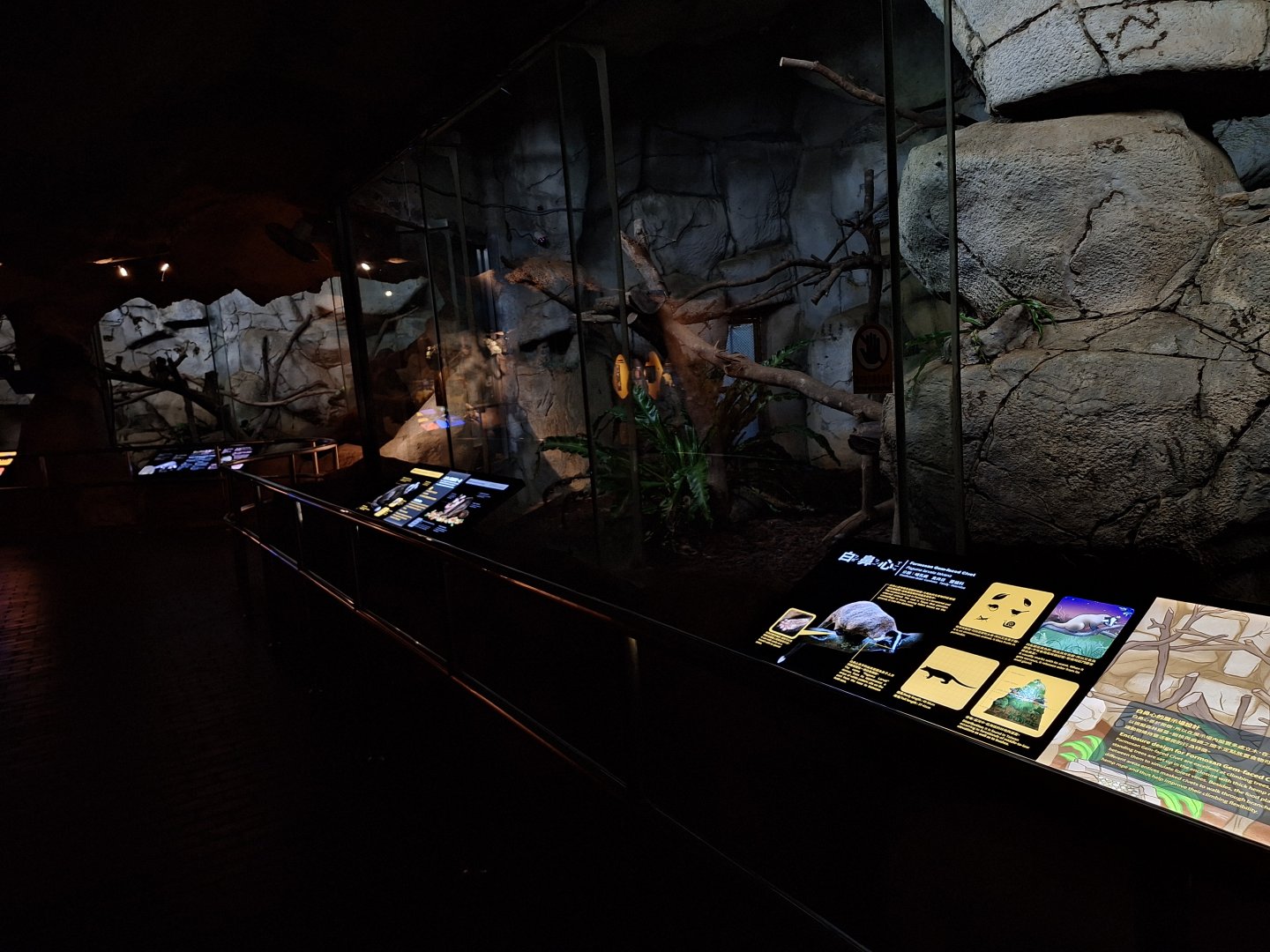
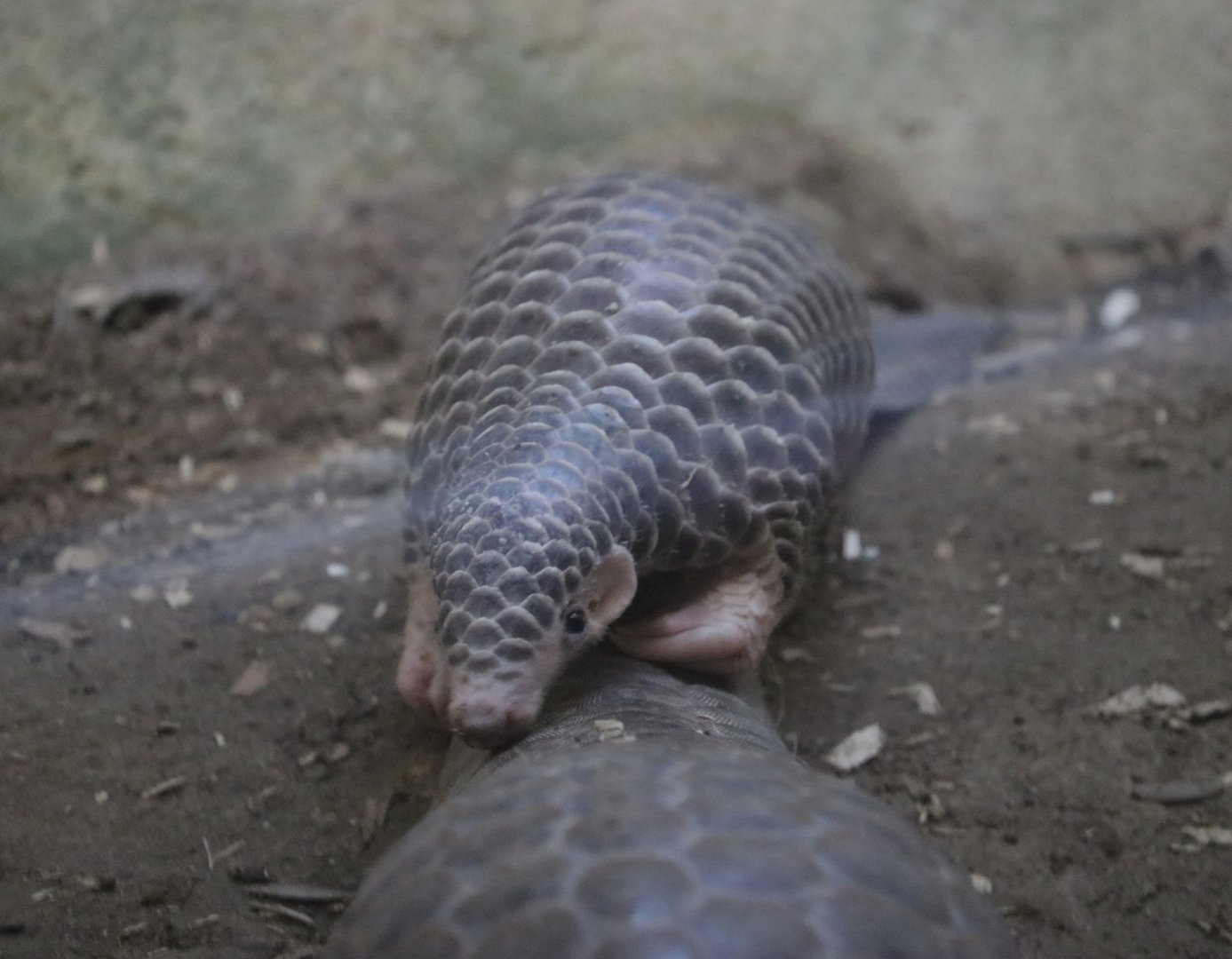
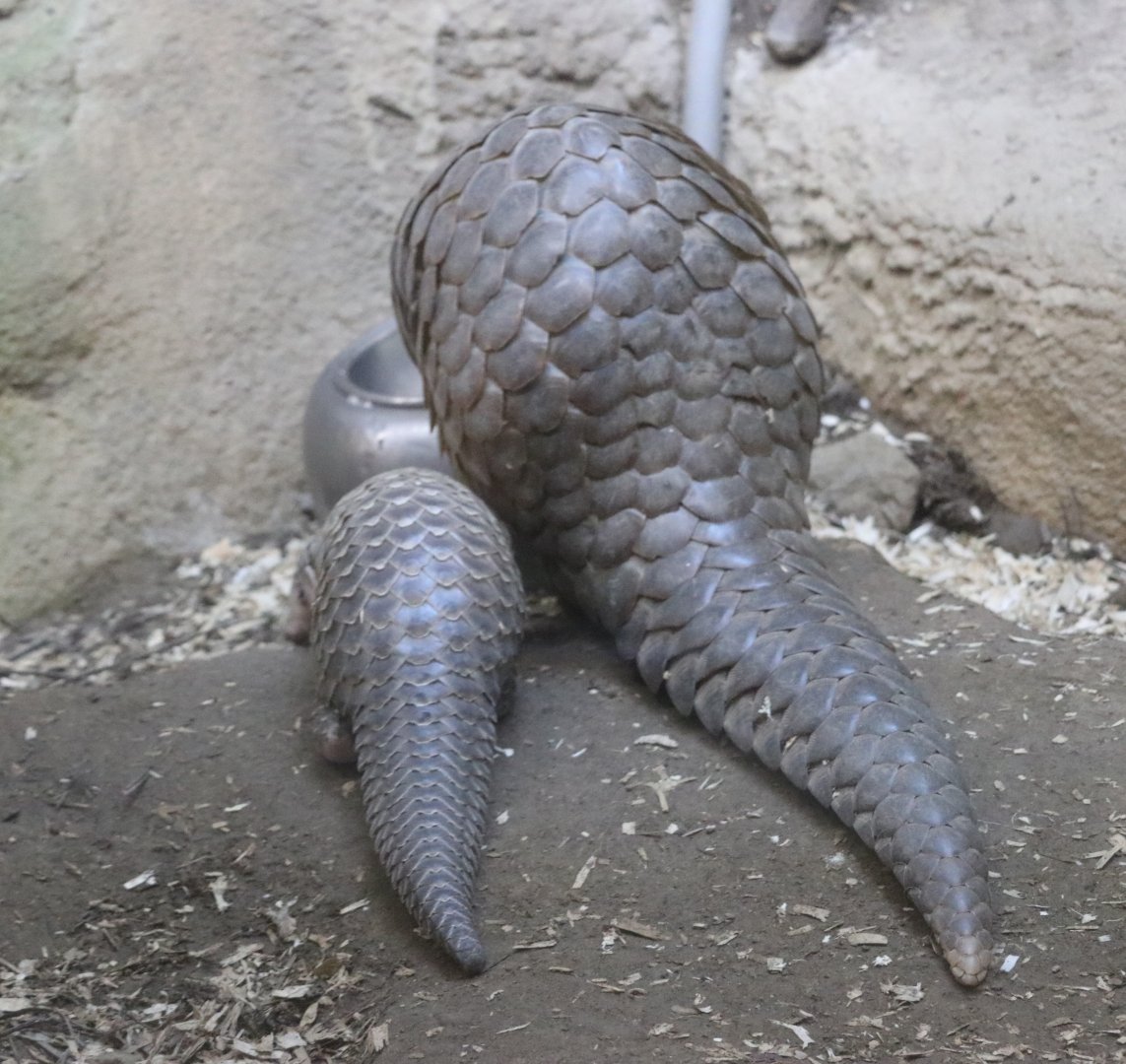
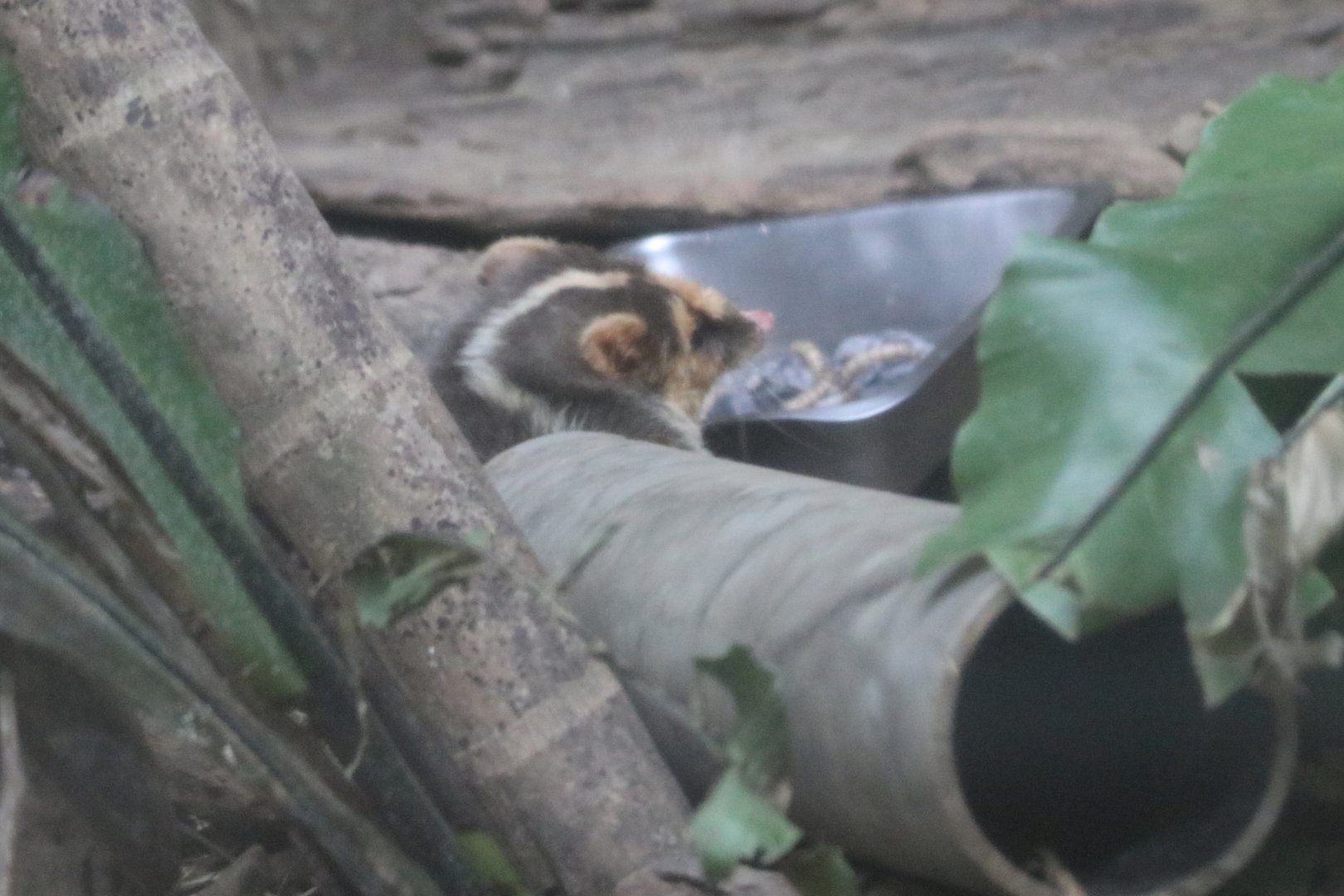
We rounded out the Formosan Animal Area with perhaps its most exciting series of enclosures, the 'Habitat Corridors'. This dimly lit cave recreation is the indoor area for Taiwan Gem-faced Civet, Formosan Ferret Badger, and of course, Chinese Pangolin. The Ferret Badger enclosure was first, although Ratiotile warned me they weren't easily seen. That was a bit worrying, as it was near the top of my list for Taiwan. Right next to it, however, the Gem-Faced Civet was active for a moment, flashing its spectacular face before curling back into a ball. More active was the Chinese Pangolin male, who the keeper came in to feed. He put on quite a show, and I felt quite lucky to have seen my pangolin species. The last enclosure had a mother and infant pangolin, but we figured it'd be best to come back for their feeding time later in the day, and also to check on the Ferret Badger in the off chance it decided to show.
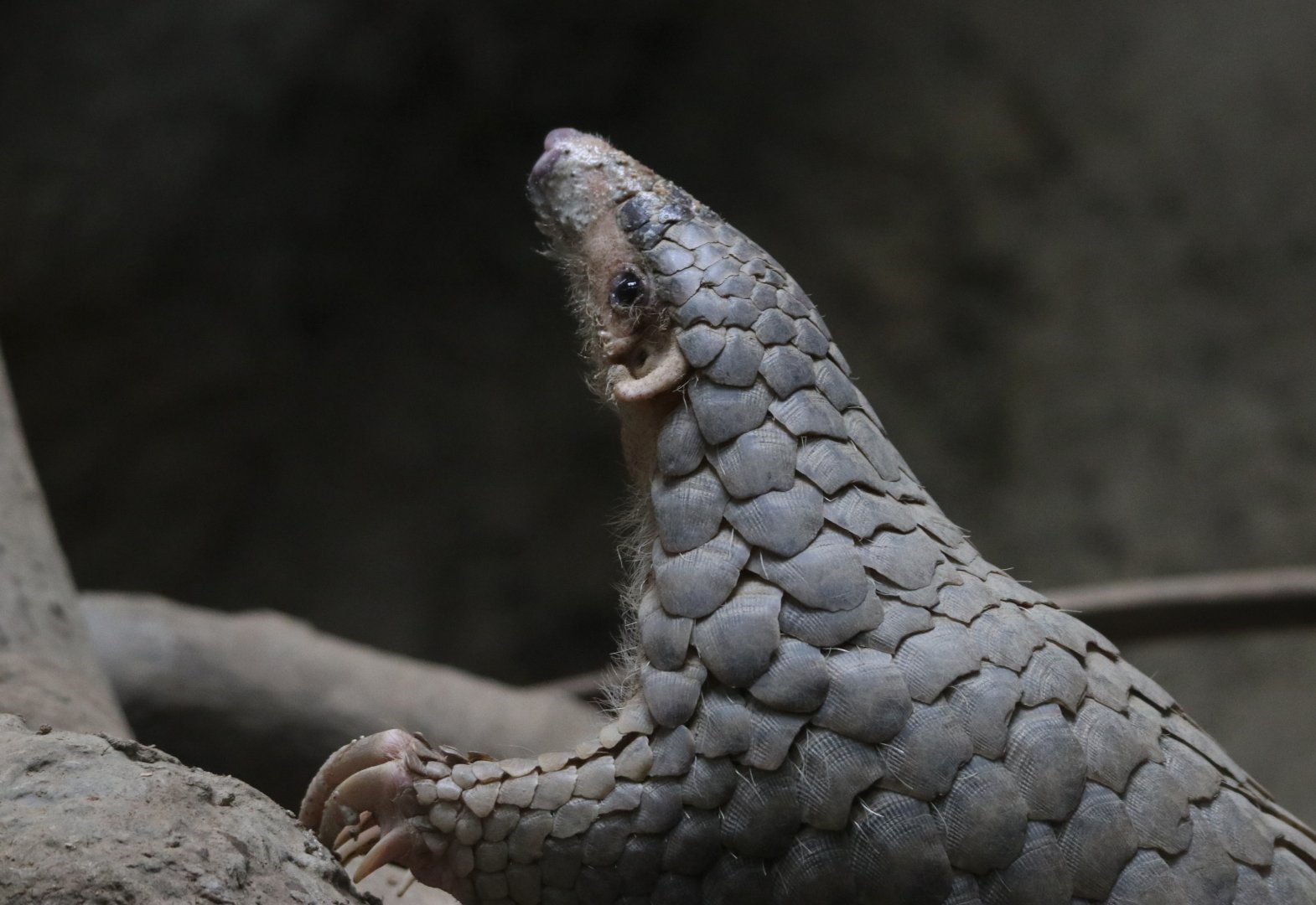 Chinese Pangolin
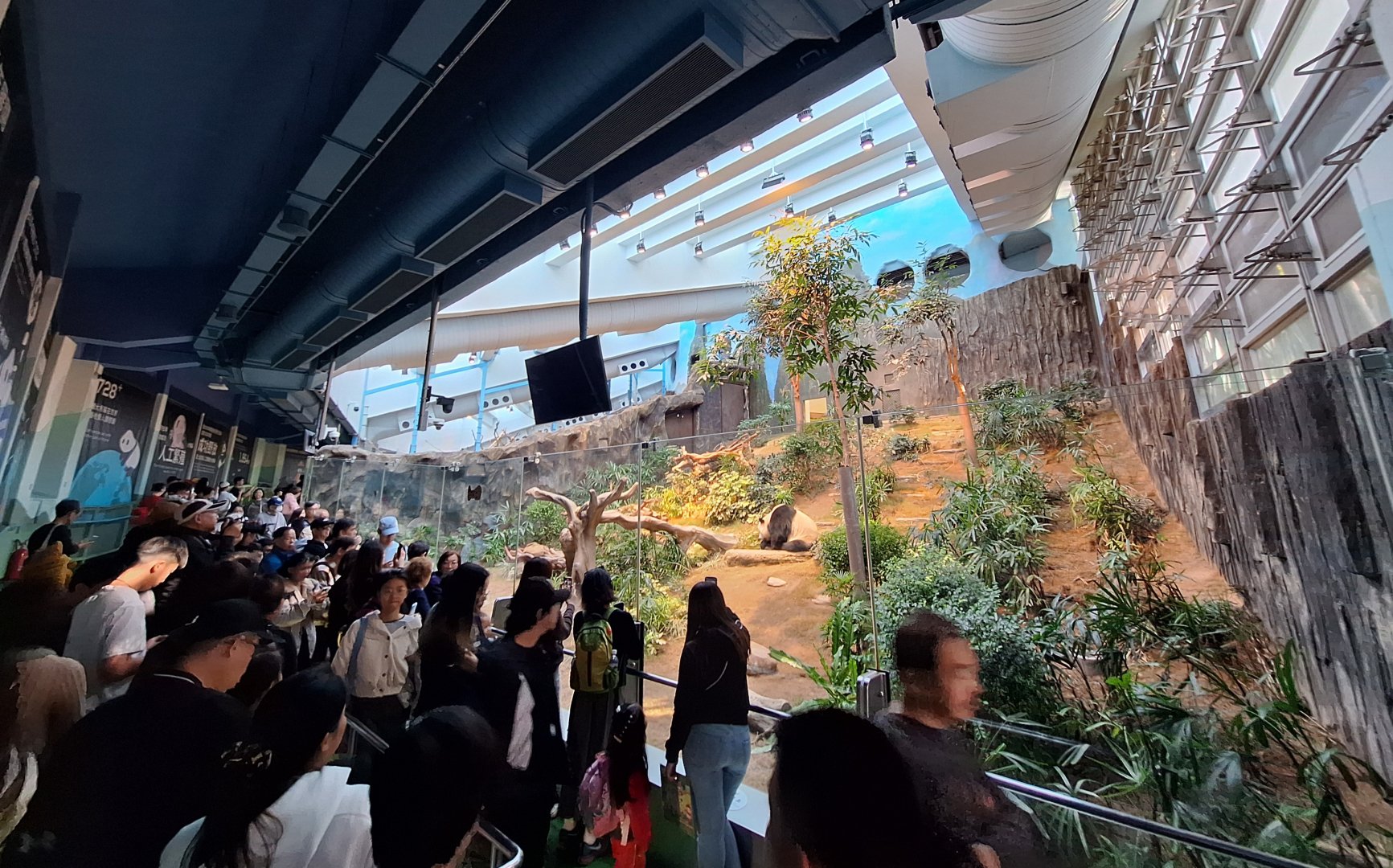
The rest of the zoo maintained a high level of quality. We quickly passed by the Giant Pandas and headed to the 'Pangolin Dome'. I was a bit confused as to why it had that name, as there weren't any pangolins exhibited, but apparently it is because the tropical dome adopts the 'Formosan Pangolin as the main visual image' because of how 'Its characteristic of scales covering all over the body is not just a major visual focus on the exterior design, simultaneously, the Dome carries the environmental conservation concepts through the integration of energy efficiency, carbon reduction, solar photovoltaic, rainwater recycling system and air conditioning system.'
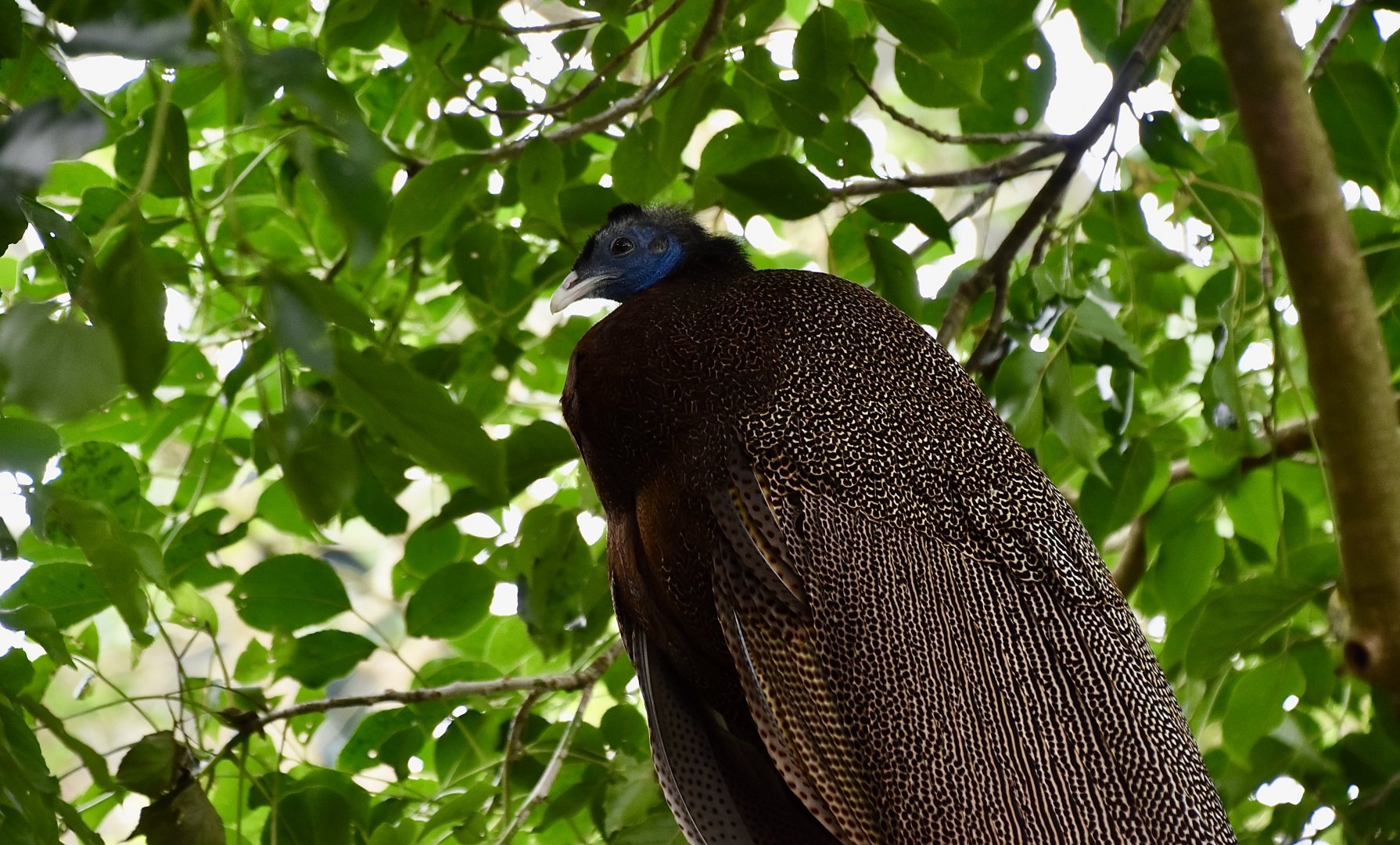
The dome was nice, if not a bit standard, with typical bird species like Ibis and Toucan as well as the mandatory sloth. A Great Argus up a tree was quite nice to see.
Credit @RatioTile
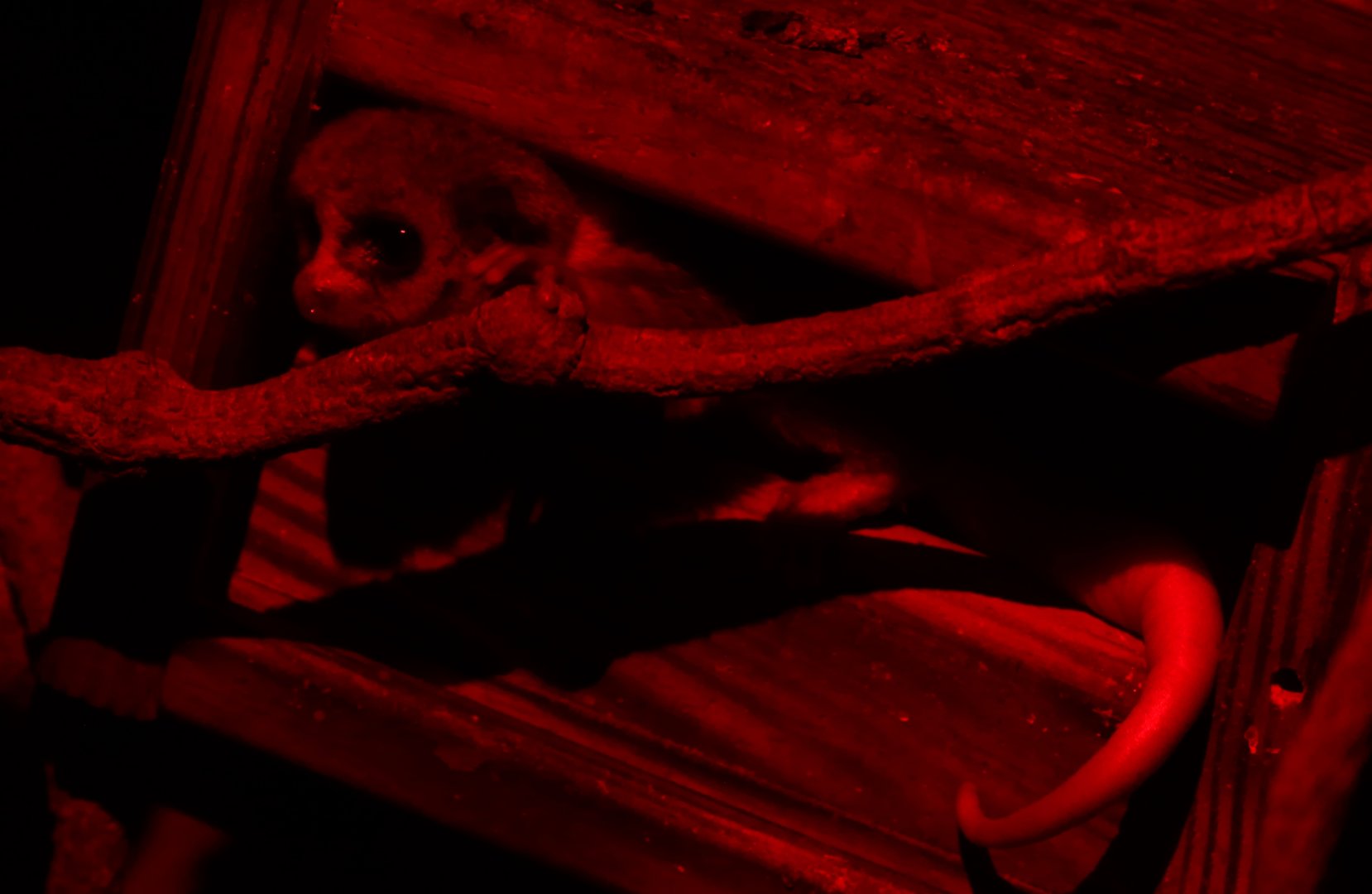
The trail briefly goes into a separate nocturnal area, with the Western Fat-Tailed Dwarf Lemur that shares an enclosure with a group of very active Senegal Bushbabies being the obvious highlight. There were also enclosures for Azara's Night Monkey, Slow Loris, and Aye-aye in there for good measure. It was quite crowded, and I hadn't gotten great looks of the Dwarf Lemur, which seemed to be a sleeping ball of fluff in a box, so we decided to return later in the day to get better views.
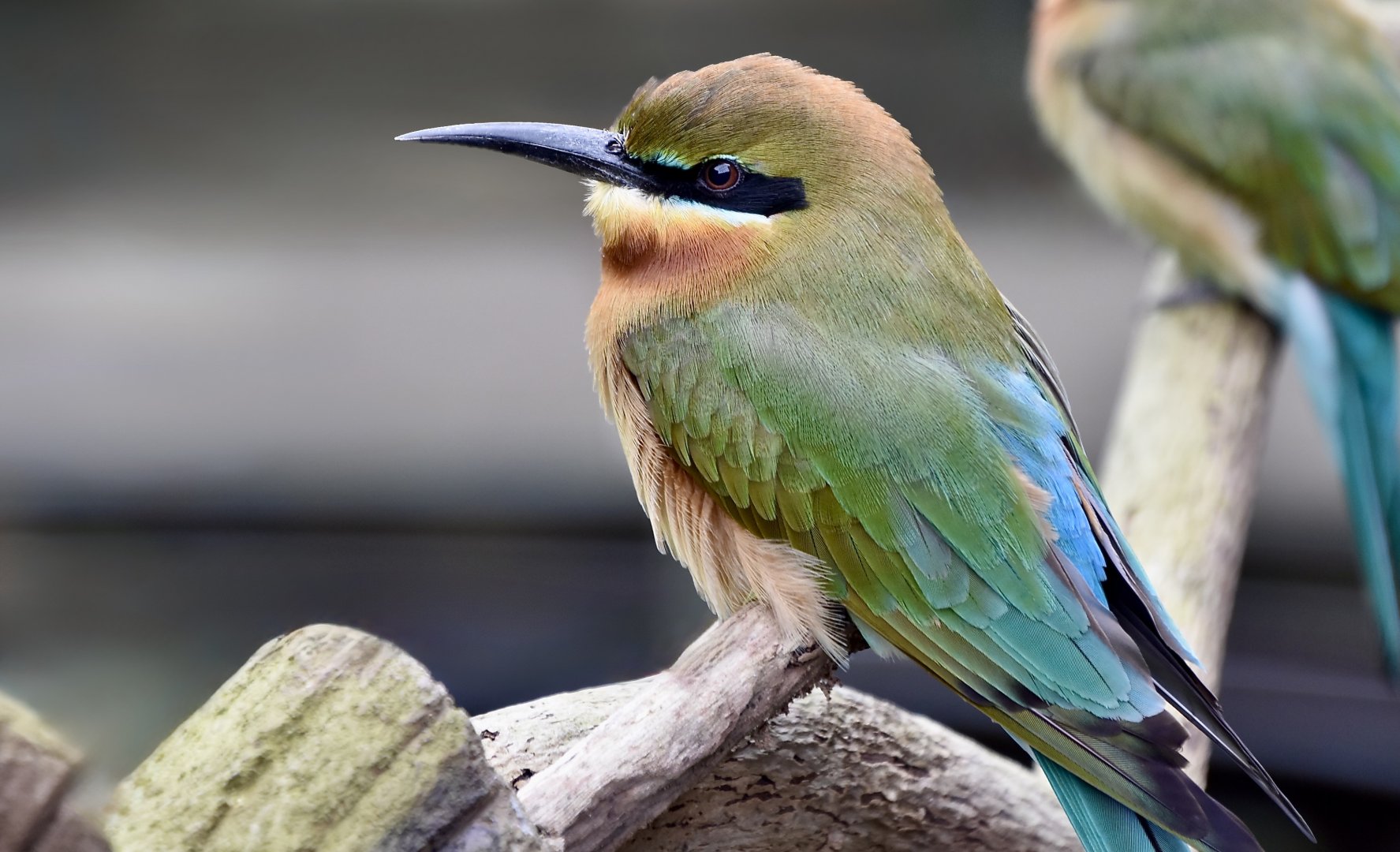
Exiting the nocturnal area, the trail looped around through the dome, passing a large aquarium at the bottom, with the most interesting species being Jullien's Golden Carp. Taking the elevator back up to another area on the second floor brought us to a series of terrariums in themed crates for various insect species. Up at the top, the only Blue-Tailed Bee-Eaters in captivity were showing well, in the area Ratiotile suggested they'd be. I was content viewing them from afar, while Ratiotile worked his way through the crowd to get this fantastic shot:
Credit @RatioTile
Outside the Pangolin Dome the trails led to the rest of the 'Tropical Rainforest Area'. We skipped the South American Animal loop and instead opted for the Asian Animals trail. The lush foliage created quite the atmosphere, and Ratiotile noted that some visitors come to the zoo just for the botany. The Malayan Tapir enclosure is fairly representative of that:
Siamangs, Bornean Orangutans, and Sun Bears all received similarly furnished accommodations, while the strikingly beautiful North Chinese Leopard had a lush but closed-top wired enclosure.
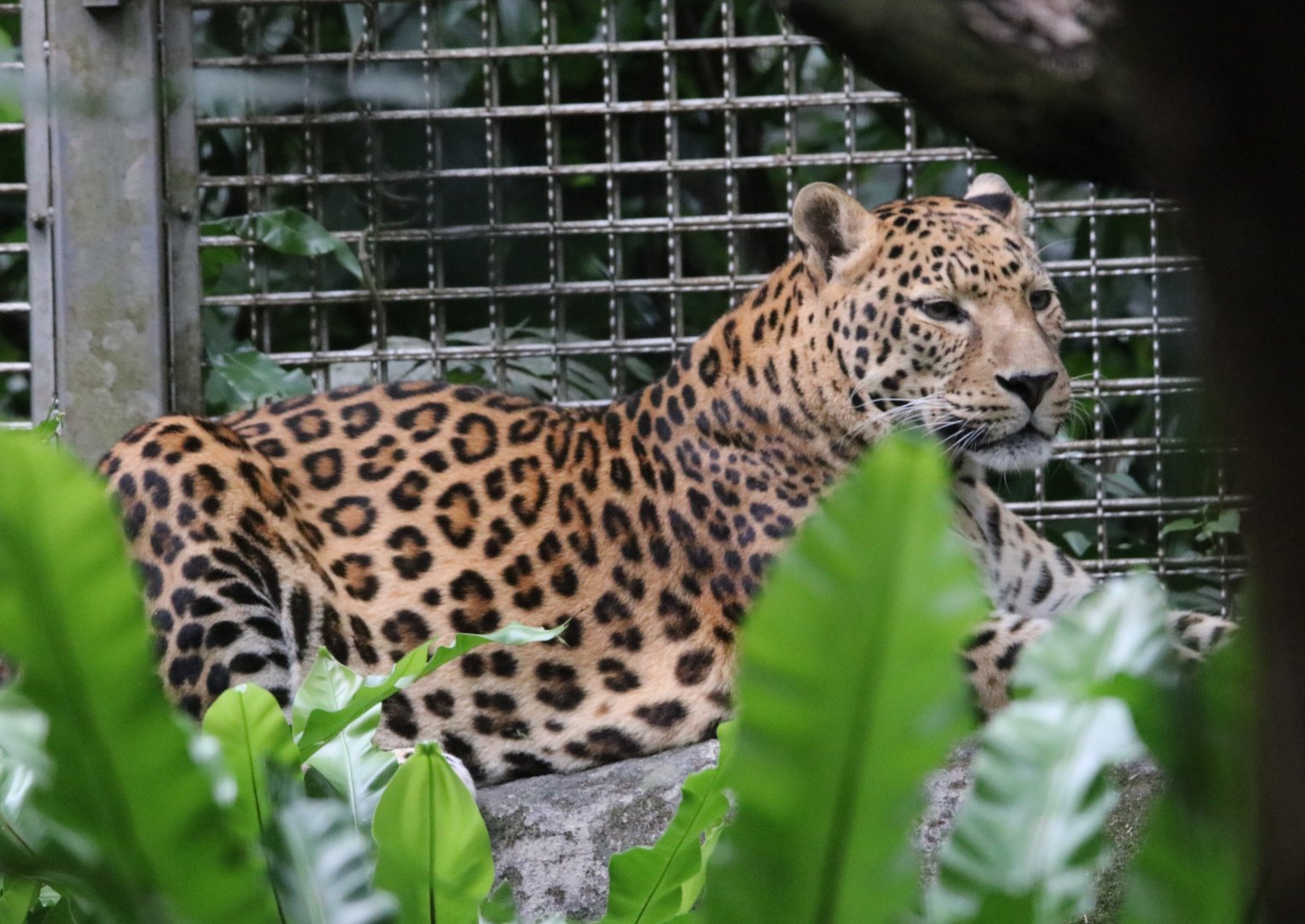
Past the Asian Elephant, Malayan Tiger, and ASCO enclosures we were back on the main trail, where we passed the Desert Animal Area with a nice large paddock for Wild Ass, Addax, and Bactrian Camel. Skipping the Australian Animal Area, upon RatioTile's recommendation given the shrinking time left in the day, we headed past the African Animal Area to the Bird World and Amphibian and Reptile House.
I could see the reason for the recent discussion on whether Taipei should hold the title of 'Best Zoo in Asia' over Singapore, but I’ll refrain from commenting on that until I get to the Mandai Parks. Needless to say, I thought the quality and species lists at Taipei had been excellent so far.
Taiwan Day 2, Part 2 (Trip Day 2)
The fare for Taipei Zoo is remarkably affordable, only 100 NTD (about 3 USD) for a ticket. @RatioTile and I headed straight for the native species area, where the bulk of my targets were held, barely glancing at the flamingo exhibit near the entrance.
The entire native species complex, labeled the 'Formosan Animal Area' on the map, was very well done. The exhibits were lush with plenty of foliage, substrate, and space for each species. We started with a series of enclosures for endemic ungulate subspecies, those being Formosan Muntjac, Sika, Sambar, and Wild Boar. In the wild boar enclosure, I saw White-rumped Shama, an introduced species to Taiwan, as well as a Pale Thrush and Arctic Warbler. A sleeping Leopard Cat was a first, and I was glad to see an Asiatic Black Bear after so long, as they are quickly vanishing from the states. Ratiotile was very familiar with the zoo and explained to me that neither were really of the pure subspecies, unlike was otherwise indicated. The Leopard Cat was in a lush, closed-top enclosure, while the bear had a more traditional grotto. A sleeping Eurasian Otter was also a first, much less exciting to the European Zoochatters than the nearby Formosan Serow and Rock Macaques. The Serow had a nicely sloped enclosure, with more individuals visible in the back for breeding. The Macaques were in a moated 'baboon rock' style enclosure.
Past here was the Insectarium, which I'd really been looking forward to. While not as speciose as St. Louis or Cincinnati, it was very nicely done, and the focus on native species, especially those from the surrounding islands like Lanyu and Liuchiou was great to see. The insectarium had two wings, and a number of museum exhibit areas without live species on display. The first room of live animals had a wall of terrariums with phasmids, a stag beetle, and a fantastic weevil species, as well as a larger paludarium with odonate larvae and a grasshopper.
The main room is an indoor greenhouse for a variety of East-Asian butterfly species. While the gardens were quite nice and the species even nicer, the best part of the room was that the left wall was occupied with a row of terrariums for a series of fantastic caterpillars, something I haven't really seen done before.
I'm now left wondering why caterpillar terrariums are not more commonplace, as they made excellent exhibit subjects here. The remaining room in this side of the insectarium was for five aquatic insects, including one for firefly larvae, another first. I hadn't realized they were aquatic.
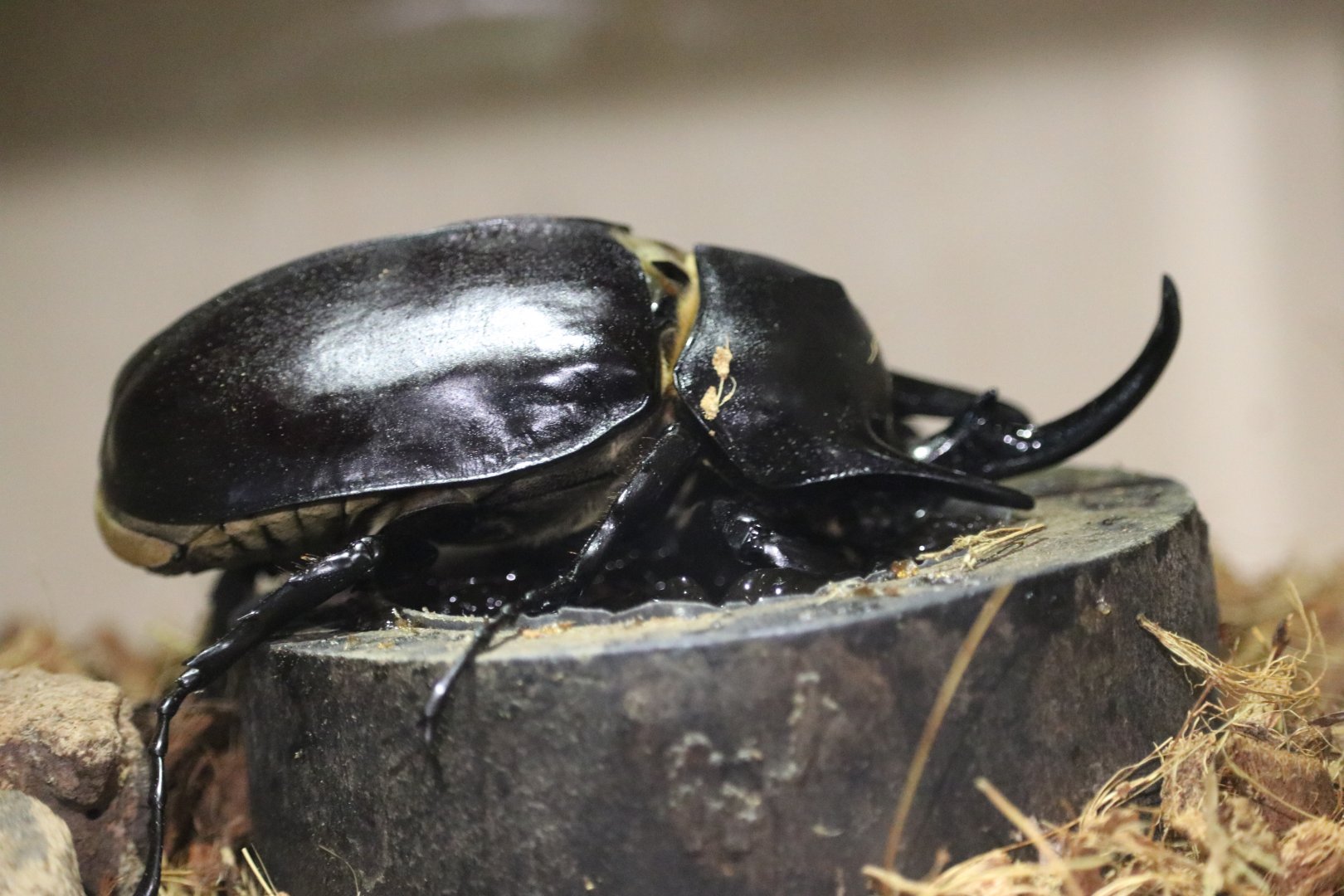
I'm very grateful for Raitotile's company, he was very knowledgeable about all the inhabitants, was able to point out the best rarities, and knew the layout of the zoo very well. Case in point, I may have missed the last live animal area, which required going back outside and into another entrance to the other wing, where there were a number of other enclosures for more interesting insects, these ones trending a bit larger with Siliquofera grandis and Elephant Beetle in the mix, along with some other katydid species.
Overall, the insectarium's quality, signage, and species list were all excellent and a highlight of the zoo. Although the insectarium didn't feel quite as large as STL and Cincinatti, Ratiotile did mention to me that a portion of the insectarium, an additional butterfly greenhouse, was undergoing renovation.
We rounded out the Formosan Animal Area with perhaps its most exciting series of enclosures, the 'Habitat Corridors'. This dimly lit cave recreation is the indoor area for Taiwan Gem-faced Civet, Formosan Ferret Badger, and of course, Chinese Pangolin. The Ferret Badger enclosure was first, although Ratiotile warned me they weren't easily seen. That was a bit worrying, as it was near the top of my list for Taiwan. Right next to it, however, the Gem-Faced Civet was active for a moment, flashing its spectacular face before curling back into a ball. More active was the Chinese Pangolin male, who the keeper came in to feed. He put on quite a show, and I felt quite lucky to have seen my pangolin species. The last enclosure had a mother and infant pangolin, but we figured it'd be best to come back for their feeding time later in the day, and also to check on the Ferret Badger in the off chance it decided to show.
Chinese pangolin
(Manis pentadactyla), Nocturnal Animals Area in Formosan Animals Area, Dec 2024
The rest of the zoo maintained a high level of quality. We quickly passed by the Giant Pandas and headed to the 'Pangolin Dome'. I was a bit confused as to why it had that name, as there weren't any pangolins exhibited, but apparently it is because the tropical dome adopts the 'Formosan Pangolin as the main visual image' because of how 'Its characteristic of scales covering all over the body is not just a major visual focus on the exterior design, simultaneously, the Dome carries the environmental conservation concepts through the integration of energy efficiency, carbon reduction, solar photovoltaic, rainwater recycling system and air conditioning system.'
The dome was nice, if not a bit standard, with typical bird species like Ibis and Toucan as well as the mandatory sloth. A Great Argus up a tree was quite nice to see.
Credit @RatioTile
The trail briefly goes into a separate nocturnal area, with the Western Fat-Tailed Dwarf Lemur that shares an enclosure with a group of very active Senegal Bushbabies being the obvious highlight. There were also enclosures for Azara's Night Monkey, Slow Loris, and Aye-aye in there for good measure. It was quite crowded, and I hadn't gotten great looks of the Dwarf Lemur, which seemed to be a sleeping ball of fluff in a box, so we decided to return later in the day to get better views.
Exiting the nocturnal area, the trail looped around through the dome, passing a large aquarium at the bottom, with the most interesting species being Jullien's Golden Carp. Taking the elevator back up to another area on the second floor brought us to a series of terrariums in themed crates for various insect species. Up at the top, the only Blue-Tailed Bee-Eaters in captivity were showing well, in the area Ratiotile suggested they'd be. I was content viewing them from afar, while Ratiotile worked his way through the crowd to get this fantastic shot:
Credit @RatioTile
Outside the Pangolin Dome the trails led to the rest of the 'Tropical Rainforest Area'. We skipped the South American Animal loop and instead opted for the Asian Animals trail. The lush foliage created quite the atmosphere, and Ratiotile noted that some visitors come to the zoo just for the botany. The Malayan Tapir enclosure is fairly representative of that:

Siamangs, Bornean Orangutans, and Sun Bears all received similarly furnished accommodations, while the strikingly beautiful North Chinese Leopard had a lush but closed-top wired enclosure.
Past the Asian Elephant, Malayan Tiger, and ASCO enclosures we were back on the main trail, where we passed the Desert Animal Area with a nice large paddock for Wild Ass, Addax, and Bactrian Camel. Skipping the Australian Animal Area, upon RatioTile's recommendation given the shrinking time left in the day, we headed past the African Animal Area to the Bird World and Amphibian and Reptile House.
I could see the reason for the recent discussion on whether Taipei should hold the title of 'Best Zoo in Asia' over Singapore, but I’ll refrain from commenting on that until I get to the Mandai Parks. Needless to say, I thought the quality and species lists at Taipei had been excellent so far.


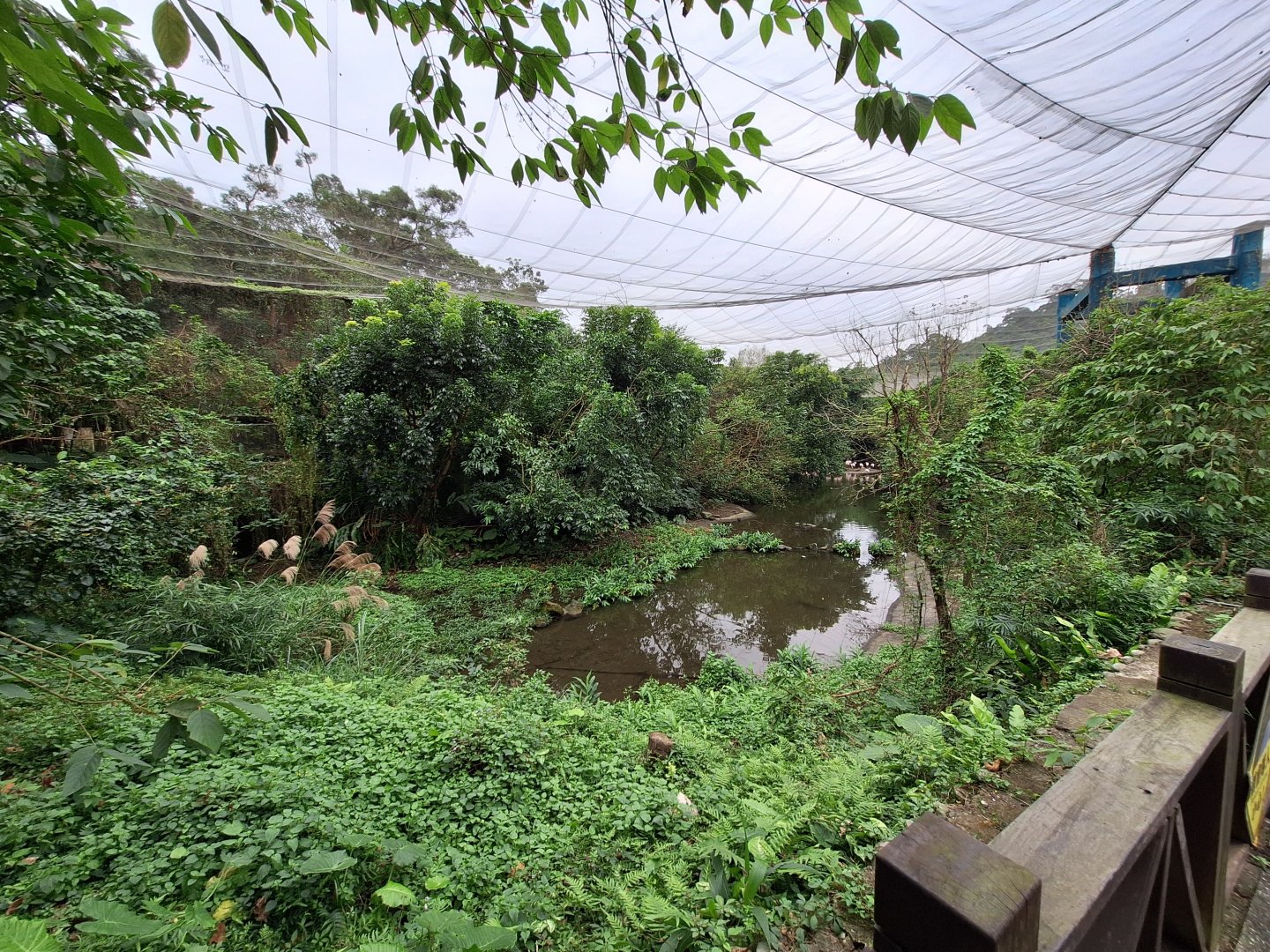
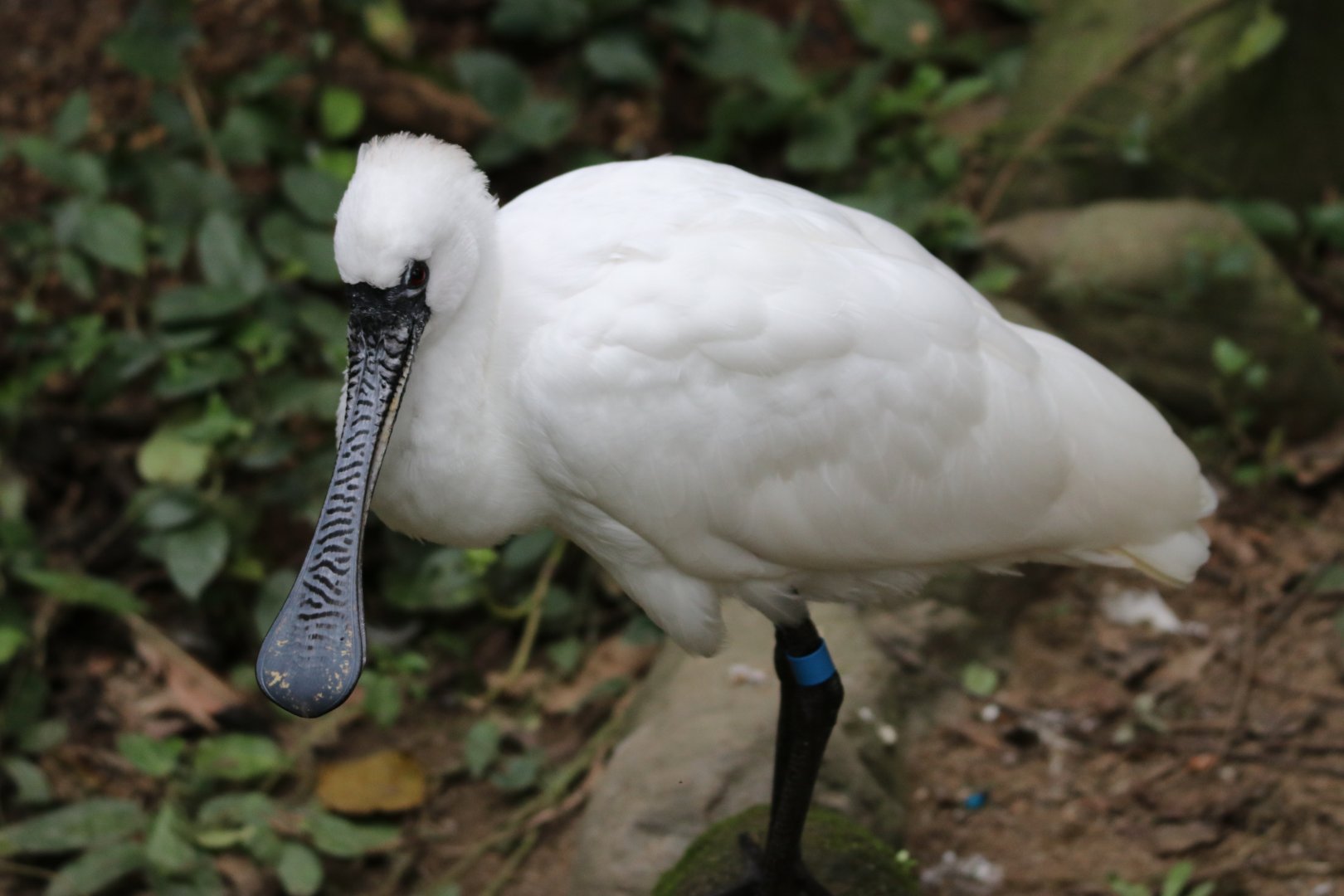
 . It's the first time a bird has left its droppings on me, and not the last, as quite recently a Chestnut-sided Warbler has done the same. How rude.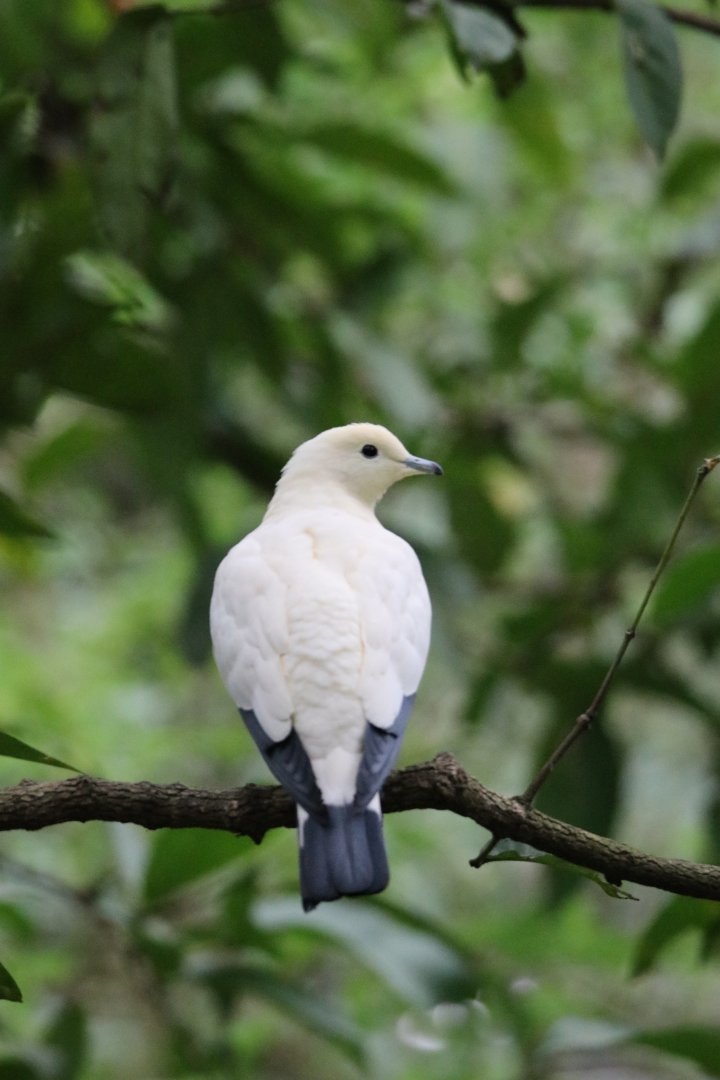
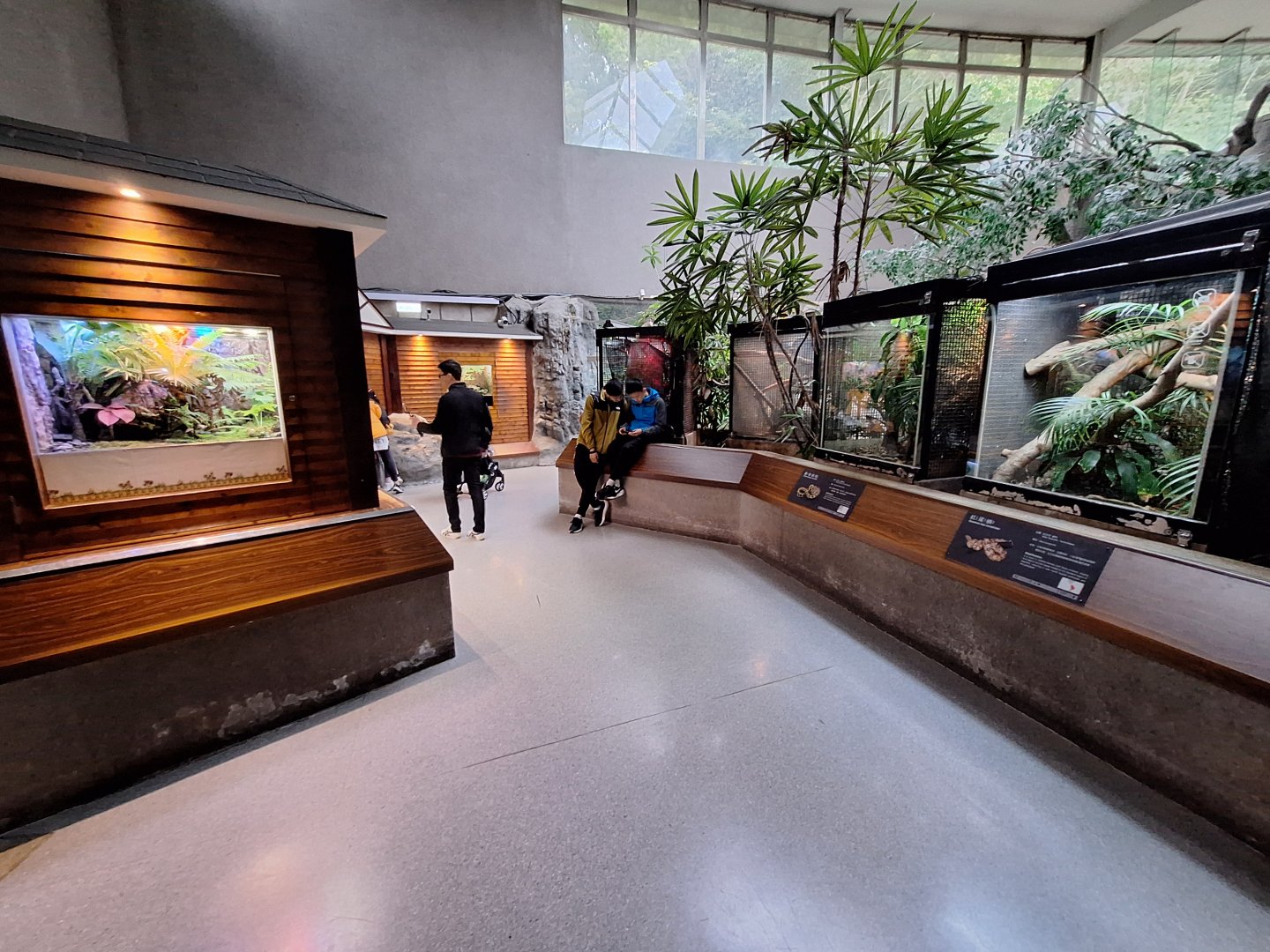









 )
)