CMP Travels Asia (Part 1?)

Taipei Zoo
Taiwan Day 2, Part 2 (Trip Day 2)


The fare for Taipei Zoo is remarkably affordable, only 100 NTD (about 3 USD) for a ticket. @RatioTile and I headed straight for the native species area, where the bulk of my targets were held, barely glancing at the flamingo exhibit near the entrance.

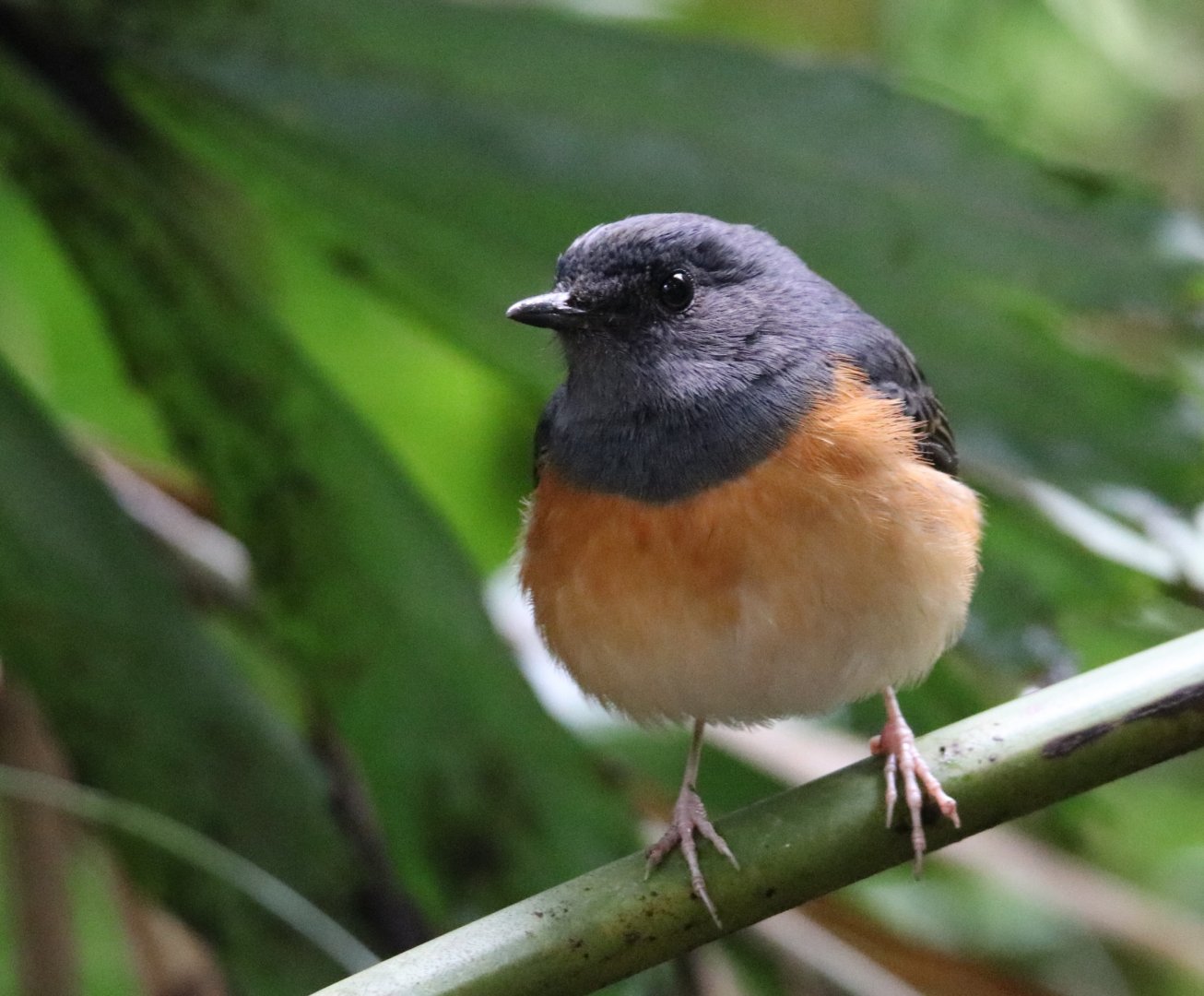
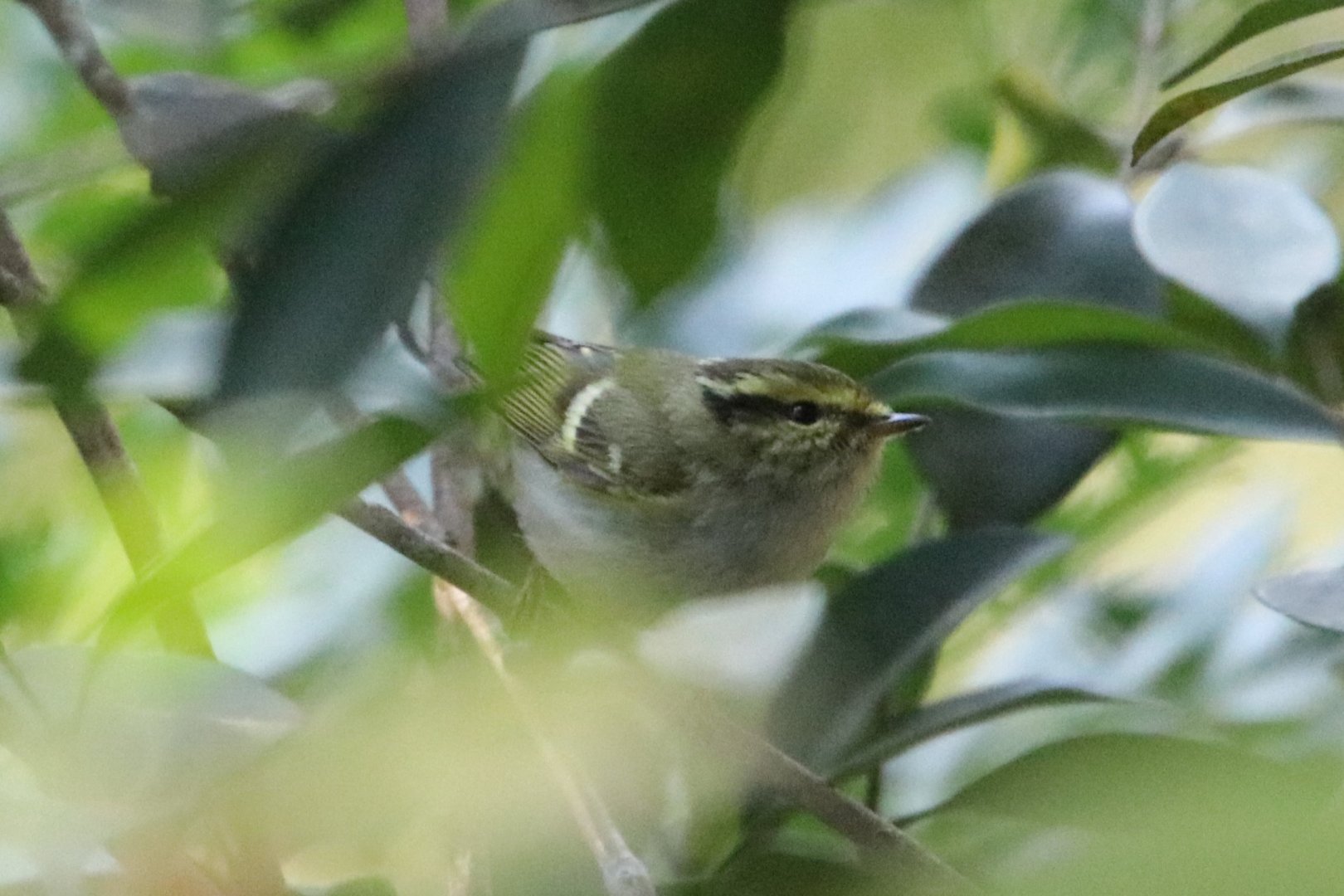
The entire native species complex, labeled the 'Formosan Animal Area' on the map, was very well done. The exhibits were lush with plenty of foliage, substrate, and space for each species. We started with a series of enclosures for endemic ungulate subspecies, those being Formosan Muntjac, Sika, Sambar, and Wild Boar. In the wild boar enclosure, I saw White-rumped Shama, an introduced species to Taiwan, as well as a Pale Thrush and Arctic Warbler. A sleeping Leopard Cat was a first, and I was glad to see an Asiatic Black Bear after so long, as they are quickly vanishing from the states. Ratiotile was very familiar with the zoo and explained to me that neither were really of the pure subspecies, unlike was otherwise indicated. The Leopard Cat was in a lush, closed-top enclosure, while the bear had a more traditional grotto. A sleeping Eurasian Otter was also a first, much less exciting to the European Zoochatters than the nearby Formosan Serow and Rock Macaques. The Serow had a nicely sloped enclosure, with more individuals visible in the back for breeding. The Macaques were in a moated 'baboon rock' style enclosure.
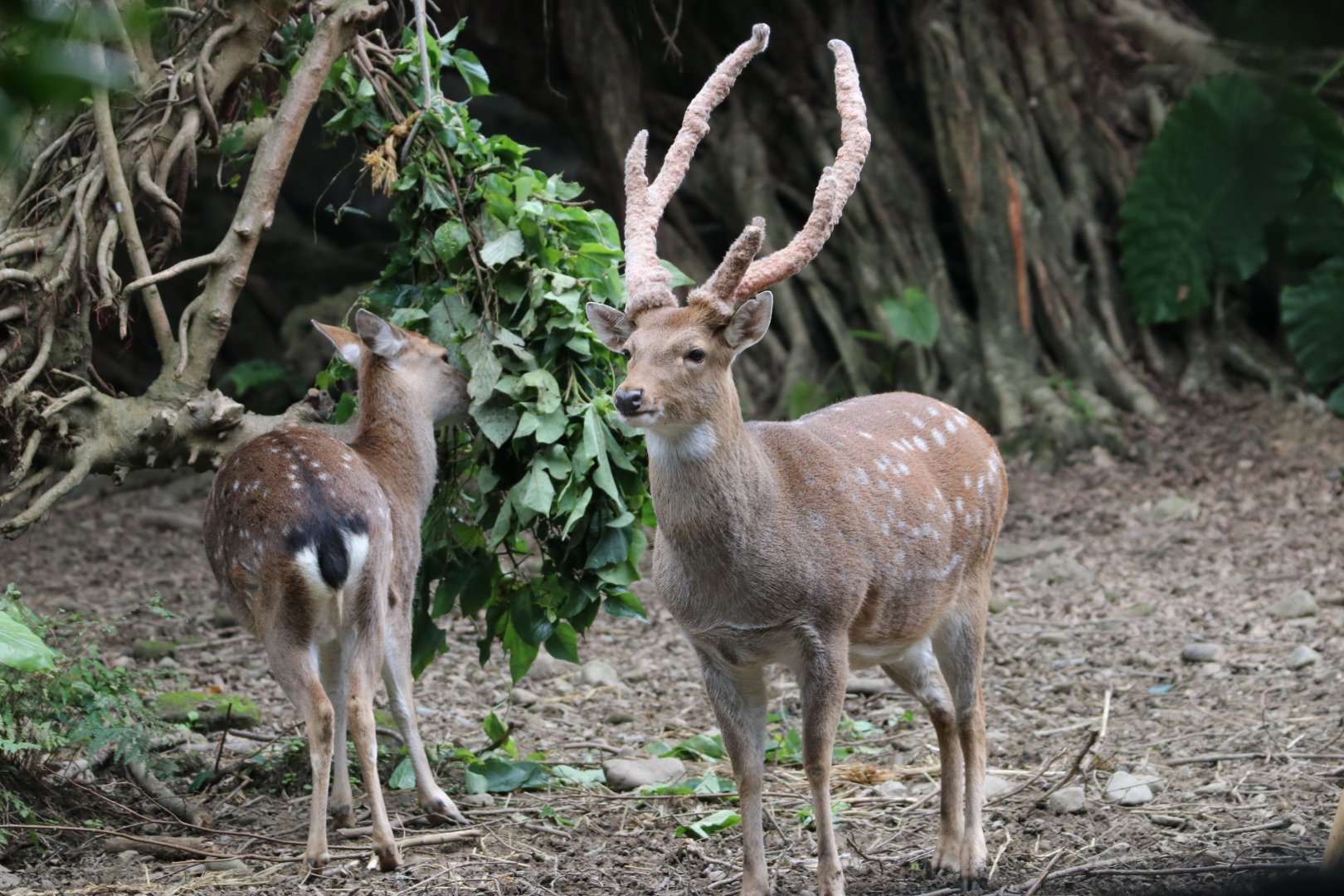
Taiwan Sika Deer in the Formosan Animal Area, they share the exhibit with a Formosan Sambar

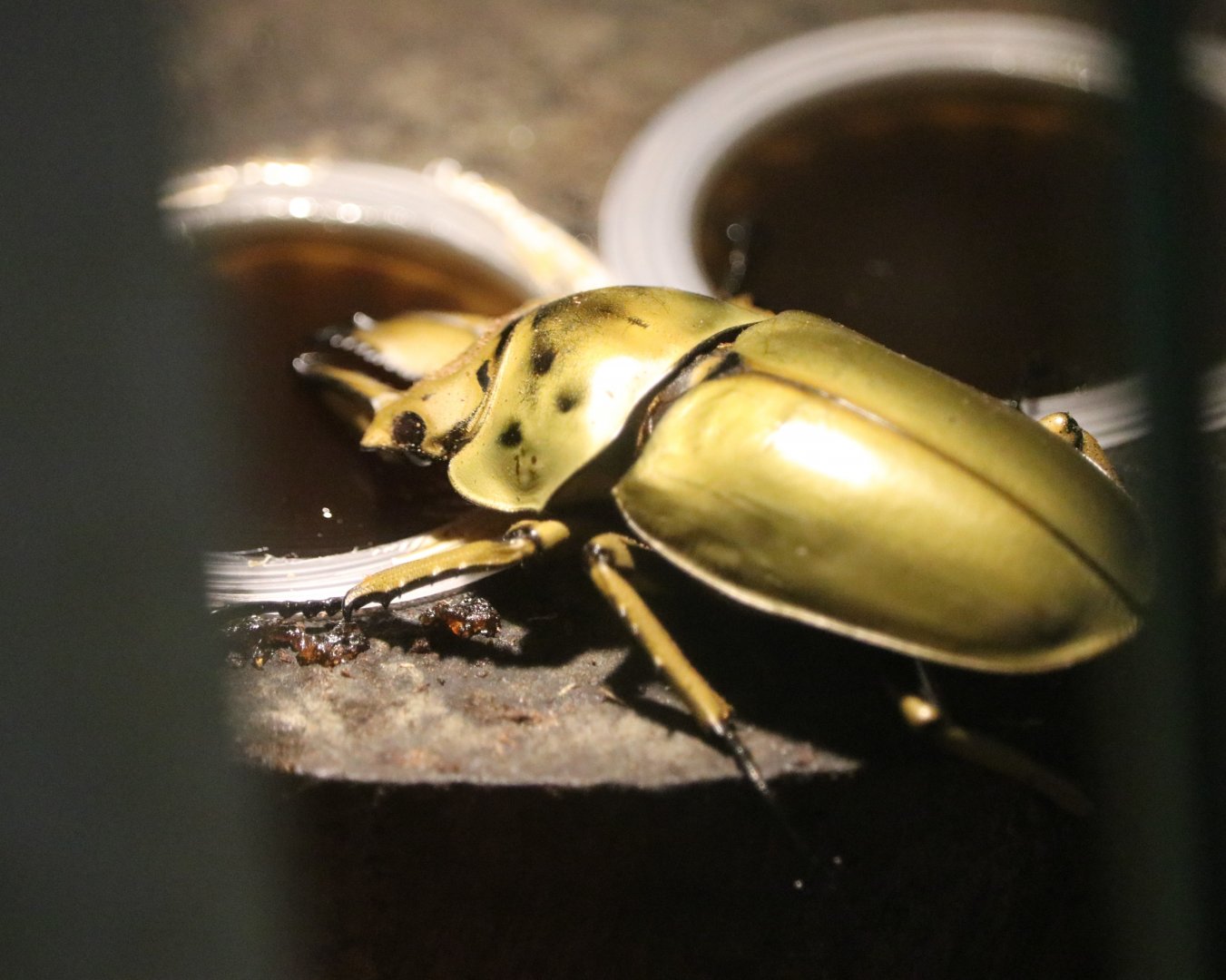
Past here was the Insectarium, which I'd really been looking forward to. While not as speciose as St. Louis or Cincinnati, it was very nicely done, and the focus on native species, especially those from the surrounding islands like Lanyu and Liuchiou was great to see. The insectarium had two wings, and a number of museum exhibit areas without live species on display. The first room of live animals had a wall of terrariums with phasmids, a stag beetle, and a fantastic weevil species, as well as a larger paludarium with odonate larvae and a grasshopper.
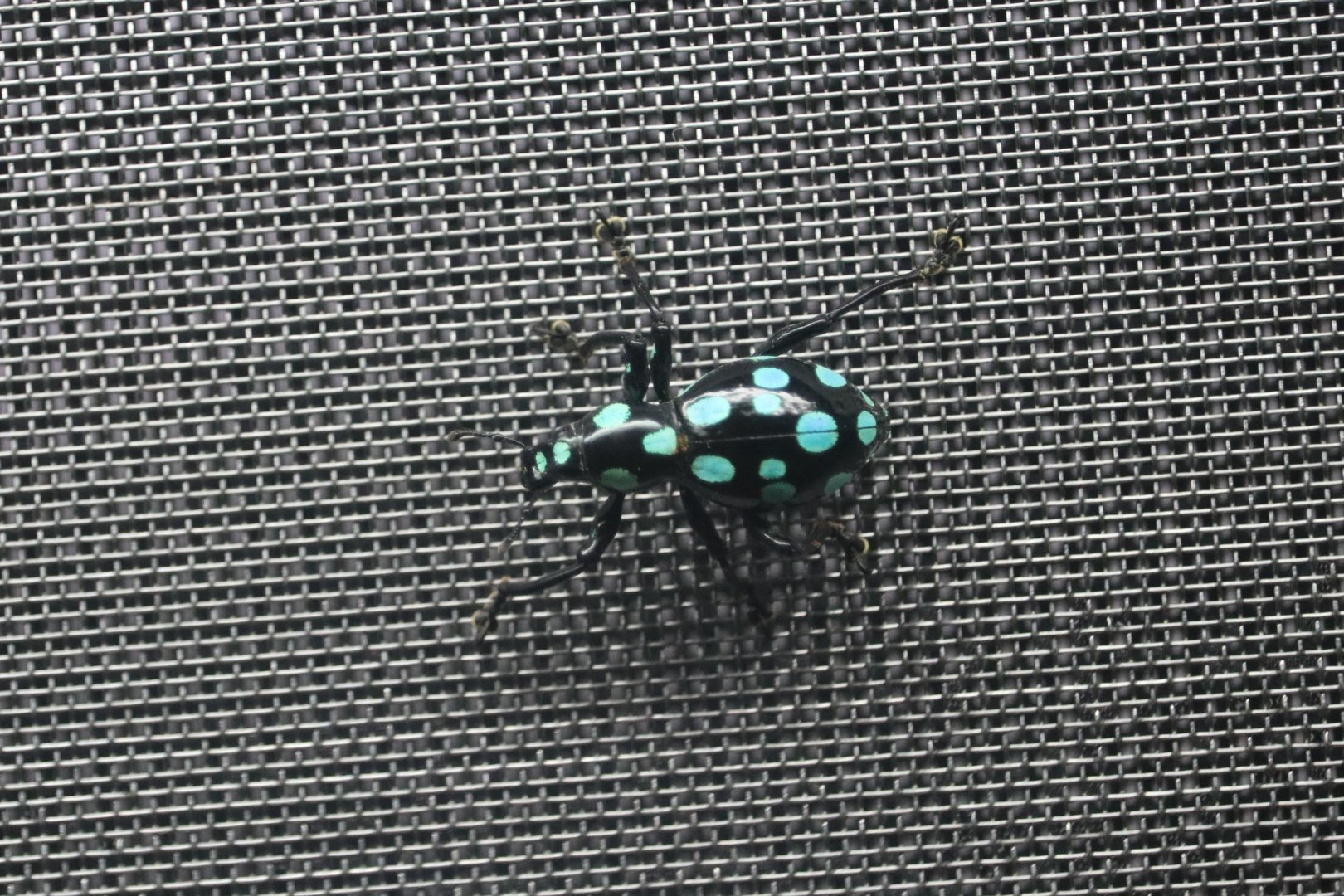
Lanyu endemic weevil

The main room is an indoor greenhouse for a variety of East-Asian butterfly species. While the gardens were quite nice and the species even nicer, the best part of the room was that the left wall was occupied with a row of terrariums for a series of fantastic caterpillars, something I haven't really seen done before.
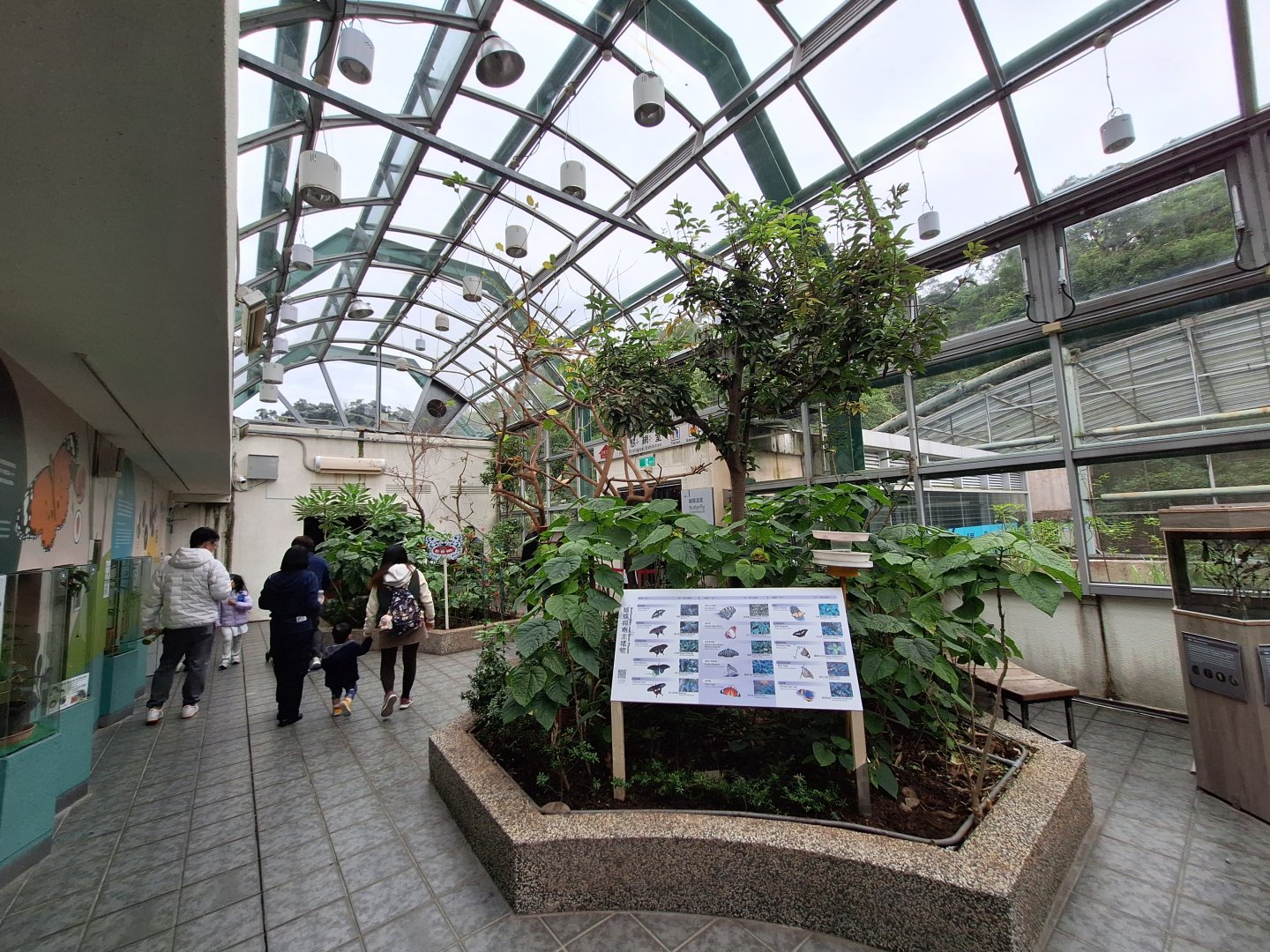
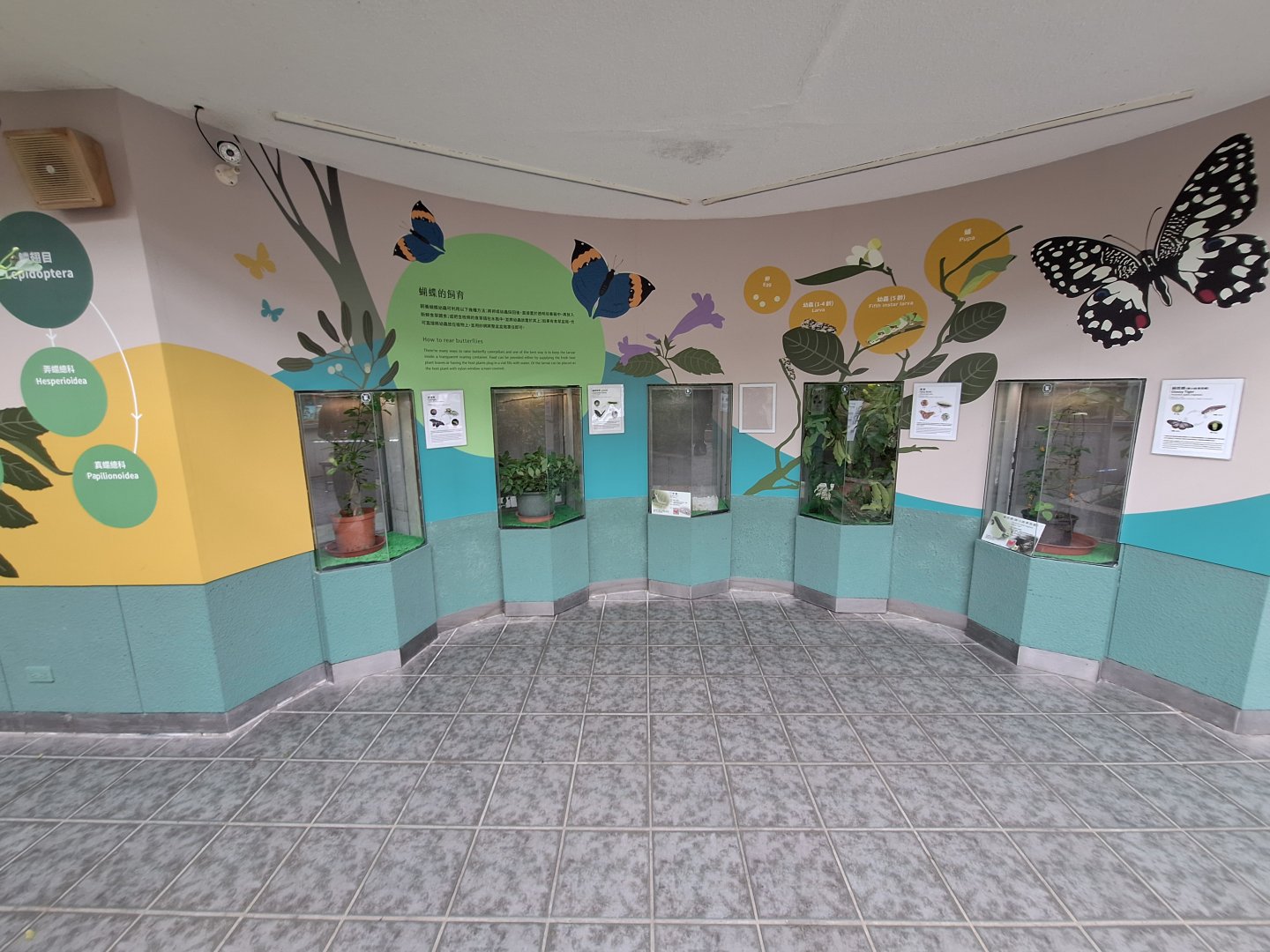

I'm now left wondering why caterpillar terrariums are not more commonplace, as they made excellent exhibit subjects here. The remaining room in this side of the insectarium was for five aquatic insects, including one for firefly larvae, another first. I hadn't realized they were aquatic.

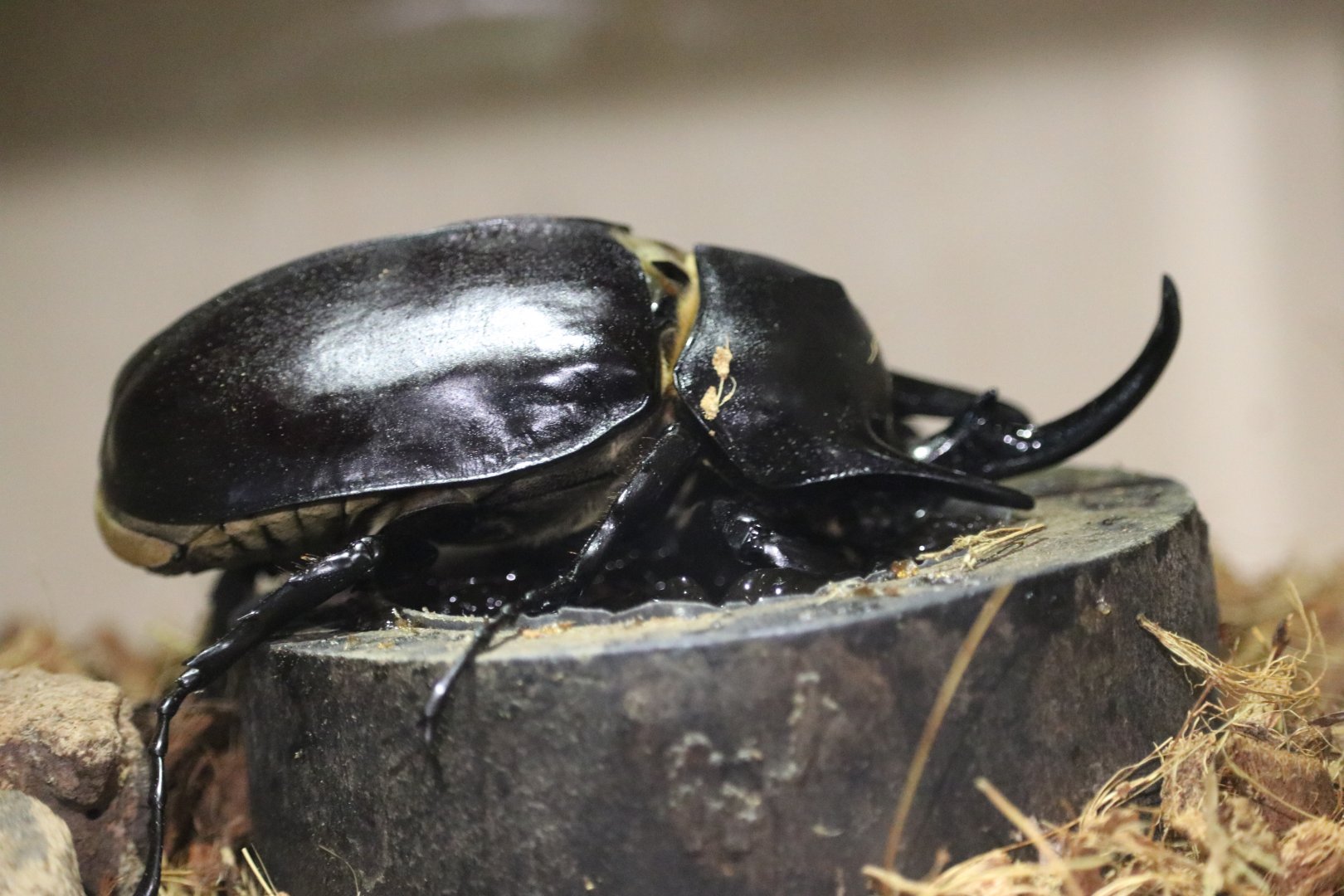
I'm very grateful for Raitotile's company, he was very knowledgeable about all the inhabitants, was able to point out the best rarities, and knew the layout of the zoo very well. Case in point, I may have missed the last live animal area, which required going back outside and into another entrance to the other wing, where there were a number of other enclosures for more interesting insects, these ones trending a bit larger with Siliquofera grandis and Elephant Beetle in the mix, along with some other katydid species.
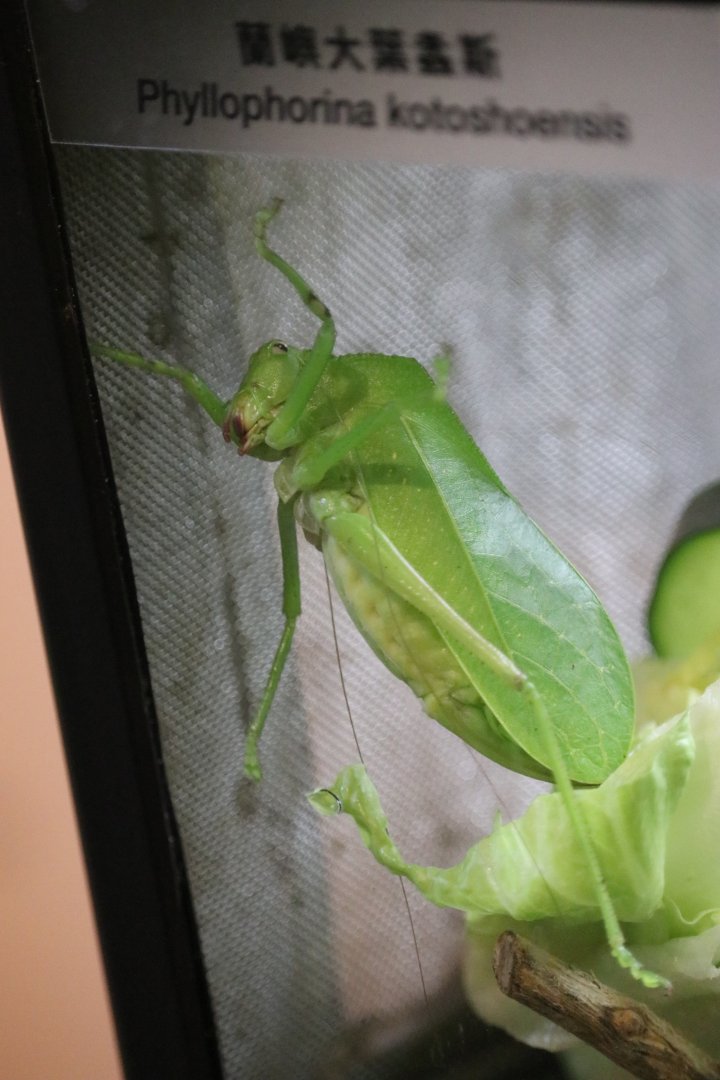
Lanyu Giant Katydid

Overall, the insectarium's quality, signage, and species list were all excellent and a highlight of the zoo. Although the insectarium didn't feel quite as large as STL and Cincinatti, Ratiotile did mention to me that a portion of the insectarium, an additional butterfly greenhouse, was undergoing renovation.

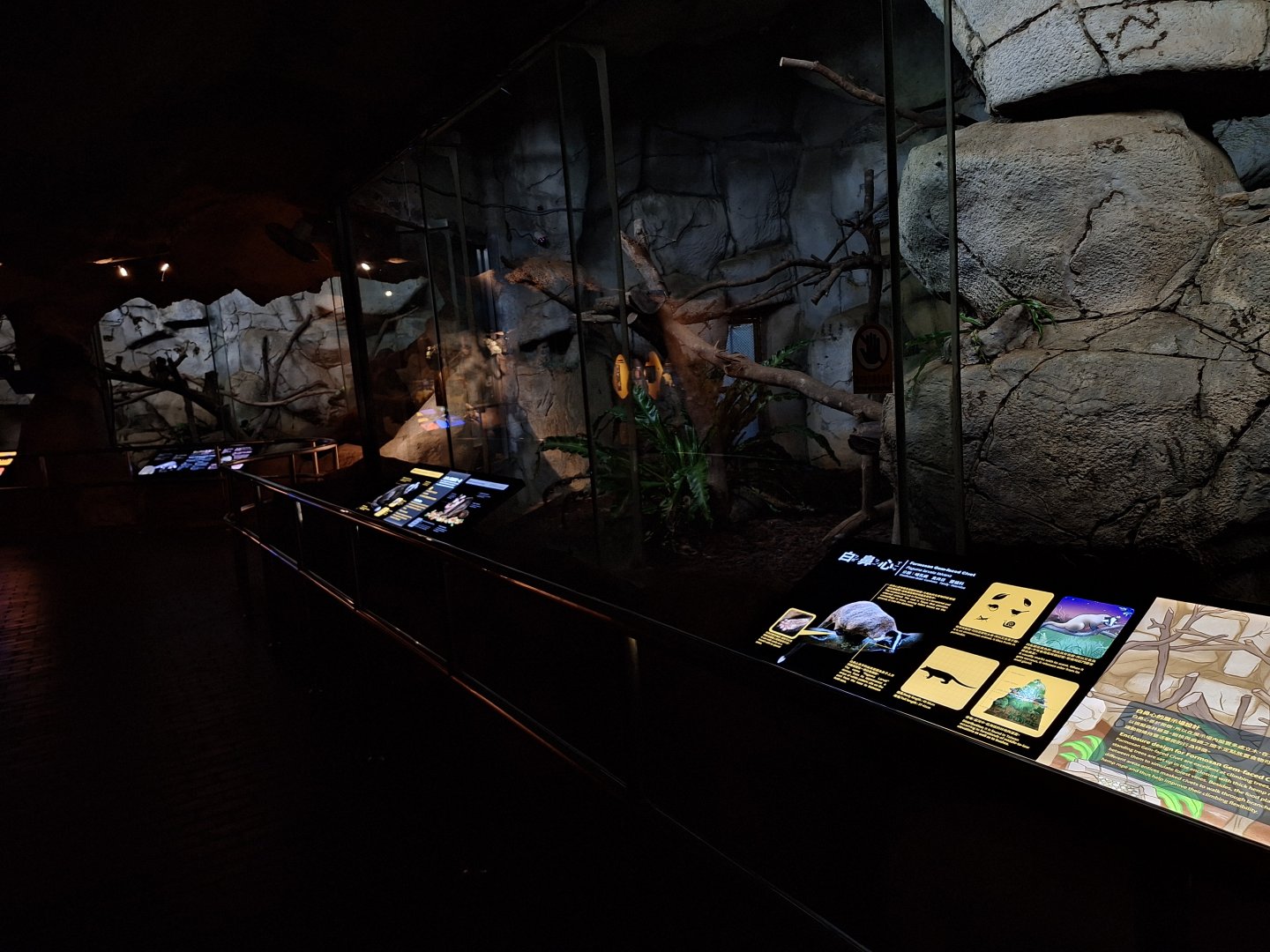
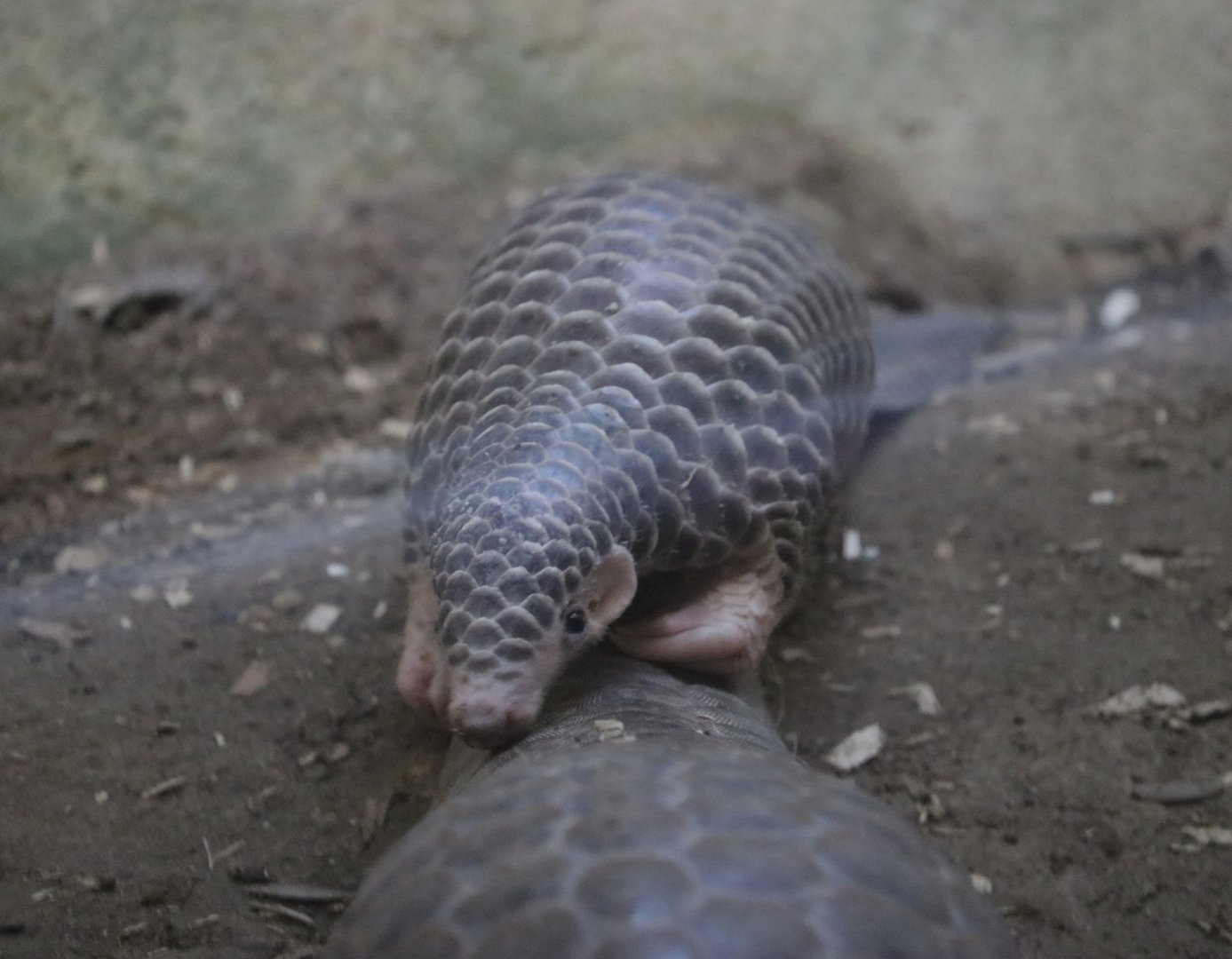
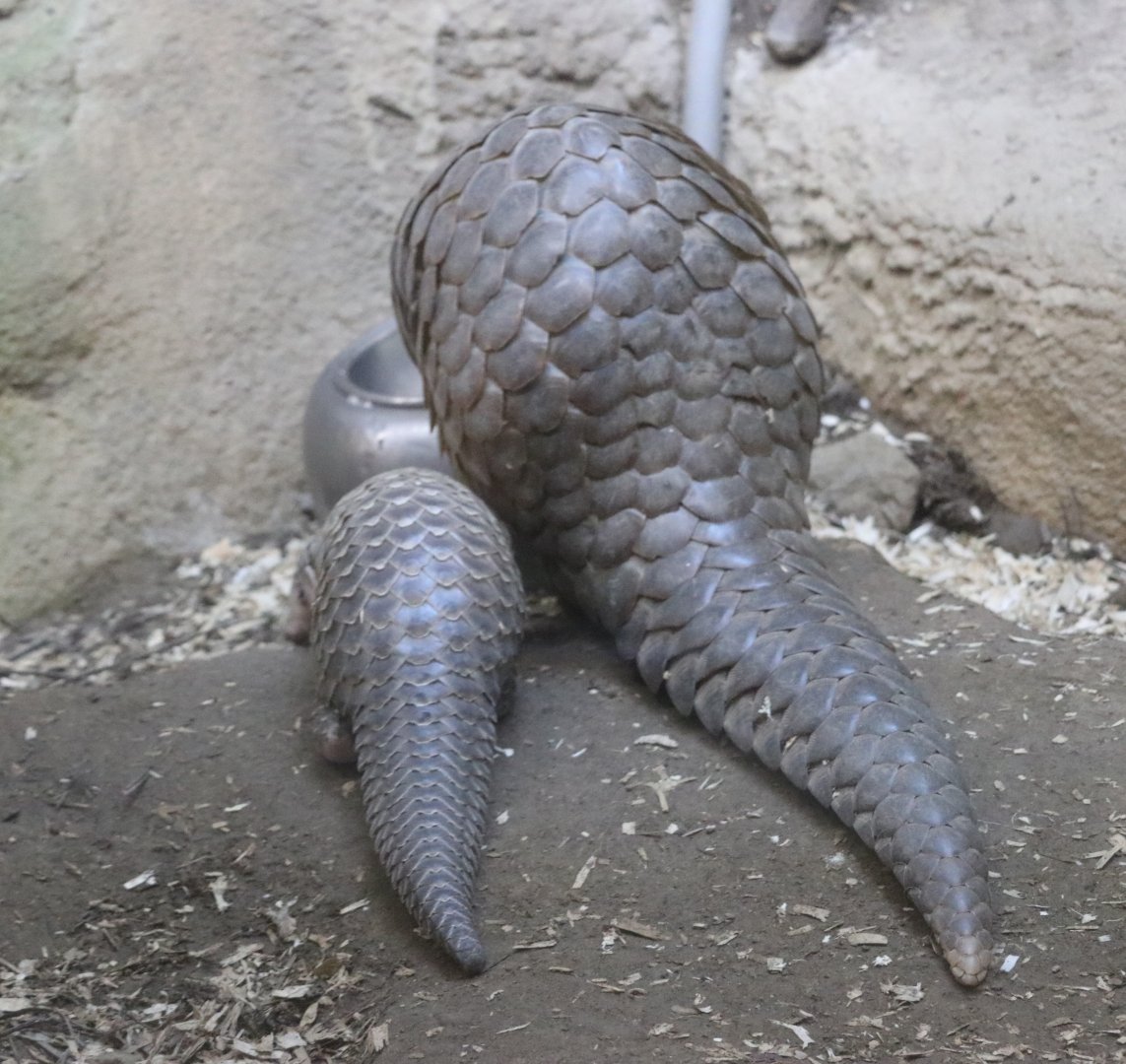
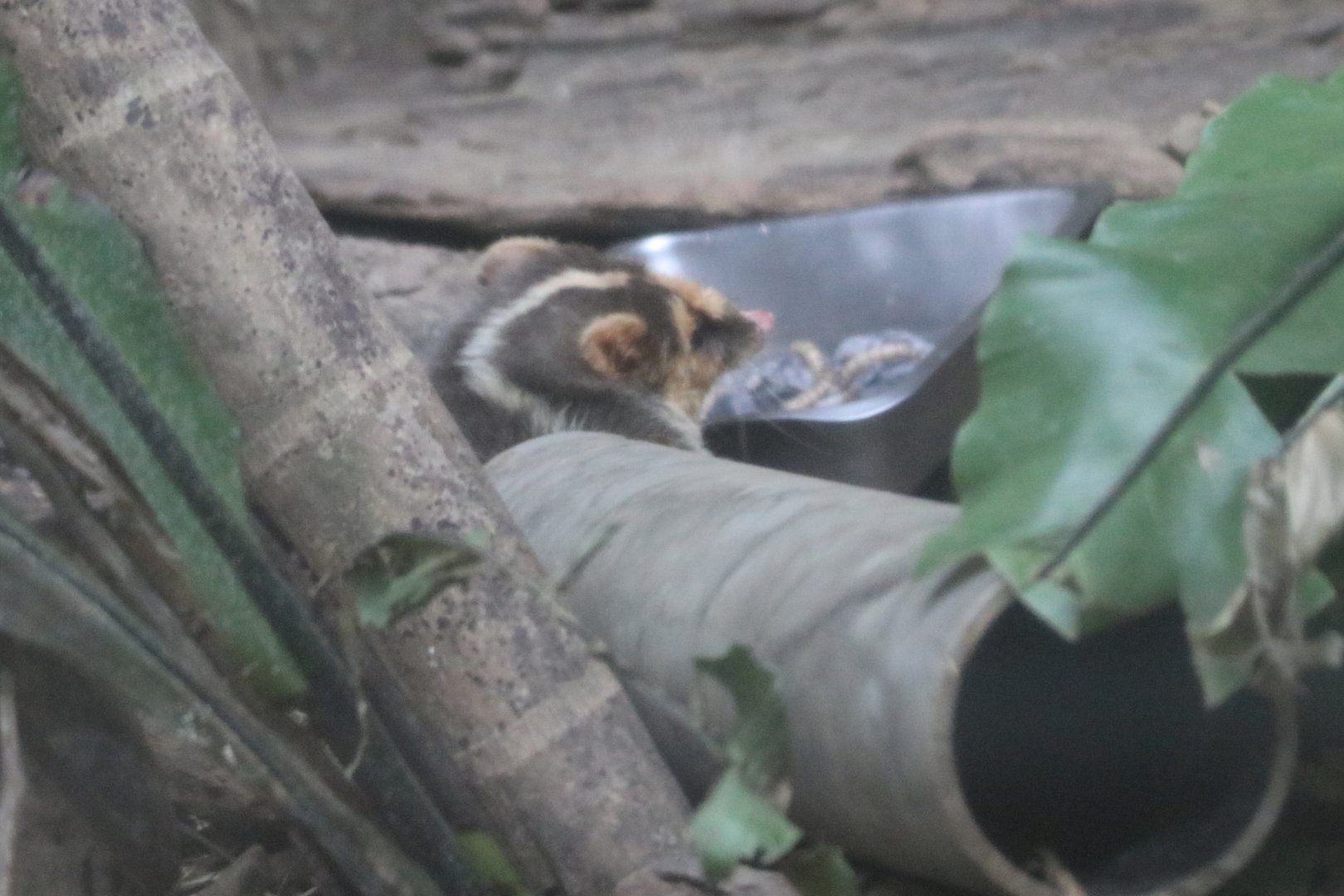
We rounded out the Formosan Animal Area with perhaps its most exciting series of enclosures, the 'Habitat Corridors'. This dimly lit cave recreation is the indoor area for Taiwan Gem-faced Civet, Formosan Ferret Badger, and of course, Chinese Pangolin. The Ferret Badger enclosure was first, although Ratiotile warned me they weren't easily seen. That was a bit worrying, as it was near the top of my list for Taiwan. Right next to it, however, the Gem-Faced Civet was active for a moment, flashing its spectacular face before curling back into a ball. More active was the Chinese Pangolin male, who the keeper came in to feed. He put on quite a show, and I felt quite lucky to have seen my pangolin species. The last enclosure had a mother and infant pangolin, but we figured it'd be best to come back for their feeding time later in the day, and also to check on the Ferret Badger in the off chance it decided to show.
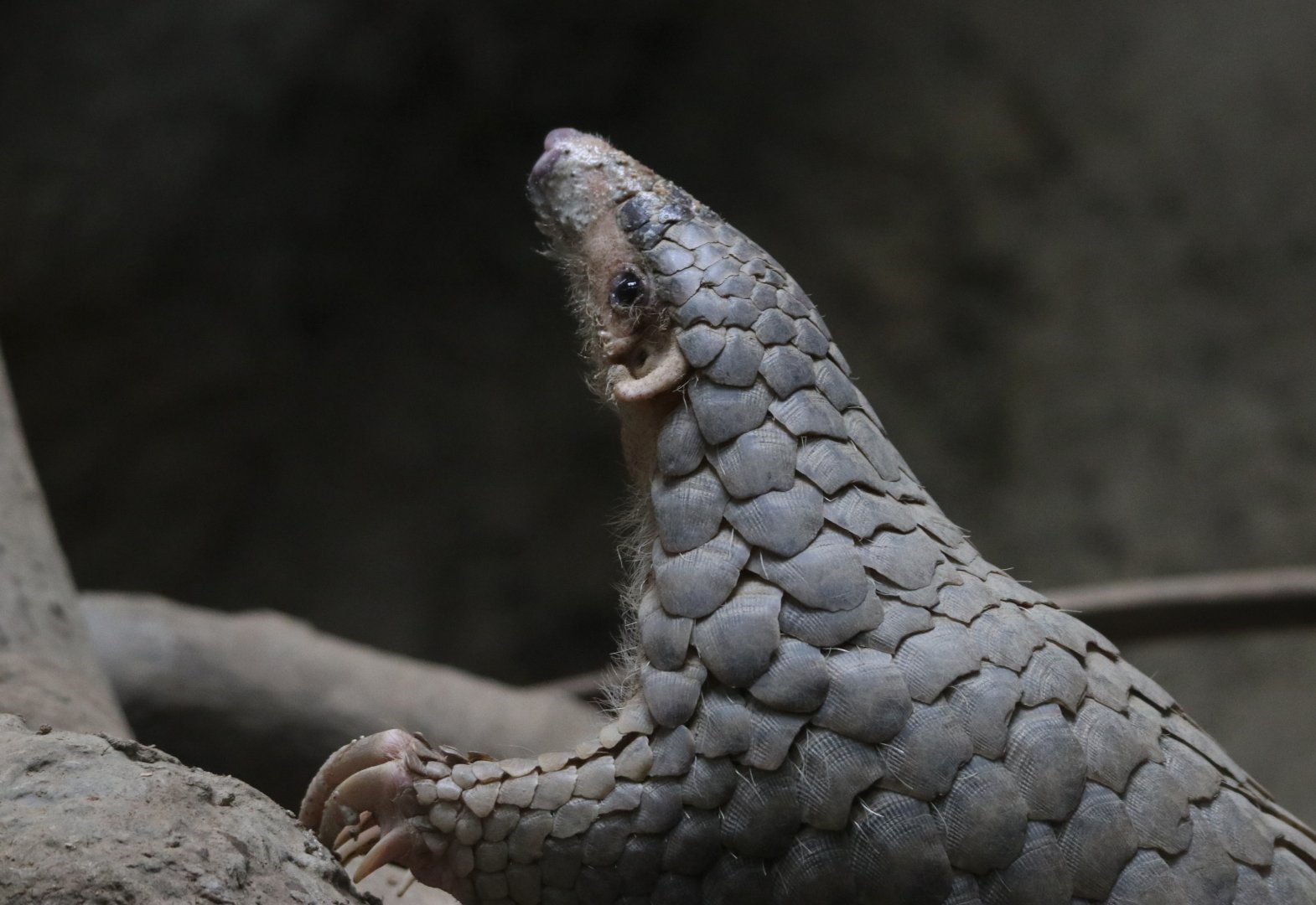
Chinese Pangolin

The rest of the zoo maintained a high level of quality. We quickly passed by the Giant Pandas and headed to the 'Pangolin Dome'. I was a bit confused as to why it had that name, as there weren't any pangolins exhibited, but apparently it is because the tropical dome adopts the 'Formosan Pangolin as the main visual image' because of how 'Its characteristic of scales covering all over the body is not just a major visual focus on the exterior design, simultaneously, the Dome carries the environmental conservation concepts through the integration of energy efficiency, carbon reduction, solar photovoltaic, rainwater recycling system and air conditioning system.'

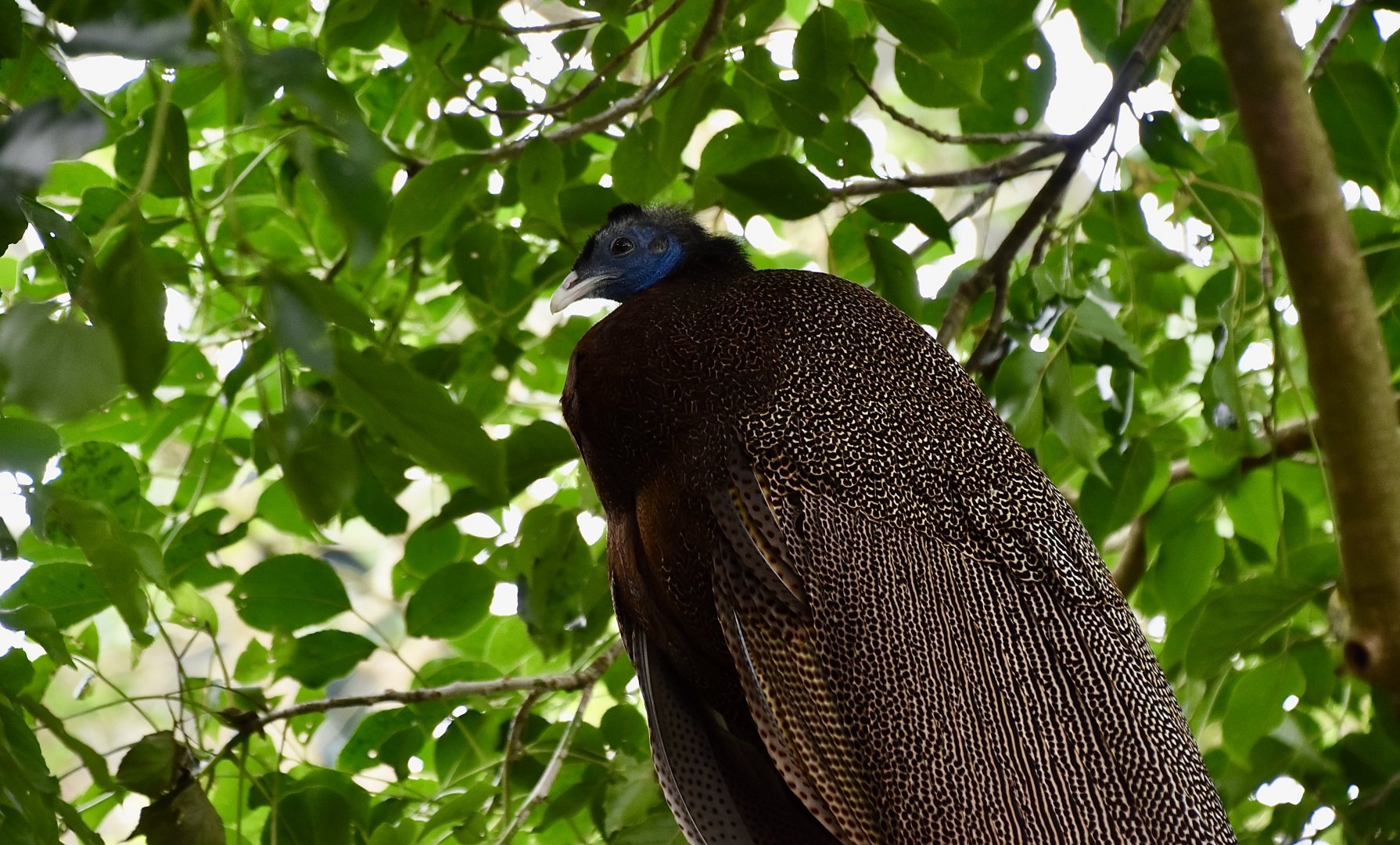
The dome was nice, if not a bit standard, with typical bird species like Ibis and Toucan as well as the mandatory sloth. A Great Argus up a tree was quite nice to see.

Credit @RatioTile

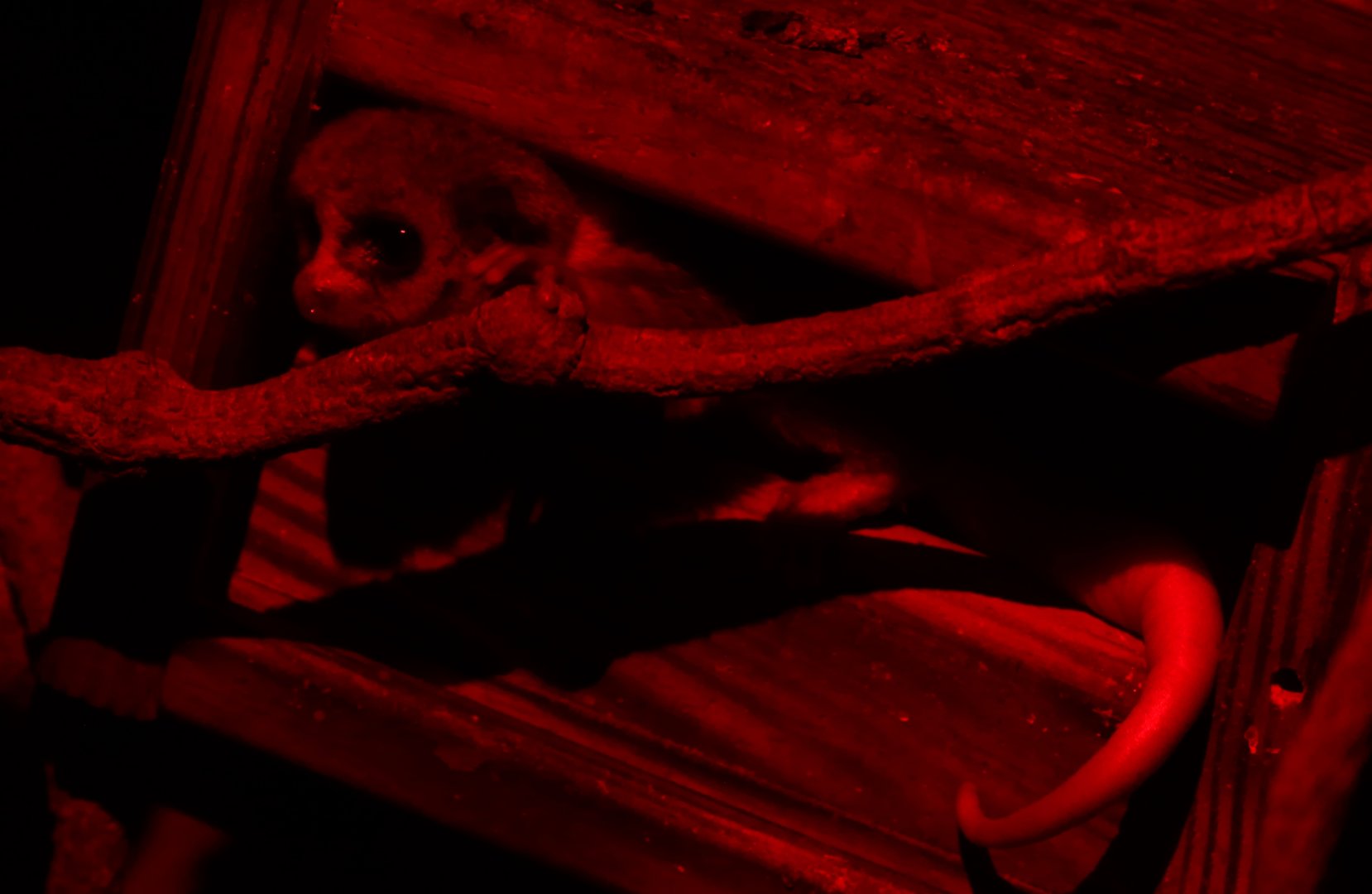
The trail briefly goes into a separate nocturnal area, with the Western Fat-Tailed Dwarf Lemur that shares an enclosure with a group of very active Senegal Bushbabies being the obvious highlight. There were also enclosures for Azara's Night Monkey, Slow Loris, and Aye-aye in there for good measure. It was quite crowded, and I hadn't gotten great looks of the Dwarf Lemur, which seemed to be a sleeping ball of fluff in a box, so we decided to return later in the day to get better views.

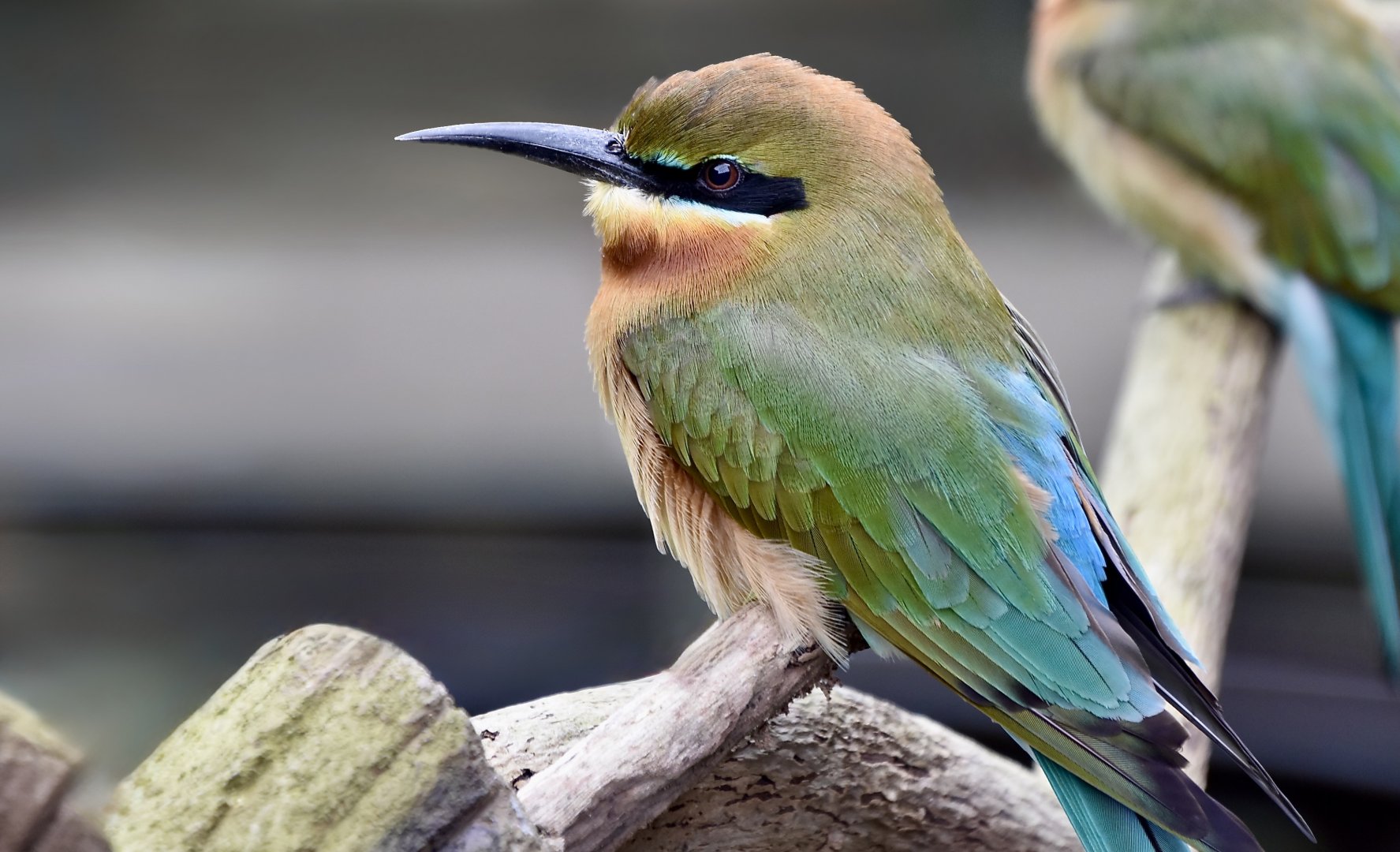
Exiting the nocturnal area, the trail looped around through the dome, passing a large aquarium at the bottom, with the most interesting species being Jullien's Golden Carp. Taking the elevator back up to another area on the second floor brought us to a series of terrariums in themed crates for various insect species. Up at the top, the only Blue-Tailed Bee-Eaters in captivity were showing well, in the area Ratiotile suggested they'd be. I was content viewing them from afar, while Ratiotile worked his way through the crowd to get this fantastic shot:

Credit @RatioTile

Outside the Pangolin Dome the trails led to the rest of the 'Tropical Rainforest Area'. We skipped the South American Animal loop and instead opted for the Asian Animals trail. The lush foliage created quite the atmosphere, and Ratiotile noted that some visitors come to the zoo just for the botany. The Malayan Tapir enclosure is fairly representative of that:


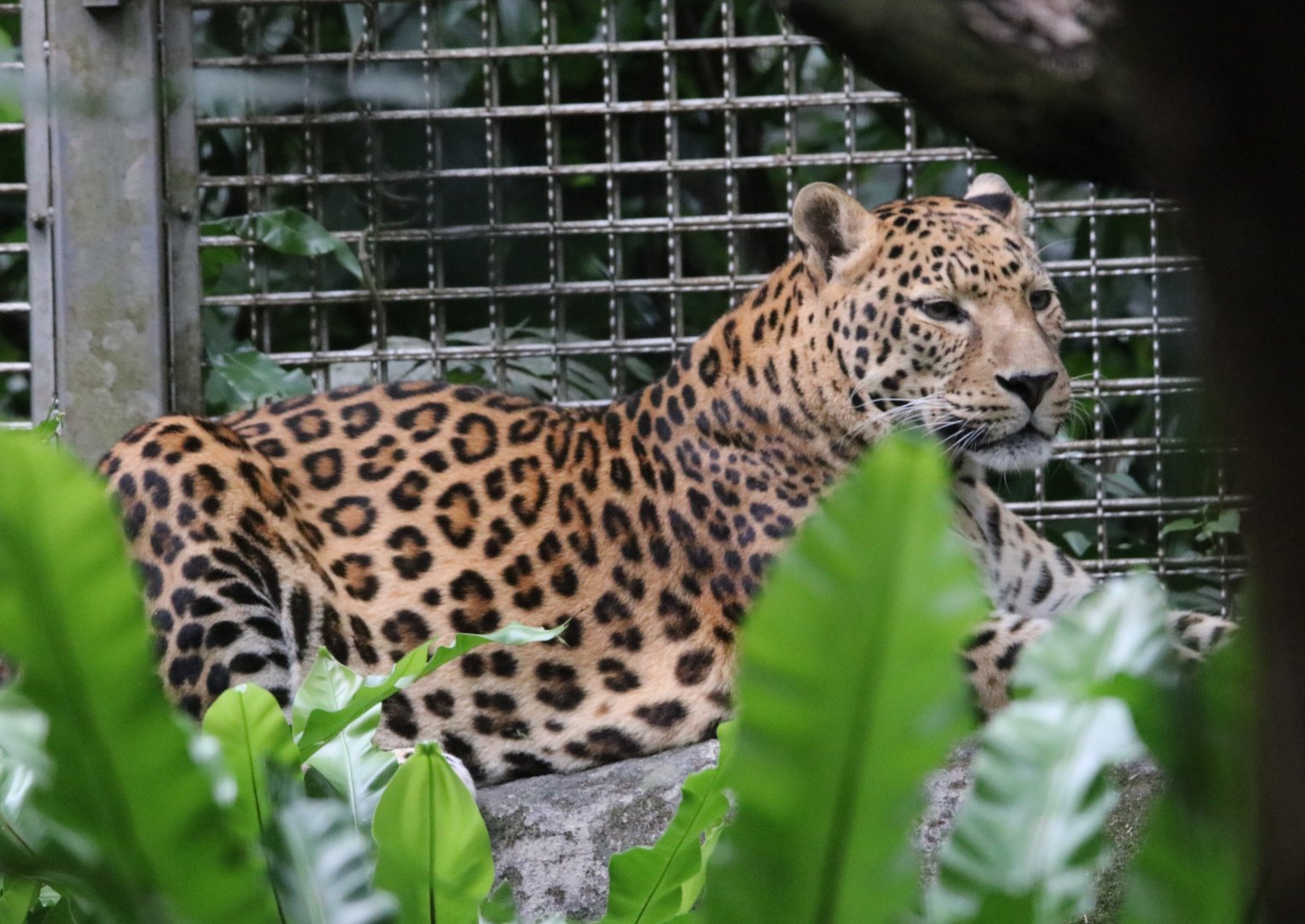
Siamangs, Bornean Orangutans, and Sun Bears all received similarly furnished accommodations, while the strikingly beautiful North Chinese Leopard had a lush but closed-top wired enclosure.

Past the Asian Elephant, Malayan Tiger, and ASCO enclosures we were back on the main trail, where we passed the Desert Animal Area with a nice large paddock for Wild Ass, Addax, and Bactrian Camel. Skipping the Australian Animal Area, upon RatioTile's recommendation given the shrinking time left in the day, we headed past the African Animal Area to the Bird World and Amphibian and Reptile House.

I could see the reason for the recent discussion on whether Taipei should hold the title of 'Best Zoo in Asia' over Singapore, but I’ll refrain from commenting on that until I get to the Mandai Parks. Needless to say, I thought the quality and species lists at Taipei had been excellent so far.
 
The reason more zoos don't have caterpillar displays is because most zoos don't have caterpillars. Most zoos that keep butterflies keep neotropical species imported from Central American butterfly farms as chrysalises, and therefore never have caterpillars to showcase.
 
The reason more zoos don't have caterpillar displays is because most zoos don't have caterpillars. Most zoos that keep butterflies keep neotropical species imported from Central American butterfly farms as chrysalises, and therefore never have caterpillars to showcase.
While true, we also have native species that could be displayed, in summer months at least. I've even kept a couple species from caterpillar to butterfly myself. Other than seasonality, legality is the only other potential issue I can see.

Brookfield Zoo has kept more native species in the past and it'd be really cool if they were able to display the caterpillars. Just imagine if the Question Mark caterpillar could be showcased somehow.
 
Last edited:
While true, we also have native species that could be displayed, in summer months at least. I've even kept a couple species from caterpillar to butterfly myself. Other than seasonality, legality is the only other potential issue I can see.

Brookfield Zoo has kept more native species in the past and it'd be really cool if they were able to display the caterpillars. Just imagine if the Question Mark caterpillar could be showcased somehow.
Oh I agree, keeping caterpillars is super fun and would make a great zoo display (and it was a great display at the few zoos I've seen this at). But the lack of interest in it is easily explainable as a lack of interest in butterflies besides a handful of Central American species.
 
Oh I agree, keeping caterpillars is super fun and would make a great zoo display (and it was a great display at the few zoos I've seen this at). But the lack of interest in it is easily explainable as a lack of interest in butterflies besides a handful of Central American species.
When I went to the Florida Museum in Gainesville, the butterfly release talks explained that the exhibit used plants that won’t be able to host any caterpillars in order to strengthen the prevention of an introduced/invasive population in case any if the butterflies escape.
 
When I went to the Florida Museum in Gainesville, the butterfly release talks explained that the exhibit used plants that won’t be able to host any caterpillars in order to strengthen the prevention of an introduced/invasive population in case any if the butterflies escape.
The funny thing is a lot of those popular Central American butterfly species are already native to Florida. :p
 
Taipei Zoo
Taiwan Day 2, Part 2 (Trip Day 2)


The fare for Taipei Zoo is remarkably affordable, only 100 NTD (about 3 USD) for a ticket. @RatioTile and I headed straight for the native species area, where the bulk of my targets were held, barely glancing at the flamingo exhibit near the entrance.

The entire native species complex, labeled the 'Formosan Animal Area' on the map, was very well done. The exhibits were lush with plenty of foliage, substrate, and space for each species. We started with a series of enclosures for endemic ungulate subspecies, those being Formosan Muntjac, Sika, Sambar, and Wild Boar. In the wild boar enclosure, I saw White-rumped Shama, an introduced species to Taiwan, as well as a Pale Thrush and Arctic Warbler. A sleeping Leopard Cat was a first, and I was glad to see an Asiatic Black Bear after so long, as they are quickly vanishing from the states. Ratiotile was very familiar with the zoo and explained to me that neither were really of the pure subspecies, unlike was otherwise indicated. The Leopard Cat was in a lush, closed-top enclosure, while the bear had a more traditional grotto. A sleeping Eurasian Otter was also a first, much less exciting to the European Zoochatters than the nearby Formosan Serow and Rock Macaques. The Serow had a nicely sloped enclosure, with more individuals visible in the back for breeding. The Macaques were in a moated 'baboon rock' style enclosure.

Taiwan Sika Deer in the Formosan Animal Area, they share the exhibit with a Formosan Sambar

Past here was the Insectarium, which I'd really been looking forward to. While not as speciose as St. Louis or Cincinnati, it was very nicely done, and the focus on native species, especially those from the surrounding islands like Lanyu and Liuchiou was great to see. The insectarium had two wings, and a number of museum exhibit areas without live species on display. The first room of live animals had a wall of terrariums with phasmids, a stag beetle, and a fantastic weevil species, as well as a larger paludarium with odonate larvae and a grasshopper.

Lanyu endemic weevil

The main room is an indoor greenhouse for a variety of East-Asian butterfly species. While the gardens were quite nice and the species even nicer, the best part of the room was that the left wall was occupied with a row of terrariums for a series of fantastic caterpillars, something I haven't really seen done before.


I'm now left wondering why caterpillar terrariums are not more commonplace, as they made excellent exhibit subjects here. The remaining room in this side of the insectarium was for five aquatic insects, including one for firefly larvae, another first. I hadn't realized they were aquatic.

I'm very grateful for Raitotile's company, he was very knowledgeable about all the inhabitants, was able to point out the best rarities, and knew the layout of the zoo very well. Case in point, I may have missed the last live animal area, which required going back outside and into another entrance to the other wing, where there were a number of other enclosures for more interesting insects, these ones trending a bit larger with Siliquofera grandis and Elephant Beetle in the mix, along with some other katydid species.

Lanyu Giant Katydid

Overall, the insectarium's quality, signage, and species list were all excellent and a highlight of the zoo. Although the insectarium didn't feel quite as large as STL and Cincinatti, Ratiotile did mention to me that a portion of the insectarium, an additional butterfly greenhouse, was undergoing renovation.

We rounded out the Formosan Animal Area with perhaps its most exciting series of enclosures, the 'Habitat Corridors'. This dimly lit cave recreation is the indoor area for Taiwan Gem-faced Civet, Formosan Ferret Badger, and of course, Chinese Pangolin. The Ferret Badger enclosure was first, although Ratiotile warned me they weren't easily seen. That was a bit worrying, as it was near the top of my list for Taiwan. Right next to it, however, the Gem-Faced Civet was active for a moment, flashing its spectacular face before curling back into a ball. More active was the Chinese Pangolin male, who the keeper came in to feed. He put on quite a show, and I felt quite lucky to have seen my pangolin species. The last enclosure had a mother and infant pangolin, but we figured it'd be best to come back for their feeding time later in the day, and also to check on the Ferret Badger in the off chance it decided to show.

Chinese Pangolin

The rest of the zoo maintained a high level of quality. We quickly passed by the Giant Pandas and headed to the 'Pangolin Dome'. I was a bit confused as to why it had that name, as there weren't any pangolins exhibited, but apparently it is because the tropical dome adopts the 'Formosan Pangolin as the main visual image' because of how 'Its characteristic of scales covering all over the body is not just a major visual focus on the exterior design, simultaneously, the Dome carries the environmental conservation concepts through the integration of energy efficiency, carbon reduction, solar photovoltaic, rainwater recycling system and air conditioning system.'

The dome was nice, if not a bit standard, with typical bird species like Ibis and Toucan as well as the mandatory sloth. A Great Argus up a tree was quite nice to see.

Credit @RatioTile
The trail briefly goes into a separate nocturnal area, with the Western Fat-Tailed Dwarf Lemur that shares an enclosure with a group of very active Senegal Bushbabies being the obvious highlight. There were also enclosures for Azara's Night Monkey, Slow Loris, and Aye-aye in there for good measure. It was quite crowded, and I hadn't gotten great looks of the Dwarf Lemur, which seemed to be a sleeping ball of fluff in a box, so we decided to return later in the day to get better views.

Exiting the nocturnal area, the trail looped around through the dome, passing a large aquarium at the bottom, with the most interesting species being Jullien's Golden Carp. Taking the elevator back up to another area on the second floor brought us to a series of terrariums in themed crates for various insect species. Up at the top, the only Blue-Tailed Bee-Eaters in captivity were showing well, in the area Ratiotile suggested they'd be. I was content viewing them from afar, while Ratiotile worked his way through the crowd to get this fantastic shot:

Credit @RatioTile
Outside the Pangolin Dome the trails led to the rest of the 'Tropical Rainforest Area'. We skipped the South American Animal loop and instead opted for the Asian Animals trail. The lush foliage created quite the atmosphere, and Ratiotile noted that some visitors come to the zoo just for the botany. The Malayan Tapir enclosure is fairly representative of that:


Siamangs, Bornean Orangutans, and Sun Bears all received similarly furnished accommodations, while the strikingly beautiful North Chinese Leopard had a lush but closed-top wired enclosure.


Past the Asian Elephant, Malayan Tiger, and ASCO enclosures we were back on the main trail, where we passed the Desert Animal Area with a nice large paddock for Wild Ass, Addax, and Bactrian Camel. Skipping the Australian Animal Area, upon RatioTile's recommendation given the shrinking time left in the day, we headed past the African Animal Area to the Bird World and Amphibian and Reptile House.

I could see the reason for the recent discussion on whether Taipei should hold the title of 'Best Zoo in Asia' over Singapore, but I’ll refrain from commenting on that until I get to the Mandai Parks. Needless to say, I thought the quality and species lists at Taipei had been excellent so far.
Time to revive this thread...

Taipei Zoo pt 2
Taiwan Day 2, Part 3 (Trip Day 2)


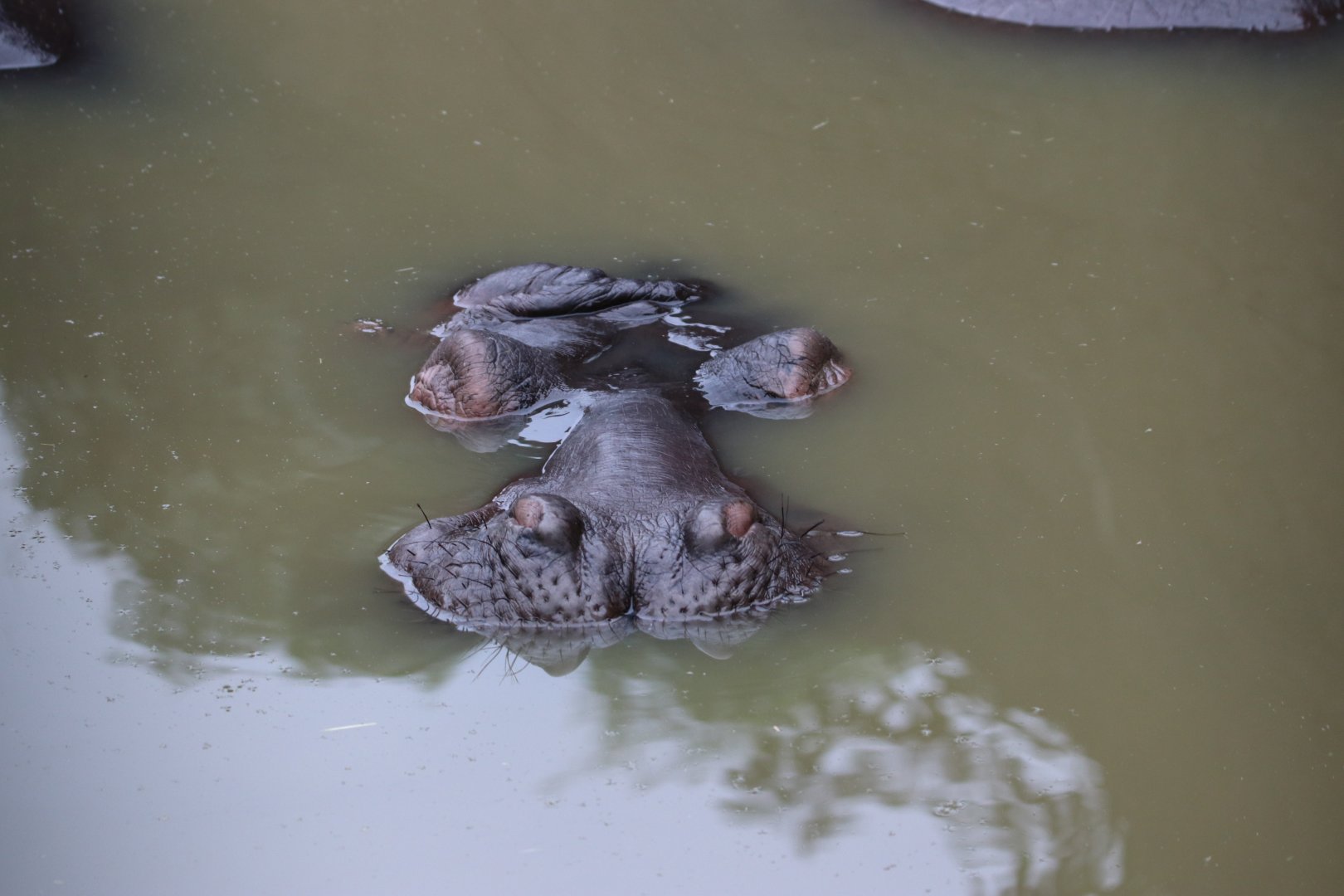
Continuing past the African Animals Area, the hippo exhibit was essentially one large pool, with a huge number of fully submerged animals. Their land area wasn't the best, but they clearly enjoyed the access to deep water.

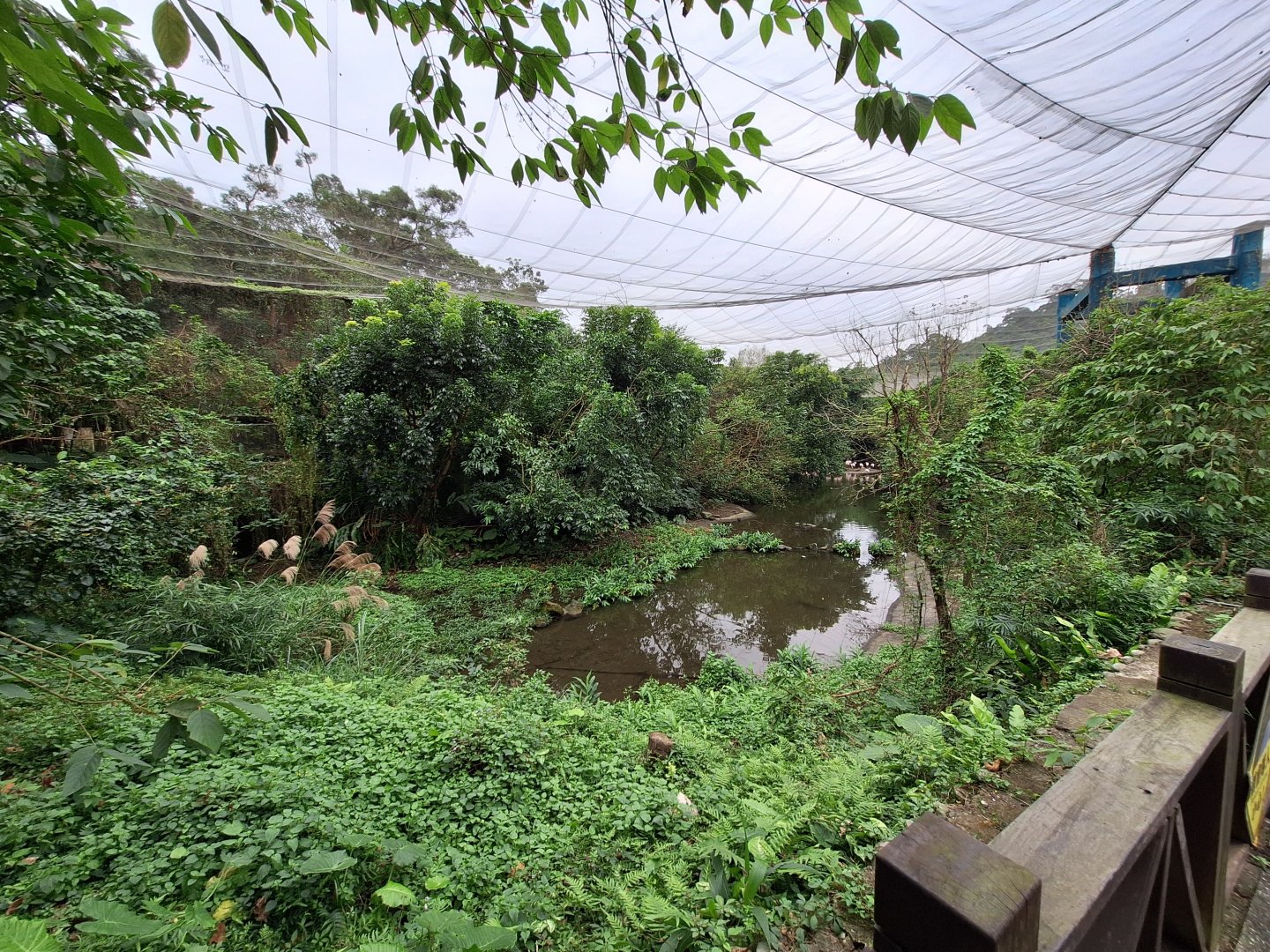
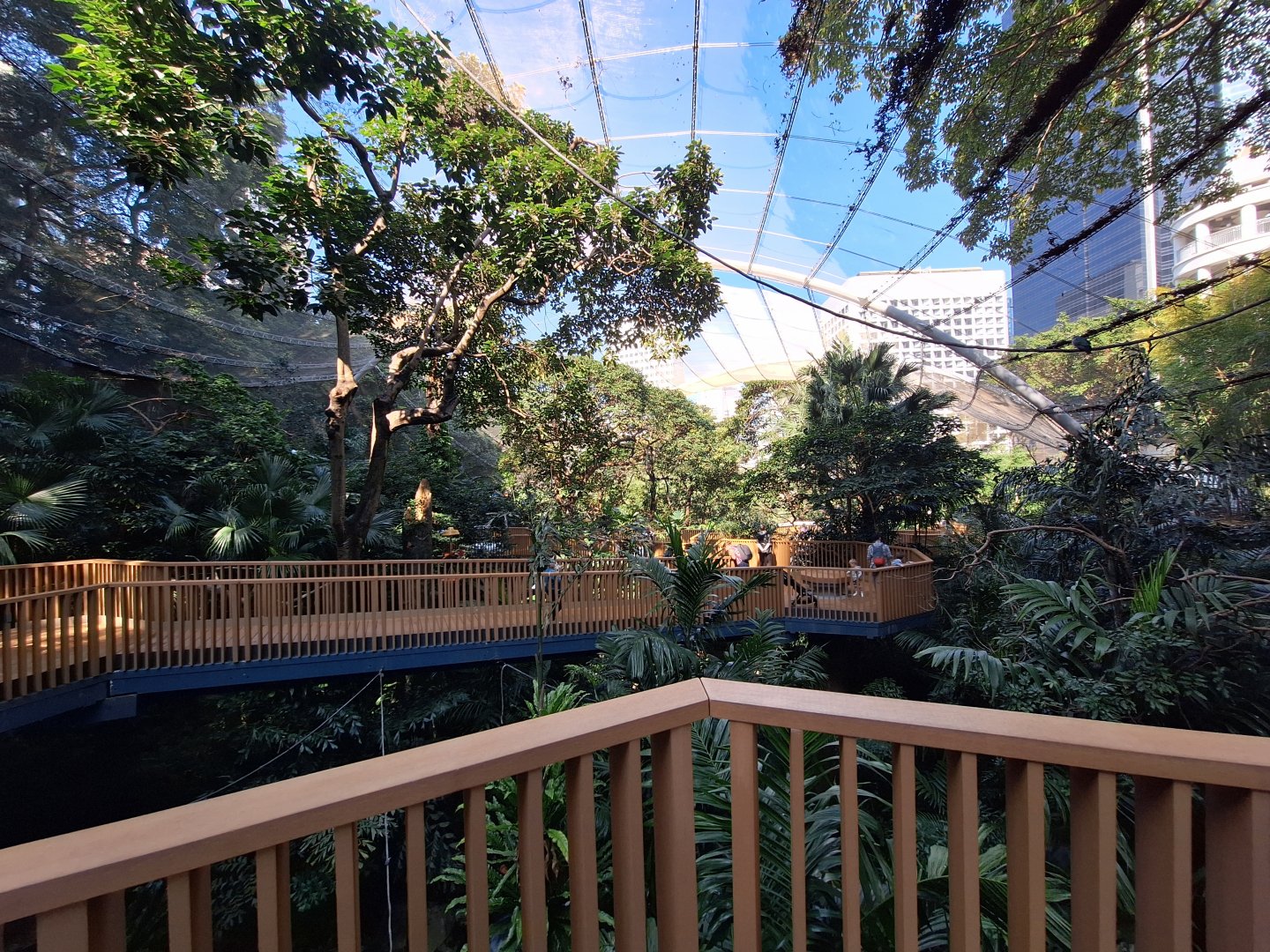
We opted to skip the remainder of the African section and instead headed to Bird World. The first segment is a massive, lush aviary built around a raised boardwalk. While the species list was a bit underwhelming, especially when compared to similar exhibits I'd visit elsewhere, it was still an enjoyable experience. There were some nice native birds were on display in the first section, like White-breasted Waterhen, Common Moorhen, and Grey Heron, along with standard exotics like Scarlet Ibis, flamingos, and pelicans. Interestingly, within the netted aviary there was a public restroom and open trash cans, which, given the free-flying birds, struck us as a curious design choice.


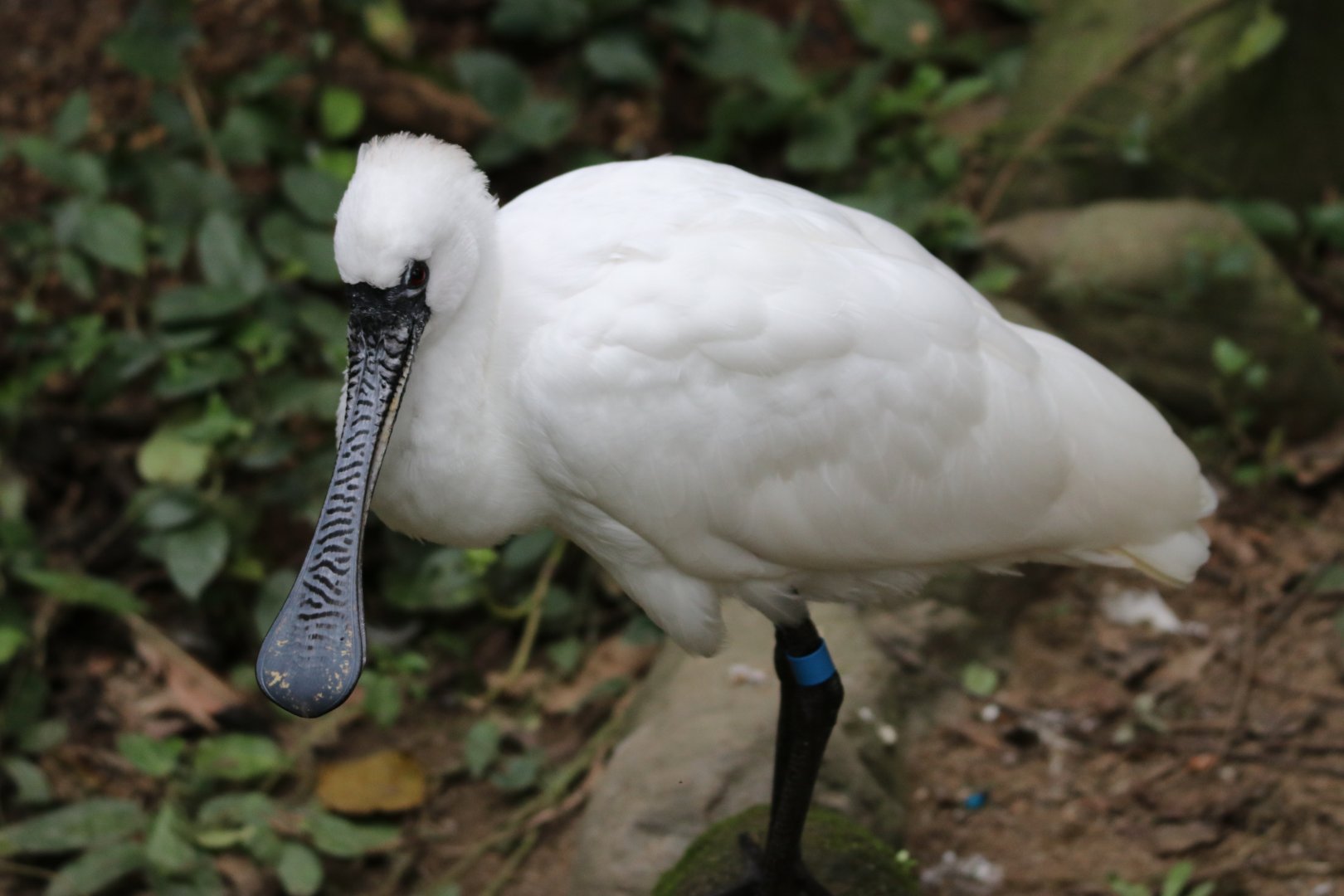
Moving on, past some doors and into another large, netted aviary, we encountered Nicobar Pigeons, Pied Imperial Pigeons, and, most excitingly, my first ever Black-faced Spoonbills.


The two pigeons are nice to see but quite common, so I focused my attention on the endangered Threskiornithid, trying to get a good picture. As this was happening, something wet and milky landed squarely on my hand and splattered onto my camera, right over the shutter button. I glanced upwards and identified the culprit- a Pied Imperial Pigeon, perhaps jealous for attention, made its presence known :confused:. It's the first time a bird has left its droppings on me, and not the last, as quite recently a Chestnut-sided Warbler has done the same. How rude.
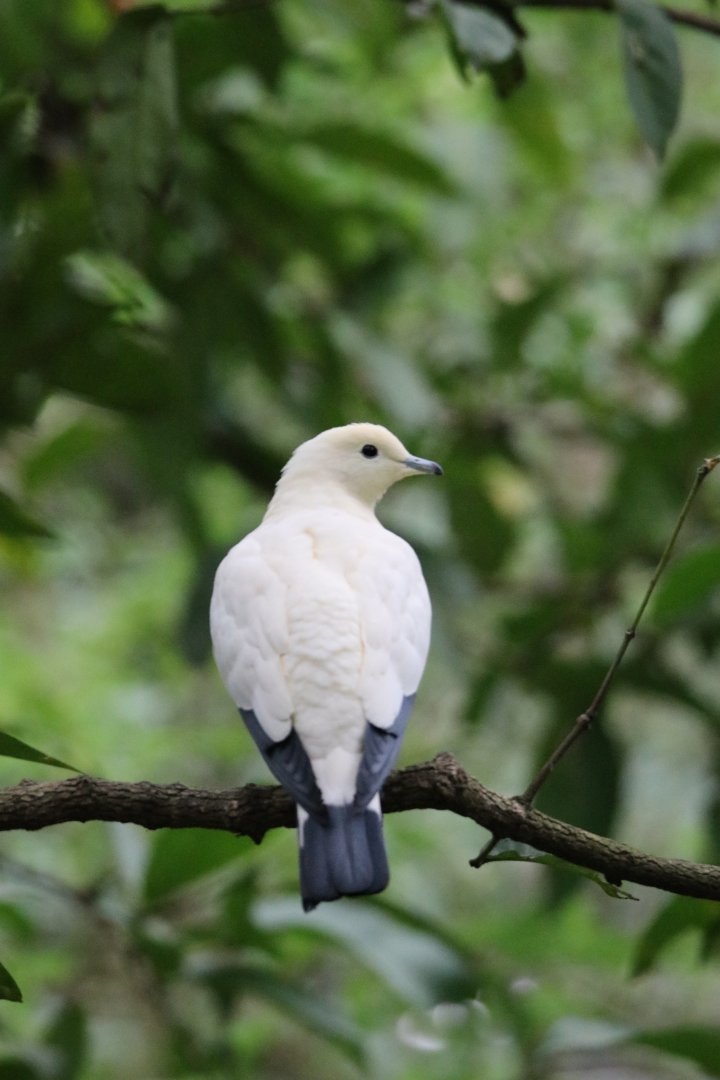
The culprit?

Let's just say I was not very happy this happened and was quite disgusted and a bit concerned about the potential for pathogen transfer. I made a quick dash to the now rather conveniently located restroom in the first section of the aviary to wash off the 'pie' from the imperial pigeon. Unfortunately, as I'd find is somewhat typical in Asia, the restroom was not stocked with paper towels, but thankfully @RatioTile came to the rescue with a travel pack of tissues. The first of many slight 'misadventures' this trip.

The rest of Bird World was quite nice and lush, including some well-furnished aviaries for native birds, a row of cages for cranes, and a small hut with viewing for parrots. We finished off with a row of tall enclosures that housed some exciting new raptors for me, like Brahminy Kite, Tawny Fish Owl, and a duo of Hodgson's Hawk Eagle and Crested Serpent Eagle that impressed me with their size.

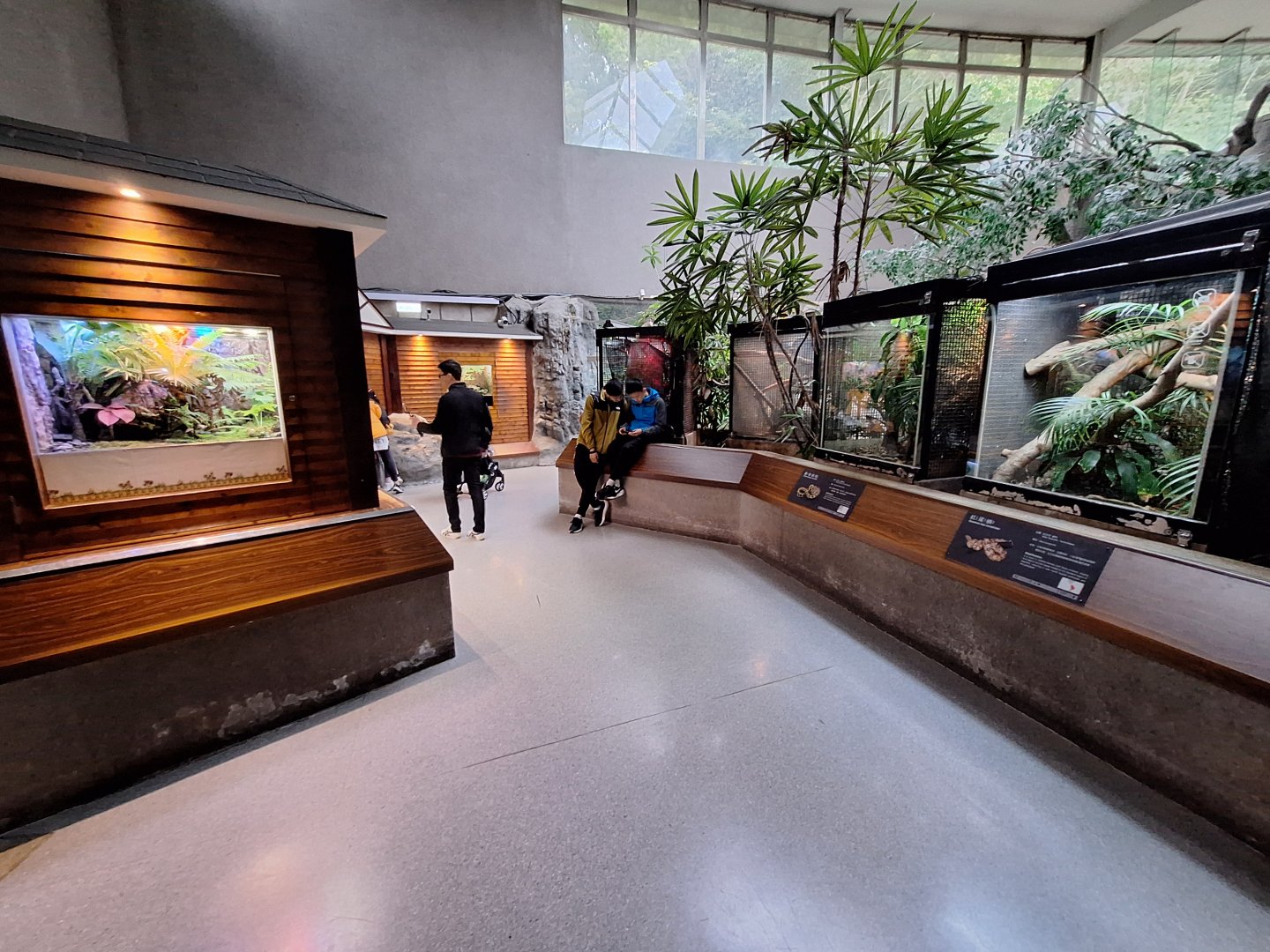
Next was the Reptile and Amphibian House, another well done building. Most enclosures seemed to have adequate size and great terrarium landscaping. The first section held a nice assortment of global herp species, while a second area focused on natives. The native species section in particular held some rarities, and overall, the reptile house was excellent.


It was about 4pm by this point, and time was running out before the Pangolin dome was set to close. We rushed back to the dome, hoping to catch the Fat-tailed Dwarf Lemur, Bushbabies, Aye-ayes, and Knight Monkeys, all of which offered fantastic views as they became more active in the late afternoon.


We returned to the pangolin area, hoping for the same with the nocturnal section there. Unfortunately, after much searching on my end, we dipped on the Taiwanese Ferret Badger again, nowhere to be seen. However, we were very fortunate to be treated to excellent looks at both the mother and baby pangolin, whom we had seen sleeping in their nest earlier.


The mother and baby really were adorable together, with the baby riding, or rather dragging along, on the mother's tail as she searched for the food the keepers had set out.


It had reached 5pm by this point, so we left the zoo towards the nearby Fuyang Eco Park, where Ratiotile had successfully found a Taiwanese Giant Flying Squirrel through spotlighting. It was very promising when we first arrived, as we could hear at least one. I had a thermal camera phone attachment with me, although at the time I thought I was missing a cable (which wasn't actually necessary, the camera could plug right into my phone's charging port if I removed the case), so we relied on flashlights instead. It grew late, and a person walked by us in the park at night, setting herself up for photography of the upcoming New Years Eve fireworks that would put on quite the show in a few hours, from the nearby Taipei 101 tower. We decided to head out to grab a meal, and I would try again for the squirrels the next day. It would've been a very cool last mammal for the year 2024, but maybe it'd make a better first mammal of the year for 2025?
 
A brief interjection about food:

Along with me from home, I had brought a couple granola, fruit, and energy bars, and also a couple wraps that I had for my layover in San Francisco. On the flight I received two meals and a sandwich, along with snacks and refreshments.

upload_2025-5-28_17-3-6.png
Example of a meal on the United flight across the Pacific

This was enough for me the first two days. However, after all the walking the first day, and both Erbazi and the Zoo, I had gotten quite hungry. The zoo actually had some pretty nice food options, including this interesting and delicious Sesame Ice Cream ('Lucky Tiger Ice Cream Sandwich'), and a delicious warm red bean bun.

upload_2025-5-28_17-3-45.png
Lucky Tiger Ice Cream Sandwich and Hot Bun from Taipei Zoo.


After the zoo, and on the way to Fuyang, we stopped at a McDonald’s (There was one at the zoo as well, but it was crowded). Normally it’d be the absolute last place I’d go when abroad, even at home I never go to McD’s, but in Taiwan they have these excellent salmon burgers with fish eggs, that were absolutely worth trying. Much better than anything in a McDonald’s here, and at a far better price as well.

Still hungry after Fuyang Eco Park, Ratiotile took me to another excellent place in the busy and vibrant Ximending district, where we had Sashimi. The price was once again far better than anything you’d find in the states, as was the quality and texture of the Sashimi.

upload_2025-5-28_17-4-4.png
Sashimi at Ximending

After this I headed back to the ‘capsule inn’ I’d been staying at, very close to the Taipei Main Station. It was quite late at this point, but I still wanted to get some sleep before hopefully waking up to catch the New Years fireworks.

upload_2025-5-28_17-4-24.png
 

Attachments

  • upload_2025-5-28_17-3-6.png
    upload_2025-5-28_17-3-6.png
    854 KB · Views: 164
  • upload_2025-5-28_17-3-45.png
    upload_2025-5-28_17-3-45.png
    763.6 KB · Views: 168
  • upload_2025-5-28_17-4-4.png
    upload_2025-5-28_17-4-4.png
    1 MB · Views: 167
  • upload_2025-5-28_17-4-24.png
    upload_2025-5-28_17-4-24.png
    646.3 KB · Views: 176
Taiwan Day 3 (Trip day 4)

I went to bed slightly early, at around 10pm, and set an alarm to wake up in time to see the firework show, which are shot off from the Taipei 101 in what looks to be a spectacular display. I somehow slept through the New Year's fireworks and festivities, waking up at 2 a.m. "Happy new years", I told myself and fell back asleep.

The next morning, I got out and walked through the plaza toward Taipei Main Station. There were still signs of the celebration that had occurred, and people cleaning up the aftermath. There was a perfect sightline to the Taipei 101 in the distance. Oh well. Along my way to the metro trains, I had my first birds of the year- Rock Pigeon, Eurasian Tree Sparrow, and Yellow-vented Bulbul.

Having woken up rather late, I changed my plans from Manyueyuan National Forest Recreation Area to an area not well demarcated on google maps, just a hotspot called 'Xindian Sikanshui' on eBird. Manyueyuan looked promising for a number of foothill species and endemics, but Xindian Sikanshui looked to be good as well. After seeing how easy it was to bird the sleepy backroads around Taipei in the previous days, I had a good sense of what the spot would be like. When looking at the ebird hotspot back in the states, I decided against visiting because it seemed like an area of private property, with just a winding road up the foothills serving scattered houses up the way. It turned out to be a fantastic place to walk and bird, and I saw many birders on my way up. Very different than how things are in the states.

The buses towards Xindian were much more frequent than to Manyueyuan, and even though it'd be a bit of a hike up a mountain road, it made more sense to pivot after waking up late. The birding turned out to be quite good, although I still wish I woke up a bit earlier. I grabbed a delicious and freshly heated yam for breakfast from a 7-11 and headed out. (Yeah, eating on the go is frowned at in much of East Asia, but I'd been reassured that Taiwan wasn't as strict about this as say, Japan)

upload_2025-7-18_0-25-41.png
Yummy Yam

From where I was staying near the main station, took the red then green line and got off at Xindian Station. There was a bit of time until the bus I was taking would arrive, so I walked the bridge over the Xindian River at a spot called the ‘Bitan tourist attraction’. It was a pretty neat spot, and there was a lively market with live music along the shore below. I picked up some new birds for the year, like House Swifts and Great Egret, before I headed back across the bridge to catch the bus to the “Taipower Training Institute” stop, which I'd walk up to Xindian Sikanshui from.

upload_2025-7-18_0-28-49.png
Xindian Bridge

upload_2025-7-18_0-23-28.png
Xindian Tourist Attraction

upload_2025-7-18_0-27-42.png
Busy street in the Xindian district

It was a bit of a hectic ride, being in a packed bus hurling down a winding road along the side of the river and into the foothills. I double-checked with some passengers to make sure I was on the right route (849 ‘R’ bus), as google maps only had the 849 bus labled, while there were signs for both at the bus stop. The R came first to my stop so that is what I took.

I got off at the 'Taipower' stop and walked across a bridge, with a beautiful view in the background. I scanned the river for birds. A White Wagtail flicking its tail on some stones in the river was a lifer, and Black Kites circled overhead. The green mountains were a beautiful backdrop, reminding me a bit of the southeastern US.

upload_2025-7-18_0-30-8.png
Xindian Sikanshui

It started raining pretty heavily and didn’t let up for a long time. I kept checking and my weather app kept pushing the forecast for the rain to stop back. As I hiked up the road, lots of birders and photographers were already coming down, clearly, I had a late start. The birding was quiet for a while thanks to the rain. I eventually saw some movement further up down the road. A motorcycle had spooked a medium-sized tan mammal with a long tail. My first Taiwanese Rock Macaque! It disappeared quickly up the hillside before I could get a photo or a good look.

Near the same spot, I saw some bird activity, a Brown-headed Thrush and some Taiwan Scimitar Babblers. A little further on, another motorcyclist stopped and waved me over. He pulled a camera from the back of his bike and showed me some great shots of a Japanese Thrush, taken nearby.

I trudged uphill in the rain some more. It had been raining for almost 3 hours, and I had to switch to my short lens so I could cover it better, in fear of rain trickling in and ruining my camera.

Finally, it began to ease up, and birds came out in quick succession, Grey Treepies, Pale Thrush, and Bronzed Drongo. The Drongos were spectacular to watch flycatch. From a break in the trees near a few homes, I spotted a pair of Large-billed Crows and a Crested Goshawk on a dead tree in the distance.

From that point on, the rain stayed on and off. In a clearing I found some White-eared Sibias, great for the year list. A bit further on was a short trail that led to a clearing where someone seemed to be farming bamboo. I thought, “Wouldn’t this be the place to see a Bamboo Partridge here?” and returned to the road. Just a few meters later, I got distracted by a giant red bumblebee, then noticed movement in the foliage, a Taiwan Bamboo Partridge! It was feeding right beside the road. Once it saw me, it quickly scurried off, but it was still great to see.

upload_2025-7-18_0-31-41.png
Bamboo Clearing, perfect for a Bamboo Partridge

Around the bend, I heard a commotion and was excited to see a troop of Taiwanese Rock Macaques deeper in the forest. These were my first wild primates! I took a few record shots and moved on, not wanting to linger too long near a large troop in fear of primate aggression. Good thing, too, because just a few turns ahead, I hit my first bird wave.

I’d read about these before and experienced similar waves during migration back in the states, but those were mixed migratory warbler flocks. This was different: a mixed flock including some island endemics in a subtropical, submontane forest.

The main bird of the flock was Morrison's Fulvetta, a tiny thing that looks both adorable and perpetually angry with its white eyerings and dark supercilium (‘eyebrows’ to non-birders). Deeper in the forest, I spotted a Taiwan Whistling Thrush, and (with Merlin’s help) picked up a Black-naped Monarch.


A side note, I'm pretty terrible at birding by ear, so I frequently use the Merlin app to confirm or learn new sounds. However, in Asia, many birds have fewer sound recordings available and so the model is not as well trained and therefore less accurate, and frequently can’t pick out sounds. Merlin was not nearly as useful as in the states, so I probably had a number of ‘heard only’ birds this trip that I am blissfully unaware of. One of them could have been the endemic Chestnut-bellied Tit that I failed to find.

upload_2025-7-18_1-3-21.png
The road I took, at the site of the mini mixed flock

The rest of the flock included a Green-backed Tit, White-bellied Erpornis, more White-eared Sibias, and another lifer: Grey-chinned Minivet, an upright, flycatcher-like bird with a striking black body and vivid red wings, belly, and tail. Another Taiwanese birder drove by, saw me watching the flock, and stopped to join in photographing the birds.

I continued uphill. The drizzle returned. I heard a rumble behind me and pressed against the side of the road as a bus passed by uphill, almost certainly the 1 p.m. bus I had planned to catch back down the mountain to get back to Taipei. I still hoped to make a stop at the zoo afterward to look for the Ferret-badger again. I figured I’d try to flag the bus down on its way back down.

upload_2025-7-18_1-11-41.png
View of the fog-laden foothills

Just as well, as only a little bit further up the road, I saw the bird of the trip (at least the Taiwan portion).

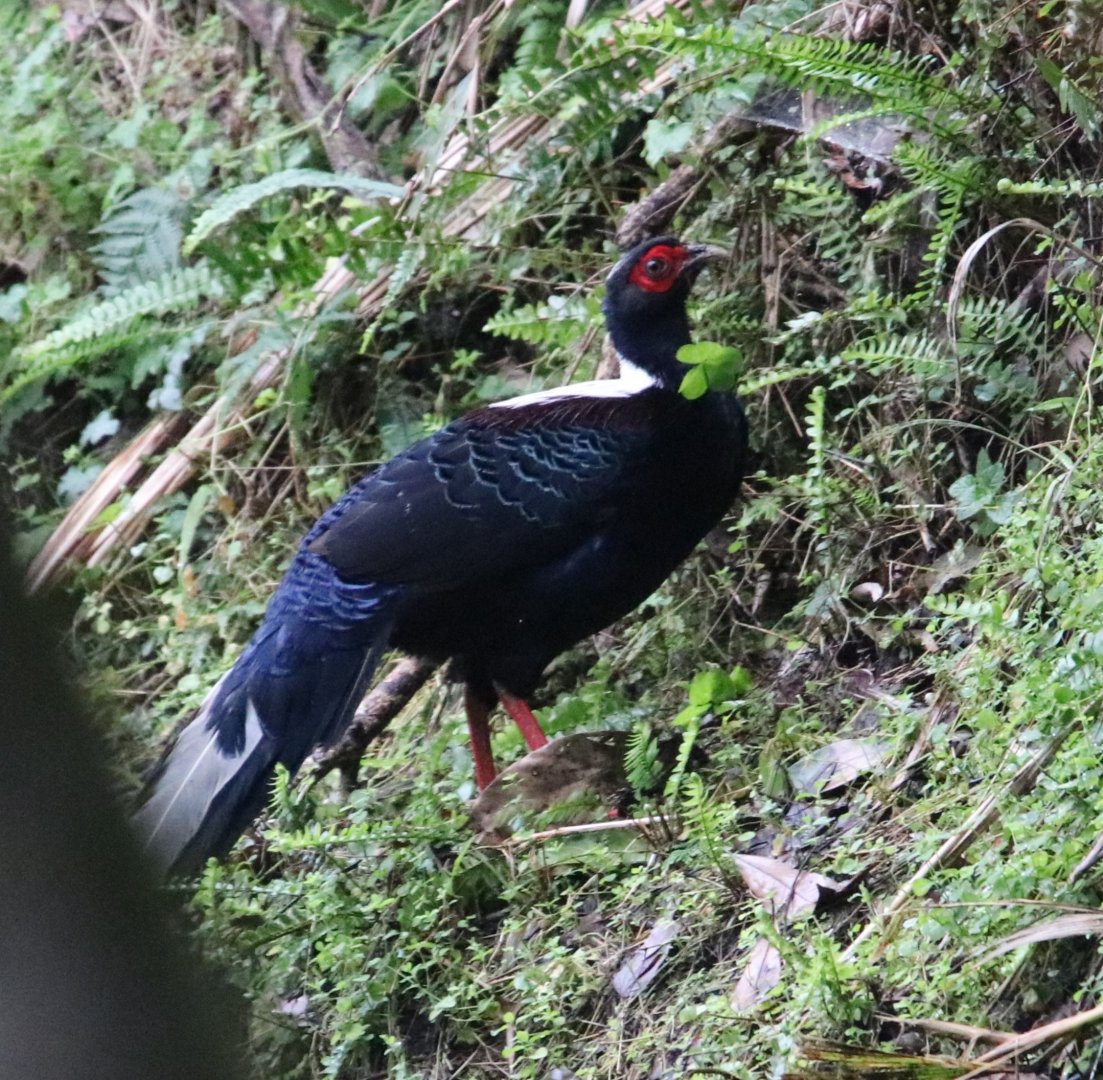
Feeding on the slope just beside the road was a large, deep blue bird with a long tail, a white nape, and a bold red eye mask - Swinhoe’s Pheasant! I honestly didn’t think I’d see one without venturing farther into the central mountains of the island. I tried to get a photo, but it was around a bend in the road, with a railing blocking the shot. I hurried to a better angle, but the pheasant saw me and bolted, dashing across the road and vanishing into the ferns below. All I managed were some blurry shots and a crisp photo of its back.

Why did the pheasant cross the road? To avoid getting properly photographed by the birder.

Very satisfied with the sightings that morning, I continued just a bit farther and admired the view,

upload_2025-7-18_1-0-8.png
View after a damp 3 miles of hiking uphill

I saw the bus coming my way on its return downhill. I flagged it and rode it all the way back down, being the only passenger. As I got off, I started figuring out which connection to take next. The driver actually stopped the bus again, came out, and, with help from Google Translate, figured out I was trying to get back into Taipei and kindly told me to get back on, as the same bus went all the way back to Xindian. It turned out the whole ride was free. A very kind driver, and a great start to the new year.
 

Attachments

  • upload_2025-7-18_0-23-28.png
    upload_2025-7-18_0-23-28.png
    1.1 MB · Views: 133
  • upload_2025-7-18_0-25-41.png
    upload_2025-7-18_0-25-41.png
    630.3 KB · Views: 125
  • upload_2025-7-18_0-27-42.png
    upload_2025-7-18_0-27-42.png
    776.4 KB · Views: 134
  • upload_2025-7-18_0-28-49.png
    upload_2025-7-18_0-28-49.png
    1.1 MB · Views: 128
  • upload_2025-7-18_0-30-8.png
    upload_2025-7-18_0-30-8.png
    691.7 KB · Views: 144
  • upload_2025-7-18_0-31-41.png
    upload_2025-7-18_0-31-41.png
    625.3 KB · Views: 126
  • upload_2025-7-18_1-0-8.png
    upload_2025-7-18_1-0-8.png
    622.4 KB · Views: 130
  • upload_2025-7-18_1-3-21.png
    upload_2025-7-18_1-3-21.png
    1 MB · Views: 136
  • upload_2025-7-18_1-11-41.png
    upload_2025-7-18_1-11-41.png
    1.3 MB · Views: 131
I got off at the 'Taipower' stop and walked across a bridge, with a beautiful view in the background. I scanned the river for birds.
I saw an Osprey bathing in the river when walking across the bridge. Not that exciting for an American I suspect, but I don't see them very often. It's weird that bus is free as well, isn't it? It's a long ride from Taipei.


Feeding on the slope just beside the road was a large, deep blue bird with a long tail, a white nape, and a bold red eye mask - Swinhoe’s Pheasant! I honestly didn’t think I’d see one without venturing farther into the central mountains of the island.
This is the bird I most associate with Taiwan. Wish I'd seen one...
 
(Yeah, eating on the go is frowned at in much of East Asia, but I'd been reassured that Taiwan wasn't as strict about this as say, Japan)
Where is this from? I've never heard that and never encountered it. They have shops selling food to eat on the go in every metro station, and I saw people eating all the time while walking around in every country.
 
Where is this from? I've never heard that and never encountered it. They have shops selling food to eat on the go in every metro station, and I saw people eating all the time while walking around in every country.
I think this is really mainly a Japan thing, looking back at it, and I don't think people in Taiwan or mainland China care very much. although I didn't see any locals eating while walking or on the metro, and there are definitely signs against it in the metros. Which doesn't seem to match the prevalence of easy food on the go, but I guess it keeps things clean.

This is the bird I most associate with Taiwan. Wish I'd seen one...
Ah, sorry to grip you off. I thought some of the sites I sent (including this one, although they are quite sporadic here) would've given you a good chance. Daxueshan is one of the better sites but you had to skip it. I have to admit I'm rather chuffed I managed to find a species you didn't in less time, although you did get a better haul of Taiwanese endemics overall.
 
Last edited:
I think this is really mainly a Japan thing, looking back at it, and I don't think people in Taiwan or mainland China care very much. although I didn't see any locals eating while walking or on the metro, and there are definitely signs against it in the metros. Which doesn't seem to match the prevalence of easy food on the go, but I guess it keeps things clean.
Yeah, you're definitely not allowed to eat on the metro in any of the countries - or even to just drink water! - but the idea of "eating on the go" being frowned upon seems weird to me given that it is so common there in my experience.
 
  • Like
Reactions: CMP
Taiwan Day 3, Part 2 (Trip day 4)

I got off back in the Xindian District. It took me a while to make my way over to the area by the Taipei Zoo, as there weren’t really direct buses, so by the time I walked over there it was nearly 4 p.m., with the zoo closing at 5. I still opted for a quick walk along the river near the zoo, a spot that is supposedly good for Long-billed Plover.

upload_2025-7-20_18-56-58.jpeg
Busy streets on my way back to the zoo

There were a few nice year birds, but the only plover I found was a nice Little-ringed Plover, working the rocks along the river. The rain had picked up again, and with time running out, I decided to head into the zoo before it closed.

I made a beeline for the nocturnal natives exhibit, back to the Taiwanese Ferret-Badger enclosure. Like the day before, it wasn’t anywhere to be seen. I asked a nearby docent, who took a quick glance around and then checked the sign on the enclosure. “Sleeping,” he said, pointing at a diagram that labeled where the animal supposedly slept.

I waited around a while longer. Some mice were skittering about, and I got better acquainted with the enclosure, peeking and peering at every nook and cranny it might be tucked into. There was a small tube I couldn’t quite see through, maybe it was in there?

It was nearing closing time. In the neighboring enclosure, a keeper was feeding the male pangolin. As cool as he was, I’d seen him yesterday. I started wondering how I might politely signal to the keepers to feed the ferret-badger. And then, at the last possible moment, one of the keepers stepped into the enclosure and unceremoniously dropped a dollop of mushy food onto a tray right next to the tube.

I waited in anticipation, and a few moments later, it poked out, sluggishly, halfway emerged from the very tube I’d suspected. Success!


From there, I headed to the Taipei Insect Museum, a neat little place @RatioTile had told me about. It was a surprisingly cool (and free) insect house that also had a few live insects for sale. One of the workers opened an enclosure and handled a massive Actaeon Beetle (Megasoma actaeon) to show off to me.


There are a few aquariums and assorted terrariums for some herps and even a Common Quail, although some of these enclosures are weaker. Definitely worth checking out if you’re already in the area. I wrote up a short species list here:
Taiwan Insect Museum Species List - ZooChat


It was getting dark at this point, so I decided to retry for the flying squirrels at the Fuyang Eco Park, this time equipped with my thermal camera phone attachment. I saw something large, a squirrel shaped run across a tree branch a bit in front of me. I tried shining my underpowered flashlight to see it, but no dice. Being my last night in Taiwan, it would be a ‘thermal- only’ species for me, meaning I wouldn’t really count it at all. That settles it, I guess I really have to come back to the island.

Afterward, I met up with @RatioTile again for dinner. We had traditional Chinese Muslim beef noodles, which was quite good. The soup used many different organs, each providing a unique texture. We again walked the Ximending district and went to a shop called Fantastic Beetles. It was just a small room behind a Japanese-style arcade on a busy street, but it was full of interesting species for sale that the owner let us view. I said goodbye to ratiotile, at least for now. Coincidentally, we’d be in another country at the same time, so we’d be meeting up again in a few days.

upload_2025-7-20_18-59-37.png
Tasty Beef Noodles
 

Attachments

  • upload_2025-7-20_18-56-58.jpeg
    upload_2025-7-20_18-56-58.jpeg
    169 KB · Views: 119
  • upload_2025-7-20_18-59-37.png
    upload_2025-7-20_18-59-37.png
    1 MB · Views: 127
Taiwan Day 4 (Trip day 5)

Before bed, I stopped again at the 7-11 and grabbed some interesting snacks I saw and shared it with a friend I’d made at the capsule hotel.

upload_2025-7-27_10-44-37.png
Snacks including lobster, sushi, and chicken flavored chips. Varying levels of taste.

The next morning, I had a nice walk to the Taipei Botanical Gardens, past a number of government buildings. About a block away from the Gardens, I stopped to try and photograph a leaf warbler flitting through a row of trees on the side of the road next to a wall, most likely an Arctic Warbler, like I’d been seeing. It turns out I probably hadn’t quite passed all of the government buildings yet, and a security officer a little way down the sidewalk beckoned me and motioned to put my camera down.

Oops. In most other countries I wouldn’t try having my camera out in places like that, but I had been lulled into a sense of security and made a rather basic mistake. I went over and happily showed the officer my blurry shots of the bird, proving I wasn’t some sort of international spy. He told me to put my camera away in the area and I happily complied. I wasn’t willing to get in trouble over a Phylloscopus.

upload_2025-7-27_10-54-35.png
Taipei Botanical Gardens

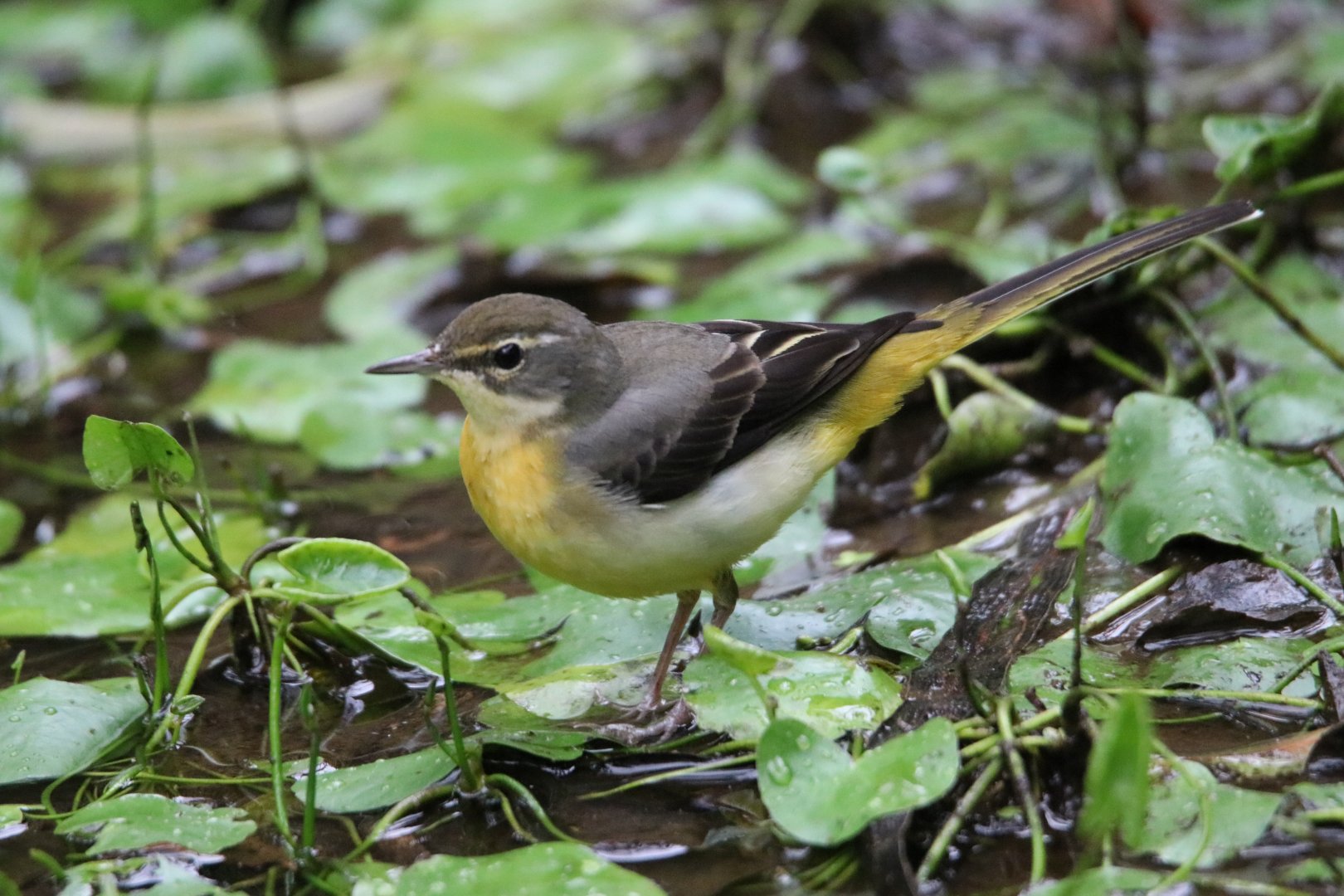
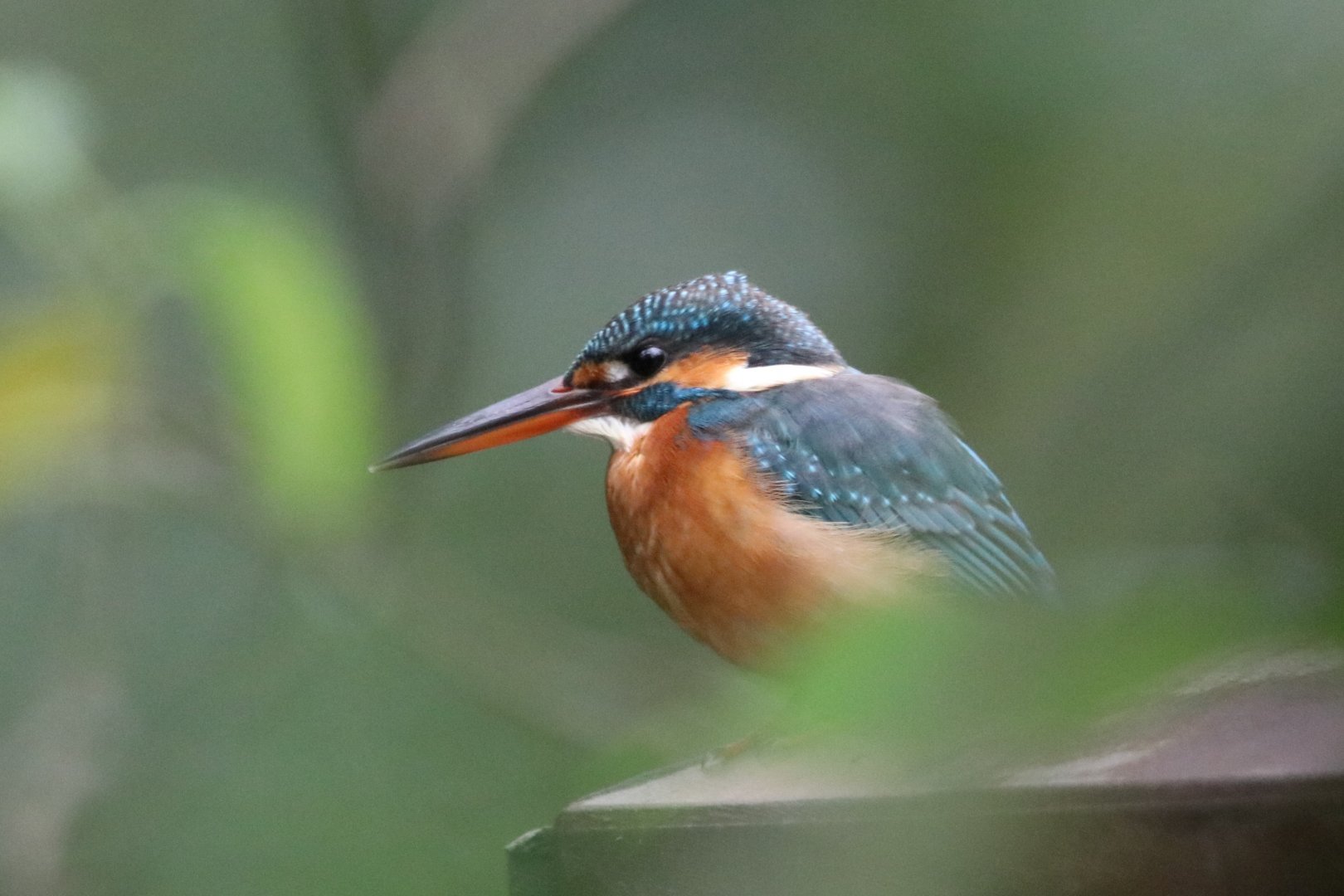
Once at the gardens I pulled my lens back out and went for a lovely stroll, picking up nice birds for the year. There were Little Grebes and Eurasian Moorhen in the pond, and Malayan Night-herons, a Manchurian Bush-warbler, and White-rumped Shama in the more forested parts of the gardens. Common Kingfisher and Eastern Yellow Wagtail provided nice shots, and an Osprey soared over head. A friendly Taiwanese man stopped me and pointed out a plant with a very small flower that was being grown in the garden. He showed me some photos that had been taken of it with a macro lens. I found that the Taiwanese people are very friendly and loved to share their interests and photos with me. Even in the notoriously friendly Midwest, I don’t randomly interact with so many strangers while out and about.


After enjoying watching the activities of some of the numerous Swinhoe's Whiteyes, I left the gardens so I would have ample time to make the 1:30 pm flight. The airport train was fast, and 2.5 hours was more than enough time to spare. This was the case even with how crowded the airport was, due to all the people traveling for the holidays. It’s commonly recommended to be at the airport 3 hours before departure for international flights, but on my travels I found this to be far more than was really necessary, although that could be due to the high level of development and reliability of transportation. I was the first one in the lounge for my flight.

upload_2025-7-27_10-54-57.png
Taipei Botanical Gardens

Onboard, I gazed out into the South China Sea. A short 1.5 hours later, a series of islands became visible, and started to grow in size and number. I soon touched down in Hong Kong. I was arriving in the late afternoon, and it'd be evening by the time I got anywhere, but I hoped to at least check out the Kowloon park aviary before dusk. However, I had quite the hassle trying to get things sorted upon arrival.

Kingfisher and Shama from my last morning in Taiwan
 

Attachments

  • upload_2025-7-27_10-44-37.png
    upload_2025-7-27_10-44-37.png
    848.9 KB · Views: 110
  • upload_2025-7-27_10-54-35.png
    upload_2025-7-27_10-54-35.png
    1.3 MB · Views: 114
  • upload_2025-7-27_10-54-57.png
    upload_2025-7-27_10-54-57.png
    1.6 MB · Views: 110
Hong Kong Evening 1 (Trip day 5)

Actually getting into Hong Kong was quite easy- I didn’t even need to fill out an arrival card. The monetary situation, however, was a bit more annoying. I had an international travel credit card, which I’d been using to pay for most things, either with my wallet using Google Pay or just tapping. Being a 'travel' card, there wasn't supposed to be any additional currency conversion or international roaming fees (although reading the fine print I think a few cents do get added anyway for each transaction when abroad, but that's not an amount that breaks the bank). However, I had read that for the Hong Kong public transit system, you really wanted an Octopus card. I had carried limited cash with me from the states, so at the exchange counter I only converted the amount I needed for getting into Mai Po- more about that later, and a little extra cash just in case. Yeah, the exchange rate in the airport was a bit high, but I was a bit more worried about finding a place to exchange money in dodgy back alleys of Kowloon (ok, this might’ve been a product of watching too many Hong Kong films that prominently featured a much grungier version of the city than where I actually ended up staying). I mostly just paid up for convenience and to save time at the airport, as the extra 5 or so USD to do so wasn't horrendous.

I had a debit card with me, but I had gotten it right before the trip in a bit of a hasty last-minute move. The PIN to use it, which was to be sent by mail to my home, still hadn’t come in, so I wasn’t sure if I could actually take out money with it even, without the PIN. Hopefully the cash would do for Mai Po and wherever else it would be required, and most places would accept card like I expected, but for public transit I was a bit concerned. I went and found the kiosk to get an Octopus card, but it wasn't any simpler there. I found that the Octopus card could only be topped off with either cash or the app. The app was only available for those with a local phone number. There was also a tourist app, but for whatever reason, that was only on the Apple play store. Then there was the option to add it to a Samsung Pay wallet. I have a Samsung, so I thought, 'perfect, that’d be the way to go'. However, I had never used it, using Google Wallet instead, and I didn’t realize that for whatever reason, Samsung Pay is 'blocked for my region,' which is a manufactured setting that cannot be changed and is based on where the phone was manufactured or something - I think that's where the 'savings' I made getting an international unlocked phone go, or something. The touch-and-go cards in Taiwan were much simpler to figure out.

Eventually, I found I could buy a tourist Octopus card with my credit card, and figured I’d try to pay for transit with my card (also on my phone in NFC) at the select transit stops that had such machines equipped where I could, and that along with the cash I should have left over from Mai Po, it should be more than enough. It was, but after figuring out all this and eventually taking the train, it took me a good 45 minutes to figure this out, it had gotten quite late in the evening, meaning I'd probably have to skip Kowloon Park and any ideas of other activities for the day.

I took the Airport Express, which was quite a cool ride, seeing the sea and rugged hills covered in green, and busy gigantic ports and shipping vessels all together. I got off at the Kowloon stop. I exited into a high-end shopping mall, and following my natural instincts, and lack of signs indicating otherwise, took the escalators to get outside. I admired the lovely, well-manicured park, and the massive looming apartment buildings surrounding it. Soaring above them all, so high it seemed to bend over me as I stood at its base, was the International Commerce Centre (Notice how it is spelled wrong- you can already start to see the influence of the British on the place :p). It was a very impressive building, more so than even the Taipei 101 or Sears Towers which were the tallest I'd seen to date. In this perfectly manicured park at the base of all these towering, modern high-rises, I saw Spotted Dove, my first Hong Kong Bird, followed by a Red-whiskered Bulbul, a bird I'd find to be omnipresent during my stay.

upload_2025-9-21_1-4-43.png
The park, Station, towering buildings and the International Commerce Centre

All this was very cool, but my main objective walking around the park was to find where the buses were to get to Tsim Sha Tsui, where I found the cheapest hotels in convenient locations that didn’t look like a complete hole in the wall, judging from Google reviews and hotel booking sites. I’d also been relying on Google, from the Maps app, to navigate, but after much circling around to get to the bus stop pin, including past and through a busy playground full of children and numerous gated buildings and communities, I turned up empty, with seemingly not a bus in sight. This was clearly a very posh area, and I probably was looking a bit dreadful with all my luggage on my back, just circling around.

Eventually, after a decent amount of time backtracking into the mall where I figured the public transit must be shunted, I took a series of corridors and found that the bus stop was actually a good way through mall and finally saw signs pointing in the right direction. I’d have to be happy with the lifer bulbul, because it was dusk by this point, so no more wildlife watching or zoos for the day.

However, the double-decker bus ride through the busy streets of Kowloon at dusk gave a great view of the city skyline, and being my first time on the wrong (left) side of the road was quite cool yet uncanny feeling, looking straight out the front of the window on the second deck of the bus. In a way, Hong Kong had already felt much more familiar than Taipei, probably due to the British influence that the US has also received its fair share of. The streets looked busy and lined with high end and trendy shops- like one you'd find in Chicago or New York. It felt more familiar, yet as I thought this, I realized that I had already started to miss Taiwan a bit. I’d grown to like the place and all the differences from home in just the short few days I spent there. It felt more lived in and authentic than the hyper commercial and 'synthetic' feel of US cities, which this part of HK was reminiscent of. It felt as if there was as much if not more English than Chinese text on signs and billboards, which I thought was interesting.

upload_2025-9-21_1-9-8.png
HK streets from atop a double-decker bus

I got off at my stop and walked down the very busy and vibrant street, which I was surprised to find lined with luxury stores. I thought I picked a cheaper side of HK to stay in, but it was still far glitzier than I'd imagined, and certainly a very far cry from Kung Fu Hustle. The hotel I had was in a ‘mansion’, basically just a large apartment building that's been subdivided, and that my hotel was on one of the floors of. Considering all that I'd heard about Hongkong, the room wasn’t too bad in size, and the cost wasn't terrible either, from a US perspective. I was right next to the Tsim Sha Tsui station and Kowloon Park as well. From my single window I peered out into a man-made canyon formed by other surrounding 'mansions'. I tried to get to bed to be up bright and early the next morning.

upload_2025-9-21_1-10-18.png
My room and everything I traveled with- Backpack with umbrella, raincoat, waterproof draw-string bag with my camera, and hat

I've actually written out more of the rest of the trip so I may update this thread again in less than a 2 month interval, provided my Junior year coursework doesn't prevent me from doing so (Spoiler- it might :oops:)
 

Attachments

  • upload_2025-9-21_1-4-43.png
    upload_2025-9-21_1-4-43.png
    785.6 KB · Views: 81
  • upload_2025-9-21_1-9-8.png
    upload_2025-9-21_1-9-8.png
    868.7 KB · Views: 90
  • upload_2025-9-21_1-10-18.png
    upload_2025-9-21_1-10-18.png
    838.6 KB · Views: 96
Hong Kong Day 1 (Trip day 6)

I got up around sunrise and grabbed a quick bite at a bakery on the street level before heading into the metro. The items were all overpriced, as was the case for many things in Hong Kong, but since I was already through the doors, I grabbed a $3.50 USD croissant that was topped off with an oregano-based herb blend. It was pretty good, though not exactly ‘local fare.’ I ate while walking to and from the MTR red line, which took me under and across the Victoria Harbour from Kowloon onto Hong Kong Island. Getting off at the stop next to Hong Kong Park was quite a treat, especially stepping out onto the street and seeing the iconic Bank of China Tower basking in the morning sun.

upload_2025-10-2_2-46-18.jpeg
Bank of China Tower

I headed straight to the Peak Tram, where there was not yet much of a line. Given the aforementioned prices of the city, I accepted paying around 110 HKD (~$14 USD) for a round-trip ticket. The Peak Tram is a historic funicular that was built by the British during the Victorian era and makes a steep ascent up the peaks just to the south of the Central district of Hong Kong, on Hong Kong Island. A fun fact: I just recently worked on modeling a potential cooling system for a similar tram in Chattanooga, Tennessee, as part of my summer internship.

upload_2025-10-2_2-54-12.jpeg
Tram, as viewed arriving to the top station

The ride up was great, and the views of the Hong Kong skyline from the top were even better.

upload_2025-10-2_2-56-21.jpeg
View from the peak

Not wanting to waste time, I headed down a short trail into the forest, where I heard, then saw, the adorable Common Tailorbird, a member of a delightful group of wren/gnatcatcher-like little balls of energy. I headed south of the funicular stop, enjoying the surrounding vistas, spotted a Red-billed Blue Magpie flying between the trees in the distance.

upload_2025-10-2_2-58-44.jpeg
View to the Southwest

Walking a bit further down the Pok Fu Lam trail, I picked up some tremendously exciting new birds: a pair of Pallas’s Leaf and Two-barred Warblers, along with an Asian Tit. That may come off as sarcastic, but I was really starting to enjoy the Phylloscopus warblers, and Pallas’s is quite handsome. There were also Fork-tailed Sunbirds and both common species of bulbul calling away from the treetops. I wandered back to the Lugard Falls and found some nice dragonflies and butterflies. It certainly was a warmer climate here than in Taiwan, with more insects out and about. While taking in the city skyline on my way back to the tram stop, I saw a Common Buzzard dart overhead and descend towards the city below, joining the soaring Black Kites.


Still a bit hungry, I stopped at the café in the peak tower and was treated to a great view for my second breakfast.

upload_2025-10-2_3-0-48.jpeg

By this point, it was nearly 9 a.m., so I took the tram back down and headed to the stop, right across from Hong Kong Park, which is home to the world-class Edward Youde Aviary.
 

Attachments

  • upload_2025-10-2_2-46-18.jpeg
    upload_2025-10-2_2-46-18.jpeg
    103.1 KB · Views: 84
  • upload_2025-10-2_2-54-12.jpeg
    upload_2025-10-2_2-54-12.jpeg
    95.9 KB · Views: 63
  • upload_2025-10-2_2-56-21.jpeg
    upload_2025-10-2_2-56-21.jpeg
    100 KB · Views: 84
  • upload_2025-10-2_2-58-44.jpeg
    upload_2025-10-2_2-58-44.jpeg
    132.1 KB · Views: 63
  • upload_2025-10-2_3-0-48.jpeg
    upload_2025-10-2_3-0-48.jpeg
    169.5 KB · Views: 84
Hong Kong Day 1 (Trip day 6) Part 2: Edward Youde Aviary

Edward Youde is fantastic aviary, and it easily rivals any that I have seen in North America, including the renowned San Diego Zoo aviaries. The species list was impressive, and I had views of some great lifers as well. After passing through the entry room with some nice interpretive signage, I entered the aviary and was treated with a great overview of the space.


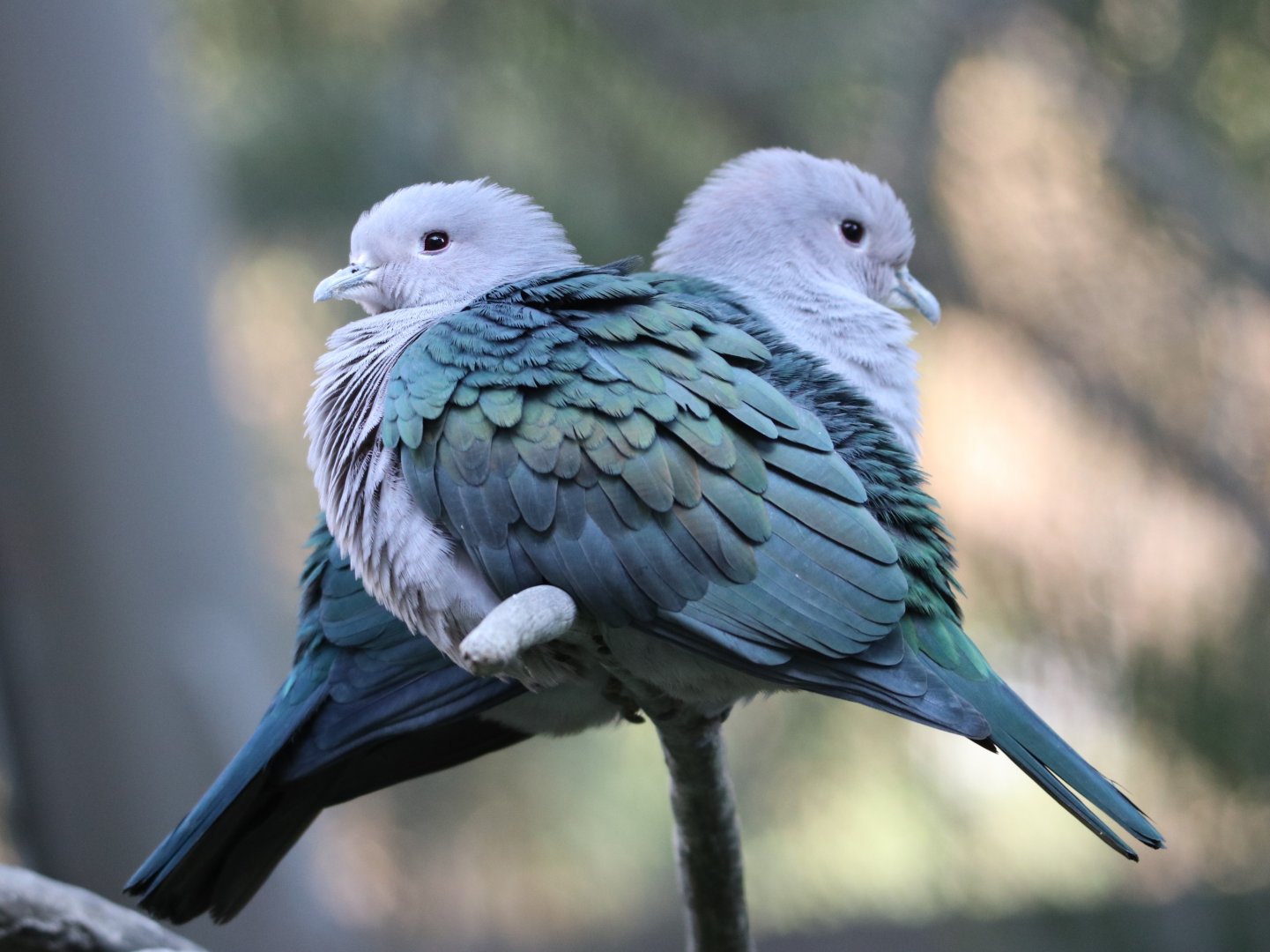
I saw a nice pair of Green Imperial Pigeons perched on a branch, with a Crested Bronzewing and Nicobar Pigeon in a bush beneath them. There was activity everywhere, from the beautiful Bali Mynas and Silver-eared Mesias energetic Java Sparrows flitting around between perches above to Silver Pheasants trotting along down on the forest floor below.


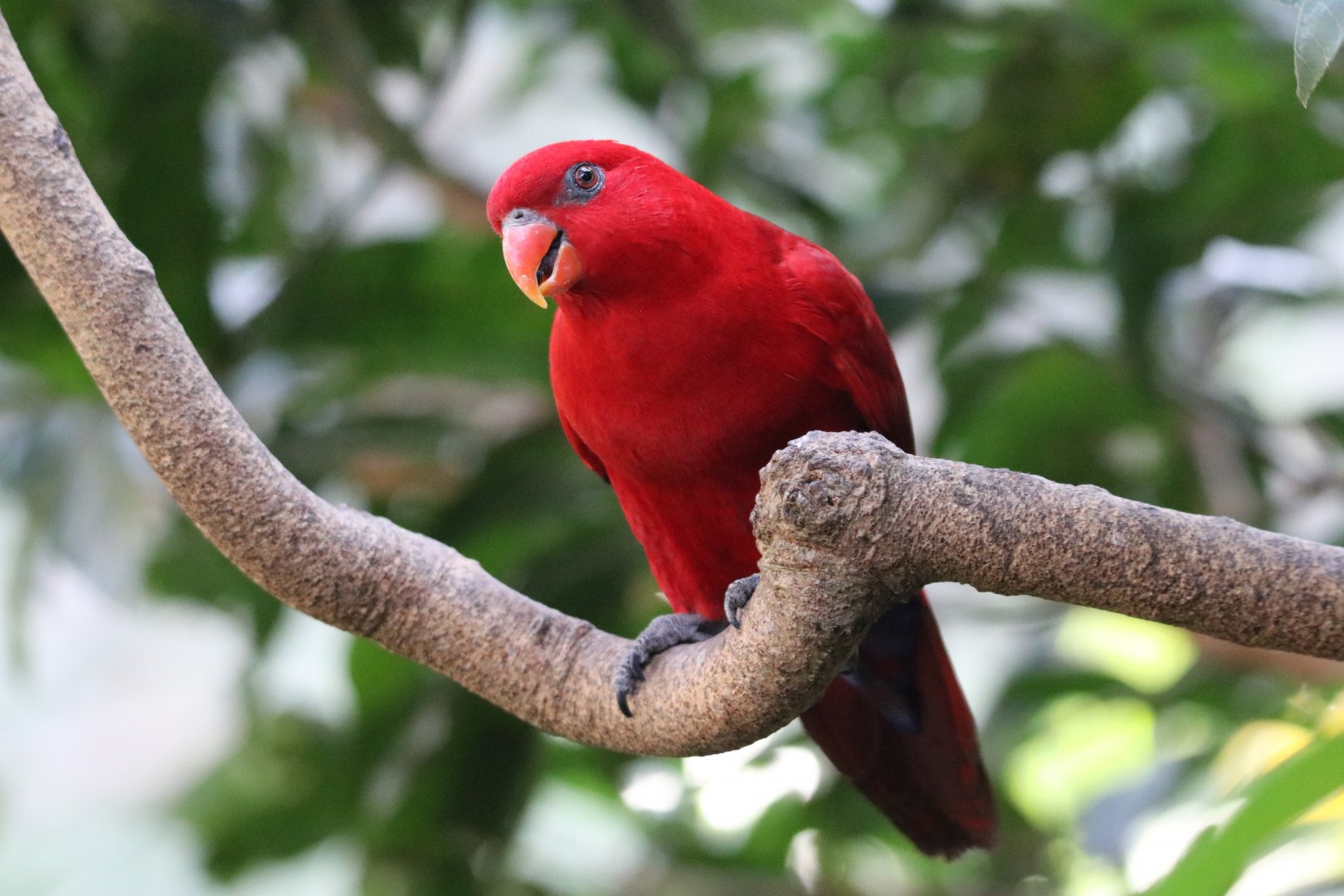
Columbids and larger passerines are definitely the strength of Ed Youde, including some choice species like Pinon’s and Purple-tailed Imperial Pigeons. At eye level, I caught a glimpse of a Raucous Racket-tailed Treepie and a gorgeous female Asian Fairy Bluebird. There were also nice numbers of various active Lories and Lorikeets, and at a feeder down below I saw a visiting Orange-headed Thrush and Blue-winged Leafbird.


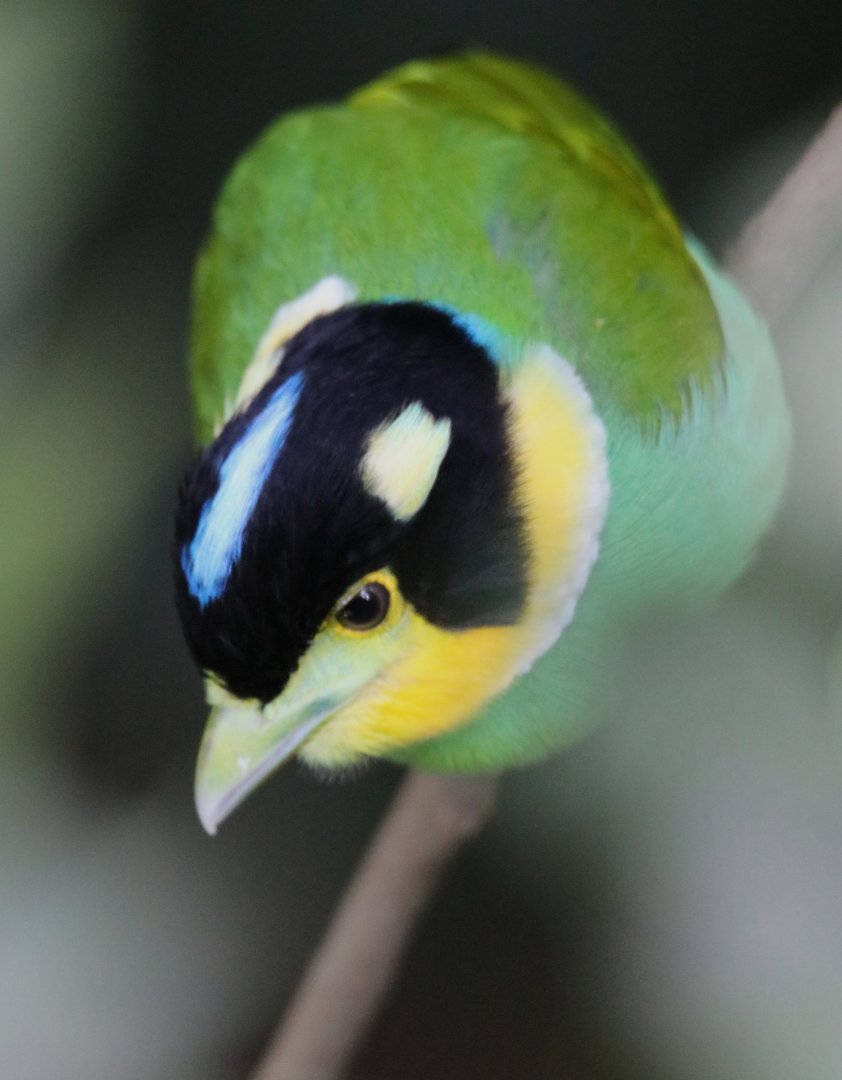
After some searching I finally found the Broadbill I was hoping for. An absolutely stunning species with a rather comical color pattern that makes it seem as if it is adorned with a brightly colored helmet.


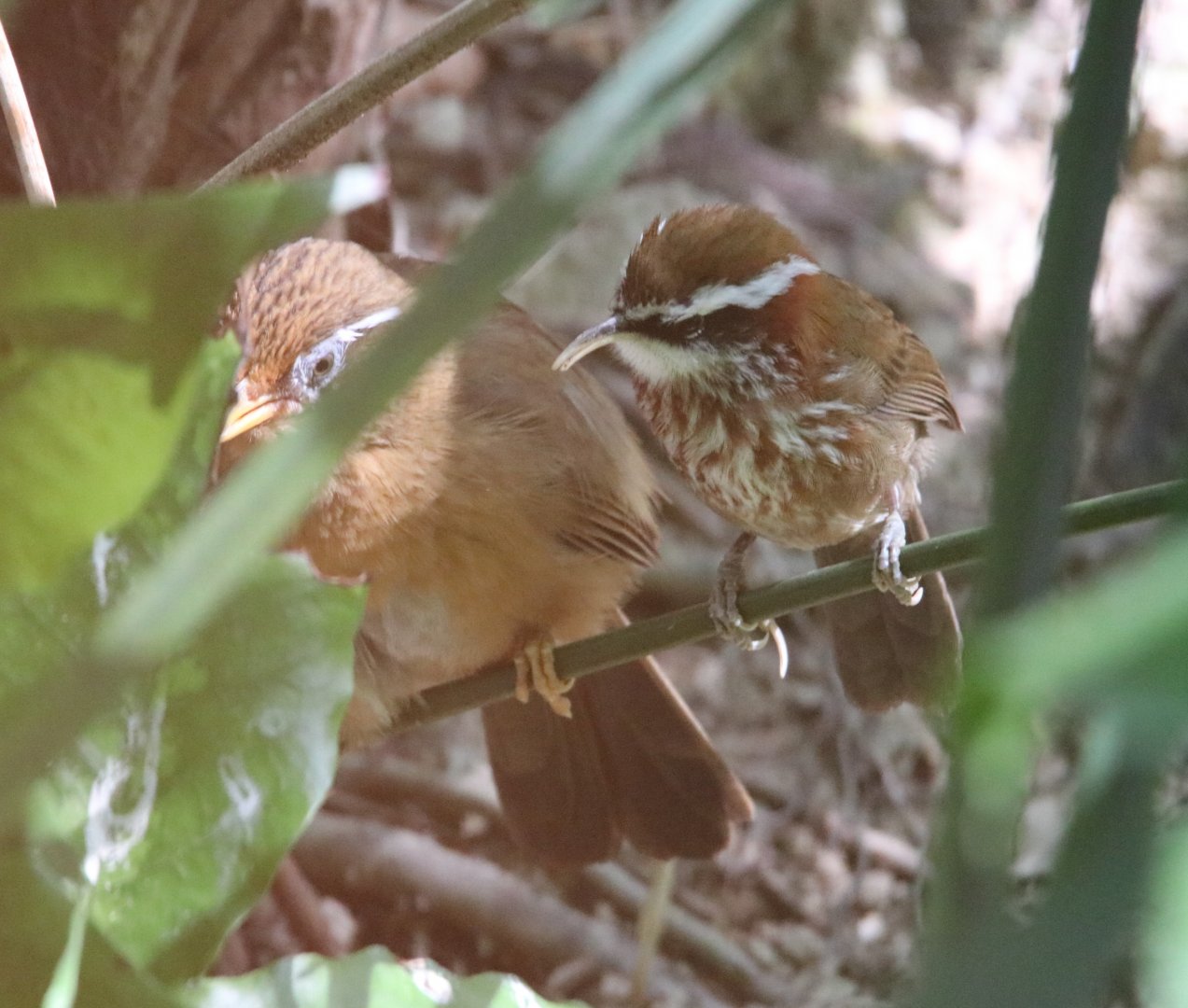
Down on the lower level, I scoured the thick vegetation for the rarer, skulky birds said to be inside. I managed to spot both Hwamei and Scimitar Babbler side by side, looking like friends. By the time I left, I realized I’d spent nearly an hour and a half inside the aviary. It seems some of my misses included the rarest species at the aviary, including Chestnut-Capped Laughingthrush, Chestnut-Crowned Laughingthrush, and Chestnut-Capped Ground-Thrush, and White-eared Catbird. The main problem likely was that since the ground level path was closed off, it was difficult to try and locate some of the skulkier ground-dwellers.


I exited the aviary and wandered around Hong Kong park a bit more. The park was getting busier with people out for the day: I passed a couple getting married and others carrying large cameras, probably also in search of wildlife. Compared to Taiwan, Hong Kong was considerably more cosmopolitan. Taiwan had felt more “pan-East Asia,” with noticeable numbers of visitors and workers from Korea, Japan, the Philippines, and plenty of Asian Americans with their families, plus the occasional American or European visitor. Hong Kong, on the other hand, had many people from across Eurasia and beyond, and I'd been hearing more than a few Australian accents.


On my way out of the park, I saw a nice Scarlet-backed Flowerpecker feeding from a flowering tree, then headed back into the MTR station, this time bound for Hong Kong Ocean Park.
 
Hong Kong Day 1 (Trip day 6) Part 3: Hong Kong Ocean Park

Tickets for Hong Kong Ocean Park are around 500 HKD, nearly 70 USD to get in, which is quite steep. Similar to the Sea World parks in the states, a portion of this goes to the amusement park rides and other non-animal attractions. Upon entry from the Ocean Park MTR station, you are first greeted with Croco Land, a newer outdoor crocodilian exhibit. Giving a quick glance, all I saw in the enclosure were some odonates.


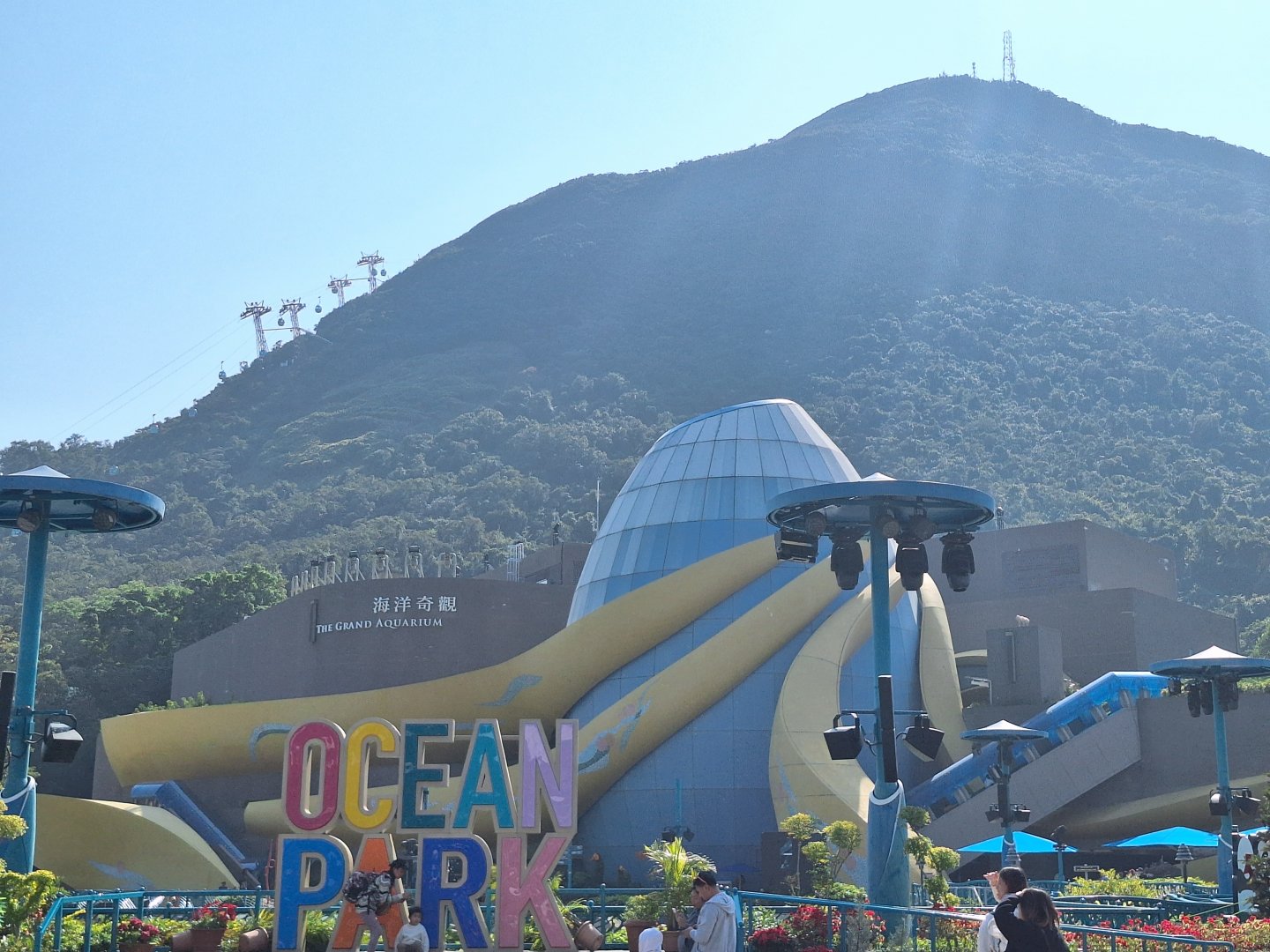
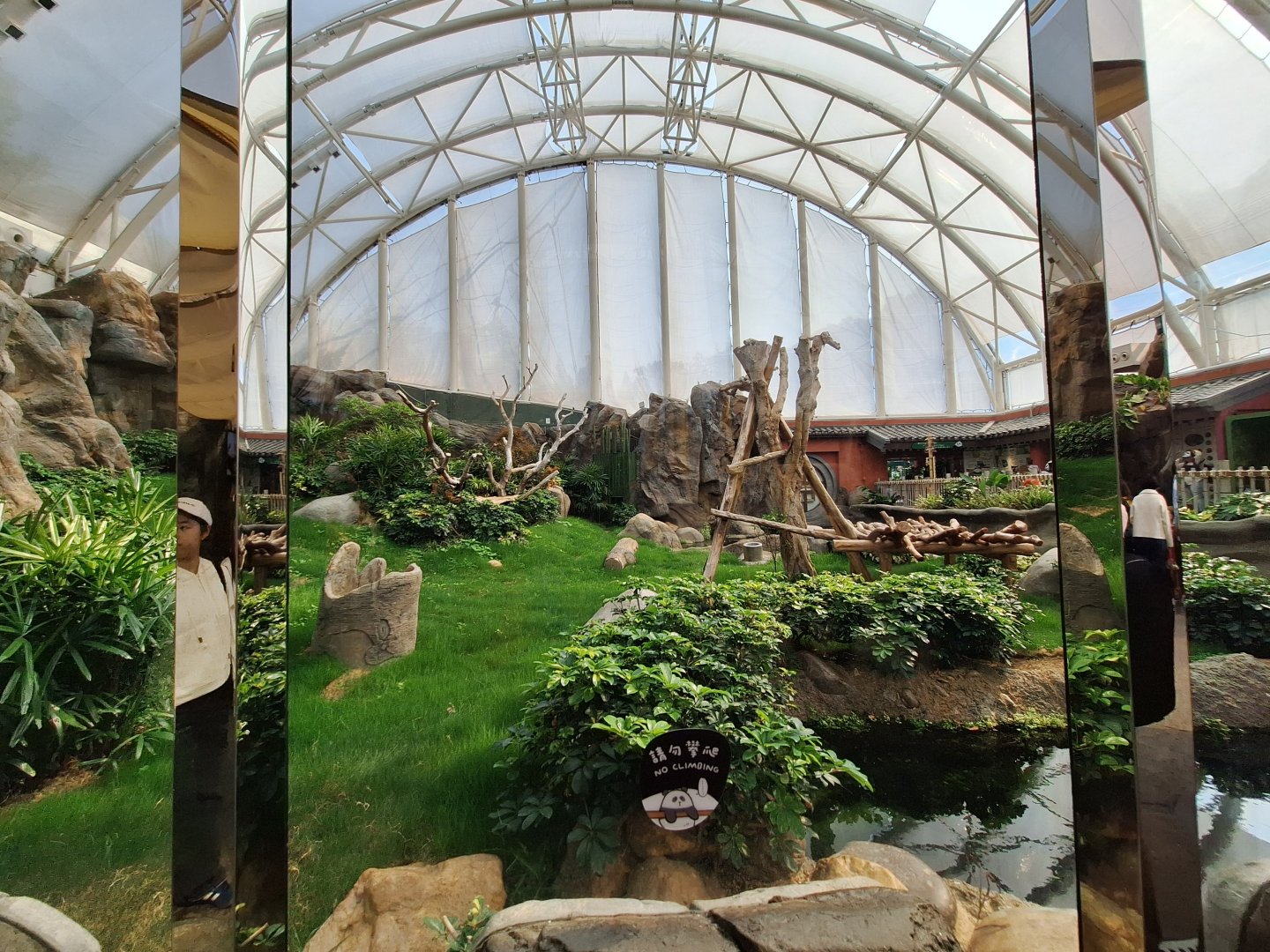
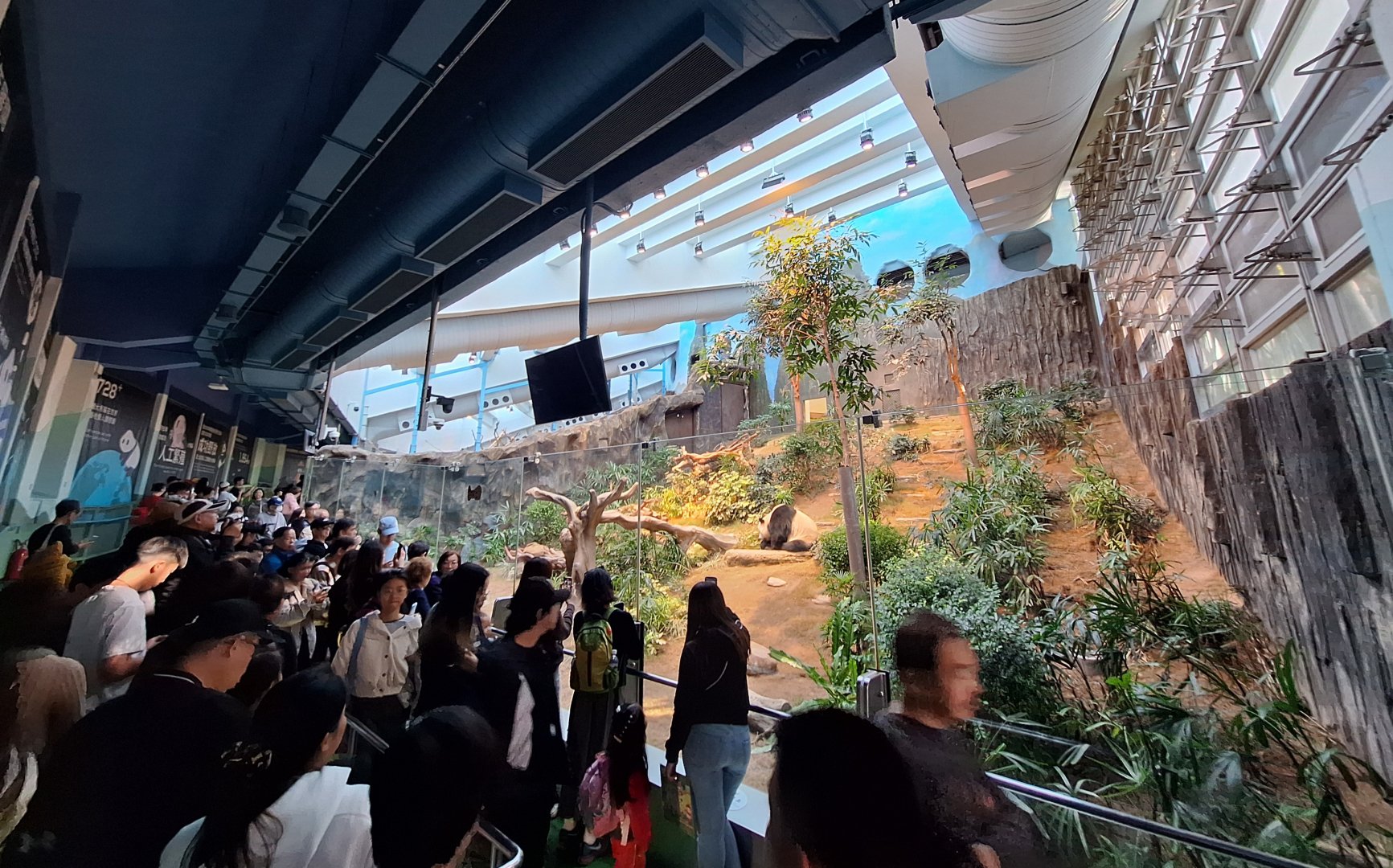
I headed straight for the native species section, passing the Aqua City Lagoon with the picturesque Grand Aquarium in the background. The Amazing Asian Animals zone lives up to its name. The main section here is the Giant Panda Village and attached Dive Into Local Diversity exhibits. The spaces for Giant Pandas here are very impressive, and it is clear no expense was spared for the large and lush greenhouse. Definitely the best I've seen for the species yet, and there were some active bears entertaining the crowds.

Look at all that lush grass!


Although Red Pandas, Giant Pandas, and Giant Salamanders are all fun enough species in their own right, I didn’t linger too long with the large crowds that had already formed in the area. The path exits outside into a plaza with a small pond for turtles and fish, and an enclosure with a large pane of glass for the ever active Asian Small-clawed Otters. I wish I paid more than a passing glance of attention at the rather spacious netted area above the otters, as this is apparently where the rare Pale-capped Pigeons are kept, unsigned.

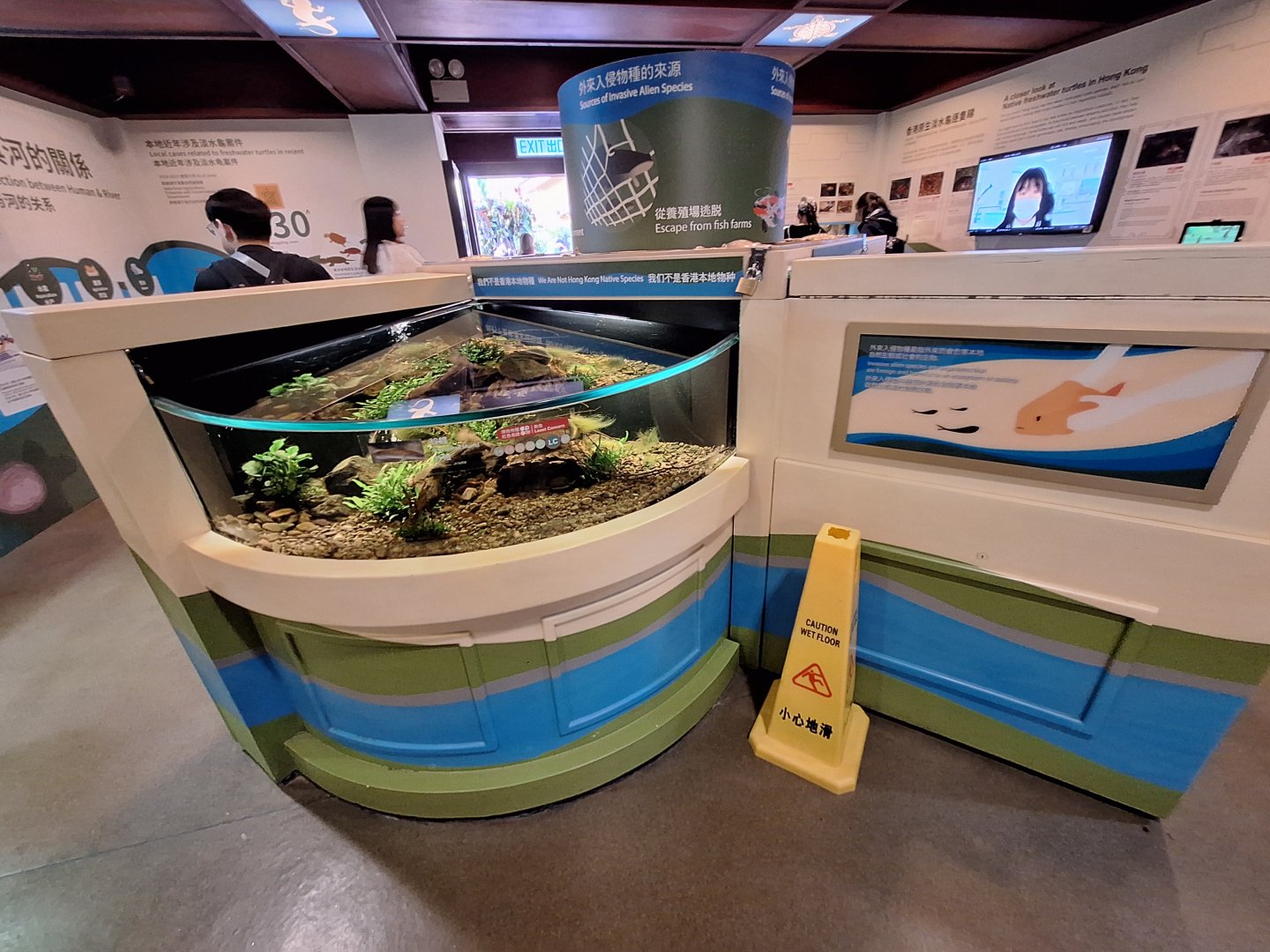
The next section unsurprisingly was perhaps my favorite of the whole park, Dive into Local Diversity. The exhibit began with a few very nicely patterned and furnished small tanks for local fish and herp species in an outdoor covered walkway, before heading indoors to a room with a series of tanks in a circular pattern in the center with additional ones filling out the perimeter walls.


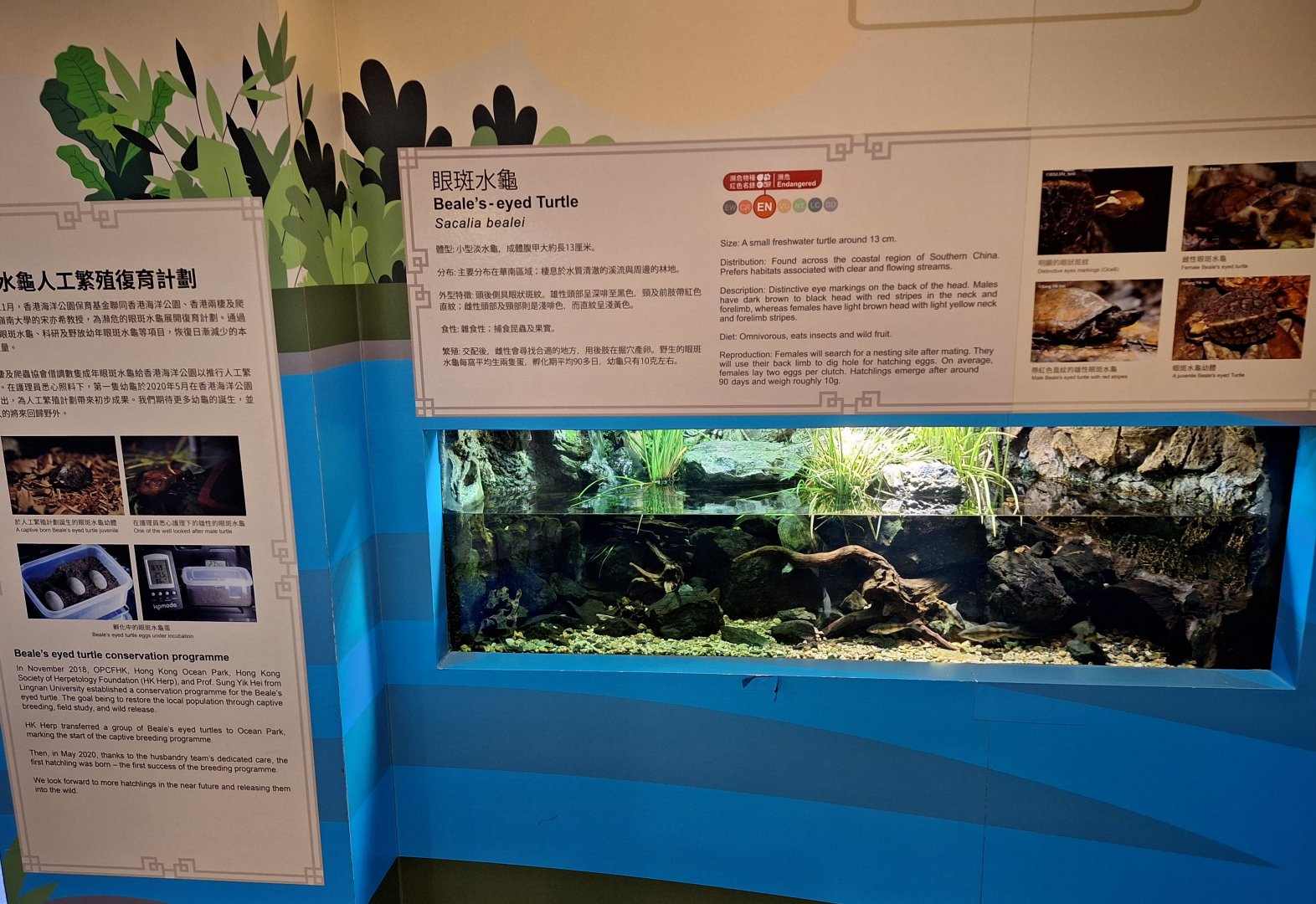
These assorted terrariums and aquariums housed such fun inhabitants as Mountain Crabs, Beale’s Eyed Turtle, Hong Kong Newt, and Amur Goby, among others. This was combined with a wealth of informational signage about local conservation issues, work with specific species on display, and the potential issues caused by the species, such as Striped Snakehead, that are housed in the center aquariums - those introduced to HK by humans.

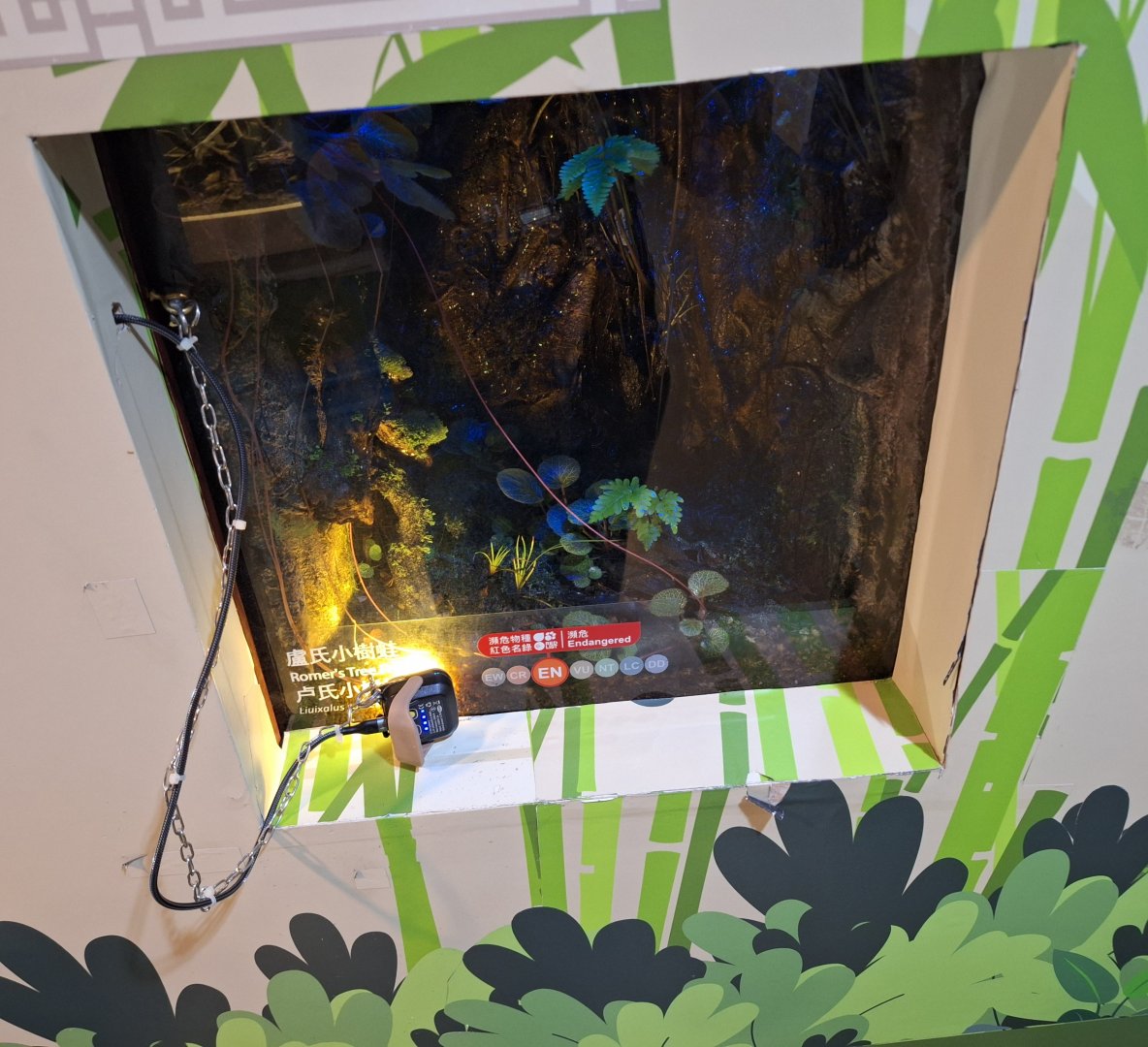
Interesting enclosure with light visitors can use to look for the miniscule Romer's Tree Frog


Yes, the complex houses the (much derided here on ZC, though not without reason) Giant Panda, but my impression, especially of the last section, was that it is one of the strongest for native species I have seen, complete with excellent signage and local conservation work to boot. Many of the displays were simple, yet effective, and I could hear visitors excitedly reading off signs and expressing surprise at different facts about this collection and the conservation of amazing native animals.

Excellent and informative signage

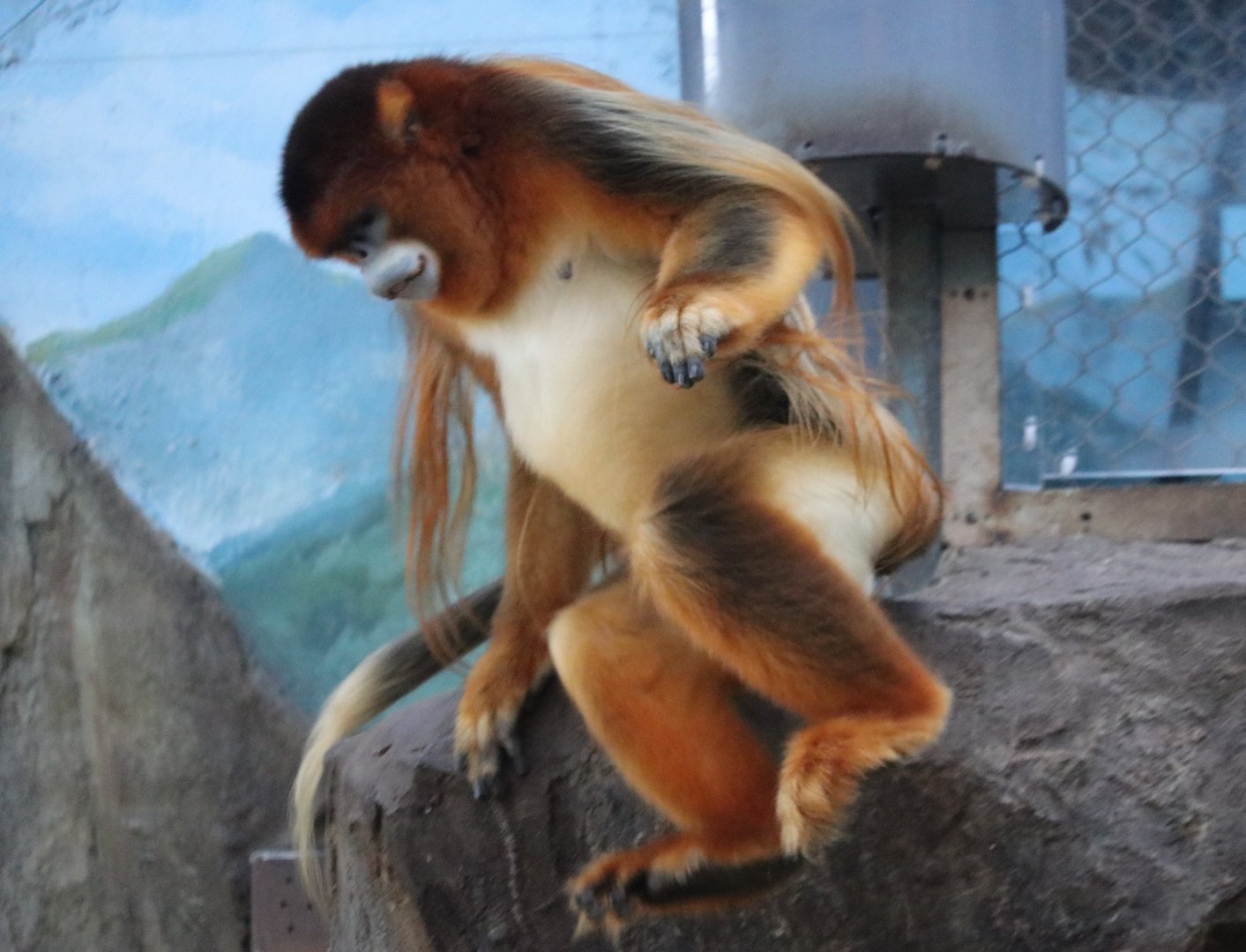
Next, I headed towards the ‘emerald trail’, which is where I assumed the Sichuan Treasures exhibit also was. As I walked over, a sense of dread and despair dawned upon me. There was a closed gate just a bit down the trail. The emerald trail is a series of bird enclosures in green mesh cages, and I assumed further down the trail was where Sichuan Treasures, and the Golden Snub Nosed Monkeys it housed, was. After looking at the birds visible from the start of the trail before the closure, I realized I had read the map wrong and the Hong Kong Jockey Club Sichuan Treasures was in fact another nearby building. I felt quite relieved and thus didn’t mind the wait while queuing at all.

Hong Kong Jockey Club Sichuan Treasures

Apart from the legendary Snub nosed monkeys (or snubbies as I like to refer to them) Sichuan Treasures also houses an apparently necessary second series of Giant Panda enclosures, which likely hugely inflate the wait times, as much as I’d like to think it is the draw of the snubbies to the general public that lengthens the queue to the exhibit. For crowd control, the building has timed entry and a split path for one way traffic in each direction along the series of enclosures. Past the pandas, I was delighted to see the pair of unexpectedly large snubbies in their enclosure at the end of the hall. I was surprised to be even more impressed by their fabulous and long golden coats than their pale blue faces. What spectacular primates!


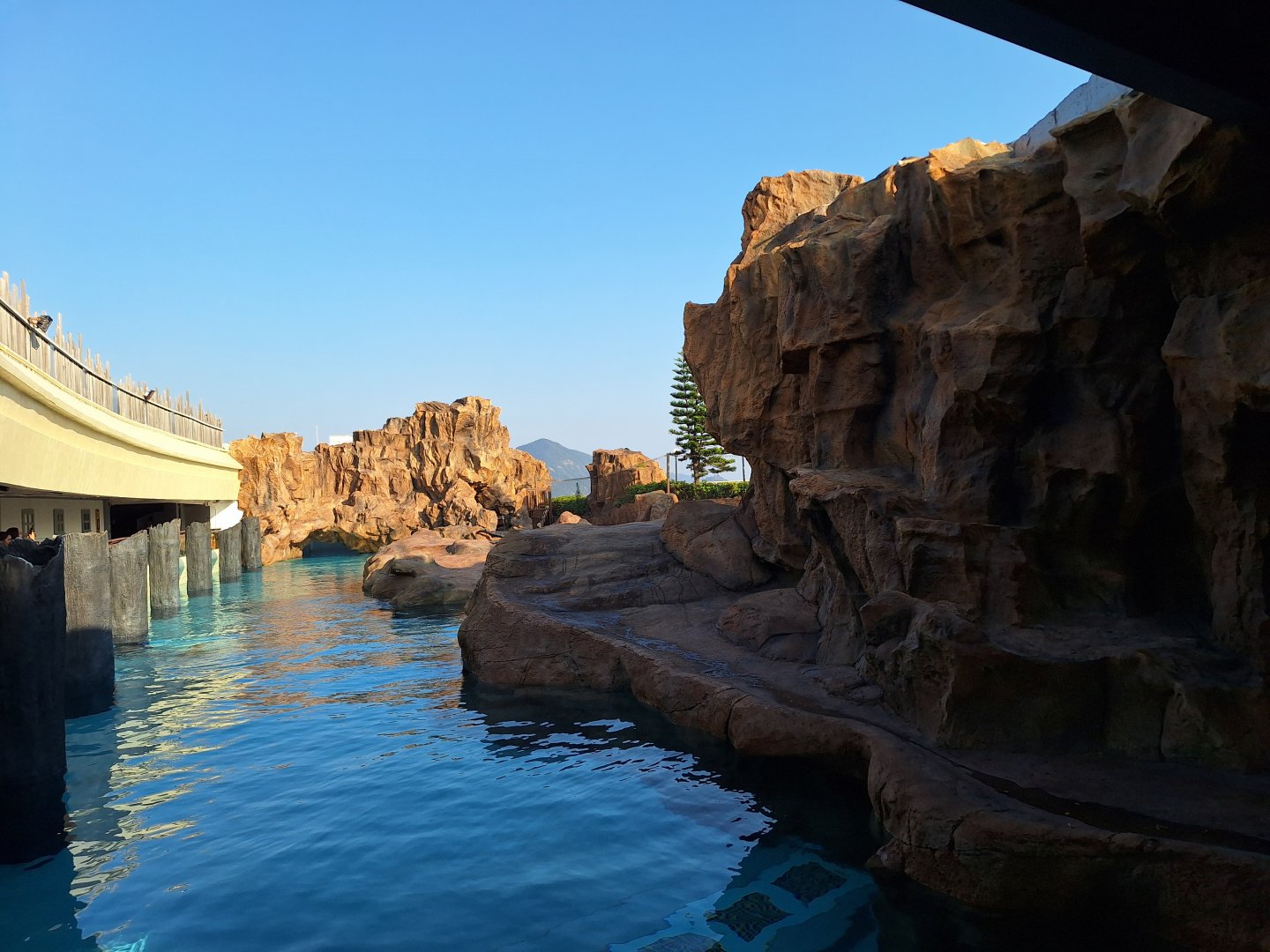
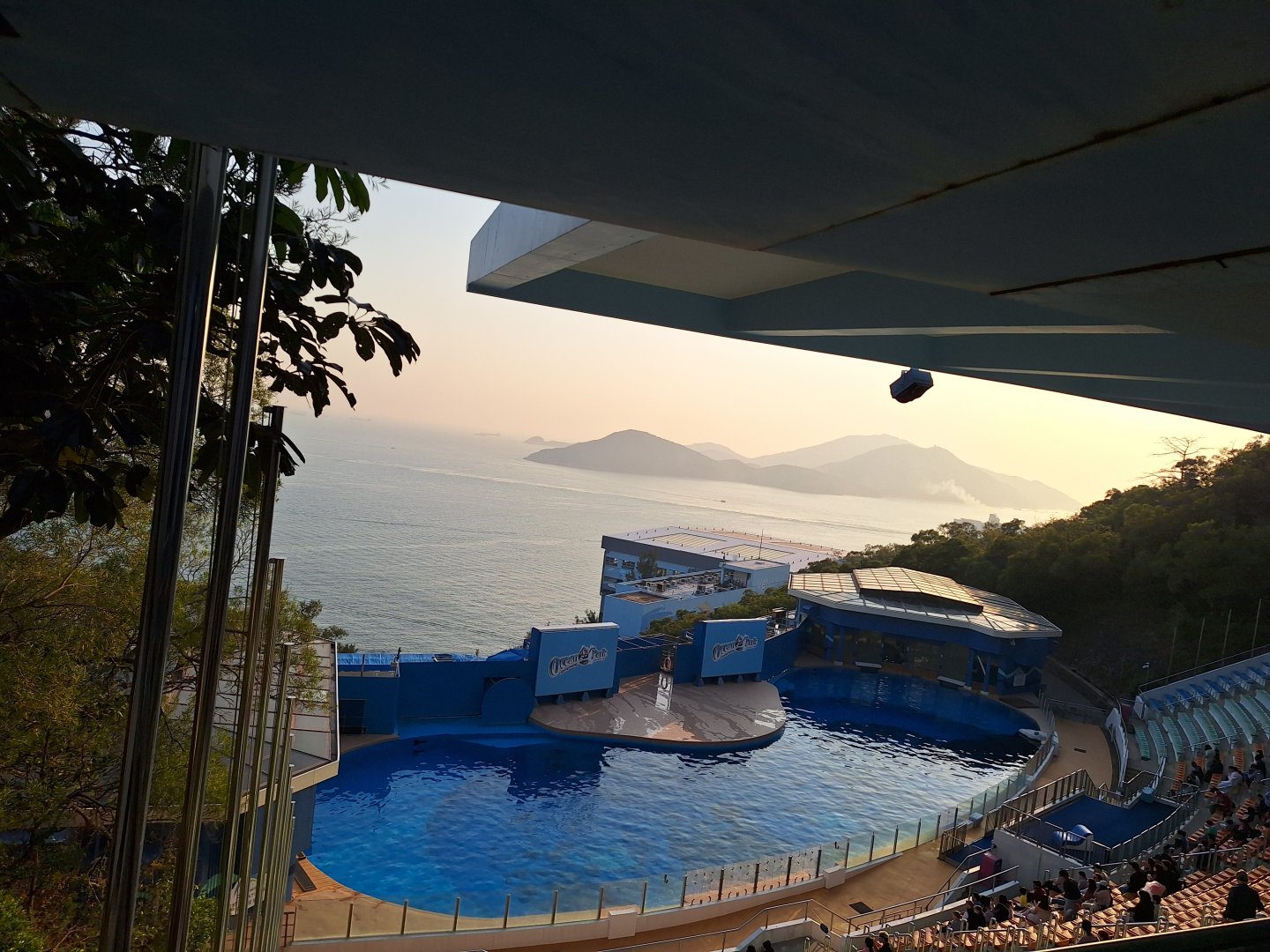
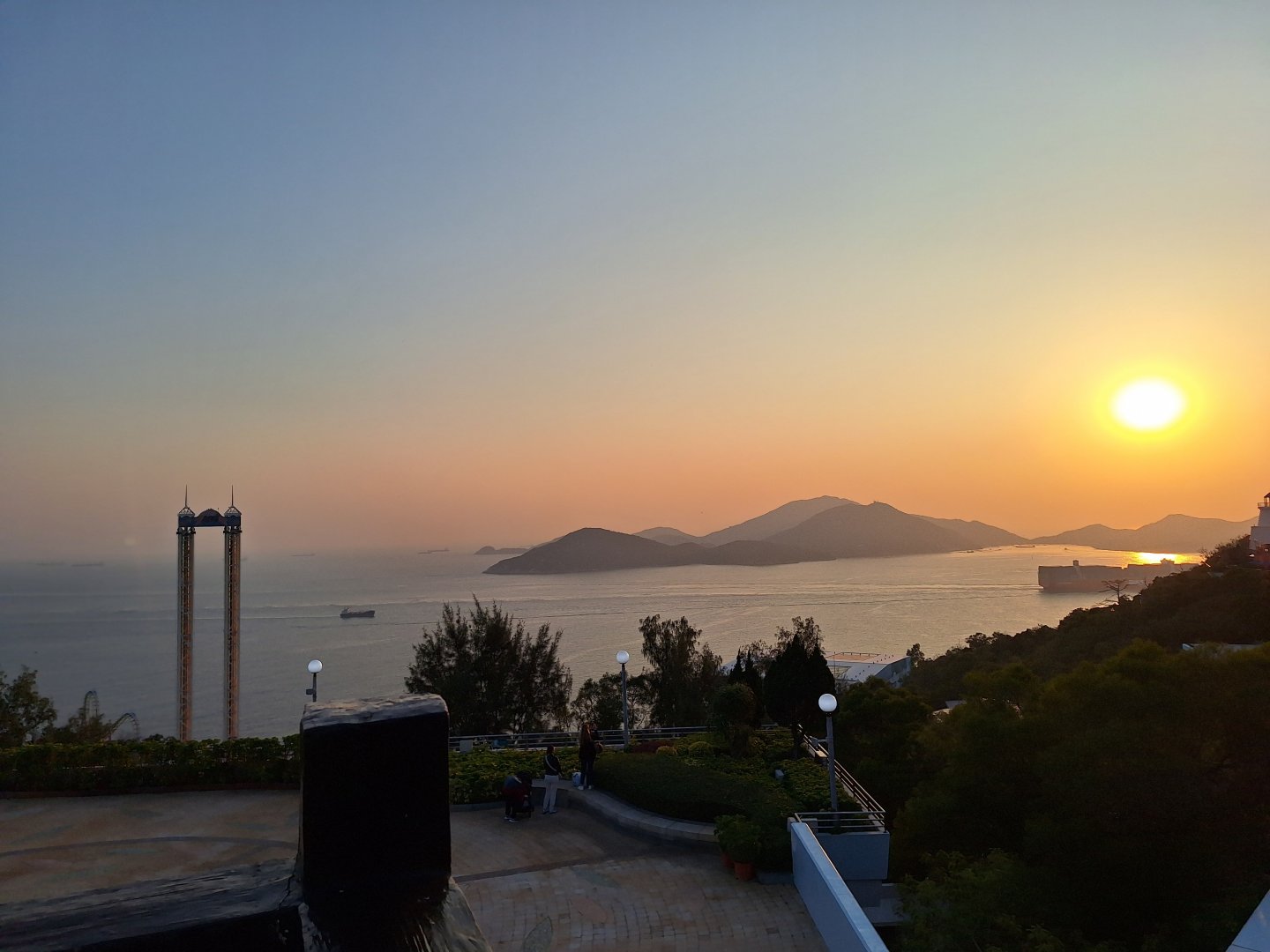
After enjoying some time watching the snubbies, I headed out and towards the Ocean Express, a tram that heads through a tunnel up the hill to ‘the summit’, the second half of HK Ocean Park that has most of the thrill rides and scenic views. The trails are rather convoluted up here and I found myself backtracking along the steep pathways a number of times. While the Pacific Pier Pinniped exhibit is fairly standard, the surrounding vistas were anything but.


Amazing backdrop for the dolphin stadium with Indo-Pacific bottlenose dolphin (Tursiops aduncus), and here I thought Shedd Aquarium had a cool backdrop for their dolphins...

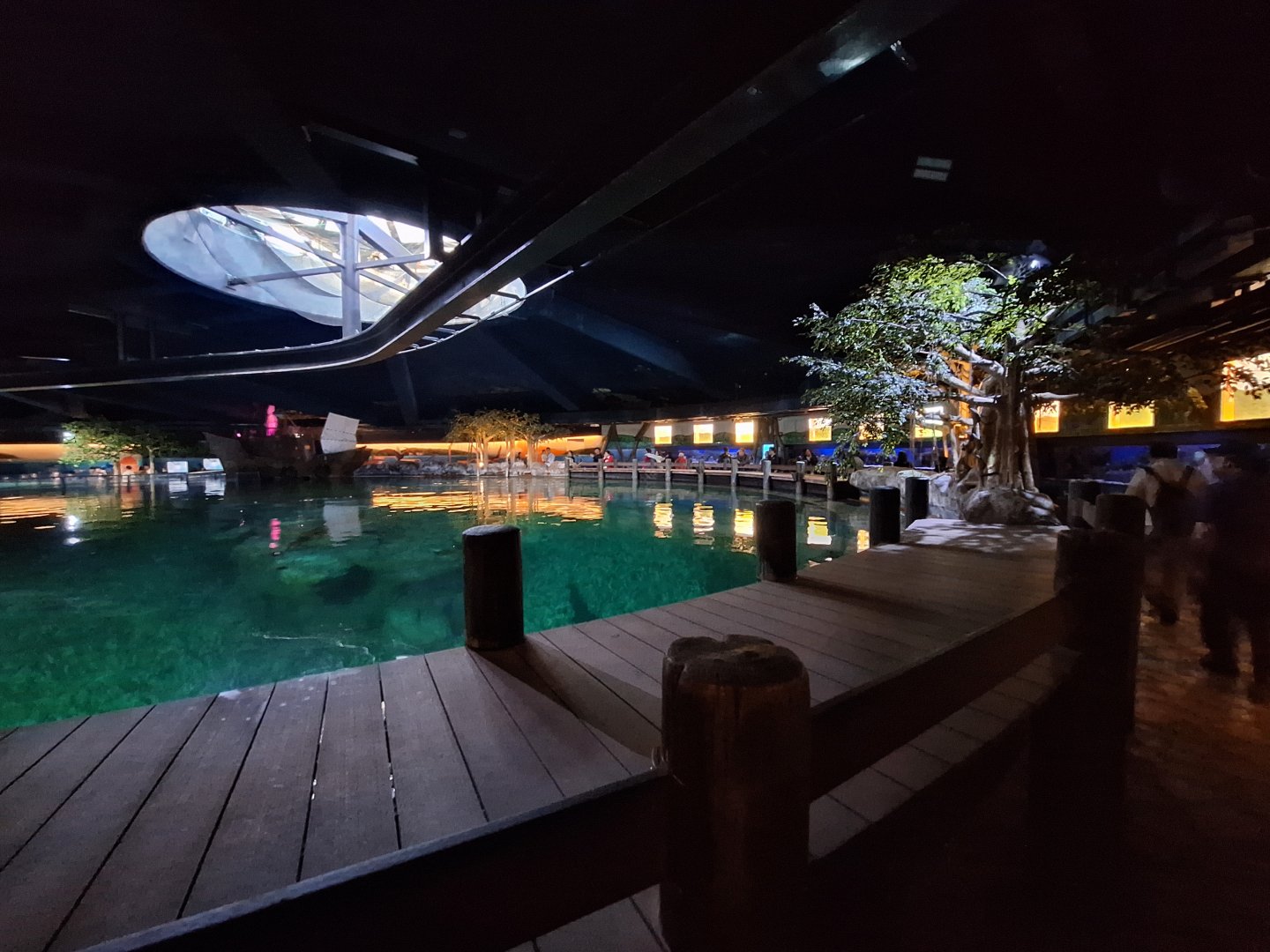
With the Yangtze River Chinese Sturgeon Aquarium unfortunately being closed, the ‘Shark Mystique’ Aquarium was the main draw on the summit side of the park. Despite being quite dark and difficult for photography inside, I did quite enjoy this area, although the lacking signage was very annoying. Upon entry, you are greeted with a view down into a pair of large open-topped main tanks, with a few small tanks for smaller fish on the surrounding walls. After making your way along the tanks, you descend into a pair of lower levels for underwater views. A somewhat standard aquarium setup, but one I found done quite effectively here. There were even a few signs urging against the consumption of shark fin soup


The midday strawberry Hello Panda pack I bought from one of the gift stores apparently were not sufficiently filling, so I grabbed some spicy hake fish balls from a vendor, which I enjoyed before entering the rather standard tropics building, the rainforest expedition trail.

upload_2025-11-26_0-52-19.jpeg
Spicy Fish Balls- not really that spicy to me but a nice snack


After a generic greenhouse room with some macaws were a series of terrariums and tanks for mostly common South American species, and the Ranitomeya ventrimaculata in one of the last enclosures was a fun lifer.

I had to backtrack a bit to actually find the Sea Jelly Spectacular exhibit, which was fairly small but had a couple nice species. The jelly exhibit was right next to the cable car back to the entrance portion of the park, and being nearly sunset, a huge line had formed. I just took the much faster Ocean Express tram back through the tunnel down the hill instead, giving myself enough time for the Grand Aquarium before closing.


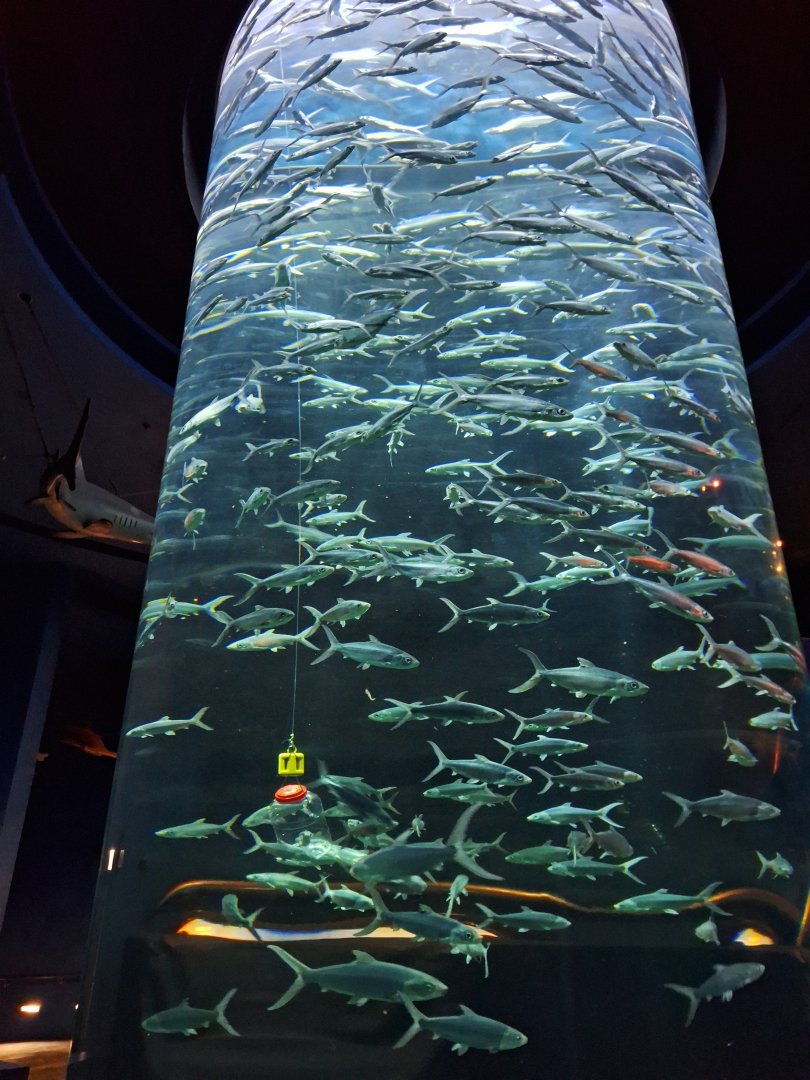
I thought the Grand Aquarium was pretty good, if not a bit small to truly be stand alone, though in the context of the park ‘Grand’ is a fine adjective. My biggest gripe with the Grand Aquarium is that the lack of signage here was by far the worst in the park. I saw a number of rare fish not known to be displayed anywhere else in captivity unsigned. The tanks here ranged from medium sized with live coral to large open-topped ones for rescued sea turtles and less large ones for smaller fish, before culminating with a large tank for Reef Manta rays and assorted schooling fish, full with a walkthrough tunnel. The presentation and entry for the Grand Aquarium are quite dramatic, and the collection is pretty good, while the exhibitry is mostly fairly standard.


Overall, Hong Kong Ocean Park is a pretty great and somewhat unique facility, albeit with a steep ticket price. The Seaworld Parks are the closest comparison I can make, and though they do share many similarities, HK Ocean Park really does feel unique for a (mostly) aquarium type facility, which is refreshing given the homogeneity that aquariums sometimes can face. Despite the frustrating lack of signage in some of the aquarium buildings, the park’s strengths, namely the excellent native-species exhibits and Sichuan Treasures are true highlights. Between the lush panda enclosures and spectacular golden snub-nosed monkeys, the educational Dive Into Local Diversity section, and the various aquariums and solid shark exhibit, and the fantastic summit views to round things out, the park does have a lot to offer.

I watched the evening fountain and lights display in the Aqua Lagoon as I headed out, taking the MTR back to my hotel in Kowloon.
 

Attachments

  • upload_2025-11-26_0-46-53.jpeg
    upload_2025-11-26_0-46-53.jpeg
    150.6 KB · Views: 1
  • upload_2025-11-26_0-52-19.jpeg
    upload_2025-11-26_0-52-19.jpeg
    150.6 KB · Views: 40
Last edited:
@CMP, zootierliste lists the Rainforest Complex as housing rarities such as the Emerald Toucanet and Ivory-billed Aracari. May I ask if these were signed, or if any of these were indeed found anywhere else in the zoo?
 
Back
Top