Cotswold Wildlife Park and Gardens Cotswold Wildlife Park & Gardens 2022

If this is to be passed, then multiple rainforest-houses nation over would find themselves in a curious situation!
Red-crested Turacos in with Victoria's Crowned Pigeons etcetc..
Yes indeed - aviaries, butterfly houses, desert houses, tropical houses, aquariums, duck ponds and there is no actual definition of what they mean by 'exhibit', which could mean one cage or a whole house. The consultation period is now closed. It is surprising how much support and/or lack of interest these (proposed) changes produced. Many contributors simply focussed on tethering of birds-of-prey or touch-pools for example; both of which were equally poorly defined and ignored the rest, which bans a variety of practices, including natural pools, lakes and streams in animal enclosures which cannot now be fed by harvested, or 'run-off' water. It is all there in their 180 page 'consultation' document.
 
Last edited:
That sounds lovely. It will be interesting see what happens in our zoos in general, if (when!) the new SSSMZP are adopted. These ban the housing of species from different continents in mixed exhibits - because this is an educational no-no, apparently...
Another (hidden?) effect of these changes which have been so warmly supported elsewhere on this forum!

I tried finding this in the consultation document, but failed, what section are you referring to?
 
That sounds lovely. It will be interesting see what happens in our zoos in general, if (when!) the new SSSMZP are adopted. These ban the housing of species from different continents in mixed exhibits - because this is an educational no-no, apparently...
Another (hidden?) effect of these changes which have been so warmly supported elsewhere on this forum!

I have gone through the document again carefully and nowhere does it say this. There are several sentences referring to mixed-species exhibits where you might have gone wrong though:

5.4 Mixed species exhibits must be constructed based on available evidence for appropriate mixing. Consideration must be given to the compatibility of species being mixed.

5.5 In mixed species exhibits, care must be taken to make sure that the species held do not pose a disease risk to one another.

For vivaria:

1.3.65 The licence holder must be able to meet all the environmental needs stated in the Environmental Management Plan for each species and individual cohabiting in the same vivaria

https://www.bva.co.uk/media/4485/standards-of-modern-zoo-practice-for-great-britain.pdf

Appropriate mixing and compatibility of the species does not imply banning mixes from different locations. You cannot make stuff up and then scare others like you do with the runoff story too, where you show ignorance of how hydrology works and clearly misinterpret what is written. Continent or various forms of the word geographical are not even mentioned in the text. Nor does the education section cover anything similar to what you imply.

The only mix with species from different continents that is explicitly banned is that of African and Asian elephants, but that has a different reason.
 
I have gone through the document again carefully and nowhere does it say this. There are several sentences referring to mixed-species exhibits where you might have gone wrong though:


https://www.bva.co.uk/media/4485/standards-of-modern-zoo-practice-for-great-britain.pdf

Appropriate mixing and compatibility of the species does not imply banning mixes from different locations. You cannot make stuff up and then scare others like you do with the runoff story too, where you show ignorance of how hydrology works and clearly misinterpret what is written. Continent or various forms of the word geographical are not even mentioned in the text. Nor does the education section cover anything similar to what you imply.

The only mix with species from different continents that is explicitly banned is that of African and Asian elephants, but that has a different reason.

Good news there thanks for checking - some very well thought out mixed exhibits bring a lot of pleasure at CWP.
 
1/ very impressed with new Skeletons , skulls and scats exhibit in old brass rubbings centre / bar.
2/ Two Black and White Colobus born on 5th and 15th June now making an appearance. Brilliant white in colour.
3/ New Lion House progressing well.
 
Up at CWP today - very warm and very busy (the whole car park field was full) but lots of animal activity and the gardens were looking absolutely beautiful.

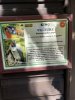
The new King Vulture mentioned above was a real treat to see. Info picture from the enclosure attached

The coppery titi monkeys near the walkthrough have had a youngster and they were very active in showing off the new arrival. Another successful birth for CWP this year. Great to see.

Lots of Pallas cat activity with the kittens very keen to see dad in the next enclosure at feeding time.

There were some birds from the Cotswold falconry centre being displayed and flown near the house today. One falcon had flown off and not come back but they were throwing the lure around a lot hopeful it would return - hope that works out ok.

The wolf enclosure through route has reopened after its long closure due to the avian flu risk so you can now see the flamingoes and pelicans in their lake, go to the wolves via both routes, or complete a circuit without turning back which is nice. Some of the rare ducks were back out but the geese were not out in the lake area. Great to be able to use the lovely benches near the flamingo lake again.
 

Attachments

  • 0BCF12ED-B565-4FC1-A364-6EDA9ED73942.jpeg
    0BCF12ED-B565-4FC1-A364-6EDA9ED73942.jpeg
    94.2 KB · Views: 8
Up at CWP today - not many visitors and the weather forecast was for rain and thunderstorms but it turned out bright and pretty warm. There was an announced minutes silence for the Queen at 11 which seemed well observed.

The end of the really hot weather made for a lot of animal activity with all the youngsters from Colobus through Lemurs and coppery titi monkeys to the zebra visible. There were also several wild herons visiting the lake.

Lots of work going on in the gardens which look brilliant at the moment, particularly when you consider the heatwave.

The masked lapwings that were near the otters have moved to the aviary with the Bali starlings and magpies and the kookabura now have the whole of that aviary section to themselves. In addition there are now at least four sacred ibis in the Madagascar walkthrough where they are free flying which made for some exciting overhead swooping.
 
@Lafone Did you see the baby Giant anteater? I was meaning to go down for the last couple of weeks, but thought it would be too busy.

Sadly not this time though I went back a couple of times. I caught a very brief sighting last time but no angle for a picture or even to say I’ve seen it properly. This time I was the only one at the enclosure every time I went so perhaps it wasn’t enough audience!

The other one further down opposite the capybara was out and about though (of course).

It’s not been too bad over the school holidays actually as people spread out pretty well - today was more like it is in winter!
 
Does Troy the Brazilian Tapir still reside at Cotsworld Wildlife Park? Troy was born at Longleat Safari Park in the early to mid noughtys. Troy’s Parents were the late Jethro and his partner Jessie. Jessie still lives at Longleat despite being elderly. There’s currently no male Tapirs at Longleat although Jessie has a younger female friend called Tallulah. Tallulah was born at Dudley Zoo.
 
I believe the tapirs are Gomez and his daughter Lolita who was born at CWP. I think Gomez was born at Longleat but someone would need to confirm.
 
Went to Cotswold yesterday afternoon on the way back from all things wild - anteater was active which was excellent to see and most of the animals were out on a surprisingly warm day.

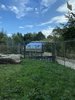
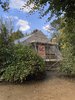
New lion house is coming along nicely - couple of phone pics below showing how it looks from the main enclosure window and then the edge of the house itself.

Pelicans and all the different geese and ducks were back out on the lake which was lovely to see and enjoy at feeding time. A red breasted gosling was with them which I hadn’t seen before.

The hanging parrot aviary on the first left as you go into the area from the car park is now empty and marked as under development.

Noticed on the zoo’s Facebook page that they are recruiting for another full time gardener - the gardens are amazing so must be a great team to join. Having new people join the team hopefully shows CWP is in a good place.
 

Attachments

  • DC5E3DED-7640-4AA2-9B1D-3D4CA59364DE.jpeg
    DC5E3DED-7640-4AA2-9B1D-3D4CA59364DE.jpeg
    132.4 KB · Views: 11
  • ADDB9438-DDE4-4286-9838-B81AB7770412.jpeg
    ADDB9438-DDE4-4286-9838-B81AB7770412.jpeg
    174.5 KB · Views: 10
Cotswold Wildlife Park are celebrating an outstanding 2022 breeding season, with over 350 births from 50 different species so far this year.

Animals mentioned include (I know many have been mentioned, but I will put them all here as one list):
- A giant anteater pup (the third for the park, and the first since 2016)
- A female Bactrian camel
- Colobus monkeys
- Titi monkeys
- Cottontop tamarins
- Dwarf mongooses
- Naked mole-rats
- Greater bamboo lemur
- Crowned lemur (recently giving birth to twins)
- A record 33 white storks reared for reintroduction to Sussex
- African straw-coloured fruit bats
- Dyeing poison-dart frogs
- Black-tailed prairie dogs
- Binturong triplets
- Parma wallabies
- Gundis
- Black-cheeked lovebirds
- Pallas's cats
- White rhinoceros calf 'Queenie'

In additional notes, since the park's lemur exhibit 'Madagascar' opened in 2008, there have been 69 lemur breeding successes at the park, including five greater bamboo lemurs.

An article about the births can be seen here:
Cotswold Wildlife Park celebrates an outstanding breeding season with rare new arrivals : Cotswold Wildlife Park and Gardens
 
Cotswold Wildlife Park are celebrating an outstanding 2022 breeding season, with over 350 births from 50 different species so far this year.

Animals mentioned include (I know many have been mentioned, but I will put them all here as one list):
- A giant anteater pup (the third for the park, and the first since 2016)
- A female Bactrian camel
- Colobus monkeys
- Titi monkeys
- Cottontop tamarins
- Dwarf mongooses
- Naked mole-rats
- Greater bamboo lemur
- Crowned lemur (recently giving birth to twins)
- A record 33 white storks reared for reintroduction to Sussex
- African straw-coloured fruit bats
- Dyeing poison-dart frogs
- Black-tailed prairie dogs
- Binturong triplets
- Parma wallabies
- Gundis
- Black-cheeked lovebirds
- Pallas's cats
- White rhinoceros calf 'Queenie'

In additional notes, since the park's lemur exhibit 'Madagascar' opened in 2008, there have been 69 lemur breeding successes at the park, including five greater bamboo lemurs.

An article about the births can be seen here:
Cotswold Wildlife Park celebrates an outstanding breeding season with rare new arrivals : Cotswold Wildlife Park and Gardens
An incredible year for sure, hoping they can keep up this streak for years to come.
 
Cotswold Wildlife Park are celebrating an outstanding 2022 breeding season, with over 350 births from 50 different species so far this year.

Animals mentioned include (I know many have been mentioned, but I will put them all here as one list):
- A giant anteater pup (the third for the park, and the first since 2016)
- A female Bactrian camel
- Colobus monkeys
- Titi monkeys
- Cottontop tamarins
- Dwarf mongooses
- Naked mole-rats
- Greater bamboo lemur
- Crowned lemur (recently giving birth to twins)
- A record 33 white storks reared for reintroduction to Sussex
- African straw-coloured fruit bats
- Dyeing poison-dart frogs
- Black-tailed prairie dogs
- Binturong triplets
- Parma wallabies
- Gundis
- Black-cheeked lovebirds
- Pallas's cats
- White rhinoceros calf 'Queenie'

In additional notes, since the park's lemur exhibit 'Madagascar' opened in 2008, there have been 69 lemur breeding successes at the park, including five greater bamboo lemurs.

An article about the births can be seen here:
Cotswold Wildlife Park celebrates an outstanding breeding season with rare new arrivals : Cotswold Wildlife Park and Gardens

Great year indeed - it’s been awesome to have been able to see all the different new arrivals including some not specifically mentioned above such as the spotted laughing thrushes. Awesome stuff.
 
Back
Top