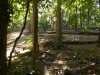
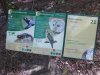
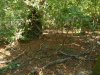
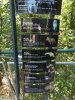
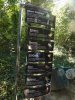
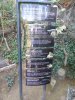
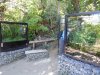
I don't have my photographs from more recent visits to Vienna in 2023 and 2024 on this laptop right now, and will root out the relevant external hard drive tomorrow in case I can find better shots, but for now these images from my September 2022 visit should suffice in illustrating just
how good the woodland area of Tiergarten Schönbrunn is, and why the collection deserves the win for this category:
Eurasian Wolf
This exhibit is large, located within dense mature woodland, and is very well-suited for the breeding group of wolves held within.
As suggested by
@Kalaw , it isn't
quite as large as the Beauval exhibit at 2,800m² (as opposed to 7,500m² if the bear and wolf mix at the French collection is indeed still extant, and 3,000m² if the wolf exhibit is restricted to the area indicated by the Beauval map) but I think it is better for the inhabitants overall.

 Ural Owl
I would argue that few exhibits for a native owl species get better than this one - rather than overcomplicating matters, the aviary merely comprises a large area of the existing woodland fenced off, meshed-over and supplemented by nestboxes. One of the more interesting aspects of this exhibit is that it is actually a mixed-exhibit for Ural Owl and Fire Salamander, as indicated by the educational signage - it contains a colony of the latter species, which can be seen with a
lot of luck and patience (and which I suspect may have been present prior to the exhibit being built!)
The other important aspect of this particular exhibit which I feel requires particular attention is the fact that it is integral to the ongoing conservation and reintroduction programme for Ural Owl in the extensive forests located to the west of Vienna - all of the Ural Owls bred at the zoo are released into the wild within the Wienerwald and Lainzer Tiergarten.

 Common Raven
I don't have any decent photographs of this aviary, which is located on the opposite side of the visitor path from the Ural Owl aviary and follows more-or-less the same general design ethic, being an area of fenced/meshed-over woodland.
Honey Bee
Depicted pretty well in the photograph already cited by
@Kalaw - image attachment limits preclude me from posting any of the (copious) informational signage which is present within this exhibit.
Eurasian Lynx
Again, where my 2022 photographs are concerned I don't have many decent shots of the Lynx exhibit and will check my 2023 and 2024 photographs anon - for now, this shot should suffice in demonstrating the full use of the vegetation and mature woodland available in creating a fairly simple but extremely good exhibit for the species at hand. At a rough guess I would estimate this exhibit is about the same size as the previously-depicted wolf exhibit.
 Educational displays
Beyond the Tirolerhof and surrounding domestic exhibits, the public footpath extends through a pleasant expanse of forest which is dotted with a wide variety of signs discussing the native species which occur wild within the forest, the species of trees which comprise the forest itself, the conservation work undertaken to maintain the native forest and woodland habitats in the area, along with several other related subjects. Although not directly related to captive animal husbandry, I would nonetheless aver that these educational exhibits are an intrinsic part of why this segment of Tiergarten Schönbrunn is so good. The following are a small selection of the signs visible within this area.


Terraria
The final segment of the woodland exhibit complex, at the end of the "forest walk" area, comprises a series of large terraria for a range of reptiles and amphibians native to the area, including fire salamander, alpine newt, Italian crested newt, yellow-bellied toad, adder, green toad and western green lizard, along with a variety of informational signage (similar in design to those located within the "forest walk") discussing these species along with other reptiles and amphibians native to Austria, including several occurring wild within the grounds of the zoo.


----
As noted, tomorrow I will attempt to find better photographs to fill the gaps I have left - and also cover the category-specific exhibits elsewhere in the zoo - but for now I hope I have provided a decent starting point for people to consider the strengths of Vienna within this category, using the woodland exhibit complex as a starting-point


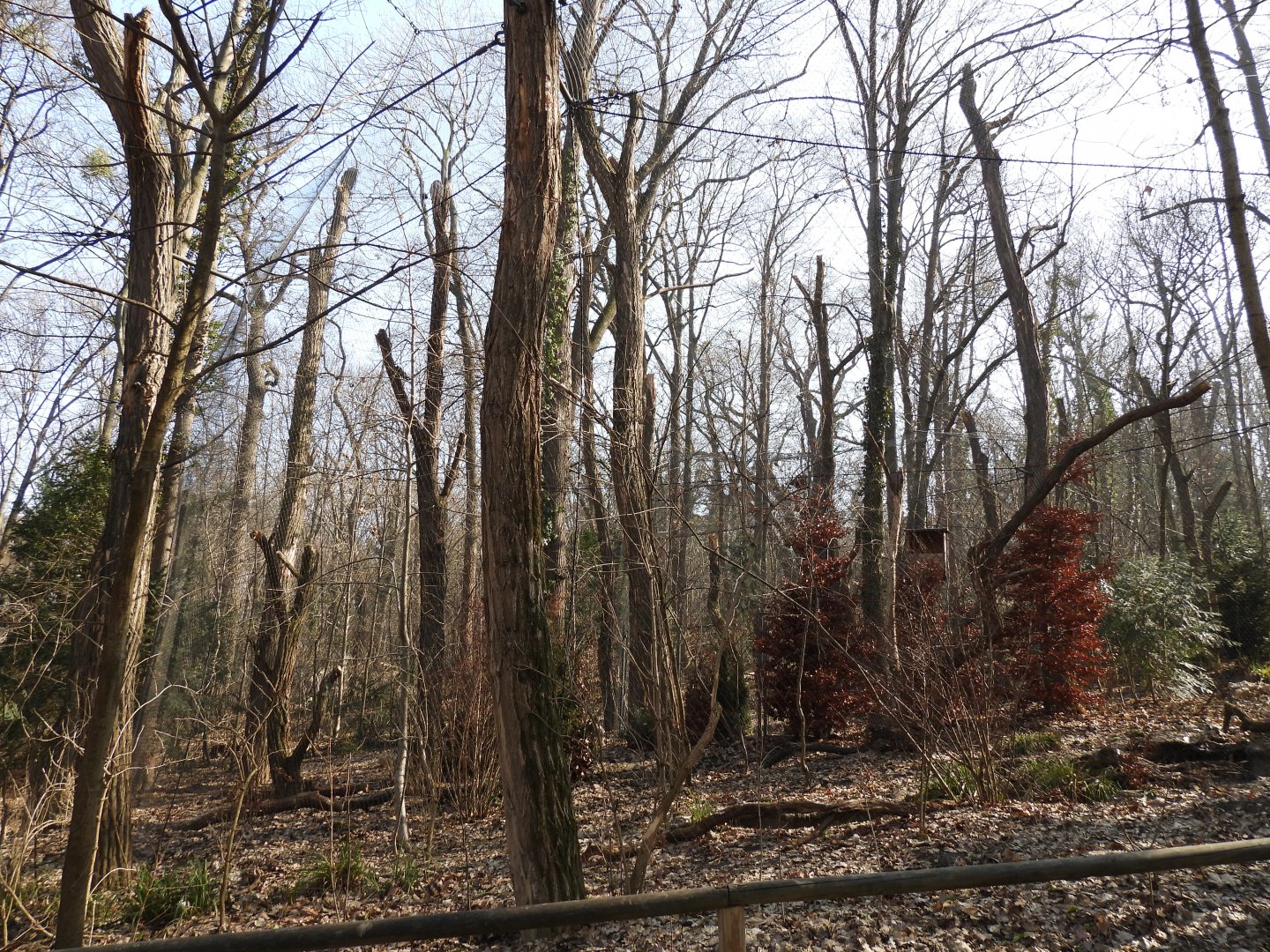


 I mean it's not often you see two large predators (with one of them living in large groups) in one enclosure!
 and I can think of at least a dozen others throughout Europe.