From the perspective of people from overseas, what are the rare creatures in Japanese zoos?

Some rare mammals kept in Japan:
Tasmanian Devil at Tama Zoo
Quokka at Saitama Children's Zoo
African Manatee at Toba Aquarium
Dugong at Toba Aquarium
Amazonian Manatee at Attagawa Tropical and Alligator Garden
Johnston's Wildebeest at Izu Animal Kingdom
Long-tailed Goral at Kyoto City Zoo
Douc Langur at Zoorasia and Shunan Zoo
Proboscis Monkey at Zoorasia
Purple-faced langur at Chiba Zoo
Golden Snub-nosed Monkey at Kumamoto Zoo
Yellow Baboon at Hamamatsu Zoo
Moor Macaque at Tobe Zoo
Formosan Macaque at Kuragaike Park and Tobe Zoo
Eastern Bamboo Lemur at Ueno Zoo
Bearded Saki at Higashiyama Zoo

Thanks for listing it!
Just a couple of things I'd like to point out
The gnu at Izu Animal Kingdom is an eastern white-bearded wildebeest, so it is not rare!
Also, the Eastern Bamboo Lemur at the Ueno Zoo died just recently.
 
Although late to the party, welcome to Zoochat @Veno ! Hope you have a great time here.
I consider rare a moltitude of animals present in Japan zoos, like endemic fauna, cetaceans, a lot of fish and aquatic invertebrate species, forest elephant, some Galapagos species, pinnipeds, sirenids, galago, quokka and some chinese species
 
I'm planning a trip to Japan for next year, which includes the areas of Tokyo, Yokohama, Kobe... It's incredible how many rare species there are in such a small área...
 
if this is a pure zoo trip may I ask why you might be going to Kobe? Other than Tibetan blue bear (Oji), striped possum, and miyako grass lizard (latter two being kept in Kobe Animal Kingdom) I don't see a reason why you would want to visit those zoos. Oji is terribly outdatd with a amusement park that is taking up space like a tumor, and KAK (as much as I like it) is a below average zoo despite the fact that it does not have the same constraints a municipal zoo faces which happens to make questionable decisions.
 
if this is a pure zoo trip may I ask why you might be going to Kobe? Other than Tibetan blue bear (Oji), striped possum, and miyako grass lizard (latter two being kept in Kobe Animal Kingdom) I don't see a reason why you would want to visit those zoos. Oji is terribly outdatd with a amusement park that is taking up space like a tumor, and KAK (as much as I like it) is a below average zoo despite the fact that it does not have the same constraints a municipal zoo faces which happens to make questionable decisions.
As if a Striped Possum isn't reason enough.
 
if this is a pure zoo trip may I ask why you might be going to Kobe? Other than Tibetan blue bear (Oji), striped possum, and miyako grass lizard (latter two being kept in Kobe Animal Kingdom) I don't see a reason why you would want to visit those zoos. Oji is terribly outdatd with a amusement park that is taking up space like a tumor, and KAK (as much as I like it) is a below average zoo despite the fact that it does not have the same constraints a municipal zoo faces which happens to make questionable decisions.
Well, being able to see those species is reason enough, but that área also interests me for other reasons, since I travel not only to see zoos but also for normal tourism. Kobe is very close to Osaka, which I must visit no matter what, so it's not a big sacrifice.
 
I actually visited both Kobe Animal Kingdom and Ōji Zoo today. They can be easily combined. It's also easily accessible by public transport from Osaka. Striped possum, Tibetan blue bear, miyako grass lizard, Javan slow loris, etc. can all be seen without too many problems. As you will probably be staying in Osaka, I also recommend Osaka aquarium Kaiyukan (obviously) and Lake Biwa museum. The latter is a tiny aquarium but has a lot of endemics that cannot be seen anywhere else in the world, not even in Japan itself.

Sidenote: what is said about Ōji Zoo is correct, it breaks a zoo fan's heart to see this place. Extremely outdated, small and dirty.
 
To add some species that are rare in captivity that can be found in Japan, here are some examples I saw myself over the past weeks:
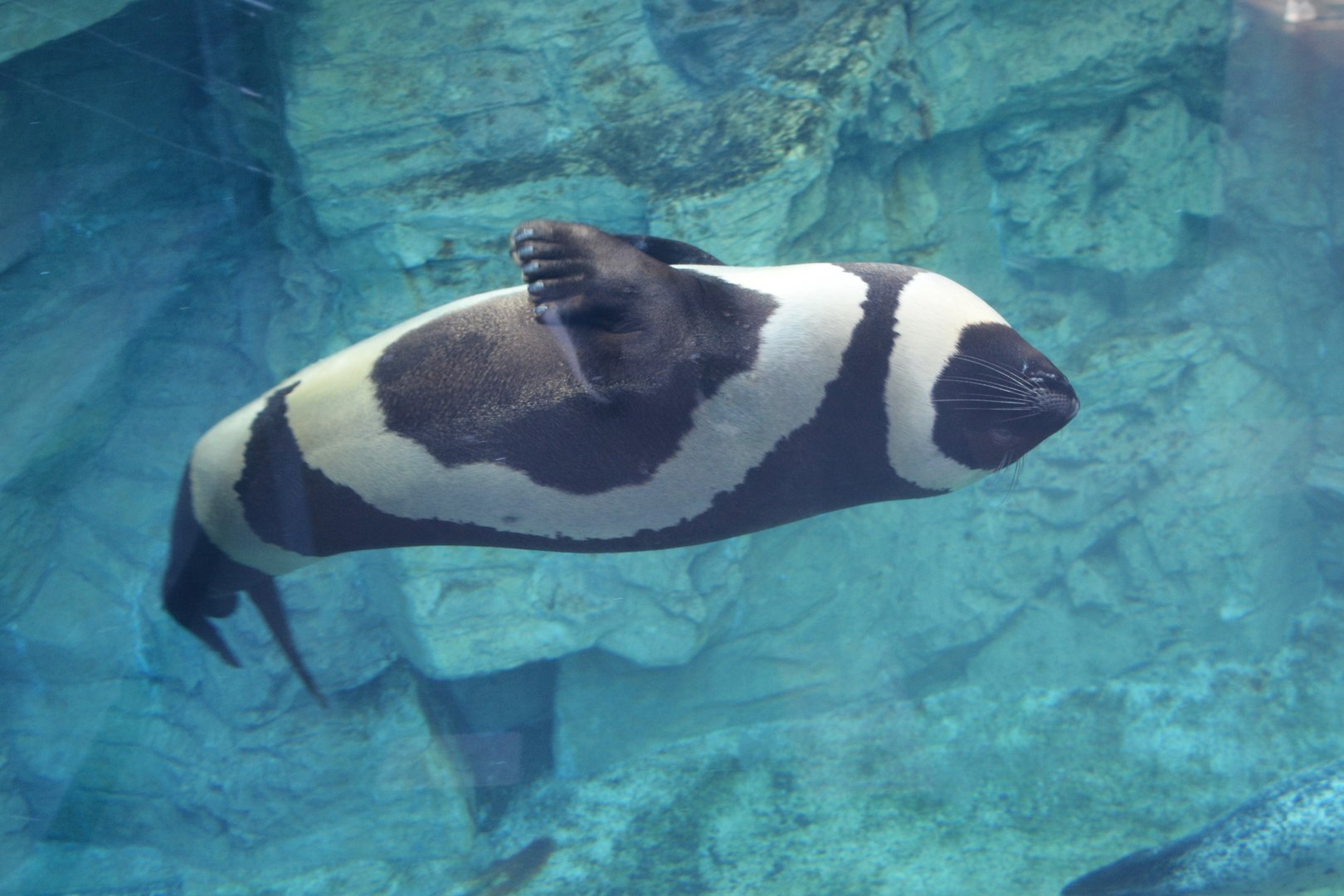
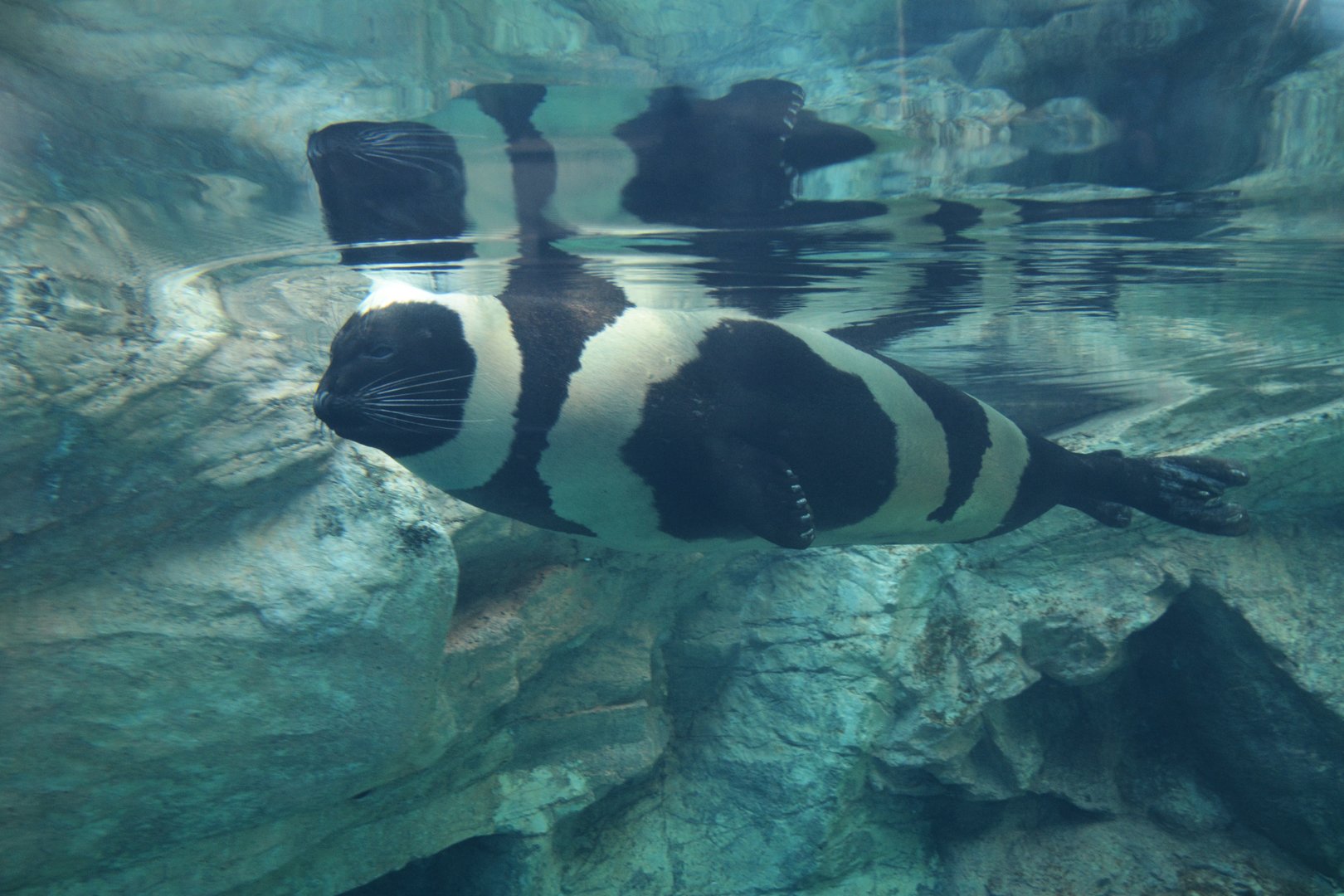
- Ribbon seal
- Indo-Pacific sailfish
- Indonesian whaler shark
- Naru eagle ray
- Minipizza batfish
- Lidth's jay
- Great slaty woodpecker
- Necklace carpetshark
- Smooth hammerhead shark
- Crested argus
- Goliath imperial pigeon
- Gollum snakehead
- Dwarf sawfish
- Cinder cloudy catshark (described in 2022)
- Abbott's gibbon
- East Asian finless porpoise
- Commerson’s dolphin
- Sharpnose stingray
- Chinese bamboo rat
- Grey woolly monkey
- Gymnelopsis ocellata
 
To add some species that are rare in captivity that can be found in Japan, here are some examples I saw myself over the past weeks:
- Ribbon seal
- Indo-Pacific sailfish
- Indonesian whaler shark
- Naru eagle ray
- Minipizza batfish
- Lidth's jay
- Great slaty woodpecker
- Necklace carpetshark
- Smooth hammerhead shark
- Crested argus
- Goliath imperial pigeon
- Gollum snakehead
- Dwarf sawfish
- Cinder cloudy catshark (described in 2022)
- Abbott's gibbon
- East Asian finless porpoise
- Commerson’s dolphin
- Sharpnose stingray
- Chinese bamboo rat
- Grey woolly monkey
- Gymnelopsis ocellata
do you have any photos of the ribbon seal? would be very nice to have a live individual in zc gallery
 
Done. A very, very difficult species to photograph in Fukushima honestly.

Excellent; when I get around to updating the various carnivoran photographic guides I shall have to include one of these shots :)
 
Is this because of the speed of the seal or because of exhibit layout/visibility?
It's mostly because of the horrible reflection in combination with its speed. She is far easier to photograph on the land, but she refused to come out of the water all day long, even when the zookeepers tried luring it onto land with food. Stubborn little thing, but it stole my heart :)
 
  • Like
Reactions: CMP
Some years ago (2018 if I remember well) I was in Japanese zootrip fever (I was unable to make that dream reality). What I remember from these old years (maybe some animals have deceased since then) are most notably:

-The only African forest elephants outside native range
-Golden snub-nosed monkeys
-Crested argus pheasants
-African and Amazonian manatees, and Dugong
-Teporingo or Volcano rabbit
-A facility near Tokyo displaying deepwater/abyssal creatures
-There is also one with the biggest alive jellyfish collection of the world

But overall, Japan is the PARADISE for cetacean lovers. Tons of dreamed species held here in captivity and this was the main reason of my planning to try to travel here. Especially at Okinawa-Churaumi aquarium. This and other Japanese facilities hold nothing less than finless porpoises, Commerson's dolphins, false killer whales and rough-toothed dolphins!!
 
-Teporingo or Volcano rabbit
The last one passed away this year. The park would like to get new ones in the future though, but it's not easy. The other species are all still present. I saw the African forest elephants with my own eyes just hours ago.
But overall, Japan is the PARADISE for cetacean lovers. Tons of dreamed species held here in captivity and this was the main reason of my planning to try to travel here. Especially at Okinawa-Churaumi aquarium. This and other Japanese facilities hold nothing less than finless porpoises, Commerson's dolphins, false killer whales and rough-toothed dolphins!!
Depending on how far you want to take it, there are also parks like the Taiji whale museum that have a lot more rare cetaceans like striped dolphins. This is however a very controversial place and topic, given the history of how these poor creatures ended up there. I recommend you to 'consider your moral compass' before you ever plan on going here.
 
Depending on how far you want to take it, there are also parks like the Taiji whale museum that have a lot more rare cetaceans like striped dolphins. This is however a very controversial place and topic, given the history of how these poor creatures ended up there. I recommend you to 'consider your moral compass' before you ever plan on going here.
Even if we're avoiding Taiji, there are still a lot of issue surrounding cetaceans in general, especially when in most japanese aquarium they're still being use as show animals and in a smaller environment. Japan is not a good place in term of animal environment (was trying to avoid the term of "animal welfare", can't think of the better word for now)
 
I think Japan is pretty hit or miss, great diversity of species and rarities, but ok to poor animal life quality (with some exceptions), ethics and ways of getting them; can't blame them for lack of options though, if an animal is never captured you'll never see it in captivity, and this comes down to every own individual if they want to see the animal in the flesh in the wild or not
 
Back
Top