ZSL London Zoo Has the potential of the Casson been understated since the Elephants and Rhinos left

Strathmorezoo

Well-Known Member
In my opinion I think that it.has, no disrespect to the species that has been housed there. I wonder if the Gorillas could have been housed there?,the site certainly looks large enough. It would then have allowed the monkey pavilions to have been redeveloped and species retained
 
Like many older zoo buildings, it is a huge area, but so much of it is devoted to redundant guest areas, and the stables themselves are tiny. It almost feels too small for even red river hogs, and to make it big enough for gorillas would likely require the moats in front to be filled in, and a portion of the visitor area to be redeveloped for animals, which would both be extensive, and likely cause some controversy, seeing as the building is listed. The outdoor area is also likely a little too small (certainly smaller than the current gorilla enclosure), although of course that is easier to adjust.

I don't have a problem with the current selection of mammals (the Babirusa in particular are quite interesting, although I cannot help but wish they would return the Red River Hogs to Whipsnade and bring back the Malayan Tapir), and I think the best way to maximise its potential would be to create something better indoors, running with the Southeast Asian theme of that area. Perhaps some free-flying birds, or some water monitors, or a fish tank, or some callitrichids.

Zoos like Magdeburg and Colchester have managed to make the most out of their buildings by placing reptiles and birds alongside the larger mammals, which is a very space-efficient way to add more species, create more extensive exhibits and draw visitor's attention to the smaller animals. In a zoo that is as pressed for usable and functional space as London, I think this is such an easy solution that I am shocked they haven't attempted yet.

Definitely, the potential of such a large building has been understated, but not since the elephants left - rather since the building was constructed in the first place, with such gaping flaws such as the size of the stables compared to the pathway that were inevitably going to become out of date within a few years...

EDIT:
For those who haven't seen the building's interior (which was closed to the public until very recently), this photo from @Skukuza , from back when it held bearded pigs, demonstrates what I mean:

full
 
Like many older zoo buildings, it is a huge area, but so much of it is devoted to redundant guest areas, and the stables themselves are tiny. It almost feels too small for even red river hogs, and to make it big enough for gorillas would likely require the moats in front to be filled in, and a portion of the visitor area to be redeveloped for animals, which would both be extensive, and likely cause some controversy, seeing as the building is listed. The outdoor area is also likely a little too small (certainly smaller than the current gorilla enclosure), although of course that is easier to adjust.

I don't have a problem with the current selection of mammals (the Babirusa in particular are quite interesting, although I cannot help but wish they would return the Red River Hogs to Whipsnade and bring back the Malayan Tapir), and I think the best way to maximise its potential would be to create something better indoors, running with the Southeast Asian theme of that area. Perhaps some free-flying birds, or some water monitors, or a fish tank, or some callitrichids.

Zoos like Magdeburg and Colchester have managed to make the most out of their buildings by placing reptiles and birds alongside the larger mammals, which is a very space-efficient way to add more species, create more extensive exhibits and draw visitor's attention to the smaller animals. In a zoo that is as pressed for usable and functional space as London, I think this is such an easy solution that I am shocked they haven't attempted yet.
I agree, the point I was trying to make is that such a large building could be used in a better fashion
 
The current building layout has some distinct limitations as Kalaw mentioned so I think it would be better to redevelop it for a variety of species vs large single occupants.

I’d be in agreement it would be good for free flight / aviary space perhaps with a mix of callitrichids and then ground dwellers to complement. It could even make an interesting space for free flying bats and nocturnals.

As a multi species space it could make more of the layout but it still needs a lot of work and I suspect the investment to convert / try and covert the cassons is larger than it might appear. It could be a wonderful mixed species space with amazing planting vs a big bare thing though.

I feel rather excited by the idea in Kalaw’s post! But I do recognise it’s everything I would love to see and that might be why.

Making more of the space by completely changing the housing to make it suitable for larger species wouldn’t pay off imho. I’ve always thought it looks more about people than animals space wise at the moment in terms of utilisation.

It’s definitely under used either way.
 
The current building layout has some distinct limitations as Kalaw mentioned so I think it would be better to redevelop it for a variety of species vs large single occupants.

I’d be in agreement it would be good for free flight / aviary space perhaps with a mix of callitrichids and then ground dwellers to complement. It could even make an interesting space for free flying bats and nocturnals.

As a multi species space it could make more of the layout but it still needs a lot of work and I suspect the investment to convert / try and covert the cassons is larger than it might appear. It could be a wonderful mixed species space with amazing planting vs a big bare thing though.

I feel rather excited by the idea in Kalaw’s post! But I do recognise it’s everything I would love to see and that might be why.

Making more of the space by completely changing the housing to make it suitable for larger species wouldn’t pay off imho. I’ve always thought it looks more about people than animals space wise at the moment in terms of utilisation.

It’s definitely under used either way.
I hadn't thought of a free flight concept but it would certainly make use of the height which is currently wasted
 
Several European zoos made one big indoor area for animals and a much smaller visitor area near the entrance.

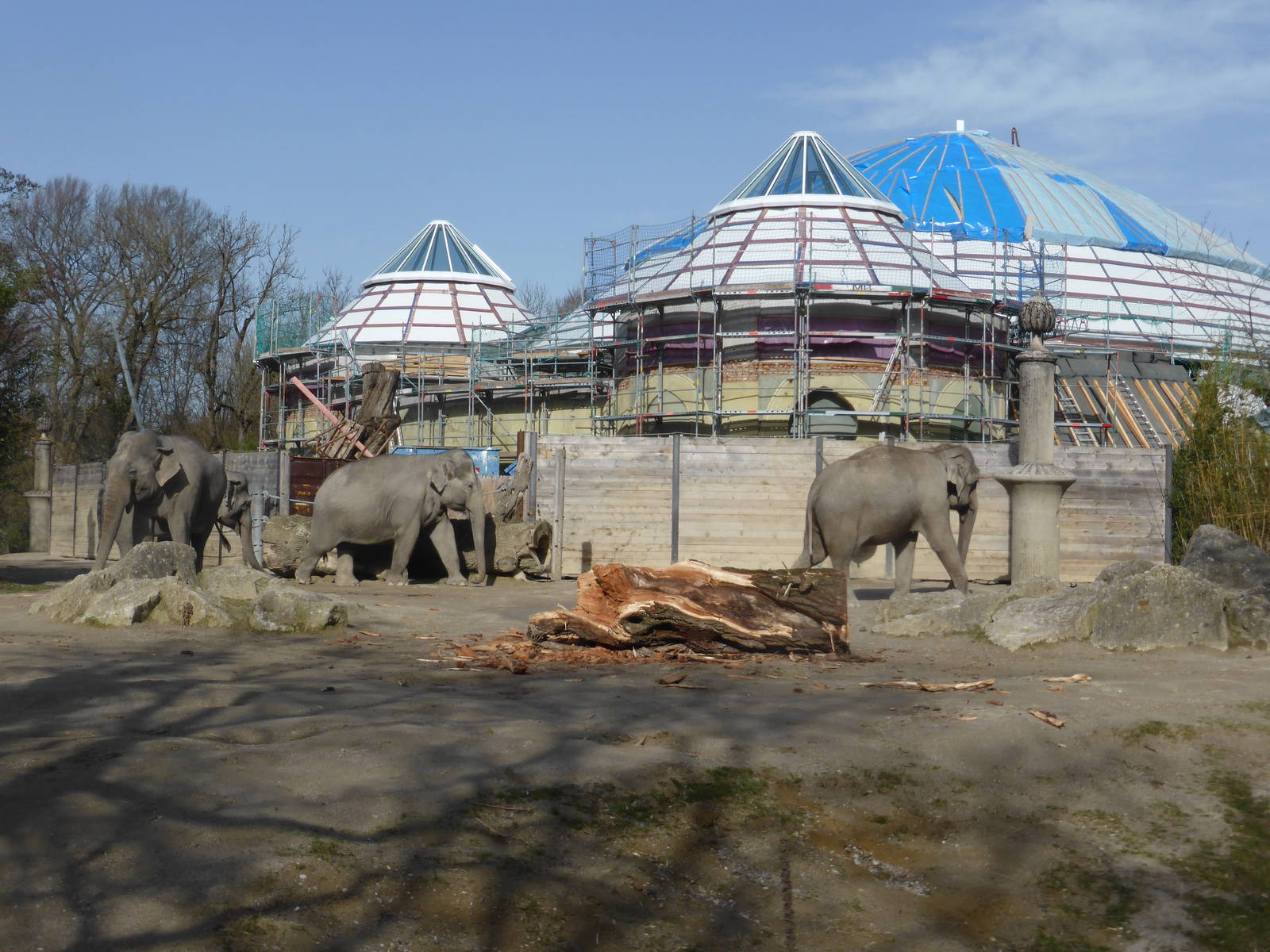
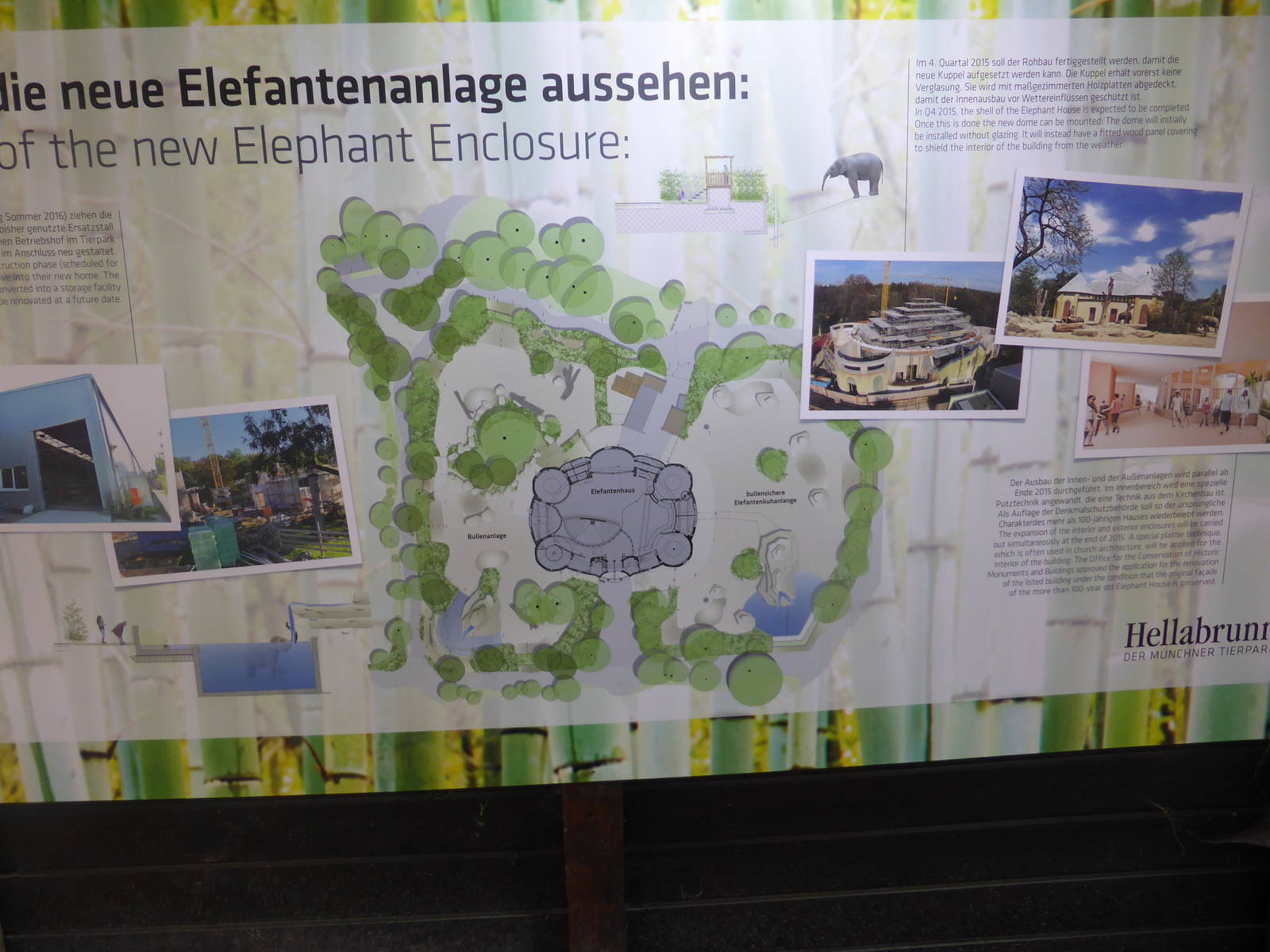
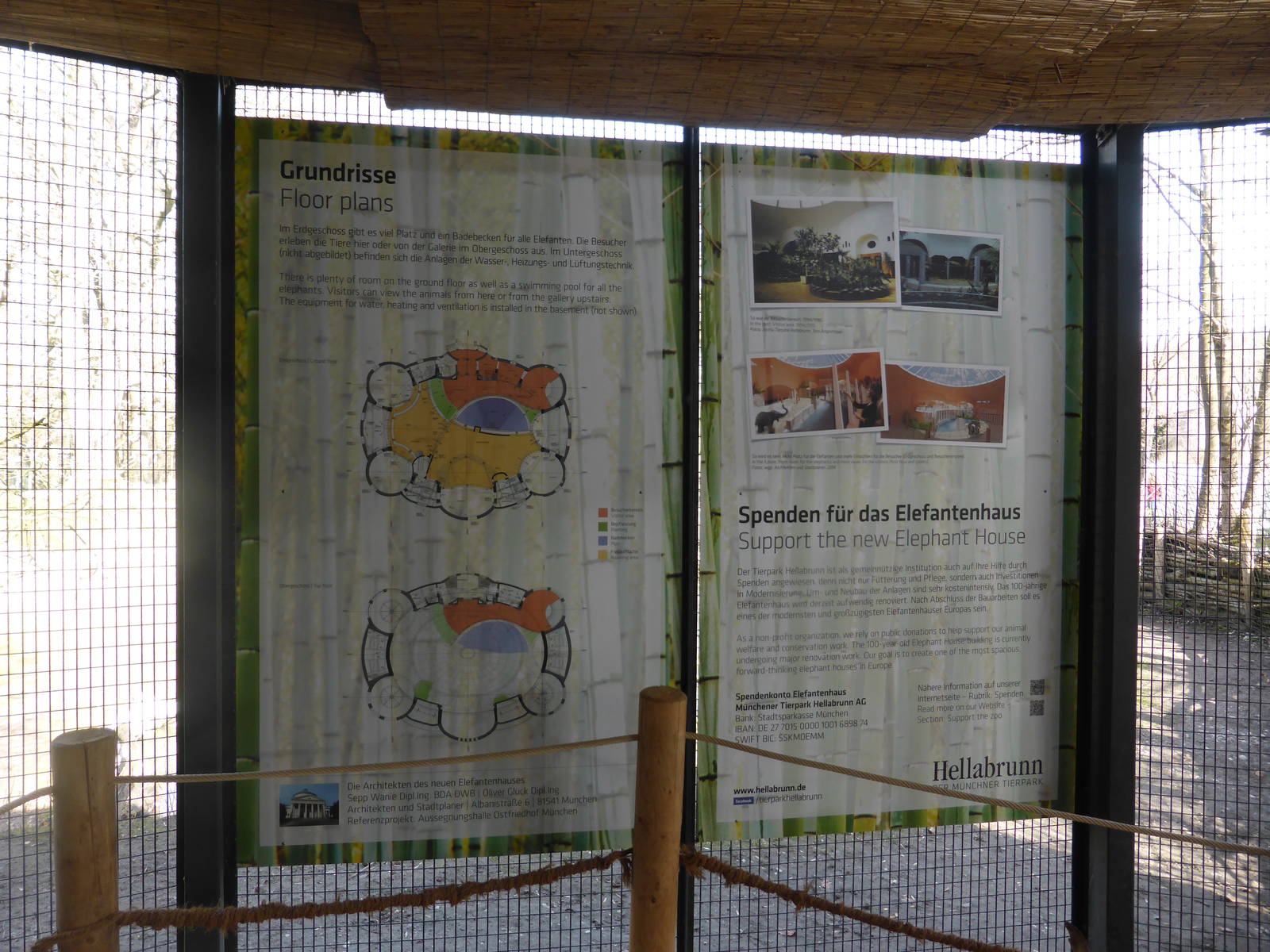
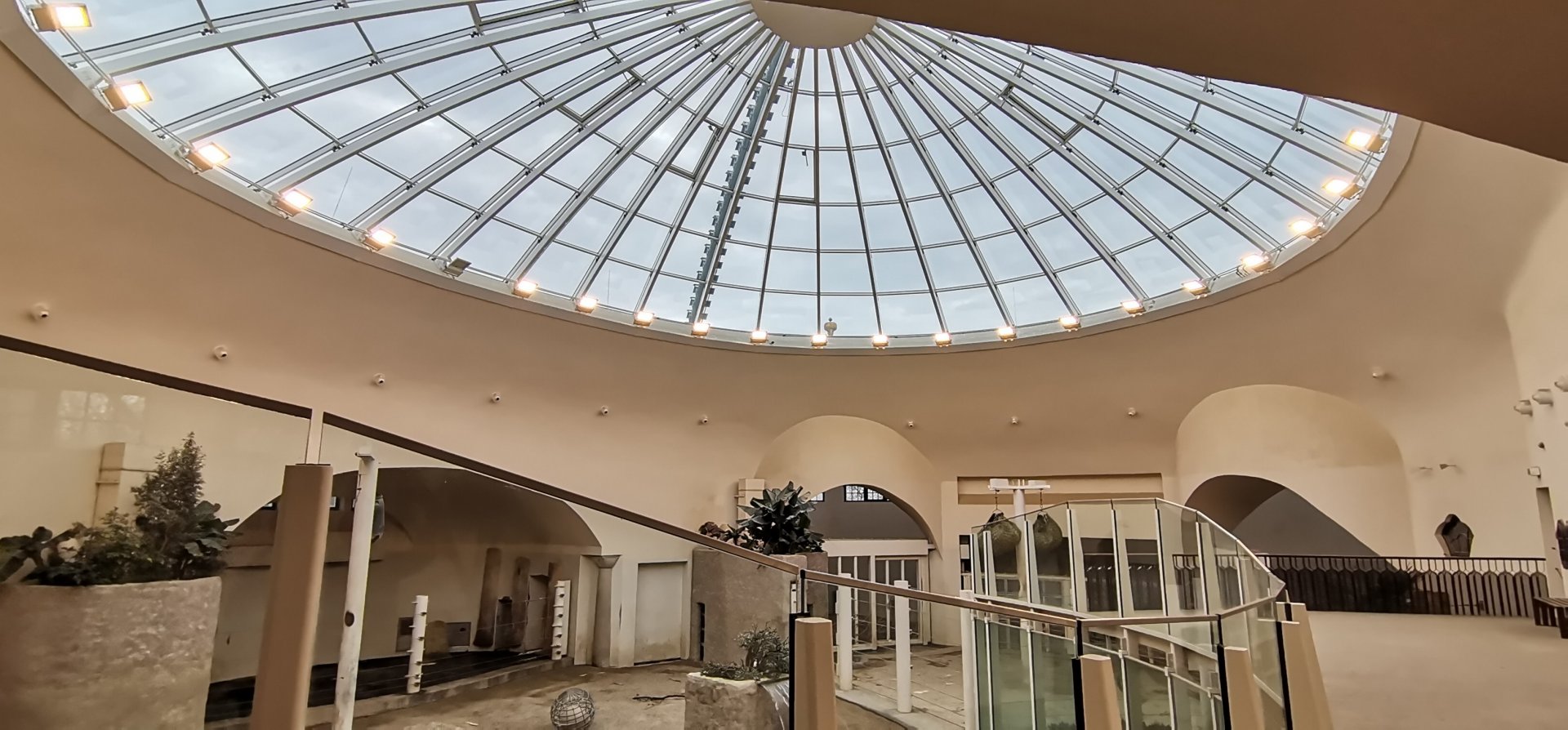
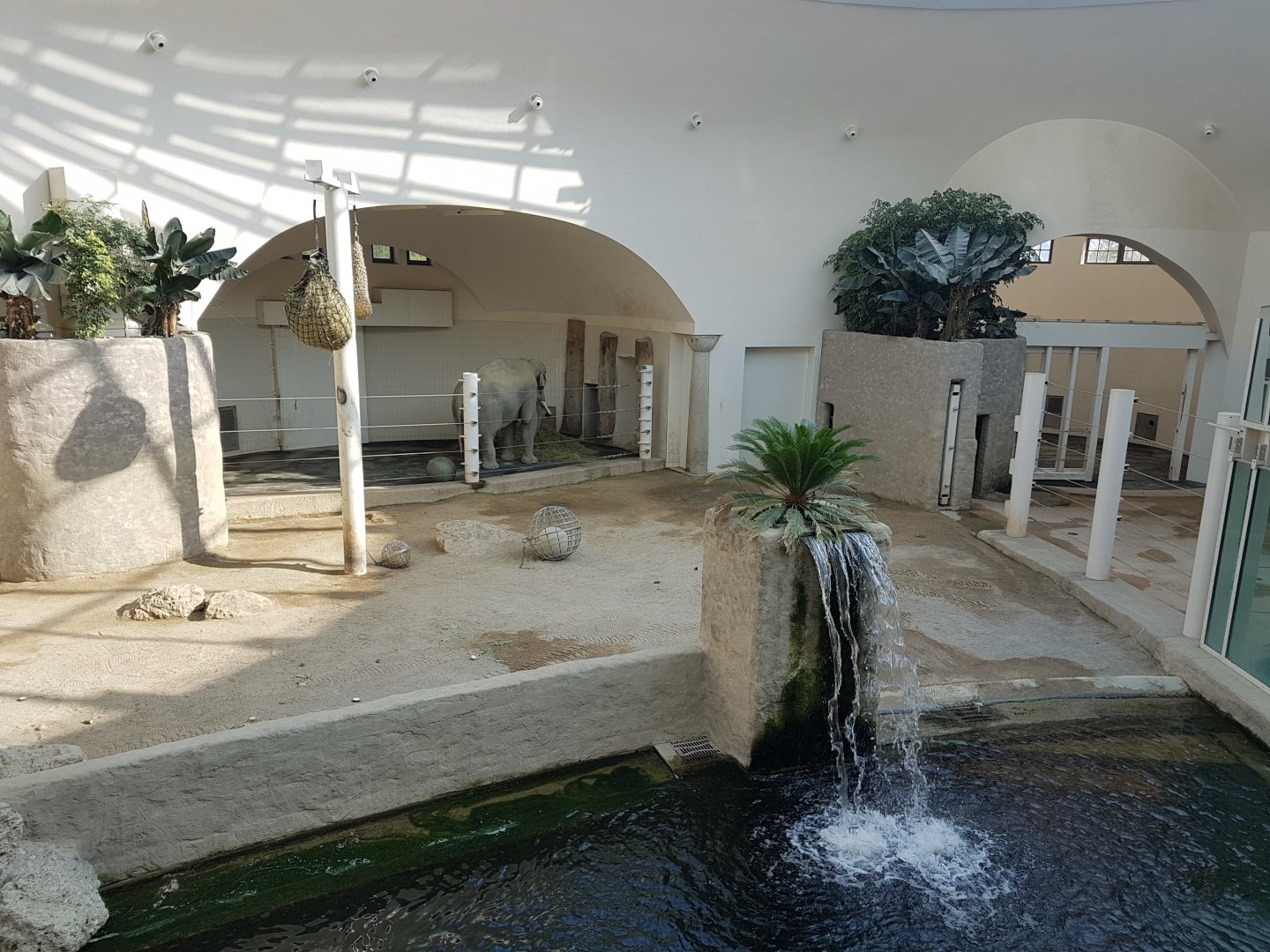
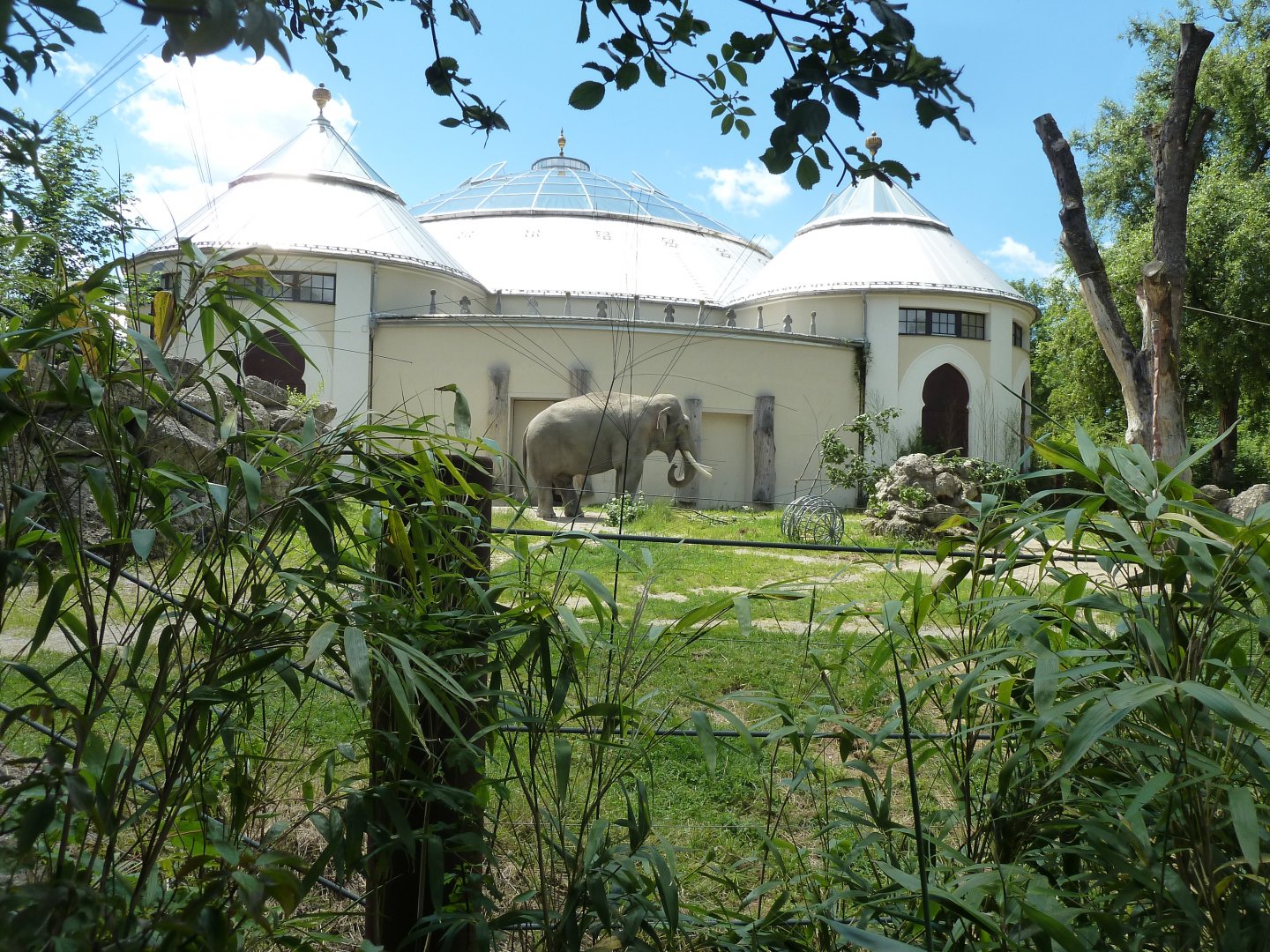
Munich Zoo has a historic old elephant house with a similar setup: tiny stalls around a central visitor area. It is more beautiful than the London brutalism. They redeveloped it very nicely, even managed to keep curved lines of the ground design to fit with the building outline. You can see the indoor plan on two photos, showing the original bubble-like small stalls.


Unfortunately, the current management of London zoo seems not interested in any larger projects. This is the problem of want, not can.
 
Last edited:
I’d be in agreement it would be good for free flight / aviary space perhaps with a mix of callitrichids and then ground dwellers to complement. It could even make an interesting space for free flying bats and nocturnals.

There was a time around the early 90s when marmosets were free-roaming in the building. There were some branches suspended high up in the atrium but apart from that it was unchanged.
 
Several European zoos made one big indoor area for animals and a much smaller visitor area near the entrance.

Munich Zoo has a historic old elephant house with a similar setup: tiny stalls around a central visitor area. It is more beautiful than the London brutalism. They redeveloped it very nicely, even managed to keep curved lines of the ground design to fit with the building outline. You can see the indoor plan on two photos, showing the original bubble-like small stalls.


Unfortunately, the current management of London zoo seems not interested in any larger projects. This is the problem of want, not can.
I think that there could be alot of possible ways that could be done to enrich the building without breaking the bank
 
Yes, it has. A zoo such as the size of London should be utilising what limited space it has. The Casson, much like a lot of buildings of the time, was a case of style over substance. From its inception, its shortcomings as an elephant house are well documented.

Imo, it should be utilised in similar vein to what the Clore has become. Keep it South American themed and house small monkeys (tamarin, marmoset) within the interior and net over the exterior paddocks for birds or possibly a larger primate (Spider monkey?)
 
Yes, it has. A zoo such as the size of London should be utilising what limited space it has. The Casson, much like a lot of buildings of the time, was a case of style over substance. From its inception, its shortcomings as an elephant house are well documented.

Imo, it should be utilised in similar vein to what the Clore has become. Keep it South American themed and house small monkeys (tamarin, marmoset) within the interior and net over the exterior paddocks for birds or possibly a larger primate (Spider monkey?)
I like that idea alot isn't it strange that zoo chat members can come up with basically relatively inexpensive ideas, and yet the powers that be do not!
 
Yes, it has. A zoo such as the size of London should be utilising what limited space it has. The Casson, much like a lot of buildings of the time, was a case of style over substance. From its inception, its shortcomings as an elephant house are well documented.

Imo, it should be utilised in similar vein to what the Clore has become. Keep it South American themed and house small monkeys (tamarin, marmoset) within the interior and net over the exterior paddocks for birds or possibly a larger primate (Spider monkey?)

It would make more sense (to me) as an Asian/African theme, with African fauna facing the gorillas and Asian facing the tigers, as now.

I still maintain that with some imagination the Casson could be used to house a single male or pair of Indian rhinoceros, with redevelopment of the stalls and the exterior paddocks converted into one continous loop - but that is unlikely, of course. Agree that a conversion to free flight hall would be both splendid and sensible.
 
It would make more sense (to me) as an Asian/African theme, with African fauna facing the gorillas and Asian facing the tigers, as now.

I still maintain that with some imagination the Casson could be used to house a single male or pair of Indian rhinoceros, with redevelopment of the stalls and the exterior paddocks converted into one continous loop - but that is unlikely, of course. Agree that a conversion to free flight hall would be both splendid and sensible.
Yep they could easily have a pair of Black rhinos or Indian rhinos in the Casson house no problem
 
I don't know about a pair of rhinos, unless you were to fill in the moats and connect both of the enclosures it would not be adequate. Considering the listed status I'm really not sure if these modifications would be possible.

I think the Casson would be better suited to a few smaller species than trying to bring back large megafauna. I think bringing back Malayan tapir would be fantastic personally.
 
I don't know about a pair of rhinos, unless you were to fill in the moats and connect both of the enclosures it would not be adequate. Considering the listed status I'm really not sure if these modifications would be possible.

I think the Casson would be better suited to a few smaller species than trying to bring back large megafauna. I think bringing back Malayan tapir would be fantastic personally.

I don't think that in-fill of the moats and connection of the enclosures would actually impact the listing - as these modifications could, I think, be made both unobtrusively and would have little harmful impact on the overall structure, which is what planners/conservation advisors look for.

That said, Malay tapirs again would be fantastic, of course!
 
With regard to the Casson during the time when it was being built, the late John Foden(long ago Drayton Manor manager,) told me a story he swears was true that an inquisitive keeper had a sneeky look around. The keeper had to break bad news to his head keeper.. the doors for the elephants to move through were too small, they had to be rebuilt
 
With regard to the Casson during the time when it was being built, the late John Foden(long ago Drayton Manor manager,) told me a story he swears was true that an inquisitive keeper had a sneeky look around. The keeper had to break bad news to his head keeper.. the doors for the elephants to move through were too small, they had to be rebuilt
The version I heard was that there were no entry doors for the elephants AT ALL:)
 
I think the Casson (and the Snowdon Aviary, and other examples) bear out the comment that the most dangerous animal in a zoo is an architect.

Wasn't it at the Casson that a distinguished German zoo director viewed it when it was about to open, looked up at the height of the building and said "Are you thinking perhaps your elephants can fly?"
 
Back
Top