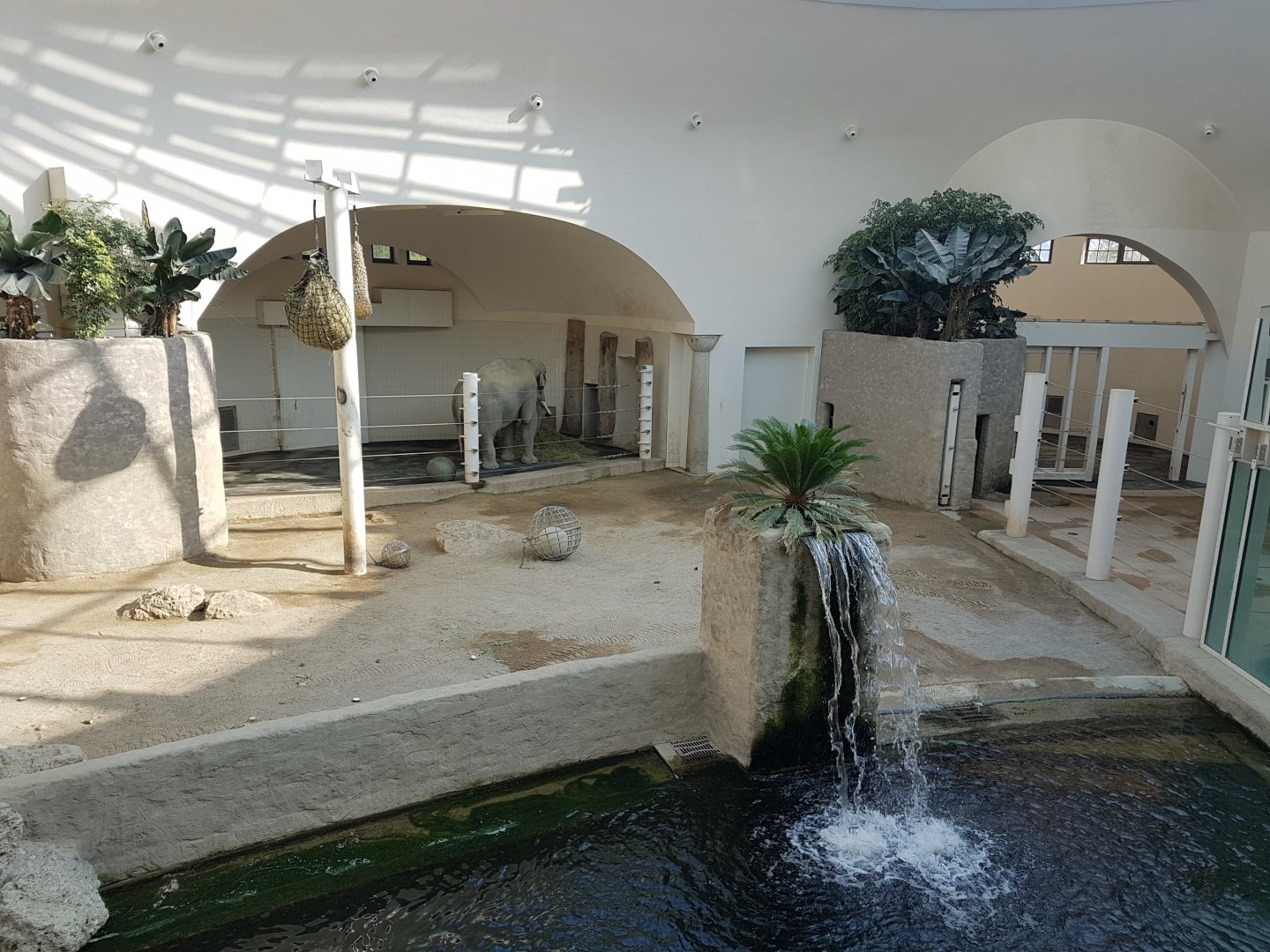
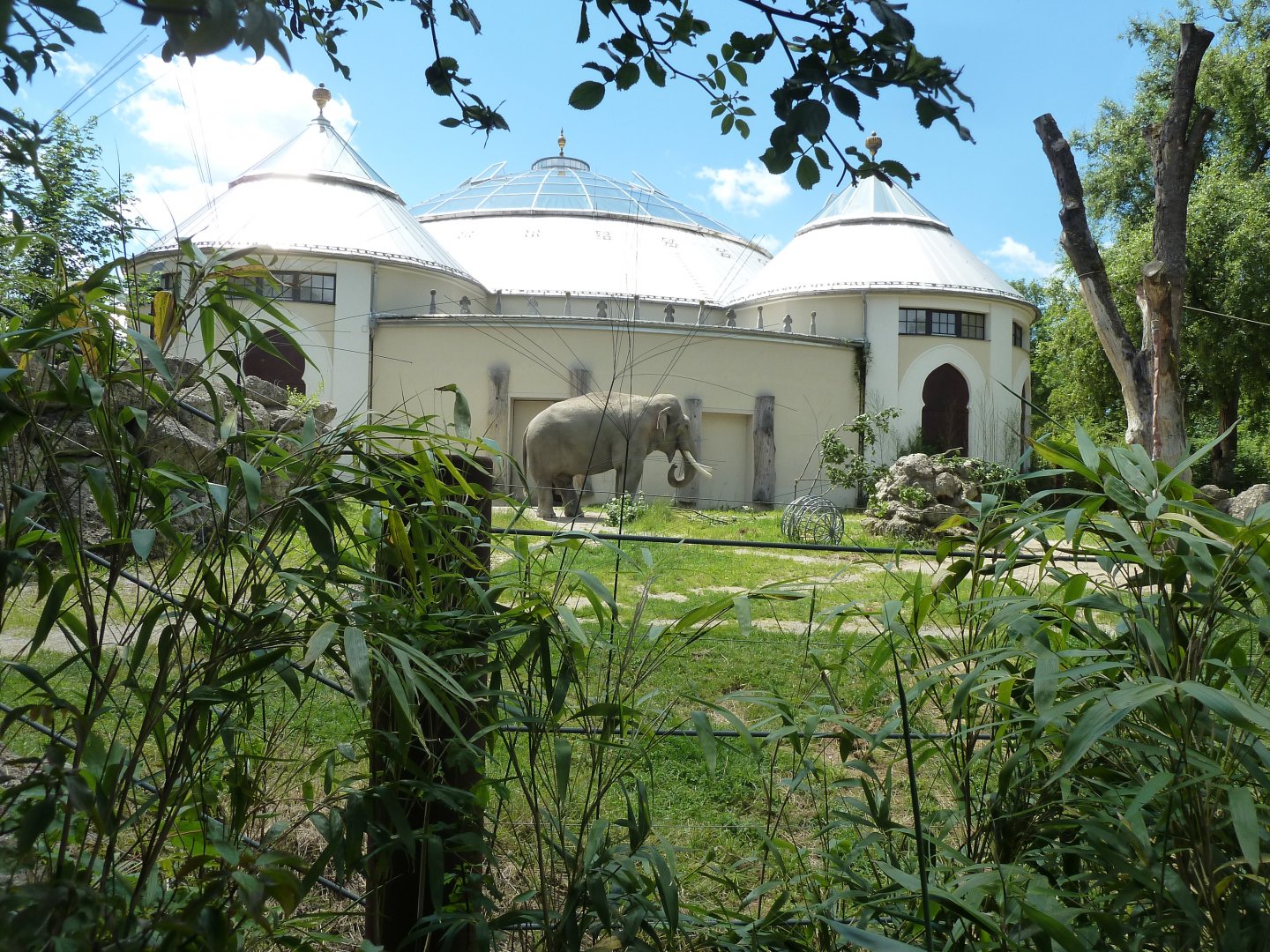
Like many older zoo buildings, it is a huge area, but so much of it is devoted to redundant guest areas, and the stables themselves are tiny. It almost feels too small for even red river hogs, and to make it big enough for gorillas would likely require the moats in front to be filled in, and a portion of the visitor area to be redeveloped for animals, which would both be extensive, and likely cause some controversy, seeing as the building is listed. The outdoor area is also likely a little too small (certainly smaller than the current gorilla enclosure), although of course that is easier to adjust.
I don't have a problem with the current selection of mammals (the Babirusa in particular are quite interesting, although I cannot help but wish they would return the Red River Hogs to Whipsnade and bring back the Malayan Tapir), and I think the best way to maximise its potential would be to create something better indoors, running with the Southeast Asian theme of that area. Perhaps some free-flying birds, or some water monitors, or a fish tank, or some callitrichids.
Zoos like Magdeburg and Colchester have managed to make the most out of their buildings by placing reptiles and birds alongside the larger mammals, which is a very space-efficient way to add more species, create more extensive exhibits and draw visitor's attention to the smaller animals. In a zoo that is as pressed for usable and functional space as London, I think this is such an easy solution that I am shocked they haven't attempted yet.
Definitely, the potential of such a large building has been understated, but not since the elephants left - rather since the building was constructed in the first place, with such gaping flaws such as the size of the stables compared to the pathway that were inevitably going to become out of date within a few years...
EDIT:
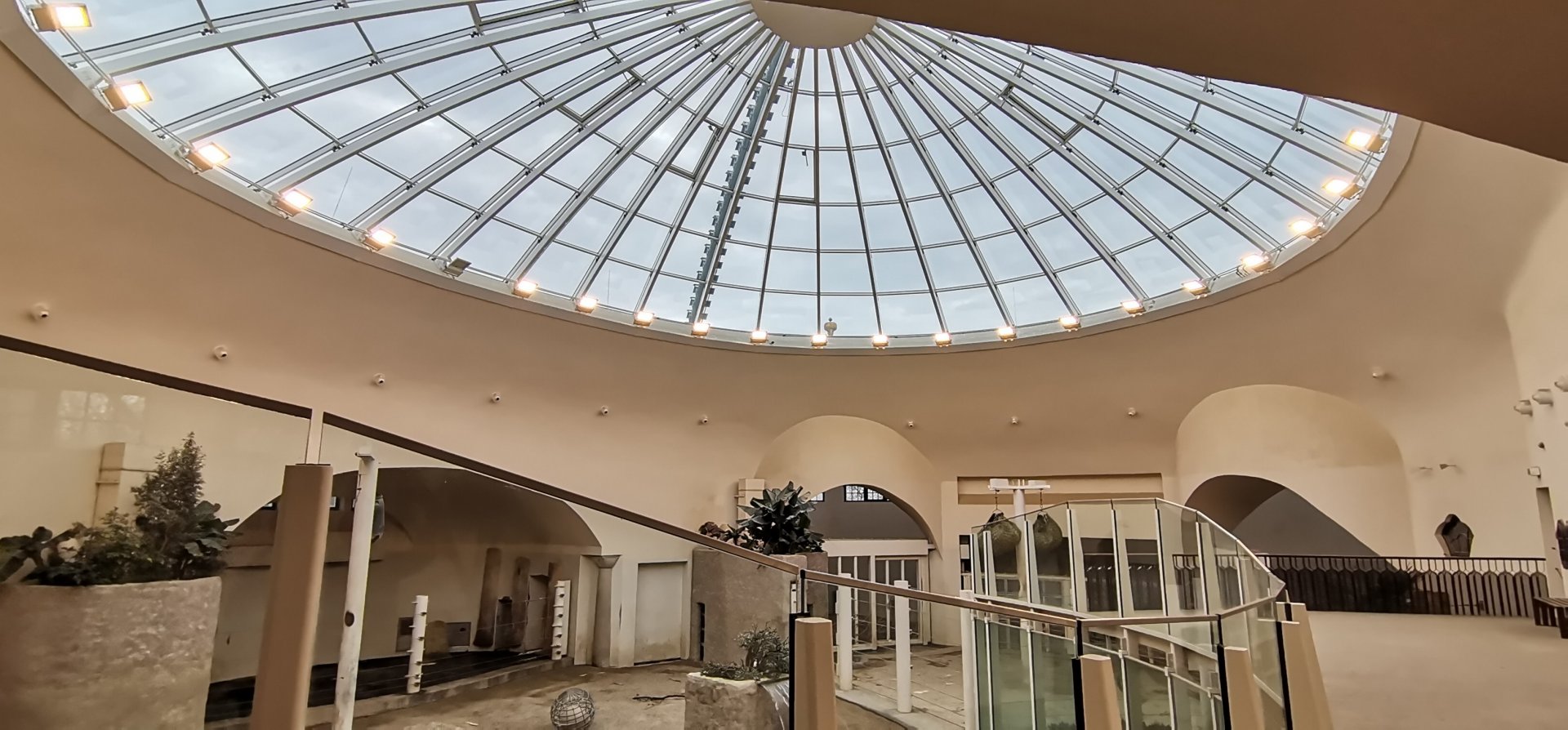
For those who haven't seen the building's interior (which was closed to the public until very recently), this photo from
@Skukuza , from back when it held bearded pigs, demonstrates what I mean: