Looking Towards 2025:
This year was overall successful for Utah’s Hogle Zoo. The addition of Wild Utah and the successful births of the zoo’s third ever gorilla and the first snow leopard cubs in over a decade helped drive attendance. The zoo’s collection also expanded, especially that of their ectotherms, through the acquisitions of new species. I am hopeful the zoo can ride this momentum into the new year.
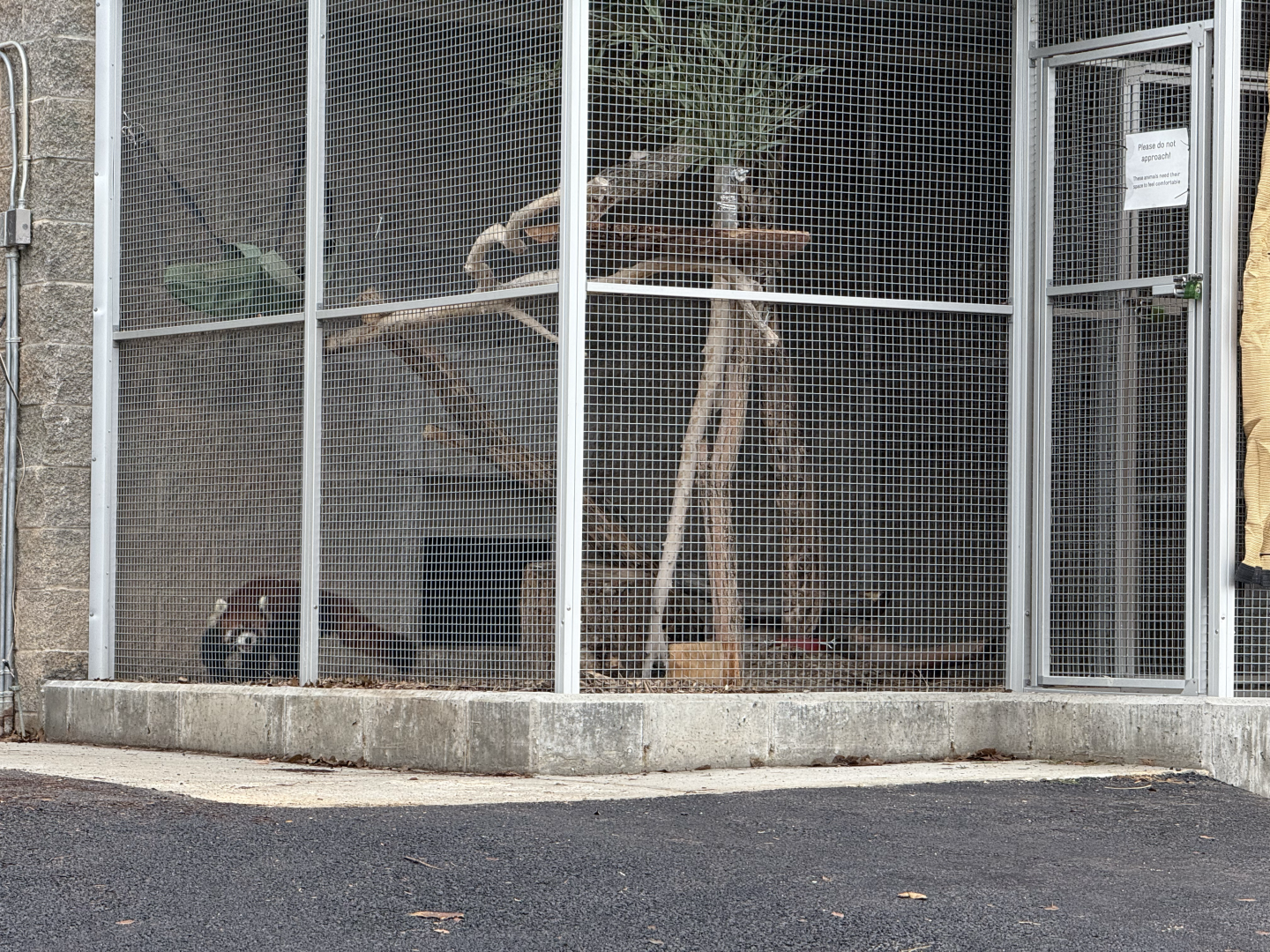
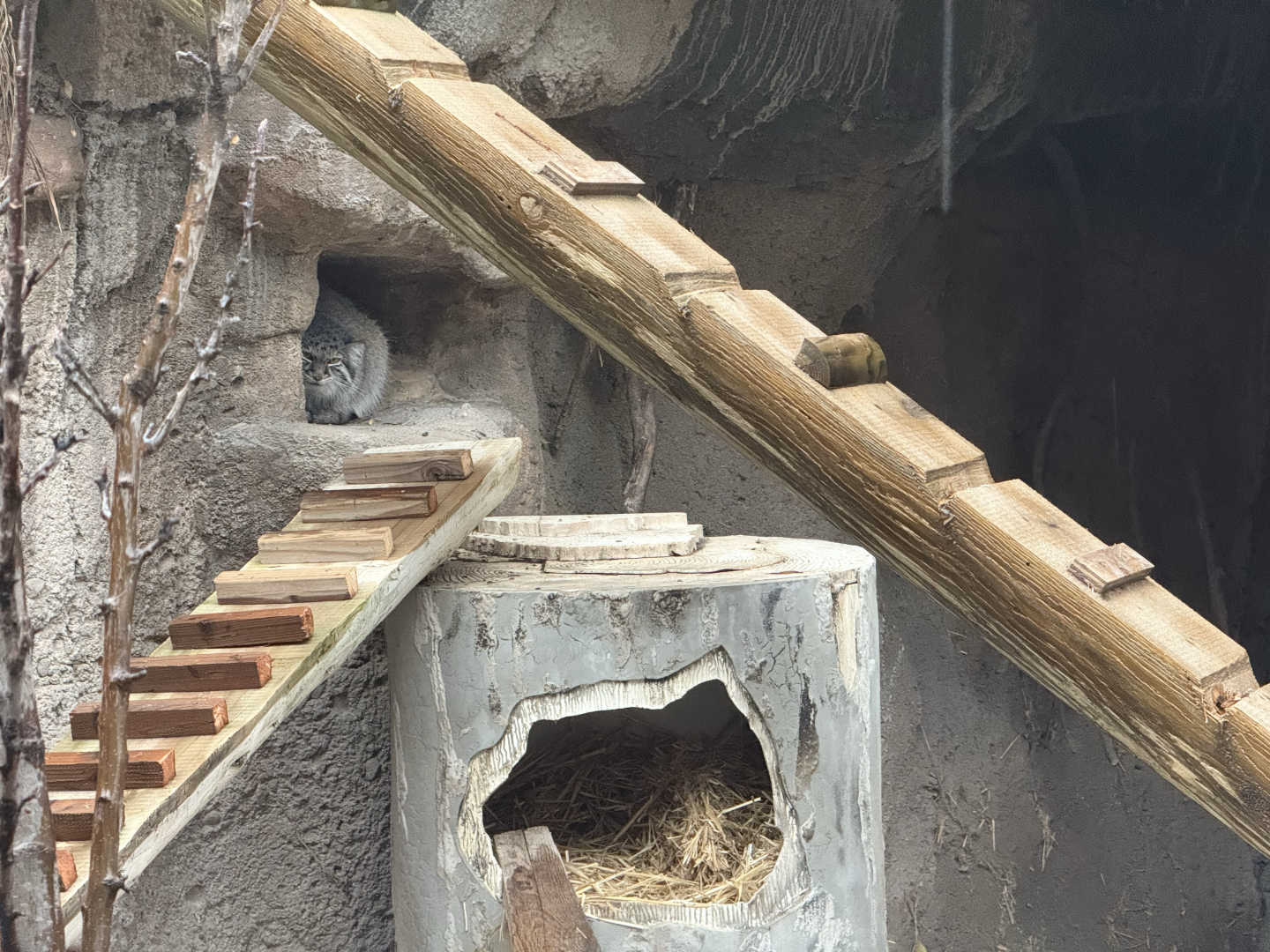
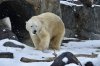
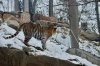
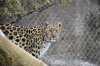
There are many potential births expected in 2025. The zoo has new breeding pairs of red pandas, rock hyraxes, common warthogs, and roseate spoonbills. Breeding males have been introduced to the zoo’s giraffe and mountain zebra herds. The zoo also plans to introduce their Amur tiger and Amur leopard pairs. Kawan, one of the female Bornean orangutans, has also been taken off birth control for the upcoming year. Potential mates for the zoo’s new female Pallas’s cat and resident male sand cat are expected to arrive in 2025. There are always unexpected births that may occur like this year’s common chuckwallas. My hope is that the North American porcupines “accidentally” reproduce. Finally, there is always a possibility that the zoo’s polar bears prove successful.
Utah’s Hogle Zoo has not released plans for any capital projects slated for 2025. After this year’s Wild Utah, it is highly unlikely we will get anything significantly new. However, there is a possibility the new master plan will be released to the public. As mentioned before in this thread, it is rumored the master plan will include new West African, Indonesian, and South American themed exhibits. It has been over a decade now since any long-term planning; therefore, it would be great to have concrete plans that guide the zoo towards its centennial in 2031.
While I am highly anticipating a new master plan, what I am most hopeful for in 2025 is the implementation of a small cat breeding center. The latest plan for the zoo’s former cheetah holding and current quarantine facility is to become a dedicated space for the breeding of black-footed cats, sand cats, and Pallas’s cats. The zoo has been quite successful in breeding each of these species over the last decade, however, this new space will offer easier husbandry for keepers and an undisturbed off-display area for these secretive species. With the combination of these two factors, I have no doubt that the zoo will be even more successful in their efforts to produce offspring.
When thinking about the “best zoos” in the states, they each have an icon for the ex-situ breeding efforts. The San Diego Zoo Safari Park is known for the Nikita Kahn Rhino Rescue Center, the Bronx Zoo is famous for their American bison efforts, and the St. Louis Zoo has the Center for Asian Elephant Conservation. Despite Hogle Zoo’s impressive breeding efforts, the zoo is not widely affiliated with a species or project. I would like to see Utah’s Hogle Zoo become a physical center for the AZA’s Small Cat Alliance and provide expertise in the husbandry and breeding of these threatened felines.
Despite this center being behind the scenes, I think the zoo still has ample opportunity to educate their guests about these efforts. Social media is the obvious choice to reach the most people and put this program on a national or even international level. Gaia, the zoo’s most recent black-footed cat, reached a national audience including being featured in the
Smithsonian Magazine,
The Washington Post, and
USA Today. It would be smart to capitalize on the public and internet’s interest in this species. At the zoo itself, there are plenty of opportunities to advertise the Small Cat Alliance. The “plaza” at the end of Asian Highlands overlooks where this breeding facility is located. Displays and infographics could turn this dead space into a “cat plaza” showcasing the zoo’s ex-situ efforts not only with small cats but the adjacent Asian big cats as well.
From my perspective, the zoo turned over a new leaf this year and is heading in a promising direction. Overall, I am quite excited for what may come in 2025.