On August 27th, I visited the Brookfield Zoo for the second time ever, and, man, is it unbelievable! Milwaukee and Chicago have been rivals in almost any category you can name. But in terms of zoos, this one definitely blows Milwaukee County Zoo out of the water!
Brookfield Zoo Review
Chicago Zoological Society - Zoo Home
The zoo opened in 1934, and has always been known as among the zoos that first attempted creating naturalistic habitats. It began with the bear grottoes, and had since been renovating old buildings into immersive habitat powerhouses. (more info later) In this review, I will once again describe the exhibits in order of what I saw them. Enjoy!
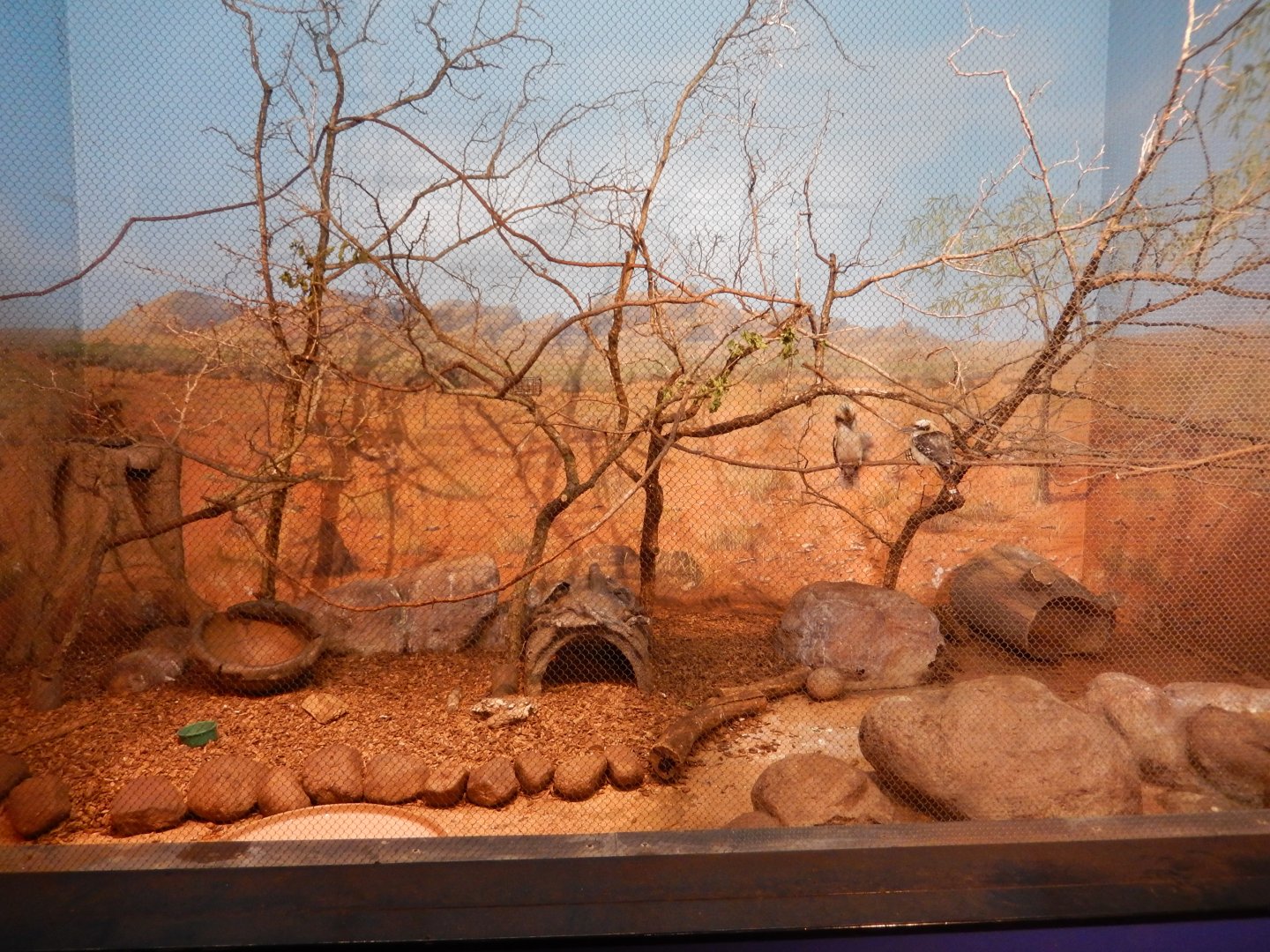
Australia House - The building is divided into two parts. The first part seems to be a day time room. It begins with some small displays for a variety of reptiles and amphibians, ranging from snakes and skinks, to a giant monitor lizard and cane toads. At the end of the room, there's a good mixed species exhibit with bird species and short-nosed echidna. It was pretty neat seeing an egg-laying mammal for only the second time in my life. After this, visitors travel along a boardwalk to the night time room. There are only two species here: wombat and (I think) fruit bats. The wombats have got three exhibits. Two of them are not that great because they're small, have little natural features, and, due to the path that has them almost completely surrounded, it looks like they're given little privacy. The third exhibit is larger and better, with a stream and some sand for digging. Before leaving the building, there is a neat walkthrough bat cave. Surrounding the building are okay exhibits for cassowary, kangaroo, and emu. An above average exhibit for emu and kangaroos to live together complete the Australian area.
Hoofstock Row - Four okay exhibits for Bactrian camel, Mongolian wild horse, zebra, and a large herd of addax (including a cute 1 month old calf) make up this unexciting section.
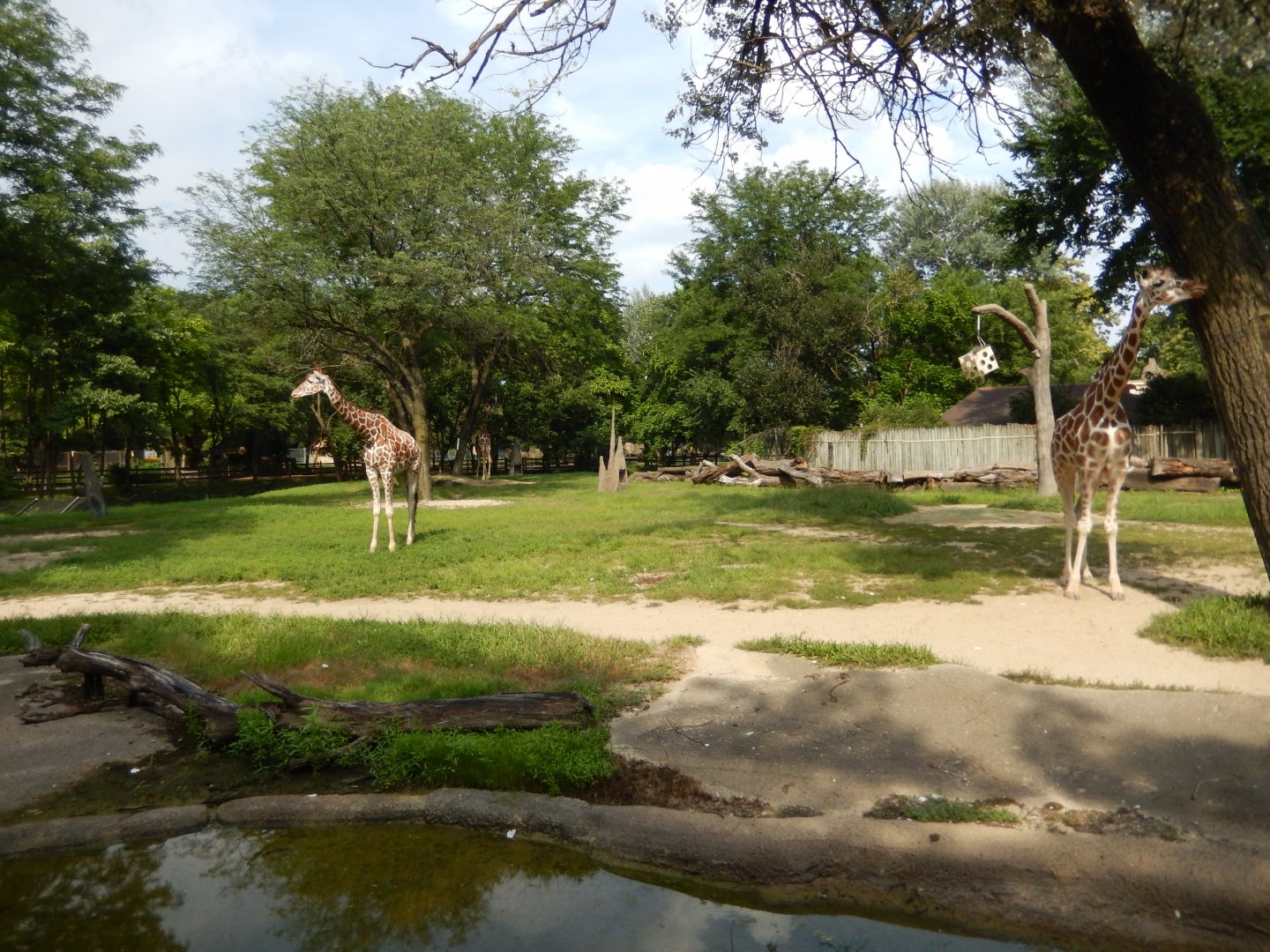
Habitat Africa! The Savannah - I love zoo exhibits with African animals, but, in my opinion, this one is a little disappointing. It starts strong with an excellent savannah for reticulated giraffe and a great scrubland-like exhibit for African wild dog, but then the rest is only of average quality. First, the aardvark house is home to a unique creature (WOW! Those things are HUGE!), but the indoor and outdoor exhibit is on the small side for them. It would be perfect for meerkats, but the aardvarks need a bigger home. Next is the giraffe building, which is uniquely designed to resemble a kopje. The main room serves as a free flight aviary, as well as the place where two corner exhibits for klipspringers are. Both are designed to resemble a mountaintop, and are average quality, but a bit too small in my opinion. A cave-like room is pretty cool and home to dwarf mongoose, pancake tortoise, and a snake (can't remember the species). The final part of the building has the indoor giraffe room and a medium sized yard for tortoises (don't remember the species). Lastly, there's a large grassy exhibit for waterbuck. It is above-average, but I would have liked to see the zebras from the hoofstock area move here. All in all, this exhibit has potential, but is missing out on some things.
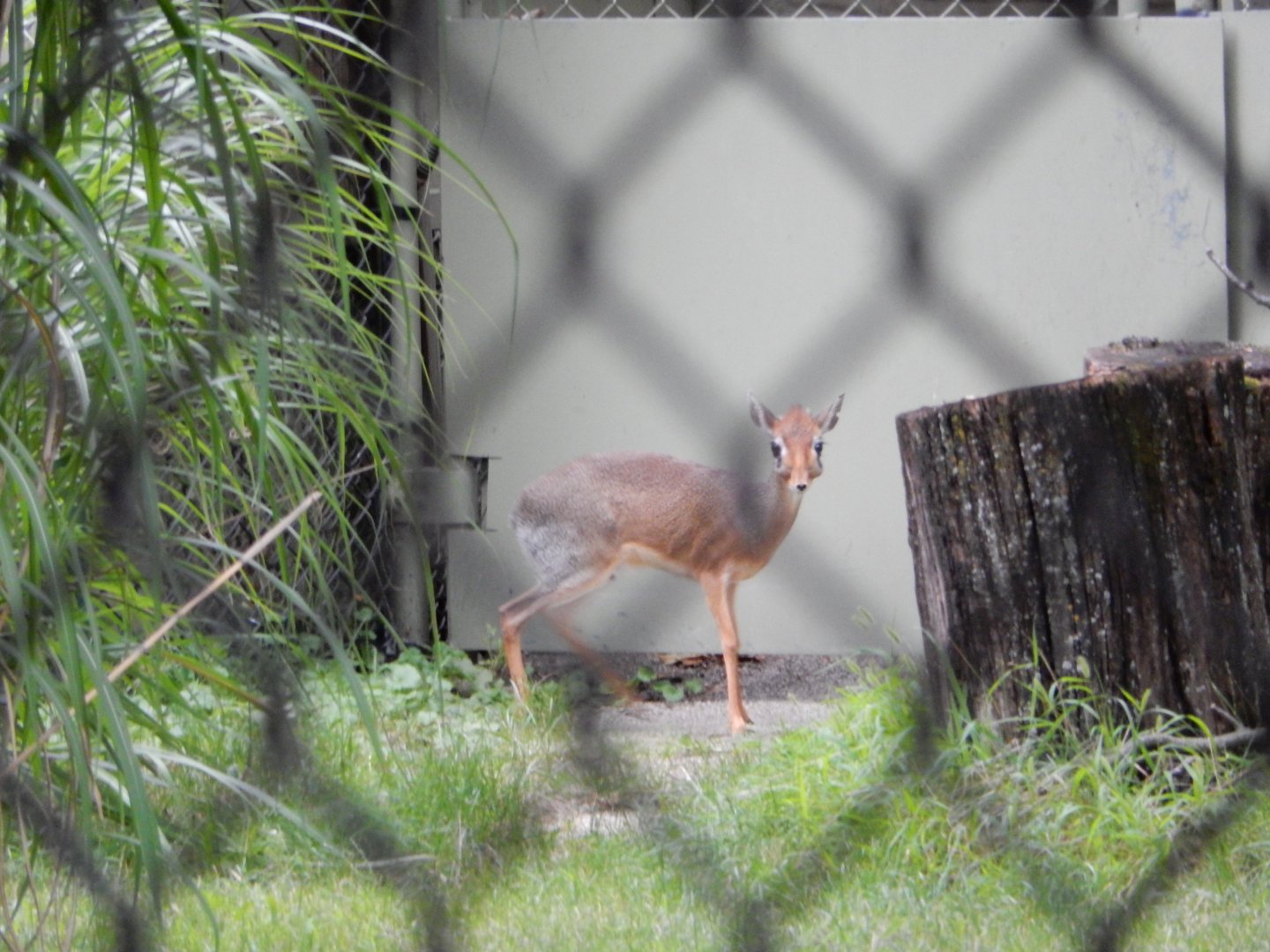
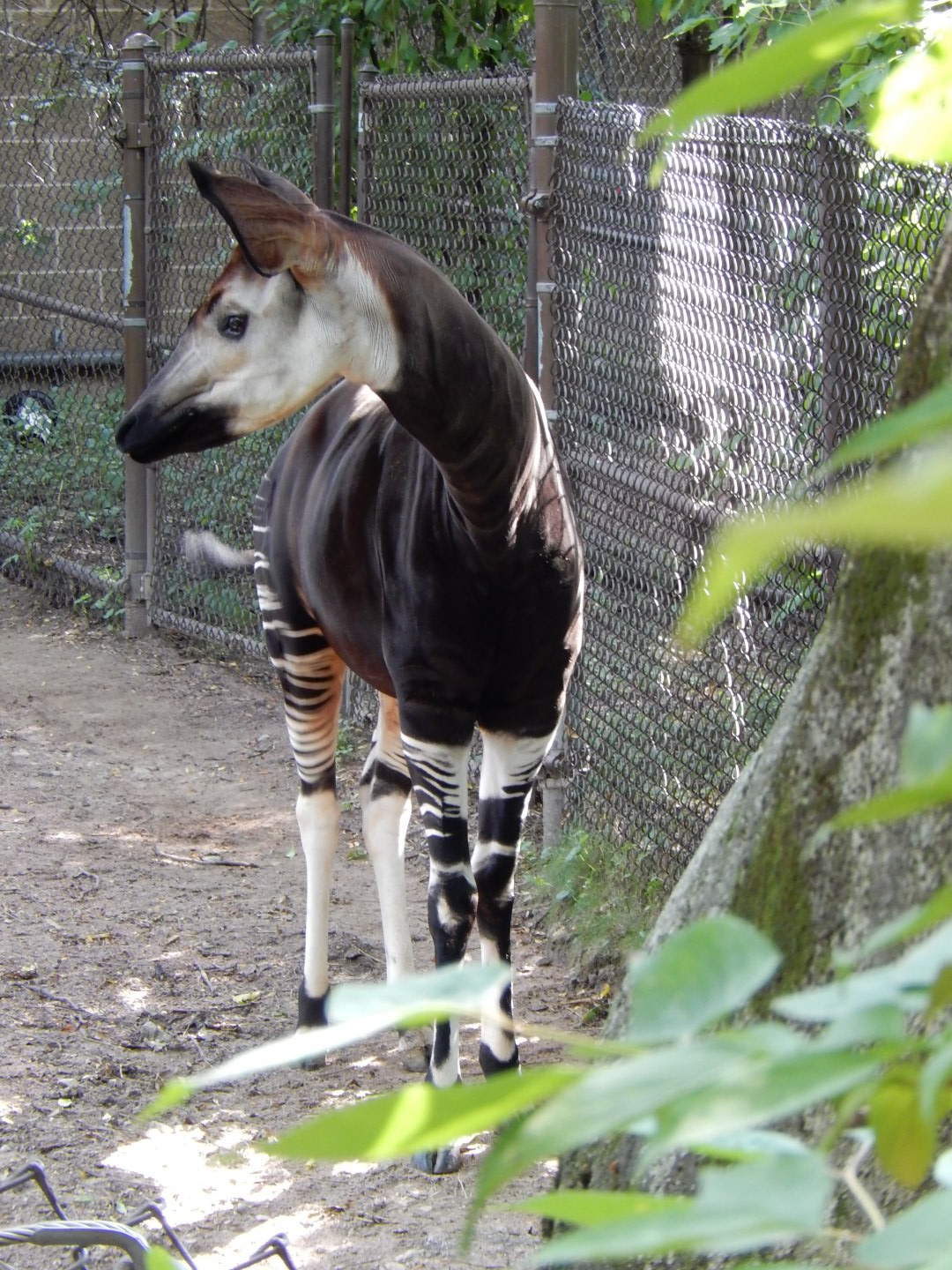
Habitat Africa! The Forest - Across from the savannah is the more successful Habitat Africa! exhibit. You move along a winding path through the "jungle," crossing a river and reading several interesting facts about the forest people. Soon, the first exhibit for the okapi is seen. With the exception of the visible chainlink fence, it is a great exhibit. Next door is a duiker exhibit of the same quality as the okapi exhibit. You then enter an immersive African rainforest building. Exhibits for dwarf crocodile, red duiker, chameleon, and snakes are seen here. The indoor okapi pen can be seen too. Once outside, you come across a second okapi exhibit. It is the same quality as the first enclosure, but a bit smaller. I believe I saw a third exhibit behind this enclosure as well. You then go down a path that leads to the end of the Forest. Originally, there was a path that took you to the forest buffalo and red river hog facilities, but it was closed down. The buffalo went to a different zoo, and the hogs were relocated to a different exhibit in the zoo, but I couldn't find them.
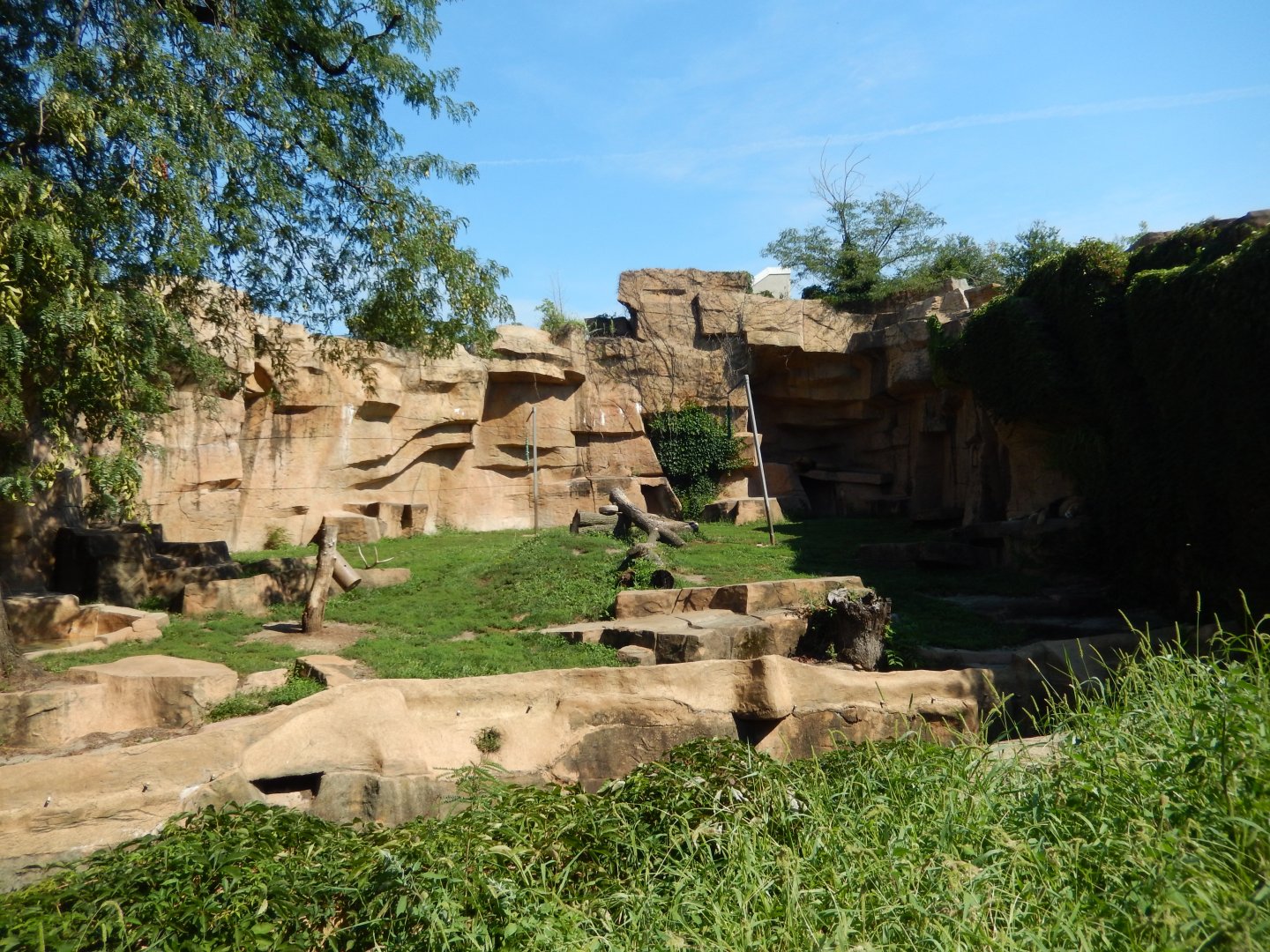
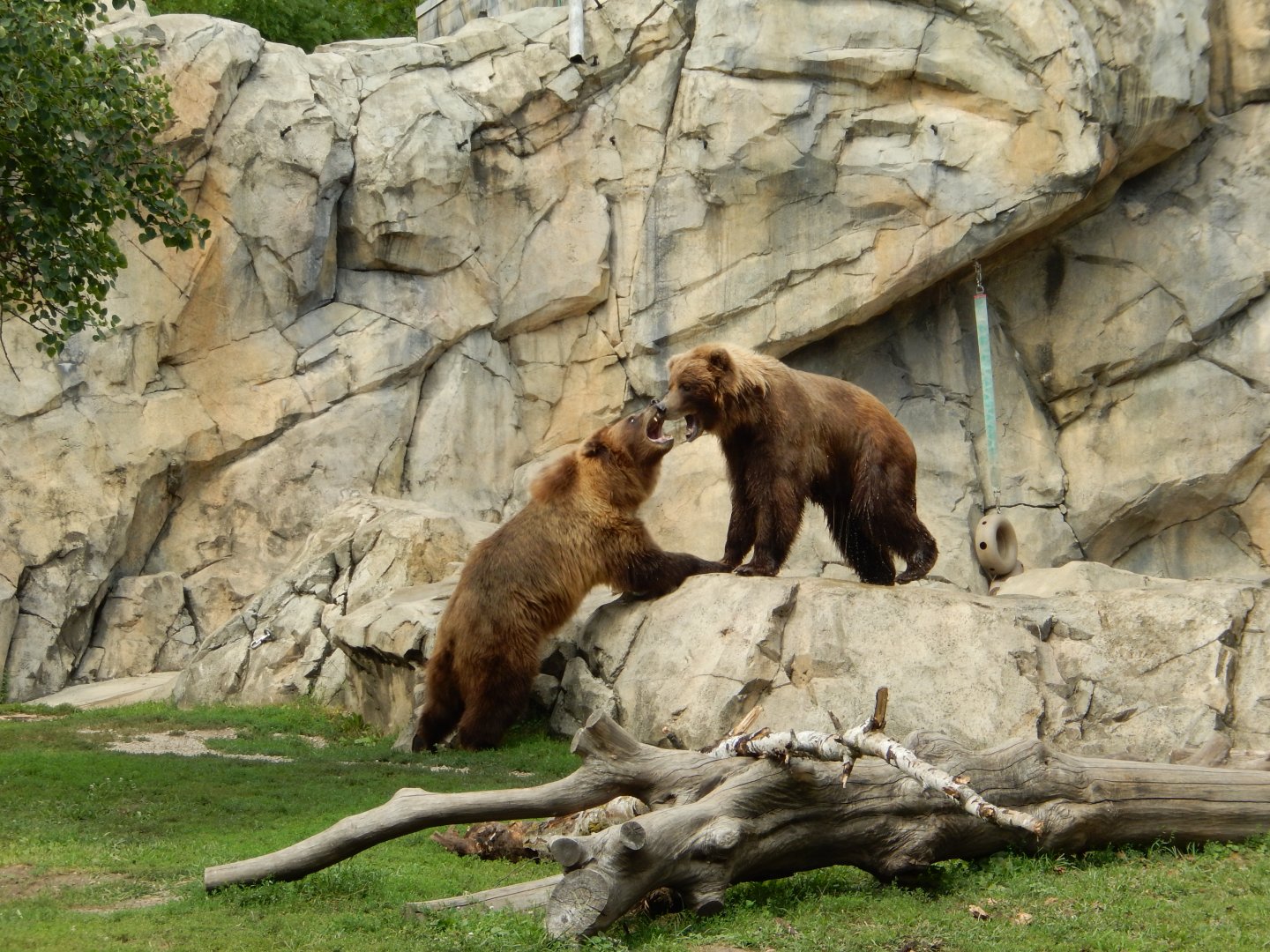
Great Bear Wilderness - This brand-new complex opened in 2010, but is overall average. Once again, the exhibit starts strong with a spacious American bison meadow. The neat thing about this single enclosure is that it goes over the visitor pathway (and entrance to the area), forming a sort of bridge to another part of the exhibit. And an added bonus, the sound of a bison stampede can be heard underneath the bridge! Before going down the main trail, there's a village with the Bison Prairie Grill restaurant, and the Bear Crossing gift shop. You then leave the village behind as make your way down the path. The first exhibit to be seen is a small bald eagle aviary, which is grassy and has a large tree in the middle. A decent exhibit. Next, is a really good gray wolf exhibit. The woodland habitat is large, and makes you feel like you're truly in the world of the wolf. There are plenty of cool interactive stations that are wolf-related, too, like the room where you listen to constant howling in the dark. Then, comes the namesake bears. Three identical exhibits have got grass, a few trees, rocky walls, and deep pools, two of which have underwater viewing. The other exhibit has an up close view into a den, like a hibernating bear would have. The exhibits are an improvement over the concrete grottoes (never saw them, but looked bad), but could've been better. It was a thrill to be there during the bear feeding, however - they came right up to the glass! Overall, "Great Bear Wilderness" is probably more like "Good Bear Canyon."
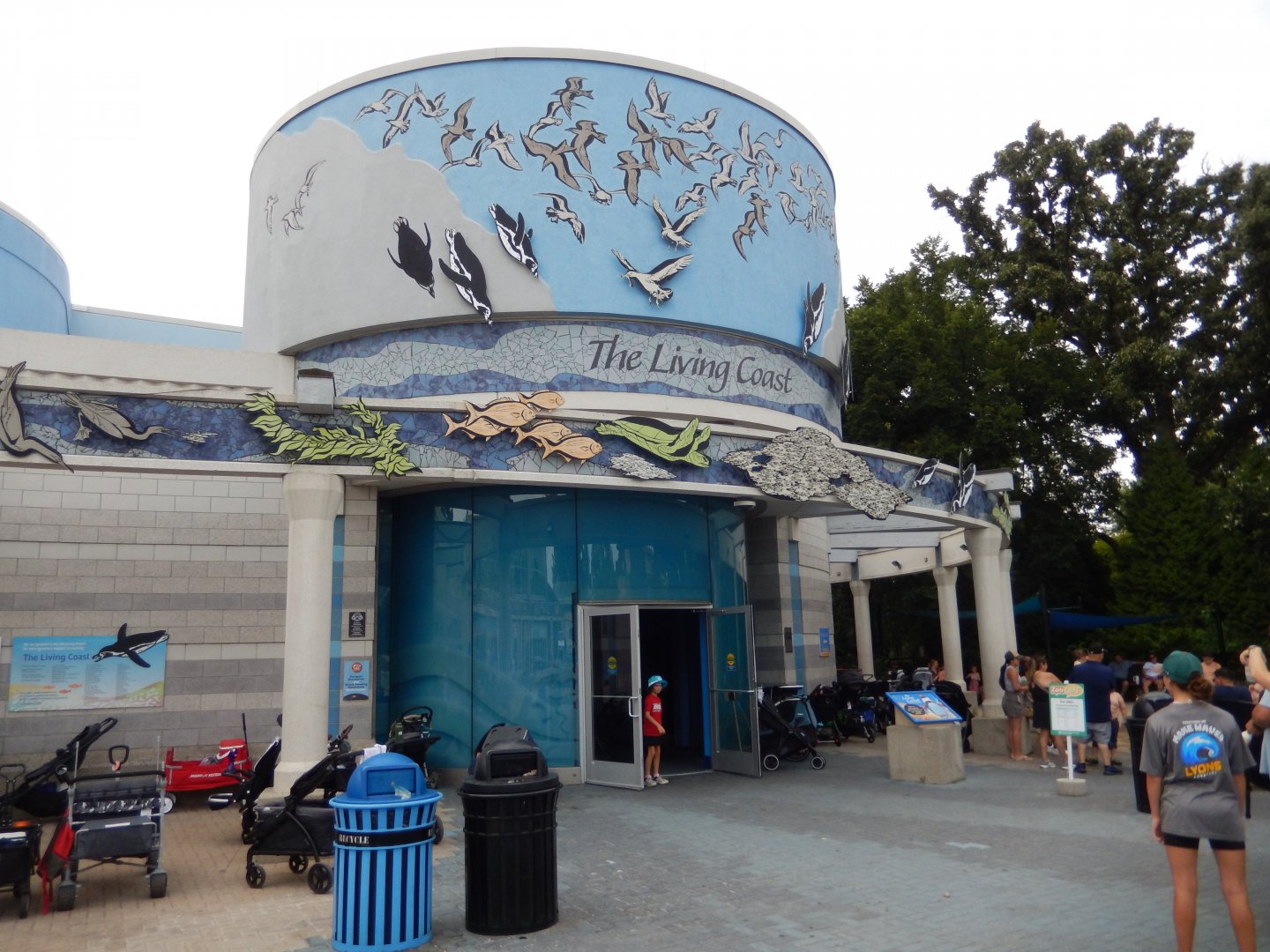
The Living Coast - This is one of four major immersive buildings (ones that have been drastically transformed from their original form). People walk along on a squishy floor (nice touch!) for most of the trip through the building. The first tank is home to freshwater fish, like large and smallmouth bass, among others. Then, a focus on the ocean begins to take shape. It begins with a barren tank for rays and some more fish, followed by a jellyfish display, and another tank for leopard shark and some more fish. It is the best fish tank with enormous rocks and tall seaweed plants growing. Then, the coast comes into view with a neat bird display. Species include Humboldt penguins, terns, and more species that I don't recall. The habitat has a large rocky wall with holes for the flying birds to nest in. Though the exhibit is good for these birds, the penguins are reduced to a small amount of land and a somewhat small pool. Perhaps the best part of the exhibit is that people view the birds from a shipwrecked boat. The exhibit finishes with a cave full of tarantulas, snakes, and vampire bats.
Baboon Island - Guinea baboons have a good-sized exhibit, but the fact that it's all concrete for the surface, except for some large logs, doesn't really appeal to me in my opinion. If there was some grass on the flat parts of the exhibit, then it would be better.
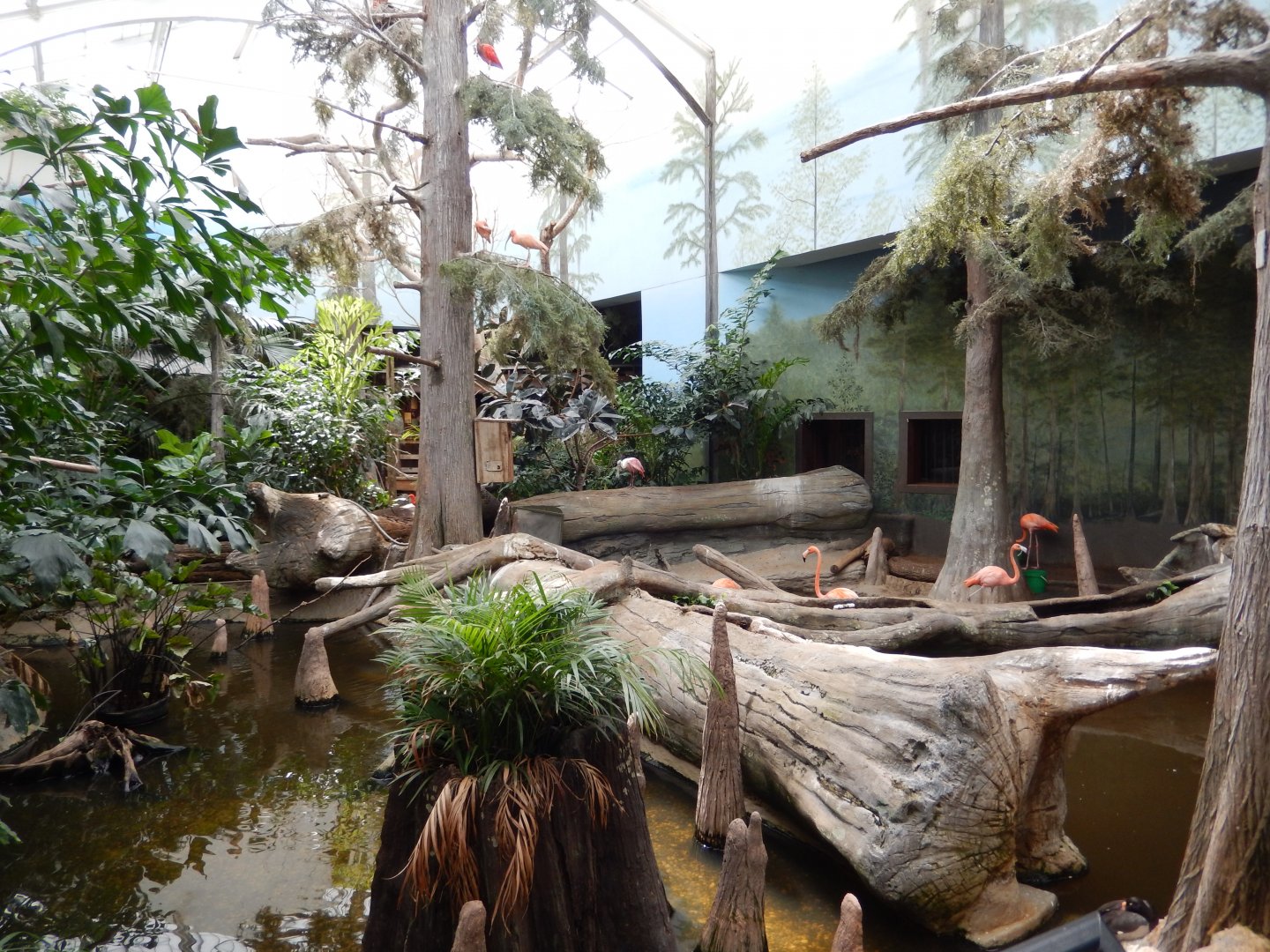
The Swamp - The original primate house. In 1996, it got a massive renovation. And now, it is what it is today: an immersive powerhouse. People walk on another squishy pathway as they wind their way through the wetlands. The first habitat is home to some birds (little help with the species), and some displays of venomous snakes. Next, a boardwalk overlooks a pond of ibis, and one of two American alligator pools. This gator pool, along with the other next door one, are identical in quality (average) and size (between small and medium). After that, a shack designed area has a multitude of invertebrates, such as the walking stick, black widow spider, and grasshoppers, some amphibians, and two exhibits for rats. I'm not sure how I would rate these individual exhibits. The last display of The Swamp is more Illinois based. The first exhibit has an average exhibit for ducks, followed by a rocky below-average river otter exhibit, and a too-small snapping turtle pond. Of the four immersion powerhouses, this one is the best one in my opinion.
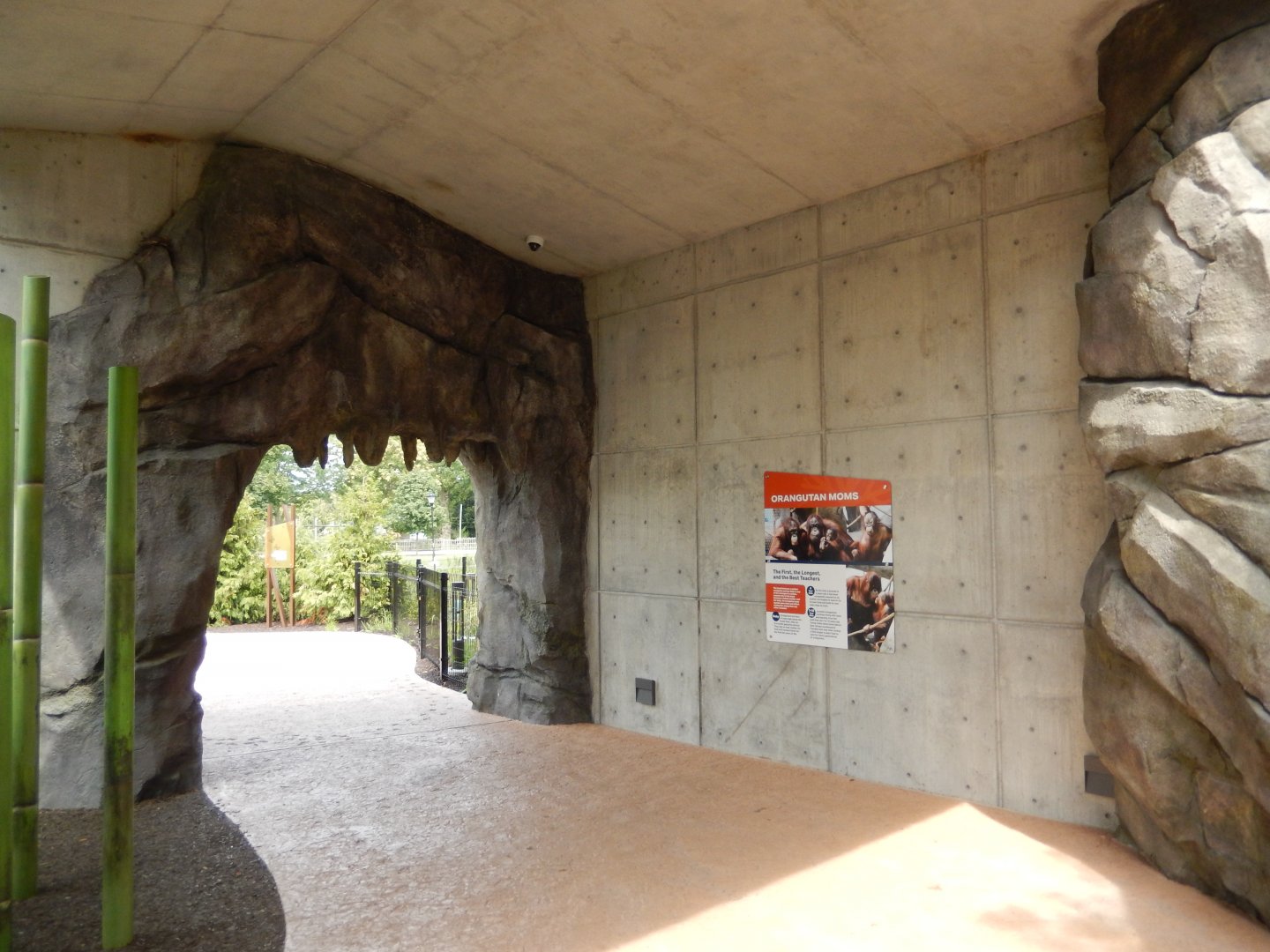
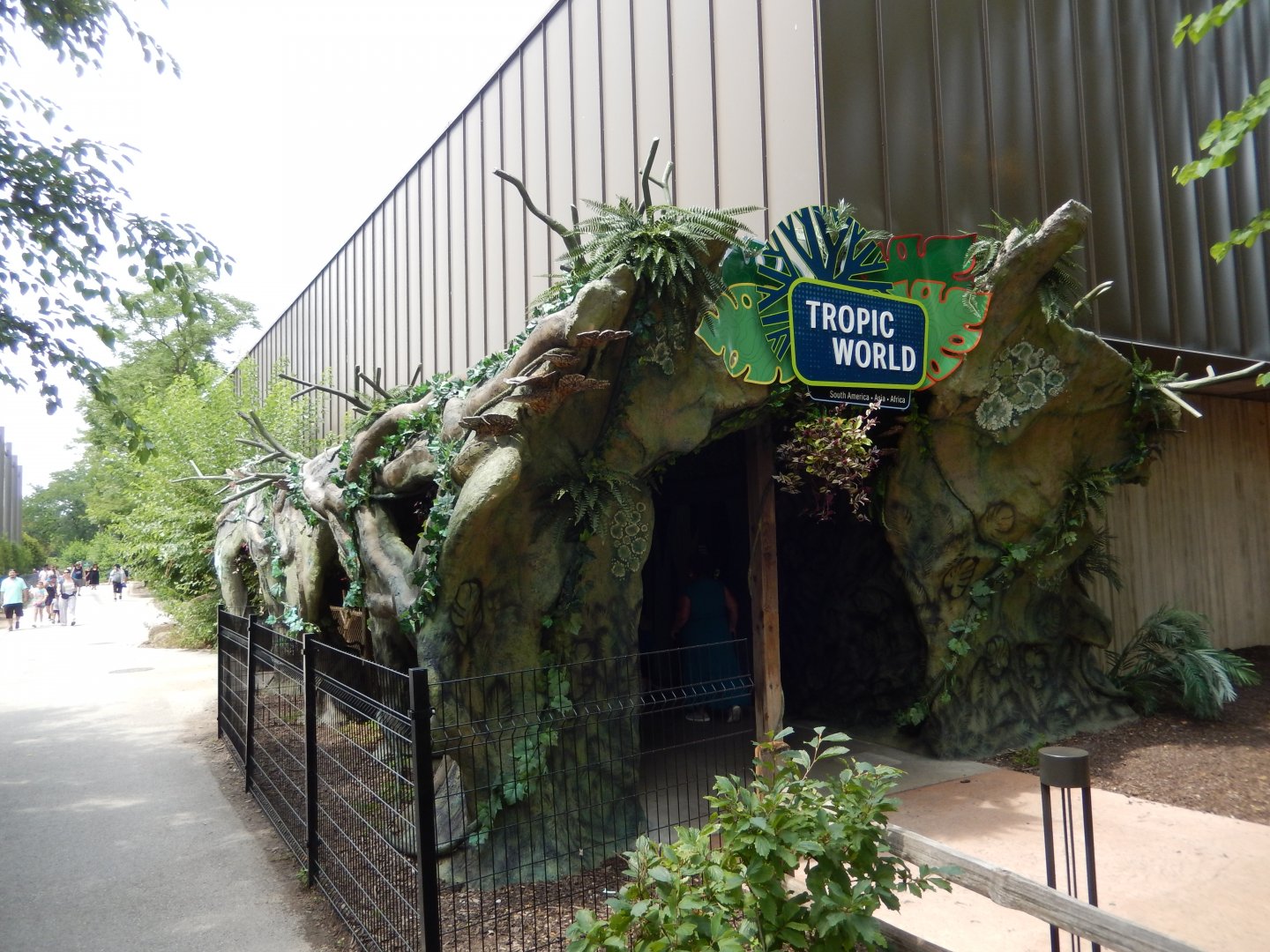
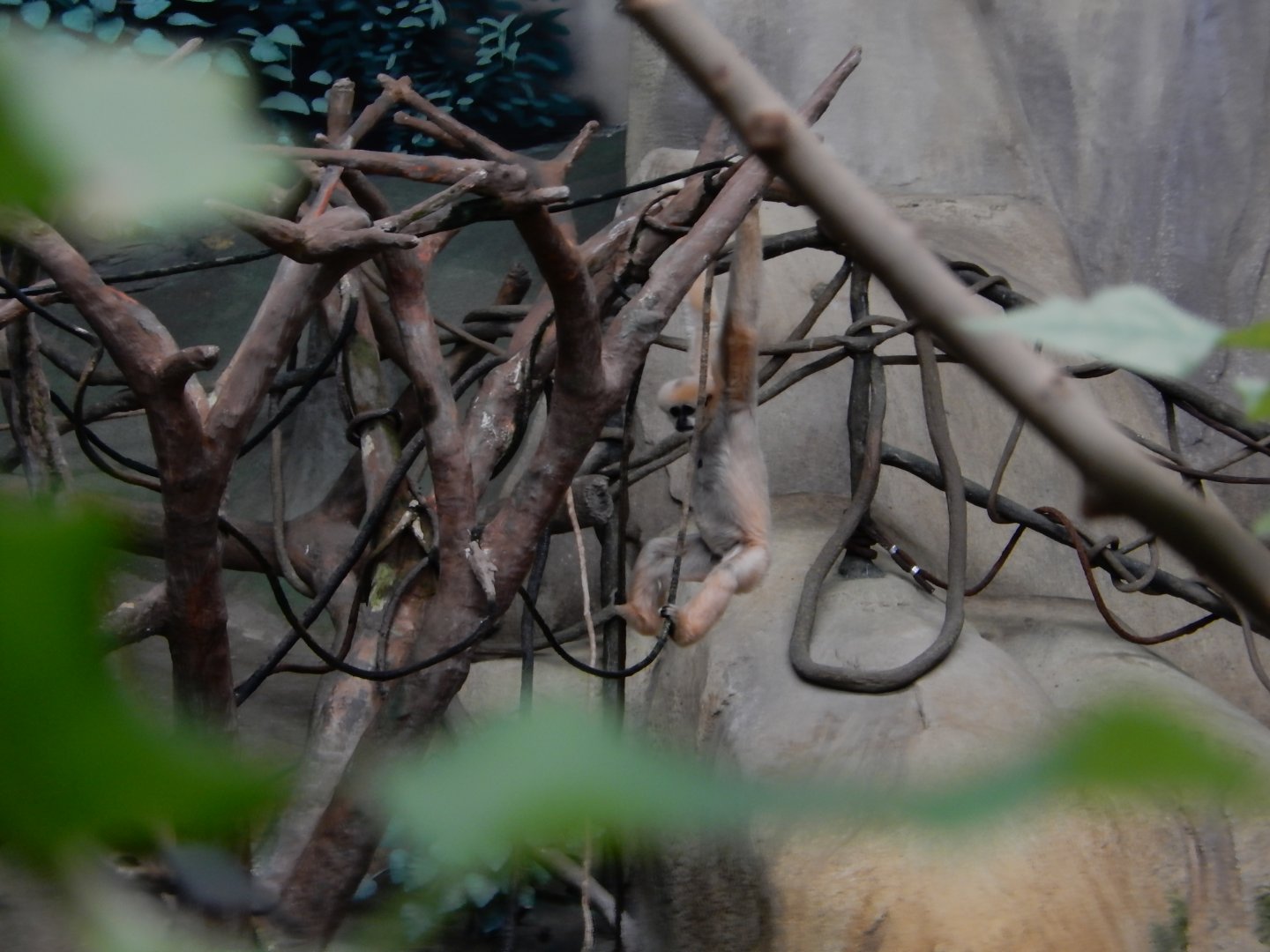
Tropic World - Ah, the infamous rainforest house! This enormous indoor primate display opened in the 80's. The first display is the smallest of the three and is for South American wildlife. Species here include capuchin monkeys, spider monkeys, squirrel monkeys, a Brazilian tapir, and a giant anteater. The second area of the building is the home of Asian animals. Gibbons and small-clawed otters occupy a much bigger space in the room compared to the small, horrible island for orangutans. The last room is the best one. One side of the room has mandrills, colobus monkeys, a pygmy hippo, and a couple of other monkey species. The other side is where the notorious gorilla exhibit is. Here's what I say about this great ape exhibit: if this is just the indoor area and there's an outdoor exhibit too, then this exhibit's average. However, because this all the gorillas have to live in, then it's below average. At least it's much better than Buffalo's all-indoor room. Tropic World, like some other exhibits in the zoo, has potential. It just needs to replace the concrete ground with something like wood chips, and probably make the fake trees have some vegetation.
Pachyderms - Black rhinos have a nice exhibit that is half grass, half dirt, along with a mud wallow. A pygmy hippo has a small not-so-great exhibit with only a mud wallow for entertainment. The Nile hippos have the best exhibit of the animals here, with a large pool, and a nice grassy shore to rest on. Lastly, a Brazilian tapir has the lushest exhibit of all the residents in this area. African elephants used to live here as well. When I came here last year, the single female, Joyce, looked like she had an average exhibit. The indoor part of the pachyderm house is now open, but I didn't have time to take a look inside.
Fragile Desert - This is one of three sections of the Fragile Kingdom part of the zoo, and another immersion powerhouse. You travel underneath a white tent-like ceiling for most of the journey. The first exhibit is for a colony of meerkats. It may be all indoors, but its quality makes up for it. There is a fake termite mound, a whole lot of space, and a rock mound with holes in it, so the critters could get some privacy. Next door is a mixed species exhibit for bat-eared fox and African crested porcupine. A neat thing about the exhibit is that it seems to rise up, and the visitor path slopes down. Underneath that exhibit is the area for a naked mole rat colony. What a nice touch! In the next room, you cross a bridge that separates two species: the rock hyrax and the caracal (not on exhibit due to the birth of kittens). The exhibits have a rocky wall with ledges to rest on, along with a concrete floor - identical and average. Now the pathway converts into a cave like setting. The first exhibit has a facility for aging and injured meerkats. It was the former home of the dwarf mongoose. Next is a roomy excellent display for fennec fox. The final exhibits are black-footed cat.
Fragile Hunters - It may house the most popular animals in the Fragile Kingdom, but the exhibits are below-average to me. An Amur leopard, African lions, sloth bears, an Amur tiger, and a snow leopard all have grassy grottoes with little detail to them.
Fragile Rainforest - The weakest of the four immersive powerhouses. You start off with an above-average display for binturong (those animals stink!), small-clawed otters, and Prevost's squirrel. An okay exhibit for burmese python is around the corner, along with two cat exhibits. The first is an average one for clouded leopard, and the other is a weak one for fishing cat. The exhibit finishes off with a snake and bird exhibit.
Pinniped Point - I wasn't a big fan of this exhibit. Gray seals, harbor seals, and California sea lions have horrid exhibits above the water, but when you go to the underwater viewing, everything is uphill. The visitor area looks a lot like the dock of a harbor, and the sea lions frolic and play right by the glass!
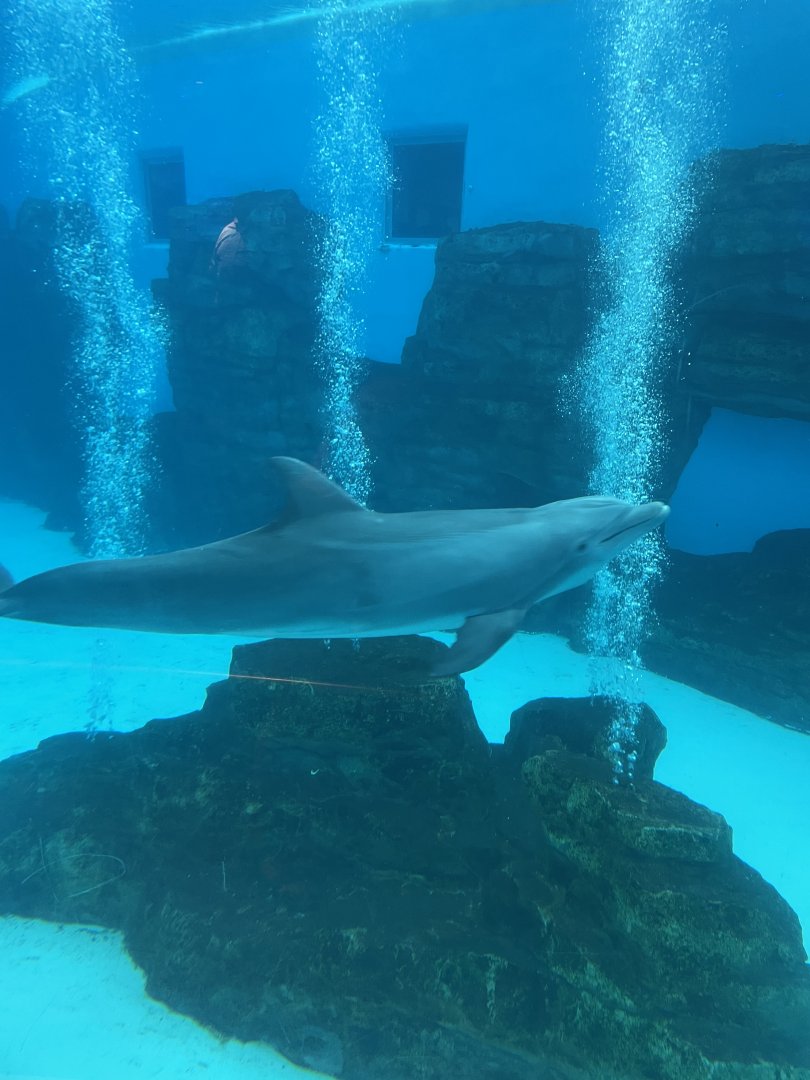
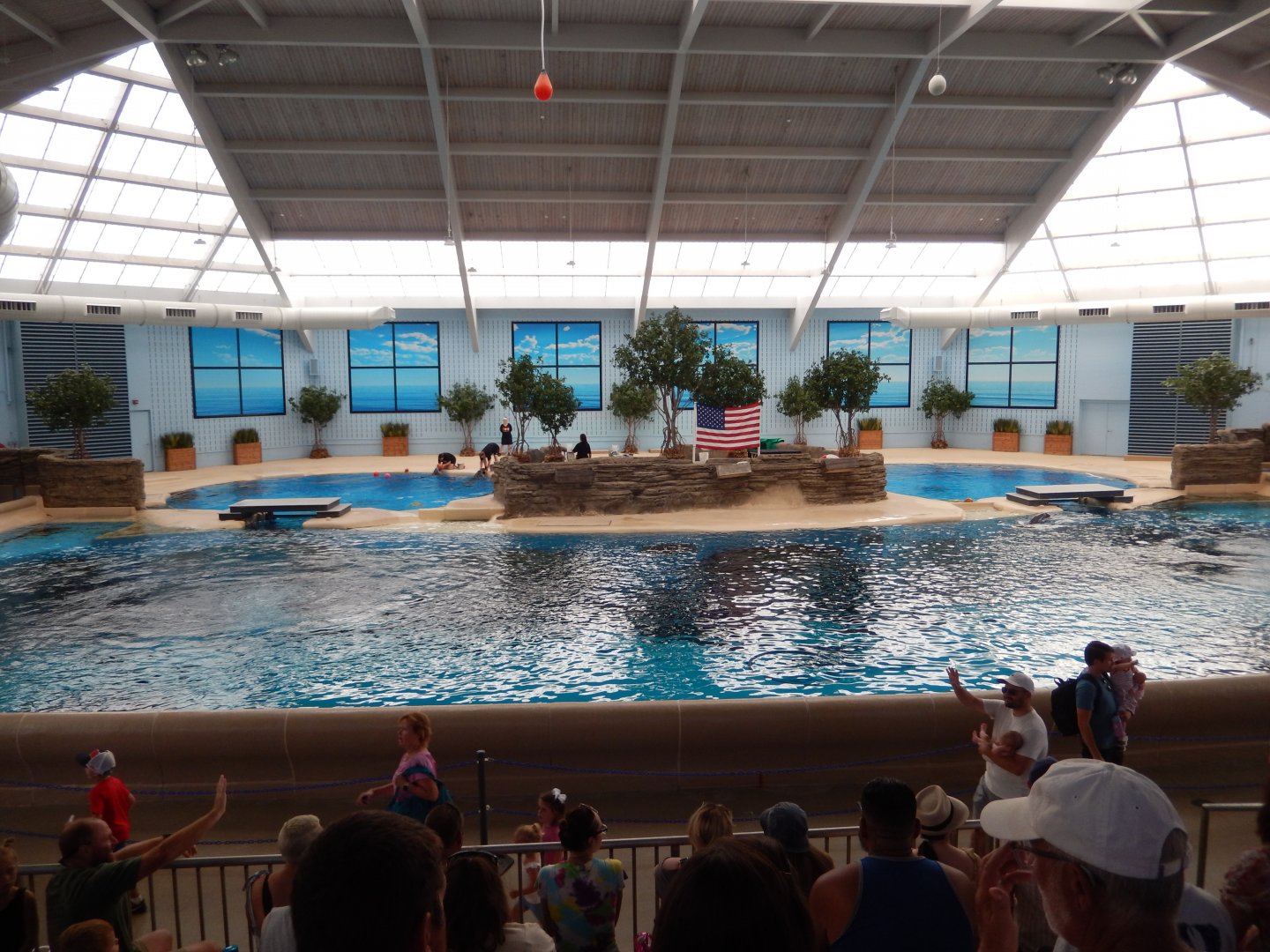
The Seven Seas - The bottlenose dolphin aquarium. I have no opinion about the exhibit quality, but I will point out that is a little small for seven dolphins (and one on the way) to live in.
NOTE: There are two areas of the zoo I didn't see due to time restraints: the Feathers and Scales building, and the Reptile and Bird building.
Overall: Brookfield Zoo is definitely among the best in the country! Of the 12 zoos I visited, this one is #2 on the list; only Columbus beats Brookfield. The future of the zoo looks very bright as well. With the new additions of an outdoor gorilla exhibit, a new elephant center, and a new Asian section, among others, this is a zoo to look out for!
Brookfield Zoo Review
Chicago Zoological Society - Zoo Home
The zoo opened in 1934, and has always been known as among the zoos that first attempted creating naturalistic habitats. It began with the bear grottoes, and had since been renovating old buildings into immersive habitat powerhouses. (more info later) In this review, I will once again describe the exhibits in order of what I saw them. Enjoy!
Australia House - The building is divided into two parts. The first part seems to be a day time room. It begins with some small displays for a variety of reptiles and amphibians, ranging from snakes and skinks, to a giant monitor lizard and cane toads. At the end of the room, there's a good mixed species exhibit with bird species and short-nosed echidna. It was pretty neat seeing an egg-laying mammal for only the second time in my life. After this, visitors travel along a boardwalk to the night time room. There are only two species here: wombat and (I think) fruit bats. The wombats have got three exhibits. Two of them are not that great because they're small, have little natural features, and, due to the path that has them almost completely surrounded, it looks like they're given little privacy. The third exhibit is larger and better, with a stream and some sand for digging. Before leaving the building, there is a neat walkthrough bat cave. Surrounding the building are okay exhibits for cassowary, kangaroo, and emu. An above average exhibit for emu and kangaroos to live together complete the Australian area.
Hoofstock Row - Four okay exhibits for Bactrian camel, Mongolian wild horse, zebra, and a large herd of addax (including a cute 1 month old calf) make up this unexciting section.
Habitat Africa! The Savannah - I love zoo exhibits with African animals, but, in my opinion, this one is a little disappointing. It starts strong with an excellent savannah for reticulated giraffe and a great scrubland-like exhibit for African wild dog, but then the rest is only of average quality. First, the aardvark house is home to a unique creature (WOW! Those things are HUGE!), but the indoor and outdoor exhibit is on the small side for them. It would be perfect for meerkats, but the aardvarks need a bigger home. Next is the giraffe building, which is uniquely designed to resemble a kopje. The main room serves as a free flight aviary, as well as the place where two corner exhibits for klipspringers are. Both are designed to resemble a mountaintop, and are average quality, but a bit too small in my opinion. A cave-like room is pretty cool and home to dwarf mongoose, pancake tortoise, and a snake (can't remember the species). The final part of the building has the indoor giraffe room and a medium sized yard for tortoises (don't remember the species). Lastly, there's a large grassy exhibit for waterbuck. It is above-average, but I would have liked to see the zebras from the hoofstock area move here. All in all, this exhibit has potential, but is missing out on some things.
Habitat Africa! The Forest - Across from the savannah is the more successful Habitat Africa! exhibit. You move along a winding path through the "jungle," crossing a river and reading several interesting facts about the forest people. Soon, the first exhibit for the okapi is seen. With the exception of the visible chainlink fence, it is a great exhibit. Next door is a duiker exhibit of the same quality as the okapi exhibit. You then enter an immersive African rainforest building. Exhibits for dwarf crocodile, red duiker, chameleon, and snakes are seen here. The indoor okapi pen can be seen too. Once outside, you come across a second okapi exhibit. It is the same quality as the first enclosure, but a bit smaller. I believe I saw a third exhibit behind this enclosure as well. You then go down a path that leads to the end of the Forest. Originally, there was a path that took you to the forest buffalo and red river hog facilities, but it was closed down. The buffalo went to a different zoo, and the hogs were relocated to a different exhibit in the zoo, but I couldn't find them.
Great Bear Wilderness - This brand-new complex opened in 2010, but is overall average. Once again, the exhibit starts strong with a spacious American bison meadow. The neat thing about this single enclosure is that it goes over the visitor pathway (and entrance to the area), forming a sort of bridge to another part of the exhibit. And an added bonus, the sound of a bison stampede can be heard underneath the bridge! Before going down the main trail, there's a village with the Bison Prairie Grill restaurant, and the Bear Crossing gift shop. You then leave the village behind as make your way down the path. The first exhibit to be seen is a small bald eagle aviary, which is grassy and has a large tree in the middle. A decent exhibit. Next, is a really good gray wolf exhibit. The woodland habitat is large, and makes you feel like you're truly in the world of the wolf. There are plenty of cool interactive stations that are wolf-related, too, like the room where you listen to constant howling in the dark. Then, comes the namesake bears. Three identical exhibits have got grass, a few trees, rocky walls, and deep pools, two of which have underwater viewing. The other exhibit has an up close view into a den, like a hibernating bear would have. The exhibits are an improvement over the concrete grottoes (never saw them, but looked bad), but could've been better. It was a thrill to be there during the bear feeding, however - they came right up to the glass! Overall, "Great Bear Wilderness" is probably more like "Good Bear Canyon."
The Living Coast - This is one of four major immersive buildings (ones that have been drastically transformed from their original form). People walk along on a squishy floor (nice touch!) for most of the trip through the building. The first tank is home to freshwater fish, like large and smallmouth bass, among others. Then, a focus on the ocean begins to take shape. It begins with a barren tank for rays and some more fish, followed by a jellyfish display, and another tank for leopard shark and some more fish. It is the best fish tank with enormous rocks and tall seaweed plants growing. Then, the coast comes into view with a neat bird display. Species include Humboldt penguins, terns, and more species that I don't recall. The habitat has a large rocky wall with holes for the flying birds to nest in. Though the exhibit is good for these birds, the penguins are reduced to a small amount of land and a somewhat small pool. Perhaps the best part of the exhibit is that people view the birds from a shipwrecked boat. The exhibit finishes with a cave full of tarantulas, snakes, and vampire bats.
Baboon Island - Guinea baboons have a good-sized exhibit, but the fact that it's all concrete for the surface, except for some large logs, doesn't really appeal to me in my opinion. If there was some grass on the flat parts of the exhibit, then it would be better.
The Swamp - The original primate house. In 1996, it got a massive renovation. And now, it is what it is today: an immersive powerhouse. People walk on another squishy pathway as they wind their way through the wetlands. The first habitat is home to some birds (little help with the species), and some displays of venomous snakes. Next, a boardwalk overlooks a pond of ibis, and one of two American alligator pools. This gator pool, along with the other next door one, are identical in quality (average) and size (between small and medium). After that, a shack designed area has a multitude of invertebrates, such as the walking stick, black widow spider, and grasshoppers, some amphibians, and two exhibits for rats. I'm not sure how I would rate these individual exhibits. The last display of The Swamp is more Illinois based. The first exhibit has an average exhibit for ducks, followed by a rocky below-average river otter exhibit, and a too-small snapping turtle pond. Of the four immersion powerhouses, this one is the best one in my opinion.
Tropic World - Ah, the infamous rainforest house! This enormous indoor primate display opened in the 80's. The first display is the smallest of the three and is for South American wildlife. Species here include capuchin monkeys, spider monkeys, squirrel monkeys, a Brazilian tapir, and a giant anteater. The second area of the building is the home of Asian animals. Gibbons and small-clawed otters occupy a much bigger space in the room compared to the small, horrible island for orangutans. The last room is the best one. One side of the room has mandrills, colobus monkeys, a pygmy hippo, and a couple of other monkey species. The other side is where the notorious gorilla exhibit is. Here's what I say about this great ape exhibit: if this is just the indoor area and there's an outdoor exhibit too, then this exhibit's average. However, because this all the gorillas have to live in, then it's below average. At least it's much better than Buffalo's all-indoor room. Tropic World, like some other exhibits in the zoo, has potential. It just needs to replace the concrete ground with something like wood chips, and probably make the fake trees have some vegetation.
Pachyderms - Black rhinos have a nice exhibit that is half grass, half dirt, along with a mud wallow. A pygmy hippo has a small not-so-great exhibit with only a mud wallow for entertainment. The Nile hippos have the best exhibit of the animals here, with a large pool, and a nice grassy shore to rest on. Lastly, a Brazilian tapir has the lushest exhibit of all the residents in this area. African elephants used to live here as well. When I came here last year, the single female, Joyce, looked like she had an average exhibit. The indoor part of the pachyderm house is now open, but I didn't have time to take a look inside.
Fragile Desert - This is one of three sections of the Fragile Kingdom part of the zoo, and another immersion powerhouse. You travel underneath a white tent-like ceiling for most of the journey. The first exhibit is for a colony of meerkats. It may be all indoors, but its quality makes up for it. There is a fake termite mound, a whole lot of space, and a rock mound with holes in it, so the critters could get some privacy. Next door is a mixed species exhibit for bat-eared fox and African crested porcupine. A neat thing about the exhibit is that it seems to rise up, and the visitor path slopes down. Underneath that exhibit is the area for a naked mole rat colony. What a nice touch! In the next room, you cross a bridge that separates two species: the rock hyrax and the caracal (not on exhibit due to the birth of kittens). The exhibits have a rocky wall with ledges to rest on, along with a concrete floor - identical and average. Now the pathway converts into a cave like setting. The first exhibit has a facility for aging and injured meerkats. It was the former home of the dwarf mongoose. Next is a roomy excellent display for fennec fox. The final exhibits are black-footed cat.
Fragile Hunters - It may house the most popular animals in the Fragile Kingdom, but the exhibits are below-average to me. An Amur leopard, African lions, sloth bears, an Amur tiger, and a snow leopard all have grassy grottoes with little detail to them.
Fragile Rainforest - The weakest of the four immersive powerhouses. You start off with an above-average display for binturong (those animals stink!), small-clawed otters, and Prevost's squirrel. An okay exhibit for burmese python is around the corner, along with two cat exhibits. The first is an average one for clouded leopard, and the other is a weak one for fishing cat. The exhibit finishes off with a snake and bird exhibit.
Pinniped Point - I wasn't a big fan of this exhibit. Gray seals, harbor seals, and California sea lions have horrid exhibits above the water, but when you go to the underwater viewing, everything is uphill. The visitor area looks a lot like the dock of a harbor, and the sea lions frolic and play right by the glass!
The Seven Seas - The bottlenose dolphin aquarium. I have no opinion about the exhibit quality, but I will point out that is a little small for seven dolphins (and one on the way) to live in.
NOTE: There are two areas of the zoo I didn't see due to time restraints: the Feathers and Scales building, and the Reptile and Bird building.
Overall: Brookfield Zoo is definitely among the best in the country! Of the 12 zoos I visited, this one is #2 on the list; only Columbus beats Brookfield. The future of the zoo looks very bright as well. With the new additions of an outdoor gorilla exhibit, a new elephant center, and a new Asian section, among others, this is a zoo to look out for!


 ! Next door, the waterbuck have been joined once again by ostriches and warthogs (both of which I saw in 2010, but not 2011). However, the ostriches were nowhere to be seen, and the warthogs were in a separate exhibit behind the aardvark house. I did, however, find another interesting new resident in the waterbuck habitat: a red river hog.
 ), and I believe the mandrills went to a different facility. In South America, the giant anteater and capuchin monkeys now rotate everyday because they don't get along; the capuchins were out on my visit. Also, a small island right in front of the viewing area holds a pair of cottontop tamarins - they were just a few feet away from the crowd! Then, they climbed all the way to the top of their tree to rest. In Africa, the mixed-monkey habitat is down to just two species: colobus and (I believe) red-capped mangabey.


 ), and capitalizing on naturalistic habitats with creative concepts and approaches that have been seen very few times before. For me, this was almost parallel to the progression accomplished at places like Omaha, Houston, and Fresno. This was my fifth time touring the establishment, and if what I saw was any indication of what's to come, then I see a promising future and return to glory for the newly and recently renamed Brookfield Zoo Chicago.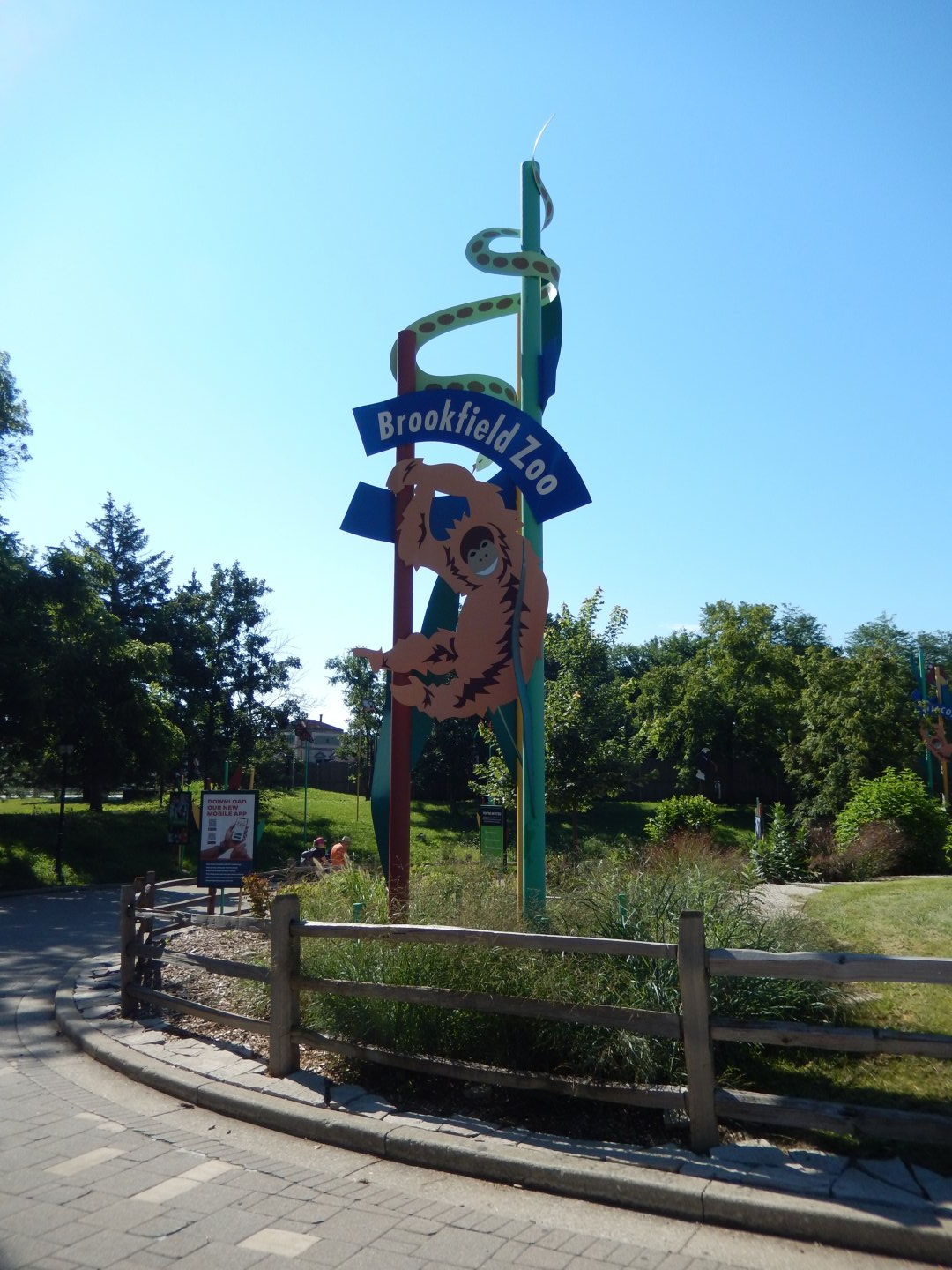
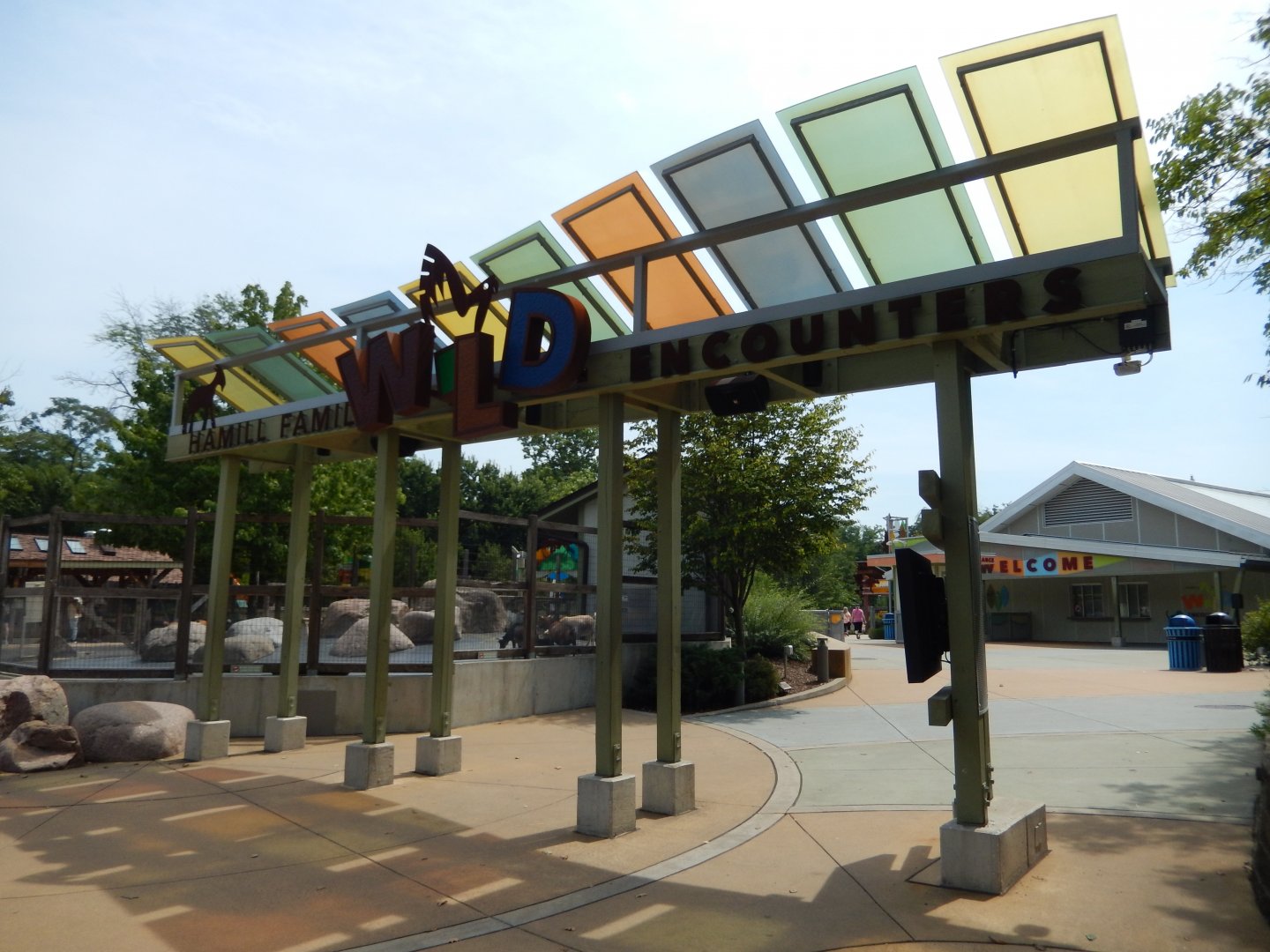
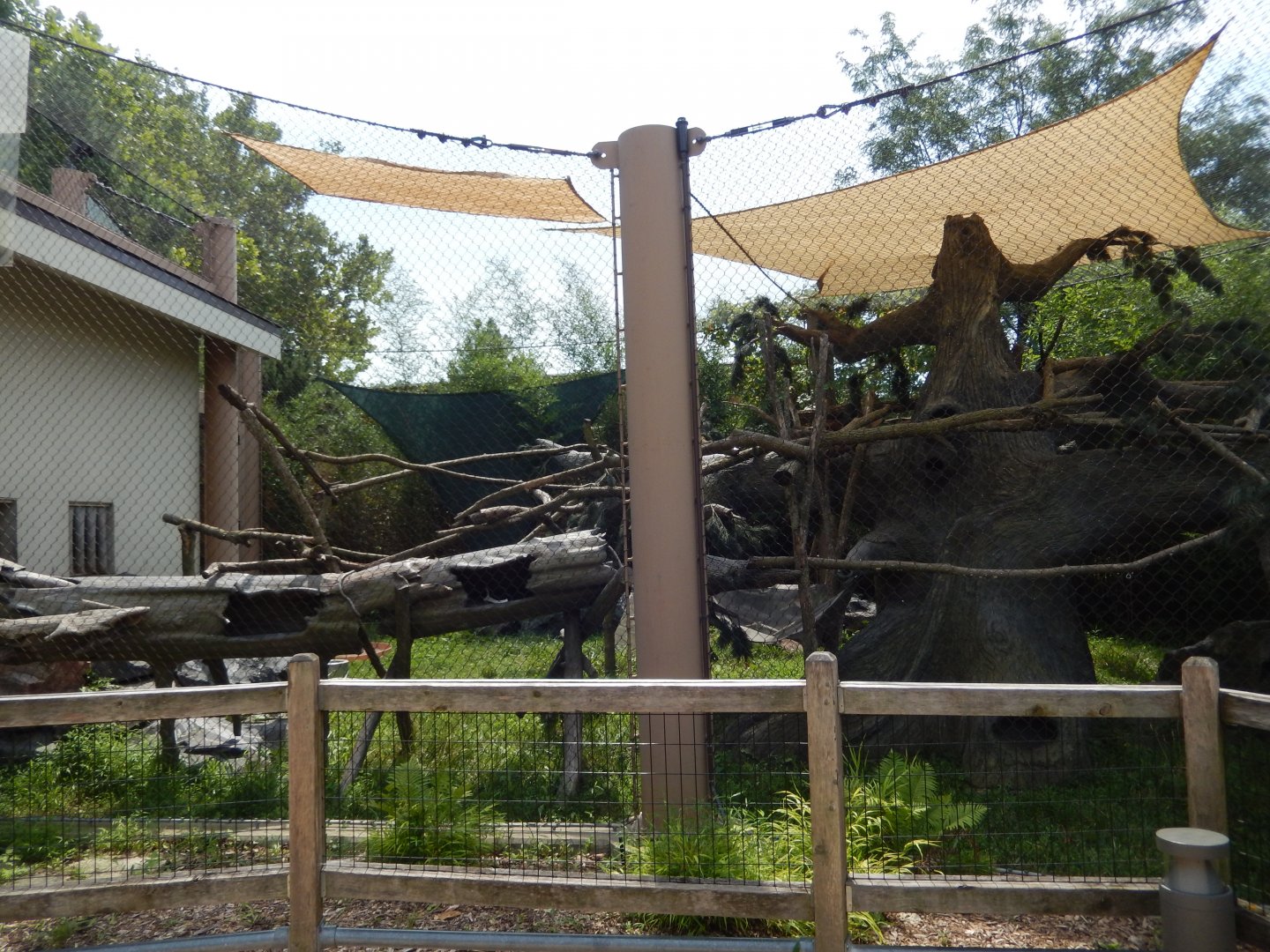
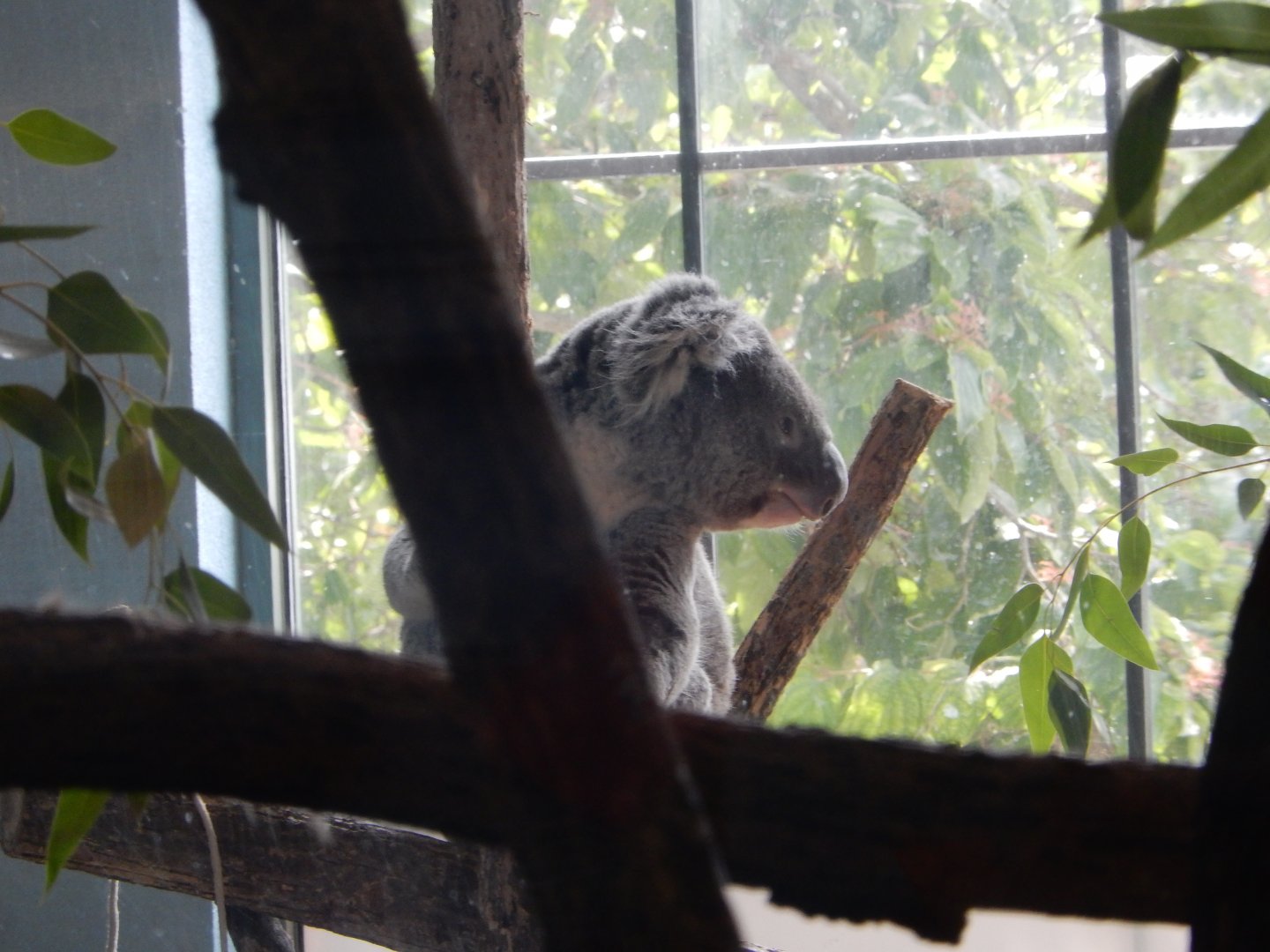
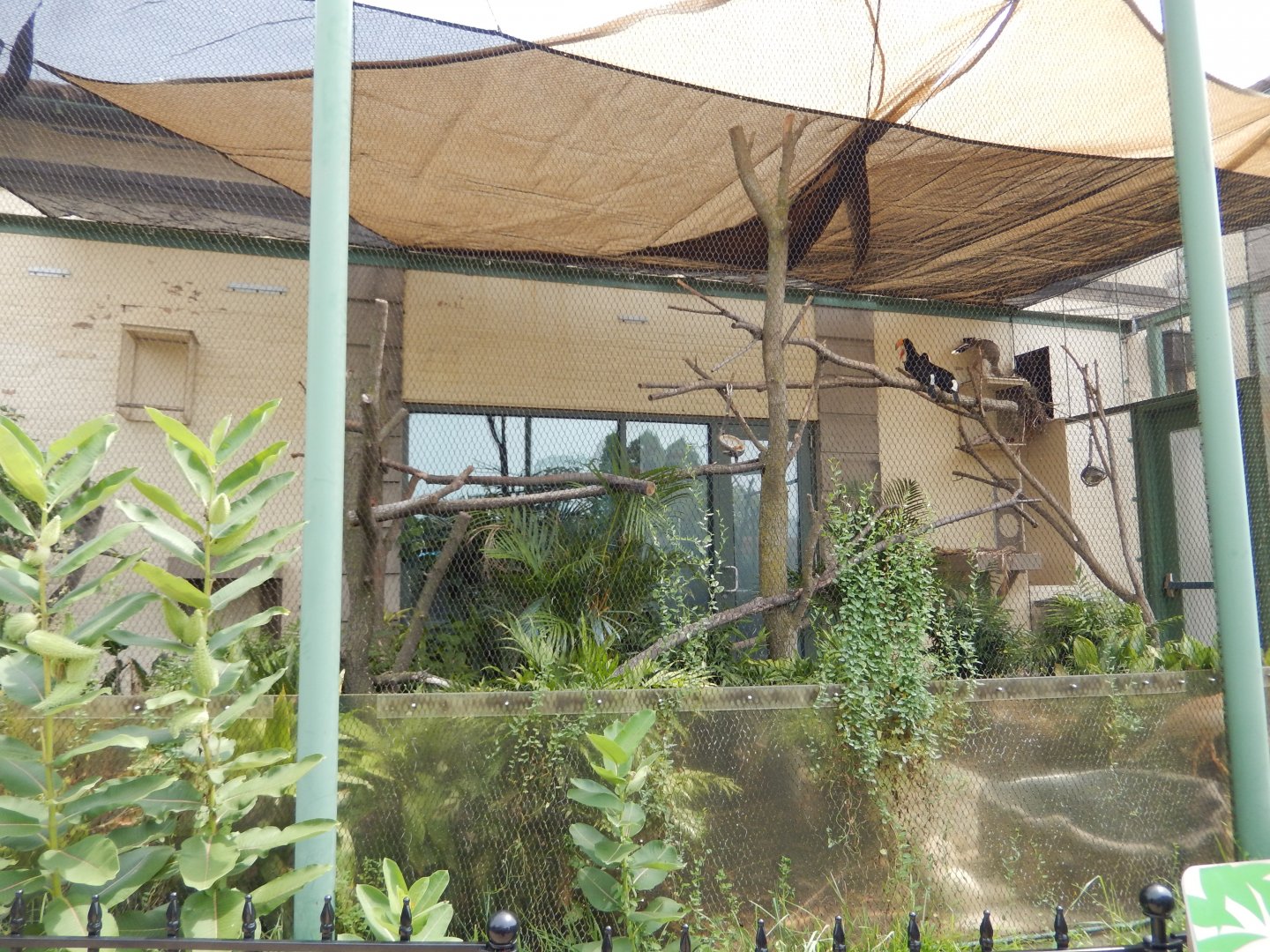
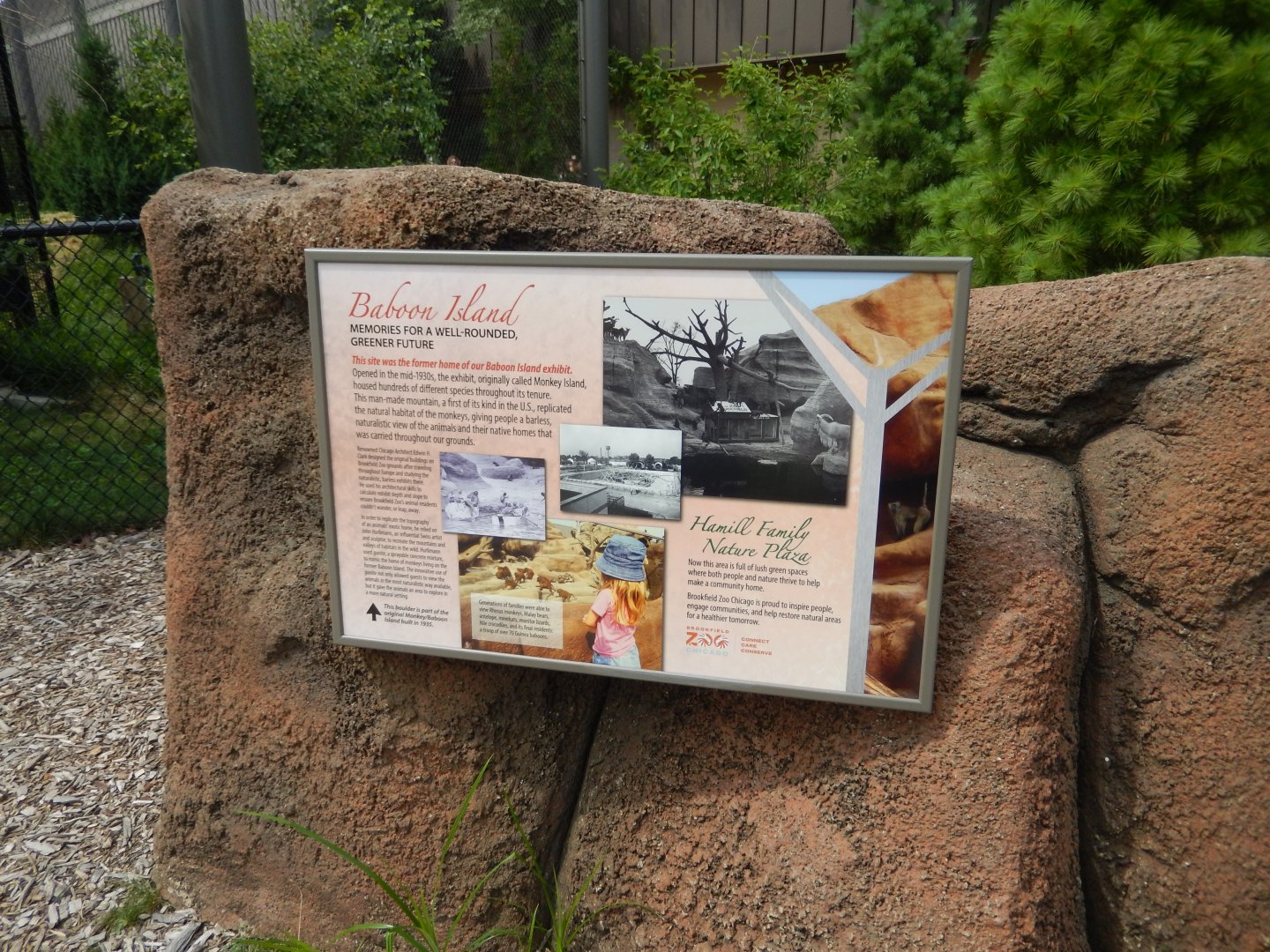
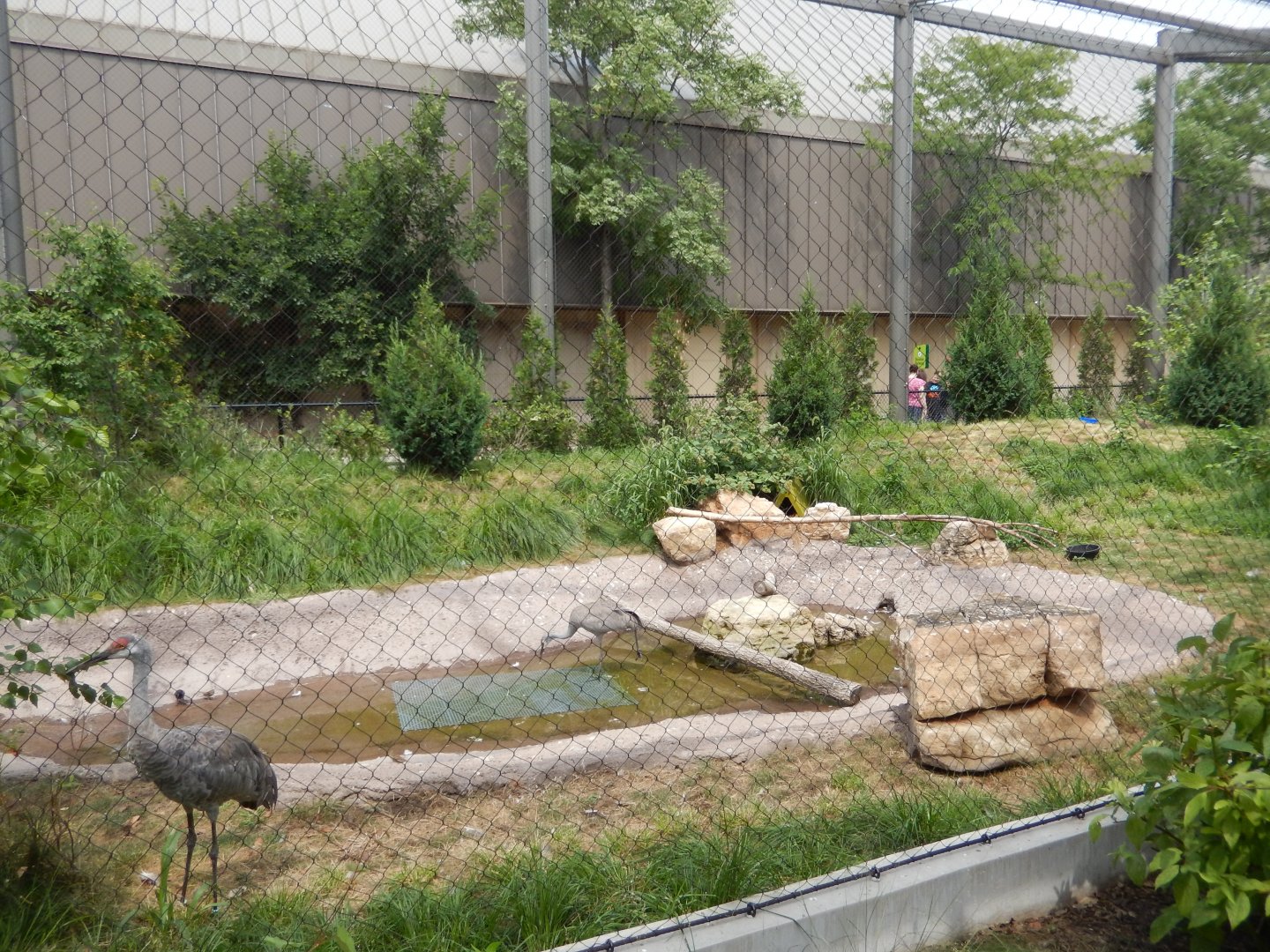
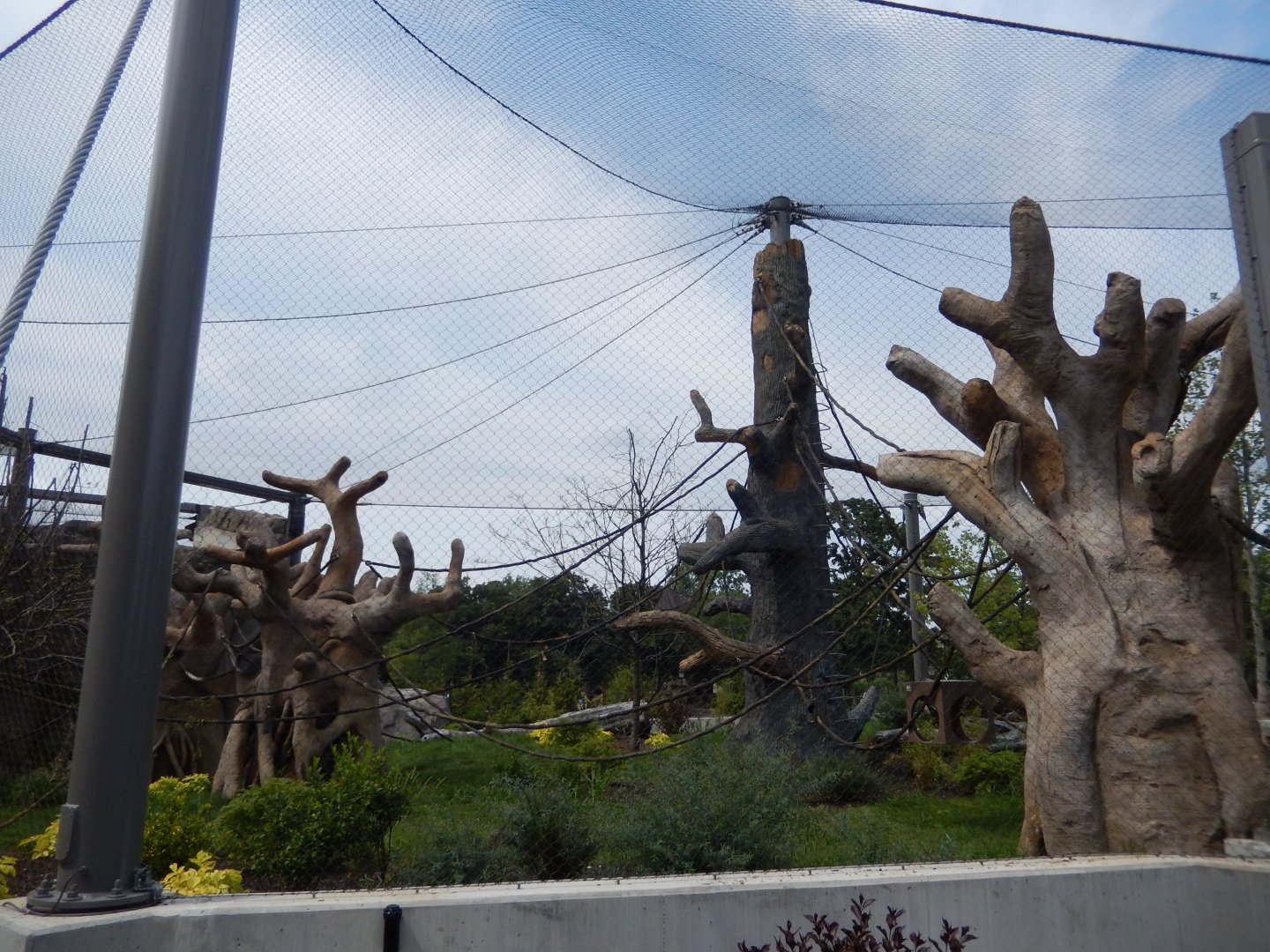
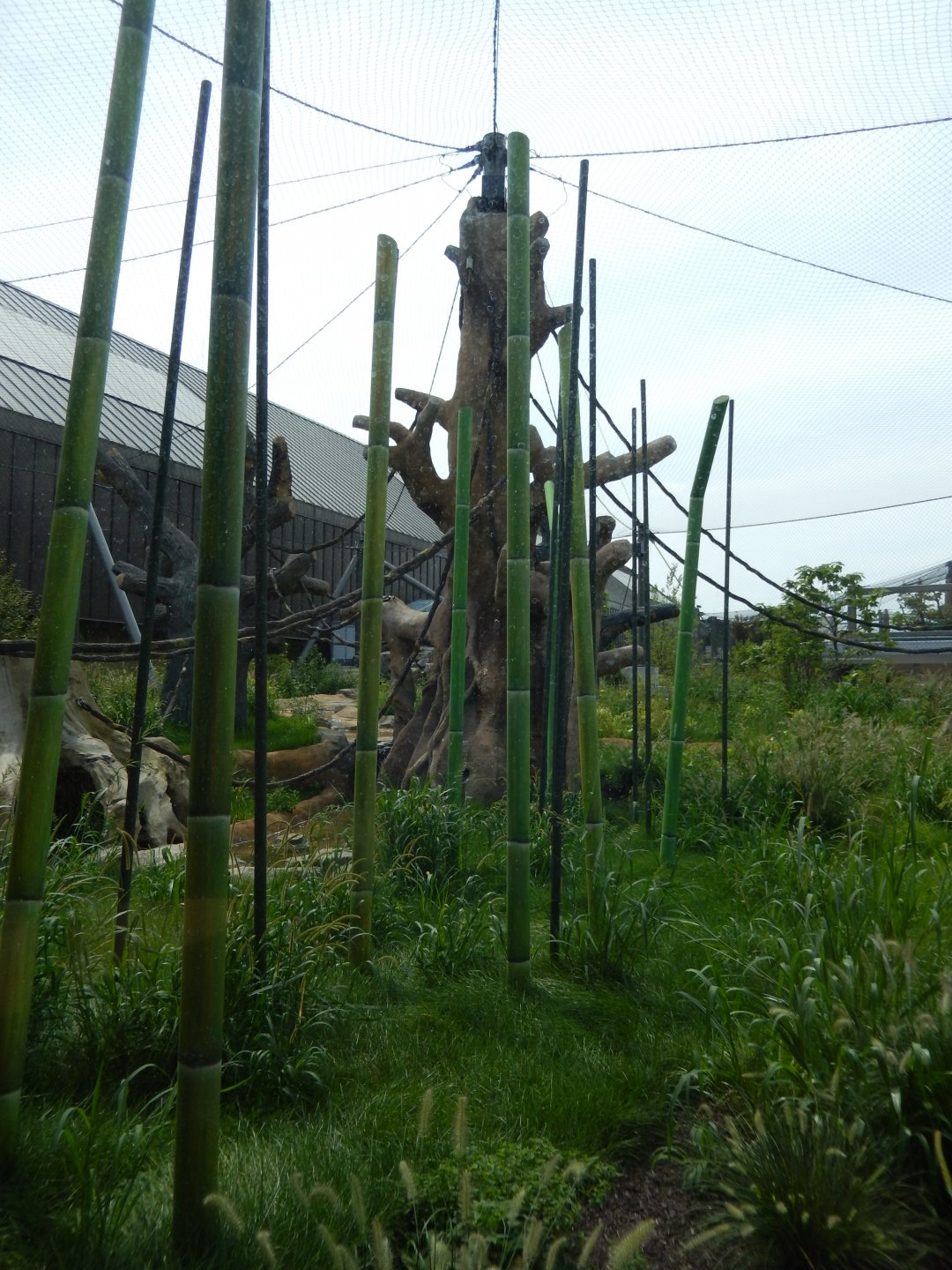
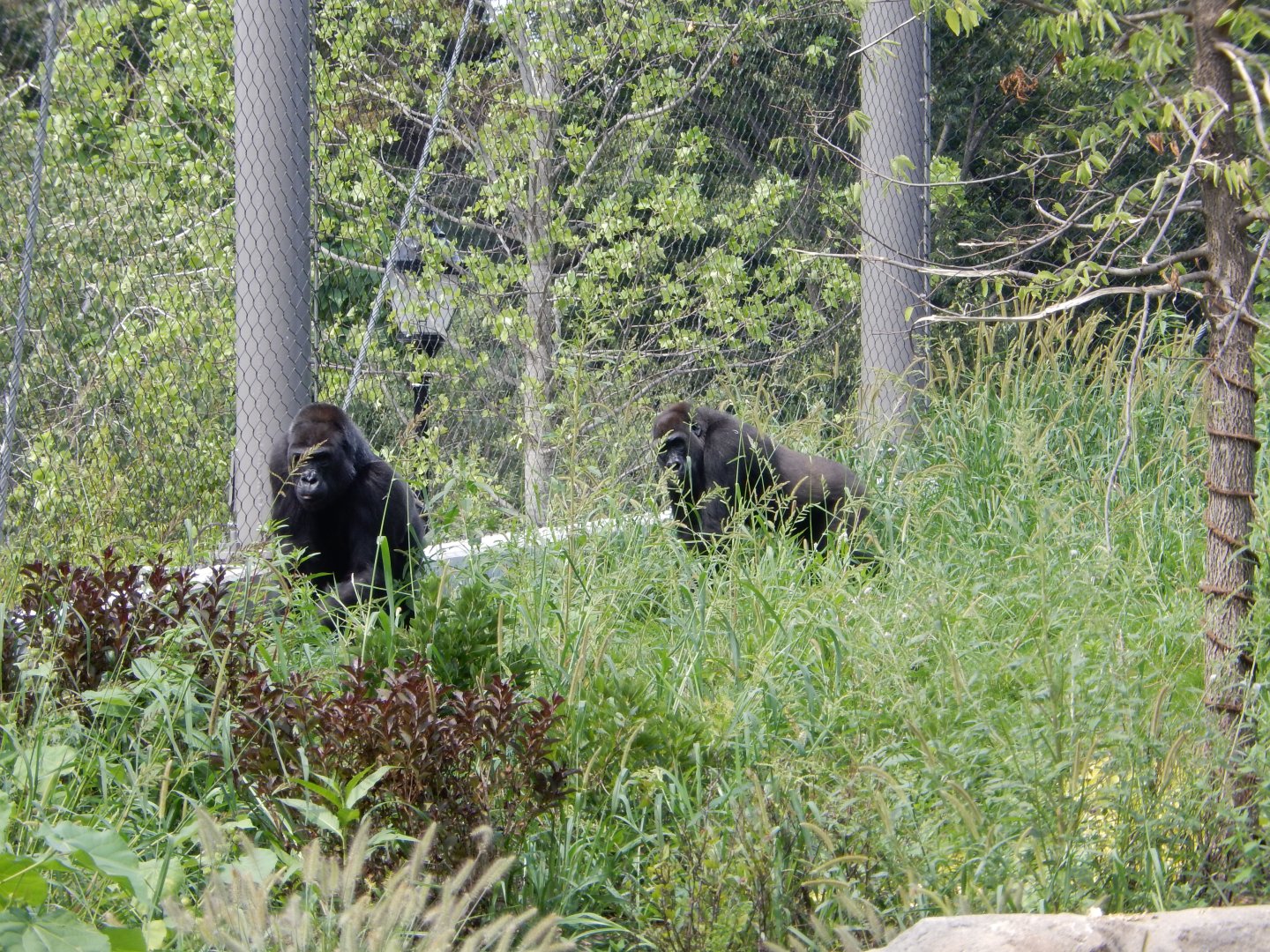
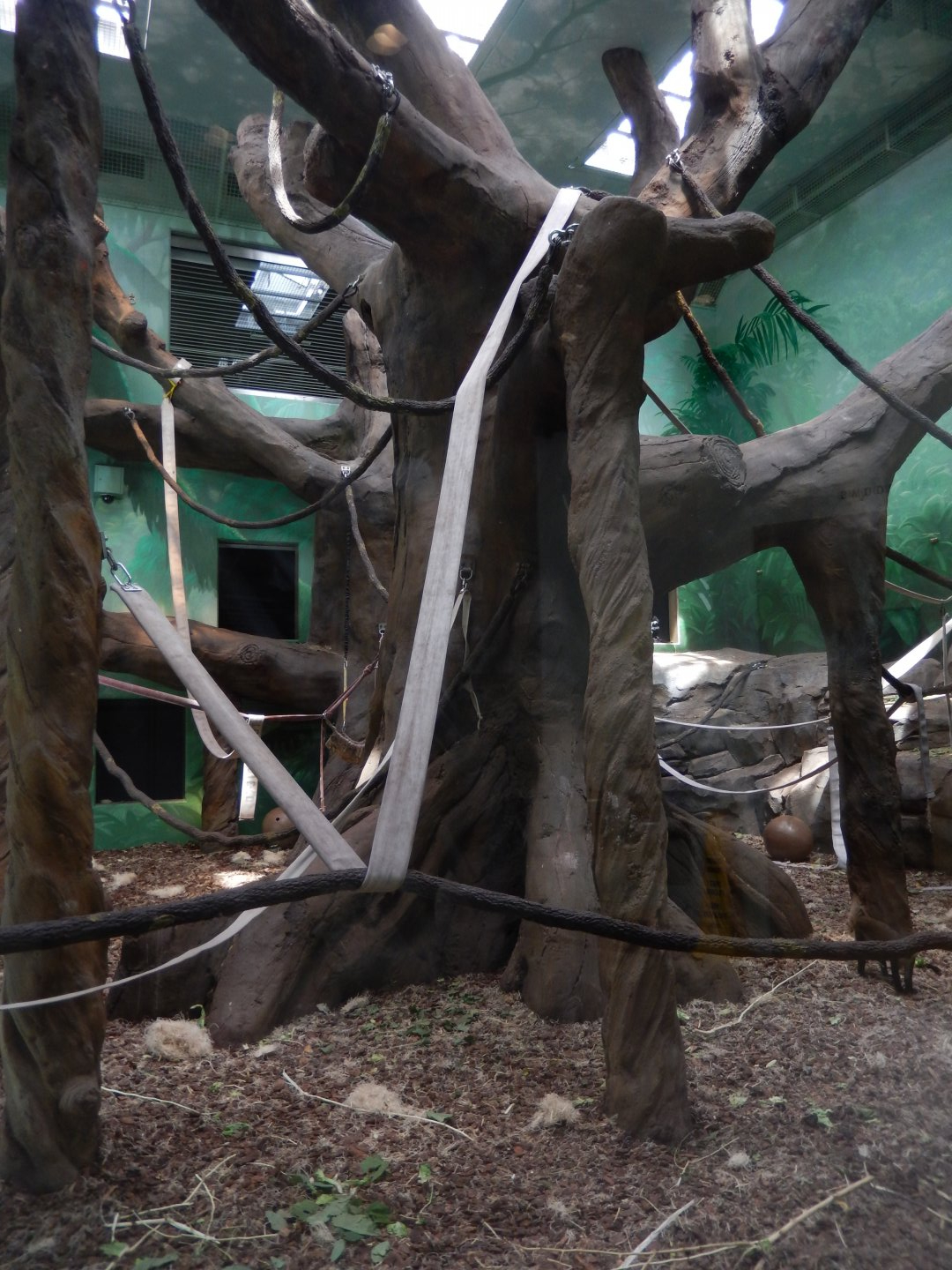
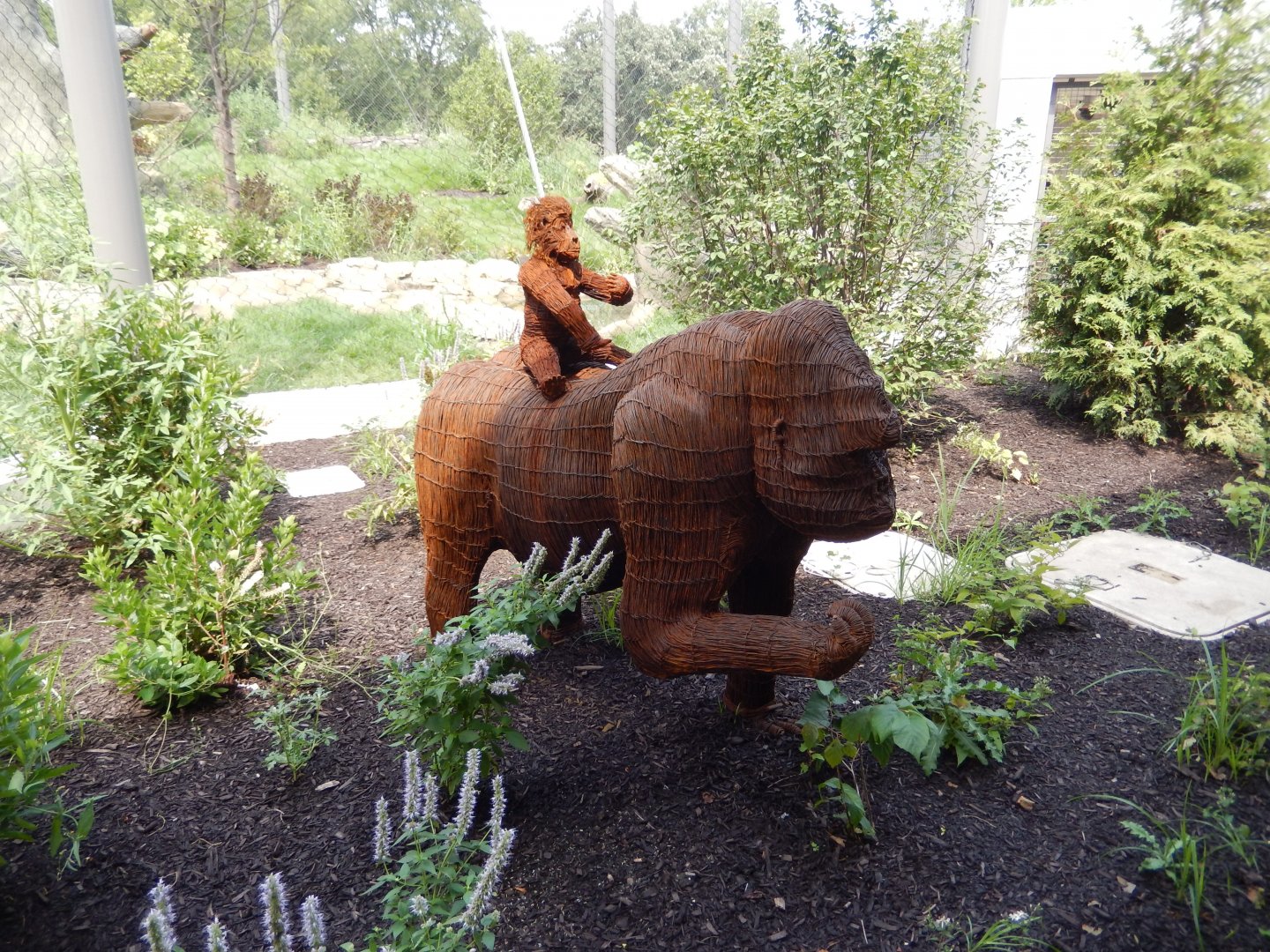

 I get keepers have routines, but it’s a shame these very nice displays have rather limited opening hours.
 Heading outside, the outdoor habitats are nicely detailed to look like the Aussie brush for the most part, but seemed to be smaller than I remember. The exception is the largest one on the east side, and that habitat I've always considered to be fantastic. Bennett's wallabies appeared to have all moved out in favor of Wild Encounters, with gray kangaroos, emu, and Cape barren geese being the remaining occupants.