
You are using an out of date browser. It may not display this or other websites correctly.
You should upgrade or use an alternative browser.
You should upgrade or use an alternative browser.
Miami Seaquarium Miami Seaquarium
- Thread starter LIECOBOY
- Start date



PantheraLeoMelanochaita
Well-Known Member
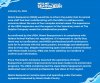
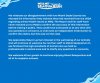
Honestly, I'm starting to lose any hope I had that the Seaquarium would be punished for their horrible cruelty. They literally starved dolphins to force them to perform, left them in dirty tanks with incompatible conspecifics, the list goes on (I won't repost links because those incidents have been pretty well documented in this thread already)... but the USDA has absolutely no spine and will always defer to the demands of industry over animal welfare concerns.Statement from the Seaquarium
 If the USDA won't do anything, it's time for the city of Miami to just end their lease already so they can wipe this stain off their city and put the whole shameful era to an end. That statement of theirs is just more endless lies. How could anybody trust that a company literally named "The Dolphin Company" genuinely cares about the welfare of dolphins besides the bare minimum to keep them alive for tourists to take pictures with? I hate how swim-with-dolphins culture has caused the general public to forget that dolphins are wild animals who deserve to be treated with as much respect as any other zoo animal, not as a pony to ride or a cute little ocean dog to pet and take your picture with.
Mary
Well-Known Member
It's astonishing how much of a straight up lie this statement is. It's not even a grey thing where you could look at the issue in a subjective way.
There is written proof, confirmed by staff and by inspection from a government agency, that this organization starves its animals into program participation and that they do not employ enough staff, either veterinary or general care, to maintain an ethical level of husbandry. Animals are dying from eating so much foreign material, are turning to aggresstion out of starvation, birds are ripping all their feathers out in filthy enclosures, manatees were baking in the sun and suffering from skin conditions.
It's in black and white in the November report. God, this is so maddening.

So has the situation really settled after all?
Has the Seaquarium managed to secure its existence?
Has the Seaquarium managed to secure its existence?
Unfortunately, they probably *are* in compliance, it's just that the standards in the AWA are set to be so ridiculously relaxed that a lot of horrible, horrible conditions are considered completely fine, while otherwise good zoos get dinged due to oddly specific rules. For example, to use the problem with the animals being starved, Part 3 Subpart E of the AWA says the following about feeding marine mammals:but the USDA has absolutely no spine and will always defer to the demands of industry over animal welfare concerns.
The food for marine mammals must be wholesome, palatable, and free from contamination and must be of sufficient quantity and nutritive value to maintain marine mammals in a state of good health. The diet must be prepared with consideration for factors such as age, species, condition, and size of the marine mammal being fed. Marine mammals must be offered food at least once a day, except as directed by the attending veterinarian.
Typically, for a law to be successfully enforced, it needs to be easily measurable. Other than being fed once a day, nothing mentioned there is easy to measure. No definitions are given for what makes food "wholesome" or "palatable", meaning this is essentially a useless standard impossible to enforce and as such almost any institution would be in compliance with this vague law.
However, there's also a "Catch 22" of sorts here: how can better standards be written that allow for individual variations dependent on individual animals? Surely, what's normally the best practices for a species may not apply to every, single individual, making animal welfare something extremely difficult to legislate in a way that doesn't either create standards that are ridiculously relaxed and/or don't allow institutions to make the right individualized care plans for their collection.
Really the other issue, however, is that the vets doing AWA inspections are, by default, not experts into the nuances of every single species housed in zoos, aquariums, farms, and other institutions they are inspecting. Just because a vet may be excellent in the standards and needs of large farm animals doesn't mean they are also an expert in birds, and so on so forth. Due to this, not only do things go under the radar when vets aren't well versed in the nuanced needs of what is or isn't appropriate for a species, but it also causes good institutions to get cited for things that actually aren't wrong. One zoo professional I know recently told me about a case from a decade ago when the major AZA zoo they were working at got a citation under the AWA for keeping Bactrian camels outside in the winter, despite the fact the camels are extremely cold tolerant. In essence, the entire piece of legislation is deeply flawed and frankly if we want facilities to actually be held accountable then we need a new law with actual enforcement mechanisms and measurable standards.
It is settling, but it is also too early to tell what is going to happen. The current issues with the USDA seem to have settled down, but the issues with overall management, the city, and any future AZA membership are far from being settled.So has the situation really settled after all?
Has the Seaquarium managed to secure its existence?
Is the point of starvation something that happens in the recent years?
It's a very long time since I have visited Miami Seaquarium for the last time. But by then, I haven't had the IMPRESSION (subjective) that the dolphins, Lolita and all the other animals weren't fed sufficiently (and that the birds have any problems with their feathers).
It's a very long time since I have visited Miami Seaquarium for the last time. But by then, I haven't had the IMPRESSION (subjective) that the dolphins, Lolita and all the other animals weren't fed sufficiently (and that the birds have any problems with their feathers).
PantheraLeoMelanochaita
Well-Known Member
Wow, I didn’t know this. It’s high time we got improved animal welfare laws in this country.Unfortunately, they probably *are* in compliance, it's just that the standards in the AWA are set to be so ridiculously relaxed that a lot of horrible, horrible conditions are considered completely fine, while otherwise good zoos get dinged due to oddly specific rules. For example, to use the problem with the animals being starved, Part 3 Subpart E of the AWA says the following about feeding marine mammals:
Typically, for a law to be successfully enforced, it needs to be easily measurable. Other than being fed once a day, nothing mentioned there is easy to measure. No definitions are given for what makes food "wholesome" or "palatable", meaning this is essentially a useless standard impossible to enforce and as such almost any institution would be in compliance with this vague law.
However, there's also a "Catch 22" of sorts here: how can better standards be written that allow for individual variations dependent on individual animals? Surely, what's normally the best practices for a species may not apply to every, single individual, making animal welfare something extremely difficult to legislate in a way that doesn't either create standards that are ridiculously relaxed and/or don't allow institutions to make the right individualized care plans for their collection.
Really the other issue, however, is that the vets doing AWA inspections are, by default, not experts into the nuances of every single species housed in zoos, aquariums, farms, and other institutions they are inspecting. Just because a vet may be excellent in the standards and needs of large farm animals doesn't mean they are also an expert in birds, and so on so forth. Due to this, not only do things go under the radar when vets aren't well versed in the nuanced needs of what is or isn't appropriate for a species, but it also causes good institutions to get cited for things that actually aren't wrong. One zoo professional I know recently told me about a case from a decade ago when the major AZA zoo they were working at got a citation under the AWA for keeping Bactrian camels outside in the winter, despite the fact the camels are extremely cold tolerant. In essence, the entire piece of legislation is deeply flawed and frankly if we want facilities to actually be held accountable then we need a new law with actual enforcement mechanisms and measurable standards.

BlobfishBoy
Well-Known Member
And YET AGAIN… another USDA report has come out from October with even more concerning contents. Let’s get through this one…
1. Sushi, a California Sea Lion was showing symptoms of eye discomfort and the veterinarian advised for cataract surgery to be scheduled. Three weeks after advising this, surgery still wasn’t scheduled. The sea lion’s appetite gradually decreased and she eventually refused food due to eye pain. During the inspection she still wasn’t eating. Apparently she was euthanized last month.
2. The veterinarian has zero access to an ultrasound, radiography, or endoscopy. There is no functioning anesthesia machine. The vet wants diagnostics done on three male bottlenose dolphins but due to the lack of diagnostics this is not possible.
3. Bimini and Ripley, bottlenose dolphins, were found with a broken bolt and a two inch nail along with other debris in their mouths respectively.
4. Ants were discovered in large numbers in and around cabinets containing vitamins and supplements for the marine mammals.
5. Continued issues with parrots living in unclean conditions and no enrichment plan
6. Continued water quality issues with the flamingos
When will this end? There’s no way the Seaquarium got these issues “in compliance”. The death of Sushi the sea lion may have been prevented if she was at a facility with better care.
1. Sushi, a California Sea Lion was showing symptoms of eye discomfort and the veterinarian advised for cataract surgery to be scheduled. Three weeks after advising this, surgery still wasn’t scheduled. The sea lion’s appetite gradually decreased and she eventually refused food due to eye pain. During the inspection she still wasn’t eating. Apparently she was euthanized last month.
2. The veterinarian has zero access to an ultrasound, radiography, or endoscopy. There is no functioning anesthesia machine. The vet wants diagnostics done on three male bottlenose dolphins but due to the lack of diagnostics this is not possible.
3. Bimini and Ripley, bottlenose dolphins, were found with a broken bolt and a two inch nail along with other debris in their mouths respectively.
4. Ants were discovered in large numbers in and around cabinets containing vitamins and supplements for the marine mammals.
5. Continued issues with parrots living in unclean conditions and no enrichment plan
6. Continued water quality issues with the flamingos
When will this end? There’s no way the Seaquarium got these issues “in compliance”. The death of Sushi the sea lion may have been prevented if she was at a facility with better care.
BlobfishBoy
Well-Known Member
https://aphis.file.force.com/sfc/di...9CF3BVBSRDZNnHJSwTKfSfF1T59D8_ivK96ImRJ7r3Jig
Here is a link to the aforementioned report.
Here is a link to the aforementioned report.
It needs to close only when it won't be possible to find a new ownership with more responsibility (and heart) for animals. As in other parts of life, improvements are (in the majority) better then to give up. Not all of the institiutions and humans caring for marine mammals and other animals deserve the claim "industry"...
BlobfishBoy
Well-Known Member
Perhaps so but the animals desperately need to be relocated until such improvements take place. Multiple animals needed and most likely still need medical procedures which aren’t being done. We can’t let them suffer and die at the Seaquarium waiting for a hypothetical new owner.It needs to close only when it won't be possible to find a new ownership with more responsibility (and heart) for animals. As in other parts of life, improvements are (in the majority) better then to give up. Not all of the institiutions and humans caring for marine mammals and other animals deserve the claim "industry"...
BlobfishBoy
Well-Known Member
Miami Seaquarium has now lost its American Humane certification.

Miami Seaquarium has now lost its American Humane certification.
And so the dominos start to fall... they're still listed as a member of the International Marine Mammal Trainers Association and on the list for AZA's mentorship program, but who knows for how long...
Apparently losing the American Humane certification puts them once again in breach of their lease with Miami-Dade County, so they're again in the hotseat but they're vowing to staying open, per news articles...
In light of the fact the facility is now losing even certifications, I went through and compiled the issues starting in June 2021 when things started going downhill, to be able to look at the big picture a little easier.
Disclaimer: Everything listed here is public information, via USDA reports, media releases, and Google reviews. I do not have any connections or inside knowledge regarding the Seaquarium and everything contained in this post is traceable to publicly viewable documentation. I have not intended to make anything sound worse than it may be/have been, aiming to keep to reported facts and avoid my own opinions. It is merely a compilation timeline.
USDA Inspection in Jun 2021 (under previous management)
Cited for the following issues, in abbreviated form:
No citations issued in USDA report posted Jul 12, 2021
December 2021 - Pacific White-side “Catalina” dies after possible aggression by Lolita. Seaworld took her back to try and care for her, but unfortunately she dies. In the June 2021 inspection report the lags were introduced against the advice of the veterinarians, and it was reported Lolita initially chased them to some extent.
Late 2021/early 2022 - The Seaquarium chooses to stop exhibiting Lolita in response to USDA presenting the Seaquarium with the ultimatum of stop exhibiting Lolita or lose their exhibitor’s license as they prepared to transfer ownership to The Dolphin Company. As a presumed result, Lolita and her areas are not inspected from now on in the reports until after her death with the remaining Pacific White-sides then resuming inspection.
USDA inspection in Jan 2022 (under previous management)
Cited for the following issues, in abbreviated form:
No citations issued in USDA report posted Feb 22, 2022
USDA inspection in Jul 2022 (under Dolphin Company)
Cited for the following issues, in abbreviated form:
USDA inspection in Nov 2022 (under Dolphin Company)
Cited for the following issues, in abbreviated form:
No citations issued in USDA report posted Jan 19, 2023
March 2023 - Seaquarium announces plans to return Lolita to the Pacific Northwest to a sea pen.
USDA inspection in Apr 2023 (under Dolphin Company)
Cited for the following issues, in abbreviated form:
June 2023 - Lolita receives a clean bill of health and is okay’d for transport.
USDA inspection in Jul 2023 (under Dolphin Company)
Cited for the following issues, in abbreviated form:
August 18, 2023 - Lolita dies. Later reports relate she was acting ill for several days prior. The Seaquarium had been posting daily updates on her health then suddenly stopped. USDA report comes out later from July stating the whale areas were in disrepair, manager was telling staff to not report to veterinarian, vet is not being provided with necessary medical equipment, and single vet is caring for the entire animal inventory. With that information public, it is rumored her death could have been preventable.
August 22, 2023 - two Pacific White-sides are confirmed to have arrived at Shedd Aquarium, with the transfer happening Aug 3.
September 25, 2023 - last Pacific White-side at the Seaquarium is transferred to SeaWorld San Antonio. There was talk of it being an “emergency move.”
USDA inspection in Oct 2023 (under Dolphin Company)
Cited for the following issues, in abbreviated form:
USDA inspection in Nov 2023 (under Dolphin Company)
Cited for the following issues, in abbreviated form:
USDA inspection in Nov 2023 (under Dolphin Company)
Cited for the following issues, in abbreviated form:
November 2023 - Animal welfare groups start protesting care of manatee “Romeo.” A few days later it is confirmed USFWS is in talks to move all of the Seaquarium’s manatees.
December 2023 - within the first week of December, USFWS basically confiscates the three remaining manatees at the Seaquarium with the help of Zoo Tampa and SeaWorld Orlando, among others. The manatees went to the mentioned facilities for medical assessment and care.
December 2023 - The Seaquarium fails to meet the Dec 15th deadline from Miami-Dade county. Searching for Seaquarium related jobs turns up more than a dozen listings, including keepers, managers, curator, trainers, and veterinary.
December 2023 - The Seaquarium receives a second notice of default from Miami-Dade County for owing the county over 87,000 in unpaid rent and infrastructure violations.
December 2023 - Dolphin Sundance dies - one of the four dolphins exhibiting gastric distress that the veterinarian expressed concern about not being able to properly assess in the November inspection.
January 2024 - Multiple vendors have spoken out that the Seaquarium has not paid them for services rendered months ago, including engineers, pest control, and water filtration.
January 2024 - Mayor of Miami is seeking to terminate the Seaquarium’s lease.
January 2024 - It is reported that USDA is prepared to seize 4 marine mammals, but the following day it is reported the Seaquarium has come into USDA compliance and no seizure occurs.
February 2024 - Miami Seaquarium loses its accreditation by the American Humane Society and is again in violation of the terms of its lease.
Further notes: Many recent reviews on Google are three stars or less, with many people citing poor animal care, the scathing USDA reports, and disappointing experiences. An increasing number of the ‘local guides’ are rating it low and saying to skip it. There are recent photos of the penguins, flamingos, and parrots where some of the citations by USDA are visible. None of the recent photos have very many guests visible. Numerous reviews mention the following: not as advertised, closed exhibits, boring, things being broken, short shows, filthy, not worth admission prices; even to the point of asking for their money back or calling it a scam. Several people mention it has become a shadow of what it used to be many years ago.
Lolita still is the header video for their Google profile, which probably isn't helping matters. Manatees are mentioned still on their about us page, which some people mention in their most recent reviews as misleading.
Most facilities recieve a USDA inspection once or maybe twice a year, some facilities with a good track record may go a year and half or even two years sometimes on one report. The Seaquarium is well above that average for 2023, and that's considering there could be a report or reports from December currently unreleased.
Disclaimer: Everything listed here is public information, via USDA reports, media releases, and Google reviews. I do not have any connections or inside knowledge regarding the Seaquarium and everything contained in this post is traceable to publicly viewable documentation. I have not intended to make anything sound worse than it may be/have been, aiming to keep to reported facts and avoid my own opinions. It is merely a compilation timeline.
USDA Inspection in Jun 2021 (under previous management)
Cited for the following issues, in abbreviated form:
- Numerous instances of veterinary advice being ignored by curators and keepers, including in regards to decreasing dietary intake of multiple animals (including Lolita), inappropriate requested show/training behaviors for elderly Lolita which resulted in reported injury to her jaw, moving Pacific White-sides into the same pool as Lolita against vet recommendations, feeding low quality/bad fish to Lolita.
- Insufficient barriers to keep the public back from Lolita’s show pool.
- Degrading facilities including peeling paint in the dolphin pools, inadequate fencing between dolphin pools which resulted in dolphins breaking into adjoining pools and injuring a conspecific, inappropriate temporary repairs to the sealion exhibit as well as flaking paint, cracked concrete flooring around drains, damaged cement and flaking paint in the main manatee exhibit, and several sealion areas were rust-stained.
- Inadequate shade for numerous marine mammals including Lolita, the dolphins, and the sealions. Multiple dolphins and Lolita documented to have eye lesions as an indirect result. Shade structures were in place by the time the report was delivered.
- Multiple animals were fed bad fish and several animals including Lolita were documented to have negative reactions.
- The water intake system from Biscayne Bay is older and was not appropriately treating water. The pinniped pools and one of the dolphin pools were observed to not have adequate circulation. Similarly the whale/lag pools were observed to be very turbid and had a high degree of particulate matter suspended in the water.
- Readings for chlorine levels were not matching and observed to be incorrect on several listings.
- A pump broke on the whale stadium and the backup pump was left off during the day as it was noisy. Lolita appeared agitated during the day, and a couple of days later exhibited white lines in her eyes indicative of chlorine irritation.
- A spike in chlorine was observed and the pump was turned off and the chorine management parts replaced. The chlorine levels proceeded to drop below the facility’s own recommended levels for an extended period of time (27 days.) Increased algae and agitated behavior was shortly thereafter observed throughout all of the park’s marine mammals on that system (dolphins, pinnipeds, manatees.) Water samples revealed several parasites and some animals were documented to have parasitic infections. A new UV sterilizer was added that addressed these issues.
- Facility representatives indicated they did not have any way of tracking individual dolphins when moving animals between pools, and multiple injuries and three deaths were documented in a timespan of roughly a year due to incompatible animals being put together.
No citations issued in USDA report posted Jul 12, 2021
December 2021 - Pacific White-side “Catalina” dies after possible aggression by Lolita. Seaworld took her back to try and care for her, but unfortunately she dies. In the June 2021 inspection report the lags were introduced against the advice of the veterinarians, and it was reported Lolita initially chased them to some extent.
Late 2021/early 2022 - The Seaquarium chooses to stop exhibiting Lolita in response to USDA presenting the Seaquarium with the ultimatum of stop exhibiting Lolita or lose their exhibitor’s license as they prepared to transfer ownership to The Dolphin Company. As a presumed result, Lolita and her areas are not inspected from now on in the reports until after her death with the remaining Pacific White-sides then resuming inspection.
USDA inspection in Jan 2022 (under previous management)
Cited for the following issues, in abbreviated form:
- Cited again for flaking paint and exposed concrete in the pinniped pools.
- Cited again for high chlorine levels in several pools on certain dates.
- Accumulation of iguana feces was noted in an area of the pinniped exhibits, and iguana feces were observed in the pool. 11 iguanas were observed in the immediate vicinity.
No citations issued in USDA report posted Feb 22, 2022
USDA inspection in Jul 2022 (under Dolphin Company)
Cited for the following issues, in abbreviated form:
- 9 out of 12 dolphins in Dolphin Harbor had their diets abruptly cut 60% without consulting or alerting the facility veterinarians. The diets were increased again after a few days but not to appropriate levels. Later vet assessments identified three animals as being very thin and well below their target weight ranges. All animals were scored low on body scoring. Staff complied with vet instructions to increase diets after it was discovered.
- Dolphin interactions with guests was also changed without consulting veterinarians from shaded areas to sunny areas. Number of guests was also increased without consulting vets.
- For the dolphins at Dolphin Harbor, there was an extreme number of documented instances of abnormal behavior (eg regurgitation) over nearly three months that were not being reported to the veterinarians. While each dolphin had a medical sheet document created by those overseeing the dolphins, these were not shared or mentioned to the veterinarians.
- Cited for handling of animals - when the Curator approached the managerial staff over the increasingly visible issues occurring at Dolphin Harbor there was significant resistance from the staff to change course. There were significant increases in unwanted behavior from the dolphins coinciding with the drop in food intake that were becoming concerning including breaking off training sessions, mouthing staff, poor attention span, and sinking during lineups. One dolphin was documented to suddenly more than triple average monthly incidents of inappropriate behaviors. Multiple other dolphins also showed a spike in aggressive/concerning behavior.
- There were multiple documented instances where staff continued to proceed with guest/dolphin encounters despite dolphins displaying aggression and/or not responding to trainers. Guests were mouthed or hit by dolphin flukes on multiple occasions. For all incidents involving guests staff proceeded despite dolphins displaying warning signs of aggression.
USDA inspection in Nov 2022 (under Dolphin Company)
Cited for the following issues, in abbreviated form:
- Again cited for rough edges and chipping paint in the pinniped areas.
- The perimeter fence had a section where there was a significant gap (12” x 14”) between the bottom of the fence that could readily be used by animals or potentially people to enter the facility grounds.
No citations issued in USDA report posted Jan 19, 2023
March 2023 - Seaquarium announces plans to return Lolita to the Pacific Northwest to a sea pen.
USDA inspection in Apr 2023 (under Dolphin Company)
Cited for the following issues, in abbreviated form:
- Again cited for cracking and flaking paint over the dolphin pools.
June 2023 - Lolita receives a clean bill of health and is okay’d for transport.
USDA inspection in Jul 2023 (under Dolphin Company)
Cited for the following issues, in abbreviated form:
- Facility was failing to recognize veterinary authority. Pacific White-side Elelo was recommended to be moved to a different facility in January and the move had not happened. The move recommendation came as the vet considered the facility to not have sufficient equipment to perform critical maintenance on the housing pool and the dolphin in question continued to ingest foreign objects from the pool degrading.
- Several employees reported a new manager from corporate was deliberately telling staff to not report to the veterinarian and was creating a problematic environment. Employees refused to give formal statements out of retaliation fears.
- The attending veterinarian was not being provided with requested equipment. It was noted the manatees have not been weighed in 5 years due to lack of working scales.
- Pacific White-side Elelo repeatedly ingested foreign objects and required veterinary care due to failure to appropriately maintain the pool.
- A manatee pool was documented to be without any shade structure for multiple days at a time on a couple of occasions.
- A veterinarian was terminated in March, leaving only a single veterinarian to care for all animals at the facility (over 100 mammals, birds, and reptiles, to say nothing of fish). This ground many normal vet procedures to a halt in favor of treating animals that were clearly sick.
- Cited for inappropriate mixing of dolphins again.
- Manatee “Romeo” had been housed alone for a couple of months as it was determined the facility did not meet the requirements to receive another manatee. As manatees do better in the presence of at least one other manatee, they were instructed to develop a plan to work things out in the meantime.
August 18, 2023 - Lolita dies. Later reports relate she was acting ill for several days prior. The Seaquarium had been posting daily updates on her health then suddenly stopped. USDA report comes out later from July stating the whale areas were in disrepair, manager was telling staff to not report to veterinarian, vet is not being provided with necessary medical equipment, and single vet is caring for the entire animal inventory. With that information public, it is rumored her death could have been preventable.
August 22, 2023 - two Pacific White-sides are confirmed to have arrived at Shedd Aquarium, with the transfer happening Aug 3.
September 25, 2023 - last Pacific White-side at the Seaquarium is transferred to SeaWorld San Antonio. There was talk of it being an “emergency move.”
USDA inspection in Oct 2023 (under Dolphin Company)
Cited for the following issues, in abbreviated form:
- Parrots had chewed significantly into the wall behind their cages in two places.
- Failure to acknowledge veterinarian authority; many recommended medical procedures had not been approved by the facility. The vet was also still not being provided requested medical equipment which prevented properly assessing animals. There was no access to a working anesthesia machine.
- Repeat citation for handing of animals - a dolphin was accidentally kicked in the mouth by a guest during a animal interaction, resulting in minor injury to the guest. The dolphin ignored trainers commands to return to them and the guest.
- Repeat citation as two different dolphins presented to trainers in the morning with foreign objects in their throats, one with a two inch nail, mangrove pod bits, and shell bits, the other with a bolt.
- Three times within a month the same dolphin jumped barriers to be with another social group without trainer consent.
- Repeat citation as the facility’s perimeter fence had numerous gaps beneath the fencing and in some areas the top barbed wire is drooping and pulling the fence below the required height.
- Ants were discovered in the vitamin cabinet for the marine mammals.
- Repeat citation for manatee “Romeo” still housed alone; while the facility implemented social interactions with trainers, it was done without consulting the veterinarian and there was no written plan.
- In the parrots area, there were multiple areas with flaking paint and rust.
- In the penguin exhibit the ceiling tends to condensate, which has led to mold as well as the paint is bubbling and starting to droop into the exhibit.
- In the trailer that is indoor housing for the parrots, there is a noxious odor that remains even after being cleaned. It is documented the facility has had air quality issues with the building before, leading to bird illness. Air purifiers have been implemented but there is still inadequate ventilation.
- There is still no completed enrichment plan for the birds housed at the facility, the penguins and flamingos are not included.
- In the flamingo area there is an area of poor drainage and also a trough that does not connect to a functional drain. Both areas had stagnant water with algae and visible bugs. They were stated to be flushed out roughly once a week.
USDA inspection in Nov 2023 (under Dolphin Company)
Cited for the following issues, in abbreviated form:
- Inadequate number of staff, namely veterinary staff.
USDA inspection in Nov 2023 (under Dolphin Company)
Cited for the following issues, in abbreviated form:
- Repeat citation for the penguin building being in disrepair, including the metal frame holding the glass rusting and breaking off, paint peeling and breaking away from the walls and ceiling, and sections of drywall are breaking apart. Many screws are showing rust stains around them and the door frame into the exhibit is rusted all the way around.
- Repeat citation for the parrot housing, where the walls are still damaged and paint is peeling from the ceiling.
- Repeat citation for inadequate veterinary care. A manatee had notably progressing skin conditions and was untreatable due to lack of appropriate facilities and equipment. The manatee was scheduled to leave for a facility that could appropriately care for her, and the pre-shipment medical costs were covered by the receiving facility.
- The veterinarian has concerns that four different dolphins have ingested foreign objects due to gastric distress and abnormal samples. The vet still lacks appropriate equipment to inspect and treat these animals.
- Repeat citation for dolphin pools in disrepair, with rough edges and exposed concrete in the medical pool and another pool. While a work order was submitted in Aug, no work has been done and there is no timeline. Similarly, in the sealion exhibit there is a metal grate that was not re-secured properly, it was observed to be shifted and there is concern for the sealions shunting it aside and accessing part of the filtration system.
- Repeat citation for inadequate fencing; parts of the the fencing were rusted off at the attachment points and the fencing could easily be shifted significantly. In several areas the razor wire was hanging low and pulling the fence below the required minimum. The inspector observed stray cats readily entering and exiting the facility, and several employees reported seeing foxes on grounds.
- For over a month coliform counts in the sealion pool were excessively high, in some cases with no mitigation due to water level.
- Repeat citation for inadequate staffing, namely veterinary staff.
- Repeat citation for excessive rust in the parrot areas.
- The ventilation issue with the penguins remains unaddressed, with mold and drooping paint continuing. The air filter for the penguins ventilation duct was removed in Aug and was not replaced, allowing increased dust into the exhibit.
- The noxious odor in the parrot trailer continues with no steps for extra ventilation.
- There is no shelter of any sort in the flamingo yard.
- Most of the perching in the parrot area needs replaced. Much of it is badly chewed and in several areas stripped smooth. The area manager stated that attempts to order new perching and enrichment items were unsuccessful.
- The parrot enrichment plan does not account for the three birds that are feather plucked.
- Repeat citation for stagnant water in the flamingo pools. Additionally, the coliform count has been excessively high in the pool for the entirety of Nov despite expressed concern from the veterinarian. Industry standards are at or less than 1,000 MPN. All counts documented from the flamingo pool in Nov are >24,190.06 MPN
- Direct quote - “Based on the number of non-compliant items identified with this report, this facility does not have enough adequately trained employees that can maintain the professional acceptable level of husbandry and handling practices for the animals in their collection. Extensive maintenance is required for all bird areas to maintain enclosures in good repair for the safety and health of their birds.”
November 2023 - Animal welfare groups start protesting care of manatee “Romeo.” A few days later it is confirmed USFWS is in talks to move all of the Seaquarium’s manatees.
December 2023 - within the first week of December, USFWS basically confiscates the three remaining manatees at the Seaquarium with the help of Zoo Tampa and SeaWorld Orlando, among others. The manatees went to the mentioned facilities for medical assessment and care.
December 2023 - The Seaquarium fails to meet the Dec 15th deadline from Miami-Dade county. Searching for Seaquarium related jobs turns up more than a dozen listings, including keepers, managers, curator, trainers, and veterinary.
December 2023 - The Seaquarium receives a second notice of default from Miami-Dade County for owing the county over 87,000 in unpaid rent and infrastructure violations.
December 2023 - Dolphin Sundance dies - one of the four dolphins exhibiting gastric distress that the veterinarian expressed concern about not being able to properly assess in the November inspection.
January 2024 - Multiple vendors have spoken out that the Seaquarium has not paid them for services rendered months ago, including engineers, pest control, and water filtration.
January 2024 - Mayor of Miami is seeking to terminate the Seaquarium’s lease.
January 2024 - It is reported that USDA is prepared to seize 4 marine mammals, but the following day it is reported the Seaquarium has come into USDA compliance and no seizure occurs.
February 2024 - Miami Seaquarium loses its accreditation by the American Humane Society and is again in violation of the terms of its lease.
Further notes: Many recent reviews on Google are three stars or less, with many people citing poor animal care, the scathing USDA reports, and disappointing experiences. An increasing number of the ‘local guides’ are rating it low and saying to skip it. There are recent photos of the penguins, flamingos, and parrots where some of the citations by USDA are visible. None of the recent photos have very many guests visible. Numerous reviews mention the following: not as advertised, closed exhibits, boring, things being broken, short shows, filthy, not worth admission prices; even to the point of asking for their money back or calling it a scam. Several people mention it has become a shadow of what it used to be many years ago.
Lolita still is the header video for their Google profile, which probably isn't helping matters. Manatees are mentioned still on their about us page, which some people mention in their most recent reviews as misleading.
Most facilities recieve a USDA inspection once or maybe twice a year, some facilities with a good track record may go a year and half or even two years sometimes on one report. The Seaquarium is well above that average for 2023, and that's considering there could be a report or reports from December currently unreleased.
Last edited:
Things continue to move downwards...
Is a reckoning finally arriving for Miami’s troubled Seaquarium?
There's some anti-captivity junk in that one, but it also mentions various other issues. The Seaquarium is $90,000 behind on its rent, four buildings have been deemed structurally unsafe by the county, and a former Seaquarium vet has spoken out (excerpt below of that part).
PETA also has done another round of protesting and other groups are also ramping up their push to get the Seaquarium shut down.
I see the Seaquarium is also missing from the list of accredited trainer programs by the International Marine Animal Trainers Association despite having previously been commonly involved many years ago.
Their Google rating is still holding at 3.7 stars, but multiple one and two star reviews have come in since I last posted in here even.
TripAdvisor has them at 3.5 stars
Yelp is sitting at 2.2 stars
WhichMuseum.com has them at 2 stars
Increasingly the same story across anywhere that does reviews; outdated, overpriced, and bad animal welfare.
Is a reckoning finally arriving for Miami’s troubled Seaquarium?
There's some anti-captivity junk in that one, but it also mentions various other issues. The Seaquarium is $90,000 behind on its rent, four buildings have been deemed structurally unsafe by the county, and a former Seaquarium vet has spoken out (excerpt below of that part).
Jenna Wallace, a marine mammal veterinarian who worked at the Seaquarium in 2021, and now a prominent voice for the park’s closure, described its position as “a hot mess”.
“When I was there the trainers were making decisions for themselves and not the animals,” she said.
“We had a dolphin with fractured ribs and fluid around the heart, it wasn’t eating for like 10 days, and the trainer would not allow me as a veterinarian to pull blood or do any procedures. I’ve pulled zip-ties out of the back of dolphins’ throats, bloody and lacerated.
PETA also has done another round of protesting and other groups are also ramping up their push to get the Seaquarium shut down.
I see the Seaquarium is also missing from the list of accredited trainer programs by the International Marine Animal Trainers Association despite having previously been commonly involved many years ago.
Their Google rating is still holding at 3.7 stars, but multiple one and two star reviews have come in since I last posted in here even.
TripAdvisor has them at 3.5 stars
Yelp is sitting at 2.2 stars
WhichMuseum.com has them at 2 stars
Increasingly the same story across anywhere that does reviews; outdated, overpriced, and bad animal welfare.
As if this changes much?PETA also has done another round of protesting and other groups are also ramping up their push to get the Seaquarium shut down.
People were protesting about Toki for years… and that was ‘very’ productive.
At least the manatees are doing better I guess…
As if this changes much?
People were protesting about Toki for years… and that was ‘very’ productive.
At least the manatees are doing better I guess…
Some of the people involved (not PETA) have gotten animals out of facilities in the past, so we'll see. The protesting continues to keep negative press going about the Seaquarium, which is damaging as much as anything because more opportunities for people to see what's going on (unfortunately some junk in several of the articles too, but that comes with the territory at this point sadly.) At this point protesting may actually get somewhere just for the sheer stack of problems the Seaquarium keeps piling upon itself, it's now turned towards protesting because of documented poor welfare and injured animals more than animal rights nonsense. It's one thing when protests are simply for AR anti-captivity nonsense, it's another when it's because of nails in dolphin's throats and refusal to allow proper veterinary care...