Seen as most of those species are hard or even near impossible to acquire I'd just drop the birds (except the wader birds). Those common terms could be put in the wader aviary, the rest seems more risky (maybe the cormorants and eiders could also be put in there, but I'm not sure).Ah, that does complicate things. How would you design it?
You are using an out of date browser. It may not display this or other websites correctly.
You should upgrade or use an alternative browser.
You should upgrade or use an alternative browser.
Mixed species enclosures and other changes for Burgers Zoo
- Thread starter Mr Gharial
- Start date

Seen as most of those species are hard or even near impossible to acquire I'd just drop the birds (except the wader birds). Those common terms could be put in the wader aviary, the rest seems more risky (maybe the cormorants and eiders could also be put in there, but I'm not sure).
Really? Greater cormorants are in quite a lot of zoos, Northern gannets not as much but there's still a few in Europe.
Yellow-legged gulls are indeed rare, but Herring gulls aren't. and there's also other gulls that could replace it
The cormorants and eiders are the only species commonly available. Common terns are also a rarity, but due to their smaller size I suspect they are possible to acquire from private breeders.Really? Greater cormorants are in quite a lot of zoos, Northern gannets not as much but there's still a few in Europe.
Gannets are rarely available, it's mostly rescues in a non-breeding situation and breeding results are too few to support the current population. With other words, if you want some you will have to make due with rescues. Logically sea-side centers like Ecomare or parks with a group already are first in line to get new rescues. Herring gulls are also not that common in zoos, a bit of breeding but still not that much. Yellow-leggeds are as you said it yourself very rare.
What other gull species do you have in mind? Black-headed is also very rare, mostly single or small non-breeding groups. Great black-backed gull:nly a handful and non-breeding. Lesser black-backed gull: kept in a handful of zoos, apparently breeding in Zie-Zoo. However with the murder of a large part of their colony a few years back I doubt they have much to spare. Common gull: handful of rescues.
So with all those big European gull species, you basically have to compete with other zoos that already take in rescues. The only species of which you can easily acquire a large group are non-European.
The cormorants and eiders are the only species commonly available. Common terns are also a rarity, but due to their smaller size I suspect they are possible to acquire from private breeders.
Gannets are rarely available, it's mostly rescues in a non-breeding situation and breeding results are too few to support the current population. With other words, if you want some you will have to make due with rescues. Logically sea-side centers like Ecomare or parks with a group already are first in line to get new rescues. Herring gulls are also not that common in zoos, a bit of breeding but still not that much. Yellow-leggeds are as you said it yourself very rare.
What other gull species do you have in mind? Black-headed is also very rare, mostly single or small non-breeding groups. Great black-backed gull:nly a handful and non-breeding. Lesser black-backed gull: kept in a handful of zoos, apparently breeding in Zie-Zoo. However with the murder of a large part of their colony a few years back I doubt they have much to spare. Common gull: handful of rescues.
So with all those big European gull species, you basically have to compete with other zoos that already take in rescues. The only species of which you can easily acquire a large group are non-European.
Fair enough, we'll only keep the common terns, eiders and cormorants then
By the way, are European eels kept in saltwater or freshwater tanks?

For breeding, it appears they are best kept in a combination of Saltwater and FreshwaterBy the way, are European eels kept in saltwater or freshwater tanks?
For breeding, it appears they are best kept in a combination of Saltwater and Freshwater
So technically then can be kept in both, because in that case I could keep a seperate breeding colony, along with a non-breeding group in the kelp tank
YesSo technically then can be kept in both, because in that case I could keep a seperate breeding colony, along with a non-breeding group in the kelp tank
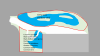
Alright then, in that case. Here's the finalised design

I sized up the aquarium after comparing it on the map. The open ocean tank was a bit undersized.
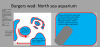
All the species are specified. The wadden aviary is based on a mix of the dunes of texel and the actual wadden. The seal enclosure is shallow in the back, but pretty deep in the front area.
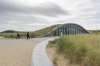
The outside of the North Sea aquarium is similar to the Boulevard in Katwijk aan zee with a grass roof, except more square


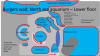
The upper balcony of the North sea aquarium consists of three main areas: A group of tide pools in a circle. A large seabottom tank with sturgeons, common soles and Garpikes. And a shark tank, which isn't an open tank, unlike the others.
From the balcony you can also get a great view to the enormous open ocean tank. With a window larger than their current shark tank in Ocean. You can go down the stairs via the kelp tank, or via the wheelchair ramp, with a glass ceiling to look into the shark tank from below.

On the lower floor, you can get a closer view into the Open ocean tank, not only by being closer to the window, but also by going inside the giant TESO shipwreck. Inside, there are information panels on the open ocean animals, and the funky skeletons of the mola mola, torpedo ray and the common skate.
The European eel tank is based on the hectagonal rocks used to reinforce the shoreline of the Netherlands. The oyster reef too, but lined with mussels and oysters, along with smaller tide pool creatures.
Once you go through the oyster reef you see two large windows looking into the underwater area for the seals. The tank next to the oyster reef is more rocky, and has a smaller shipwreck.
The last few tanks pretty much explain themselves, the compass jellyfish tunnel is mainly dark, with orange lights to give the illusion of the jellyfish glowing.
The small box on the bottom left has an education booth, showing pollution and oil leakings in the North Sea. It also has a small aquarium with Sea Lampreys.
Finally, there is the touch pool with different species or rays, along with a smaller school of Bogue
The entire lower floor also has some models hanging from the ceiling, the large, blue oval is the humpback whale. And an oarfish, a group of harbour porpoises, a group of white-beaked dolphins, a school of swordfish, a basking shark, and two greenland sharks also hang from the ceiling in different places
I sized up the aquarium after comparing it on the map. The open ocean tank was a bit undersized.
All the species are specified. The wadden aviary is based on a mix of the dunes of texel and the actual wadden. The seal enclosure is shallow in the back, but pretty deep in the front area.
The outside of the North Sea aquarium is similar to the Boulevard in Katwijk aan zee with a grass roof, except more square
The upper balcony of the North sea aquarium consists of three main areas: A group of tide pools in a circle. A large seabottom tank with sturgeons, common soles and Garpikes. And a shark tank, which isn't an open tank, unlike the others.
From the balcony you can also get a great view to the enormous open ocean tank. With a window larger than their current shark tank in Ocean. You can go down the stairs via the kelp tank, or via the wheelchair ramp, with a glass ceiling to look into the shark tank from below.
On the lower floor, you can get a closer view into the Open ocean tank, not only by being closer to the window, but also by going inside the giant TESO shipwreck. Inside, there are information panels on the open ocean animals, and the funky skeletons of the mola mola, torpedo ray and the common skate.
The European eel tank is based on the hectagonal rocks used to reinforce the shoreline of the Netherlands. The oyster reef too, but lined with mussels and oysters, along with smaller tide pool creatures.
Once you go through the oyster reef you see two large windows looking into the underwater area for the seals. The tank next to the oyster reef is more rocky, and has a smaller shipwreck.
The last few tanks pretty much explain themselves, the compass jellyfish tunnel is mainly dark, with orange lights to give the illusion of the jellyfish glowing.
The small box on the bottom left has an education booth, showing pollution and oil leakings in the North Sea. It also has a small aquarium with Sea Lampreys.
Finally, there is the touch pool with different species or rays, along with a smaller school of Bogue
The entire lower floor also has some models hanging from the ceiling, the large, blue oval is the humpback whale. And an oarfish, a group of harbour porpoises, a group of white-beaked dolphins, a school of swordfish, a basking shark, and two greenland sharks also hang from the ceiling in different places
Attachments
Last edited:
Just a reminder that the grass roof may be harder to display as you will use an overall three levels and the first one has to be be very tall to have the hanging animals
I believe they can live in both for several years, but as said before they need to live in saltwater, freshwater and once again saltwater to breed. It's a problem that hasn't really been solved yet, even high-tech programs keep failing.By the way, are European eels kept in saltwater or freshwater tanks?
Just a reminder that the grass roof may be harder to display as you will use an overall three levels and the first one has to be be very tall to have the hanging animals
I noticed this later, I was already thinking of just filling the roof with solar panels
I believe they can live in both for several years, but as said before they need to live in saltwater, freshwater and once again saltwater to breed. It's a problem that hasn't really been solved yet, even high-tech programs keep failing.
In that case they can live in the breeding tank with freshwater, and be moved into the larger saltwater tank once they're fully grown
That's a great idea, for the roof above the open ocean I suggest using skylights to minimize the need for lightingI noticed this later, I was already thinking of just filling the roof with solar panels
That's a great idea, for the roof above the open ocean I suggest using skylights to minimize the need for lighting
Well, I don't know Jack about lighting, so I'm not going to get in all the lighting
Have we discussed everything?
At one point you asked about what south American plain animals could be added to park and I don't think you went over that section of parkHave we discussed everything?
At one point you asked about what south American plain animals could be added to park and I don't think you went over that section of park
Well, I moved the reindeer to Woods, so I had to replace the enclosure. Guanacos and Lesser rhea's will go into the new enclosure. Along with some Southern Screamers. The enclosure will be mainly tall grass, with a small pool and the occasional rock pile. With pampas grass lining the back of the enclosure.
Against the memory hall there will also be an aviary with different parrots
Two things. First of all, as pinioning is no longer allowed in the Netherlands most zoos are decreasing their amount of birds kept flight-restricted. Flamingos and pelicans are popular enough to be a bit of an exception and be yearly clipped, but birds like Southern screamers probably aren't. Even for those popular species, you see that most zoos are looking into alternatives. I know of 3 aviaries with pelicans and at least 8 closed-off flamingo exhibits (and one more planned) in the Netherlands. You also have the risk of trampling with those guanacos, especially in a rather small enclosure.Well, I moved the reindeer to Woods, so I had to replace the enclosure. Guanacos and Lesser rhea's will go into the new enclosure. Along with some Southern Screamers. The enclosure will be mainly tall grass, with a small pool and the occasional rock pile. With pampas grass lining the back of the enclosure.
Against the memory hall there will also be an aviary with different parrots
Secondly: you can forget that tall grass on a small surface with guanacos and rhea's in it. If you're lucky you have short grass, if not you have plain dirt. Pampas grass is also an invasive species, but maybe the sterile cultivar is still allowed.
Two things. First of all, as pinioning is no longer allowed in the Netherlands most zoos are decreasing their amount of birds kept flight-restricted. Flamingos and pelicans are popular enough to be a bit of an exception and be yearly clipped, but birds like Southern screamers probably aren't. Even for those popular species, you see that most zoos are looking into alternatives. I know of 3 aviaries with pelicans and at least 8 closed-off flamingo exhibits (and one more planned) in the Netherlands. You also have the risk of trampling with those guanacos, especially in a rather small enclosure.
Secondly: you can forget that tall grass on a small surface with guanacos and rhea's in it. If you're lucky you have short grass, if not you have plain dirt. Pampas grass is also an invasive species, but maybe the sterile cultivar is still allowed.
Alright then, the Southern screamers are out. But the enclosure is not that small, and I was planning on having the Pampas grass similar to Blijdorp near their Guanaco enclosure