the Land of the Dragons: Final Version: Part 1 out of 2
I was originally going to draw a map of this area but I still haven't figured out the best way to do that on Procreate. I was inspired by
@Mr Gharial 's spec Zoo,
@Aardwolf 's exhibit ideas,
@Van Beal 's spec zoo and mostly Asian myths.
The Land of the Dragons exhibit is located in the
Wild Asia complex in an unspecified New England Zoo. It’s a complex of several pagoda-styled buildings with a dragon statue surrounding each side of the door.
Once you enter the building, there is a gallery with 3 terrariums on both sides of the area, along with an aquarium in the central part of the gallery.
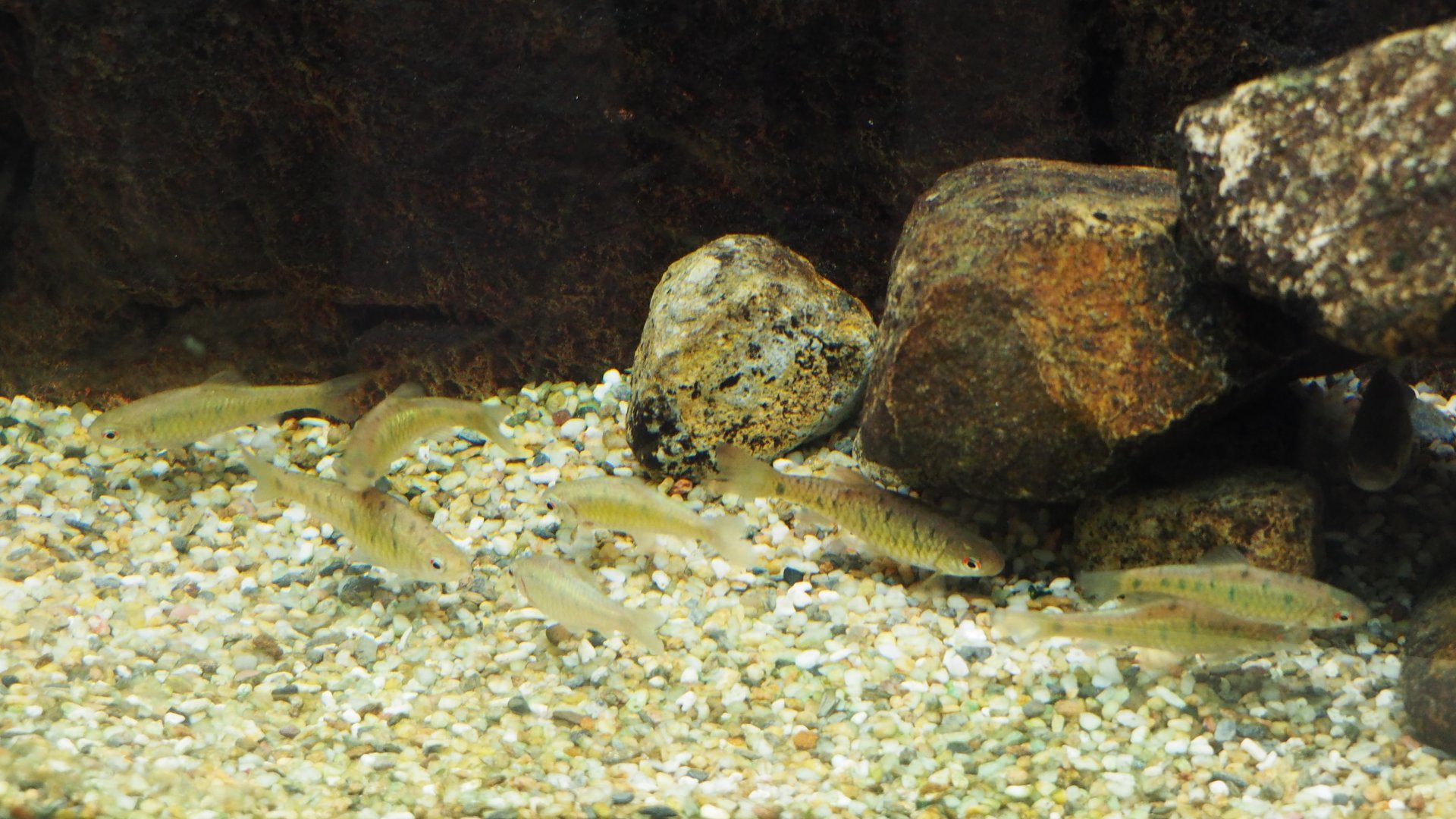
The aquarium is 44,800 litres topped with tempered glass panels. It goes as deep as 1.4 m. The substrate is a mix between river gravel and scattered smooth stones, with varied slopes. There are also rocky outcrops and bog wood pieces, along with submerged and floating plants. It's home to a school of
15.15 Koi Cyprinus rubrofuscus var. koi.
On the left side of the wall, the first enclosure is 120 cm long, 60 cm wide, and 90 cm tall. The substrate is 50% coconut fibre, 25% orchid bark and 25% sterile topsoil with leaf litter on top. There is a basking lamp along with rocks and a shallow water dish. There are bamboo sticks, grass, cork bark tubes, and a half log along with sphagnum moss, and vines. Living here is a trio of
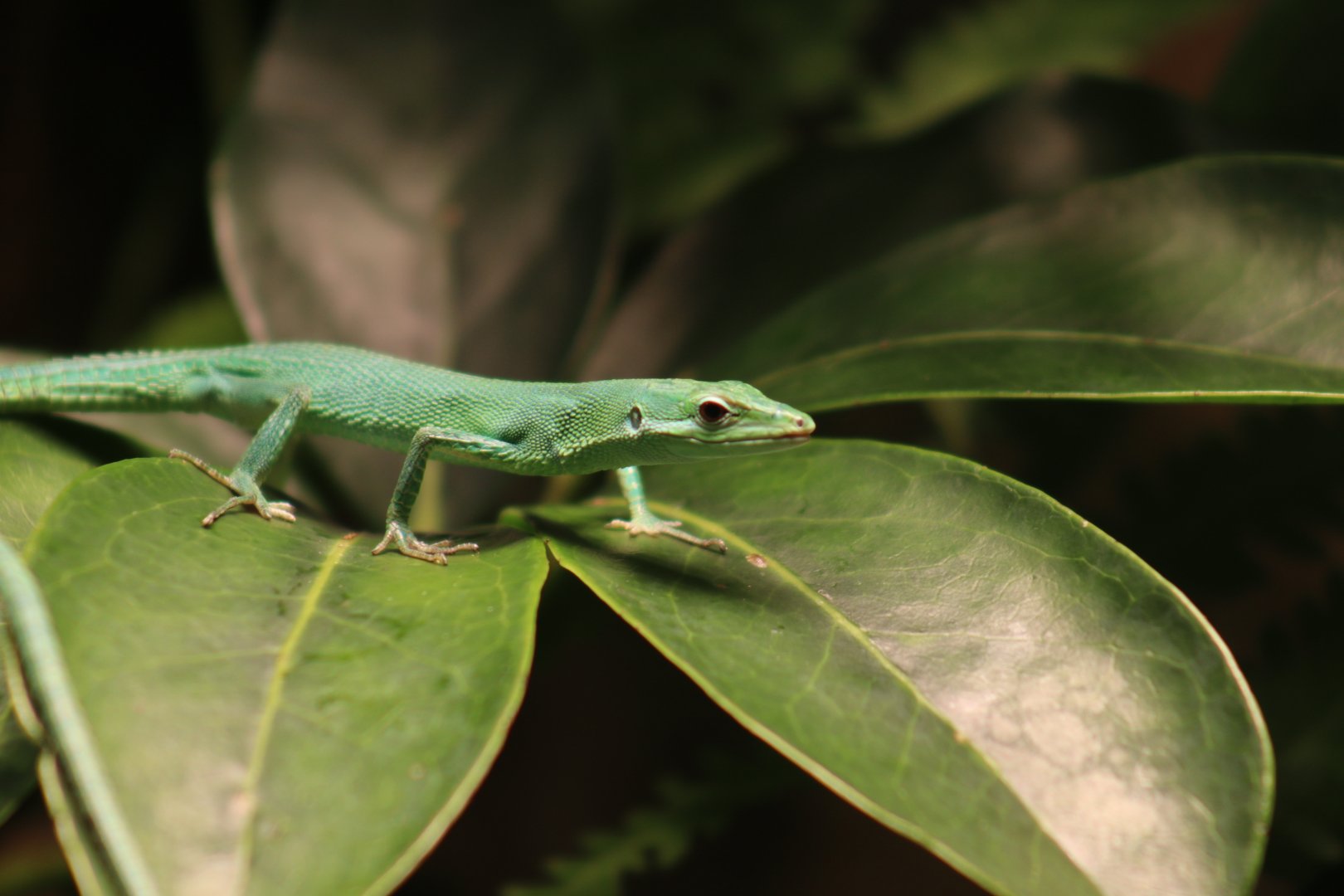
1.2 Sakishima Grass Lizard Takydromus dorsalis.
Possible Look of Lizard Terrarium |
@KevinB
Next, there is a 240 cm long 150 cm wide and 120 cm tall terrarium housing a solitary
1.0 Mang Mountain Pitviper Protobothrops mangshanensis. The substrate is 40% coconut coir, 30% orchid bark, 20% sterile topsoil, and 10% leaf litter. There are large logs & branches, a cork bark cave, a hollow log, a shallow water tub and several plants.
Possible Look of Pitviper Enclosure |
@Maguari
The final enclosure on the left side is 45 cm long, 45 cm wide and 70 cm tall, housing a solitary
0.0.1 Chinese Mantis Tenodera sinensis. The substrate is mostly coco fibre, potting soil, and dry leaf litter. There are sturdy branches, a vertical bark slab, grasses, and vines.
Possible Look of Mantis Terrarium |
@Moebelle
On the right side of the wall, the first enclosure is 120 cm long, 60 cm wide, and 60 cm tall. The substrate is a mix between coco coir, potting soil, and sphagnum moss with a thin layer of leaf litter. There are plants, rock structures, and cork bark flats. 50% of the area is water with a 10 cm deep pond with plants and river stones. Living here is a knot of
2.4 Oriental Fire-bellied Toad Bombina orientalis.
Possible Look of Toad Terrarium |
@Philipine eagle
Next, there is a 150 cm long, 75 cm wide, and 120 cm terrarium which houses a solitary
1.0 Tokara Habu Protobothrops tokarensis. The substrate is 70% coco fibre, 20% orchid bark, and 10% decomposed leaf litter. There are sturdy branches, a cork bark “cave”, leaf litter, sphagnum moss, and several plants.
Possible Look of Habu Enclosure |
@Philipine eagle
The final enclosure is 60 cm long, 45 cm wide, and 75 cm tall, housing a solitary
0.0.1 Joro Spider Trichonephila clavata. The substrate is 60% coconut fibre, 20% fine orchid bark, and 20% leaf litter with various patches of sphagnum moss. There are thin branches, horizontal twigs, and plants.
Possible Look of Spider Enclosure |
@TinoPup
Then, there is a double-door system which opens into a netted, 375 sq. m large walk-through aviary that’s 7 m tall. It varies in terrain, having several plants, shallow basins, and a waterfall which connects to a stream. There are trees, nesting boxes, infrared heating lamps, and humid hides. During the warmer months, the roof retracts allowing the enclosure to be semi-outdoors. On the forest floor of the enclosure, you will likely see a nye of
1.4 Golden Pheasant Chrysolophus pictus and a trio of
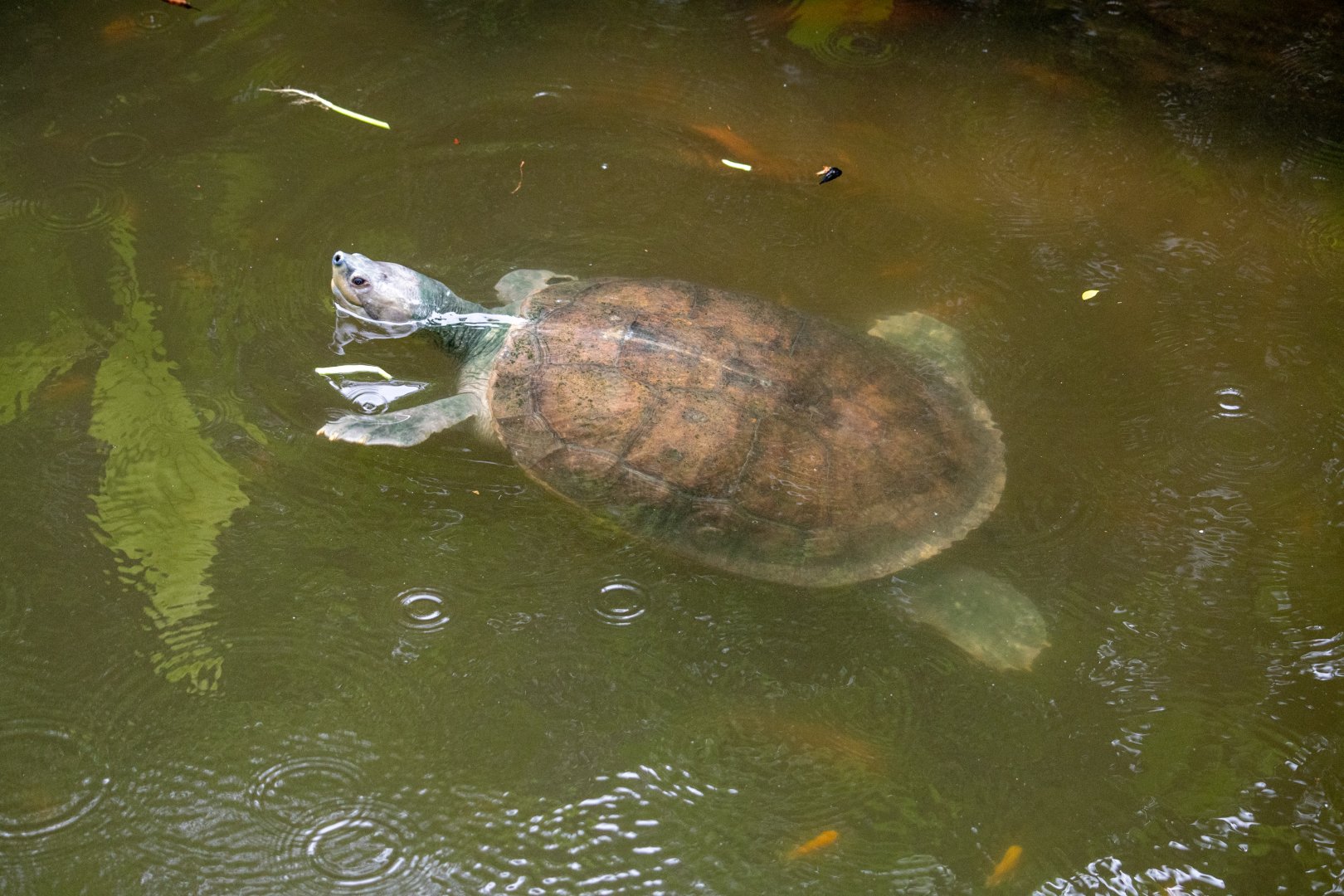
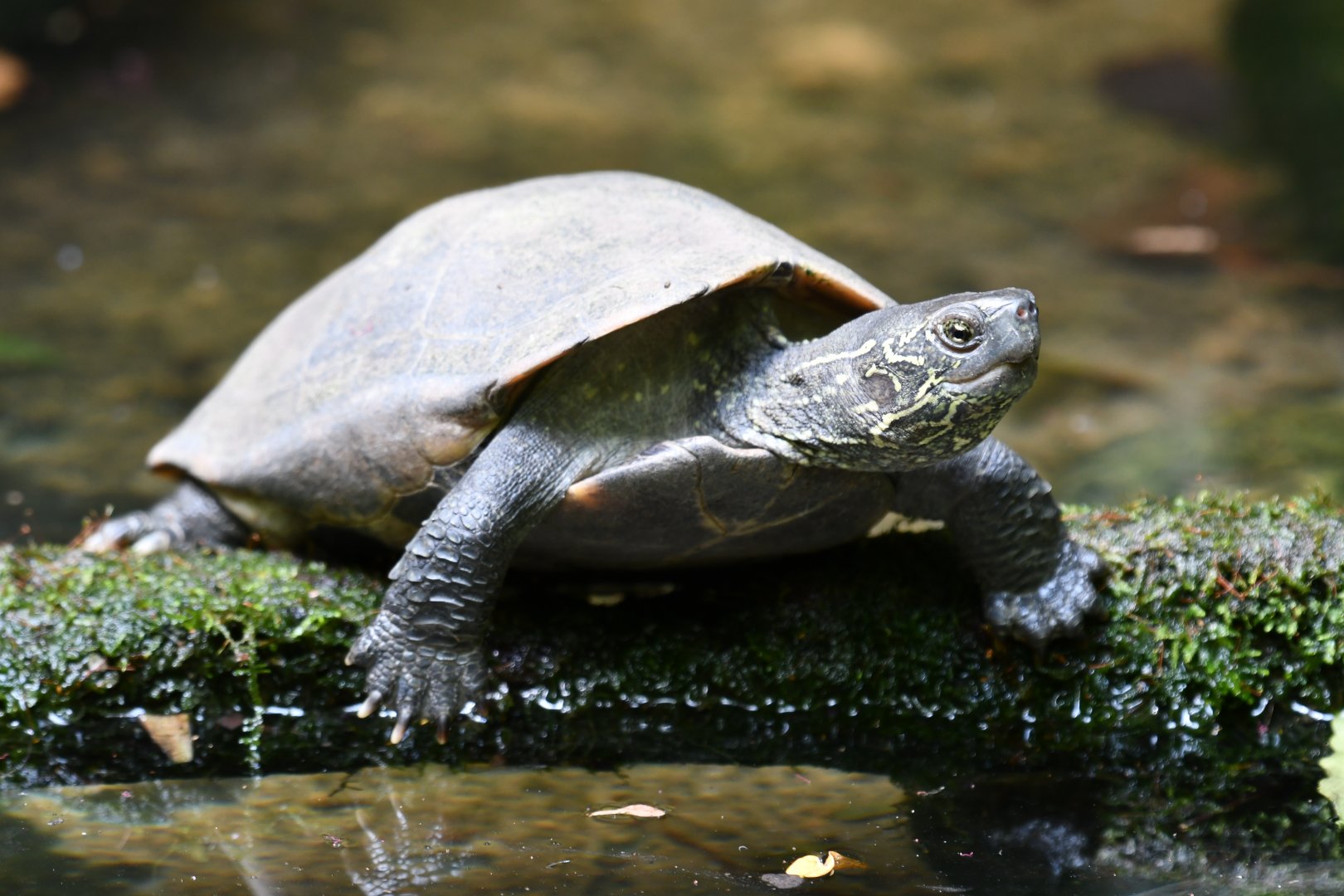
1.2 Impressed Tortoise Manouria impressa while in the higher parts of the aviary, there is a breeding pair of
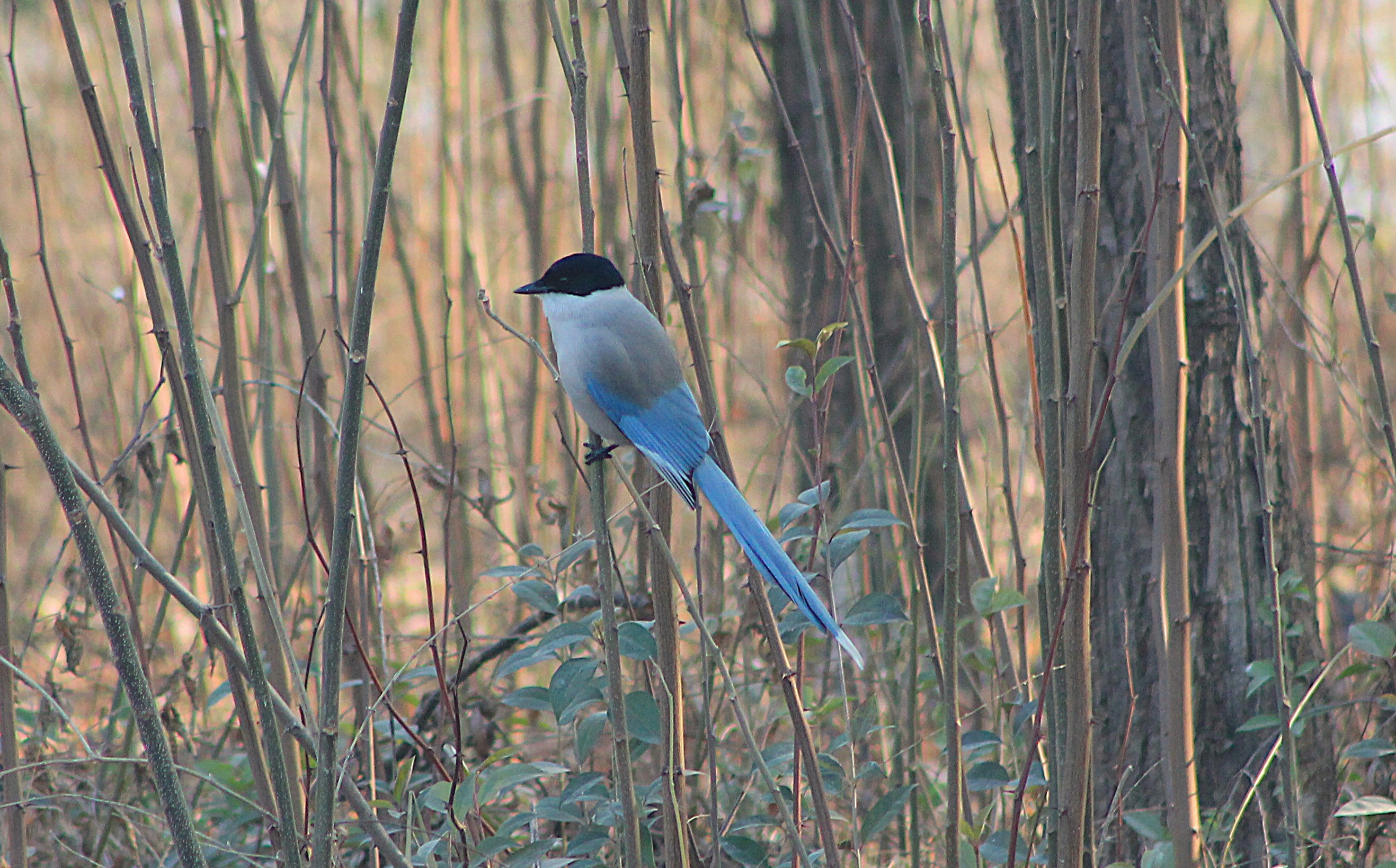
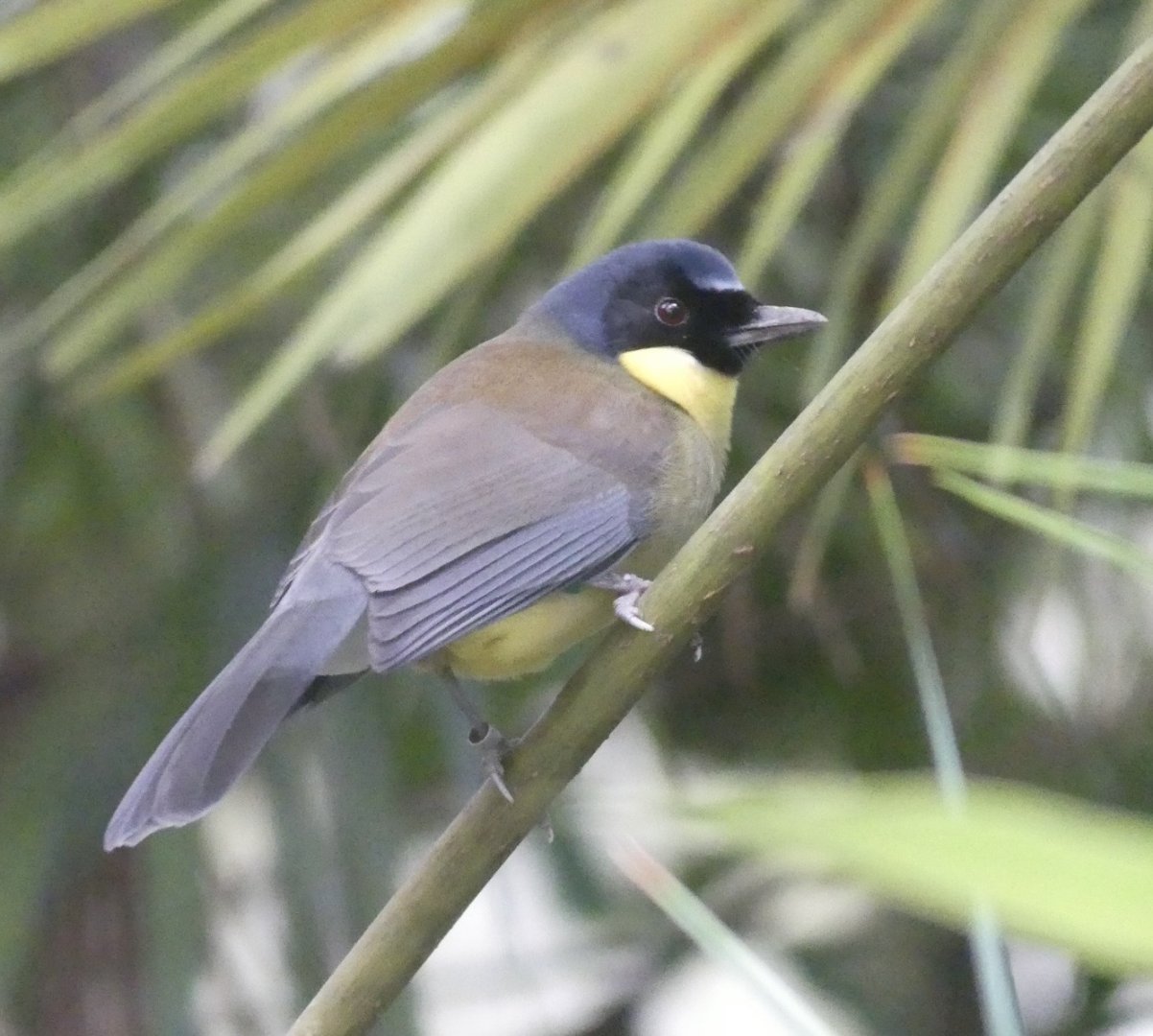
1.1 Blue-crowned Laughingthrush Pterorhinus courtoisi, a breeding flock of
5.5 Red-billed Leiothrix Leiothrix lutea, and a pair of
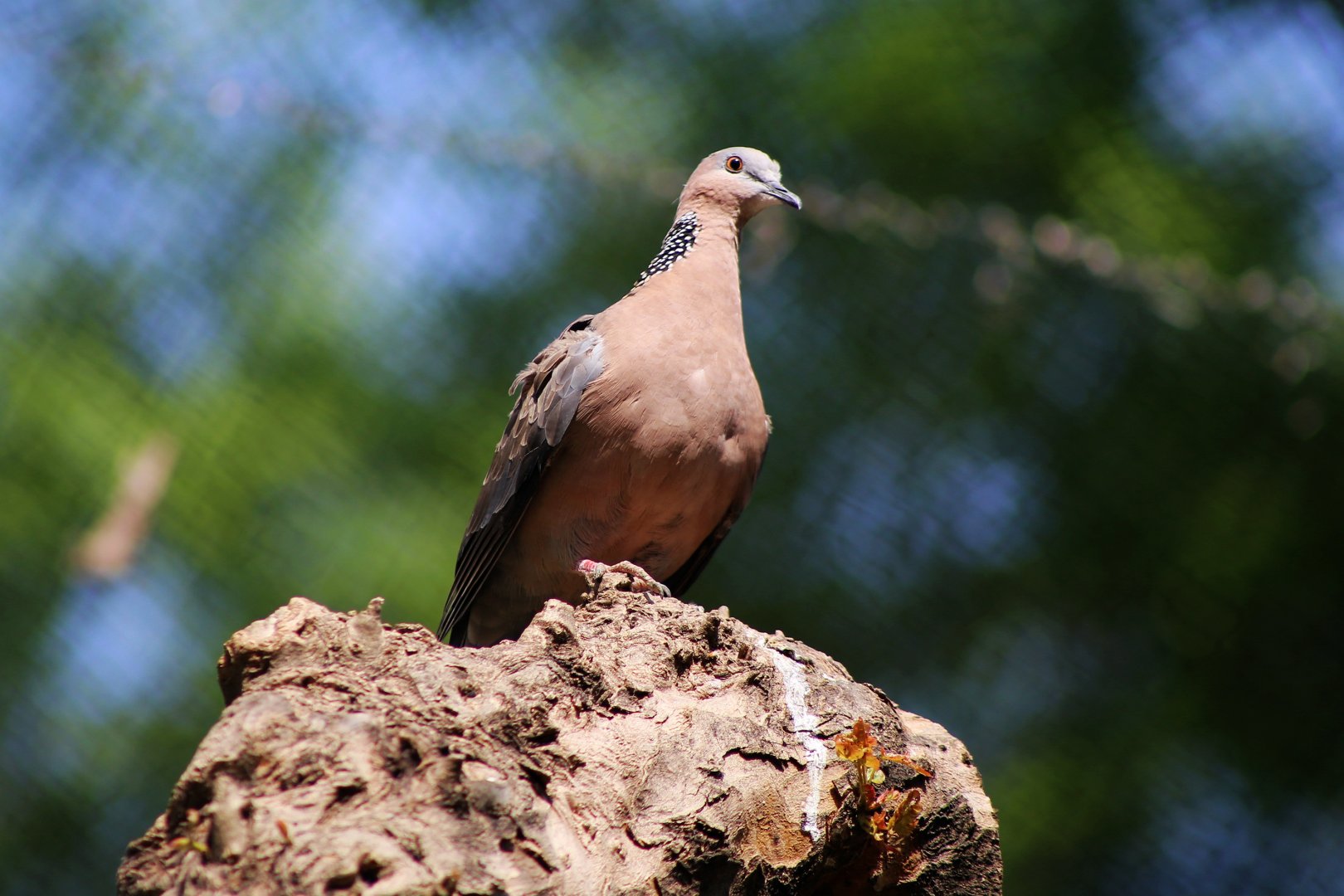
1.1 Spotted Dove Spilopelia chinensis.
Possible Look Into Aviary |
@WhistlingKite24
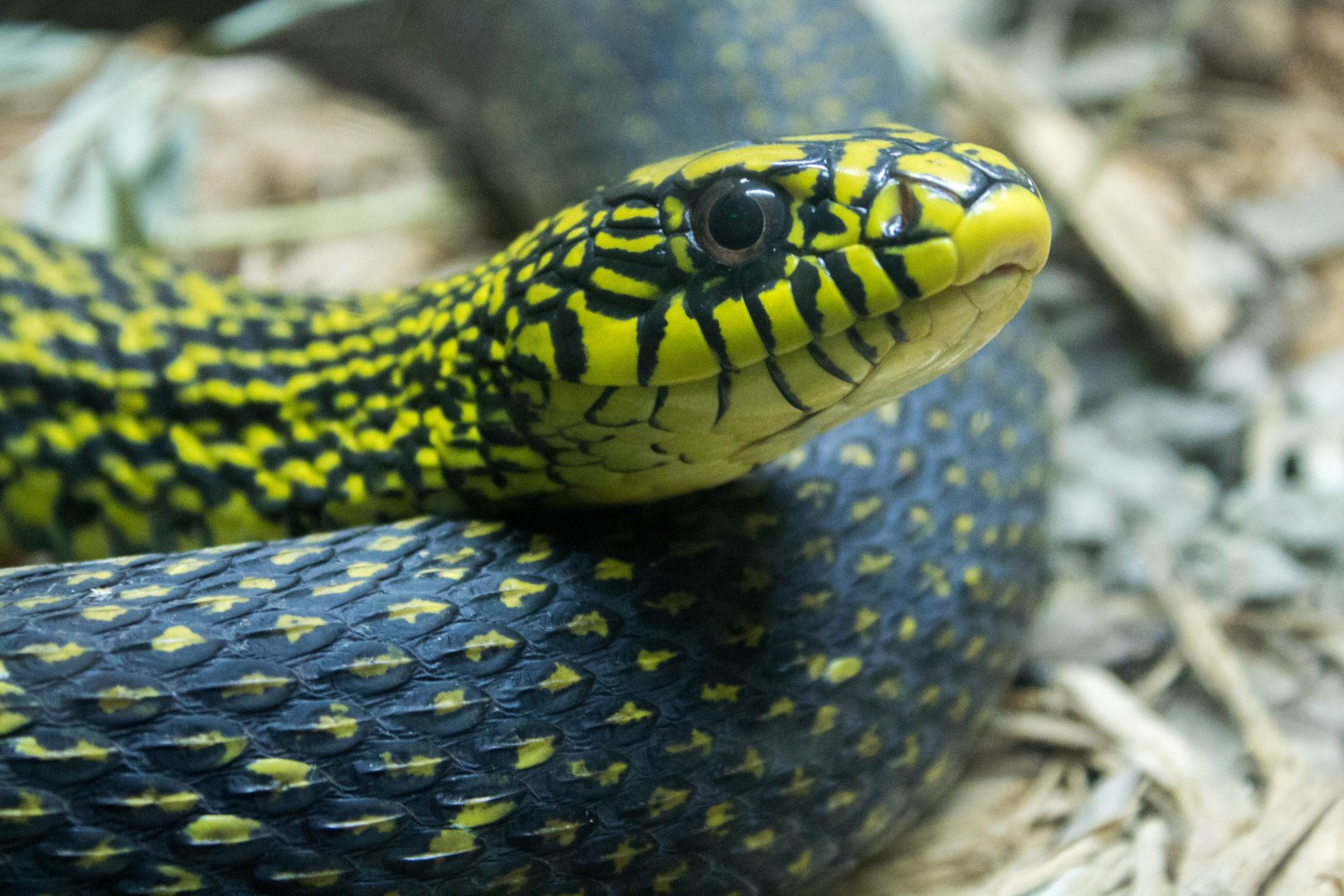
Once visitors exit the aviary, there is another gallery with 6 enclosures. On the left, the first enclosure is a 180 cm long, 80 cm wide, and 100 cm tall terrarium housing a solitary
1.0 King Ratsnake Elaphe carinata. The substrate is 50% coconut coir, 30% cypress mulch and 20% topsoil with leaf litter scattered. There are thick branches, several hide boxes, a water dish, and several live plants.
Possible Look of Ratsnake Enclosure (minus backdrop) |
@MagpieGoose
Then, the next enclosure is a 6 m long, 3 m wide, and 2.5 m tall terrarium with a solitary
1.0 King Cobra Ophiophagus hannah. The substrate is 40% coconut coir, 30% cypress mulch, 20% topsoil, and 10% leaf litter. There is a sturdy tree trunk, vines, leaf litters, rocks, hollow logs, and a large water dish with live plants.
Possible Look of Cobra Terrarium |
@amur leopard
The final enclosure on the right side is 75 cm long, 45 cm wide and 45 cm tall with a solitary
1.0 Anderson's Crocodile Newt Echinotriton andersoni. The land area is 70% of the enclosure with leaf litter, logs, hides, rocks, and plants while 30% of the enclosure is a shallow pool.
Possible Look of Newt Enclosure |
@akasha
The first enclosure on the right side is 75 cm long, 45 cm wide, and 60 cm tall with dim-lighting. It simulates a limestone cave with several hides, mosses, branches, and a water bowl with some ferns in the background. It houses a pair of
1.1 Chinese Cave Gecko Goniurosaurus hainanensis.
Possible Look of Cave Gecko Enclosure | Reddit
Next, the enclosure is 5 m long, 3 m wide, and 2 m tall with a solitary
0.1 Burmese Python Python bivittatus. 70% of the enclosure is more terrestrial with leaf litter, thick logs, a hide box, plants, and rocks. The remaining 30% of the enclosure is a shallow pool with plants.
Possible Look of Python Enclosure |
@pachyderm pro
The final enclosure on the right side is 80 cm long, 50 cm wide, and 45 cm tall. The substrate is 40% coconut fibre, 20% aged leaf litter, 20% composted organic soil, 10% rotted wood pieces, and 10% orchid mulch. There are rotting hardwood logs, a shallow water dish, and several plants. It’s home to a tangle of
0.0.8 Shocking Pink Millipede Desmoxytes purpurosea.


Animal Photos |
@Mr Gharial , in a style inspired by
@Austin the Sengi
BIRDS: 4 taxa
REPTILES: 8 taxa
AMPHIBIANS: 2 taxa
FISH: 1 taxa
INVERTEBRATES: 3 taxa
TOTAL: 18 taxa
Animal Choice:
- In Chinese mythology, koi that leapt over "the Dragon Gate" were rewarded by becoming dragons after being perseverent
- While toads aren't connected to dragons, they still are symbolic in myths such as the lunar toad with Chang'e and the three-legged "money" toad
- There are a lot of snakes as they are often treated as "lesser dragons" in East Asian traditions
- Joro Spiders were meant to represent the Japanese yokai, Jorōgumo
- The lizards and the newts were mentioned as they are like "mini-dragons" and had similar appearance traits to them
- I had golden pheasants as they were sometimes paired with the Feng Huang which is the feminine counterpart to the dragon in imperial symbolism
- The Impressed Tortoise was meant to represent Xuanwu (the Black Tortoise) which is on of the four celestial symbols though the Yangtze Softshell Turtle represents it better (it isn't a realistic animal to have in a Zoo)
- The Shocking Pink Millipede is also known as dragon millipedes so I had them
- Pythons are thought to be one of the inspirations for the dragon myth, specifically in South Asia
What do you think so far? I'm going to post the final half later.