
You are using an out of date browser. It may not display this or other websites correctly.
You should upgrade or use an alternative browser.
You should upgrade or use an alternative browser.
MRJ Does Uganda - a travel blog
- Thread starter MRJ
- Start date


Interestingly, the red-headed is the only lovebird never to enter the birdkeeping trade. Apparently it is too difficult to keep.
You've been slightly misinformed there; they were and still are present in captivity, albeit in significantly smaller quantities than is the case for other lovebird taxa.
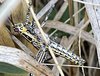
The insect life in Uganda was amazing, but unfortunatly I did not have much time to pay attention to it, so can only include a small sampling. This is the variegated grasshopper Zonocerus variegatus, which also happened to belong to a new Family for me, Pyrgomorphidae. Certaily an attractive animal and worthy of it's other common name, painted grasshopper.

Attachments
Last edited:
Thanks for that, interesting to know.You've been slightly misinformed there; they were and still are present in captivity, albeit in significantly smaller quantities than is the case for other lovebird taxa.
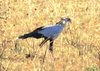
One bird any birdo visiting Africa wants to see is the secretary bird, a very odd looking bird of prey in it's own Family. We only saw them in Pian-Upe, although they are seen (rarely) in some of the other savanna parks. In Pian-Upe we saw them both days. I didn't get any good photos, though.

Attachments
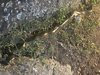
We saw four species of snake during our trip, but the Central African rock python Python sebae was the only one I managed to photograph. The photos were not that great, I was using an iPhone and trying to get the entire length in. The other species seen were an olive marsh snake Natriciteres olivacea. swimming in the water at the Bigoda Wetlands, a northern stripe-sided sand snake Psammophis sudanensis beside the road south of Murchenson Falls NP, and a very young, very small black mamba Dendroaspis polylepis on the wall behind the python.

Attachments

….and of course it’s the two races of Black-collared Lovebird that never entered the bird trade, because it seemed impossible to maintain them in captivity. It was suggested that their specialist fig based diet couldn’t be replicated.You've been slightly misinformed there; they were and still are present in captivity, albeit in significantly smaller quantities than is the case for other lovebird taxa.
Red-faced have at times been imported in large numbers, but were apparently easily stressed and have specialised nesting requirements.
Last edited by a moderator:

The Sleepy Hippo
Well-Known Member
Had not seen this thread until today - I have had an enjoyable evening following your journey through Uganda! Sounds like you had an amazing tour around the Pearl of Africa 
Helmeted guineafowl are so ubiquitous that it is easy to forget that there are seven other species in the guineafowl Family. Late in the afternoon of the first day on the road we were approaching the lodge at Mabera Forest when a group of western crested guineafowl made their way across the road in front of us. They were a fair way away, in shade and we were looking at them through the windshield, so photography was difficult. This is the best I have been able to do but at least it gives an impression of these beautiful birds.

Attachments


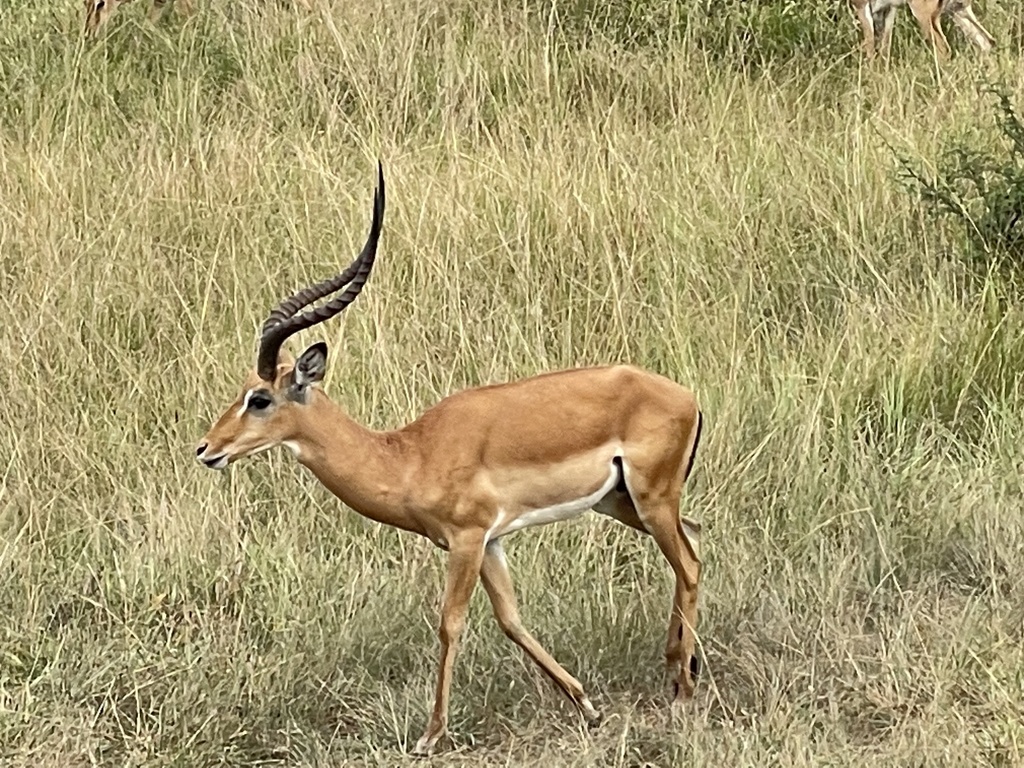
I became very familiar with impalas Aepyceros melampus during our time in Chobe National Park in Botswana. In Uganda we only saw them in Lake Moboto National Park where several other southern species were also seen, such as southern red bishop and lilac-breasted rollers.

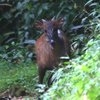
Black-fronted duiker, seen on the bird walk at Buhoma. Duikers are difficult to see but the black-fronted seems to be the species most commonly seen. Certainly it was the only species I saw. We saw two of them, and both quickly moved into the forest as soon as they were aware of us, even though we were about 50 metres away.

Attachments



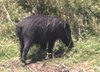

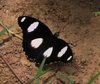

Which Lodge did you stay at?Giant forest hog Hylochoerus meinertzhageni observed at an artificial water hole located between our lodge and the Kazinga Channel in the Queen Elizabeth National Park.
View attachment 629317

Hix
Buffalo Safari Lodge, one of the more salubrious, with big rooms, landscaping. swimming pool and great meals. I am pretty sure the waterhole was constructed by the lodge.Which Lodge did you stay at?
Hix