OstrichMania's Zoo and Exhibit Ideas

OstrichMania

Well-Known Member
5+ year member
I have decided to make a personal thread for my exhibit and zoo ideas, just like how @KevinB has done it. From now on, most if not all of my ideas will be posted here. Don't expect any sort of order here, I may choose to make a zoo or make a bunch of smaller exhibits, i'm leaving that freedom to myself for the first time in a long time. I may post my earlier exhibits here if I decide to, so keep a look out for that.
 
Tree Kangaroos

Tree Kangaroos
is a small, wooden shack built into an Australian themed section of a zoo. Surrounding the building are two strips of plantations, each exhibiting Araucaria cunninghamii and various other New Guinean plants. Small bird tables are incorporated into the trunk of each tree at the front of the entrance to attract native birds like finches. A set of double, wooden doors leads you inside the building.

Inside, the building is predominantly wooden, with small wooden lines on the walls used to hang signs on. The visitor area isn't that big, mainly because most visitors get drawn to the outside enclosure. At the back of the building are desks displaying field guides, pop-up facts and visitors can also watch a short film which shows visitors the impact of our conservation work in New Guinea. At the front of the building is an acrylic glass viewing window into the kangaroo's indoor enclosure. The enclosure is mostly plain to allow good viewing opportunities, with a couple of trees mixed in that sometimes are used to hide food in. The floor of the exhibit mostly consists of dead leaves, dirt and some grass. Water is provided in their off-show habitat, which is similar to the on-show habitat but is smaller in size. The off-show area is accessed by a tunnel system. This tunnel system is fully connected, so can be accessed by the tree kangaroos at any point. It is fully see-through to allow the guests to see the kangaroos walking above them. The tunnel has 3 main access points, these being through a tree at the back of the indoor enclosure, on top of a rock formation in the outdoor enclosure and through a small gate in the off show enclosure.

The outdoor enclosure is accessed once you step outside the building. It is similar to a Koala enclosure, but also has elements from Red Panda enclosures. It is a fenced-in aviary, which means the tree kangaroos can get very high up if they so wish. However, they usually stick to the lower areas. The enclosure is bordered by more plantations of New Guinean vegetation, and is also a sight for behind-the-scenes garden tours that happen once a week. The outdoor enclosure is very similar to the indoor enclosure, having some trees but it also has a rock formation. This rock formation has a small tunnel inside of it that leads to a small off-show sleeping chamber that can be temperature-controlled. It can be used to escape visitors if it wants to. The tree kangaroos can also climb the rock formation to access the aforementioned tunnel system. The enclosure is about 0.5 acres big and houses a pair of Doria's Tree Kangaroo.
 
Now, for a remastering of an older complex.

Squawk! A Colourful Adventure: Remastered
The species list for this complex will be exactly the same as the original complex, the only thing changing is the design of it.

For convenience, the phrase 'parrot' used in the description refers to parrots, macaws, lories and lorikeets.

The first impression of the complex is a small, wooden shack. It looks like a bungalow, with a small balcony at the front overlooking an exhibit to the opposite of it. This balcony goes the whole way around the bungalow, and exiting the balcony from the back takes you to a small sensory garden, with a small farm shop that people can go to if they are interested in botany or growing vegetables.

Inside the bungalow, it looks quite homely. There is a fireplace by the back, where a TV also is mounted on the wall, playing a video about parrots and their lifestyle. To the left side of the shack are small terrariums, each having some sort of anatomy of the parrot, for example one has a feather of a scarlet macaw, and the other the skull of a Grey Parrot. Signs are fairly infrequent due to it possibly breaking the immersion, so instead, other features are used to educate visitors. For example, a map on a stool next to a chair highlights where parrots are located. Another example is a clipboard inside the bookshelf next to the TV, which is report of the Hyacinth Macaw by the IUCN.

The first enclosure is on the right side of the building. Looking through the windows, there is an outdoor aviary for a pair of Hyacinth Macaws. The enclosure outside is pretty basic, with a few trees and a small waterfall to the far left. Wooden climbing frames and structures are common for the aviary, and this allows the macaws to fly freely as the aviary is closed off. CCTV cameras monitor the exhibit regularly for signs of pests like rats, and aviary fences have only tiny gaps to prevent most pests entering the enclosure. Grass is used at the bottom of the enclosure, and several logs are used to hide food inside. These birds are being utilized by the IUCN to research into conservation efforts, and folders tell visitors about what the zoo is doing to conserve this species, namely the use of artificial nest boxes in the habitat that the IUCN needs to research.

The remaining areas of the complex are located elsewhere in the section. A small bridge leads guests over a river, where native birds like woodpeckers, doves, pigeons, nuthatches and finches are often spotted. The end of the bridge transports visitors to the rainforest, with the building being surrounded by tall, natural trees and dense foliage. Squirrels and badgers are often spotted here, and a deer has even been spotted at one point. On-site rangers are set here to protect the species here from the animals in the zoo. The building itself looks very modern, with the building itself having a square structure but a glass-fronted pyramid at the top to let in sunlight.

As you enter the building, are met with a huge, forested indoor area (think the indoor enclosure of Spirit of the Jaguar at Chester, but a little thinner). This is the only viewing point for the enclosure, and a whole other separate indoor area is located underneath the building. The viewing area is a large, glass fronted view, with the enclosure attempting to be educational in itself in the structure of the rainforest. All layers of the rainforest are represented, and the groups of parrots are much bigger than the original version of the exhibit. Inside the exhibit are Sun Parakeets, Red-Fan Parrots, Monk Parakeets, Northern Festive Amazon, Blue-and-yellow Macaws, Scarlet Macaws (in a separate aviary to the others during the breeding season to the right of the main aviary. It is basically the same as the Hyacinths, but indoors. Another group of Hyacinths are in here when it isn't the breeding season, and used as ambassador animals when it is the breeding season), Military Macaws and the Green-winged Macaw. This mix allows visitors to immerse themselves in the rainforest, and the rest of the building represents this. Drinks are served with coconut cups, and South American dishes are served.

The most iconic experience in here however is the Parrot Elevator. This elevator slowly takes visitors into the enclosure, allowing them to see the parrots from an almost 360 degree angle. When the elevator reaches the top, a glass tube can be entered into, which is suspended to the right of the enclosure, allowing visitors to see the upper canopy of the enclosure.

And that's it. Yes, this would never happen in real life. The cost of two separate buildings and the extra employment needed would simply never be feasible for most zoos, especially just for parrots, macaws, lories and lorikeets. However, I wanted to give this complex a grand style, as I believe it needed a lot more detail from when it was originally created in the Zoo Card Game thread. I may do another remastering of my cats building in that thread, though I may not.

Here are all the conservation/research efforts that the zoo would do for some of the species inside of the complex:
Hyacinth Macaw - artificial nest research, lobbying for enforcement of legal measures preventing trade.
Sun Parakeet - captive breeding program, lobbying for the elevation of the species to CITIES Appendix I.
Military Macaw - captive breeding program, assessing ecological requirements, promoting of ecotourism.
 
Now, for a remastering of an older complex.

Squawk! A Colourful Adventure: Remastered
The species list for this complex will be exactly the same as the original complex, the only thing changing is the design of it.

For convenience, the phrase 'parrot' used in the description refers to parrots, macaws, lories and lorikeets.

The first impression of the complex is a small, wooden shack. It looks like a bungalow, with a small balcony at the front overlooking an exhibit to the opposite of it. This balcony goes the whole way around the bungalow, and exiting the balcony from the back takes you to a small sensory garden, with a small farm shop that people can go to if they are interested in botany or growing vegetables.

Inside the bungalow, it looks quite homely. There is a fireplace by the back, where a TV also is mounted on the wall, playing a video about parrots and their lifestyle. To the left side of the shack are small terrariums, each having some sort of anatomy of the parrot, for example one has a feather of a scarlet macaw, and the other the skull of a Grey Parrot. Signs are fairly infrequent due to it possibly breaking the immersion, so instead, other features are used to educate visitors. For example, a map on a stool next to a chair highlights where parrots are located. Another example is a clipboard inside the bookshelf next to the TV, which is report of the Hyacinth Macaw by the IUCN.

The first enclosure is on the right side of the building. Looking through the windows, there is an outdoor aviary for a pair of Hyacinth Macaws. The enclosure outside is pretty basic, with a few trees and a small waterfall to the far left. Wooden climbing frames and structures are common for the aviary, and this allows the macaws to fly freely as the aviary is closed off. CCTV cameras monitor the exhibit regularly for signs of pests like rats, and aviary fences have only tiny gaps to prevent most pests entering the enclosure. Grass is used at the bottom of the enclosure, and several logs are used to hide food inside. These birds are being utilized by the IUCN to research into conservation efforts, and folders tell visitors about what the zoo is doing to conserve this species, namely the use of artificial nest boxes in the habitat that the IUCN needs to research.

The remaining areas of the complex are located elsewhere in the section. A small bridge leads guests over a river, where native birds like woodpeckers, doves, pigeons, nuthatches and finches are often spotted. The end of the bridge transports visitors to the rainforest, with the building being surrounded by tall, natural trees and dense foliage. Squirrels and badgers are often spotted here, and a deer has even been spotted at one point. On-site rangers are set here to protect the species here from the animals in the zoo. The building itself looks very modern, with the building itself having a square structure but a glass-fronted pyramid at the top to let in sunlight.

As you enter the building, are met with a huge, forested indoor area (think the indoor enclosure of Spirit of the Jaguar at Chester, but a little thinner). This is the only viewing point for the enclosure, and a whole other separate indoor area is located underneath the building. The viewing area is a large, glass fronted view, with the enclosure attempting to be educational in itself in the structure of the rainforest. All layers of the rainforest are represented, and the groups of parrots are much bigger than the original version of the exhibit. Inside the exhibit are Sun Parakeets, Red-Fan Parrots, Monk Parakeets, Northern Festive Amazon, Blue-and-yellow Macaws, Scarlet Macaws (in a separate aviary to the others during the breeding season to the right of the main aviary. It is basically the same as the Hyacinths, but indoors. Another group of Hyacinths are in here when it isn't the breeding season, and used as ambassador animals when it is the breeding season), Military Macaws and the Green-winged Macaw. This mix allows visitors to immerse themselves in the rainforest, and the rest of the building represents this. Drinks are served with coconut cups, and South American dishes are served.

The most iconic experience in here however is the Parrot Elevator. This elevator slowly takes visitors into the enclosure, allowing them to see the parrots from an almost 360 degree angle. When the elevator reaches the top, a glass tube can be entered into, which is suspended to the right of the enclosure, allowing visitors to see the upper canopy of the enclosure.

And that's it. Yes, this would never happen in real life. The cost of two separate buildings and the extra employment needed would simply never be feasible for most zoos, especially just for parrots, macaws, lories and lorikeets. However, I wanted to give this complex a grand style, as I believe it needed a lot more detail from when it was originally created in the Zoo Card Game thread. I may do another remastering of my cats building in that thread, though I may not.

Here are all the conservation/research efforts that the zoo would do for some of the species inside of the complex:
Hyacinth Macaw - artificial nest research, lobbying for enforcement of legal measures preventing trade.
Sun Parakeet - captive breeding program, lobbying for the elevation of the species to CITIES Appendix I.
Military Macaw - captive breeding program, assessing ecological requirements, promoting of ecotourism.
Nicely done!!!
 
The Land Down Under
(Disclaimer: The concept of this mega-complex is not aimed to be realistic/affordable in the slightest. Minor parts of the complex and the species lists aim to be slightly realistic but the concept itself is not aimed to be realistic.)
This mega-complex is accessed via a wooden bridge suspended over a large, flowing river that flows into other sections of the zoo. The bridge itself is suspended by tall, wooden pillars, and one binocular post is on each side of the bridge to look for native wildlife. Once you reach the other end, a large, plain blue wall has lights on it that illuminate 'The Land Down Under'. From the outside, you can see a number of large, glass domes, meant to represent the different ecoregions of the Australian country. You enter the building, ready to explore the first part of the complex.
To be continued...
 
The Land Down Under
(Disclaimer: The concept of this mega-complex is not aimed to be realistic/affordable in the slightest. Minor parts of the complex and the species lists aim to be slightly realistic but the concept itself is not aimed to be realistic.)
This mega-complex is accessed via a wooden bridge suspended over a large, flowing river that flows into other sections of the zoo. The bridge itself is suspended by tall, wooden pillars, and one binocular post is on each side of the bridge to look for native wildlife. Once you reach the other end, a large, plain blue wall has lights on it that illuminate 'The Land Down Under'. From the outside, you can see a number of large, glass domes, meant to represent the different ecoregions of the Australian country. You enter the building, ready to explore the first part of the complex.
To be continued...
Excited to see what this becomes.
 
Just a note, I am switching the complex being developed, as the 'Land Down Under' complex is not one that I am motivated to complete anymore as I find that it is difficult to be realistic when mixing Australia and a mega-complex, particularly as I planned to have it take place in a European zoo.

The new complex coming up with be themed on South African mangroves, so I hope you look forward to it.
 
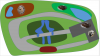
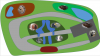
After a long hiatus, I am back to work on my fantasy projects. Got the map for the mangroves complex done, but still deciding on some of the species. map.PNG
For some clarification, the arrows going up indicate a bridge, the blue parts indicate water, red-brown area at the bottom of the map indicates an entrance and the grey part indicates a building with visitor access. Credit to @Ding Lingwei, @Fat-tailed dwarf lemur and @twilighter for the photos from the ZooChat gallery that I used in the map.
 

Attachments

  • map.PNG
    map.PNG
    161.7 KB · Views: 73
Back
Top