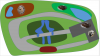
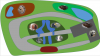
Now, for a remastering of an older complex.
Squawk! A Colourful Adventure: Remastered
The species list for this complex will be exactly the same as the original complex, the only thing changing is the design of it.
For convenience, the phrase 'parrot' used in the description refers to parrots, macaws, lories and lorikeets.
The first impression of the complex is a small, wooden shack. It looks like a bungalow, with a small balcony at the front overlooking an exhibit to the opposite of it. This balcony goes the whole way around the bungalow, and exiting the balcony from the back takes you to a small sensory garden, with a small farm shop that people can go to if they are interested in botany or growing vegetables.
Inside the bungalow, it looks quite homely. There is a fireplace by the back, where a TV also is mounted on the wall, playing a video about parrots and their lifestyle. To the left side of the shack are small terrariums, each having some sort of anatomy of the parrot, for example one has a feather of a scarlet macaw, and the other the skull of a Grey Parrot. Signs are fairly infrequent due to it possibly breaking the immersion, so instead, other features are used to educate visitors. For example, a map on a stool next to a chair highlights where parrots are located. Another example is a clipboard inside the bookshelf next to the TV, which is report of the Hyacinth Macaw by the IUCN.
The first enclosure is on the right side of the building. Looking through the windows, there is an outdoor aviary for a pair of Hyacinth Macaws. The enclosure outside is pretty basic, with a few trees and a small waterfall to the far left. Wooden climbing frames and structures are common for the aviary, and this allows the macaws to fly freely as the aviary is closed off. CCTV cameras monitor the exhibit regularly for signs of pests like rats, and aviary fences have only tiny gaps to prevent most pests entering the enclosure. Grass is used at the bottom of the enclosure, and several logs are used to hide food inside. These birds are being utilized by the IUCN to research into conservation efforts, and folders tell visitors about what the zoo is doing to conserve this species, namely the use of artificial nest boxes in the habitat that the IUCN needs to research.
The remaining areas of the complex are located elsewhere in the section. A small bridge leads guests over a river, where native birds like woodpeckers, doves, pigeons, nuthatches and finches are often spotted. The end of the bridge transports visitors to the rainforest, with the building being surrounded by tall, natural trees and dense foliage. Squirrels and badgers are often spotted here, and a deer has even been spotted at one point. On-site rangers are set here to protect the species here from the animals in the zoo. The building itself looks very modern, with the building itself having a square structure but a glass-fronted pyramid at the top to let in sunlight.
As you enter the building, are met with a huge, forested indoor area (think the indoor enclosure of Spirit of the Jaguar at Chester, but a little thinner). This is the only viewing point for the enclosure, and a whole other separate indoor area is located underneath the building. The viewing area is a large, glass fronted view, with the enclosure attempting to be educational in itself in the structure of the rainforest. All layers of the rainforest are represented, and the groups of parrots are much bigger than the original version of the exhibit. Inside the exhibit are Sun Parakeets, Red-Fan Parrots, Monk Parakeets, Northern Festive Amazon, Blue-and-yellow Macaws, Scarlet Macaws (in a separate aviary to the others during the breeding season to the right of the main aviary. It is basically the same as the Hyacinths, but indoors. Another group of Hyacinths are in here when it isn't the breeding season, and used as ambassador animals when it is the breeding season), Military Macaws and the Green-winged Macaw. This mix allows visitors to immerse themselves in the rainforest, and the rest of the building represents this. Drinks are served with coconut cups, and South American dishes are served.
The most iconic experience in here however is the Parrot Elevator. This elevator slowly takes visitors into the enclosure, allowing them to see the parrots from an almost 360 degree angle. When the elevator reaches the top, a glass tube can be entered into, which is suspended to the right of the enclosure, allowing visitors to see the upper canopy of the enclosure.
And that's it. Yes, this would never happen in real life. The cost of two separate buildings and the extra employment needed would simply never be feasible for most zoos, especially just for parrots, macaws, lories and lorikeets. However, I wanted to give this complex a grand style, as I believe it needed a lot more detail from when it was originally created in the Zoo Card Game thread. I may do another remastering of my cats building in that thread, though I may not.
Here are all the conservation/research efforts that the zoo would do for some of the species inside of the complex:
Hyacinth Macaw - artificial nest research, lobbying for enforcement of legal measures preventing trade.
Sun Parakeet - captive breeding program, lobbying for the elevation of the species to CITIES Appendix I.
Military Macaw - captive breeding program, assessing ecological requirements, promoting of ecotourism.