Popular Zoo Mammals and Their Best Exhibits

There is a pool just in front of the end of the boardwalk, but it's a bit hard to see because of the foliage. Also this exhibit is no longer home to Anteaters as Eury, the centers only anteater, passed away a couple months ago. Hopefully the center will get a new anteater at some point in the future.
While the Greensboro Science exhibit is impressive (it'd be a shoe-in for maned wolves if I was planning a post for the species- which as of now won't be featured on the list), it's unfortunate that there are no anteaters at this time. This exhibit will have to be the second retraction of this thread, and will be replaced with the impressive anteater exhibit at the Santa Ana Zoo. This exhibit originally wasn't on my radar since the pool wasn't visible in the photos I saw, however @Coelacanth18 makes a good case for this exhibit's inclusion on the list. Anteaters are a species that there were more than five very good exhibits for, so I had to make some difficult omissions to begin with. Santa Ana Zoo's anteater exhibit is unique in that it is Pampas theme, meaning similar to Houston Zoo it is a rare example of a zoo highlighting a non-Rainforest part of the anteater's native range.

Here are some photos of Santa Ana Zoo's anteater exhibit:
full
Photo by: @Coelacanth18
full
Photo by: @Arizona Docent
full
Photo by: @geomorph
The Wilds moved Bactrians from the first paddock to a smaller one later in the tour. Apparently a male camel got aggressive with the Indian rhino bull and. Well. It ended about how you would expect.
One of the main reasons that The Wilds was featured for camels was due to the large size of the paddock and the rarity of camels in large mixed-species exhibits. As such, this exhibit will also be retracted from the list. While I'm certain the new camel exhibit is still excellent (it is The Wilds, after all), this does give me the opportunity to feature, at the recommendation of @Coelacanth18 and @birdsandbats, an exhibit originally not on my radar: The Bactrian Camel exhibit at Blank Park Zoo. This Iowa zoo's camel exhibit is very spacious, and beats The Wilds in terms of herd size, housing four Bactrian camels. Unfortunately, I could only find one photo of this exhibit on Zoochat, as well as one of a camel resident:
full
Photo by: @Brayden Delashmutt
full
Photo by: @bugboiben
 
I had to go back to my Blank Park photos from 2020 and here are the two I had of the camel exhibit, similar to the one you posted, and one showing the side from the road coming in and out of the zoo showing 5 camels.

190 Bactrian Camel Habitat.JPG

191 Bactrian Camels.JPG
 

Attachments

  • 190 Bactrian Camel Habitat.JPG
    190 Bactrian Camel Habitat.JPG
    217 KB · Views: 158
  • 191 Bactrian Camels.JPG
    191 Bactrian Camels.JPG
    244.3 KB · Views: 158
While the Greensboro Science exhibit is impressive (it'd be a shoe-in for maned wolves if I was planning a post for the species- which as of now won't be featured on the list), it's unfortunate that there are no anteaters at this time. This exhibit will have to be the second retraction of this thread, and will be replaced with the impressive anteater exhibit at the Santa Ana Zoo. This exhibit originally wasn't on my radar since the pool wasn't visible in the photos I saw, however @Coelacanth18 makes a good case for this exhibit's inclusion on the list. Anteaters are a species that there were more than five very good exhibits for, so I had to make some difficult omissions to begin with. Santa Ana Zoo's anteater exhibit is unique in that it is Pampas theme, meaning similar to Houston Zoo it is a rare example of a zoo highlighting a non-Rainforest part of the anteater's native range.

Here are some photos of Santa Ana Zoo's anteater exhibit:
full
Photo by: @Coelacanth18
full
Photo by: @Arizona Docent
full
Photo by: @geomorph

One of the main reasons that The Wilds was featured for camels was due to the large size of the paddock and the rarity of camels in large mixed-species exhibits. As such, this exhibit will also be retracted from the list. While I'm certain the new camel exhibit is still excellent (it is The Wilds, after all), this does give me the opportunity to feature, at the recommendation of @Coelacanth18 and @birdsandbats, an exhibit originally not on my radar: The Bactrian Camel exhibit at Blank Park Zoo. This Iowa zoo's camel exhibit is very spacious, and beats The Wilds in terms of herd size, housing four Bactrian camels. Unfortunately, I could only find one photo of this exhibit on Zoochat, as well as one of a camel resident:
full
Photo by: @Brayden Delashmutt
full
Photo by: @bugboiben
Despite its smaller size, if @Persephone is referring to the paddock I think she is referring to, then it's still a mixed species exhibit and still the largest camel exhibit in North America by a significant margin. I do love Blank Park's exhibit, but not sure it deserves to beat out The Wilds.
 
Despite its smaller size, if @Persephone is referring to the paddock I think she is referring to, then it's still a mixed species exhibit and still the largest camel exhibit in North America by a significant margin. I do love Blank Park's exhibit, but not sure it deserves to beat out The Wilds.
That's good to know. I wasn't sure given the description what the new camel exhibit was like. However, I think I'll keep Blank Park on for three reasons:
1. Blank Park has a larger herd of camels than The Wilds.
2. Once you reach a certain size, adding additional space doesn't necessarily improve on welfare by a significant amount. While on this thread I would choose, say, a 1 acre camel paddock over a quarter-acre paddock on size alone, I'd be less inclined to choose a 4-acre paddock over a 1-acre paddock if the smaller one had other criteria it exceled in.
3. When exhibits are fairly equal in terms of quality, one of the deciding factors I've considered is zoo size. Smaller and/or not frequently mentioned zoos have been given priority over zoos that are larger and more well-documented. I do this both to balance the playing field but also to make the thread more interesting of a read and so hopefully members see some exhibits they weren't familiar with. While obviously this isn't as important as the direct habitat-related criteria, it does make me more inclined to feature the Blank Park Zoo exhibit over The Wilds, which (for good reason) is often talked about on this site.

For fans of The Wilds though, know that there have already been three other features for it, and there will be multiple more times it is featured on this list before it is done. So even though its camel exhibit was retracted, that's not to say it won't get other mentions in the near future.
 
Today's post will be dedicated to the first bear species to be featured in this thread, the Brown Bear! The second largest bear species, the subspecies of brown bears most commonly found in US Zoos is the Grizzly Bear, with most (if not all) of the individuals in reputable facilities being non-releasable wildlife (often orphans).

The criteria used in this post are:
  • Size: Bears are a species typically housed in more old-fashioned style exhibits, oftentimes too small for the large size of these animals. While the five exhibits mentioned in this post may not be the largest five exhibits for the species, but they are all more than large enough for their grizzly bear residents.
  • Social Structure: In the wild, large groups of bears can be seen congregating around a food source. While social groups in bears are not as important as in many of the other species in this thread, it is still important to allow brown bears the opportunity to interact with conspecifics.
  • Exhibit Complexity: Bears are intelligent animals, and as a result a large exhibit isn't enough for them. Instead, the exhibit needs various furnishings, enrichment opportunities, and more to build a more complex environment for them.
  • Water Source: While not as aquatic as their closest relative, the polar bear, brown bears are still adept swimmers that deserve a decent sized water feature in their exhibit.
  • Natural Substrate and Digging: Bears are known to dig, and while this can be at the frustration of zoo maintenance staff when they destroy parts of their exhibit, it should still be a priority to give bears a safe opportunity to utilize this need to dig and manipulate their environment.
The five exhibits chosen for brown bears are:
  • A very large and naturalistic exhibit at Northwest Trek Wildlife Park exhibits two grizzly bears, who both arrived as cubs in 2018. This exhibit is essentially a large section of forest sectioned off for the bears, allowing them to interact with trees, plants, and other natural elements as they would in the wild. After this entry, Northwest Trek Wildlife Park officially is the first facility to have four (non-retracted) entries on this list:
full
Photo By: @Pleistohorse
full
Photo By: @snowleopard
full
Photo By: @snowleopard
  • One of the nation's largest bear exhibits is at the Alaska Wildlife Conservation Center. This exhibit is home to three brown bears, and while this exhibit is very different from the Northwest Trek Wildlife Park exhibit, it remains a large and naturalistic home for the species, which has a very large range in the wild:
full
Exhibit By: @Pleistohorse
full
Photo By: @Pleistohorse
full
Photo By: @Pleistohorse
full
Photo By: @Pleistohorse
  • Memphis Zoo's Teton Trek rotates between black bears and grizzly bears, with three of each species. This exhibit is designed to resemble Yellowstone National Park, and while it isn't quite as naturalistic as the other two exhibits mentioned, it remains an impressive large home for the bears, complete with a large stream running through the middle of it:
full
Photo by: @ChunkyMunky pengopus
full
Photo By: @ZooNerd1234
full
Photo By: @Moebelle
full
Photo By: @geomorph
  • While many of the brown bear exhibits in the US focus on showcasing native ecosystems, brown bears are a species whose range spans multiple continents. Russia's Grizzly Coast at the Minnesota Zoo provides an excellent, large habitat for its titular species, featuring large grassy fields and a number of trees and rocks. A large pool is also present in this impressive, large exhibit:
full
Photo by: @Dhole dude
full
Photo by: @Pleistohorse
full
Photo by: @Pleistohorse
  • Northwest Trek isn't the only excellent brown bear exhibit in Washington, as Woodland Park Zoo is also home to an impressive large exhibit for grizzly bears. This exhibit is very lushly planted, and also features a large pool for the bears to swim in:
full
Photo by: @Westcoastperson
full
Photo by: @Westcoastperson
full
Photo by: @Arizona Docent
 
My personal favorite Brown Bear exhibit can be found at Wildwood Zoo in Marshfield, Wisconsin. It's one of the only holders of Kodiak Bear, and features two excellent halves - a modern, renovated grotto half and a fenced natural woodland half, connected by an overhead "bear bridge". Incredible for a tiny, free-entry zoo!

full

full

full

full

full

Photos from @snowleopard
 
Northwest Trek Wildlife Park, Alaska Conservation Wildlife Center, Memphis Zoo, Minnesota Zoo and Woodland Park Zoo are five excellent choices that @Neil chace has provided on this thread. Also, Wildwoods Zoo has a great Brown Bear exhibit, and @birdsandbats gave us that one as a sixth terrific exhibit.

I was just at Oakland Zoo a couple of days ago and the Grizzly Bear exhibit there is amazing and probably the 2nd largest (after Alaska) in the nation. I met the zoo director (Nik Dehejia) and he was very proud of that complex. He told me that the bears have 3 acres of space, in an area that can be divided into two enclosures if necessary. Here are some photos:

full


full


full


The scariest Grizzly Bear exhibit I've ever seen was at the Olympic Game Farm in the state of Washington. Visitors drive around in their vehicles, but the fencing for the bear exhibits is so minimal that I'm surprised that there hasn't been a serious incident. It's flimsy and short, and even though it's electrified it didn't fill me with confidence. Here are some photos I took from my visit in 2016:

full


full
 
Northwest Trek Wildlife Park, Alaska Conservation Wildlife Center, Memphis Zoo, Minnesota Zoo and Woodland Park Zoo are five excellent choices that @Neil chace has provided on this thread. Also, Wildwoods Zoo has a great Brown Bear exhibit, and @birdsandbats gave us that one as a sixth terrific exhibit.

I was just at Oakland Zoo a couple of days ago and the Grizzly Bear exhibit there is amazing and probably the 2nd largest (after Alaska) in the nation. I met the zoo director (Nik Dehejia) and he was very proud of that complex. He told me that the bears have 3 acres of space, in an area that can be divided into two enclosures if necessary. Here are some photos:

full


full


full


The scariest Grizzly Bear exhibit I've ever seen was at the Olympic Game Farm in the state of Washington. Visitors drive around in their vehicles, but the fencing for the bear exhibits is so minimal that I'm surprised that there hasn't been a serious incident. It's flimsy and short, and even though it's electrified it didn't fill me with confidence. Here are some photos I took from my visit in 2016:

full


full

I raise you Six Flags Great Adventure. Would be a fantastic exhibit if it weren't for the fence, and the fact that there's 25 bears. The fence was at least partially off on my last visit because someone was working on it.

20211002_100031.jpg
20211002_095858.jpg
20211002_095915.jpg
20211002_100009.jpg
20211002_100041.jpg
 

Attachments

  • 20211002_100031.jpg
    20211002_100031.jpg
    221.4 KB · Views: 151
  • 20211002_095858.jpg
    20211002_095858.jpg
    209.2 KB · Views: 160
  • 20211002_095915.jpg
    20211002_095915.jpg
    205.3 KB · Views: 156
  • 20211002_100009.jpg
    20211002_100009.jpg
    244.9 KB · Views: 148
  • 20211002_100041.jpg
    20211002_100041.jpg
    144.5 KB · Views: 159
The lower forest part (former guanaco enclosure) should likely open this year, apparently it is down to some small work. Work on the upper rocky part (current takin enclosure) hasn't started yet and will only commence once the takin move to the lower part, so I don't expect the full enclosure to be finished before 2025. As the zoo is doing most of the construction itself, the pace is agonizingly slow.... They have been busy with this enclosure for years, but the bharal have already arrived and opening should really happen this year according to the zoo. But German zoos and deadlines is not always a lucky combination....

I couldn't find a single picture of the exhibit in the old or current state, nor is the internet of much help.... The new enclosure will be 4500 square metres (1.1 acres) and be hilly.

Don't know whether it helped or not, but I took the photo during my visit(2023/06/21)
 

Attachments

  • DSCN4667.JPG
    DSCN4667.JPG
    317.4 KB · Views: 5
Not trying to jump too far back, but I did wish to highlight what I think is a pretty good orangutan habitat: Busch Gardens Tampa. There were not a lot of good pictures on the media page, but I was able to get a few this past weekend. While not as immersive as Myombe Reserve, it is comparable in build and design, IMO. As always with Busch, the rollercoasters tend to make an appearance in the pictures, unfortunately.

full

full

full
 
Not trying to jump too far back, but I did wish to highlight what I think is a pretty good orangutan habitat: Busch Gardens Tampa. There were not a lot of good pictures on the media page, but I was able to get a few this past weekend. While not as immersive as Myombe Reserve, it is comparable in build and design, IMO. As always with Busch, the rollercoasters tend to make an appearance in the pictures, unfortunately.

full

full

full
That looks really good!
 
Not trying to jump too far back, but I did wish to highlight what I think is a pretty good orangutan habitat: Busch Gardens Tampa. There were not a lot of good pictures on the media page, but I was able to get a few this past weekend. While not as immersive as Myombe Reserve, it is comparable in build and design, IMO. As always with Busch, the rollercoasters tend to make an appearance in the pictures, unfortunately.

full

full

full
I recall not really caring for the orangutan exhibit at Busch. Everything felt way too open and exposed for a rainforest species. Those metal towers are also hideous, made even worse by the half-hearted attempt at buttress root detailing at the base. Committing to function over aesthetics is fine, but not going all the way just makes it look sloppy. It's not the worst orangutan enclosure ever; I just don't find it to be that good either.
 
. Everything felt way too open and exposed for a rainforest species.
Yeah, that seems to be a prevelant problem in most orangutan exhibits, unfortunately. Just look at the "best" from this thread. About the only one with substantial coverage is Woodland Park, the rest are all quite open to the sky/sun.
Those metal towers are also hideous, made even worse by the half-hearted attempt at buttress root detailing at the base.
Right? I thought the same thing, why not commit to the tree design or the tower alone? It is a strange choice.

Still, it is one of the better orangutan habitats around IMO, for better or worse.
 
Last edited:
@birdsandbats might be happy to learn that a certain state will get three mentions in this post, however maybe not when he learns the species in today's post is the White-tailed Deer! The most commonly kept native deer in US Zoos, white-tailed deer in zoos are primarily non-releasable wildlife (either orphans or injured individuals). These deer are native to a very large range, from Canada all the way into South America.

The criteria for this post are:
  • Herd Size: Being rescued animals, it can sometimes occur where zoos have only single individuals or pairs. However, deer are herd animals. It's important for zoos with deer to consider this fact and try to keep a large enough herd to keep the animals socially enriched.
  • Exhibit Size: While it may not be prudent to give deer the most room possible (although one of these zoos took that approach), it is still important to give them a fairly large paddock.
  • Exhibit Plantings: Deer are a foraging species that benefits from having access to live plants. While it may be difficult to have a totally green exhibit without the deer destroying it, it'd also be inappropriate to house them in a completely barren paddock. That being said, since this species is a habitat generalist, it isn't necessarily prudent to recreate a specific ecosystem (e.g. forest, plains, desert).
The exhibits I have chosen for deer are:
  • Within the past few years, white-tailed deer have returned to Massachusetts' Buttonwood Park Zoo, where five orphaned individuals reside in the zoo's large, central mixed-species exhibit. This exhibit is very grassy and also features an impressive, natural water feature running along two sides of it. Alongside the deer are a number of other animals, including American Bison, Sandhill Cranes, and an extensive collection of waterfowl species from across the globe (including some rare in zoos). While there are some trees to provide nice shady areas, much of this exhibit is also a large grassy field, with the exhibit totaling over 1.5 acres, quite impressive for a small zoo. This is the first exhibit seen upon entering the zoo, and makes for an excellent first impression:
full
Photo by: @ZooElephantsMan
full
Photo by: @CuseZoofan
full
Photo by: @CuseZoofan
  • Moving one state to the north, Squam Lakes Natural Science Center houses two white-tailed deer in an exhibit that particularly excels in interpretive messaging. This exhibit is paired with a small building entirely dedicated to teaching about the deer, which is certainly a lot to dedicate to a single, often overlooked species. The yard here is also quite large, and can be seen from both sides of a (at some points elevated) boardwalk. This exhibit can also be fairly lush, both in terms of grasses and trees/bushes. Another area this exhibit excels is allowing the animals choice, as the exhibit is very varied and allows animals to choose their environment:
full
Photo by: @TinoPup
full
Photo by: @TinoPup
full
Photo by: @TinoPup
full
Photo by: @TinoPup
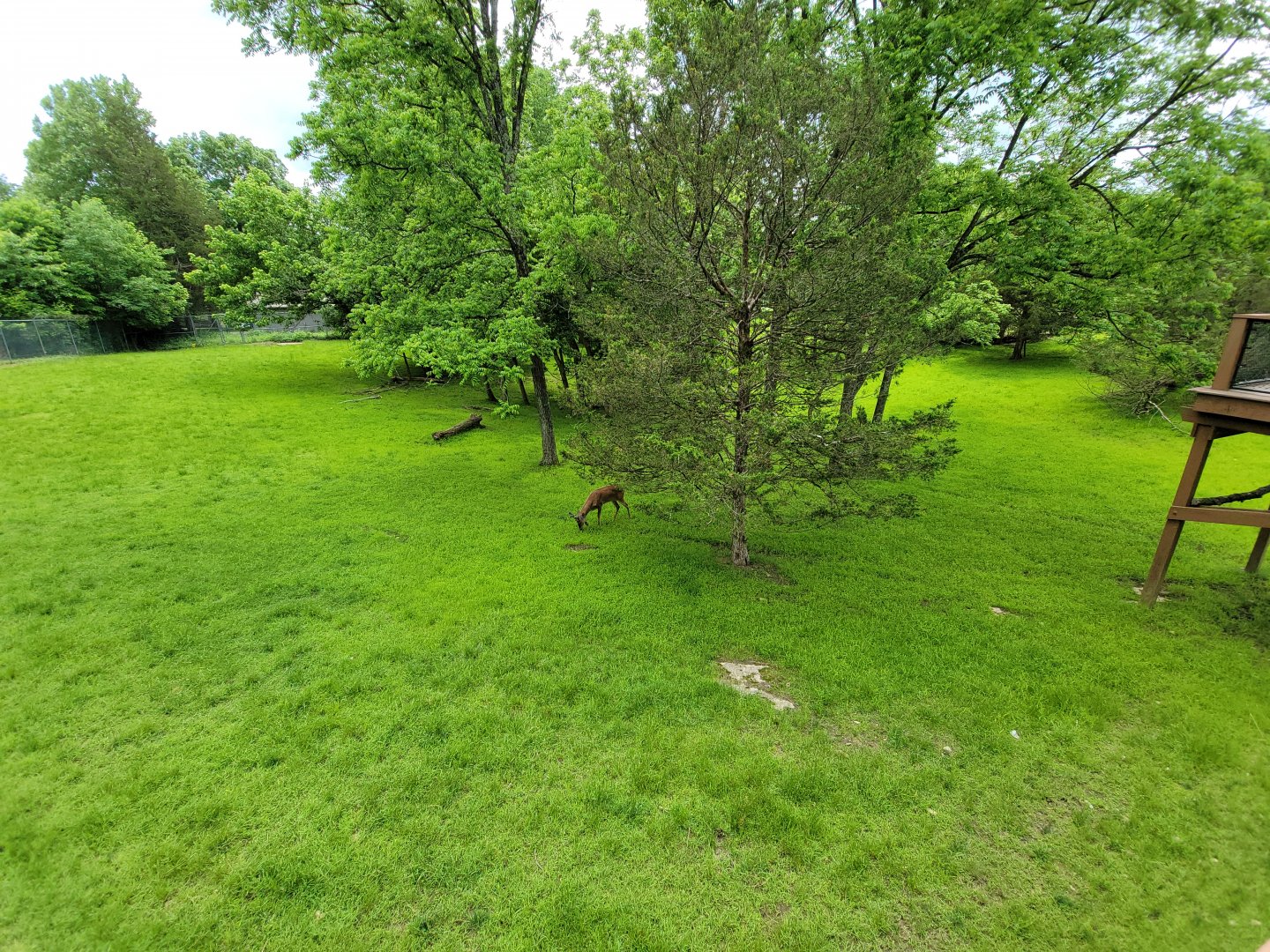
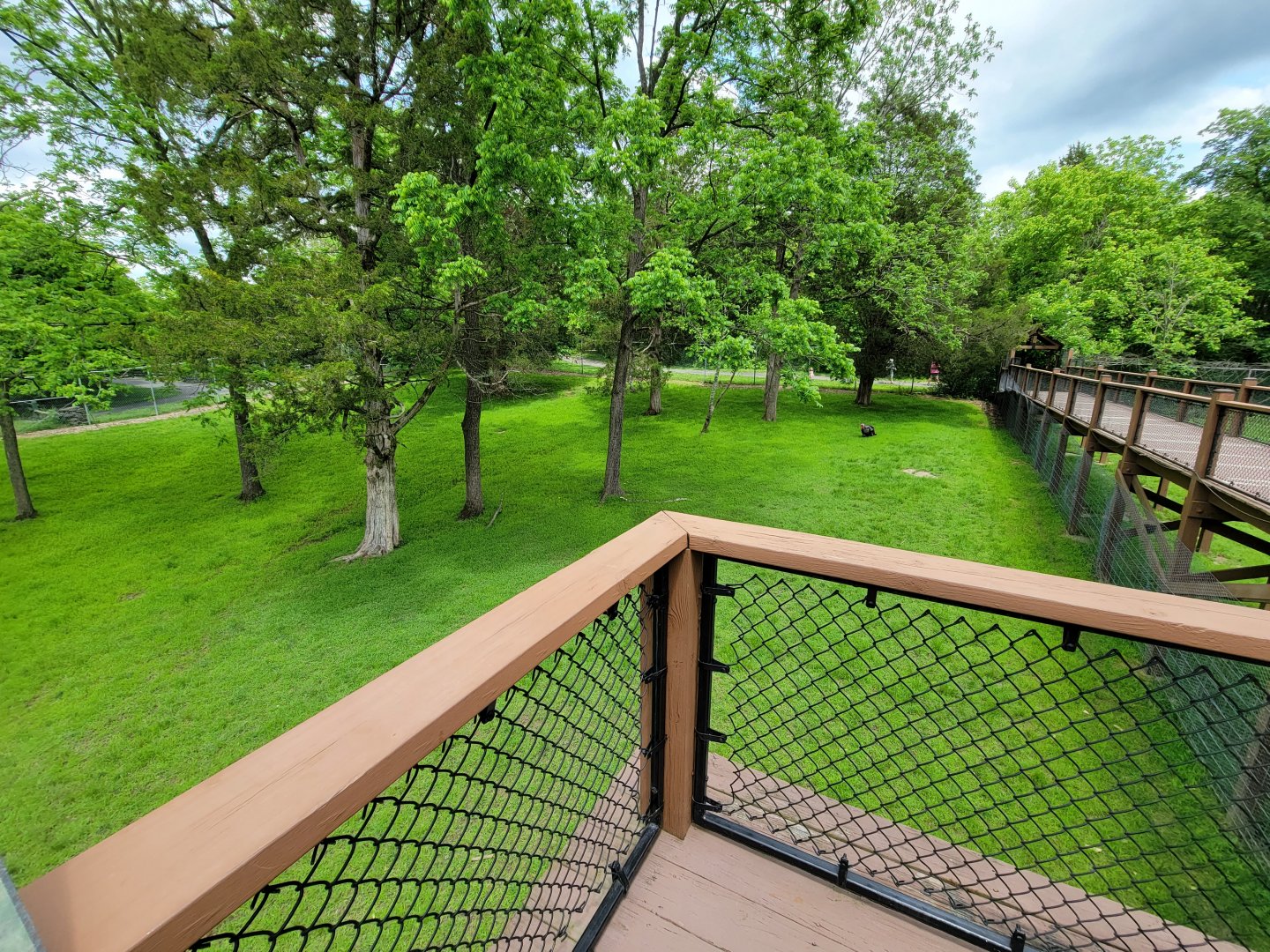
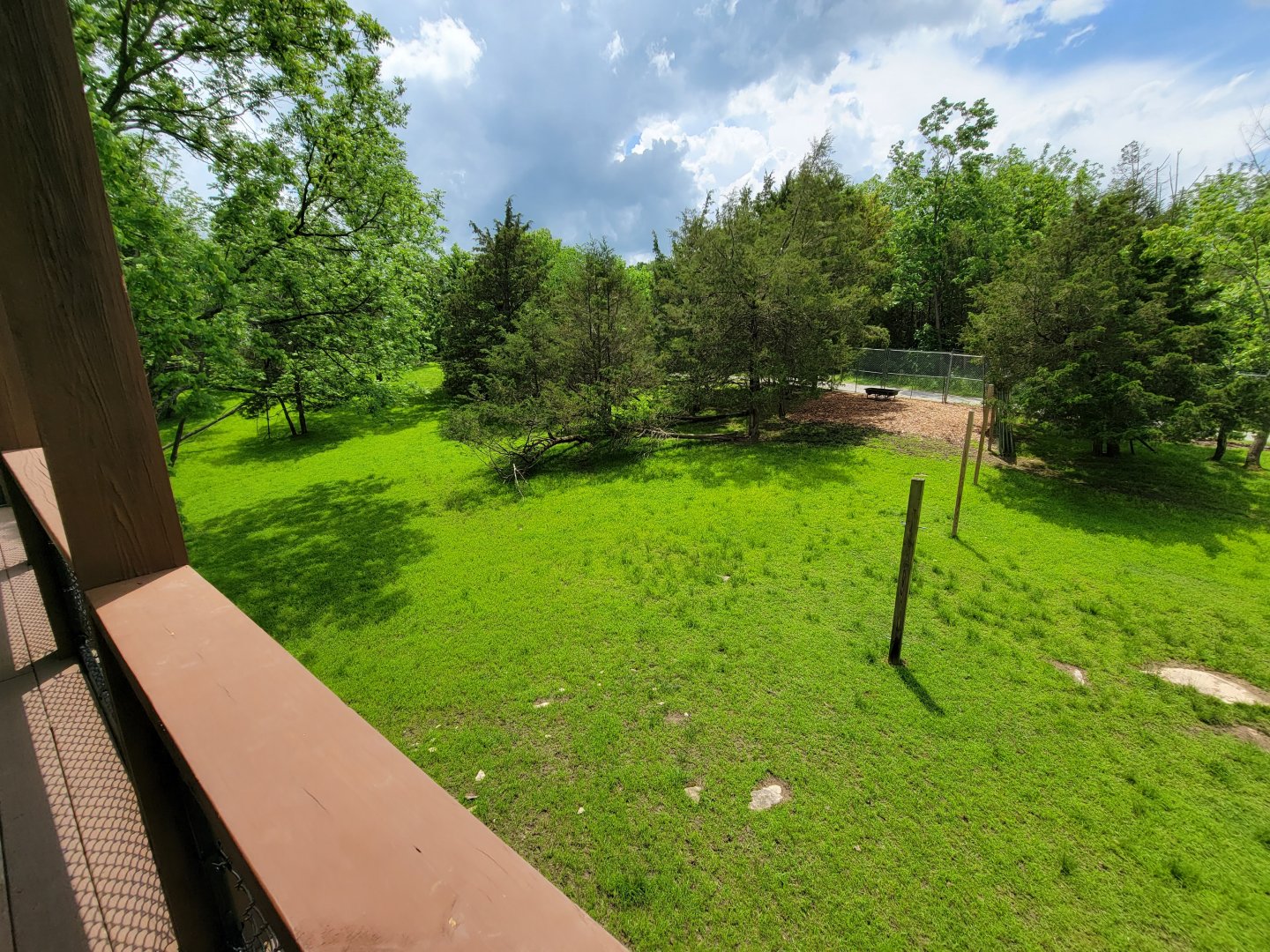
  • Moving on to our first Wisconsin zoo, the Bay Beach Wildlife Sanctuary has a nice, spacious exhibit for a herd of four white-tailed deer. This exhibit is nicely planted both in terms of grass and a number of trees/other plants. This is a very large exhibit, and allows the animals the choice between shadier and sunnier sections. In terms of visitor amenities, this exhibit is visible from a tall viewing tower, which is a nice touch:
full
Photo by: @Milwaukee Man
full
Photo by: @Milwaukee Man
full
Photo by: @snowleopard
full
Photo by: @snowleopard
  • It's not often on this list two zoos in the same city will be featured, but Green Bay, Wisconsin is an excellent place to go for white-tailed deer exhibits. The Northeastern Wisconsin Zoo (also known as the NEW Zoo) has a great exhibit for deer on their Wisconsin Trail, featuring a spacious home for four white-tailed deer. This deer exhibit is very grassy, but also features a number of trees for shade:
full
Photo by: @Milwaukee Man
full
Photo by: @snowleopard
full
Photo by: @snowleopard
full
Photo by: @snowleopard
  • Elsewhere in Wisconsin, there is a tiny zoo that likely holds the record for the largest percentage of their (non-specialist) zoo dedicated to a deer species. The Bruemmer Park Zoo has a very large white-tailed deer exhibit, which is over two acres large, which is over half the acreage of the entire zoo! While this may not be ideal from a visitor perspective, it certainly makes for an excellent deer exhibit, which similar to our other two Wisconsin facilities has a total of four white-tailed deer:
full
Photo by: @snowleopard
full
Photo by: @snowleopard
 
One more that I really like is Salato Wildlife Education Center in KY. They only have a couple - they're rescues - but it's a huge exhibit that is viewed either from the main path or a boardwalk.


Maine Wildlife Park has a really big, long exhibit as well, but I don't agree with their practice of keeping rehab/rescue fawns in a smaller exhibit and then releasing them at the end of summer.
 
On mobile with no laptop access so no pics, but Brookgreen Gardens has my personal favorite white-tailed deer exhibit. Very large and features water, forested, and grassland areas. Mixed species with turkeys.
 
@birdsandbats might be happy to learn that a certain state will get three mentions in this post, however maybe not when he learns the species in today's post is the White-tailed Deer! The most commonly kept native deer in US Zoos, white-tailed deer in zoos are primarily non-releasable wildlife (either orphans or injured individuals). These deer are native to a very large range, from Canada all the way into South America.

The criteria for this post are:
  • Herd Size: Being rescued animals, it can sometimes occur where zoos have only single individuals or pairs. However, deer are herd animals. It's important for zoos with deer to consider this fact and try to keep a large enough herd to keep the animals socially enriched.
  • Exhibit Size: While it may not be prudent to give deer the most room possible (although one of these zoos took that approach), it is still important to give them a fairly large paddock.
  • Exhibit Plantings: Deer are a foraging species that benefits from having access to live plants. While it may be difficult to have a totally green exhibit without the deer destroying it, it'd also be inappropriate to house them in a completely barren paddock. That being said, since this species is a habitat generalist, it isn't necessarily prudent to recreate a specific ecosystem (e.g. forest, plains, desert).
The exhibits I have chosen for deer are:
  • Within the past few years, white-tailed deer have returned to Massachusetts' Buttonwood Park Zoo, where five orphaned individuals reside in the zoo's large, central mixed-species exhibit. This exhibit is very grassy and also features an impressive, natural water feature running along two sides of it. Alongside the deer are a number of other animals, including American Bison, Sandhill Cranes, and an extensive collection of waterfowl species from across the globe (including some rare in zoos). While there are some trees to provide nice shady areas, much of this exhibit is also a large grassy field, with the exhibit totaling over 1.5 acres, quite impressive for a small zoo. This is the first exhibit seen upon entering the zoo, and makes for an excellent first impression:
full
Photo by: @ZooElephantsMan
full
Photo by: @CuseZoofan
full
Photo by: @CuseZoofan
  • Moving one state to the north, Squam Lakes Natural Science Center houses two white-tailed deer in an exhibit that particularly excels in interpretive messaging. This exhibit is paired with a small building entirely dedicated to teaching about the deer, which is certainly a lot to dedicate to a single, often overlooked species. The yard here is also quite large, and can be seen from both sides of a (at some points elevated) boardwalk. This exhibit can also be fairly lush, both in terms of grasses and trees/bushes. Another area this exhibit excels is allowing the animals choice, as the exhibit is very varied and allows animals to choose their environment:
full
Photo by: @TinoPup
full
Photo by: @TinoPup
full
Photo by: @TinoPup
full
Photo by: @TinoPup
  • Moving on to our first Wisconsin zoo, the Bay Beach Wildlife Sanctuary has a nice, spacious exhibit for a herd of four white-tailed deer. This exhibit is nicely planted both in terms of grass and a number of trees/other plants. This is a very large exhibit, and allows the animals the choice between shadier and sunnier sections. In terms of visitor amenities, this exhibit is visible from a tall viewing tower, which is a nice touch:
full
Photo by: @Milwaukee Man
full
Photo by: @Milwaukee Man
full
Photo by: @snowleopard
full
Photo by: @snowleopard
  • It's not often on this list two zoos in the same city will be featured, but Green Bay, Wisconsin is an excellent place to go for white-tailed deer exhibits. The Northeastern Wisconsin Zoo (also known as the NEW Zoo) has a great exhibit for deer on their Wisconsin Trail, featuring a spacious home for four white-tailed deer. This deer exhibit is very grassy, but also features a number of trees for shade:
full
Photo by: @Milwaukee Man
full
Photo by: @snowleopard
full
Photo by: @snowleopard
full
Photo by: @snowleopard
  • Elsewhere in Wisconsin, there is a tiny zoo that likely holds the record for the largest percentage of their (non-specialist) zoo dedicated to a deer species. The Bruemmer Park Zoo has a very large white-tailed deer exhibit, which is over two acres large, which is over half the acreage of the entire zoo! While this may not be ideal from a visitor perspective, it certainly makes for an excellent deer exhibit, which similar to our other two Wisconsin facilities has a total of four white-tailed deer:
full
Photo by: @snowleopard
full
Photo by: @snowleopard
All three of the Wisconsin exhibits you mentioned are also mixed-species exhibits. At Bay Beach, deer are mixed with Sandhill Cranes (there's also nearly always some wild Wild Turkeys in the exhibit). At NEW deer are mixed with Sandhill Crane (and formerly Wild Turkey). At Bruemmer Park, they are mixed with Domestic Swan Goose and Indian Peafowl.

While I will fully admit the exhibit fully belongs on this list, Bruemmer Park's deer exhibit is easily my least favorite zoo exhibit ever. It's such a waste of space and potential. A natural cliff runs straight through it, it would be perfect for some sort of cliff-climbing ungulate like a Mountain Goat or a Klipspringer. But no, they had to make it for the most boring zoo animal of them all, which you are pretty much guaranteed to see wild individuals of when you visit the zoo. And the zoo's master plan calls for expansion of the exhibit! Why!?!

Also another Wisconsin zoo that could make this list is MacKensie Center. Just saying.
 
As I've thought about it, there are even more Wisconsin zoos that really could deserve a place here. Manitowoc Lincoln Park and Animal Gardens Petting Zoo both have great welfare exhibits with no-so-optimal viewing (although AGPZ's is a walk-through).

Wildwood has a massive (and somewhat unique) prairie-type exhibit with not the best viewing.

Shalom Wildlife Zoo has undeniably the best cervid exhibits on the continent (including White-tailed Deer) but I know there are no great images in the gallery covering them.
 
As I've thought about it, there are even more Wisconsin zoos that really could deserve a place here. Manitowoc Lincoln Park and Animal Gardens Petting Zoo both have great welfare exhibits with no-so-optimal viewing (although AGPZ's is a walk-through).

Wildwood has a massive (and somewhat unique) prairie-type exhibit with not the best viewing.

Shalom Wildlife Zoo has undeniably the best cervid exhibits on the continent (including White-tailed Deer) but I know there are no great images in the gallery covering them.

A lot of places have exhibits like Shalom's, both walk-through and drive-through (which is why I had mentioned safaris in a past comment). It is far from unique. IMO it is automatically disqualified because of the zoo's reputation and lack of care, just like several other places I could mention.
 
Today's post is the twentieth animal covered in this thread, and it's a big one (literally), Asian Elephants! The smaller of the two elephant species, Asian elephants are also the longer-lived species. Elephants in zoos, and the management techniques used with them, has been under strict scrutiny over the past decade or two. As a result, many zoos have thankfully built new, state-of-the-art facilities for elephants.

The criteria used in this post are:
  • Space: Elephants are big animals, and ones that walk across long distances in the wild. As such, maximizing the space available to them should be prioritized in any elephant exhibit.
  • Enrichment/Exhibit Furnishings: Elephants are also very intelligent animals, and as such it's important to build habitats that provide an enriching home. Unfortunately, many zoos historically kept elephants in more barren exhibits due to their destructive nature, but a good elephant exhibit should involve finding ways to safely add a variety of enriching components to the exhibit.
  • Social Structure: Elephants are social creatures, who in the wild live in multi-generational, matriarchal herds, or alternatively bachelor male groups. Unfortunately, zoos have historically housed elephants either alone or in small same-age groups, not replicating this natural social structure- which is a priority for this post.
  • Flexibility: While social, not all elephants will always get along. As such, zoos should have the flexibility of multiple yards for their elephants, as this not only allows flexible social groups but also allows elephants more enriching opportunities.
  • Water Feature: Elephants are great swimmers, and any good elephant exhibit should include a pool large enough for the elephants to swim in.
  • Natural Substrate: Both the indoor and outdoor portions of an elephant exhibit should incorporate some sort of natural substrate (e.g. sand, grass, dirt), as traditional hard floors can make elephants prone to foot problems/arthritis. This is especially true in northern zoos where the elephants have to spend a good portion of time inside.
The exhibits chosen for this post are:
  • Houston Zoo (now only the third zoo to be featured four times in this thread) not only has the best track record of breeding Asian elephants, but is also home to one of the most impressive elephant complexes in the country. The multi-acre McNair Asian Elephant Habitat contains multiple yards for the zoo's large herd to rotate through, each filled with plenty of enriching opportunities for the elephants. With thirteen elephants, Houston Zoo also has the largest Asian elephant herd visible to the public in the US. While unfortunately the indoor barn does not feature a natural substrate, at least Houston is in an ideal climate for the elephants to be outside year-round:
full
Photo by: @Moebelle
full
Photo by: @Moebelle
full
Photo by: @Moebelle
full
Photo by: @Moebelle
  • The only bachelor herd of Asian elephants in the US can be found in Denver Zoo's Elephant Passage exhibit. This exhibit rotates with rhinos and tapirs as well, creating an excellent complex for Asian pachyderms. Uniquely, the Denver Zoo employs Zoo360-style overpasses as part of this rotation, meaning the elephants are able to walk right over the visitor path. There are five male elephants at the Denver Zoo, which makes for an excellent, impressive display. The day room of this exhibit has sand floors, which is a commendable move by the Denver Zoo as well:
full
Photo by: @Pleistohorse
full
Photo by: @MGolka
full
Photo by: @MGolka
full
Photo by: @Ituri
  • Deciding to go all in on elephants, the Smithsonian National Zoo phased out giraffes, rhinos, and pygmy hippos in order to build an impressive, state-of-the-art elephant complex. Elephant Trails is currently home to seven Asian elephants, including a mother-daughter pair recently imported from Europe. This exhibit features an impressive large day room (including sand floors!), as well as a long trail for the elephants to walk, replicating their natural behaviors of walking long distances in the wild:
full
Photo by: @red river hog
full
Photo by: @AmbikaFan
full
Photo by: @Moebelle
full
Photo by: @Moebelle
  • Sanctuary Asia at the Oklahoma City Zoo is another very impressive exhibit for Asian elephants, which similar to Denver Zoo rotate between multiple exhibits with greater one-horned rhinos. Oklahoma City Zoo currently has eight Asian elephants, and display them in multiple large exhibits with plenty of enrichment opportunities. While it appears the viewing opportunities for the indoor portion is awkward, there is a sand stall to allow elephants a natural substrate even when indoors:
full
Photo by: @Coelacanth18
full
Photo by: @Coelacanth18
full
Photo by: @Coelacanth18
full
Photo by: @Drew
  • Nine Asian elephants reside in Saint Louis Zoo's River's Edge exhibit. This complex features three different habitats for the large elephant herd, allowing their elephants access to an impressive, large naturalistic exhibit, which happens to be one of the largest Asian elephant complexes in the United States, and arguably the most naturalistic:
full
Photo by: @pachyderm pro
full
Photo by: @pachyderm pro
full
Photo by: @pachyderm pro
full
Photo by: @pachyderm pro
 
Back
Top