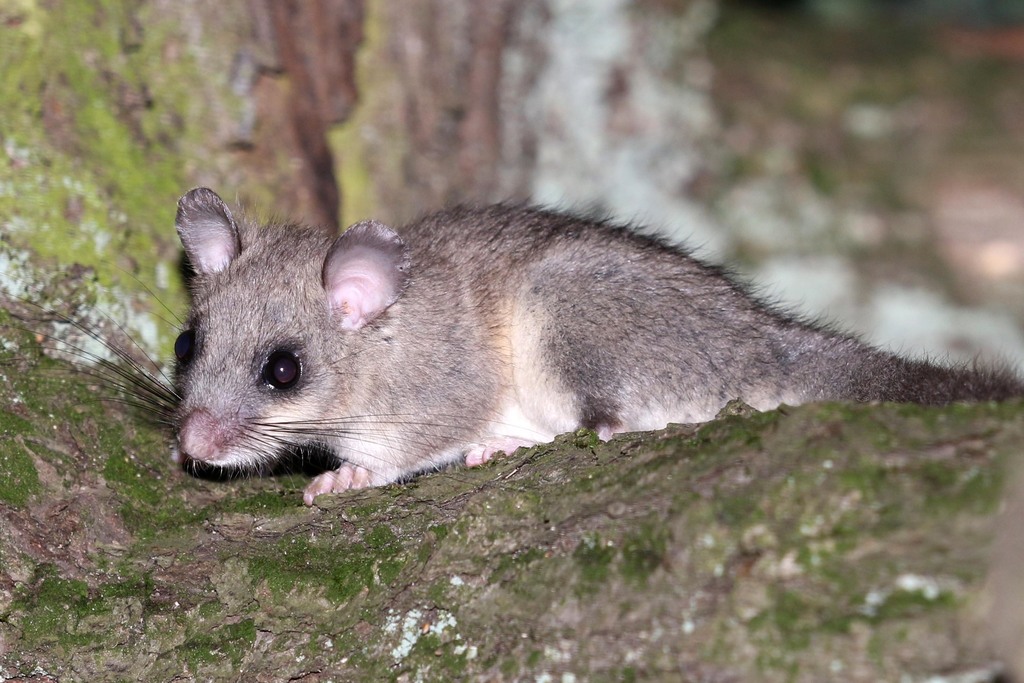
Newt
Well-Known Member
The Primis Zoo is a speculative zoo design I've had planned for a little over a year now, and I'm glad I finally have somewhere to put it. This project is very heavily inspired off the Bronx Zoo, so many things may sound similiar to it.
The Primis Zoo (or Primis Zoological Park) is a zoo situated in upstate New York, US, on a mere 294 acres (119 ha) of land. The zoo has a general diverse and varied collection of animals, all of which displayed in natural exhibits and habitats, further enhancing the zoos design. It's made up of 13 main sections, which include:
African Plains
African Rocks
The Kustawi Village
The Okavango Delta
World Of Birds
World Of Reptiles
Rainforest World
The Bird House
The Aquatic Bird House
Expedition Madagascar
Expedition Congo
Andes Reserve
Wild Asia
The Zoo Centre
(I suck at names so excuse the repetitive naming, if you have suggestions feel free to share!)
After entering the zoo, your journey begins in Primis Court, holding the zoos historic permanent buildings, most of which served as animal houses. However now, many have been re-purposed for staff buildings and education centers. Only one of the permanent buildings remains, the Zoo Centre. It was originally made in 1920 with the opening of the zoo. Today, it displays a variety of small mammal species, most of which are rodents, aswell as displaying the history of the zoo, basic information, maps, guides, and more. The main building (mid sections) are very dimly lit, with most (if not all) of the light being provided from the exhibits. The floor is a rough, black carpet, to further enhance the darkness of the building. Upon entering the zoo centre, you're met with two exhibits on your left and right. To your left, a pair of Northern Treeshrew, Tupaia Belangeri (1.1) is found. Their exhibit is around 25 sq. ft (5x5x8), displaying a naturlistic background, leaf-littered floor, and many branches, hides, hammocks, and other climbing structures for the animals.

Northern Treeshrew | Picture by @red river hog
Across from them, to your right, is the Siberian Flying Squirrel, Pteromys Volans (1.1). Their exhibit is the same in dimensions (5x5x8), and rather than rainforests, replicates the semi-dense woodlands of Siberia, with assorted birch branches, ropes, and few enrichment items. These animals are crepuscular, meaning they are active during the day and night hours, so there's a general 50/50% chance of seeing one. However, nothing is guaranteed.

Siberian Flying Squirrel | Picture by @GregOz
Past these entrance exhibits, is two main halls displaying a total of 8 more exhibits, each exhibit on the left side of the hall being 15 sq. ft (5x3x8), and on the right side one mega-exhibit spanning around 100 sq. ft (10x10x8). The left hall contains well-known domesticated rodents, including the Degu, Octodon Degus (0.3), Long-Tailed Chinchilla, Chinchilla Lanigera (0.2), and Mongolian Gerbil, Meriones Unguiculatus, (0.4). The degu and chinchilla exhibits are very similiar, with a very thin layer of sand placed on the floor, blending with eachother. Additonally, rock formations, branch systems, wheels, and various other enrichment items are provided to keep the animals happy and healthy. Meanwhile, the gerbils have a more arid, desert-like landscape, with a sand subtrate, assorted rocks, and few small branches scattered throughout. Wheels, tunnels, and other items exoected of a pet animal are also provided.

Common Degu | Picture by @Andrew_NZP

Long-Tailed Chinchillas | Picture by @red river hog

Mongolian Gerbil | Picture by @Giant Eland
Across from these, is a 100 sq. ft (10x10x8) exhibit for the Prevost's Squirrel, Callosciurus Prevostii, (1.1). Their exhibit features a large faux tree sporuting in the middle, which is a connecting point to a variety of ropes, branches, and other climbing structures for the squirells, aswell as hides, hammocks, balls, and other enrichment items.

Prevost's Squirrel | Picture by @KevinB
In the right hall, on right side, the Striped Grass Mouse, Lemniscomys Rosalia (0.5), Cairo Spiny Mouse, Acomys Cahirinus, (1.1) and Golden Spiny Mouse, Acomys Russatus (1.2) are on display. The grass mouse have a grasslands-themed exhibit, with much grass and other sparse vegetation surround them, aswell, as thick branches, and assorted rocks throughout. Both spiny mice species have an desert-like exhibit, with a sand-dirt substrate, branches, and many rocks to hide amongst, awell as as a few sparsley placed desert grasses.

Striped Grass Mice | Picture by @Andrew_NZP

Cairo Spiny Mouse | Picture by @Maguari

Golden Spiny Mouse | Picture by @Giant Eland
Finally, to end the Zoo Centre off, is another species of squirrel, the American Red Squirrel, Tamiasciurus Hudsonicus, (1.1). Although a very common species across the U.S, this exhibit allows you to get up-close and personal with these backyard friends. They have the same general theme as the flying squirrels, however, more open and less temperate, with branches, tree stumps, a leaf-littered floor, and more.

American Red Squirrel | Picture by @TNT
The Primis Zoo (or Primis Zoological Park) is a zoo situated in upstate New York, US, on a mere 294 acres (119 ha) of land. The zoo has a general diverse and varied collection of animals, all of which displayed in natural exhibits and habitats, further enhancing the zoos design. It's made up of 13 main sections, which include:
African Plains
African Rocks
The Kustawi Village
The Okavango Delta
World Of Birds
World Of Reptiles
Rainforest World
The Bird House
The Aquatic Bird House
Expedition Madagascar
Expedition Congo
Andes Reserve
Wild Asia
The Zoo Centre
(I suck at names so excuse the repetitive naming, if you have suggestions feel free to share!)
After entering the zoo, your journey begins in Primis Court, holding the zoos historic permanent buildings, most of which served as animal houses. However now, many have been re-purposed for staff buildings and education centers. Only one of the permanent buildings remains, the Zoo Centre. It was originally made in 1920 with the opening of the zoo. Today, it displays a variety of small mammal species, most of which are rodents, aswell as displaying the history of the zoo, basic information, maps, guides, and more. The main building (mid sections) are very dimly lit, with most (if not all) of the light being provided from the exhibits. The floor is a rough, black carpet, to further enhance the darkness of the building. Upon entering the zoo centre, you're met with two exhibits on your left and right. To your left, a pair of Northern Treeshrew, Tupaia Belangeri (1.1) is found. Their exhibit is around 25 sq. ft (5x5x8), displaying a naturlistic background, leaf-littered floor, and many branches, hides, hammocks, and other climbing structures for the animals.
Northern Treeshrew | Picture by @red river hog
Across from them, to your right, is the Siberian Flying Squirrel, Pteromys Volans (1.1). Their exhibit is the same in dimensions (5x5x8), and rather than rainforests, replicates the semi-dense woodlands of Siberia, with assorted birch branches, ropes, and few enrichment items. These animals are crepuscular, meaning they are active during the day and night hours, so there's a general 50/50% chance of seeing one. However, nothing is guaranteed.
Siberian Flying Squirrel | Picture by @GregOz
Past these entrance exhibits, is two main halls displaying a total of 8 more exhibits, each exhibit on the left side of the hall being 15 sq. ft (5x3x8), and on the right side one mega-exhibit spanning around 100 sq. ft (10x10x8). The left hall contains well-known domesticated rodents, including the Degu, Octodon Degus (0.3), Long-Tailed Chinchilla, Chinchilla Lanigera (0.2), and Mongolian Gerbil, Meriones Unguiculatus, (0.4). The degu and chinchilla exhibits are very similiar, with a very thin layer of sand placed on the floor, blending with eachother. Additonally, rock formations, branch systems, wheels, and various other enrichment items are provided to keep the animals happy and healthy. Meanwhile, the gerbils have a more arid, desert-like landscape, with a sand subtrate, assorted rocks, and few small branches scattered throughout. Wheels, tunnels, and other items exoected of a pet animal are also provided.
Common Degu | Picture by @Andrew_NZP
Long-Tailed Chinchillas | Picture by @red river hog
Mongolian Gerbil | Picture by @Giant Eland
Across from these, is a 100 sq. ft (10x10x8) exhibit for the Prevost's Squirrel, Callosciurus Prevostii, (1.1). Their exhibit features a large faux tree sporuting in the middle, which is a connecting point to a variety of ropes, branches, and other climbing structures for the squirells, aswell as hides, hammocks, balls, and other enrichment items.
Prevost's Squirrel | Picture by @KevinB
In the right hall, on right side, the Striped Grass Mouse, Lemniscomys Rosalia (0.5), Cairo Spiny Mouse, Acomys Cahirinus, (1.1) and Golden Spiny Mouse, Acomys Russatus (1.2) are on display. The grass mouse have a grasslands-themed exhibit, with much grass and other sparse vegetation surround them, aswell, as thick branches, and assorted rocks throughout. Both spiny mice species have an desert-like exhibit, with a sand-dirt substrate, branches, and many rocks to hide amongst, awell as as a few sparsley placed desert grasses.
Striped Grass Mice | Picture by @Andrew_NZP
Cairo Spiny Mouse | Picture by @Maguari
Golden Spiny Mouse | Picture by @Giant Eland
Finally, to end the Zoo Centre off, is another species of squirrel, the American Red Squirrel, Tamiasciurus Hudsonicus, (1.1). Although a very common species across the U.S, this exhibit allows you to get up-close and personal with these backyard friends. They have the same general theme as the flying squirrels, however, more open and less temperate, with branches, tree stumps, a leaf-littered floor, and more.
American Red Squirrel | Picture by @TNT