Pristine Park Zoo - A Sphenisciologist Project

Sphenisciologist

Well-Known Member
Hello everyone! After a rather long hiatus of posting regularly on ZooChat, I am back with a more revised concept of an older idea that I created a while back. Though none of that was actually *technically* posted, the name “Pristine Park Zoo” was used for one of my older zoo concept posts. But I am throwing The Ecology Plaza out the window and I have rearranged things entirely. So, welcome to the Pristine Park Zoo!

Pristine Park Zoo is located in Charlotte, North Carolina, home to a decent mix of large animals, small animals, common zoo animals, and rarities. It is primarily bird-focused as birds are my strong suit when it comes to zoological knowledge, but there are still some ABC animals to help bring people in. I tried my best to limit myself with how many uncommon/rarities I included in my collection, and I opted to stay away from most species kept in under 5 collections or less (with a few exceptions :p), but bare in mind I did not research commonality for most of the fish and invertebrate species kept.

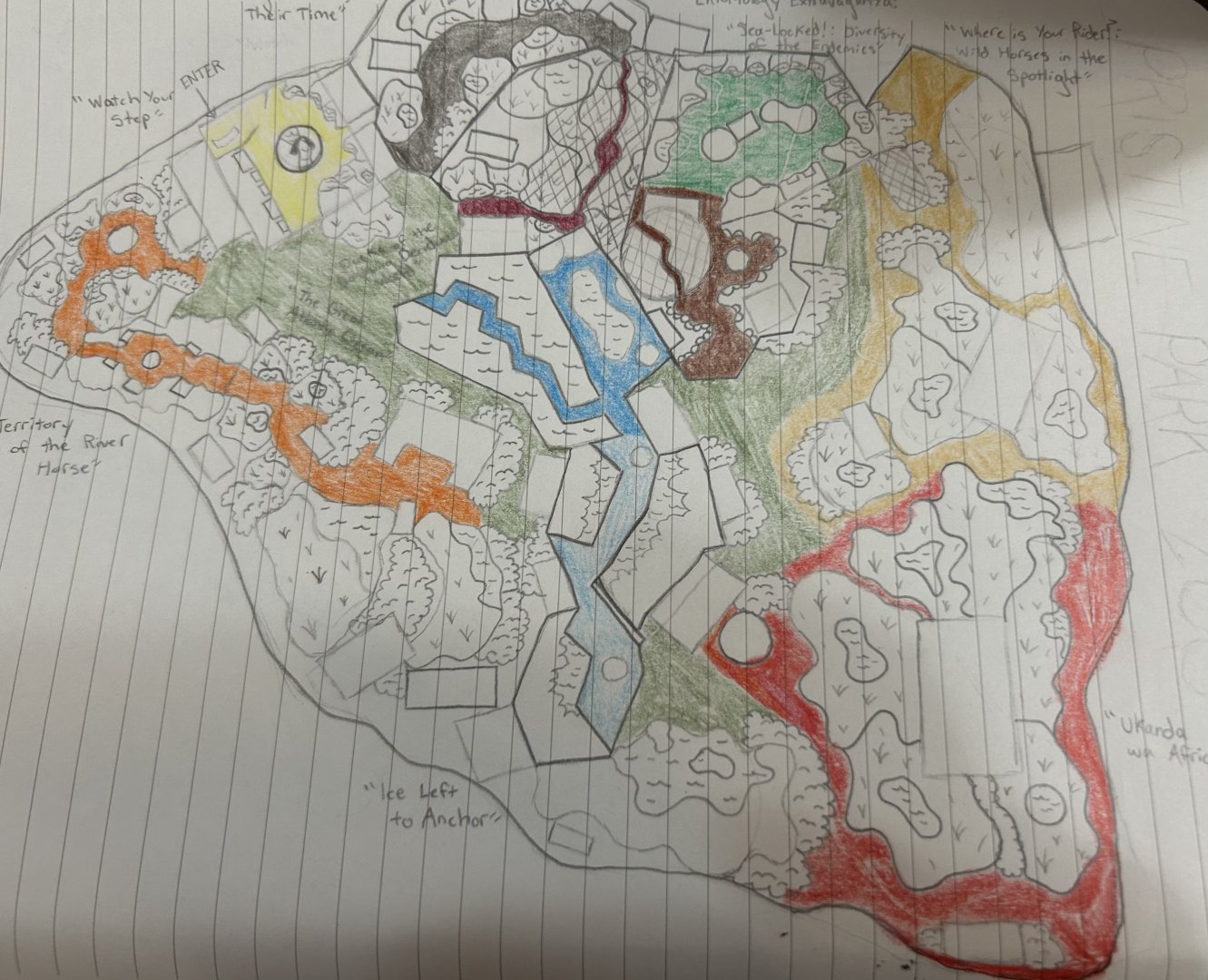
There are nine total exhibits split between five different zones. Each zone focuses on a separate theme that is pretty random, from the intention of promoting conservation to the types of species housed in each zone. There is the ENTRY ZONE (“Watch Your Step” and “Territory of the River Horse”), the MARINE SPECIES BUILDING (“The Great Atlantic Ocean” and “Ice Left to Anchor”), the EXPLORATORY BUILDING (“Entomology Extravaganza!” and “Sea-Locked!: Diversity of the Endemics”), the OUTDOOR LOOP ZONE (“Ukanda wa Africa” and “Where Is Your Rider?: Wild Horses in the Spotlight”), and finally, the CONSERVATORY BUILDING (“Ducks of the Dashing Deciduous World” and “Night Time, Their Time”).

The total species count is 156.
Mammals: 22
Birds: 52
Reptiles: 16
Amphibians: 5
Fish: 22
Invertebrates: 40

Zoo map is seen below! Check the media comments for an exhibit guide.
 
ENTRY ZONE: “Watch Your Step”
Mammals: 4
Birds: 6
Reptiles: 2
Amphibians: 4
Fish: 1
Invertebrates: 0

Once guests purchase their tickets and walk through the opening doors of the zoo, they are greeted with a vast indoor facility home to the first collection of animal species. This marks the beginning of the ENTRY ZONE, and guests are invited to witness the creatures of “Watch Your Step”. The exhibit title can be interpreted in different ways, as I do so myself, but I just really liked the sound of the name. The focus of this exhibit is primarily creatures on the smaller end, including smaller birds, mammals, and various terrariums housing reptiles and amphibians. It can also be seen as just an introduction on the wild-side, inviting guests to “watch their step” as they enter the territory of the animals.

Little Blue Penguin Enclosure
To the left of the ticket dest in between two circular pillars presents an indoor space with animals along the walls and in the center of the building, with the doors past these exhibits being the exit into the rest of the zoo. So, essentially, the habitats in the indoor portion of “Watch Your Step” exist in a circle. In the center of it all is a simple 30 foot-diameter circular habitat with a small river running through the middle, and sandy substrate running along the surface of the terrestrial area. There is a large thick rock in the middle of the habitat that creates an arch shape, added for detail and nesting opportunities for the inhabitants. This exhibit is home to the Little Blue Penguins (Eudyptula novaehollandiae) (6.6) as the star highlight. Complete with nesting spaces carved inside the thick arch rock along the sides, rocky outcrops, and natural tall grasses scattered around the edge of the habitat within the glass walls and around the water’s edge, this exhibit is a pleasant welcoming sight. In addition to the penguins, this exhibit also houses a Freckled Duck (Stictonetta naevosa) (1.0) and a pair of Spotted Whistling Ducks (Dendrocygna guttata) (1.1).

upload_2025-1-5_21-10-28.jpeg
Little Blue Penguin. Photo credit -> Cassidy Casuar

full

Freckled Duck. Photo credit -> RatioTile

full

Spotted Whistling Ducks. Photo credit -> KevinB

Mesh-fenced Bird Aviaries
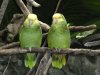
Along the walls across from the penguin habitat is different habitats arranged by taxonomic classifications of smaller animals. On one side is home to a random collection of different bird species across 3 roughly 200 square foot habitats, with all mesh-fenced towards the visitors side along the white concrete wall. The first of the three habitats is home to a breeding pair of Laughing Kookaburras (Dacelo novaeguineae) (1.1), continuing the Oceanic theme briefly (don’t get used to it). The next habitat is home to a singular Sunbittern (Eurypyga helias) (1.0), however there is a breeding pair of the species off-display. Finally, the last species kept in these mesh-fence habitats are two sister Yellow-headed Amazons (Amazona oratrix) (0.2). These habitats are all rather simple, lined with mulch on the floor, bushy and tropical plans scattered throughout the floor, planted trees, and ponds surrounded by mock rock.

upload_2025-1-5_21-18-25.jpeg
Laughing Kookaburra. Photo credit -> TheGerenuk

upload_2025-1-5_21-19-41.jpeg
Sunbittern. Photo credit -> RatioTile

upload_2025-1-5_21-21-55.jpeg
Yellow-headed Amazons. Photo credit -> red river hog

Amphibian Terrariums
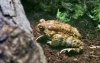
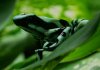
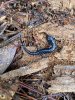
Perpendicular to the bird habitats on their left is home to terrariums tucked into large mock rocks with various reptiles and amphibians. This style of herp exhibition is going to be seen in other exhibits in my zoo as well, including “Territory of the River Horse” and “Sea-Locked!: Diversity of the Endemics”. Here in “Watch Your Step”, all of these terrariums are lined up against a circular-ish wall, with them wall being no more than a few feet away from each other. The smaller, medium-sized terrariums is home to a plethora of amphibian species in each one respectively, including American Toads (Anaxyrus americanus) (0.0.2), Green-and-black Poison Dart Frogs (Dendrobates auratus) (0.0.5), Northern Slimy Salamanders (Plethodon glutinosus) (0.0.2), and Vietnamese Mossy Frogs (Theloderma corticale) (0.0.3).

upload_2025-1-5_21-26-45.jpeg
American Toad. Photo credit -> RatioTile

upload_2025-1-5_21-28-1.jpeg
Green-and-black Poison Dart Frog. Photo credit -> fat_wagtail

upload_2025-1-5_21-29-5.jpeg
Northern Slimy Salamander. Photo credit -> Crotalus

upload_2025-1-5_21-31-24.jpeg
Vietnamese Mossy Frog. Photo credit -> biggiesmalls

I’ll be posting the rest of “Watch Your Step” shortly, including the reptile terrariums, mammal exhibits, and fish pool. Then after that, we will move on to the next exhibit that the ENTRY ZONE has to offer, so keep your eyes peeled for more!
 

Attachments

  • upload_2025-1-5_21-10-28.jpeg
    upload_2025-1-5_21-10-28.jpeg
    132.6 KB · Views: 204
  • upload_2025-1-5_21-18-25.jpeg
    upload_2025-1-5_21-18-25.jpeg
    85.7 KB · Views: 204
  • upload_2025-1-5_21-19-41.jpeg
    upload_2025-1-5_21-19-41.jpeg
    107.7 KB · Views: 200
  • upload_2025-1-5_21-21-55.jpeg
    upload_2025-1-5_21-21-55.jpeg
    113.1 KB · Views: 205
  • upload_2025-1-5_21-26-45.jpeg
    upload_2025-1-5_21-26-45.jpeg
    133.8 KB · Views: 201
  • upload_2025-1-5_21-28-1.jpeg
    upload_2025-1-5_21-28-1.jpeg
    73.6 KB · Views: 193
  • upload_2025-1-5_21-29-5.jpeg
    upload_2025-1-5_21-29-5.jpeg
    175.7 KB · Views: 210
  • upload_2025-1-5_21-31-24.jpeg
    upload_2025-1-5_21-31-24.jpeg
    153.9 KB · Views: 206
Last edited:
ENTRY ZONE: “Watch Your Step” (cont.)

Reptile Terrariums
The two closest terrariums to the righthand side of the rock display that also contains the amphibian terrariums are home to two different snake species: there’s an Inland Taipan (Oxyuranus microlepidotus) (0.1) and a Speckled Rattlesnake (Crotalus mitchellii) (1.0).

full

Inland Taipan. Photo credit -> Zoofan15

full

Speckled Rattlesnake. Photo credit -> TinoPup

Small Mammal Enclosures
Perpendicular to the bird habitats on their right is a smaller mammal area, all of these following habitats being roughly 350 square feet indoors, with one connecting to an outdoor habitat that’s approximately 400 square feet. The first habitat closest to the birds is home to a pair of Red Pandas (Ailurus fulgens) (1.1). Just like the bird habitats, the red panda habitat is lined with mesh-fencing, covered with mulch on the ground, bush plants, a pond, and a planted tree. There are also stairs along the tree to help the pandas climb to areas of rest and enrichment that lie in the tree. The next habitat to the right of the red pandas is home to a small group of Cotton-top Tamarins (Saguinus oedipius) (2.2), with a similar layout to the red pandas, except this one has a glass wall and smooth mock rocks along the walls to support the placement of fake trees to provide more enrichment for the monkeys. The tamarins habitat marks the start of the perpendicular side of the wall to the red panda habitat and the birds. The two exhibits are also lined with glass walls, with the next one being home to a mob of Meerkats (Suricata suricatta) (3.5). This exhibit is designed like a simple African desert, with murals of oases and large African creatures along the wall. There are several mock mounds in the habitat that have accessibility to hiding and burrowing for the meerkats to exhibit their natural behaviors.
Right after the meerkats habitat is another one with glass viewing that gives visitors access to view at 7 foot deep pool. The substrate is lined with logs, chiseled rocks, soft nesting areas with grass, and small conifer bushes along the wall. This habitat, attaching to a 400 square foot habitat on the outdoors is home to three sister North American River Otters (Lontra canadensis) (0.3). The outdoor habitat is of the same design, also allowing guests to have underwater viewing, only this one has a shaded shack-like build that is supposed to model a fishery along the Pacific northwest.

full

Red Panda. Photo credit -> Causticjay

full

Cotton-top Tamarin. Photo credit -> Gab_1

full

Meerkat. Photo credit -> TheGerenuk

full

North American River Otter. Photo credit -> Northwest_FIsh_Keeping

Fish Pool
Finally, to the right of the otter habitat on the outside is a windy-shaped pool (forgot to split it into two on the map) that has lots of vegetation continuing the conifer theme of the otter habitat, only this one doesn’t have any animals on land. This pool is home to a group of Common Carp (Cyprinus carpio) (0.0.14).

full

Common Carp. Photo credit -> felis silvestris

And that’s a wrap for “Watch Your Step!” I hope you guys enjoyed reading about this exhibit as much as I enjoyed writing it. Next, we will go to the “Territory of the River Horse” and explore what that has to offer, which should hopefully be published in a few days time. Until then, adios.
 
“Watch Your Step”. The exhibit title can be interpreted in different ways, as I do so myself, but I just really liked the sound of the name.
As you've put it yourself, the title is up to personal interpretation. However, I assumed that such a title would include more prominent examples of crypsis in animals.
And out of personal interest: why did you choose these two venomous snakes species?
 
As you've put it yourself, the title is up to personal interpretation. However, I assumed that such a title would include more prominent examples of crypsis in animals.
That would’ve been a really good execution, but to be honest I did not think about that. Now I kind of wish I did!

And out of personal interest: why did you choose these two venomous snakes species?
The snake selection was honestly a little random as I’m not the best with herps. But both species seem to be pretty accessible in the U.S. so I figured it was a safe choice.
 
ENTRY ZONE: “Territory of the River Horse”
Mammals: 1
Birds: 12 (+1 since my introduction post)
Reptiles: 5
Amphibians: 1
Fish: 1
Invertebrates: 0

Okay! I'm back again, finally. Sorry It's been months since I posted here last, I had a very busy semester with school. But I am *hoping* to post more regularly, though I will be working at my local zoo this summer so I'll still be busy! Anyway, let's get into the last area of the ENTRY ZONE :p.

Once guests exit the entrance building with the “Watch Your Step” exhibit, They are greeted by a pathway surrounded by dense tropical plants supposed to represent that of an African jungle. Guests have now reached the “Territory of the River Horse”, with a large wooden sign placed outside of the pathway on the right to signify so. This exhibit is split into four areas, with two wings of mesh bird aviaries, a sheltered area with terrariums of African reptiles and amphibians, and two habitats for much larger African animals. All species with the exception of one are found in Africa.

African Bird Habitats (1st Wing)
Past the dense botanical greenery is what I call the 1st wing of African bird habitats, with two 350 square foot and four 200 square foot aviaries distributed along the pathway and a gazebo in the middle. This gazebo is what I call the Interpretation Gazebo, and it includes a panorama of African habitats, from savannas and rainforests to rivers and mountains, and where you can find different species of birds. On the left from the gazebo from the pathway is the first mesh-fenced aviary, being home to Cattle Egrets (Bubulcus ibis) (1.2). Naturally, these exhibits include more natural substrate than that of the indoor exhibits as they utilize the surrounding area in addition. There is significantly more bush and shrubs in these outdoor African bird aviaries, and the egrets in particular have a larger pool surrounded by mock rock with branches and logs across the aviary for them to wade on. Across from the egret aviary to the right of the gazebo is the first of the small aviaries, being 200 square feet, with the same enclosure design as the egrets, home to a pair of Blacksmith Lapwings (Vanellus armatus) (2.1), however they also rotate with a lone male kept behind-the-scenes on occasions. To the left of the lapwing habitat is another roughly 200 square foot mesh-fenced enclosure, this time home to Golden-breasted Starlings (Lamprotornis regius) (2.2). Past these two habitats, adjacent to the starling and lapwing habitats are two more 200 square foot mesh-fenced alternating/combinable aviaries for a Spotted Thick-knee (Burhinus capensis) (1.0) and a pair of Taveta Weavers (Ploceus castaneiceps) (1.1). The upkeep design in these habitats is the same as the previous bird habitats. The last bird enclosure that is adjacent to the egret aviary is home to a pair of free-flying and intensely active White-eared Bulbuls (Pycnonotus leucotis) (1.1).

full

Cattle egret. Photo credit -> DesertTortoise

full

Blacksmith Lapwing. Photo credit -> vogelcommando

full

Golden-breasted Starling. Photo credit -> SivatheriumGuy

full

Spotted Thick-knee. Photo credit -> DesertTortoise

full

Taveta Weaver. Photo credit -> Austin the Sengi

full

White-eared Bulbul. Photo credit -> Zooish

African Reptile & Amphibian Terrariums
Next, past the bird aviaries that are surrounded dense wooded plants is the entrance to the sheltered mock-rock area that provides a cool space for guests to look at African reptiles and amphibians on a hot summer’s day. The first terrarium is a small glass tank home to an African Bullfrog (Pyxicephalus adspersus) (0.1). Along the wall to the right of the tank is an ecosystem mural that conveys how African bullfrogs are able to exist in harsher environments through dormancy, choice of nesting habitats, and even cannibalism. Across from the bullfrog exhibit, concealed by a wall of mock rock on its left side, having to do a loop around it to view the tank, is a wider and taller terrarium home to the zoos West African Gaboon Vipers (Bitis gabonica) (2.0) that rotate between which individual is on public display. Beyond that, we enter a more open, circular-type pathway allowing guests to witness several exhibits on each side, and also a species kept in the middle. The middle is a small glass-walled, open-topped exhibit home to a group of African Spurred Tortoises (Centrochelys sulcata) (2.2), which is just simply a sandy habitat mixed with greens for feeding, a den area for privacy, and a water region along the side. Across from the central habitat on the right side of the pathway is a small terrarium tucked into the mock rock, home to a pair of smaller Leopard Tortoises (Stigmochelys pardalis) (1.1). And finally, beyond this central tortoise region, the last terrarium guests will see in the shaded herp region is a much larger terrarium home to a Black Mamba (Dendroaspis polylepis) (0.1). There is another terrarium across from it as well, but that one is currently empty.

full

African Bullfrog. Photo credit -> JigerofLemuria

full

West African Gaboon Viper. Photo credit -> RatioTile

full

African Spurred Tortoise. Photo credit -> Fallax

full

Leopard Tortoise. Photo Credit -> WhistlingKite24

full

Black Mamba. Photo credit -> MagpieGoose

African Bird Habitats (2nd Wing)
Beyond the reptile and amphibian terrariums is the 2nd wing of African bird habitats. The size distribution is pretty much the same, with three being approximately 350 sq ft. One of the four habitats has since been split into two evenly, 175 sq ft respectively to both. The first on the right side is one of our 350 sq ft habitats home to a pair of White-bellied Go-away Birds (Corythaixoides leucogaster) (1.1). Their exhibit is relatively dense in shrubs and greenery around the edges of the exhibit because these birds like their privacy, but it’s relatively open in the interior region to support their active flight behaviors. Right across from the Go-away birds enclosure is another 350 sq ft one, this time home two species: the Crested Guineafowls (Guttera pucherani) (1.1) and Superb Starlings (Lamprotornis superbus) (2.2), with their viewing being much more accessible. The viewing area is much clearer, representing that of a woodland, to mimic the natural African environment that the fowls and starlings are found in. Moving on beyond these two first habitats, going back to the left side adjacent to the Go-away bird habitat is an area split in two, each exhibit being 175 sq ft. the first of the two is home to some Lilac-bresated Rollers (Coracias caudatus) (2.2), and the other side, separated by a mesh fence is home to White-headed Buffalo Weavers (Dinemellia dinemelli) (2.3). These habitats are meant to create an ecological diversion with the habitats being difficult to differentiate, but each are set up in a unique way. The weavers habitat is supposed to be set up to support their dynamic colonial nesting styles, whilst the roller habitat is more open-flying, designed for individual pairing. The final bird habitat in this long array of habitats, across from the weaver/roller complex and adjacent to the guineafowl/starling enclosure, is home to a singular Bateleur (Terathopius ecaudatus) (0.1).

full

White-bellied Go-away Bird. Photo credit -> DaLilFishie

full

Crested Guineafowl. Photo Credit -> KevinB

full

Superb Starling. Photo credit -> phraps

full

Lilac-breasted Roller. Photo Credit -> StreptopeliaNL

full

White-headed Buffalo Weaver. Photo credit -> evilmonkey239

full

Bateleur. Photo credit -> olhl.animal.photography

Hippopotamus & Crocodile Habitats
And now, we arrive to the grand attraction. To the right beyond the viewing areas of the bird habitats is a 4,500 sq ft oasis, fixed with underwater viewing and a small lookout tower placed to the side, home to the zoos river horses: this is, of course, the family of Hippopotamus (Hippopotamus amphibius) (0.4) having the opportunity to either bask in the sun or bathe in the water. The land portion is a mix of flat and sandy regions combined with grass patches to mimic the savanna habitats they are located in naturally. There are several stations for grazing and feeding on hay as well, including areas shaded by various trees scattered throughout the enclosure. The water goes approximately 6 feet deep, giving them space to submerge themselves under water, but also being able to rise to the top with ease. This means that there is a dip in the pathway once the visitors reach the hippo exhibit, just so that they can get a proper glimpse of the enclosure and learn more about how these animals live unique lifestyles both in water and on land in the African savanna. Sharing the habitat with the hippos is a large amount of Spotted Tilapias (Pelmatolapia mariae) (0.0.67) within the large pool. The last animal habitat of the “Territory of the River Horse” exhibit is slightly smaller, being 3,000 sq ft, home to a breeding pair of Nile Crocodiles (Crocodylus niloticus) (1.1). However, their exhibit has a lot more grass space in comparison to the hippo exhibit, that is just adjacent to them. The crocodile exhibit, however, does not have underwater viewing, and the path elevates back upward after guests are able to witness the hippos.

full

Hippopotamus. Photo credit -> Brayden Delashmutt

full

Spotted Tilapia. Photo credit -> birdsandbats

full

Nile Crocodile. Photo credit -> SivatheriumGuy

And the entry zone is completely covered! Next, we will start our journey to the CONSERVATORY ZONE, where we will witness a variety of native species to the states that guests can have a bigger impact on, as well as species that live in the dark that can make people oblivious to their importance to their ecosystems. Stay tuned for more!
 
CONSERVATORY BUILDING: “Night Time, Their Time”
Mammals: 4
Birds: 2
Reptiles: 3
Amphibians: 0
Fish: 0
Invertebrates: 0

We now make a bit of a loop-around back towards the front side of the zoo, where we find the entrance to one of three buildings in the large building complex placed in the middle of the zoo; the one closest to the entrance is the CONSERVATORY BUILDING!
Small note: black vultures were originally going to be in the house in replacement of one of the owl species, but I switched them out. I originally wanted to keep them to incorporate realism in which zoos often put birds in habitats of exhibits they don't fit the theme of to conserve space, but I found myself putting too much of a focus on the vultures for a species that was supposed to just be subbed in (I know a lot about black vultures so if I had an enclosure with them, I would want them to be a focus). So I found it best to get rid of them and replace it with another owl species.

Past the ENTRY ZONE’s carp pool to the left is the entrance to the first region of the CONSERVATORY BUILDING; “Night Time, Their Time” is an exhibit dedicated to primarily nocturnal species. The title of the exhibit is a reference to the album “Night Time, My Time” by Sky Ferreira. There are a few species kept in here that are more diurnal for the purpose of conserving space and the fact that some of them have similar enough behaviors to the nocturnal species.

As soon as guests enter through the doors of the building, they are greeted with a dimly lit hallway area that blends in with that of the dimly lit habitats of the nocturnal animals. To the right among entry are several signages placed on a garden bed, providing information about various nocturnal species, including one related to how bats use echolocation so precisely to hunt in caves, how aardvarks hunt for insects in the dark, and how big cats hunt like leopards and lions hunt during nighttime on the African savanna.

Nocturnal Mammal Habitats
Right across from the signage and to the left of the pathway is a 600 sq ft habitat home to a pair of Canada Lynx (Lynx canadensis) (1.1) living in a habitat with a rocky outcrop surrounding the wall and various coniferous vegetation on the ground. In the righthand side of the exhibit is a small carving in the outcrop that acts as a den for the pair to go in and rest. Along the wall above the outcrop that the cats can climb on is a mural representing the snowy Taiga forest. Beyond that, continuing with the theme of the dimly-lit habitats to the righthand side is a slightly larger 750 sq ft habitat home to an Aardvark (Orycteropus after) (1.0). This habitat is wider than the lynx habitat, and it substitutes the rocky outcrops for various patches of savanna grass and sandy regions, mimicking a blend of African woodland and desert. Right outside the habitat along the pathway are various signages on how Aardvarks hunt in the dark and their life cycles being a nocturnal species. Right across from the aardvark habitat, moving to the left side now, is another desert-themed habitat. This one, however, is home to a small group of Fennec Foxes (Vulpes zerda) (3.2) living in a sandy area with a rocky outcrop to compliment their habitat, similar to that of the lynxes. This one has various smaller carvings into the outcrop all connected to each other, sort of creating a network of burrowing habitats. There are various grasses and shrubs, as well as another mural along the wall depicting the South African deserts. The last of the mammal habitats replaces the glass walls of the previous three for a netted enclosure with wood keeping it sturdy. This exhibit has a mix of gravel and grass patches on the ground where a few Radiated Tortoises (Astrochelys radiata) (0.2) with several Seba’s Short-tailed Fruit Bats (Carollia perspicillata) (1.5) dangling from the ceiling, where they have various nesting opportunities in wooden boxes along several mock-trees.

full

Canada Lynx. Photo credit -> evilmonkey239

full

Aardvark. Photo credit -> FoxBat

full

Fennec Foxes. Photo credit -> Panthera9

toz06554l.jpg

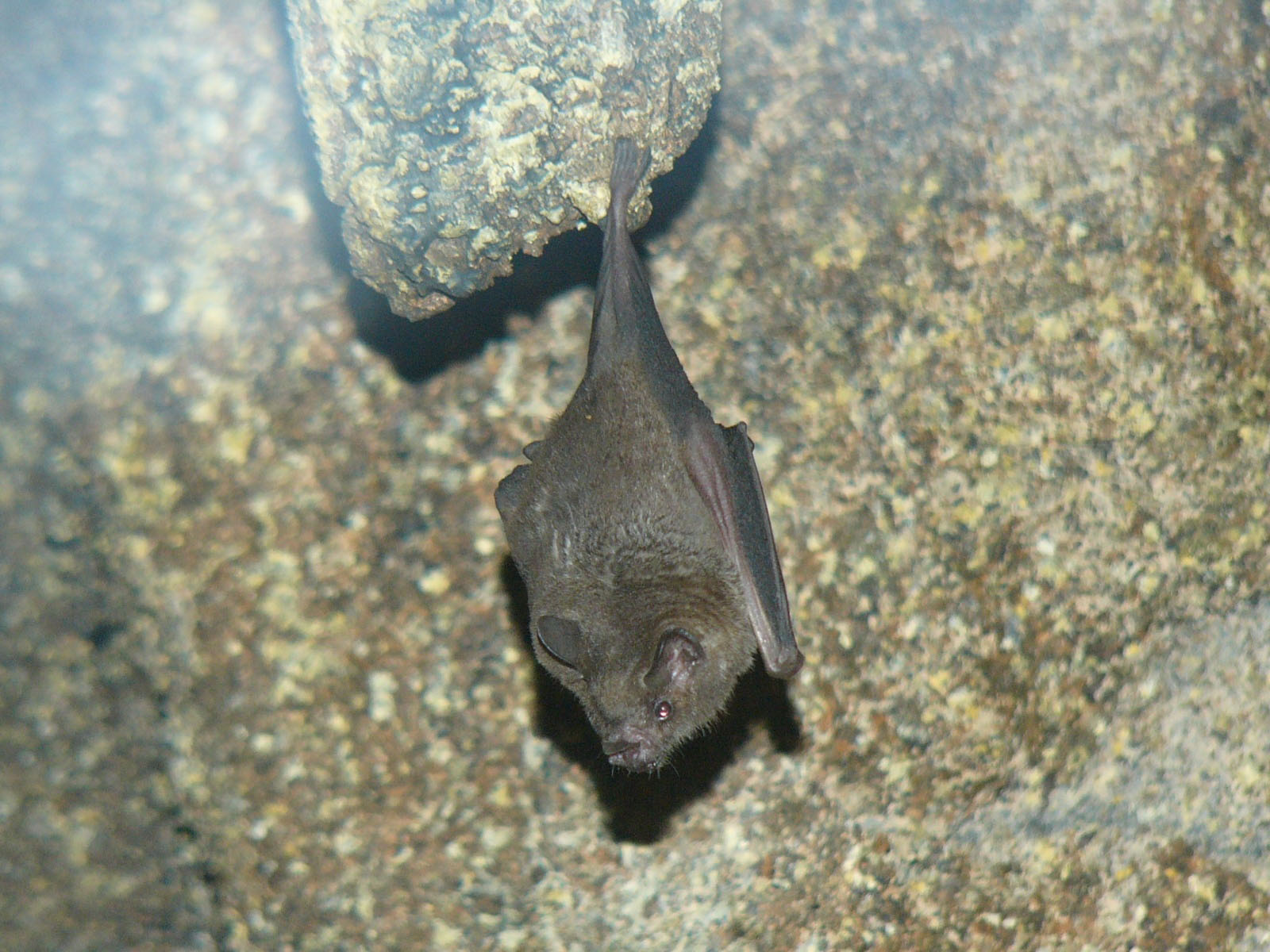
Seba's Short-tailed Fruit Bat. Photo Credit -> Jeff Whitlock (Online Zoo)

full

Radiated Tortoise. Photo credit -> Goura

Owl Habitats
We now move on to the region across from the bat enclosure, which is two mesh-fenced bird aviaries, which is a 375 sq ft region split into two. These meshed aviaries have a very similar style to those seen in the African bird habitats from “Territory of the River Horse”, with the first one simple design having a tree, vegetation, areas for nesting and privacy, and a pond. The left one is home to a pair of Snowy Owls (Bubo scandiacus) (1.1) sent to the zoo a few years back. An old black vulture used to be kept in this habitat, but it died out. The signage of the snowy owl habitat provides lots of insight on how these owls are able to survive in much more extreme conditions compared to other owl species; there is information on the morphology of their contour feathers allowing them to trap lots of heat and resist winds in the Arctic, information on how they hunt and what all they eat in the extreme climate, and their migratory patterns from higher-up Arctic winds to lower temperate tundras. Anyway, next to it is a similar habitat, only this one is sandy with trees and branches designed for perching, meant to replicate this animals natural behavior of idling to scan the desert and find food. This habitat replaces the thin, soft vegetation from the other bird habitats for hard and sturdy cacti. This enclosure is home to two male Burrowing Owls (Athene cunicularia) (2.0) sharing the space with a Yellow-footed Tortoise (Chelonoidis denticulata) (0.1) who has a shaded region and food bowl on the ground.

full

Snowy Owl. Photo credit -> evilmonkey239

full

Burrowing Owl. Photo credit -> evilmonkey239

full

Yellow-footed Tortoise. Photo credit -> KevinB

Anaconda Terrarium
The last area in “Night Time, Our Time” is to the left, adjacent to the bird aviaries. This is a semi-aquatic, large, and vertical terrarium, with a large water pool in sight of the visitors with a rocky outcrop along the back complete with lots of tropical plants hanging throughout to make the exhibit seem like a brief immersion into the Amazon rainforest, continuing the American theme present from the last few habitats. This terrarium is home to a Green Anaconda (Eunectes murinus) (1.0).

full

Green Anaconda. Photo credit -> RatioTile

And that’s a completion for the “Night Time, Their Time” exhibit! The anaconda terrarium leads into “Ducks of the Dashing Deciduous World” next through an automatic door to take guests back out into the daylight, and we will next enter that world of immersion through various species and habitats all native to the Americas. I’ll hopefully get to writing that up and posting it soon!
 
Hi everyone. With progress lacking as my motivation has been low the past few days, I figured that an update on conditions/status/future description plans will substitute for now.
  • After several recounts and added species, the total species count is 161. 1 mammal species and several bird species have been added since my introductory post, and 1 reptile was accidentally not counted. This means that as of right now, with no intentions of adding new species, there are 23 mammals, 54 birds, 17 non-avian reptiles, 5 amphibians, 22 fish, and 40 invertebrate species are present in the park.
  • I have decided to replace the two pairs of Lilac-breasted Rollers (Coracias caudatus) (2.2) in the "Territory of the River Horse" African bird wing exhibit with two pairs of the more captive-frequent Blue-bellied Rollers (Coracias cyanogaster) (2.2). For some reason I thought Lilac-breasted rollers were present in American institutions, but I was wrong. I'm not sure where I drew that conclusion, but because I want there to be a good degree of realism, I will switch them out.
  • The MARINE SPECIES BUILDING has been changed to a more simple name; OCEANS BUILDING.
  • The description of the exhibits will go as follows; after "Ducks of the Dashing Deciduous World" of the CONSERVATORY BUILDING is typed out, I will go over the OCEANS BUILDING ("The Great Atlantic Ocean" then "Ice Left to Anchor"), then the EXPLORATORY BUILDING ("Entomology Extravaganza!" then "Sea-Locked!: Diversity of the Endemics"), then the OUTDOOR LOOP ZONE ("Ukanda wa Africa" then "Where is Your Rider? Wild Horses in the Spotlight") will be described last.
Thanks again for the patience to anyone who might be waiting on updates, and "Ducks of the Dashing Deciduous World" should be posted within the next few days after I start interning.
 
CONSERVATORY BUILDING: “Ducks of the Dashing Deciduous World”
Mammals: 0
Birds: 14
Reptiles: 1
Amphibians: 0
Fish: 2
Invertebrates: 0

And we’re back! In this post, I will be covering the last exhibition in the CONSERVATORY BUILDING; welcome to “Ducks of the Dashing Deciduous World”! This has been one of my favorite exhibits to lay out purely because I love waterfowl exhibits and besides penguins & seabirds being ranked highest for me, freshwater (primarily) waterfowl are not far behind on my ranking of favorite birds. This exhibit includes several aviaries, lush wetland habitats, and, most notably, a large habitat that mimics a boardwalk found in many nature trails in the southeast region of the United States.
Firstly, some introductory information: “Ducks of the Dashing Deciduous World”, just like “Night Time, Their Time” is designed with the intent on educating guests about the importance of taking care and conserving species. But whilst “Night Time, Their Time” does so by educating on creatures of the night that may be disregarded as being in trouble due to their nocturnal status, “Ducks of the Dashing Deciduous World” aims to educate on native species and threats to habitats within the local areas of North Carolina, including species found in wetland habitats, reservoirs, and rivers and lakes throughout the region. The goal is to get guests caring about making a difference locally and see what harmful benefits may impact local (mostly) wildlife. This will be done through exhibit designs mimicking harmful effects to North Carolinian wetlands, including a visual display of sea levels impacting wetlands through submerging these animals ecosystems, signages educating on various threatening invasive species, and remaining pollutants dispersed throughout wetlands as a trash can for many agricultural purposes.

John James Audubon Boardwalk Haven
Beyond the sliding doors of the green anaconda terrarium is where guests will step into the John James Audubon Boardwalk Haven, a massive 9,500 sq ft habitat designed to mimic a variety of habitats throughout the southeast United States. In the habitat, the deciduous forested side is on the far side away from the entrance from “Night Time, Their Time”, and the side closest to it is a representation of swamps and wetlands, slowly blending from a more open wetland region to a deciduous wetland region as guests progress throughout the habitat. The exhibit is almost evenly divided by land and water areas, with a large region of land in the middle and several various “islands” scattered around the edges of the habitat. This habitat is mesh-fenced rather than glass covered, so ducks have access to more of the temperature and air fluctuations of the outside world which assists in them replicating their natural behaviors. The haven is home to 42 individuals of ducks, and each duck is provided nesting areas with enough space away from each other to where there is no unneeded conflict. Of course not all ducks in here are actively breeding but the representation of their natural behaviors has good educational value provided for visitors. The elevated wooden path creates a circular shape towards the center, and the center provides information on all eleven duck species kept, including the American Wood Ducks (Aix sponsa) (3.3) and education on why their wood duck boxes are important. The zoo has three wood duck boxes in various trees in the wetland area of the exhibit, and the signage of the wood duck provides information on how these boxes protect the ducks from degraded habitats and ensure that the population can increase. This signage also includes resources of places to reach out to to do conservation work for these birds, including the U.S. Fish and Wildlife Service. The other ten species signed here are the Barrow’s Goldeneyes (Bucephala islandica) (1.1), the Buffleheads (Bucephala albeola) (1.1), the Canvasbacks (Aythya valisineria) (2.3), the Green-winged Teals (Anas carolinensis) (2.2), the Hooded Mergansers (Lophodytes cucullatus) (3.3), the Mallards (Anas platyrhynchos) (2.2), the Mandarin Ducks (Aix galericulata) (3.3), the Northern Pintails (Anas acuta) (0.2), the Northern Shovelers (Spatula clypeata) (1.1), and the Ruddy Ducks (Oxyura jamaicensis) (1.2). In addition to the duck population is signage on the fish species that can bee seen submerged in the water, if guests are to look hard enough; this includes the Lake Sturgeons (Acipenser fulvenscens) (0.0.3) and Spotted Gars (Lepisosteus oculatus) (0.0.6). I’m aware not all these species are found throughout North Carolina, but they still provide good emphasis for the guests to act and work to protect their local ecosystems as they live in similar habitats that are still at the focus of this exhibit.

full

American Wood Duck. Photo Credit -> ThylacineAlive

full

Barrow's Goldeneye. Photo credit -> KevinB

full

Bufflehead. Photo credit -> SivatheriumGuy

full

Canvasback. Photo credit -> Astrotom3000

full

Green-winged Teal. Photo credit -> Goura

full

Hooded Merganser. Photo credit -> KevinB

full

Mallard. Photo credit -> Cassidy Casuar

full

Mandarin Duck. Photo credit -> RatioTile

full

Northern Pintail. Photo credit -> Lucas Lang

full

Northern Shoveler. Photo credit -> Astrotom3000

full

Ruddy Duck. Photo credit -> evilmonkey239

full

Lake Sturgeon. Photo credit -> RatioTile

full

Spotted Gars. Photo credit -> Daniel Sörensen

Located at the next major bend of the ducks habitat is where we will find the visual displays of threats to the wetland regions. Most notably is a large 3D-model of a coastal wetland with various waterbirds nesting throughout, and guests can see simulated rising sea levels that shows how their natural life cycles are disrupted by this change, and though its not displayed, signage on the threats of wetlands discusses how wetlands benefit us by serving as protection from natural disasters, and it is important that we don’t let their alarming submergence go unnoticed. Also included in the signage of wetland threats is invasive species; Burmese pythons and cane toads in Florida are discussed, as they have huge effects on wildlife in their invasive ranges, as well as much more widespread invasive species in America like common starlings. While discussing the invasive species, there is also a portion discussing the ethical dilemmas of managing invasive species, and it is important for guests not to demonize the animals whilst understanding that it is important to remove them from these ecosystems, and to remember that they still play an important role in their native ranges.

Arboreal Bird Habitats
And that concludes the main portion of the exhibit, the John James Audubon Boardwalk Haven. Guests can enter through another set of sliding doors on the opposite side of the path. We have now entered the region of the exhibit with arboreal bird habitats. These bird habitats are supposed to blend in well with the mesh-fenced complex that was the boardwalk haven, with the first habitat only separated by said fence from the aviary. It is also supposed to serve as an ecological transition from bird species at the ground level to bird species high up in the trees, or vice versa if guests are entering from the opposite side. Past the boardwalk haven through another sliding door is three smaller 350 sq ft adjacent mesh-fenced bird aviaries on the righthand side. The first of these three exhibits is home to an adult Bald Eagle (Haliaeetus leucocephalus) (1.0) with severe visual impairment in his right eye. The exhibit is designed with a log on the ground connected to a large tree with several smaller latches acting as a ladder for the bald eagle to climb up a tree, as although he has no wing injuries, he struggles to fly due to his poor vision. There is a pond, grassy patches scattered throughout along with mulch, and several miniature conifer trees to mimic the habitat of the Pacific Northwest. Right next to this birds habitat is home to an older and smaller bird-of-prey. In an equally-large habitat adjacent to the eagle is home to an Eastern Screech Owl (Megascops asio) (0.1) Her exhibit is designed almost identical to that of the bald eagles’. However, hers does have a larger tree trunk nestled away in the back right corner rather than a smaller tree in the middle. This trunk has a large cavity in it which is intended to be the space for the screech owl to nest or get away from the public. There is signage about the nesting life cycles of screech owls and how the tree cavity replicates so for guests to learn about. The zoo’s administration hoped for the screech owl to be exhibited in “Night Time, Their Time” with the other owl species, but it was dismissed as it was determined it was not worth the effort to build her an enclosure given her old age. However, guests still love learning about the screech owls nocturnal behavior and she is a guest favorite among visitors. The final of the three exhibits is home to a songbird species, and a somewhat out-of-place tropical South American species; a group of Yellow-rumped Caciques (Cacicus cela) (1.2) reside in a more luscious habitat than the previous two, with much more tropical vegetation and many smaller trees rather than one larger one/one big tree trunk. The active nature of the caciques requires that they have more places to perch at various levels of elevation to encourage enrichment practices and flight.

full

Bald Eagle. Photo credit -> evilmonkey239.

full

Eastern Screech Owl. Photo credit -> Brayden Delashmutt

full

Yellow-rumped Cacique. Photo credit -> Jakub

Alligator Habitat
Right across from the arboreal bird habitats is a rectangular habitat that continues the mesh-fenced theme, only in this one, guests are elevated slightly above the ground. This is the last habitat of “Ducks of the Dashing Deciduous World” we have left to go over. This is a larger 1,500 sq ft habitat (I didn’t make it super big on the map) that is very luscious as well. Lots of natural vegetation everywhere with a large pond carved out on the lefthand side surrounded by mock rock. This exhibit is mostly a mix of hilly and flat surface, and honestly not much was changed about the natural area of this exhibit before it was converted in an area for the zoo’s signature American Alligator (Alligator mississippiensis) (0.1). After guests can read information about their range and threats, they are free to walk out the building, with the common carp pool from “Watch Your Step” being right across from the entrance, and the next exhibit we will go over to the left…

full

American Alligator. Photo credit -> RatioTile

And that’s a wrap for “Ducks of the Dashing Deciduous World”! This was my favorite one to describe so far as I have a huge passion for water birds and I’ve always been very fascinated and drawn to the waterfowl species, and I loved incorporating the native/local conservation theme of this exhibit. Next time, we will start our journey to the OCEANS BUILDING and see what species the Atlantic Ocean has to offer for our guests… coming soon.
 
Last edited:
CONSERVATORY BUILDING: “Ducks of the Dashing Deciduous World”
Mammals: 0
Birds: 14
Reptiles: 1
Amphibians: 0
Fish: 2
Invertebrates: 0

And we’re back! In this post, I will be covering the last exhibition in the CONSERVATORY BUILDING; welcome to “Ducks of the Dashing Deciduous World”! This has been one of my favorite exhibits to lay out purely because I love waterfowl exhibits and besides penguins & seabirds being ranked highest for me, freshwater (primarily) waterfowl are not far behind on my ranking of favorite birds. This exhibit includes several aviaries, lush wetland habitats, and, most notably, a large habitat that mimics a boardwalk found in many nature trails in the southeast region of the United States.
Firstly, some introductory information: “Ducks of the Dashing Deciduous World”, just like “Night Time, Their Time” is designed with the intent on educating guests about the importance of taking care and conserving species. But whilst “Night Time, Their Time” does so by educating on creatures of the night that may be disregarded as being in trouble due to their nocturnal status, “Ducks of the Dashing Deciduous World” aims to educate on native species and threats to habitats within the local areas of North Carolina, including species found in wetland habitats, reservoirs, and rivers and lakes throughout the region. The goal is to get guests caring about making a difference locally and see what harmful benefits may impact local (mostly) wildlife. This will be done through exhibit designs mimicking harmful effects to North Carolinian wetlands, including a visual display of sea levels impacting wetlands through submerging these animals ecosystems, signages educating on various threatening invasive species, and remaining pollutants dispersed throughout wetlands as a trash can for many agricultural purposes.

John James Audubon Boardwalk Haven
Beyond the sliding doors of the green anaconda terrarium is where guests will step into the John James Audubon Boardwalk Haven, a massive 9,500 sq ft habitat designed to mimic a variety of habitats throughout the southeast United States. In the habitat, the deciduous forested side is on the far side away from the entrance from “Night Time, Their Time”, and the side closest to it is a representation of swamps and wetlands, slowly blending from a more open wetland region to a deciduous wetland region as guests progress throughout the habitat. The exhibit is almost evenly divided by land and water areas, with a large region of land in the middle and several various “islands” scattered around the edges of the habitat. This habitat is mesh-fenced rather than glass covered, so ducks have access to more of the temperature and air fluctuations of the outside world which assists in them replicating their natural behaviors. The haven is home to 42 individuals of ducks, and each duck is provided nesting areas with enough space away from each other to where there is no unneeded conflict. Of course not all ducks in here are actively breeding but the representation of their natural behaviors has good educational value provided for visitors. The elevated wooden path creates a circular shape towards the center, and the center provides information on all eleven duck species kept, including the American Wood Ducks (Aix sponsa) (3.3) and education on why their wood duck boxes are important. The zoo has three wood duck boxes in various trees in the wetland area of the exhibit, and the signage of the wood duck provides information on how these boxes protect the ducks from degraded habitats and ensure that the population can increase. This signage also includes resources of places to reach out to to do conservation work for these birds, including the U.S. Fish and Wildlife Service. The other ten species signed here are the Barrow’s Goldeneyes (Bucephala islandica) (1.1), the Buffleheads (Bucephala albeola) (1.1), the Canvasbacks (Aythya valisineria) (2.3), the Green-winged Teals (Anas carolinensis) (2.2), the Hooded Mergansers (Lophodytes cucullatus) (3.3), the Mallards (Anas platyrhynchos) (2.2), the Mandarin Ducks (Aix galericulata) (3.3), the Northern Pintails (Anas acuta) (0.2), the Northern Shovelers (Spatula clypeata) (1.1), and the Ruddy Ducks (Oxyura jamaicensis) (1.2). In addition to the duck population is signage on the fish species that can bee seen submerged in the water, if guests are to look hard enough; this includes the Lake Sturgeons (Acipenser fulvenscens) (0.0.3) and Spotted Gars (Lepisosteus oculatus) (0.0.6). I’m aware not all these species are found throughout North Carolina, but they still provide good emphasis for the guests to act and work to protect their local ecosystems as they live in similar habitats that are still at the focus of this exhibit.

full

American Wood Duck. Photo Credit -> ThylacineAlive

full

Barrow's Goldeneye. Photo credit -> KevinB

full

Bufflehead. Photo credit -> SivatheriumGuy

full

Canvasback. Photo credit -> Astrotom3000

full

Green-winged Teal. Photo credit -> Goura

full

Hooded Merganser. Photo credit -> KevinB

full

Mallard. Photo credit -> Cassidy Casuar

full

Mandarin Duck. Photo credit -> RatioTile

full

Northern Pintail. Photo credit -> Lucas Lang

full

Northern Shoveler. Photo credit -> Astrotom3000

full

Ruddy Duck. Photo credit -> evilmonkey239

full

Lake Sturgeon. Photo credit -> RatioTile

full

Spotted Gars. Photo credit -> Daniel Sörensen

Located at the next major bend of the ducks habitat is where we will find the visual displays of threats to the wetland regions. Most notably is a large 3D-model of a coastal wetland with various waterbirds nesting throughout, and guests can see simulated rising sea levels that shows how their natural life cycles are disrupted by this change, and though its not displayed, signage on the threats of wetlands discusses how wetlands benefit us by serving as protection from natural disasters, and it is important that we don’t let their alarming submergence go unnoticed. Also included in the signage of wetland threats is invasive species; Burmese pythons and cane toads in Florida are discussed, as they have huge effects on wildlife in their invasive ranges, as well as much more widespread invasive species in America like common starlings. While discussing the invasive species, there is also a portion discussing the ethical dilemmas of managing invasive species, and it is important for guests not to demonize the animals whilst understanding that it is important to remove them from these ecosystems, and to remember that they still play an important role in their native ranges.

Arboreal Bird Habitats
And that concludes the main portion of the exhibit, the John James Audubon Boardwalk Haven. Guests can enter through another set of sliding doors on the opposite side of the path. We have now entered the region of the exhibit with arboreal bird habitats. These bird habitats are supposed to blend in well with the mesh-fenced complex that was the boardwalk haven, with the first habitat only separated by said fence from the aviary. It is also supposed to serve as an ecological transition from bird species at the ground level to bird species high up in the trees, or vice versa if guests are entering from the opposite side. Past the boardwalk haven through another sliding door is three smaller 350 sq ft adjacent mesh-fenced bird aviaries on the righthand side. The first of these three exhibits is home to an adult Bald Eagle (Haliaeetus leucocephalus) (1.0) with severe visual impairment in his right eye. The exhibit is designed with a log on the ground connected to a large tree with several smaller latches acting as a ladder for the bald eagle to climb up a tree, as although he has no wing injuries, he struggles to fly due to his poor vision. There is a pond, grassy patches scattered throughout along with mulch, and several miniature conifer trees to mimic the habitat of the Pacific Northwest. Right next to this birds habitat is home to an older and smaller bird-of-prey. In an equally-large habitat adjacent to the eagle is home to an Eastern Screech Owl (Megascops asio) (0.1) Her exhibit is designed almost identical to that of the bald eagles’. However, hers does have a larger tree trunk nestled away in the back right corner rather than a smaller tree in the middle. This trunk has a large cavity in it which is intended to be the space for the screech owl to nest or get away from the public. There is signage about the nesting life cycles of screech owls and how the tree cavity replicates so for guests to learn about. The zoo’s administration hoped for the screech owl to be exhibited in “Night Time, Their Time” with the other owl species, but it was dismissed as it was determined it was not worth the effort to build her an enclosure given her old age. However, guests still love learning about the screech owls nocturnal behavior and she is a guest favorite among visitors. The final of the three exhibits is home to a songbird species, and a somewhat out-of-place tropical South American species; a group of Yellow-rumped Caciques (Cacicus cela) (1.2) reside in a more luscious habitat than the previous two, with much more tropical vegetation and many smaller trees rather than one larger one/one big tree trunk. The active nature of the caciques requires that they have more places to perch at various levels of elevation to encourage enrichment practices and flight.

full

Bald Eagle. Photo credit -> evilmonkey239.

full

Eastern Screech Owl. Photo credit -> Brayden Delashmutt

full

Yellow-rumped Cacique. Photo credit -> Jakub

Alligator Habitat
Right across from the arboreal bird habitats is a rectangular habitat that continues the mesh-fenced theme, only in this one, guests are elevated slightly above the ground. This is the last habitat of “Ducks of the Dashing Deciduous World” we have left to go over. This is a larger 1,500 sq ft habitat (I didn’t make it super big on the map) that is very luscious as well. Lots of natural vegetation everywhere with a large pond carved out on the lefthand side surrounded by mock rock. This exhibit is mostly a mix of hilly and flat surface, and honestly not much was changed about the natural area of this exhibit before it was converted in an area for the zoo’s signature American Alligator (Alligator mississippiensis) (0.1). After guests can read information about their range and threats, they are free to walk out the building, with the common carp pool from “Watch Your Step” being right across from the entrance, and the next exhibit we will go over to the left…

full

American Alligator. Photo credit -> RatioTile

And that’s a wrap for “Ducks of the Dashing Deciduous World”! This was my favorite one to describe so far as I have a huge passion for water birds and I’ve always been very fascinated and drawn to the waterfowl species, and I loved incorporating the native/local conservation theme of this exhibit. Next time, we will start our journey to the OCEANS BUILDING and see what species the Atlantic Ocean has to offer for our guests… coming soon.

So far, between this and Territory of the River Horse. I have to say that these two together are my personal favorites from this project. Excellent work as always @Sphenisciologist, the quality for each post has been very well done!
 
CONSERVATORY BUILDING: “Ducks of the Dashing Deciduous World”
Mammals: 0
Birds: 14
Reptiles: 1
Amphibians: 0
Fish: 2
Invertebrates: 0

And we’re back! In this post, I will be covering the last exhibition in the CONSERVATORY BUILDING; welcome to “Ducks of the Dashing Deciduous World”! This has been one of my favorite exhibits to lay out purely because I love waterfowl exhibits and besides penguins & seabirds being ranked highest for me, freshwater (primarily) waterfowl are not far behind on my ranking of favorite birds. This exhibit includes several aviaries, lush wetland habitats, and, most notably, a large habitat that mimics a boardwalk found in many nature trails in the southeast region of the United States.
Firstly, some introductory information: “Ducks of the Dashing Deciduous World”, just like “Night Time, Their Time” is designed with the intent on educating guests about the importance of taking care and conserving species. But whilst “Night Time, Their Time” does so by educating on creatures of the night that may be disregarded as being in trouble due to their nocturnal status, “Ducks of the Dashing Deciduous World” aims to educate on native species and threats to habitats within the local areas of North Carolina, including species found in wetland habitats, reservoirs, and rivers and lakes throughout the region. The goal is to get guests caring about making a difference locally and see what harmful benefits may impact local (mostly) wildlife. This will be done through exhibit designs mimicking harmful effects to North Carolinian wetlands, including a visual display of sea levels impacting wetlands through submerging these animals ecosystems, signages educating on various threatening invasive species, and remaining pollutants dispersed throughout wetlands as a trash can for many agricultural purposes.

John James Audubon Boardwalk Haven
Beyond the sliding doors of the green anaconda terrarium is where guests will step into the John James Audubon Boardwalk Haven, a massive 9,500 sq ft habitat designed to mimic a variety of habitats throughout the southeast United States. In the habitat, the deciduous forested side is on the far side away from the entrance from “Night Time, Their Time”, and the side closest to it is a representation of swamps and wetlands, slowly blending from a more open wetland region to a deciduous wetland region as guests progress throughout the habitat. The exhibit is almost evenly divided by land and water areas, with a large region of land in the middle and several various “islands” scattered around the edges of the habitat. This habitat is mesh-fenced rather than glass covered, so ducks have access to more of the temperature and air fluctuations of the outside world which assists in them replicating their natural behaviors. The haven is home to 42 individuals of ducks, and each duck is provided nesting areas with enough space away from each other to where there is no unneeded conflict. Of course not all ducks in here are actively breeding but the representation of their natural behaviors has good educational value provided for visitors. The elevated wooden path creates a circular shape towards the center, and the center provides information on all eleven duck species kept, including the American Wood Ducks (Aix sponsa) (3.3) and education on why their wood duck boxes are important. The zoo has three wood duck boxes in various trees in the wetland area of the exhibit, and the signage of the wood duck provides information on how these boxes protect the ducks from degraded habitats and ensure that the population can increase. This signage also includes resources of places to reach out to to do conservation work for these birds, including the U.S. Fish and Wildlife Service. The other ten species signed here are the Barrow’s Goldeneyes (Bucephala islandica) (1.1), the Buffleheads (Bucephala albeola) (1.1), the Canvasbacks (Aythya valisineria) (2.3), the Green-winged Teals (Anas carolinensis) (2.2), the Hooded Mergansers (Lophodytes cucullatus) (3.3), the Mallards (Anas platyrhynchos) (2.2), the Mandarin Ducks (Aix galericulata) (3.3), the Northern Pintails (Anas acuta) (0.2), the Northern Shovelers (Spatula clypeata) (1.1), and the Ruddy Ducks (Oxyura jamaicensis) (1.2). In addition to the duck population is signage on the fish species that can bee seen submerged in the water, if guests are to look hard enough; this includes the Lake Sturgeons (Acipenser fulvenscens) (0.0.3) and Spotted Gars (Lepisosteus oculatus) (0.0.6). I’m aware not all these species are found throughout North Carolina, but they still provide good emphasis for the guests to act and work to protect their local ecosystems as they live in similar habitats that are still at the focus of this exhibit.

full

American Wood Duck. Photo Credit -> ThylacineAlive

full

Barrow's Goldeneye. Photo credit -> KevinB

full

Bufflehead. Photo credit -> SivatheriumGuy

full

Canvasback. Photo credit -> Astrotom3000

full

Green-winged Teal. Photo credit -> Goura

full

Hooded Merganser. Photo credit -> KevinB

full

Mallard. Photo credit -> Cassidy Casuar

full

Mandarin Duck. Photo credit -> RatioTile

full

Northern Pintail. Photo credit -> Lucas Lang

full

Northern Shoveler. Photo credit -> Astrotom3000

full

Ruddy Duck. Photo credit -> evilmonkey239

full

Lake Sturgeon. Photo credit -> RatioTile

full

Spotted Gars. Photo credit -> Daniel Sörensen

Located at the next major bend of the ducks habitat is where we will find the visual displays of threats to the wetland regions. Most notably is a large 3D-model of a coastal wetland with various waterbirds nesting throughout, and guests can see simulated rising sea levels that shows how their natural life cycles are disrupted by this change, and though its not displayed, signage on the threats of wetlands discusses how wetlands benefit us by serving as protection from natural disasters, and it is important that we don’t let their alarming submergence go unnoticed. Also included in the signage of wetland threats is invasive species; Burmese pythons and cane toads in Florida are discussed, as they have huge effects on wildlife in their invasive ranges, as well as much more widespread invasive species in America like common starlings. While discussing the invasive species, there is also a portion discussing the ethical dilemmas of managing invasive species, and it is important for guests not to demonize the animals whilst understanding that it is important to remove them from these ecosystems, and to remember that they still play an important role in their native ranges.

Arboreal Bird Habitats
And that concludes the main portion of the exhibit, the John James Audubon Boardwalk Haven. Guests can enter through another set of sliding doors on the opposite side of the path. We have now entered the region of the exhibit with arboreal bird habitats. These bird habitats are supposed to blend in well with the mesh-fenced complex that was the boardwalk haven, with the first habitat only separated by said fence from the aviary. It is also supposed to serve as an ecological transition from bird species at the ground level to bird species high up in the trees, or vice versa if guests are entering from the opposite side. Past the boardwalk haven through another sliding door is three smaller 350 sq ft adjacent mesh-fenced bird aviaries on the righthand side. The first of these three exhibits is home to an adult Bald Eagle (Haliaeetus leucocephalus) (1.0) with severe visual impairment in his right eye. The exhibit is designed with a log on the ground connected to a large tree with several smaller latches acting as a ladder for the bald eagle to climb up a tree, as although he has no wing injuries, he struggles to fly due to his poor vision. There is a pond, grassy patches scattered throughout along with mulch, and several miniature conifer trees to mimic the habitat of the Pacific Northwest. Right next to this birds habitat is home to an older and smaller bird-of-prey. In an equally-large habitat adjacent to the eagle is home to an Eastern Screech Owl (Megascops asio) (0.1) Her exhibit is designed almost identical to that of the bald eagles’. However, hers does have a larger tree trunk nestled away in the back right corner rather than a smaller tree in the middle. This trunk has a large cavity in it which is intended to be the space for the screech owl to nest or get away from the public. There is signage about the nesting life cycles of screech owls and how the tree cavity replicates so for guests to learn about. The zoo’s administration hoped for the screech owl to be exhibited in “Night Time, Their Time” with the other owl species, but it was dismissed as it was determined it was not worth the effort to build her an enclosure given her old age. However, guests still love learning about the screech owls nocturnal behavior and she is a guest favorite among visitors. The final of the three exhibits is home to a songbird species, and a somewhat out-of-place tropical South American species; a group of Yellow-rumped Caciques (Cacicus cela) (1.2) reside in a more luscious habitat than the previous two, with much more tropical vegetation and many smaller trees rather than one larger one/one big tree trunk. The active nature of the caciques requires that they have more places to perch at various levels of elevation to encourage enrichment practices and flight.

full

Bald Eagle. Photo credit -> evilmonkey239.

full

Eastern Screech Owl. Photo credit -> Brayden Delashmutt

full

Yellow-rumped Cacique. Photo credit -> Jakub

Alligator Habitat
Right across from the arboreal bird habitats is a rectangular habitat that continues the mesh-fenced theme, only in this one, guests are elevated slightly above the ground. This is the last habitat of “Ducks of the Dashing Deciduous World” we have left to go over. This is a larger 1,500 sq ft habitat (I didn’t make it super big on the map) that is very luscious as well. Lots of natural vegetation everywhere with a large pond carved out on the lefthand side surrounded by mock rock. This exhibit is mostly a mix of hilly and flat surface, and honestly not much was changed about the natural area of this exhibit before it was converted in an area for the zoo’s signature American Alligator (Alligator mississippiensis) (0.1). After guests can read information about their range and threats, they are free to walk out the building, with the common carp pool from “Watch Your Step” being right across from the entrance, and the next exhibit we will go over to the left…

full

American Alligator. Photo credit -> RatioTile

And that’s a wrap for “Ducks of the Dashing Deciduous World”! This was my favorite one to describe so far as I have a huge passion for water birds and I’ve always been very fascinated and drawn to the waterfowl species, and I loved incorporating the native/local conservation theme of this exhibit. Next time, we will start our journey to the OCEANS BUILDING and see what species the Atlantic Ocean has to offer for our guests… coming soon.
Great design, but Mallards will hybridise with every species apart from the wood and mandarin ducks! It's probably best to remove them.
 
OCEANS BUILDING: “The Great Atlantic Ocean”
Mammals: 0
Birds: 0
Reptiles: 1
Amphibians: 0
Fish: 18
Invertebrates: 0

Back at it again! I was debating how much of a pause I wanted to take in between finishing up the CONSERVATORY BUILDING and the start of the OCEANS BUILDING, but I think I am just too eager to continue and I wanted to keep writing! So, here we go with the next major area of the zoo.
Beyond the wonders of the small animals, creatures of the African waterways, nighttime crawlers, and dozens of native ducks is where we begin the next part of our walkthrough of the Pristine Park Zoo; we are kicking of the OCEANS BUILDING with “The Great Atlantic Ocean”! This is one of the oldest and most appreciated exhibits within the zoo and it has become iconic to both the people of Charlotte and tourists alike, thanks to having a unique internally-designed fish tank and touch pool area, feeling like a mini aquarium within the zoo. Though it doesn’t have as huge exhibits as, say, Georgia Aquarium, or the same amount of gargantuan as other aquariums nestled in zoos such as Omaha or Pittsburgh, it still has enough charm, beneficial and appealing design, educational value, and rare species. These aspects keep the OCEANS BUILDING as one that many guests, local and non-local, will remember. Though this exhibit has sent off many of its fish species to other facilities, upkeep is still good and there are still many individuals of each different fish species located within this exhibit. So, without much else needing to be said, let’s dive into this deep blue world.

Wonders of Fish Gallery
Directly across from the common carp pool is where guests will find the entrance to this building, where we right away are greeted with the first portion of their exhibit. As showcased on a large hanging sign, we have arrived at the Wonders of Fish Gallery. The pathway through this gallery is mostly in a zigzag shape, allowing guests to see the water that dozens upon dozens of individual fish swim upon in all directions. The water is relatively clear and guests can look to the top and see the opening of the tank, which is meant to mimic the surface of the ocean and make guests feel the most immersed as if they are actually in the tropical ocean of the Atlantic, getting them in the proper headspace to learn about different species of fish and their threats, due to things such as pollution in shallow reef habitats and intense climate change. The pathway is rounded, standing approximately 9 ft tall and 7 ft wide. The tank itself is a nearly 9,500 sq ft sized habitat home to roughly six dozen individuals of each of these fish species, with a few ranging in the Indo-Atlantic area as well; there are Blue Chromises (Chromis cyanea), Blue-headed Wrasses (Thalassoma bifasciatum), Blue Tangs (Acanthurus coeruleus), Brown Chromises (Chromis multilineata), Fairy Basslets (Gramma loreto), Gray Angelfishes (Pomacanthus arcuatus), Ocean Surgeonfishes (Acanthurus bahianus), Queen Angelfishes (Holocanthus ciliaris), Queen Triggerfishes (Balistes vetula), Reef Butterflyfishes (Chaetodon sedentarius), Spotfin Butterflyfishes (Chaetodon ocellatus), Spotted Goatfishes (Psuedupeneus maculatus), Stoplight Parrotfishes (Sparisoma viride), and White Grunts (Haemulon plumierii). Additionally, due to the large size of the exhibit and the amount of singular individuals from varying species, the zoo has dozens more fish species in the tank and some kept in quarantine behind-the-scenes, but the species listed above are the ones that are most common for guests to see and the species that have informational signage posted throughout the tunnel. In addition to these many individuals of fish swimming throughout the tank, guests may also notice some of the Spotted Eaglerays (Aetobatus narinari) (0.0.9) that commonly swim above the walkway, or the Southern Stingrays (Hypanus americanus) (0.0.5), which prefer to glide along to the bottom of the exhibit’s floor. There is also one non-fish species in this tank; guests are invited to witness the zoo’s resident Hawksbill Sea Turtles (Eretmochelys imbricata) (1.2). Throughout the tunnel, there is various information that informs guests about the different species of fish kept in this habitat and how ocean fish are adapted to living in hyper-osmotic environments, and how it compares to that of freshwater fish. There is a detailed and interactive Venn diagram showcasing the similarities of freshwater and saltwater fish, as well as their differences, to show guests what defines a fish and how different fish in different environments live varying lifestyles. The tank itself is topped off with various rock decor throughout the habitat, with several mounds acting as the bases of anemones and corals that are found in the reefs that exist in the wild. These are the primary areas where the small fish species are invited to nestle in and replicate their own breeding patterns and life cycles, as they would in the wild. There are various other rock details, including rock arches spanning across the tunnel that have various starfish and sea urchins added for decoration. Other touches on the ground level include sea grasses and fake sponges contributing to the natural feeling of the exhibit.

full

Blue Chromis. Photo credit -> vogelcommando

full

Blue-headed Wrasse. Photo credit -> Kakapo

full

Blue Tang. Photo credit -> DaLilFishie

full

Brown Chromis. Photo credit -> Astrotom3000

full

Fairy Basslet/Royal Gramma. Photo credit -> Prochilodus246

full

Gray Angelfish. Photo credit -> BerdNerd

full

Ocean Surgeonfish. Photo credit -> Rhino00

full

Queen Angelfish. Photo credit -> RatioTile

full

Queen Triggerfish. Photo credit -> vogelcommando

full

Reef Triggerfish. Photo credit -> RatioTile

full

Spotfin Butterflyfish. Photo credit -> wstefan

full

Spotted Goatfish. Photo credit -> RatioTile

full

Stoplight Parrotfish. Photo credit -> RatioTile

No photos available for White Grunt.

full

Spotted Eaglerays. Photo credit -> Hix

full

Southern Stingray. Photo credit -> RatioTile

full

Hawksbill Sea Turtle. Photo credit -> Ding Lingwei

At the end of the tunnel past the walkway is an elongated rectangular portion along the gallery tank to the left of the tunnel exit where guests are encouraged to stop and learn about the threats to coral reefs, as well as what they can do better. Here is where they learn about reef pollution and climate changes effects on the wild populations of fish in these ecosystems and why these reefs are so important, providing homes for echinoderms, cnidarians, and sponges that fish all coexist with and work with to find shelter from predators and food. In addition to this information about coral reefs, there are also very activities where guests can learn about the before and after of coral reefs undergoing acidification and shifts in the temperatures that coral reefs require to survive. In this section is also an area dedicated to sea turtle conservation, for Hawksbills and other turtle species.

Stingrays: Touch of the Sea
To the right of the reef awareness section is a popular attraction for families and kids; this here is Stingrays: Touch of the Sea habitat! The stingray enclosure is designed in a sort-of peanut shape, just a mere few feet away from the reef awareness area. This pool is approximately 3.5 ft deep, and it is roughly 3500 sq ft in size. The bottom area within the exhibit is lined with rock along the edge of the pool, very similar to the rock that was seen in the Wonders of Fish Gallery tank. These rocks are also decorated with starfishes and sea urchins. The rest of the exhibit is open water, with nothing but water to fill the space between the sandy floor and the surface. This part of the exhibit’s design is made to support the stingrays maneuvering lifestyle as the swim in oval-shaped laps, allowing guests to be able to coordinate when and where they are going to glide their hands across their backs. On the far right end away from the exit of the Wonders of Fish Gallery’s tunnel is a large rock formation that is nestled in between the separating-pool wall and the pathway that has water flowing out of it to act as a simulated waterfall in a stingray’s Atlantic cove. The previously-unseen species that guests will find in this exhibit are the Atlantic Stingrays (Hypanus sabinus) (0.0.4) and the Cownose Rays (Rhinoptera bonasus) (0.0.11). In addition to the Atlantic and cownoses, 0.0.2 southern stingrays, a species present in the Wonders of Fish Gallery, also call this pool home. There are several information signs opposite the reef awareness section. These signs include information about the stingrays coating themselves in mucus for protection and stability, their life cycles, different species and ranges, and various signs educating on the misrepresentation and bad reputation that stingrays get associated with their stingers, especially following Steve Irwin’s death. The quote “born a wildlife warrior, die a wildlife warrior” is used whilst mentioning the ethical dilemmas Irwin’s death has spurred amongst how people perceive animals, and how we shouldn’t let his loss distract us from the fact that these are natural, innocent animals. There is also a small stand over here designed as a coastal hut with an education interpreter who also provides feeding opportunities to the stingrays for those who wish to pay.

full

Atlantic Stingray. Photo credit -> RatioTile

full

Cownose Ray. Photo credit -> TinoPup

And that’s all I have for “The Great Atlantic Ocean”, one of two exhibits in the OCEANS BUILDING! I hope you guys enjoyed the first of the two aquatic adventures that Pristine Park Zoo has to offer. Now, we move into the world of marine animals found at the frigid ends of the earth, which I will try to post shortly. Stay tuned!
 
OCEANS BUILDING: “Ice Left to Anchor”
Mammals: 2
Birds: 7
Reptiles: 0
Amphibians: 0
Fish: 0
Invertebrates: 0

Walking past the stingray touch pool and past the exit to the fish tunnel is where guests have officially walked into the next exhibit territory. A world frozen over, often believed to be desolate with no capability of humans surviving. But to many guests surprise, they will soon come to find out that the polar regions of the world are teeming with life, places that offer many discoveries to be unveiled to explorers. However, these places are in trouble, and urgently need to be protected from negative human interaction. We will learn about the last few places in the world that have ice left for our travelers to latch their ships upon and explore these mysterious frozen, coastal worlds. With that having been said, I invite you to join me in exploring what the “Ice Left to Anchor” exhibit has to offer.
As soon as guests enter through the large white indoor gates separating the polar area from that of the warm seas, they are immediately met with a darker, more dimly-lit blue pathway in comparison to the light blue tone present in the zoo’s Atlantic Ocean exhibit. Past these white gates is a larger circular region with a gift shop, called Conservation Circle, to buy both polar animal-related accessories and accessories relating to temperature ocean animals as well, such as the sea turtles and stingrays previously seen. This gift shop also contains stands with portfolios and information on various organizations working to protect the oceans and its species, such as Ocean Conservancy, Global Penguin Society, Audubon Project Puffin, etcetera. Right across from this stand to the left of where visitors will be walking is a small snack stand carved into the side of the rock pattern that aligns the outside of the wall to blend in with the animal habitats that are further down. This food stand is simply called Subzero Snacks, serving things like soft serve ice cream, snow cones, and other cold-related treats. There are also more nutritious options that don’t fit the theme just to ensure people have that choice.

Auk Aviation
Moving past Conservation Circle and Subzero Snacks on the right side is where we will go over our first animal habitat. Representing the first of three different animal groups, here we have a rocky outcrop that is designed mostly like your typical Alcid habitat with a few things pleasantly unexpected to the zoo nerds who may stop in this exhibit; welcome to the Auk Aviation habitat, representative of Arctic seabirds. At 1,500 sq ft, this is a comfortable chilled habitat at roughly 45 degrees Fahrenheit home to 17 birds of 4 different species. The front area of the habitat is a giant pool for these birds to dive in from high grassy cliffs of what represents the southern Arctic islands. The pool is 10 ft deep, but guests can only see approximately 5 ft of that. The pool is complemented with decorative kelps and sea urchins, as well as, interestingly, simulations of fish occurring through a a secure and tight projector a few times everyday when the birds are at their prime time of diving. As for the layout of the habitat on land, the left half from the visitors side represents their high nesting cliffs, whilst the right half represents the flat coastal shorelines that some of these species prefer. Each area has different mock rock and ice present as well based on the area. The mock ice along the back of the cliffs sticking out in view of visitors represents Greenland, whilst the dark gray rock at the front of the cliffs in view of visitors, as well as the grasses near the coast, represent Iceland and other Scandinavian countries. Along the side of the cliff, both on the front and the side, are carvings in the rock providing nesting opportunities. There are also accessible pathways for the birds to reach these points. The alcid species lineup in this habitat is the Atlantic Puffins (Fratercula arctica) (3.3), the Common Murres (Uria aalge) (2.3), and a few rescued Razorbills (Alca torda) (2.2) (my personal favorite alcid), one of the notable rarities of this enclosed space. In addition to these three auk species, guests can see the Smews (Mergellus albellus) (0.2) who are almost always seen floating on the water. The main reason why guests stop here? Everyday at 10:30 and 3:30, the keepers do what is known as the Puffin Dive. The keeper will take a large rod with chopped fish attached to it, getting the attention of the puffin, shoot it in the water, and watch as the puffins dive into the water from the high cliff section for each of them to get their own fair sharing. The keeper repeats this various times to provide enrichment and exercise for the puffins as many of them are young and need to be taught those sorts of things early. The keepers have tried to do it with the other species as well, but have not had much success. In addition to these auk habitat, the signage along the side wall of the habitat and even some graphics on the floor provide interactive learning experiences to learn about what makes these bird species unique.

full

Atlantic Puffin. Photo credit -> TheoV

full

Common Murres. Photo credit -> Northwest_FIsh_Keeping

full

Razorbill. Photo credit -> TheGerenuk

full

Smew. Photo credit -> Tunanta

Penguin Peninsula
Right across from Auk Aviation is a much larger habitat for a bigger group of birds. Designed as a blend between the subantarctic islands surrounding the tip of South America to the coastal breeding colonies of the Antarctic Peninsula, this exhibit is meant to represent the diversity of the Southern Ocean and educate guests on how life in these regions all work together. With that being said, welcome to the Penguin Peninsula habitat, representative of Antarctic and subantarctic penguin species. At 4,500 sq ft, roughly 3 times the size of Auk Aviation, this habitat is split into two sections in a similar fashion, only this time, representing ecosystems on the opposite side of the world. This habitat is home to 39 individual birds of 3 different penguin species. It is slightly colder than the alcid exhibit as well as the penguins conserve heat better than the alcids do, shifting between 37 and 40 degrees Fahrenheit to allow for both the Antarctic and subantarctic species present in this habitat to thrive. On the far right side are dark brown, chiseled rocky cliffs designed as the high subantarctic Falkland Islands region with grassy patches incorporated into the rocks. The rocks chiseled nature creates pathways that can only be accessible by the best of climbers. This is of course where the zoos population of Southern Rockhopper Penguins (Eudyptes chrysocome) (5.7) primarily hang out. There are various nesting opportunities both carved into the rock and nooks and crannies allowing for the penguins to have some private areas as well. Though this is the place where a majority of the penguins dwell, guests can also see them waddling and hopping throughout the entire exhibit every once in a while, and of course they spend plenty of time in the large pool at the front. Descending down from the naturally incorporated stairway for the rockhoppers on the left side of the habitat represents the Antarctic coast. Substituting the brown rock is a mix of dark gray rock with dark gray pebbles to complement the nesting habits of these brush-tailed penguins, as well as large fake ice walls along the back and side walls, strongly inspired by SeaWorld Orlando’s penguin exhibit. Along these ice walls are various slopes for the penguins to climb up and establish nesting areas, but they have also established nesting areas on the flatter and hilly region of the Antarctic side surrounded by the two ice walls and the subantarctic cliffs. There is also bucketloads of ice poured onto the flat regions of the Antarctic area everyday to complement their Antarctic habitat. The Antarctic area is the primary nesting spot for the zoos population of Adélie Penguins (Pygoscelis adeliae) (6.7), a rarity in the United States and one of the main reasons zoo enthusiasts may travel to this facility. Also nesting in this area is a larger group of Chinstrap Penguins (Pygoscelis antarcticus) (8.6). The chinstrap penguins are also commonly seen traveling over to the rockhopper side, which is slightly warmer, though they primarily nest in the Antarctic region alongside the Adélies with a few making home in the rocky cliffs. At the front of the exhibit is the iconic pool that guests can view, being 10 ft deep with 5 ft visible to the guests, with this pool of course being much larger than the alcid pool. The decorations and enrichments utilized in the pool are identical to that of the alcids, though there are more toys for the penguins to play with in the water. There is no daily dive for these birds, but they’re popular enough that people like looking at them anyway. Keepers typically just toss fish into the water for the birds to torpedo their way through and even porpoise across the pool. Sometimes, if guests are lucky, they may see the rockhoppers or chinstraps dive into the water from the rocky cliffs also. The outside of this exhibit provides displays and information on the nesting cycles of the Antarctic penguins shown, as well as some information on the unique breeding patterns of emperor penguins, and diving (no pun intended) into the science of how these penguins feathers and fat keep them warm, and how they are adapted for water.

full

Southern Rockhopper Penguin. Photo credit -> pendraig_milnerae

full

Adélie Penguin. Photo credit -> red river hog

full

Chinstrap Penguins. Photo credit -> TheoV

Marine Mammal Mania
We are now moving past the habitats for our feathered friends to a roughly 3,500 sq ft indoor zigzag habitat for the zoos collection of pinniped species. Along the pathway is a zigzag-shaped glass wall taking guests into the world of seals that exist back up north, right where the “Ice Left to Anchor” exhibit started. Welcome to the Marine Mammal Mania! As guests walk past the penguin habitat, they are greeted with a circular coastal hut-looking area that provides facts about all of the seals, sea lions, and walruses all across the world, as well as a guide on how marine mammals are protected in the United States and why it matters to conserve species including seals, but also other marine mammals like sea otters, cetaceans, and polar bears. Beyond the interpretation area is a downward slope on their right side, followed by a railing, allowing them to be more properly immersed into the entire underwater world of the pinniped habitat. This pathway underwater viewing shows the entire 10 ft deep pool, complete with smooth rocks, a replication of Atlantic kelp, and rushing simulated waves to make the kelp whoosh back in forth to represent the soothing nature of the waves along the east coast and make a callback to “The Great Atlantic Ocean” exhibit. The land area is flat next to the waters edge, complemented with tall-standing cliffs along the back walls for aesthetic appeal. This habitat is home to 5 seals total, representative of 2 different species. The species that guests will see swimming includes a young sister pair of Gray Seals (Halichoerus grypus) (0.2) that live alongside the more abundant but less active Harbor Seals (Phoca vitulina) (1.2). One of the harbor seals is still in her early years and is actively seen swimming and jumping through the water, being very entertaining for guests, whilst the other two are an older couple. This is overall a relatively simple habitat, but still provides lots of educational opportunities for guests. The signage on the lower pathway along the wall across from the water provides information on the buoyant nature of seals and how blubber protects them from predation and cold temperatures. Past the lower pathway to view the seals swimming underwater is a stairway leading guests back up to give them a view of the land portion and above-water regions of the habitat, where they can see the young gray seals and young harbor seal taking a break or see the older seal couple relaxing in the run, thanks to the sun-exposed ceiling that this habitat has to provide a more stimulating indoor life. The keepers perform enrichment for these seals daily, just like with the puffins, and opportunities for guests to observe feeding patterns of these seals. Once guests exit the building, they will immediately notice a large 8,000 sq ft outdoor habitat to their right that is currently under construction. It used to serve as an outdoor habitat for the zoos more agile California sea lions, but were phased out to create a more updated space that is in the works. The seals were briefly housed here as well. As for what lives here now? Nothing at the moment, but a marine mammal may be incorporated into future plans.

full

Gray Seal. Photo credit -> David Matos Mendes

full

Harbor Seals. Photo credit -> Northwest_FIsh_Keeping

And that’s all I have for “Ice Left to Anchor”! It was so much fun to write a truly immersive experience for guests to showcase the differences between popular bird species, an exhibit blend of different habitats that these animals live in, and views of beautifully-designed indoor exhibits that truly feel like pieces taken out of the frigid regions of both the northern and southern ends of the world. I hope you enjoyed reading about these frozen places. Next, we will journey into the EXPLORATORY BUILDING, starting with a world of tiny crawlers that have more to offer than meets the eye. Stay tuned for more!
 
Last edited:
Hello everyone - I apologize that progress on Pristine Park has been stagnant the past few weeks. I’ve been very busy but I’m making good progress on “Entomology Extravaganza!” and hope to have it uploaded in a few days. To be fully honest, I’ve lost quite a bit of motivation on the project as I’ve been working on it for so long, but I’m determined to finish this zoo!
I’ve started getting the desire to start on other projects I have ideas for, but I’m doing my best to refrain from doing so until I’ve completed Pristine Park, because it’s a great project and I think it’s going to be very worth it to have it done.
I did wanna share this logo I made! Making logos is one of my favorite things to do to individualize a zoological project and I really like the way this one turned out.

upload_2025-7-12_22-49-48.jpeg
 

Attachments

  • upload_2025-7-12_22-49-48.jpeg
    upload_2025-7-12_22-49-48.jpeg
    38.1 KB · Views: 61
What an excellent logo design! It certainly makes a spec zoo feel more “real” whenever it’s incorporated.

Also, while I do love to see more out this project; do take the all of the time you need to flesh out the zoo’s remaining sectors.
 
Last edited:
EXPLORATORY BUILDING: “Entomology Extravaganza!”
Mammals: 0
Birds: 0
Reptiles: 0
Amphibians: 0
Fish: 0
Invertebrates: 40

With the Atlantic and polar oceans having been covered in the zoo’s OCEANS BUILDING, we now move from these waters to a building that focuses more on the unseen and/or misunderstood species; a mysterious world from the fascinating creatures crawling on the ground and in the trees to the species native to various island regions all across the world. Even the popular species present in this building may not have much of their common behaviors and attributes well-known to the general public. What does this mean? These are things worth being explored and understood by visitors! Thankfully, the goal of the EXPLORATORY BUILDING is to do just that; invoke curiosity and wonder whilst also encouraging guests to gain newfound appreciations for species they may have previously strongly disliked. So, with that being said, let’s go over the first exhibit of the EXPLORATORY BUILDING!
We’ve been on an impressive journey of creatures so far, but there’s something shared amongst every other species seen previously; they’re all vertebrates! It’s time we dive briefly into the world of those without a backbone. It’s a world full of ecosystems that are often unseen, and when it is, it is highly misunderstood. So, welcome to “Entomology Extravaganza!”!
On sight of the zoo’s original insectarium, the name was changed a few years back after the area underwent a huge revamp adding a plethora of interactive areas for guests to better engage with the invertebrates present, have access to more detailed and realistic viewing areas, and allow for more educational and ambassador activities (an “extravaganza” of opportunities available for guests to learn about our crawling friends).
Note: the exhibit on the map is not up to date and does not show my updated and renovated areas (besides the glass dome shown), so take that into account when looking at that/reading this.

Arachnid Alley
As soon as guests enter the door to the EXPLORATORY BUILDING, which can be accessed by walking along the side of the OCEANS BUILDING after guests leave the seal habitat, they will reach the first wonder of this exhibit; welcome to the Arachnid Alley! Incorporated into the hollow of a wide, fake slanted desert cliffside, Arachnid Alley features four species; three spiders, specifically tarantulas, and one scorpion. There are two small terrariums on each side carved into the fake cliffside, with the terrariums being incorporated within the rock rather than “sticking out”. There is an educator standing on the outside of Arachnid Alley to keep the flow of people going just because it’s such a small space. Before entering, there are signs on the tree trunk talking about what makes arachnids unique, both including and going beyond the fact that they have eight legs. In the first terrarium on the right is home to a Mexican Fireleg Tarantula (Brachypelma boehmei) (0.0.1) in a habitat with a simple design: sandy and gravelly floors with rocks and various logs and a den, as well as several cactuses throughout. The exhibit design of the other three tarantula habitats is practically identical to this one, so I won’t spend much time describing those differently. Adjacent to the Mexican tarantulas in a similar-sized enclosure is a space home to an Emperor Scorpion (Pandinus imperator) (0.0.1). Unlike the tarantulas, this terrarium lacks cacti and utilizes more woody brush to represent the African savanna region these guys are found in. Across from the Mexican tarantula is a terrarium for a Brazilian Black Tarantula (Grammostola pulchra) (0.0.1) with the adjacent terrarium being home to a close relative, an individual Chilean Rose Hair Tarantula (Grammostola rosea) (0.0.1).

full

Mexican Fireleg Tarantula. Photo credit -> bongowwf

full

Emperor Scorpion. Photo credit -> Elephas maximus

full

Brazilian Black Tarantula. Photo credit -> betsy

full

Chilean Rose Hair Tarantula. Photo credit -> MOG2012

Crawling Creek
After walking through that short area, guests are invited to either disperse amongst the dimly-lit indoor plaza to other invertebrate areas, or go to the first adjacent tank past the tree trunk to see the next group of terrariums; this here is the Crawling Creek. These six terrariums are shaded by thin trees growing inside, and are surrounded by dense bush with a tannish rock wall along the back to make them seem more allusive in contrast to their surroundings. Crawling Creek features educational and interactive displays for insects and diplopods that are known for their crawling behaviors, such as the beetles, roaches, and millipedes that are exhibited here. The first two larger terrariums are home to two larger-sized respective beetle species each; the Garden Fruit Chafer Beetles (Pachnoda sinuata) (0.0.19) and Blue Death Feigning Beetles (Asbolus verrucosus) (0.0.22). Each terrarium contains chopped wood mulch and sand layering the ground, logs, and various tiny bushes to allow these guys to establish dynamics in their communities. The chafer beetle terrarium has lots of flowers scattered throughout to support their more herbivorous lifestyle, and the feigning beetle terrarium is much more moisturized and is sprayed with water daily to support their adaptation of conserving water in their desert environments. Farther in proximity to the previous two beetle terrariums, but still along the same rock wall, is another similar-sized terrarium home to a group of Darkling Beetles (Zophobas atratus) (0.0.17). Moving past this terrarium with an identical design to the other beetle terrariums is a row of the final three terrariums all within very close proximity of one another, these one’s home to the roaches and millipedes. The first two are home to Domino Roaches (Therea petiveriana) (0.0.24) and the Madagascar Hissing Cockroaches (Gromphadorhina portentosa) (0.0.16). The last of these three, and the last in the Crawling Creek section is a larger terrarium home to a Tanzanian Red-legged Millipede (Epibolus pulchripes) (0.0.1).

full

Garden Fruit Chafer Beetles. Photo credit -> evilmonkey239

full

Blue Death Feigning Beetle. Photo credit -> Maguari

full

Darkling Beetles. Photo credit -> cloudedleopard611

full

Domino Roach. Photo credit -> Prochilodus246

full

Madagascar Hissing Cockroaches. Photo credit -> Astrotom3000

full

Tanzanian Red-legged Millipede. Photo credit -> Mo Hassan

Little Lifestyles
The next area with terrariums across from Crawling Creek is called Little Lifestyles, focused on learning about unique adaptations among various species of insects and how it has excelled their survival. This area also includes terrariums lined along a rock wall, with the exception of the last few that can be found in a room carved into the rock for viewing and more stimulating experiences. The first terrarium, which is closer to the front and directly across from the chafer beetles, is a tall but not very wide terrarium home to some Orchid Mantises (Hymenopus coronatus) (0.0.4) in a tropical, moist habitat representing the southeast Asian rainforests. The mantis enclosure represents predator adaptations among insects, pointing out the fangs that allow mantises to better latch onto their prey. In a similar fashion, continuing the southeast Asian theme, the terrarium to the left is a similar-sized, tropical terrarium home to some Giant Malaysian Stick Insects (Pulchriphyllium giganteum) (0.0.5). The stick insects, along with the mantises in a way, represent the camouflage adaptations that animals in these tropical environments have utilized among the dense leaves and flowers to hide from predators and trick their prey, and this type of dense vegetation is exhibited in these terrariums. The next four terrariums all focus on species of flatter bugs; the first of which is home to Giant Water Bugs (Lethocerus americanus) (0.0.10), this terrarium of course has signage discussing water adaptations and resistance among various insects, including hydrophobic exoskeletons and specialized legs. The next three terrariums, close in proximity to one another and the water bug terrarium, are home to these three species respectively; Western Conifer Seed Bugs (Leptoglossus occidentalis) (0.0.17), Large Milkweed Bugs (Oncopeltus fasciatus) (0.0.16), and White-spotted Assassin Bugs (Platymeris biguttatus) (0.0.22). Though all of these insects terrariums have signage individual for each respective species, these three terrariums work together to convey the evolutionary advantages of aposematic coloration.

full

Orchid Mantis. Photo credit -> RatioTile

full

Malaysian Stick Insect sp.. Photo credit -> antonmuster

full

Giant Water Bugs. Photo credit -> Moebelle

No photos available for Western Conifer Seed Bug.

full

Large Milkweed Bugs. Photo credit -> RatioTile

full

White-spotted Assassin Bug. Photo credit -> DesertRhino150

Before we move on to the next animal area, I will briefly talk about the area across from both Crawling Creek and Little Lifestyles along the visitor pathway, which is a small area in the shape of an amphitheater with seating, dim-lighting, and metal decorations painted to match the color of trees and bushes for added decoration. This area is either used as an area to get up-close with invertebrates when educators are available or it is used to play films of invertebrates in the wild carrying out certain behaviors. There are keeper talks here every other day where guests get to witness animals like tarantulas and hissing cockroaches up-close. This area is also used as an ambassador space for other animals as well, such as the yellow-headed amazons from “Watch Your Step”. This is also sometimes used as a meet-up spot for various summer camps and other programs intended for children.

Bounty of the Butterfly
Past the amphitheater area on the right is the entrance to the last habitat on our invertebrate journey; welcome to Bounty of the Butterfly, a large dome 7,500 sq ft walkthrough habitat to allow these stunning insects to get up and close to visitors. Unlike the rest of the “Entomology Extravaganza!” invertebrate areas, Bounty of the Butterfly receives access to sunlight, being a large glass tome that is incorporated into the roof of the building. This is a natural-esque paradise, providing guests an immersion into a lush and calm world with thick vines and bushes lining the mock rocks throughout with a waterfall flowing down into a large pool that guests can walk past. Throughout are many species of flowers, grasses, and others making up light and dense bushes for the butterfly species to inhabit and establish their lifestyles. Though the rocks contain many vines and many colorful flowers are scattered throughout this dome, this dome does have an emphasis on native species of plants, and there is various signage on the importance of milkweed to monarchs and conservation issues facing other butterfly species as well. There are both native and non-native butterfly species in this dome, and though this mix can elevate the public experience by allowing them to see more butterflies in one place, the zoo makes sure to educate on the geographical range of each species and how each species is effected in different parts of the world. The butterfly and moth species lineup goes as follows:
  • Atlas Moth (Attacus atlas) (0.0.10)
  • Autumn Leaf (Doleschallia bisaltide) (0.0.21)
  • Arizona Sister (Adelpha eulalia) (0.0.25)
  • Banded Orange (Dryadula phaetusa) (0.0.16)
  • Black Swallowtail (Papilio polyxenes) (0.0.29)
  • Cabbage White (Pieris rapae) (0.0.17)
  • Clipper (Parthenos sylvia) (0.0.28)
  • Dirce Beauty (Colobura dirce) (0.0.16)
  • Giant Swallowtail (Papilio cresphontes) (0.0.18)
  • Julia (Dryas iulia) (0.0.18)
  • Malachite (Siproeta stelenes) (0.0.24)
  • Mexican Sister (Adelpha fessonia) (0.0.18)
  • Monarch (Danaus plexippus) (0.0.33)
  • Mourning Cloak (Nymphalis antiopa) (0.0.18)
  • Painted Lady (Vanessa cardui) (0.0.13)
  • Paper Kite (Idea leuconoe) (0.0.12)
  • Purple Mort Bleu (Eryphanis automedon) (0.0.9)
  • Red Postman (Heliconius erato) (0.0.14)
  • Ruby-spotted Swallowtail (Papilio anchisiades) (0.0.21)
  • Rusty-tipped Page (Siproeta epaphus) (0.0.17)
  • Silver-spotted Skipper (Epargyreus clarus) (0.0.14)
  • Tiger Longwing (Heliconius hecale) (0.0.15)
  • White Peacock (Anartia jatrophae) (0.0.9)
  • Zebra Longwing (Heliconius charithonia) (0.0.20)
I'm not gonna upload pictures of the butterflies just because there are so many and there's not enough images allowed per post.
Upon entering the dome, guests can get access to a pamphlet with a guide to each species they see. There is signage for all of them as well. This is especially useful if one lands on them, which is known to happen, and may help to invoke curiosity and a desire to help butterflies in the wild. The Pristine Park Zoo works closely with a Milkweed Conservation Station that is established out on a nature reserve in North Carolina, intended on preserving the prairies with soil types that stimulates the growth of milkweed during the spring and summer months to allow for monarch numbers to thrive in the state and journey on their normal migratory path. Information on this conservation station and information on the offices at the zoos main park and at the station are available once guests exit the dome.

And that’s a wrap for “Entomology Extravaganza!”! Sorry for the long wait, but I did enjoy making this exhibit and I love this collection of small critters. I've never made an insect house before so it was refreshing to incorporate new ideas into this zoo and add species that I wouldn't have thought of adding before. Next, we will venture to second of the two exhibits in the EXPLORATORY BUILDING, with that one being focused on species found on islands across the world. Stay tuned for updates!
 
Back
Top