the Masterplan of the Las Vegas Zoological Park: A "New" Project

MOG2012

Well-Known Member
My analysis thread's research made me realize my original plans were unrealistic. For example, it had a polar dome with free-flying puffins. This zoo will be more realistic. It won't have an aquarium or many domes. My research thread's spec zoo section is for this spec zoo. I will likely post about different enclosures in zones I haven't covered before, ie. I already talked about my echidna enclosure in the thread but I haven't posted about it in this thread.

The Las Vegas Zoological Park in Las Vegas, NV, opens from 5:00 AM to 10:00 PM. This is a more realistic schedule than being open for 21 hours.

All Major Zones (names subjects to change, suggestions are encouraged):
  • Desert Dome of the Southwest
  • Inside Africa
  • Islands of the World
  • the Land Down Under
  • Life on the Rocks
  • the New World
  • Realm of Darkness
  • Wild Eurasia

The zoo has several entrances, but I'm going to explain the southern entrance. The first exhibits for this entrance are the Land Down Under and Islands of the World.

Inside the entrance building, you'll find ticket booths, bathrooms, and security checkpoints. After passing these sections, you will find the Penguinarium, which has a café. Upon entering this zone through two doors, a ramp leads to a hallway which has 2 doors on the right side of the hallway with 2 doors at the back of the hallway. It has various signage about penguins. The back doors of the hallway lead to a 5 m tall gallery with seating in the middle of the room.

On the back, left, and right sides of the room are large clear panels that look into a 2500 sq. m enclosure. There is an 800 sq. meter large aquatic area that is part of it, varying in depth with various aquatic plants on the seabed, and there are underwater viewing panels. On land, the area features rocky outcrops and ledges surrounded by various mosses, grasses, and shrubs. Also in the land area, there are various nesting boxes that encourage breeding. The enclosure is home to a breeding colony of 7.7 King Penguins Aptenodytes patagonicus and a breeding colony of 15.15 Western Rockhopper Penguins Eudyptes chrysocome chrysocome. The enclosure also simulates snow via the HVAC's sprinkler system. If you go to the side door in the hallway, it leads to a cafe with viewing into the penguin enclosure.
full

Possible Enclosure Look, Image Credit -> @Mr Gharial

If you continue walking through the entrance building, there is a 450000 litre aquarium with 150 sq. m of land area. There are various rock structures, aquatic plants, and terrestrial plants. In the water, there is a breeding school of 10.10 Boeseman’s Rainbowfish Melanotaenia boesemani, a breeding pair of 1.1 Roti Island Snake-necked Turtles Chelodina mccordi, and a solitary 0.1 Sulawesi Forest Turtle Leucocephalon yuwonoi. During the breeding season for the forest turtle (November to March), a solitary 1.0 Sulawesi Forest Turtle Leucocephalon yuwonoi is added for breeding purposes. When it’s not breeding season, the male is in an enclosure in the Islands of the World building on public view.

full

Possible Look of Enclosure but It will be Smaller, Image Credit -> @German Zoo World

After exiting the entrance building, there is a mesh-topped aviary on the left side of the pathway. It is 250 sq. m large, and 6 m tall. It’s home to a breeding pair of 1.1 Palm Cockatoo Probosciger aterrimus. There are various dead trees, branches, non-edible plants, perches, and hollow stumps. There are also shaded spots, and a birdbath. At nighttime, they are in an indoor enclosure behind-the-scenes in the entrance building. There is another 0.1 Palm Cockatoo Probosciger aterrimus behind-the-scenes in the Islands of the World building that’s an ambassador animal.

full

Possible Look of Enclosure, Image Credit -> @WhistlingKite24


Then, the next enclosure is 1000 sq. m, 5 m tall, and is mesh-netted but it doesn’t have birds. It has various trees, vegetation, hollow stumps, and boulders. It’s home to a breeding pair of 1.1 Babirusas Babyrousa celebensis x Babyrousa toganensis [A recent study showed that all the babirusas are the United States are actually hybrids]. There are also mud wallows, shallow ponds, hollow logs, and shaded structures. There are lots of misting stations with insulated structures and thermal blankets at night. Then, the path splits into two with the Land Down Under exhibit on the left path side and the Islands of the World exhibit on the right side.

full

Possible Look of Enclosure, Image Credit to @gulogulogulo

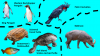
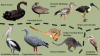
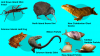
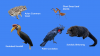
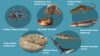
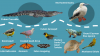
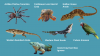
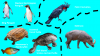
Thanks to @Mr Gharial , here are photos of all the animals in this area divided into their enclosures.
Screenshot 2025-01-24 5.41.34 PM.png

Mammals:
1
Birds: 3
Reptiles: 2
Fish: 1
Total: 7

What do you think so far? Here is a link of the Zoo document that's updated every post on this thread: Las Vegas Zoological Park
Here's a link of the Stocklist with the "analysis" on the species. It's updated everytime the Zoo document is: Las Vegas Zoological Park Stocklist

The next time I'll post is when I finish Macropodiformes on the Analysis thread which will likely be in early February with the Land Down Under exhibit being the first major one to be talked about it but for now, feel free to share your predictions for the animals and/or other things part of the zone. It has two main regions, the Central Outback and the Billabongs of East Australia.

Side Note: This is one of the several entrances of the Zoo (a total of 4-5) so there are multiple entrance animals depending on where you Park and enter with the entrance animals being relevant to the first exhibits you will experience (like only Island endemics for this from the Falkland Islands to Australasia)
 

Attachments
  • Screenshot 2025-01-24 5.41.34 PM.png
    Screenshot 2025-01-24 5.41.34 PM.png
    396.5 KB · Views: 270
Last edited:

So far, this interpretation of your Las Vegas project is showing some promise; although, whenever you decide to incorporate the Mr Gharial-esque approach to showcase the animals in one image, always remember to have the text in a color that greatly contrasts the background*.

I ask this, because, the white text you added onto the image is barely visible with how bright the background is. Otherwise, I have no other issues with what has been shown thus far.

(*lighter text - darker background; vice versa, etc.)
 
It’s home to a breeding pair of 1.1 Babirusas Babyrousa celebensis x Babyrousa toganensis [A recent study showed that all the babirusas are the United States are actually hybrids].
I was unaware of this development. Guess I have to make some minor tweaks to my ever-complicated spec zoo species list document :oops:
Anyways, I'm really loving this design overall. Really hoping this is the thread that makes it to completion.
 
Here are all the major zones and sectors of the Zoo. The names are subject to change so if any of you think of a different name, please share it.

All Major Sectors and Zones:
  • Desert Dome of the Southwest - Deserts Building; Trail
  • Inside Africa - Deserts Building; Africa Rocks
  • Islands of the World - Australasia; the Old World; the New World
  • the Land Down Under - the Central Outback; Billabongs of East Australia
  • the New World
  • Realm of Darkness - Caves of the World; the Ocean at Night; Africa After Dark; Desert Wonders
  • Wild Eurasia - Thar Desert & Deccan Plateau; Gobi Desert; Arabia and the Middle East; the Mediterranean
It’s home to a breeding pair of 1.1 Babirusas Babyrousa celebensis x Babyrousa toganensis [A recent study showed that all the babirusas are the United States are actually hybrids].
I just learned yesterday that this isn't true so it's actually home to 1.1 North Sulawesi Babirusa Babyrousa celebensis.

Other Things to Note:
  • I was going to make this spec Zoo be in sync with my analysis thread but I've fallen behind there so I'm going to post the first part (Central Outback) sometime soon. After finishing the Land Down Under, I'm likely going to do the New World section when I start doing Xenartha
  • I decided that having 4+ entrances was a lot so this entrance is one of two entrances (the other one is on the North side)
  • Feel free to give your predictions of what's to come
 
the Land Down Under: Part 1

As you start walking down the Land Down Under pathway on the left side, you are first met with a 1200 sq. m large walk-through aviary that is 6 m tall. If you enter the aviary, there is vegetation, 2 shallow ponds, various shaded areas, and trees. There are also various perching structures, nest boxes, hollow stumps, rocks, and logs. The Land Down Under building is behind all of the outdoor enclosures in this zone with an indoor housing area behind the scenes for nighttime and extreme weather. There are various misting systems with infrared heaters in the nesting boxes. In this aviary, you can find a flock of 1.3 Bourke's Parrot Neopsephotus bourkii, a flock of 1.7 Cockatiel Nymphicus hollandicus, a flight of 2.2 Diamond Dove Geopelia cuneata, and a charm of 25.25 Australian Zebra Finch Taeniopygia castanotis. There is also a path around the walk-through aviary which gives clear views into the aviary for people who don’t want to go in there, and in case of the avian flu. Behind-the-scenes, there is a pair of 1.1 Cockatiel Nymphicus hollandicus which are animal ambassadors.

full

Possible Look of Enclosure, Image Credit -> @KevinB

As you continue walking down the path, there is another enclosure on the left side, being 5000 sq. m large with 4 m tall fencing and mesh-netting. It houses a breeding mob of 1.4 Common Wallaroo Osphranter robustus, a trio of 1.2 Emu Dromaius novaehollandiae, and a breeding mob of 2.5 Red Kangaroo Osphranter rufus. There are various shaded open barns, logs, and plants. There is alo fencing that goes 1 m deep to prevent burrowing escapes.

full

Possible Look of Enclosure, Image Credit -> @WhistlingKite24

The next enclosure is only 2500 sq. m large, 6 m tall, and mesh-netted. There are various trees, vegetation, perching structures, nesting boxes, shallow ponds, and open areas. There are also various shaded barns, hollow logs, misting systems, and rocks. There is a flock of 5.5 Galah Eolophus roseicapilla and 1.0 Red Kangaroo Osphrnater rufus. The 2.0 Red Kangaroo Osphranter rufus are also housed in this enclosure when they are more territorial and/or aggressive. There is also a pair of 0.2 Red Kangaroo Osphranter rufus animal ambassadors behind the scenes.

full

Possible Look of Enclosure, Image Credit -> @Chlidonias

Finally, there is an enclosure that is both outdoors and indoors in the Land Down Under building. The outdoor area is 50 sq. m large, netted, and is 5.5 m tall while the indoor area is 30 sq. m large and 4 m tall. There is a 2m wide tunnel on the ground level, and a slightly wider, 2.5 m wide tunnel which is 3.5 m above ground which connects both sections. It’s home to a breeding parade of 1.2 Short-beaked Echidna Tachyglossus aculeatus and a solitary 0.1 Tawny Frogmouth Podargus strigoides. During the breeding season (August to December), a solitary 1.0 Tawny Frogmouth Podargus strigoides is added, being an animal ambassador for the majority of the year.

Indoors, it's lit up by red LED lights with viewing possible via tempered glass panels extending from floor to ceiling though there is a 0.8 m tall wooden fencing in front of it to prevent tapping and disturbance. The substrate is made out of 60% sandy soil, 30% organic compost, and 10% clay. There are pre-dug tunnels and chambers for the echidnas. There are grasses, shrubs, and small Mulga variants with log piles and rock formations. There are nest boxes for both the echidnas and the frogmouth.

Outside, the barriers are high-tensile steel mesh netting to prevent predator intrusion with a 2 m deep reinforced concrete base to prevent burrowing escapes. There is 1 m tall wooden fencing to prevent interactions between the inhabitants and the visitors. There are rock piles, sand dunes, shrubs, and larger mulga trees (not full size though) with shrubs and other plants (like grasses).

What do you think so far? Here is a link of the Zoo document that's updated every post on this thread: Las Vegas Zoological Park
Here's a link of the Stocklist with the "analysis" on the species. It's updated everytime the Zoo document is: Las Vegas Zoological Park Stocklist

What do you think so far? Feel free to give your predictions of what's to come and/or suggestions for the names of the exhibits. The next part will be the terrarium animals of the Outback.

Screenshot 2025-01-29 8.09.41 PM.png
 

Attachments

  • Screenshot 2025-01-29 8.09.41 PM.png
    Screenshot 2025-01-29 8.09.41 PM.png
    436.8 KB · Views: 240
the Land Down Under: Part 2


As you enter the building, there is a series of several terrariums. The first terrarium is 150 cm long, 100 cm wide, and 60 cm tall. There are shallow puddles, driftwood branches, plants, and ceramic shelters which are home to a pair of 1.1 Cane Toad Rhinella marina. Behind the scenes, there is a solitary 1.0 Cane Toad Rhinella marina animal ambassador. The next terrarium is 300 cm long, 150 cm wide, and 200 cm tall. There are several branches, vines, ceramic caves, rocks, wooden hides, plants, and a water bowl. It houses a breeding pair of 1.1 Woma Python Aspidites ramsayi. Behind the scenes, there is a solitary 0.1 Woma Python Aspidites ramsayi behind the scenes. After that, there is a 120 cm long, 100 cm wide, and 150 cm tall terrarium with various vegetation, a dead tree stump, and branches, home to a group of 0.0.12 Spiny Leaf Insect Extatosoma tiaratum. There is also another group of 0.0.8 Spiny Leaf Insect Extatosoma tiaratum behind the scenes who are animal ambassadors.

full

Possible Look of Cane Toad Enclosure, Image Credit -> @vogelcommando
full

Possible Look of Python Enclosure, Image Credit -> @WhistlingKite24
full

Possible Look of Leaf Insect Enclosure, Image Credit -> @vogelcommando

The next terrarium is 200 cm long, 120 cm wide, and 180 cm tall. There are hollow logs, rocks, vegetation, caves, branches, and a water bowl. In this enclosure, you can find a pair of 1.1 Central Bearded Dragon Pogona vitticeps and a pair of 1.1 Common Bluetongue Tiliqua scincoides. Behind the scenes, there is a solitary 1.0 Central Bearded Dragon Pogona vitticeps and a solitary 0.1 Common Bluetongue Tiliqua scincoides who are both animal ambassadors.The final terrarium before the Billabongs section is 150 cm long, 80 cm wide, and 150 cm tall. There are several caves, rocks, hollow logs, branches, plants, vines, and a water bowl. It’s home to a solitary 0.1 Inland Taipan Oxyuranus microlepidotus.

full

Possible Look of Taipan and Mixed Enclosure, Image Credit -> @ralph

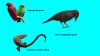
Screenshot 2025-01-30 5.33.22 PM.png
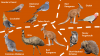
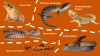
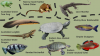
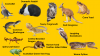
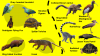
Animal Photos, credited to @Mr Gharial

What do you think so far? Feel free to give your predictions of what's to come and/or suggestions for the names of the exhibits. The next part will be the indoor section of the East Billabongs zone.

Link of Zoo Document: Las Vegas Zoological Park
Link of Stocklist: Las Vegas Zoological Park Stocklist

full

Teaser, Credit -> @Cassidy Casuar
full

Teaser #2, Credit -> @gentle lemur
 

Attachments

  • Screenshot 2025-01-30 5.33.22 PM.png
    Screenshot 2025-01-30 5.33.22 PM.png
    500.6 KB · Views: 238
the Land Down Under: Part 3


The first terrarium in the Billabongs section is 180 cm long, 120 cm wide and 150 cm tall. There are small logs, flat rocks, a small tree, branches, and a shallow pool. In this enclosure, you can find an army of 2.3 Australian Green Tree Frog Ranoidea caerulea. Behind the scenes, there is a pair of 0.2 Australian Green Tree Frog Ranoidea caerulea animal ambassadors. Then, there is a large 6 m long, 4 m wide, and 3.5 m tall paludarium. There is 12 sq. m of land with logs, rocks, artificial tree roots, and various vegetation. The water varies in depth from 0.5 m to 2 m deep with a waterfall and gentle currents. On land, you might see a lounge of 1.4 Australian Water Dragon while in the water, there is; a pair of 1.1 Australian Lungfish Neoceratodus forsteri, a school of 4.4 Banded Archerfish Toxotes jaculatrix, a bale of 1.3 Eastern Saw-shelled Turtle Myuchelys latisternum, a pair of 1.1 Eastern Snake-necked Turtle Chelodina longicollis, a school of 6.6 Empire Gudgeon Hypseleotris compressa, and a school of 5.5 Murray River Rainbowfish Melanotaenia fluviatilis.

full

Possible Look of Frog Enclosure, @WhistlingKite24
full

Possible Look of Paludarium (enclosure in photo is ~1/2 as big as the enclosure I mentioned), Image Credit -> @Kalaw

The second to last indoor enclosure is red-lighted, 200 cm long, 150 cm wide, and 250 cm tall. There are trees, branches, vines, and artificial caves which is home to a breeding colony of 1.2 Narrow-toed Feather-tailed Glider Acrobates pygmaeus. Behind the scenes, there is a pair of 1.1 Narrow-toed Feather-tailed Glider Acrobates pygmaeus animal ambassadors. The final indoor enclosure is 250 cm long, 200 cm wide, and 250 cm tall. There is a pool, aquatic plants, rock formations, branches, and hollow logs. In this enclosure, there is a solitary 0.1 Lace Monitor Varanus varius.

full

Possible Look of Glider Enclosure (the planned enclosure would be more planted), Image Credit -> @Mr Gharial
full

Possible Look of Monitor Lizard Enclosure, Image Credit -> @WhistlingKite24

Mammals: 5
Birds: 10
Reptiles: 9
Amphibians: 2
Fish: 5
Invertebrates: 1
Total: 32

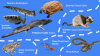
Screenshot 2025-02-03 4.12.20 PM.png
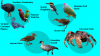
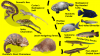
Animal Photos, credit to @Mr Gharial

What do you think so far? Feel free to give your predictions of what's to come and/or suggestions for the names of the exhibits. The next part will be the outdoor section of the East Billabongs zone.

Link of Zoo Document: Las Vegas Zoological Park
Link of Stocklist: Las Vegas Zoological Park Stocklist
 

Attachments

  • Screenshot 2025-02-03 4.12.20 PM.png
    Screenshot 2025-02-03 4.12.20 PM.png
    483.4 KB · Views: 215
the Land Down Under: Part 4

After exiting the building, there are 2 paths and on the right side of the path, there’s an entrance to a walkthrough aviary. If you go on the left path, you can look into the enclosure and will be used if there is the avian flu. The walk-through aviary is netted, 1500 sq. m large and 6 m tall. Once you enter, there is an elevated wooden boardwalk with 1 m tall wooden fencing. There is a large circular lake with a diameter of 20 m with three islands scattered inside it and some rocky outcrops in the shallow area. On the land area, there are various reeds, sedges, trees, grasses, etc. with misting stations. In this enclosure, you can find a pair of 1.1 Black Swan Cygnus atratus, a flock of 3.3 Freckled Duck Stictonetta naevosa, a flock of 5.5 Plumed Whistling-Duck Dendrocygna eytoni, and a wedge of 2.2 Straw-necked Ibis Threskiornis spinicollis.

full

Possible Look of Part of the Aviary, Image Credit -> @WhistlingKite24

After passing this enclosure, the two paths meet up with a 3200 sq. m large mesh-netted enclosure on the right side of the path. It’s 5 m high with a 600 sq. m large oxbow lake with several smaller ponds. On the land area, there are various boulders, vegetation, trees, and tall rocky outcrops. In the water, you can find a pod of 1.2 Australian Pelican Pelecanus conspicillatus, and a gaggle of 3.3 Cape Barren Goose Cereopsis novaehollandiae. On land, you can find a breeding mob of 2.5 Parma Wallaby Notamacropus parma and a breeding mob of 2.5 Yellow-footed Rock Wallaby Petrogale xanthopus.

full

Possible Look of a Section of the Enclosure, Image Credit -> @ralph

Finally, there is a 600 sq. m large, and 5 m tall aviary on the right side of your path. There are various trees, nesting platforms, vegetation, and is home to a breeding pair of 1.1 Laughing Kookaburra Dacelo novaeguineae. Behind the scenes, there is a solitary 0.1 Laughing Kookaburra Dacelo novaeguineae animal ambassador. Then, the path leads to the New World exhibit.

full

Possible Look of Aviary, Image Credit -> @ajmcwhipsnade

Mammals: 8
Birds: 16
Reptiles: 9
Amphibians: 2
Fish: 5
Invertebrates: 1
Total: 41

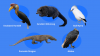
Screenshot 2025-02-04 8.37.02 PM.png
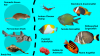
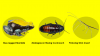
Animal Photos, Credited -> @Mr Gharial

Screenshot 2025-02-04 8.37.10 PM.png
Animal Ambassadors -> Domestic Rabbit and Cane Toad serve as ambassadors, educating about their invasive status

What do you think so far? Feel free to give your predictions of what's to come and/or suggestions for the names of the exhibits. Should we continue on to the path of the New World or back track back to the Islands of the World? I won't likely post the next region for a couple weeks though.

Link of the Zoo Document: Las Vegas Zoological Park
Link of the Stocklist: Las Vegas Zoological Park Stocklist

full

New World, Image Credit -> @Giant Eland

Or

full

Islands of the World, Image Credit -> @FoxBat
 

Attachments

  • Screenshot 2025-02-04 8.37.02 PM.png
    Screenshot 2025-02-04 8.37.02 PM.png
    439.4 KB · Views: 202
  • Screenshot 2025-02-04 8.37.10 PM.png
    Screenshot 2025-02-04 8.37.10 PM.png
    433.9 KB · Views: 199
Islands of the World: Part 1


As you start walking down the Islands of the World pathway, you are first met with a 2400 sq. m large, 8 m tall aviary which is on the right side of the pathway. There are various logs, dead trees, grasses, and vegetation. There is also a slow-flowing stream which leads into a shallow pool. There are various branches, nest boxes, trees, and perching stations. On the ground, you can find a solitary 0.1 Southern Cassowary Casuarius casuarius, and a breeding flock of 4.4 Victoria Crowned-Pigeon Goura victoria while in the trees, you can see a bachelor flock of 4.0 Papuan Eclectus Eclectus polychloros. Due to the climate, there are several misting systems and there is also a 60 sq. m and 48 sq. m nighttime enclosures for the pigeons and eclectus. Behind the scenes, there is a solitary 1.0 Papuan Eclectus Eclectus polychloros animal ambassador.

full

Possible Look of Cassowary Enclosure, Image Credit-> @WhistlingKite24

Then, there is a 1200 sq. m large, 5 m tall aviary with various elevated platforms, nesting boxes, trees, logs, branches, and a pond. There are lots of misting systems with a double-layered netting system. In this enclosure, you can find a breeding pair of 1.1 Guam Kingfisher Todiramphus cinnamominus, a breeding pair of 1.1 Guam Rail Gallirallus owstoni, and a breeding flock of 2.2 Mariana Fruit Dove Ptilinopus roseicapilla. Behind the scenes, there are 6 separate enclosures for 3.3 Guam Kingfisher Todiramphus cinnamominus and 3.3 Guam Rail Gallirallus owstoni.

full

Possible Look of Micronesia Enclosure, Image Credit -> @Antoine

After that enclosure, there is a 2000 sq. m large aviary, 5 m tall. There are shrubs, nest sites, nesting boxes, and misting systems. There is a waterfall that flows into a small pond, surrounded by small trees. There is a breeding flock of 4.4 Hawaiian Goose Branta sandvicensis and a breeding flock of 3.3 Laysan Duck Anas laysanensis. Finally, before the Islands of the World building is a 300 sq. m large outdoor enclosure. Via a screened tunnel at groundlevel, a 100 sq. m large indoor area is connected. The outdoor enclosure is 3.5 m tall with trees, shrubs, plants, large rocks, fallen branches, artificial burrows, and shallow drinking pools. The indoor section is 4 m tall, and dimly lit with large, high-transparency windows facing the outdoors allow natural daylight. Within the indoor area, there are various tropical plants, small trees, and scattered rocks. The enclosures have misting systems, being home to a solitary 0.1 Coconut Crab Birgus latro.

full

Possible Look of Hawaii Enclosure (minus the pelicans of course), Image Credit -> @WhistlingKite24
full

Possible Look of Indoor Coconut Crab Enclosure (the planned one is taller), Image Credit -> @Moebelle

Screenshot 2025-02-09 5.03.16 PM.png
Animal Photos, Credit -> @Mr Gharial , using a similar style to @Austin the Sengi

In the Islands of the World building, visitors are first met with a ship theme. After the crab enclosure, there is a 5 sq. m large enclosure on the right side of the pathway that is 2 m tall. It simulates a dim, cramped storage area on a sailing ship with weathered wooden planks, barrels, a rugged hammock, and a compact wooden ladder. It’s home to a mischief of 0.20 Domestic Brown Rat Rattus norvegicus f. domestica. There are also various crates, and coiled ropes with various panels explaining how rats contribute the most to island wildlife destruction.

After this enclosure, there is a 96000 litre saltwater aquarium. Viewing is possible via a floor viewing panel, an entire side wall and several circular porthole windows on the same side. There is a sandy bottom with rock caves, and plants, home to a fever of 1.2 Banjo Ray Trygonorrhina fasciata and a pair of 1.1 Port Jackson Shark Heterodontus portusjacksoni. On the other wall, there is a lighted, 200000 litre aquarium simulating the Vanuatu seascape. There are various artificial coral formations, rock crevices, macroalgae, and seagrasses. In this enclosure, you can find a school of 0.0.3 Ambon Cleaner Shrimp Lysmata amboinensis, a pair of 1.1 Blackback Anemonefish Amphiprion melanopus, a pair of 0.0.2 Bubble-tip Anemone Entacmaea quadricolor, a solitary 0.1 Flame Angelfish Centropyge loriculus, a school of 1.2 Pyramid Butterflyfish Hemitaurichthys polylepis, a school of 2.2 Ternate Damselfish Amblyglyphidodon ternatensis, and a pair of 1.1 Whitespotted Surgeonfish Acanthurus guttatus. This aquarium was inspired by one of @StoppableSan 's Melanesia exhibit ideas.

full

Possible Look of Shipwreck Aquarium, Image Credit -> @Astrotom3000
full

Possible Look of Coral Reef Aquarium, Image Credit -> @Philipine eagle

Screenshot 2025-02-10 6.25.27 AM.png
Animal Photos, Credit -> @Mr Gharial , using a similar style to @Austin the Sengi

Then, there is an exit which leads to the nocturnal section. All of the enclosures in this area are lit by red lighting. There is first a terrarium that is 150 cm long, 120 cm wide, and 150 cm tall. There is various vegetation, rocks, and branches, being home to a breeding group of 0.0.5 Lord Howe Island Stick Insect Dryococelus australis. Behind the scenes, there is an enclosure for juveniles and also several enclosures for a breeding group of 0.0.20 Lord Howe Island Stick Insect Dryococelus australis. The next enclosure is 80 sq. m large and 4 m tall. There is dense vegetation, a nesting area, boulders, and a breeding pair of 1.1 North Island Brown Kiwi Apteryx mantelli. If the male is territorial and/or aggressive, he will be placed in the behind the scenes enclosure. The next terrarium is 180 cm long, 120 cm wide, and 180 cm tall. There are branches, plants, rocks, and tree trunks. It’s home to a solitary 0.1 New Caledonian Giant Gecko Rhacodactylus leachianus. The final nocturnal enclosure is 200 cm long, 150 cm wide, and 180 cm tall. There is a small tree, logs, shallow pools, and rocky outcrops. In this enclosure, you can find a solitary 0.1 Solomon Islands Leaf Frog Cornufer guentheri and a breeding circulus of 1.5 Solomon Islands Skink Corucia zebrata. Behind the scenes, there is a pair of 0.2 Solomon Islands Skink Corucia zebrata animal ambassadors. After exiting this area, the final area in the Oceania region is a viewing panel into the Partula Breeding Centre where there is a breeding escargatoire of 0.0.30 Ribbon Partula Partula taeniata, a breeding escargatoire of 0.0.30 Rose-tipped Partula Partula hebe, and a breeding escargatoire of 0.0.30 Tahitian Nodular Partula Partula nodosa.

full

Possible Look of Kiwi Enclosure, Image Credit -> @Shirokuma
full

Possible Look of Gecko Enclosure, Image Credit -> @vogelcommando
full

Possible Look of Solomon Islands Enclosure, Image Credit -> @TinoPup

Screenshot 2025-02-10 7.21.19 AM.png
Animal Photos, Credit -> @Mr Gharial , using a similar style to @Austin the Sengi
Screenshot 2025-02-10 7.21.25 AM.png
Animal Ambassadors, Photo Credit -> @Mr Gharial

Mammals: 9
Birds: 26
Reptiles: 11
Amphibians: 3
Fish: 12
Invertebrates: 8
Total: 69

What do you think so far? Feel free to give your predictions of what's to come and/or suggestions for the names of the exhibits. The next section is Southeast Asia.

Link of the Zoo Document: Las Vegas Zoological Park
Link of the Stocklist: Las Vegas Zoological Park Stocklist

Screenshot 2025-02-10 7.26.51 AM.png
Teaser featuring 50% of the animals in the Southeast Asia region, try to guess as many as you can
 

Attachments

  • Screenshot 2025-02-09 5.03.16 PM.png
    Screenshot 2025-02-09 5.03.16 PM.png
    356.3 KB · Views: 178
  • Screenshot 2025-02-10 6.25.27 AM.png
    Screenshot 2025-02-10 6.25.27 AM.png
    372.4 KB · Views: 191
  • Screenshot 2025-02-10 7.21.19 AM.png
    Screenshot 2025-02-10 7.21.19 AM.png
    417.8 KB · Views: 187
  • Screenshot 2025-02-10 7.21.25 AM.png
    Screenshot 2025-02-10 7.21.25 AM.png
    181.1 KB · Views: 178
  • Screenshot 2025-02-10 7.26.51 AM.png
    Screenshot 2025-02-10 7.26.51 AM.png
    54.1 KB · Views: 189
Islands of the World: Part 2

After the Partula Breeding Centre, the next section is Southeast Asia. The first enclosure is a 12 m long, 8 m wide, and 3 m tall paludarium. There is a 50 sq. m large pool with a salinity of 12 ppt. There is also a 10 sq. m freshwater shallow pool that flows into the larger pool. There are various plants, dead trees, rocks, branches, and logs. In the brackish water, you can find a school of 3.5 Pearse’s Mudskipper Periophthalmus novemradiatus and a school of 3.3 Spotted Archerfish Toxotes chatareus. On land, you can find a lounge of 1.3 Philippine Sailfin Lizard Hydrosaurus pustulatus and a solitary 1.0 Sulawesi Forest Turtle Leucocephalon yuwonoi. The next enclosure is a terrarium that is 120 cm long, 80 cm wide, and 80 cm tall. There are scattered branches, dead leaves, ferns, and mosses with a shallow water dish. It houses a solitary 0.1 Asian Common Toad Duttaphrynus melanostictus with an additional 0.1 Asian Common Toad Duttaphrynus melanostictus animal ambassador behind the scenes.

full

Possible Look of Mangrove Terrarium, Image Credit -> @ralph
full

Possible Look of Toad Enclosure, Image Credit -> @vogelcommando

After that, there is a 80 cm long, 60 cm wide, and 100 cm tall terrarium. It has dried leaves, branches, and some tropical plants. This enclosure is home to a solitary 0.0.1 Giant Dead Leaf Mantis Deroplatys desiccata with another 0.0.1 Giant Dead Leaf Mantis Deroplatys desiccata animal ambassador behind the scenes. Then, there is a 300 cm long, 200 cm wide, and 150 cm tall terrarium. There are tropical plants, leaves, branches, and a hide box which simulates a forest floor with a solitary 0.1 Timor Python Malayopython timoriensis living in here. The next enclosure is lit exclusively by red lights, and is 250 cm long, 200 cm wide and 200 cm tall. There are plants, logs, fiber ropes, wooden shelters, leaf litter, fallen logs, netting, and elevated platforms. There is a breeding mischief of 1.2 Northern Luzon Giant Cloud Rat Phloeomys pallidus living here.

full

Possible Look of Dead Leaf Mantis Enclosure, Image Credit -> @TinoPup
full

Possible Look of Python Enclosure, Image Credit -> @felis silvestris
full

Possible Look of Cloud Rat Enclosure, Image Credit -> @lintworm

Screenshot 2025-02-12 5.11.01 PM.png
Animal Photos, Image Credit -> @Mr Gharial

The final fully indoor enclosure is 12 m tall, 8 m wide, and 6 m tall with glass panel viewing on one side and skylights. There are trees, plants, perches, a water trough, and leaf litter. There is also a breeding pair of 1.1 Knobbed Hornbill Rhyticeros cassidix present in it. Behind the scenes, there is a solitary 0.1 Knobbed Hornbill Rhyticeros cassidix animal ambassador. The final indoor enclosure is 168 sq. m large with a double-door, sliding passage connecting it to a 144 sq. m large outdoor enclosure. Indoors, there are plants, rocks, a small pool, and branches. Outside, there is a pool with plants, logs, branches, and boulders next to it. Both enclosures are misted with the outdoor enclosure being netted. In this enclosure, you can find a solitary 1.0 Komodo Dragon Varanus komodoensis. Once outside, the next enclosure is 600 sq. m large, 6 m tall, and fully-netted. There are various plants, branches, fiber ropes, trees, logs, and elevated platforms with misting nozzles. In this enclosure, there is a breeding pair of 1.1 Sundaic Binturong Arctictis binturong binturong with another 0.1 Sundaic Binturong Arctictis binturong binturong animal ambassador behind the scenes.

20230613_120834-jpg.649582

Possible Look of Hornbill Enclosure, Image Credit -> @TinoPup
full

Possible Look of Outdoor Komodo Enclosure, Image Credit -> @Mr.Weasel
full

Possible Look of Binturong Enclosure, Image Credit -> @Philipine eagle

The final two outdoor enclosures for Southeast Asia are two aviaries. The first aviary is 150 sq. m large and 2.5 m tall. There are rock formations, drought-tolerant plants, tree stumps, volcanic sand, and misting station, being home to a breeding pair of 1.1 Maleo Macrocephalon maleo. The final enclosure in this area is a 375 sq. m large walk-through aviary with a height of 5 m. There is various vegetation, trees, branches, shallow pools, and misting nozzles, home to a breeding murmuration of 1.2 Bali Myna Leucopsar rothschildi.

full

Possible Look of Maleo Enclosure, Image Credit -> @pachyderm pro
full

Possible Look of Myna Enclosure, Image Credit -> @Philipine eagle

Screenshot 2025-02-12 5.27.25 PM.png
Animal Photos, Credit -> @Mr Gharial , style of @Austin the Sengi
Screenshot 2025-02-12 5.27.34 PM.png
Animal Ambassadors

Mammals: 11
Birds: 29
Reptiles: 15
Amphibians: 4
Fish: 14
Invertebrates: 9
Total: 82

What do you think so far? Feel free to give your predictions of what's to come and/or suggestions for the names of the exhibits. The next section is the Islands of the Indian Ocean.

Link of the Zoo Document: Las Vegas Zoological Park
Link of Stocklist: Las Vegas Zoological Park Stocklist

Screenshot 2025-02-12 5.27.43 PM.png
Teaser featuring some of the animals in the Islands of the Indian Ocean Islands region, try to guess as many as you can
 

Attachments

  • Screenshot 2025-02-12 5.11.01 PM.png
    Screenshot 2025-02-12 5.11.01 PM.png
    451.2 KB · Views: 166
  • Screenshot 2025-02-12 5.27.25 PM.png
    Screenshot 2025-02-12 5.27.25 PM.png
    266.3 KB · Views: 172
  • Screenshot 2025-02-12 5.27.34 PM.png
    Screenshot 2025-02-12 5.27.34 PM.png
    244.8 KB · Views: 175
  • Screenshot 2025-02-12 5.27.43 PM.png
    Screenshot 2025-02-12 5.27.43 PM.png
    43.9 KB · Views: 172
I like the nice mix of critters and appreciate all the work you put into it.
Guesses
chameleon sp
fruit bat species
parrotlet species
fossa
walking stick species
Madagascar hissing cockroach
ring tailed lemur
radiated tortoise
tenrec species
 
I like the nice mix of critters and appreciate all the work you put into it.
Guesses
chameleon sp
fruit bat species
parrotlet species
fossa
walking stick species
Madagascar hissing cockroach
ring tailed lemur
radiated tortoise
tenrec species
All correct except a parrotlet, their nickname is a clue to what they are. This is for Islands of Indian Ocean
 
Islands of the World: Part 3 out of 5
This section was inspired by the Bronx Zoo, @Austin the Sengi 's Zoo concept, @Van Beal 's Zoo concept, and some of @biggiesmalls 's ideas for Reptilandia. The Madagascar area focuses on the Southern dry, spiny forests.

The first enclosure in the Isles of the Indian Ocean area is a 1000 sq. m large, walkthrough aviary that’s 6 m tall. Like all walkthrough aviaries in the zoo, there is a path that looks into it and goes around it. There are several dead trees, leaf litter, shrubs, rocks, and logs. There is also a basking light, basking platforms, and a narrow stream that flows into a shallow pool. On the ceiling, there are various natural fiber nets and horizontal perches with misting nozzles near it. In the canopy, you can find a flock of 4.4 Grey-headed Lovebird Agapornis canus, and a breeding colony of 3.7 Rodrigues Flying-Fox Pteropus rodricensis. In the midlevel of the aviary, you can find a breeding flock of 3.3 Nicobar Pigeon Caloenas nicobarica. Finally, on the ground, you can find a breeding creep of 1.2 Spider Tortoise Pyxis arachnoides. Behind the scenes, there is a pair of 1.1 Grey-headed Lovebird Agapornis canus, a pair of 1.1 Nicobar Pigeon Caloenas nicobarica and a solitary 1.0 Spider Tortoise Pyxis arachnoides who are all animal ambassadors.

full

Possible Look for Look in Walkthrough Aviary, Image Credit -> @SivatheriumGuy

The next outdoor enclosure is 2800 sq.. m large, netted, and 6 m tall. There are dead trees, baobabs, rocks, climbing structures, vegetation, heat lamps, branches, vines, and logs. There is also a large pond with a waterfowl along with several smaller water basins. There are nesting boxes, and misting nozzles with a path that goes around this enclosure but looks into it. In the terrestrial area, you can find a breeding conspiracy of 2.5 Collared Brown Lemur Eulemur collaris, a breeding creep of 1.2 Radiated Tortoise Astrochelys radiata, and a breeding conspiracy of 3.6 Ring-tailed Lemur Lemur catta. In the trees, you might find a breeding pair of 1.1 Lesser Vasa Parrot Coracopsis nigra while near the pond, you can find the breeding pair of 1.1 Hamerkop Scopus umbretta and a wedge of 1.2 Western Madagascar Ibis Lophotibis cristata urschi. Behind the scenes, there is a solitary 1.0 Radiated Tortoise Astrochelys radiata animal ambassador.

full

Possible Look of Spiny Forest Enclosure but it would be outdoors, Image Credit -> @Astrotom3000

The second to last outdoor enclosure is 200 sq. m large, netted, and 4 m tall. There are trees, vines, shrubs, logs, rocks, a cave, a shallow water pool, branches, and misting nozzles. It’s home to a breeding pack of 1.2 Ring-tailed Vontsira Galidia elegans. The final outdoor enclosure is 600 sq. m large and is netted. There are shrubs, ferns, trees, logs, rocks, misting nozzles, and a small pond. Once you go inside, there is a 300 sq. m large enclosure with a cave-like structure, plants, rocks, branches, and climbing. These enclosures rotate between having 1.0 Fossa Cryptoprocta ferox and 0.1 Fossa Cryptoprocta ferox but during breeding season, an overhead tunnel is opened, connecting both enclosures.

full

Possible Look of Vontsira Enclosure, Image Credit -> @BeardsleyZooFan
full

Possible Look of Outdoor Enclosure, Image Credit -> @lintworm

Screenshot 2025-02-14 6.18.25 PM.png

The next indoor enclosure is 24 sq. m large and 3 m tall. There are baobab trees, rock formations, large logs, plants, branches, basking lights, and a small pool. In the enclosure, there is a lounge of 1.3 Cuvier’s Madagascar Swift Oplurus cuvieri, a solitary 0.1 Dumeril’s Boa Acrantophis dumerili, and a solitary 1.0 Spiny Chameleon Furcifer verrucosus. Behind the scenes, there is 0.1 Dumeril’s Boa Acrantophis dumerili which is an animal ambassador. After that, there is a 400 cm long, 300 cm wide, and 350 cm tall terrarium. There is foliage, a tree, branches, rocks, climbing structures, and a solitary 1.0 Oustalet's Giant Chameleon Furcifer oustaleti. Next, there is a red-lighted, 250 cm long, 150 cm wide, and 120 cm tall terrarium. It has small logs, branches, plants, burrows, and hide boxes along with a breeding group of 1.2 Lesser Hedgehog Tenrec Echinops telfairi. Behind the scenes, there is 0.1 Lesser Hedgehog Tenrec Echinops telfairi animal ambassador.

full

Possible Look of Boa Enclosure, Image Credit -> @biggiesmalls
full

Possible Look of Tenrec Enclosure, Image Credit -> @felis silvestris

After that, there is a 96 sq. m large paludarium that is 3.5 m tall. In the water, there is various plants, rocks, and is home to a breeding pair of 1.1 Madagascar Big-headed Turtle Erymnochelys madagascariensis, a school of 1.3 Marakely Cichlid Paratilapia polleni, a school of 2.4 Pinstripe Damba Paretroplus menarambo, a school of 0.0.12 Red-tailed Silverside Bedotia geayi, and a school of 3.5 Sakaramy Killifish Pachypanchax sakaramyi. On land, there are logs, branches, plants, vines, and flat rocks which provides space for a group of 1.2 Banded Day Gecko Phelsuma standingi, and a lounge of 1.2 Four-striped Girdled Lizard Zonosaurus quadrilineatus.

Screenshot 2025-02-14 7.00.01 PM.png
Animal Photos, Image Credit -> @Mr Gharial , partially inspired by @Austin the Sengi 's versions

Next, there is a 200 cm long, 150 cm wide, and 120 cm tall terrarium with mosses, ferns, logs, branches, and shallow water dishes. In this enclosure, you can find a breeding army of 2.4 Blue-legged Mantella Mantella expectata. Then, there is a terrarium that is 150 cm long, 120 cm wide, and 150 cm tall. It has a tree trunk, small logs, rocks, dead leaves, and an intrusion of 0.0.20 Madagascar Hissing Cockroach Gromphadorhina portentosa. Behind the scenes, there are 0.0.10 Madagascar Hissing Cockroach Gromphadorhina portentosa animal ambassadors. The final enclosure in this zone is 100 cm long, 80 cm wide, and 120 cm tall. There are dead leaves, plants, branches, bark, and rocks, home to a group of 0.0.12 Pinkwing Stick Insect
Sipyloidea chlorotica. Behind the scenes, there is another 0.6 Pinkwing Stick Insect Sipyloidea chlorotica which are animal ambassadors.

full

Possible Look of Mantella Terrarium, Image Credit -> @Dhole dude

Screenshot 2025-02-14 7.19.13 PM.png
Animal Photos, Image Credit -> @Mr Gharial , partially inspired by @Austin the Sengi 's versions
Screenshot 2025-02-14 7.19.17 PM.png
Animal Ambassadors

Mammals: 17
Birds: 34
Reptiles: 25
Amphibians: 5
Fish: 18
Invertebrates: 10
Total: 109

What do you think so far? Feel free to give your predictions of what's to come and/or suggestions for the names of the exhibits. The next section is the Caribbean and the Galapagos (realistic).

Link of the Zoo Document: Las Vegas Zoological Park
Link of Stocklist: Las Vegas Zoological Park Stocklist
 

Attachments

  • Screenshot 2025-02-14 6.18.25 PM.png
    Screenshot 2025-02-14 6.18.25 PM.png
    399 KB · Views: 159
  • Screenshot 2025-02-14 7.00.01 PM.png
    Screenshot 2025-02-14 7.00.01 PM.png
    557 KB · Views: 163
  • Screenshot 2025-02-14 7.19.13 PM.png
    Screenshot 2025-02-14 7.19.13 PM.png
    190.9 KB · Views: 159
  • Screenshot 2025-02-14 7.19.17 PM.png
    Screenshot 2025-02-14 7.19.17 PM.png
    426.7 KB · Views: 159
@MOG2012, I’ve been meaning to ask you this, but what made you think that including the Nicobar Pigeon in a Madagascar section was a good idea?
This is an Isles of the Indian Ocean exhibit, it says it right here
The first enclosure in the Isles of the Indian Ocean area is a 1000 sq. m large, walkthrough aviary that’s 6 m tall.
Nicobar pigeons are found in the Nicobar Islands in the Indian Ocean and are also thought to be close relatives with the Dodo (I wanted to have different representatives from different islands such as the Rodrigues islands). This enclosure was also supposed to serve as a transition from Southeast Asia to the Indian Ocean with the next transition zone in this exhibit being from Africa to the Americas so I'm doing a Canary Islands enclosure
 
Even though I’m not finished with Islands of the World, I still am planning the upcoming sections (I only have to finish one more part of the islands exhibit but I will post it in 2 posts). So, do we want to go to the New World (from the Land Down Under) or do we want to go to Desert Dome of the Southwest (from the end of Islands of the World?)

New World, Image Credit -> @Breckenridge

or

Desert Dome of the Southwest, Image Credit - @KevinB
 
Islands of the World: Part 4 out of 5
This area was partially inspired by the works of @biggiesmalls , @Aardwolf , Caribbean Coast at Stone Zoo, @Austin the Sengi , and @Van Beal . I decided to post this earlier than I planned to as I'm in the Caribbean right now. :)

Before reaching the Caribbean and the Galapagos zone, there is a single 24 sq. m large terrarium that’s 2.5 m tall. There are rocky outcrops, branches, small trees, shrubs, and a basking light, along with a lounge of 1.3 Tenerife Lizard Gallotia galloti.

full

Possible Look of Tenerife Lizard Enclosure, Image Credit -> @biggiesmalls
Screenshot 2025-02-18 8.39.17 AM.png
Animal Photo, Image Credit -> @Mr Gharial

The first enclosure in the Caribbean is 120 cm long, 80 cm wide, and 80 cm tall. There is leaf litter, plants, branches, and hollow logs. You can find a solitary 0.1 Antilles Pinktoe Tarantula Caribena versicolor with another individual 0.1 Antilles Pinktoe Tarantula Caribena versicolor animal ambassador behind the scenes. Next, there is a 150 sq. m large paludarium that’s 2.5 m tall. There is a shallow freshwater pool and a shallow saltwater pool. There are also various plants, tree trunks, various sized gastropod shells, and leaf litter. In the saltwater area, you can see a cluster of 6.6 Caribbean Land Hermit Crab Coenobita clypeatus. In the more forested area, there is a breeding trio of 1.2 Mountain Chicken Leptodactylus fallax. Behind the scenes, there is a cluster of 2.2 Caribbean Land Hermit Crab Coenobita clypeatus animal ambassadors.

full

Possible Look of Tarantula Terrarium, Image Credit -> @Causticjay
full

Possible Look of Frog & Crab Terrarium, Image Credit -> @Crowthorne

After that, there is a 96 sq. m large terrarium that is 3.5 m tall. There are vines, ferns, shrubs, mosses, and scattered dead leaves. There are also several branches, rocks, climbing structures, and basking lamps. On the forest floor of the enclosure, you might find a breeding lounge of 2.3 Puerta Plata Giant Galliwasp Caribicus warreni. In the top of the enclosure, there is a lounge of 1.4 Haitian Green Anole Anolis ricordii with another 0.1 Haitian Green Anole Anolis ricordii animal ambassador who is behind the scenes. Next, there is a 48 sq. m large and 2.5 m tall terrarium. There are rocks, plants, logs, and a basking light along with a breeding rhumba of 2.2 Aruba Island Rattlesnake Crotalus unicolor. The final fully indoor terrarium is 20 sq. m large and 2.5 m tall. There are plants, vines, rocky outcrops, branches, perches, and logs. There is a lounge of 1.3 Western Bearded Anole Anolis barbatus and a lounge of 1.3 Western Giant Anole Anolis luteogularis. Behind the scenes, there is another solitary 0.1 Western Bearded Anole Anolis barbatus and 0.1 Western Giant Anole Anolis luteogularis who are animal ambassadors.

full

Possible Look of Haiti Enclosure, Image Credit -> @SivatheriumGuy
full

Possible Look of Rattlesnake Terrarium, Image Credit -> @Zoofan15
full

Possible Look of Mixed Anole Enclosure, Image Credit -> @MagpieGoose
Screenshot 2025-02-18 8.51.03 AM.png
Animal Photos, Credit -> @Mr Gharial , in a style similar to @Austin the Sengi

Next, there is a 400 sq. m large enclosure that’s 4 m tall and indoors. Next to this enclosure, there is a 600 sq. m large, netted, and 4.5 m tall enclosure that’s connected to the indoor one via a tunnel. Outdoors, there is a pond with islands, plants, dead trees, and rocks. Indoors, there is a basking area, rocks, logs, plants, and a pond. Between these enclosures, there is a breeding bask of 2.3 Cuban Crocodile Crocodylus rhombifer. After that, there is 750 sq. m large and 8 m tall aviary, home to a rookery of 6.6 Red-footed Booby Sula sula. There is a shallow saltwater tidal pool with several trees, shrubs, vines, and rocky outcrops nearby along with some misting nozzles. Next, there is a 1500 sq. m large walk-through aviary that’s 5 m tall with a path that looks into it but goes around it. There is dense vegetation, rocks, a large shallow pool, basking platforms, logs, flowering plants, and misting nozzles. There is a breeding group of 5.5 Bananaquit Coereba flaveola, a flight of 3.3 Crested Quail-Dove Geotrygon versicolor, a breeding group of 4.8 Cuban Grassquit Phonipara canora, a breeding pair of 1.1 Grand Cayman Blue Iguana Cyclura lewisi, a kaleidoscope of 0.0.30 Julia Heliconian Dryas iulia, a kaleidoscope of 0.0.40 Monarch Danaus plexippus, a breeding flock of 2.2 Montserrat Oriole Icterus oberi, and a kaleidoscope of 0.0.25 Zebra Longwing Heliconius charithonia which are all free-roaming. Also in the enclosure is a grassy and rocky section surrounded by a low, wooden barrier which has a breeding creep of 2.4 Western Santa Cruz Giant Tortoise Chelonoidis niger porteri. Behind the scenes, there is another breeding pair of 1.1 Grand Cayman Blue Iguana Cyclura lewisi who are animal ambassadors.
full

Possible Look of Crocodile Indoor Enclosure, Image Credit -> @Astrotom3000
full

Possible Look of Booby Enclosure, Image Credit -> @snowleopard
full

Possible Look of Caribbean Aviary (planned one is outside), Image Credit -> @gulogulogulo

Screenshot 2025-02-18 8.58.48 AM.png
Animal Photos, Credit -> @Mr Gharial
Screenshot 2025-02-18 8.58.52 AM.png
Animal Ambassadors

Mammals: 17
Birds: 40
Reptiles: 34
Amphibians: 6
Fish: 18
Invertebrates: 15
Total: 130

What do you think so far? Feel free to give feedback, criticism, etc. I'm not posting the next section until next weekend (at least in 4 days for me). I'm going to post the finished section of the final "Galapagos" animals along with the new section, Islands of the Southwest. Then, the next major exhibit I'm posting is the New World with the Andes and the Atacama starting so feel free to start making predictions about this new area.

Link of the Zoo Document: Las Vegas Zoological Park
Link of the Stocklist: Las Vegas Zoological Park Stocklist
 

Attachments

  • Screenshot 2025-02-18 8.39.17 AM.png
    Screenshot 2025-02-18 8.39.17 AM.png
    264.6 KB · Views: 139
  • Screenshot 2025-02-18 8.51.03 AM.png
    Screenshot 2025-02-18 8.51.03 AM.png
    409.6 KB · Views: 133
  • Screenshot 2025-02-18 8.58.48 AM.png
    Screenshot 2025-02-18 8.58.48 AM.png
    379.6 KB · Views: 129
  • Screenshot 2025-02-18 8.58.52 AM.png
    Screenshot 2025-02-18 8.58.52 AM.png
    342.3 KB · Views: 139
There is a lounge of 1.3 Western Bearded Anole Anolis barbatus and a lounge of 1.3 Western Giant Anole Anolis luteogularis.
Totally read both species as Western Bearded Anole three times and thought you forgot to edit this and then realized I was reading it wrong :oops:
On another note, I'm glad I've been an inspiration for some of your areas so far, and hope my influence isn't near over.
 
Back
Top