Newt
Well-Known Member
This is a piebald Canada Lynx released in Colorado as part of the rientroduction program.
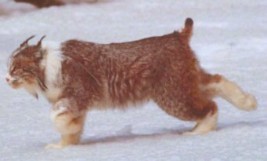
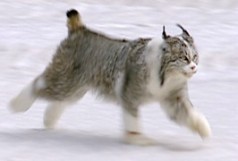
To make this more towards nature and wildlife conservation, the Canada Lynx was completely wiped out in Colorado by 1974 due to trapping, poisoning, and habitat loss. This began in the 1800's when European settlers sought out their thick and lush fur, which was sold on the international market. Throughout the 1800's and early 1900's their numbers declined significantly. The last one was illegally trapped near Vail in 1974, just a year after it was deemed endangered. However, in 1999 they were rientroduced in the San Juan Mountains, in a 5.2 million acre core reintroduction area. 41 individuals were placed there, and this rare specimen was aswell. By 2010 the program was declared a success. Now, there are over 150 - 250 indiviuals in Colorado today, and counting. Laws now make it illegal to hunt them, as they're part of the Endangered Species Act. Although I'm not sure what happened to this individual, it's definitely possible that if it were to breed it's babies could carry on these traits. Despite this, this was the last one documented altogether (for what I know).
To make this more towards nature and wildlife conservation, the Canada Lynx was completely wiped out in Colorado by 1974 due to trapping, poisoning, and habitat loss. This began in the 1800's when European settlers sought out their thick and lush fur, which was sold on the international market. Throughout the 1800's and early 1900's their numbers declined significantly. The last one was illegally trapped near Vail in 1974, just a year after it was deemed endangered. However, in 1999 they were rientroduced in the San Juan Mountains, in a 5.2 million acre core reintroduction area. 41 individuals were placed there, and this rare specimen was aswell. By 2010 the program was declared a success. Now, there are over 150 - 250 indiviuals in Colorado today, and counting. Laws now make it illegal to hunt them, as they're part of the Endangered Species Act. Although I'm not sure what happened to this individual, it's definitely possible that if it were to breed it's babies could carry on these traits. Despite this, this was the last one documented altogether (for what I know).