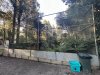
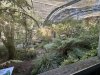
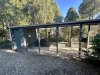
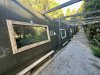
Three Zoos in a Day (Plus Wingspan)

Zoofan15

Well-Known Member
10+ year member
Three Zoos in a Day (Plus Wingspan)

Introduction

I recently visited the following facilities (two for the first time) and thought I would review them. I visited the first three in one day; and then Wingspan the following week.

The date I visited, the time I spent at each facility and the adult admission cost are as follows:

Brooklands Zoo - 10/04/2025 - 1 hour (Free)

Poukai Zoo - 10/04/2025 - 1.5 hours ($24)

Otorohanga Kiwi House - 10/04/2025 - 1.5 hours ($29.5)

Wingspan - 16/04/2025 - 1.5 hours ($33)
 
Brooklands Zoo - Part One

My day began at Brooklands Zoo in New Plymouth. The zoo opened in 1965 and is notable for being free to the public. It’s adjacent to Pukekura Park, which is an attraction in its own right, with many people visiting Brooklands Zoo in conjunction with the park. Brooklands Zoo is a small zoo, with a handful of exhibits and a kid’s playground. I estimate most people would spend 20-60 minutes here.

Entrance:

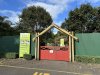
upload_2025-4-18_12-52-54.jpeg

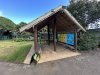
As you enter, there’s a small shelter to the right with information panels on the zoo, its history and conservation work. Straight ahead is the playground and to the left is a sculpture of an elephant family. Further on is a Monarch butterfly garden and a Weta garden.

Information Shelter:

upload_2025-4-18_12-53-43.jpeg

Elephant Sculpture:

upload_2025-4-18_12-54-14.jpeg

The first exhibit is a double aviary holding Little owl and Morepork. The aviaries are an adequate size, well presented and offer good views of the birds.

Owl Aviaries:

upload_2025-4-18_12-54-49.jpeg

Little Owl Aviary:

upload_2025-4-18_12-55-54.jpeg

Next up is the farmyard exhibits. Two exhibits are currently empty, with a larger one on the right housing Avonstour Island sheep. This exhibit can be viewed on the other side as well and is adjacent to exhibits for Domestic chicken and Kunekune.

Avonstour Island Sheep Exhibit:

upload_2025-4-18_12-59-6.jpeg

Kunekune:

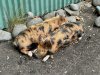
upload_2025-4-18_12-59-42.jpeg

A barn labelled ‘Farmyard’ is actually a reptile and amphibian house and situated in the middle of the farmyard exhibits. Inside are exhibits for Leopard gecko, Oriental fire-bellied newt, Green and golden bell frog, Eastern blue tongue skink and Brown tree frog. Also of interest was a Brolga transport crate, with signage detailing its compliance with International Air Transport Association standards.

Reptile and Amphibian House:

upload_2025-4-18_12-56-38.jpeg

Reptile and Amphibian House (Interior):

upload_2025-4-18_12-57-11.jpeg

Adjacent to this building was exhibits for Scheltopusik and Leopard tortoise. The latter had an indoor and outdoor flow and compared favourably to exhibits I’ve seen for this species at other zoos.

Leopard Tortoise Exhibit:

upload_2025-4-18_12-58-3.jpeg
 

Attachments

  • upload_2025-4-18_12-52-54.jpeg
    upload_2025-4-18_12-52-54.jpeg
    256.7 KB · Views: 48
  • upload_2025-4-18_12-53-43.jpeg
    upload_2025-4-18_12-53-43.jpeg
    229.2 KB · Views: 49
  • upload_2025-4-18_12-54-14.jpeg
    upload_2025-4-18_12-54-14.jpeg
    338.7 KB · Views: 46
  • upload_2025-4-18_12-54-49.jpeg
    upload_2025-4-18_12-54-49.jpeg
    276.8 KB · Views: 51
  • upload_2025-4-18_12-55-54.jpeg
    upload_2025-4-18_12-55-54.jpeg
    346.9 KB · Views: 49
  • upload_2025-4-18_12-56-38.jpeg
    upload_2025-4-18_12-56-38.jpeg
    261.2 KB · Views: 51
  • upload_2025-4-18_12-57-11.jpeg
    upload_2025-4-18_12-57-11.jpeg
    177.4 KB · Views: 51
  • upload_2025-4-18_12-58-3.jpeg
    upload_2025-4-18_12-58-3.jpeg
    290.1 KB · Views: 52
  • upload_2025-4-18_12-59-6.jpeg
    upload_2025-4-18_12-59-6.jpeg
    256.4 KB · Views: 58
  • upload_2025-4-18_12-59-42.jpeg
    upload_2025-4-18_12-59-42.jpeg
    310.1 KB · Views: 48
Brooklands Zoo - Part Two

Leaving the farmyard was an exhibit that until recently held Capybara. Signage advised their remaining male (Fernando) has been transferred to Wellington Zoo for breeding and that this exhibit will be renovated in the future.

Old Capybara Exhibit:

upload_2025-4-18_13-45-59.jpeg

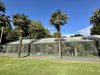
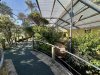
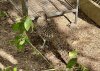
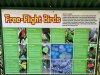
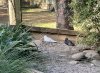
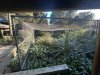
A long impressive aviary building follows, which was one of the zoo’s first exhibits. It’s now subdivided into three exhibits. The first is for Bolivian squirrel monkey, which were a no show due to maintenance being carried out on their exhibit. The end section houses Slender-tailed meerkats and is notable for being one of the only meerkat exhibits in the region that’s fully enclosed (as opposed to the common open-air design). The middle (and largest section by far) is the freeflight aviary. It has a boardwalk running through the middle and is well planted. I was impressed with the number of birds compared to zoos like Hamilton Zoo, where you’re lucky to see a single bird on some visits.

Freeflight Aviary:

upload_2025-4-18_13-47-38.jpeg

Freeflight Aviary (Interior):

upload_2025-4-18_13-48-12.jpeg

Lady Amherst’s Pheasant:

upload_2025-4-18_13-48-49.jpeg

Freeflight Aviary Species:

upload_2025-4-18_13-49-54.jpeg

Slender-tailed Meerkat Exhibit:

upload_2025-4-18_13-46-51.jpeg

Leading on to the next exhibits was a Cotton-top tamarin exhibit. The netting didn’t offer the best views of the exhibit, but it was well planted and one of the tamarins approached the netting at one stage. I saw one tamarin, but as of August 2024, the zoo had a breeding pair (Teo and Nomi). Red-rumped agouti were signed but not seen. Note the Cotton-top tamarin metal silhouette on the parapet of this exhibit:

Cotton-top Tamarin Exhibit:

upload_2025-4-18_13-52-2.jpeg

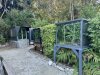
Ascending the stairs was the upper viewing deck of the Brown capuchin exhibit. It’s one of the best exhibits I’ve ever seen for this species and one of the largest in the region. There’s also a lower viewing window, bordered by gardens landscaped to represent the habitats of North Island brown kiwi, New Zealand fur seal and Little blue penguin.

Brown Capuchin Exhibit:

upload_2025-4-18_13-50-52.jpeg

Little Blue Penguin Garden:

upload_2025-4-18_13-54-45.jpeg

The final exhibit is Asian small-clawed otter. It’s a reasonable sized exhibits, consisting of a mulch and cobbled terrain and a central pool. The otters were highly active on my visit and enjoying foraging amongst the rocks.

Asian-small Clawed Otter Exhibit:

upload_2025-4-18_13-52-54.jpeg

All in all, I was fairly impressed by Brooklands Zoo. I’ve visited before, though not for many years, so I went with realistic expectations regarding the number of species. Considering it’s a free zoo, there’s little room for complaint. The zoo has been at the centre of discussion regarding a $9 million upgrade, which will focus on new or renovated exhibits for existing species like Slender-tailed meerkat, Asian small-clawed otter and Red-rumped agouti - noting the issue of exhibits where the visitor looks down on the animal.
 

Attachments

  • upload_2025-4-18_13-45-59.jpeg
    upload_2025-4-18_13-45-59.jpeg
    285.4 KB · Views: 47
  • upload_2025-4-18_13-46-51.jpeg
    upload_2025-4-18_13-46-51.jpeg
    206.8 KB · Views: 48
  • upload_2025-4-18_13-47-38.jpeg
    upload_2025-4-18_13-47-38.jpeg
    245.5 KB · Views: 47
  • upload_2025-4-18_13-48-12.jpeg
    upload_2025-4-18_13-48-12.jpeg
    319 KB · Views: 48
  • upload_2025-4-18_13-48-49.jpeg
    upload_2025-4-18_13-48-49.jpeg
    298.4 KB · Views: 47
  • upload_2025-4-18_13-49-54.jpeg
    upload_2025-4-18_13-49-54.jpeg
    216.4 KB · Views: 48
  • upload_2025-4-18_13-50-52.jpeg
    upload_2025-4-18_13-50-52.jpeg
    277.8 KB · Views: 46
  • upload_2025-4-18_13-52-2.jpeg
    upload_2025-4-18_13-52-2.jpeg
    256.3 KB · Views: 47
  • upload_2025-4-18_13-52-54.jpeg
    upload_2025-4-18_13-52-54.jpeg
    282.6 KB · Views: 46
  • upload_2025-4-18_13-54-45.jpeg
    upload_2025-4-18_13-54-45.jpeg
    281.5 KB · Views: 43
Brooklands Zoo - Part Two

Leaving the farmyard was an exhibit that until recently held Capybara. Signage advised their remaining male (Fernando) has been transferred to Wellington Zoo for breeding and that this exhibit will be renovated in the future.

Old Capybara Exhibit:

View attachment 785804

A long impressive aviary building follows, which was one of the zoo’s first exhibits. It’s now subdivided into three exhibits. The first is for Bolivian squirrel monkey, which were a no show due to maintenance being carried out on their exhibit. The end section houses Slender-tailed meerkats and is notable for being one of the only meerkat exhibits in the region that’s fully enclosed (as opposed to the common open-air design). The middle (and largest section by far) is the freeflight aviary. It has a boardwalk running through the middle and is well planted. I was impressed with the number of birds compared to zoos like Hamilton Zoo, where you’re lucky to see a single bird on some visits.

Freeflight Aviary:

View attachment 785806

Freeflight Aviary (Interior):

View attachment 785807

Lady Amherst’s Pheasant:

View attachment 785808

Freeflight Aviary Species:

View attachment 785809

Slender-tailed Meerkat Exhibit:

View attachment 785805

Leading on to the next exhibits was a Cotton-top tamarin exhibit. The netting didn’t offer the best views of the exhibit, but it was well planted and one of the tamarins approached the netting at one stage. I saw one tamarin, but as of August 2024, the zoo had a breeding pair (Teo and Nomi). Red-rumped agouti were signed but not seen. Note the Cotton-top tamarin metal silhouette on the parapet of this exhibit:

Cotton-top Tamarin Exhibit:

View attachment 785811

Ascending the stairs was the upper viewing deck of the Brown capuchin exhibit. It’s one of the best exhibits I’ve ever seen for this species and one of the largest in the region. There’s also a lower viewing window, bordered by gardens landscaped to represent the habitats of North Island brown kiwi, New Zealand fur seal and Little blue penguin.

Brown Capuchin Exhibit:

View attachment 785810

Little Blue Penguin Garden:

View attachment 785813

The final exhibit is Asian small-clawed otter. It’s a reasonable sized exhibits, consisting of a mulch and cobbled terrain and a central pool. The otters were highly active on my visit and enjoying foraging amongst the rocks.

Asian-small Clawed Otter Exhibit:

View attachment 785812

All in all, I was fairly impressed by Brooklands Zoo. I’ve visited before, though not for many years, so I went with realistic expectations regarding the number of species. Considering it’s a free zoo, there’s little room for complaint. The zoo has been at the centre of discussion regarding a $9 million upgrade, which will focus on new or renovated exhibits for existing species like Slender-tailed meerkat, Asian small-clawed otter and Red-rumped agouti - noting the issue of exhibits where the visitor looks down on the animal.
That Brown Capuchin exhibit is one of the best I've seen for any primate species regionally! Quite surprising to see from a small zoo like Brooklands. Do you know how many Capuchins they have now? I know they've bred in large numbers in the past and supplied many Australian zoos with breeding individuals.
 
That Brown Capuchin exhibit is one of the best I've seen for any primate species regionally! Quite surprising to see from a small zoo like Brooklands. Do you know how many Capuchins they have now? I know they've bred in large numbers in the past and supplied many Australian zoos with breeding individuals.

Brooklands capuchin exhibit is a spectacular exhibit that puts Hamilton and Wellington’s capuchin exhibits to shame. I only saw three capuchin on my visit (all adults), but I see an article from November 2024 notes the birth of an infant had brought the zoo’s troop to seven.

Brooklands Zoo and Hamilton Zoo have both bred large numbers of capuchins. In 2008, they participated in a three way exchange with Melbourne Zoo, who received three males from Hamilton Zoo and four females from Brooklands Zoo. Brooklands and Hamilton then exchanged females, with the latter receiving six females from Brooklands Zoo in exchange for their females. Since then, other exchanges have taken place. The sire of the latest infant was born at Hamilton Zoo in 2015 for example.
 
Pouakai Zoo - Part One

Like Brooklands Zoo, Pouakai Zoo is in New Plymouth and is just 10 minutes down the road by car, which makes it convenient to do both zoos one after the other. Poukai Zoo was founded in 1976 as a wildlife reserve and turned into a zoo in 1987. The current owners have been running it since 2014. I estimate most people would spend 45-90 minutes here.

Pouakai Zoo has a small entrance/administration building which contains an array of tanks housing tropical fish, Australian water dragon, Bearded dragon, Eastern blue-tongued skink, Axolotl and Red-eared slider turtle. There’s also a cage housing a Chinchilla; and out on the deck is a cage housing a Domestic rabbit.

Entrance:

upload_2025-4-18_20-36-53.jpeg

Entering the zoo grounds, the first exhibit you see is the Ostrich exhibit, which consists of a long narrow paddock. To the left of this is a series of aviaries. The first (single aviary) housed a Galah and a Sulfur-crested cockatoo; the second (double aviary) housed Rock pigeon and Alexandrine parakeet; the third (double aviary) housed Ring-necked parakeet and Cockatiel; and the fourth (single aviary) housed Sulfur-crested cockatoo. Further back were two empty aviaries and an empty exhibit that formerly held rabbits. An antiquated wooden and wire Guniea pig cage stood amongst these aviaries. This whole section was somewhat dated but I liked the way the aviaries were interwoven with the surrounding vegetation.

Ostrich exhibit:

upload_2025-4-18_20-37-40.jpeg

Parakeet/Pigeon Aviary:

upload_2025-4-18_20-38-38.jpeg

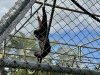
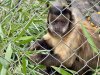
What followed next was four Brown capuchin exhibits. I would estimate each one housed around eight capuchins each. I appreciate not everyone likes to see double ups (or in this case double double ups), but I find it interesting to see how zoos manage multiple social groupings of a species. The cages were somewhat dated - especially compared to Brooklands Zoo’s masterpiece of an exhibit; but the capuchins were well fed and thriving on the opportunity for social interaction with each other. The fourth cage was a double cage; with a female Lar gibbon on the other side. I was interested to see she shared her exhibit with a lone spider monkey. I didn’t see any interactions between the two, but they clearly live together amicably and find the arrangement preferable to living alone. This was the first time I’d seen a Lar gibbon and considering she’s the only one in New Zealand, I’m glad I got to see her before her inevitable demise (she’s an elderly gibbon).

Brown Capuchin Exhibits:

upload_2025-4-18_20-39-53.jpeg

Capuchin and Spider Monkey/Lar Gibbon Exhibit:

upload_2025-4-18_20-41-39.jpeg

Lar Gibbon:

upload_2025-4-18_20-42-14.jpeg

Brown Capuchin:

upload_2025-4-18_20-42-49.jpeg

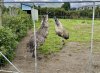
The primate exhibits bordered the left hand side of the zoo’s main drive. The next exhibit on this side housed domestic goat; and beyond that, exhibits for Kunekune and Emu. The Kunekune were a no-show, but the Emu, a pair of young males, were highly active, chasing each other around the exhibit and posturing. It was exciting to see this behaviour considering I’m used to seeing pairs at other zoos.

Emu Posturing:

upload_2025-4-18_20-43-29.jpeg

Kunekune Exhibit:

upload_2025-4-18_20-45-21.jpeg

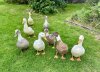
One thing you can’t help but notice about Pouakai Zoo is the vast number of free-ranging chickens and ducks. Unlike the countless wild ducks that descend upon Paradise Valley Springs, these are of the domestic variety and are very tame. These predominantly congregated around the main drive of the zoo.

Domestic Ducks:

upload_2025-4-18_20-44-15.jpeg
 

Attachments

  • upload_2025-4-18_20-36-53.jpeg
    upload_2025-4-18_20-36-53.jpeg
    203.9 KB · Views: 47
  • upload_2025-4-18_20-37-40.jpeg
    upload_2025-4-18_20-37-40.jpeg
    248.8 KB · Views: 49
  • upload_2025-4-18_20-38-38.jpeg
    upload_2025-4-18_20-38-38.jpeg
    287.9 KB · Views: 44
  • upload_2025-4-18_20-39-53.jpeg
    upload_2025-4-18_20-39-53.jpeg
    255.6 KB · Views: 47
  • upload_2025-4-18_20-41-39.jpeg
    upload_2025-4-18_20-41-39.jpeg
    271.7 KB · Views: 46
  • upload_2025-4-18_20-42-14.jpeg
    upload_2025-4-18_20-42-14.jpeg
    306.7 KB · Views: 46
  • upload_2025-4-18_20-42-49.jpeg
    upload_2025-4-18_20-42-49.jpeg
    188 KB · Views: 43
  • upload_2025-4-18_20-43-29.jpeg
    upload_2025-4-18_20-43-29.jpeg
    295.6 KB · Views: 45
  • upload_2025-4-18_20-44-15.jpeg
    upload_2025-4-18_20-44-15.jpeg
    306.7 KB · Views: 44
  • upload_2025-4-18_20-45-21.jpeg
    upload_2025-4-18_20-45-21.jpeg
    255.3 KB · Views: 46
Pouakai Zoo - Part Two

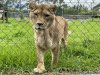
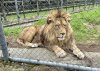
On the right hand side of the main drive was two African lion exhibits, which are undeniably the zoo’s main attraction. The southern exhibit was the largest and held 1.2 lions (Benji, Aleekah and Ayla). The northern exhibit was smaller and held 1.1 lions (Seb and Sasha). All were bred at Paradise Valley Springs and are closely related. Both had adjoining small adjoining dens suitable for temporary confinement of the big cats, but not spacious enough to accomodate breeding. Both prides are non-reproductive and the long term goal is to support Paradise Valley Springs in holding their surplus. Pouakai Zoo’s first lions were 1.2 from Paradise Valley Springs, who arrived in 2007, with the last of this pride dying in 2021. A trio of white tigers occupied the other exhibit from 2010 until the death of the last tiger in 2023. Both exhibits were of adequate size and the lions were among the most placid lions I’ve seen at any zoo. Seb lay by the fence line for the duration of my visit and never once snarled in response when I approached the exhibit. Aleekah ran across the exhibit to greet me when I walked around the southern exhibit.

African Lion Complex (Northern Exhibit):

upload_2025-4-18_20-57-47.jpeg

African Lion Complex (Southern Exhibit):

upload_2025-4-18_20-56-51.jpeg

African Lion Complex (North Dens):

upload_2025-4-18_20-57-24.jpeg

Seb:

upload_2025-4-18_21-0-39.jpeg

Aleekah:

upload_2025-4-18_21-0-23.jpeg

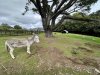
A long narrow paddock housing Domestic donkey ran parallel to the Ostrich exhibit. The old map showed Alpaca as sharing this exhibit, but they were instead housed in a paddock visible from both the the carpark and from the route leading to the New Zealand Bushwalk. This route (which you could take if you turned right upon entering the zoo grounds) takes you past an exhibit for Red-eared slider turtle (vacant because they’ve been moved inside); an exhibit for Muscovy duck; and a large Indian peafowl run. It’s a dead-end and doubling back you walk past exhibits for Domestic duck, Domestic chicken and an disused monkey cage, which now functions as a shelter for the Domestic goat and Emu that occupy the vast connecting paddock. Turkey were also seen in this field.

Domestic Donkey Paddock:

upload_2025-4-18_20-59-51.jpeg

Indian Peafowl Runs:

upload_2025-4-18_20-59-22.jpeg

Indian Peafowl and Young:

upload_2025-4-18_20-59-3.jpeg

Domestic Goat/Emu Exhibit:

upload_2025-4-18_20-58-40.jpeg

This route terminates with a looped track through New Zealand bush. It was a nice addition, but would have benefited from sign posting of the flora and a trimming of the vegetation around the track.

New Zealand Bushwalk:

upload_2025-4-18_20-58-19.jpeg

This was my first visit to Pouakai Zoo and it was bigger than I’d anticipated. It’s a step up from Brooklands Zoo, but is far from comparable to New Zealand’s four main zoos. A number of the exhibits are looking very dated, but it was clear the animals were well cared for and in my conversation with one of the owners, Adam, it was clear he was very passionate about his collection. Long term, it’d be nice to see more exotics. Within the decade, they’ve lost two species of macaque; and going back 10-15 years ago, I see they used to hold Vervet monkey, Ring-tailed lemur, Plains zebra and Slender-tailed meerkat.
 

Attachments

  • upload_2025-4-18_20-56-51.jpeg
    upload_2025-4-18_20-56-51.jpeg
    249.6 KB · Views: 47
  • upload_2025-4-18_20-57-24.jpeg
    upload_2025-4-18_20-57-24.jpeg
    339.3 KB · Views: 45
  • upload_2025-4-18_20-57-47.jpeg
    upload_2025-4-18_20-57-47.jpeg
    268.4 KB · Views: 45
  • upload_2025-4-18_20-58-19.jpeg
    upload_2025-4-18_20-58-19.jpeg
    382.3 KB · Views: 44
  • upload_2025-4-18_20-58-40.jpeg
    upload_2025-4-18_20-58-40.jpeg
    254.8 KB · Views: 45
  • upload_2025-4-18_20-59-3.jpeg
    upload_2025-4-18_20-59-3.jpeg
    347 KB · Views: 46
  • upload_2025-4-18_20-59-22.jpeg
    upload_2025-4-18_20-59-22.jpeg
    226.6 KB · Views: 48
  • upload_2025-4-18_20-59-51.jpeg
    upload_2025-4-18_20-59-51.jpeg
    277.4 KB · Views: 44
  • upload_2025-4-18_21-0-23.jpeg
    upload_2025-4-18_21-0-23.jpeg
    276.2 KB · Views: 43
  • upload_2025-4-18_21-0-39.jpeg
    upload_2025-4-18_21-0-39.jpeg
    316.1 KB · Views: 47
The fourth cage was a double cage; with a female Lar gibbon on the other side. I was interested to see she shared her exhibit with a lone spider monkey. I didn’t see any interactions between the two, but they clearly live together amicably and find the arrangement preferable to living alone. This was the first time I’d seen a Lar gibbon and considering she’s the only one in New Zealand, I’m glad I got to see her before her inevitable demise (she’s an elderly gibbon).
Good to hear the female Lar Gibbon is still alive. She's the last of Poukai's two pairs who were imported from Perth in 1995 following the ending of the regional breeding program. Poukai also used to hold a surplus group of Spider Monkeys, which also appears to be down to just a single individual.

It makes sense to pair the pair up for companionship purposes - especially if the Capuchin groups are growing and now in need of more space.
 
Good to hear the female Lar Gibbon is still alive. She's the last of Poukai's two pairs who were imported from Perth in 1995 following the ending of the regional breeding program. Poukai also used to hold a surplus group of Spider Monkeys, which also appears to be down to just a single individual.

It makes sense to pair the pair up for companionship purposes - especially if the Capuchin groups are growing and now in need of more space.

The spider monkey troop numbered 1.2 monkeys in 2013 (when a male escaped), with them now down to a single monkey. They were occupying what is now one of the capuchin exhibits in 2013.

The Lar gibbons presumably occupied the tall double exhibit from their arrival in 1995 (one pair in each half), which was clearly designed with aboreal apes in mind.

Bonnet macaques previously occupied what is now the first capuchin exhibit. They died circa 2017. The zoo also held Pig-tailed macaque, which may have occupied the exhibit leading into the bush walk (it’s hard to tell from the photo in the gallery if this is that exhibit).

It’ll be interesting to see what happens what happens with the Lar gibbons/Spider monkey exhibit once the elderly gibbon passes. If the spider monkey transfers to another zoo to join a troop, they may make this into a fifth capuchin exhibit. Alternatively, they may try and find a companion for the spider monkey.
 
I'm enjoying these reviews and the zoos look a little dodgy at times (home-made enclosures, lots of wood and wire contraptions) but there are gems everywhere you look such as the Brown Capuchin exhibit at Brooklands. You are a bit kinder to these zoos than I would be, but either way I love reading your thoughts. Keep the reviews coming! :)
 
Otorohanga Kiwi House - Part One

I left Pouakai Zoo at 12.30pm, arriving at the Otorohanga Kiwi House three hours later. The amount of roadworks on route were ridiculous, with about 15 speed restricted sections every kilometre or two for part of the journey. The Kiwi House was only open until 5pm, so I was conscious of time, but found 90 minutes was more than adequate to see everything. I estimate most people would spend 60-90 minutes here.

The Otorohanga Kiwi House opened to the public in 1971. This was my third visit here. I visited once as a child in the early 2000’s and then a second time in 2011. It was the zoo I saw my first kiwi - and a Great spotted kiwi no less.

Entrance:

upload_2025-4-19_10-45-0.jpeg

An interesting feature of the predator proof permiter fence is it contains Tuatara exhibits. You enter through a gate system and then the entrance building/gift shop. In this building was a number of stuffed kiwi. The stuffed kiwi are the extent of my kiwi photography as signage requests no photography or phones in the nocturnal houses. There was apparently a single North Island brown kiwi on display in the first kiwi house, but nobody including the keeper giving the talk could seem to find it and I moved on to get a head start on the sizeable crowd that was due to imminently pour out of the building.

Tuatara Exhibits:

upload_2025-4-19_10-46-15.jpeg

Venturing outside, I came across several exhibits built into the wall that housed Migratory locust, Three Kings skink, Duvaucel’s gecko, Elegant gecko and Tuatara. I couldn’t see the geckos, but got a good view of the Tuatara and the Three Kings skink.

Duvaucel’s Gecko and Three Kings Skink Exhibits:

upload_2025-4-19_10-48-2.jpeg

Three Kings Skink:

upload_2025-4-19_10-48-41.jpeg

Down the path was a Morepork aviary with a wooden frame and wire netting. It was a reasonably sized exhibit and well landscaped. Further down the path was the second kiwi house. Due to the no photography rule, you’ll have to take my word I saw a brown kiwi in this exhibit. Signage on the door indicated there were two juveniles in this exhibit, but I only saw one.

Morepork Aviary:

upload_2025-4-19_10-49-17.jpeg

Due to the Wetlands section being under construction, the path terminated in a dead-end, so I returned the way I’d come and took the next path to the Antipodes Island parakeet aviary. It was a decent sized aviary, reminiscent of their natural habitat.

Antipodes Island Parakeet Aviary:

upload_2025-4-19_10-55-59.jpeg

Antipodes Island Parakeet Aviary (Interior):

upload_2025-4-19_10-51-0.jpeg

The Bob Horsfall Aviary followed, which is a walkthrough aviary. It houses Pied stilt, New Zealand pigeon, New Zealand bellbird and Yellow-crowned parakeet.

Bob Horsfall Aviary:

upload_2025-4-19_10-54-53.jpeg

Outside this walkthrough aviary was a New Zealand long-fin eel pond. It was a spectacular exhibit, much larger than Hamilton Zoo and Auckland Zoo’s and far more naturalistic. I got some great close up views of the eels.

New Zealand Long-fin Eel Pond:

upload_2025-4-19_10-52-37.jpeg

Adjacent to the eel pond was a tall aviary housing Tui and Blue duck. Although the exterior looked dated, it was well planted with native plants.

Tui/Blue Duck Aviary:

upload_2025-4-19_10-53-41.jpeg
 

Attachments

  • upload_2025-4-19_10-45-0.jpeg
    upload_2025-4-19_10-45-0.jpeg
    262.2 KB · Views: 36
  • upload_2025-4-19_10-46-15.jpeg
    upload_2025-4-19_10-46-15.jpeg
    251.7 KB · Views: 37
  • upload_2025-4-19_10-48-2.jpeg
    upload_2025-4-19_10-48-2.jpeg
    213.7 KB · Views: 38
  • upload_2025-4-19_10-48-41.jpeg
    upload_2025-4-19_10-48-41.jpeg
    231.9 KB · Views: 42
  • upload_2025-4-19_10-49-17.jpeg
    upload_2025-4-19_10-49-17.jpeg
    229.6 KB · Views: 37
  • upload_2025-4-19_10-51-0.jpeg
    upload_2025-4-19_10-51-0.jpeg
    352.5 KB · Views: 37
  • upload_2025-4-19_10-52-37.jpeg
    upload_2025-4-19_10-52-37.jpeg
    334.5 KB · Views: 36
  • upload_2025-4-19_10-53-41.jpeg
    upload_2025-4-19_10-53-41.jpeg
    257.6 KB · Views: 36
  • upload_2025-4-19_10-54-53.jpeg
    upload_2025-4-19_10-54-53.jpeg
    308.4 KB · Views: 36
  • upload_2025-4-19_10-55-59.jpeg
    upload_2025-4-19_10-55-59.jpeg
    301 KB · Views: 35
Otorohanga Kiwi House - Part Two

The next path along was home to the Wetland Aviaries, consisting of wire fronted exhibits housing New Zealand kingfisher, New Zealand brown teal and Variable oystercatcher. The colour of the oyster catchers was indeed variable, with both black and white oystercatchers on exhibit.

Wetland Aviaries:

upload_2025-4-19_10-58-38.jpeg

Variable Oystercatcher:

upload_2025-4-19_10-59-11.jpeg

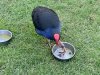
Behind these aviaries is what I’ve named the Australasian Bird Lawn in the absence of any label being given to this exhibit on the map. A large open lawn was home to Spur-winged plover, Paradise shelduck, Pukeko and White-faced heron.

Australasian Bird Lawn:

upload_2025-4-19_10-59-57.jpeg

Pūkeko:

upload_2025-4-19_11-0-26.jpeg

Up the hill was an impressive collection of Northland green gecko and Forest gecko exhibits, all densely vegetated. In the background was construction work for a centre functioning as a weta breeding facility, wildlife hospital and wildlife holding facility.

Gecko Exhibits:

upload_2025-4-19_11-0-56.jpeg

Returning the way I came was a large square aviary for New Zealand brown teal, which was viewable on both sides. This was adjacent to a pair of aviaries housing Kaka and Kea. It was a novelty to see these two parrots exhibited side by side, but I thought it was an excellent way for visitors to compare and contrast the species. I’ve heard more than a few members of the general public on my visits to zoo debate with each other over which is the alpine species that pulls wiper blades off cars, suggesting there’s some confusion between the two amongst some people. The park are currently building a new Kea habitat, which will bring an end to this arrangement; but on the plus side, it’ll promote holding the respective species in natural flock sizes, which will be a positive for their welfare. I liked how the two parrot aviaries had profiles of the birds displayed outside. A number of the region’s main zoos including Auckland, Wellington and Melbourne do this and it’s a great way to engage the general public.

Brown Teal Aviary:

upload_2025-4-19_11-1-51.jpeg

Kaka Aviary:

upload_2025-4-19_11-3-0.jpeg

Kea:

upload_2025-4-19_11-3-29.jpeg

Kaka Profiles:

upload_2025-4-19_11-4-25.jpeg

Following on from this was an exhibit housing Three Kings skink and a long aviary housing Morepork. It was interesting to compare the design of this aviary to the one near the entrance, which was shorter, but taller. It would be fascinating to watch the owls at night time exploring their exhibits to the full.

Morepork Aviary:

upload_2025-4-19_11-5-3.jpeg
 

Attachments

  • upload_2025-4-19_10-58-38.jpeg
    upload_2025-4-19_10-58-38.jpeg
    251.5 KB · Views: 35
  • upload_2025-4-19_10-59-11.jpeg
    upload_2025-4-19_10-59-11.jpeg
    315.8 KB · Views: 37
  • upload_2025-4-19_10-59-57.jpeg
    upload_2025-4-19_10-59-57.jpeg
    308.8 KB · Views: 41
  • upload_2025-4-19_11-0-26.jpeg
    upload_2025-4-19_11-0-26.jpeg
    337.6 KB · Views: 36
  • upload_2025-4-19_11-0-56.jpeg
    upload_2025-4-19_11-0-56.jpeg
    339.8 KB · Views: 37
  • upload_2025-4-19_11-1-51.jpeg
    upload_2025-4-19_11-1-51.jpeg
    243.6 KB · Views: 38
  • upload_2025-4-19_11-3-0.jpeg
    upload_2025-4-19_11-3-0.jpeg
    371.9 KB · Views: 41
  • upload_2025-4-19_11-3-29.jpeg
    upload_2025-4-19_11-3-29.jpeg
    178.3 KB · Views: 38
  • upload_2025-4-19_11-4-25.jpeg
    upload_2025-4-19_11-4-25.jpeg
    213.1 KB · Views: 38
  • upload_2025-4-19_11-5-3.jpeg
    upload_2025-4-19_11-5-3.jpeg
    268.8 KB · Views: 45
Otorohanga Kiwi House - Part Three

If the Brown capuchin exhibit was the centrepiece of Brooklands Zoo; and the African lion exhibits were the centrepiece of Pouakai Zoo, then the centrepiece of the Otorohanga Kiwi House is undoubtably the Barry Rowe Freeflight Aviary. A pond as you enter the aviary was filled with large numbers of Grey teal, Australasian shoveler and New Zealand scaup. I also saw a White-faced heron perched on the rails and foraging on the ground below. A feeder station further on was occupied by a Red-crowned parakeet; but the highlight of the aviary was seeing a Tuatara right outside its burrow. In contrast to every other zoo I’ve visited where the Tuatara are behind glass, I literally could have touched it; though of course I didn’t out of respect for the animal.

The species in the aviary that were signed but not seen were Banded rail, New Zealand pigeon, North Island brown kiwi and Silvereye. Being nocturnal, I wouldn’t expect to see the kiwi during visiting hours, but it was interesting to know there was one in this aviary.

Barry Rowe Freeflight Aviary:

upload_2025-4-19_11-6-47.jpeg

Barry Rowe Freeflight Aviary:

upload_2025-4-19_11-8-55.jpeg

Barry Rowe Freeflight Aviary (Pond):

upload_2025-4-19_11-9-42.jpeg

Australasian Shoveler:

upload_2025-4-19_11-10-8.jpeg

Grey teal:

upload_2025-4-19_11-11-41.jpeg

White-faced Heron:

upload_2025-4-19_11-10-35.jpeg

Tuatara:

upload_2025-4-19_11-11-0.jpeg

Exiting the freeflight aviary, there were two more exhibits before the exit. The first was a small open air exhibit housing Eastern bar-tailed godwit and Spur-winged plover; while the second was a medium sized fully enclosed aviary housing Tuatara. Historically, this exhibit has housed New Zealand kingfisher and Kōkako.

Eastern Bar-tailed Godwit/Spur-winged Plover Exhibit:

upload_2025-4-19_11-7-46.jpeg

Tuatara Exhibit:

upload_2025-4-19_11-12-9.jpeg

Tuatara Exhibit (Interior):

upload_2025-4-19_11-12-38.jpeg

This concluded my visit to the Otorohanga Kiwi House (and my record breaking three zoos in a day, albeit all small ones). I was impressed with the range of native species, with the aforementioned Tuatara being a highlight. It surprises me a park of this prestige lacks Takahe, which I feel would enhance the collection. I’d also love to see North Island saddleback, especially considering I never have any luck seeing Auckland Zoo’s saddleback. I’m excited to return in the future when the new developments have been completed.
 

Attachments

  • upload_2025-4-19_11-6-47.jpeg
    upload_2025-4-19_11-6-47.jpeg
    232.3 KB · Views: 36
  • upload_2025-4-19_11-7-46.jpeg
    upload_2025-4-19_11-7-46.jpeg
    360.6 KB · Views: 37
  • upload_2025-4-19_11-8-55.jpeg
    upload_2025-4-19_11-8-55.jpeg
    222.2 KB · Views: 37
  • upload_2025-4-19_11-9-42.jpeg
    upload_2025-4-19_11-9-42.jpeg
    297.8 KB · Views: 38
  • upload_2025-4-19_11-10-8.jpeg
    upload_2025-4-19_11-10-8.jpeg
    165 KB · Views: 37
  • upload_2025-4-19_11-10-35.jpeg
    upload_2025-4-19_11-10-35.jpeg
    289.2 KB · Views: 37
  • upload_2025-4-19_11-11-0.jpeg
    upload_2025-4-19_11-11-0.jpeg
    325 KB · Views: 38
  • upload_2025-4-19_11-11-41.jpeg
    upload_2025-4-19_11-11-41.jpeg
    255 KB · Views: 37
  • upload_2025-4-19_11-12-9.jpeg
    upload_2025-4-19_11-12-9.jpeg
    217 KB · Views: 38
  • upload_2025-4-19_11-12-38.jpeg
    upload_2025-4-19_11-12-38.jpeg
    344.6 KB · Views: 36
Wingspan

I visited Wingspan six days after my three zoos in a day trip, but I thought I would combine it with this review rather than doing an independent review. I visited with my two of my children and their mother, who were visiting Rotorua this week and were looking for an attraction to visit. We’ve visited Paradise Valley Springs (which is further down the road) before, but none of us had never visited Wingspan, so thought we’d check it out.

Wingspan was founded as a charitable trust in 1992, with the first centre initially opened at a site further along Paradise Valley Road. Wingspan relocated to the current site in 2023. It’s a picturesque location on the slopes of Mount Ngongotahā, with Lake Rotorua visible on the horizon. Wingspan is open once a day from 11am-1pm, which includes a one hour flight demonstration.

Entrance:

upload_2025-4-19_13-13-21.jpeg

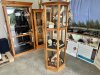
Upon arrival, visitors gather at the assembly point in the carpark, before being led up the hill to the ticket office and museum. The museum features a handful of items including stuffed birds of prey and a cast of Haast’s eagle’s foot.

Ticket Office/Museum:

upload_2025-4-19_13-13-5.jpeg

Museum (Interior):

upload_2025-4-19_13-12-48.jpeg

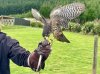
Once you’ve bought your tickets, you’re invited to find your seats ahead of the flight demonstration starting at 11.30am. It doesn’t take half an hour to find your seat, rather half a minute; but there was a clear advantage to getting there early and choosing where to sit. With a range of available seats to choose from, we sat in the front row, which ultimately proved fortuitous when the first bird (a male New Zealand falcon named Arohaki) was taken past the front row so we could get a closer look.

Flight Demonstration Field:

upload_2025-4-19_13-12-0.jpeg

Arohaki (Male New Zealand Falcon):

upload_2025-4-19_13-12-25.jpeg

Over the next half an hour, the handler told us countless facts about New Zealand falcons and ran the bird through a range of behaviours including lure training and flying up on to targets. A couple of interesting facts are that the New Zealand falcon goes from hatching to fledgling in 38 days; and the current New Zealand $20 note (2016 edition) features a New Zealand falcon, based on one held at Wingspan named Atareta.

The next bird out was a female New Zealand falcon named Star. She was an adolescent female, but noticeably larger than the male and it was interesting to compare and contrast the two, both in appearance and behaviour. Due to her youth, Star was not as well trained as the preceding bird and without warning, would fly straight into the crowd. She showed a strong bias for those in the back row and perched on the head of a teenage boy for about three minutes until she could be tempted off.

Star (Female New Zealand Falcon):

upload_2025-4-19_13-11-40.jpeg

A further 10 minutes into the demonstration and she flew into the crowd again, but her intended target screamed and dove for cover, so she changed course and sat on a child’s head. He was wearing a cap and seemed amused by the experience, as were the crowd. I felt the tips of the falcon’s wings as she flew past, but as mentioned, she seemed to favour those in the back row and so she didn’t land on me.

Star participated in lure training and was clearly making progress in target training. She has a GPS tracker, which has been used to assist in retrieving her when she’s flown off site on occasion, including at least once down to Rotorua Lake. She handler brought her past the front row and then the back, giving everyone an opportunity to see the falcon up close.

Lure Training:

upload_2025-4-19_13-11-0.jpeg

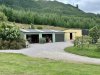
This concluded the demonstration, at which point visitors were invited to cross the field and view the aviaries before leaving. The cage block contained six aviaries and an encounter space. Two of the aviaries were empty; two housed a male and female New Zealand falcon respectively; one housed a pair of Barn owl; and one housed a Morepork. More birds were housed off display as evidenced by neither Arohaki or Star being accommodated in this cage block.

Aviaries:

upload_2025-4-19_13-14-38.jpeg

Morepork Aviary:

upload_2025-4-19_13-14-15.jpeg

Barn Owls:

upload_2025-4-19_13-13-51.jpeg

It’s a mixed review of Wingspan from me. They do fantastic conservation work, particularly with regards to rescue and rehabilitation; but I was underwhelmed by seeing only a male and female New Zealand falcon in a one hour show. When I visited Taronga Zoo’s bird show last November, a new bird species was brought out every five minutes; and at a presentation of native species held at Auckland Zoo, we saw five species in half an hour.

It was good enjoyed seeing some different species in the aviaries that have been recently built, though they weren’t naturalistically landscaped like the aviaries I saw last week at the Otorohanga Kiwi House.

I personally thought the admission price of $33 for an adult was too high, both in comparison to the other facilities I visited in this review (see the first post); and New Zealand’s main zoos (Auckland Zoo - $35; Hamilton Zoo - $26; Wellington Zoo - $24; and Orana Wildlife Park - $39.5), all of which be considered a minimum of a half-day out or more.
 

Attachments

  • upload_2025-4-19_13-11-0.jpeg
    upload_2025-4-19_13-11-0.jpeg
    254.4 KB · Views: 33
  • upload_2025-4-19_13-11-40.jpeg
    upload_2025-4-19_13-11-40.jpeg
    161.8 KB · Views: 33
  • upload_2025-4-19_13-12-0.jpeg
    upload_2025-4-19_13-12-0.jpeg
    213.5 KB · Views: 33
  • upload_2025-4-19_13-12-25.jpeg
    upload_2025-4-19_13-12-25.jpeg
    157.1 KB · Views: 33
  • upload_2025-4-19_13-12-48.jpeg
    upload_2025-4-19_13-12-48.jpeg
    217.7 KB · Views: 33
  • upload_2025-4-19_13-13-5.jpeg
    upload_2025-4-19_13-13-5.jpeg
    245.1 KB · Views: 32
  • upload_2025-4-19_13-13-21.jpeg
    upload_2025-4-19_13-13-21.jpeg
    189.1 KB · Views: 33
  • upload_2025-4-19_13-13-51.jpeg
    upload_2025-4-19_13-13-51.jpeg
    172.4 KB · Views: 34
  • upload_2025-4-19_13-14-15.jpeg
    upload_2025-4-19_13-14-15.jpeg
    245.9 KB · Views: 33
  • upload_2025-4-19_13-14-38.jpeg
    upload_2025-4-19_13-14-38.jpeg
    211.7 KB · Views: 34
Species Lists

Here are the species list for each facility. Please note, these lists do not include species held off display.
Brooklands Zoo:

Brown capuchin
Bolivian squirrel monkey
Cotton-top tamarin
Asian small-clawed otter
Slender-tailed meerkat
Kunekune
Avonstour Island sheep

Morepork
Little owl
Australian king parrot
Princess parrot
Barraband parrot
Derbyan parakeet
Musk lorikeet
Lady Amherst’s pheasant
Eclectus parrot
Indian ringneck parakeet
Red-winged parrot
Rainbow lorikeet
Domestic chicken

Leopard tortoise
Scheltopusik
Eastern blue tongue skink
Leopard gecko

Brown tree frog
Green and golden bell frog
Oriental fire-bellied newt

Pouakai Zoo:

African lion
Lar gibbon
Black-handed spider monkey
Brown capuchin
Domestic donkey
Alpaca
Kunekune
Domestic goat
Domestic rabbit
Chinchilla
Guinea pig

Ostrich
Emu
Sulfur-crested cockatoo
Galah
Rock pigeon
Alexandrine parakeet
Cockatiel
Indian ringneck parakeet
Indian peafowl
Greylag goose
Turkey
Domestic chicken
Domestic duck
Muscovy duck

Red-eared slider turtle
Central bearded dragon
Eastern blue-tongued skink
Australian water dragon

Axolotl

Tropical fish (assorted)

Otorohanga Kiwi House:

North Island brown kiwi
Morepork
Kea
Kaka
Pukeko
White-faced heron
Eastern bar-tailed godwit
Spur-winged plover
Banded rail
Pied stilt
Variable oystercatcher
New Zealand kingfisher
Red-crowned parakeet
Yelled-crowned parakeet
Antipodes Island parakeet
New Zealand pigeon
Tui
New Zealand bellbird
Silvereye
Paradise shelduck
Brown teal
Grey teal
Blue duck
Australasian shoveler
New Zealand scaup

Tuatara
Three Kings skink
Forest gecko
Northland green gecko
Elegant gecko
Duvaucel’s gecko

New Zealand long-fin eel

Migratory locust

Wingspan:

New Zealand falcon (Bush)
New Zealand falcon (Eastern)
Barn owl
Morepork

That concludes my review. Thank you to everyone who tuned in.
 
Back
Top