@MGolka I can only assume you paid what the going rate for a Mt tapir encounter was at Cheyenne at the time (and I know what it cost)......I envy you
When I did my most recent animal/zoo trip Mt. Tapir were THE priority and L.A. was my only option. I would have gladly paid am encounter price but that was also not an option. I called in every favor I had with every callouge that had an association with L.A. Zoo. They are on a strict non employee, no bts policy (hence all are pandemics). You are very lucky (tell your wife) and very happy you had an amazing experience with one of the most amazing species that not going to be around for much longer
 
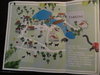
I love reading about Cheyenne Mountain Zoo, a facility that I toured in 2010 and 2014. It's definitely a unique zoo, full of twisting paths and cutbacks in every direction. Here are a few of my photos from 2014 to illustrate how elevated everything is at this zoo.

View of Colorado Springs from the Grizzly Bear boardwalk:

full


It's a steep ascent just to see the bears!

full


Even the African Elephants have a great view of the valley:

full


Here's a Rocky Mountain Goat peering down on visitors:

full


The Gorilla exhibit is on a steep mountain slope:

full
 
Stop Five - Denver Zoo

After a day off of visiting a zoo and instead going to a Rockies game since my favorite baseball team was coincidentally playing in Denver, it was the day after Memorial Day that we hit up the Denver Zoo before we head back to Nebraska.

I had previously visited the Denver Zoo way back in the early 2000's and had not been back since for nearly two decades. Some of the only memories I have of the zoo are from decades old photographs from my wind-up disposable camera that was the necessity for any family vacation in the 90s and early 2000s. I believe we visited later in the day as we did not go through the tropical house, nor the Bird House (which I'm sad I never got to experience before it was torn down). The things I most remember are the many hoofstock pens that for the most part exist today and the pachyderm building. I have some very vague memories of the old cat complex, but since that is also now closed, a trip to this zoo could not jog any memories of the inside.

The entrance plaza seems to have been completely reworked and is a very welcoming start to the day. Aside from the newer African Penguin exhibit that draws most families immediately to it for them to see the inhabitants stand around on a beach, I was instantly drawn into the zoo with the fantastic Benson Predator Ridge complex right in front of you as you enter the zoo's main loop. The main African Lion and Spotted Hyena habitats are nice and large, and we saw the lions super active in the afternoon running around their habitat and even making use of their scratching pole.

35 African Lion.JPG

I did quite enjoy the indoor viewing area between the two spacious yards as inside you will find some larger terrariums (floor to ceiling for the most part) for African Rock Python, Pancake Tortoise and Sudan Plated Lizard, and a West African Dwarf Crocodile. Exhibit complexes that feature larger fan-favorites that include smaller animals or lesser-known species are always welcomed in my book.

We ventured clockwise around this zoo that has a main path circulating the zoo for the most part with some exhibits that branch off this path. This gets a little awkward as you get to the western portion of the zoo, but guest circulation is not really an issue here. There are a couple places you have to backtrack to see everything, but for the most part, these backtracks are pretty minor.

Working clockwise, you will pass by an exhibit for Grevy's Zebra and Somali Wild Ass, as well as the old cat complex that is blocked off with a new exhibit on the way. I'm not sure anything is really known at this time, other than something new is coming. You will also pass by the zoo's giraffe yard that also has some indoor viewing of the barn. Nothing really notable about these exhibits, they are suitable for its inhabitants but not really interesting from a visitor standpoint.

Right next to the giraffe exhibit is the start of the Harmony Hill area of the zoo that used to house polar bears but has been converted to a larger Grizzly Bear exhibit, as well as a comically large exhibit for a pair of leucistic raccoon brothers, and a new flamingo exhibit that was under construction on our visit. Also a part of this area is a fairly nice Sea Lion pool that has rocky outcroppings and a kelp forest portion. This area of the zoo I feel is in a weird transition period, the exhibits are fairly new and most of it was designed for other species. Adding flamingos here screams "temporary" to me and I wouldn't be shocked if this area continues to change over time. I've seen the zoo's master plan that shows this area turning into a full-blown coastal area and portions being demolished and an east entrance to the zoo, but it seems most of this zoo's master plan has been discarded at this time.

The Tropical Discovery building was one of the exhibits I was most looking forward to since I was not able to see it the last time I visited. It did not disappoint. I really enjoyed what this building had to offer, from the rain forest portion to the northern sunrooms, I believe we spent at least an hour in this building alone documenting everything. I really liked the "Snake Temple" in the jungle portion of the building, another clever nod to those who don't like snakes, however snakes are in abundance even outside of the temple terrariums. There are quite a few larger exhibits around the outsides of this rain forest, but the biggest mammal in them is a capybara, so each of these are more than satisfactory. A surprise popped up in one of the tanks here, a pair of Orinoco Crocodile hatchlings! Not sure how long they will be in their current exhibit, which is small but suits the barely 1-foot-long youths, and not sure they will stay at this zoo as they grow to adulthood.

As you pass this rain forest part, you enter into an area of saltwater aquariums with many species of tropical fish. Standard fare here before you get to the northern half of the building that features some swamp-like exhibits featuring Siamese Crocodile, Mata Mata, and Alligator Snapping Turtle and also my favorite part of the building: Dragons of Komodo. Essentially this is a sunroom that houses larger lizards, Rhinoceros Iguana, Nile Monitor, and obviously Komodo Dragons. I like trio of these exhibits, and also that as a guest you are in a room surrounded by large glass fronted exhibits with large reptiles around you. One downside in here though is that it seems the time of day can make or break this area with glare on some of the exhibits (more noticeable through the lens of a camera).

332 Komodo Dragon Exhibit.JPG

After the high quality of the Tropical Discovery building, we get to my least favorite part of the whole zoo. The zoo's "new" Amur Tiger exhibit called "The Edge". I honestly am not sure the thinking behind this exhibit as a whole, sure it may be great animal welfare wise, and that's great, but from a visitor perspective, it's a complete eyesore. The viewing here can be super awkward as there are opaque panels of glass in prime areas, heavily tinted glass that might as well be opaque, and some of the best viewing angles are obstructed or are through chain link. Others may like this exhibit, and that's ok, I am personally not a fan.

414 The Edge.JPG

As you continue around the main path after The Edge, you get more of the standard hoofstock exhibits featuring Okapi, Yellow-backed Duiker, Przewalski's Horse, Bactrian Camel, Bongo, among others. However, mid-way through this part of the main path loop, you will come across one of the great modern exhibits in my opinion, Toyota Elephant Passage. This obviously was not built the last time I was here and as this was my first time seeing it with my own eyes, I was blown away. There are a lot of great elephant complexes getting built these days, but this one to me is easily at or near the top even after a number of years. I am a big proponent of theming if it is done well, and I love the village aesthetic here. It certainly takes a page out of the Disney Animal Kingdom book of immersive yet respectful. Again, this is another example of an exhibit that mixes in smaller species amongst the heavy hitters of Asian Elephants and Indian Rhinos. I really liked the indoor area featuring Fishing Cats, Asian Small-clawed Otters, and Great Indian Hornbill before you get to an awesome view of one of the watering holes of the Asian Elephant yards. Speaking of the Asian Elephants, their yards are quite large, but the bridge took the cake for me, as it is quite the sight to see two elephant bulls go running across it almost full speed before they plunged into their pool.

462 Asian Elephant.JPG

The old pachyderm building near the west entrance to Toyota Elephant Passage is definitely a relic of past times, the hippo pool yard is definitely not what today's exhibits would be built like, but the former elephant yard is way more suitable for the Eastern Black Rhino that was running around in it than its prior tenants. I remember going into the building last time I was here, but it was closed to the public upon this visit.

Where the Bird House used to be is yet another Australian Walkabout on the way, and in the area are some other bird of prey cages, a flamingo pond, and then the entrance to the Primate Panorama. This is another portion of the zoo I liked, albeit you can tell it has aged a bit. Most of the exhibits still hold up today, the Bornean Orangutan exhibit is one of the more densely planted orangutan exhibits you will find (nothing close to Saint Louis though), the Western Lowland Gorilla exhibit is good, and most of the outdoor primate spaces are good to great as well. The one qualm I had with this area was inside the Jewels of the Emerald Forest building, the Aye-Aye exhibit was bathed in light, which to me didn't make a whole lot of sense during visitor hours. How many times has anyone seen the Aye-Aye in this exhibit out of curiosity?

Rounding out the zoo are some old bear style grottos filled with Cinereous Vultures, which took up all the grottos and an additional exhibit near the hippos in the pachyderm house yards, a Mountain Goat and Bighorn sheep mountain exhibits, and the rest of the hoofstock loop exhibits to where African Painted Dogs now reside, and Cape Buffalo and Gerenuk habitats.

All in all, this is also a zoo in the upper tier of zoos in the country with a lot of good to great exhibits, but some parts that are older that kind of bring the feel down at times. However, the good stuff greatly outweighs the weaker portions of the zoo. It will be interesting to see how the planned Australian Walkabout area looks in its finished condition, as well as what ultimately happens with the old cat complex footprint.
 

Attachments

  • 35 African Lion.JPG
    35 African Lion.JPG
    194.3 KB · Views: 53
  • 332 Komodo Dragon Exhibit.JPG
    332 Komodo Dragon Exhibit.JPG
    171.4 KB · Views: 53
  • 414 The Edge.JPG
    414 The Edge.JPG
    223.4 KB · Views: 54
  • 462 Asian Elephant.JPG
    462 Asian Elephant.JPG
    188.4 KB · Views: 54
Stop Six - Riverside Discovery Center

It was another month after our Colorado excursion that we got back out on the road, this time Fourth of July weekend. As we did two years earlier, we decided to make the journey to Nebraska's panhandle and visit the small zoo in Scottsbluff, Nebraska. Prior to 2020, it was also another zoo that I had not been to in nearly two decades, similar to the Denver Zoo. During the holiday weekend, we had planned to pick up my wife's grandfather who lives in North Platte, and journey west to see the zoo and visit the Scotts Bluff National Monument, the imposing butte that towers over the three towns below it. Our trip in 2022 was nearly identical to that in 2020, even to the day, July 2nd.

I remember visiting this zoo near the turn of the century as a much younger version of myself, when I had a relative that lived in Scottsbluff and begged my parents to take us to see the Riverside Zoo as it was called at the time. It greatly reminded me of the now defunct Heritage Zoo in my old hometown of Grand Island except this small zoo had a much better collection. The Riverside Zoo had zebra, lions, tigers, African Leopards, Moose, larger antelope, and most notably, Chimpanzees. This was the first zoo I had seen chimps at, as the normal three zoos I had been to, Omaha, Heritage, and Folsom Children's Zoo (Lincoln), did not have these nor do they to this day.

Back in this time, the zoo did not have a complete circuit, you would essentially have to backtrack through the whole zoo back to the entrance. Over time, a barnyard area was built that completed this circuit, making it such that the backtrack did not have to happen. Around the time the barnyard was built, the name of the zoo changed to Riverside Discovery Center, and that brings us to today. For the most part, the zoo is mostly unchanged from when I visited twenty years ago. The noticeable changes are in the form of the barnyard complex, a Garden Walk with tortoise and parrots replaced a walk-through aviary, a splash pad was built, and the old zebra/hoofstock yard smack in the center of the zoo has been demolished and reconstructed as a massive Grizzly Bear exhibit. There have also been improvements to the chimpanzee building that has added some quality-of-life additions for both the chimps and visitors alike.

While the above doesn't seem like much, consider that this zoo is in a very rural part of the country, and the Scottsbluff metro (including Terrytown and Gering as all three run together) having a total population around 25k, the fact this zoo can support chimps and several species of big cat is impressive. For comparison, the earlier small zoos I have reported on, here are their local populations: Salina is around 50k, Manhattan is 55k, and Pueblo is 112k. So while yes, further improvements can be wanted to this facility, the funding base is extremely limited, and they do what they can with what they are able to get. The fact that this zoo was able to raise funds for a spacious new Grizzly Bear exhibit is fantastic, and only helps this zoo establish a better base to lend itself to improving the rest of the zoo. And the improvements are desired, as member @Alexandra has mentioned in the Riverside Discovery Center news thread, they have some projects coming up renovating some of the older exhibits at the zoo.

I did also add a bunch of photos to the zoo's gallery, some are from 2020 and some from 2022, there wasn't a big difference in most of them.

Riverside Discovery Center Gallery

The zoo itself starts out with an old-school style entrance and you have a short nature walk before joining up with the zoo's main loop. Along this walk, situated by some ponds, you will pass by a lot of local waterfowl and some overlook points that allow you to see the imposing Scotts Bluff in the distance.

132 Scotts Bluff National Monument.JPG

As you get closer to the main loop, before you cross the bridge to enter the heart of the zoo, you will find two older exhibits for Raccoon and "Marble" Fox. These exhibits marked for upgrades in the coming years, and while they show their age, they are fine for the animals within them. After this point, you now a choice of options of which way to circumnavigate the zoo, as you can see from the zoo's map.

00 2022 Zoo Map.JPG

After you pass over the bridge in the map above, you will pass by an older Bobcat exhibit that is also marked for upgrades and a Dino Dig Pit that has been added over the years. Near this dig pit is viewing for the American Bison yard that uniquely uses cattle guards near the visitor area to provide really unobstructed views by not relying on the wire mesh or chain link that is found throughout the rest of the zoo. After this you come to a plaza with a playground and splash pad that is next to the new spacious Grizzly Bear yard that opened in late 2020. We just missed the opening of this exhibit on our last visit, and this is what really prompted our visit in 2022.

The exhibit itself is quite large for the pair of brother bears (sadly one passed away shortly before our visit this year). There are tons of climbing and digging areas and a nice pool for them to cool off in the heat of this semi-desert zoo. The water tower in the middle of the exhibit doubles as a climbing structure and is a nice unique feature. The bear was super active while we were here and is a vast upgrade to their quarters prior to this, as they were in one of the smaller exhibits in the cat complex. The vast size of this exhibit makes it tough to photograph all of it in one shot.

14 Grizzly Bear Exhibit.JPG

If you go clockwise around the zoo, adjacent to the bear exhibit is the barnyard complex with various domestics, Highland Cattle being the most notable here. As you continue around the path, you will come to the Big Cat Complex that in 2022 housed Mountain Lions and Amur Tigers. On my visit in 2020, you were able to find African Lion and a melanistic African Leopard in addition to the Amur Tiger and Grizzly Bears. Sadly, the leopard passed away in the years between my visits but do have a photo of it from 2020.

The Big Cat yards for the Amur Tiger (and African Lion previously) share indoor viewing with the Chimpanzee building, that houses the zoo's troop of five. There are a couple smaller reptile terrariums in this building as well, one each for Ball Python, Leopard Gecko, and Yellow Niger Uromastyx. The outdoor portion of the chimpanzee exhibit has a decent number of climbing opportunities, but on the smaller side compared to the vast majority of chimpanzee exhibits these days.

South of the chimpanzee building is a spacious yard for a herd of Plains Zebra and will be getting expanded to encompass the zoo's old Waterbuck exhibit, which was previously a Moose exhibit at the turn of the century. The zoo has had some breeding success with the species and was noted that they would like to focus their efforts on continued success. On the north side of the chimp building is a spacious and well planted Reeves' Muntjac exhibit. Honestly, this is one of my favorite exhibits in this zoo. There is a breeding group here and the group was active darting through the tall grasses planted about.

Across the path from the outdoor chimp habitat is an older wire mesh cage for a North American Porcupine, the cage is typical of smaller zoos. Next to this area is where the old walk-through aviary was, now converted into what is called the Garden Walk. This area features various tortoises, Box turtles and African Spurred, and a macaw perch. It sounds like the zoo is going to replace this with a more modern walk-through aviary, and really with how nicely manicured this area was, they really just need to put a net over the top and voila!

55 Blue and Yellow Macaw Outdoor Garden Walk Exhibit.JPG

Starting to turn back north, there are a pair of exhibits for American Badger and Bald Eagle that are reminiscent of old cat exhibit design, and the combination of the zoo's Monkey house and Raptor Row. The raptor exhibits are all corn crib converts featuring fairly usual suspects, typical of small zoos, yet the outdoor pair of primate exhibits are spacious enough and the primates made good use of the wire mesh as additional climbing opportunities. The primates that can be found in this portion are Red Ruffed Lemur, Guereza Colobus, and Black Handed Spider Monkeys. The indoor portion of the Monkey House is simply a small room that visitors are allowed, and you get a get a glimpse of the small indoor holding.

Continuing on, you will find a decent sized aviary with tons of Waldrapp Ibis, but also quite unexpected was the presence of a Madagascar Crested Ibis! Of all the places I've been, I was not expecting to see this species represented here, so that was a treat. This aviary leads into the Discovery Center which houses Squirrel Monkey, Amazon Milk Frogs, Emerald Tree Boa, and Blue & Yellow Macaw spaces. Not really much to say about this building as it is quite old and like the Monkey House, short of visitor space inside.

16 Discovery Center.JPG

Rounding out the zoo is a spacious Swift Fox exhibit adjacent to the new Grizzly Bear habitat. With the size of this exhibit and the numerous burrows throughout, it makes it difficult to spot the elusive foxes. This completes the circuit around the main portion of the zoo and before you cross the bridge back the way you came toward the exit of the zoo, you can determine if another lap is in the cards if you didn't have luck seeing an animal on the first pass.

This zoo doesn't take but an hour or two to see depending on how long you linger throughout. For the most part, there isn't anything truly special here, but for a small-town zoo, it has a pretty good lineup of species including a great ape and multiple big cats with some interesting smaller animals sprinkled in. For me, this zoo is all about nostalgia from visiting in my younger years, but I also have a soft spot for it for being Nebraska's "Forgotten Zoo" that not many people talk about. The zoo is definitely trying to get better in recent years, which is a good sign as there obviously were years of stagnation here. Hopefully the new developments continue in the coming years, and if they do, it will most likely continue to be a summer hike for me and my wife to visit on a yearly or bi-annual basis.
 

Attachments

  • 132 Scotts Bluff National Monument.JPG
    132 Scotts Bluff National Monument.JPG
    257.2 KB · Views: 56
  • 00 2022 Zoo Map.JPG
    00 2022 Zoo Map.JPG
    129.9 KB · Views: 54
  • 14 Grizzly Bear Exhibit.JPG
    14 Grizzly Bear Exhibit.JPG
    235.1 KB · Views: 51
  • 55 Blue and Yellow Macaw Outdoor Garden Walk Exhibit.JPG
    55 Blue and Yellow Macaw Outdoor Garden Walk Exhibit.JPG
    261.5 KB · Views: 52
  • 16 Discovery Center.JPG
    16 Discovery Center.JPG
    212.9 KB · Views: 56
Where the Bird House used to be is yet another Australian Walkabout on the way

Wow, that hurt to read.

Continuing on, you will find a decent sized aviary with tons of Waldrapp Ibis, but also quite unexpected was the presence of a Madagascar Crested Ibis! Of all the places I've been, I was not expecting to see this species represented here, so that was a treat.

I remember reading about that addition earlier this year and being really surprised! It seems like usually when small zoos have rarities it's because they're holdovers that haven't died off yet, rather than new rarities previously only at big zoos.

Yet another great walk-through for a zoo barely mentioned on the forum. Thanks for the photos as well :)
 
Wow, that hurt to read.
Luckily that Australian Walkabout will also include exhibits for cassowary and kea, so not the worst case scenario by any means.

While the above doesn't seem like much, consider that this zoo is in a very rural part of the country, and the Scottsbluff metro (including Terrytown and Gering as all three run together) having a total population around 25k, the fact this zoo can support chimps and several species of big cat is impressive
It'll never cease to amaze me how some of these zoos are able to survive in such obscure parts of the country. Is there a published number of how many visitors Riverside Discovery Center receives annually? It's a surprisingly nice looking place and I concur it's been neat to hear detailed accounts of these relatively unknown collections. Keep it up! :)
 
I remember reading about that addition earlier this year and being really surprised! It seems like usually when small zoos have rarities it's because they're holdovers that haven't died off yet, rather than new rarities previously only at big zoos.

Yet another great walk-through for a zoo barely mentioned on the forum. Thanks for the photos as well :)
Reminds me of the tiny Blank Park Zoo in Des Moines having Oriental Dollarbird. Like, what?
 
I wonder if Denver Zoo has lost its way a little during the past decade? I re-read my review from my 2012 road trip thread and I raved about the facility. I stand by that assessment, as Denver has long been one of America's great zoos. Highlights include Primate Panorama, which seems to always contain around 20 primate species plus a few other types of animals in good exhibits. Tropical Discovery had 77 reptile/amphibian species, 7 mammal species and loads of fish in the aquarium wing during my last visit and it sounds as if that building is still excellent. It's a zoo within a zoo! Predator Ridge is an award-winning zone, Toyota Elephant Passage continues to be innovative, and I counted 16 ungulate paddocks during my 2012 visit and for the most part they are spacious and well vegetated. That central part of the zoo is reminiscent of Saint Louis Zoo's Red Rocks area, with hoofstock in all directions.

Since my visit, Denver no longer has Polar Bears (probably a good thing), but the whole 'Harmony Hill' area is muddled and the upcoming addition of flamingos makes the theme of that zone even more elusive. I haven't heard any zoo nerds praise The Edge, the tiger complex. Bird World and its 70 species is gone. Penguins are now at the zoo's entrance, but wasn't there the removal of a few small Predator Ridge exhibits to accommodate the birds? The 2015 Master Plan was bold, but a lot of things have happened in the world since then. Denver is a BIG zoo in many ways: 4,000 animals, 600 species, 70,000 household memberships, 2.2 million annual visitors in 2017, and it costs more than $100,000 U.S. per day to run the joint. Denver might be a little creaky around its edges, but it's still light years ahead of a place like Brookfield in terms of overall quality. Hopefully the Master Plan, already downsized and revised in 2018, can receive some significant funding. A major achievement was the opening of a brand-new Animal Hospital in the past couple of years.

As for Nebraska's Riverside Discovery Center, with its 50,000 annual visitors, in many ways this zoo punches above its weight. The term 'discovery center' is totally misleading, as with Chimpanzees, Grizzly Bears and big cats, it's a proper zoo! I visited in 2015 and actually spent 10 minutes chatting with the director. She was very proud of her facility, but of course fundraising was a big part of her job. That's why I have pointed out on ZooChat that many new zoo directors have never even worked with animals, or couldn't tell a coati from a kinkajou. Who needs a zoology degree when it's probably more valuable to have a business degree and be able to actively fundraise in order to improve a zoo.

Here's a sign of the zoo's Master Plan that I took in 2015:

full


I have a question, @MGolka. Here's a photo I took that was directly across from the Chimpanzee exhibit. What is it now?

full
 
@snowleopard That area across from the chimps is fairly similar and is the Garden Walk area. I believe the tall poles are still there as they are remnants of the aviary and would greatly help if a new aviary is planned.

Looking at the master plan, really the only things completed are the barn and the chimp building improvements. Would love to see a lot of those other items come to fruition.

Denver, to me, is kind of at a crossroads. They are improving things but at what expense overall. They know their zoo obviously way better than me, but current projects make me think short term and not long term. Don’t get me wrong, there is a lot strength there, but how that holds up over the next couple years will be interesting.
 
@snowleopard That area across from the chimps is fairly similar and is the Garden Walk area. I believe the tall poles are still there as they are remnants of the aviary and would greatly help if a new aviary is planned.

Looking at the master plan, really the only things completed are the barn and the chimp building improvements. Would love to see a lot of those other items come to fruition.

Denver, to me, is kind of at a crossroads. They are improving things but at what expense overall. They know their zoo obviously way better than me, but current projects make me think short term and not long term. Don’t get me wrong, there is a lot strength there, but how that holds up over the next couple years will be interesting.

Thanks for the reply. I noticed that on the Riverside Discovery Center sign about their Master Plan, they've made spelling mistakes with the words 'raccoon' and 'meerkat'. That's not a good sign! :eek:

As for Denver, I think that it's probably still a candidate to perhaps squeak into a list of America's top 10 zoos, but there clearly isn't a long range plan at the moment. The Animal Hospital cost $24 million and the African Penguin exhibit $1.7 million, so the zoo is likely back to square one in terms of fundraising after Flamingo Lagoon makes its debut. Expectations are high at such a popular zoo.
 
Thanks for the reply. I noticed that on the Riverside Discovery Center sign about their Master Plan, they've made spelling mistakes with the word 'raccoon' and 'meerkat'. That's not a good sign! :eek:

As for Denver, I think that it's probably still a candidate to perhaps squeak into a list of America's top 10 zoos, but there clearly isn't a long range plan at the moment. The Animal Hospital cost $24 million and the African Penguin exhibit $1.7 million, so the zoo is likely back to square one in terms of fundraising after Flamingo Lagoon makes its debut.
From what I've seen, the Animal Hospital an impressive facility - and is vital for taking care of the rest of Denver's charges. As far as renovating smaller kopje exhibits for a bigger penguin facility (goodbye geographical consistency/dik diks and porcupine *sniff*), that still necessitated a brand new filtration system and holding space, which is certainly nothing to sneeze at.
 
From what I've seen, the Animal Hospital an impressive facility - and is vital for taking care of the rest of Denver's charges. As far as renovating smaller kopje exhibits for a bigger penguin facility (goodbye geographical consistency/dik diks and porcupine *sniff*), that still necessitated a brand new filtration system and holding space, which is certainly nothing to sneeze at.
Animal Hospital >is< an impressive facility. Should've proofread - whoops! :eek:
 
Stop Seven - Pete's Safari

Back on the day before the Fourth of July, while staying with my family in Grand Island, where they are from, my siblings and their kids convinced me to go to the new-ish Pete's Safari on the outskirts of town. What is advertised as the new local zoo of the City of around 60k, it certainly does not feel like a zoo and is truly a roadside zoo, complete with simple sign off of Highway 30 that simply says "ZOO" with an arrow pointing in the direction of the place.

I reviewed this place back in July and posted a species list in it as well, so I won't cover the same things I stated back then. I also uploaded a bunch of photos to the gallery.

Pete's Safari Review/Species List
Pete's Safari Gallery

I've had a lot more time to reflect on this place and it certainly does rub me the wrong way the more I think about it. I didn't feel comfortable while visiting the place, as what you come to take for granted by accredited facilities, this place lacks in droves. Most enclosures are simple concrete slab foundation cages, with no substrate, and most of the time there are children's play sets inside of them with maybe one inhabitant, maybe a pair at best.

12 Black Handed Spider Monkey Exhibit.JPG

These sorts of cages are littered around the edges of a central area with hoofstock, and for the most part, these yards are better, as their inhabitants don't require much to keep them happy. There are also dog-run kennels that are filled with some birds and wallabies, and also some other yards for some waterfowl including white pelicans and a trumpeter swan.

51 Bird Row.JPG

This facility can more or less be seen in about a half hour, and any time more than that, a person is probably feeding as many animals as you can. I wrote about it way back in July, but that is probably the thing that bothers me the most about this place. They sell cups of fruits and what not to feed to any animal you wish, and the animals definitely await people to happily feed them and rush to the fence where the PVC tubing falls to give them food. Some cages have a little spoon-like appurtenance that the primates can reach into to grab their prize, but it's not hard to see this can be used as a way to tease the animals as there is nothing stopping a visitor from move the spoon away from the animal reaching for the food.

This place seems to be adding more animals all the time, and honestly, I wish they would focus more on upgrading their exhibits instead of adding animals. For the most part, the African Spurred Tortoise exhibit is the best looking and most suitable exhibit in the whole place.

17 African Spurred Tortoise Exhibit.JPG

Even though I'm in Grand Island quite a bit visiting family, I'm not sure I will plan on returning to this place unless quality vastly improves here. This is pretty much the only place this year I visited that I can't recommend a visit to, unless you really want to be fairly close to one of the species on the list I posted in that other thread. As much as people in the Grand Island area talk about this place, and fairly positively, I just can't get behind it at the moment. I really wish the people that like to support this place have the will for this place to get better, but I feel all they care about is being able to feed exotic animals, which is not the point of having a zoo in my opinion.

I've posted about zoos that survive and have a lot better presentation than this with a lot less population, so it can be done. In fact, the Heritage Zoo in Grand Island, a vast upgrade over this place, survived for almost 50 years or more before closing. I understand this is a completely private venture and only a couple years old, but again, maybe focusing more on quality and welfare than species or animal count might be in your best interest.
 

Attachments

  • 12 Black Handed Spider Monkey Exhibit.JPG
    12 Black Handed Spider Monkey Exhibit.JPG
    248.3 KB · Views: 57
  • 51 Bird Row.JPG
    51 Bird Row.JPG
    239.9 KB · Views: 49
  • 17 African Spurred Tortoise Exhibit.JPG
    17 African Spurred Tortoise Exhibit.JPG
    241.6 KB · Views: 52
Stop Eight - Nashville Zoo

The end of July brought our first unplanned trip of the year, as one of our friends convinced my wife to join a couples' trip to Nashville at the end of the month. So, as we said yes and quickly booked flights, it was really easy to convince my wife for us to make a side visit to the Nashville Zoo. Thankfully, the trip was one of those where most of the day each couple went their own way, until the evenings where we would join back up for dinner and then a bunch of adult beverages and music on Broadway to close out the night. Luckily for me, with Nashville growing at the rate that it is, one can find a lot more than both kinds of music played at Bob's Country Bunker, country AND western. I honestly believe that the song we heard the most was Sweet Child O' Mine by Guns N' Roses! As a purveyor of rock music, I greatly appreciated this, maybe not that singular song, but the fact it wasn't my greatest fear of weeklong country music.

Nashville is one of the zoos that I hadn't really heard much about until joining this site and reading about it as news would pop up. I looked at their map and saw a zoo that had a couple loops, but not the big sprawling campuses of Omaha, Saint Louis, Denver, or San Diego and is a place that has more or less been open for less than 30 years. It wasn't until I continued to read about the place that it was becoming clear that this was a zoo that was gaining steam, and pretty quickly. With their massive African expansion on the way, I felt that our visit would come after this major addition, but alas, when presented with an opportunity to visit now, I couldn't pass it up to see what all the buzz was about. I wasn't disappointed.

Before entering the zoo, we stopped at the entrance plaza quick to make sure we didn't leave anything in the rideshare we got to the zoo, and to use the restroom quick. Now I was aware that there were exhibits in one of the restrooms at this place, I assumed that both were in the same restroom complex. I forgot that it was the entrance men's restroom that held the Boelen's Python exhibit, so imagine my surprise when I got a feeding frenzy display early in the morning!

03 Boelen's Python.JPG

I asked my wife if there were any animals in the women's, and she gave me a crazy look like, "No..." Again, my assumption was off, but this would later come up. Upon entering the zoo, it has the feel of entering Disney's Animal Kingdom, with safari style buildings and dense, lush forest and creeks along the main path. I was instantly in love with this entry, and it certainly was a precursor for the quality to come.

After a couple of bird exhibits featuring Hyacinth Macaws and Blue Cranes, you come to some heavily planted islands featuring White-cheeked Gibbon and Siamang that has massive trees that are fully climbable. It was almost like playing "Where's Waldo?" looking for the apes amongst the vegetation, but it also gave us the opportunity to see them swinging through the branches when they really got going. Adjacent to this pair of islands is the main food court area, dressed up in Indonesian style architecture that was really well done.

As we head off to the northern part of the zoo, you pass by a huge Meerkat exhibit that is probably the best I've seen. It has a lot of plantings in it rather than just an empty sand and dirt bottomed enclosure that only provides digging opportunities. I also liked that it was in the side of a small hill that provided you different viewing angles from three different levels. Following the Meerkats, there is an awesome Saddle-billed Stork exhibit, again heavily planted and like most of the exhibits at this zoo, seemingly no back fence as vegetation screens the rear of a lot of these habitats. What I like about this stork exhibit is that it is pretty much a natural wetland, as there are tons of creeks and streams throughout this zoo, lending to lots of bridges (which makes traversing this zoo feel more adventurous, at least to me anyway). There is a touch of theming here too, in the form of a single old canoe, but it adds just enough touch that to me feels like there have been expeditions into this dense jungle before, and maybe not all who ventured made it out. That part is me thinking through a story that could pop into a guest's mind while exploring exhibits, and I know a fair amount on this site doesn't care for, but for me, it takes ordinary exhibits to another level.

39 Saddle Billed Stork Exhibit.JPG

Beyond the Saddle-billed storks, you will come to one of my favorite exhibits in the zoo, in a zoo full of awesome exhibits, the Unseen New World. I'm not one that really looks at photos of exhibits at zoos prior to my visits so I can go in with a completely open mind and I don't know what I was really expecting here, but it wasn't a complex that delved into the exploration of the Americas (duh, New World, makes a lot of sense after looking at the front of the building). This was a similar take on the Islands of Life exhibit at Pueblo that I discussed earlier, except on a much larger (and more modern) scale, but also a heavy focus on reptiles and amphibians, with a small walkthrough aviary near the end, but also some great Amazon River exhibits featuring the usual river giants. What I love about this building is that it takes you through the story of the discovery of the Americas and presents awesome graphics and signs noting how far you are in your journey.

47 West Indies Sign.JPG

Each region represented in here, West Indies, North America, South & Central America, are all extremely well done featuring eye-pleasing terrariums and aquariums and featuring some interesting species like Haitian Galliwasp, Surinam Toad, and South American Bushmaster. There are tons of species in this building and easily could spend a half hour or more in here. The walkthrough aviary has 12 species of birds and a Two-Toed Sloth that roams about.

Continuing along the main path, you come to the Critter Encounters area, more or less a petting zoo at first glance, and as we were about to pass by, I noticed some netted over aviaries along the side of the massive goat yard and decided to enter to see what these contained. I'm glad I did, otherwise I would have missed out on Blue-billed Curassow and a pair of Maleo! The only thing that appears on the map for this area that isn't domestic are Galapagos Tortoise and Toco Toucan. The tortoises are easily seen from the main path, but geeze, to have such a rare bird in an area where a lot of people are going to pass by this area without a second thought is tough. So, my biggest advice for Nashville, don't pass by the Critter Encounter yard!

The rest of the jungle loop essentially begins after this point, passing by a Caribbean Flamingo group of ponds that you can cut through via bridge before you encounter a Baird's Tapir yard and an exhibit for African Crested Porcupine. This brings you to a spacious netted exhibit for Mexican Spider Monkeys, and also includes a lot of educational graphics about the 238 species of monkey in the New World. This jungle trail works extremely well and is surrounded by dense forest which makes for an extremely immersive environment. I'm big on the sense of "discovery" in zoos as to me it adds to one's excitement level, on top of being already excited to see exotic species.

Before you get back to more awesome exhibits found in dense bamboo thickets for Clouded Leopard, Babirusa, lemurs, Rhinoceros Hornbill, among a few others, you pass by probably my least favorite exhibit in the zoo. The mountain lion exhibit is not bad per se, but with 20-foot high chain link fence surrounding this exhibit, in plain sight, is a far cry from the rest of this area. The planting is good and provides a lot of terrain change, but the look of this exhibit makes it one of those "One of these things is not like the other" and is quite jarring between stunning exhibits.

325 Mountain Lion Exhibit.JPG

After passing through the bamboo forest as mentioned earlier, you will come to an exhibit that I thought extremely highly of and was just recently covered in @pachyderm pro's America's 100 Must See Exhibits thread, Expedition Peru: Trek of the Andean Bear. I greatly appreciate you already showcasing it as I don't have to add too much to it! I also love the theming here, again, it feels like something taken from Disney's playbook. My wife did stumble upon the Cotton Top Tamarin exhibit in this restroom, which made me laugh as she described walking into find it. One thing I didn't care a whole lot for, even though it was a neat little village, was the inclusion of Guinea Pigs as an exhibit animal. I griped about this in the Cheyenne Mountain Zoo review, but they fit a lot more here, but still, I guess I would rather see something else take up real estate in a zoo. Minor quibble aside, again, I loved this portion of the zoo.

Leaving this area, you pass by an American Alligator exhibit that features above and below water viewing, by which the best views are from the above water viewing shelter. On my visit, one of the bridges by the tiger exhibit was under reconstruction so I was not able to see this exhibit. From what I can tell, this is yet another fantastic exhibit at this zoo. Before heading back down the hill, you come across one of the current African Savannahs that is filled with Common Eland, Bontebok, Ostrich, and Plains Zebra. With the ongoing construction of the new African expansion, the backdrop for this exhibit currently is disrupted with construction equipment and fencing, but this large yard gets the job done for its inhabitants, but viewing can be hard from one vista point if the animals are at the back of the exhibit.

Before joining back up with the main path at the Meerkat exhibit, you will pass by an Australian Walkabout area with Red Kangaroo, but as many zoo-goers were focused on this area, I was way more focused on the other side of the bridge as there are two really good Southern Cassowary yards nestled into the forest. Just standing there for a good 10 minutes getting fantastic photos of the birds, I feel hardly anyone knows that these exhibits actually exist due to their proximity to the kangaroos. I could probably count on one hand how many people actually stopped to view these exhibits.

After completing this loop, which is the bulk of the current zoo, there are a couple of attractions including a 4D Theater and a zipline as you head up the hill to see a spacious yard for Southern White Rhino and another for Masai Giraffe. There is a lot of construction in this area, and I'm sure the quality will be high like the rest of the zoo. The rhino exhibit is somewhat of an optical illusion from some angles. From one viewing point, it looks like a shade shelter is at the edge of the exhibit, but from another vantage point, it is actually closer to the center. Makes different viewing of this exhibit pretty interesting and almost necessary to get the full picture.

423 Southern White Rhino Exhibit.JPG

422 Southern White Rhino Exhibit.JPG

Around the rhino exhibit will be future smaller exhibits with smaller mammals, but one that currently exists is one for Red River Hog that is very nice. Up the hill from here is the massive vet hospital that shows off new births, which you might catch some of the species kept off display (we did not). The new Komodo Dragon exhibit is in construction adjacent to this facility and looks to be quite awesome when completed. The final area of this zoo is the Historic Grassmere Farm that features a good number of domestics, but we didn't spend a whole lot of time back here. Neat to see an older area preserved in time, but as someone who grew up around farms in east central Nebraska, not all that impressive or new to me or my wife.

After visiting, I definitely can see this place quickly going up the ranks into the upper echelon of zoos in this country. With the new projects on the way, you wouldn't get an argument from me with ranking them fairly high. This is a place you can tell they focused a lot on quality on what they had on display than displaying a ton of species for the sake of displaying species. And it is paying off. There are very few if any exhibits that are in dire need of replacement, which makes it a lot easier to focus on adding new things than replacing things. This zoo is also acquiring rarely kept species, granted most of them are behind the scenes, but you may catch glimpses of them (as was the case with the fanaloka earlier this year). While maybe not quite a destination zoo just yet to some, certainly after the Africa expansion is completed, I think it certainly will be.
 

Attachments

  • 03 Boelen's Python.JPG
    03 Boelen's Python.JPG
    182.2 KB · Views: 52
  • 39 Saddle Billed Stork Exhibit.JPG
    39 Saddle Billed Stork Exhibit.JPG
    284.7 KB · Views: 55
  • 47 West Indies Sign.JPG
    47 West Indies Sign.JPG
    101 KB · Views: 54
  • 325 Mountain Lion Exhibit.JPG
    325 Mountain Lion Exhibit.JPG
    305.7 KB · Views: 56
  • 423 Southern White Rhino Exhibit.JPG
    423 Southern White Rhino Exhibit.JPG
    250.8 KB · Views: 52
  • 422 Southern White Rhino Exhibit.JPG
    422 Southern White Rhino Exhibit.JPG
    230.9 KB · Views: 55
One thing I didn't care a whole lot for, even though it was a neat little village, was the inclusion of Guinea Pigs as an exhibit animal. I griped about this in the Cheyenne Mountain Zoo review, but they fit a lot more here, but still, I guess I would rather see something else take up real estate in a zoo. Minor quibble aside, again, I loved this portion of the zoo.
I actually think the addition of guinea pigs here makes a lot of sense. Peru was one of the original countries where they were domesticated as a food source, so presenting them in the context of a human-inhabited Peruvian village is really neat in my opinion. It's not the most exciting species they could have gone with, but for an exhibit like this it works as a great educational opportunity.
Nashville already had one exhibit included on "America's 100 Must-see Exhibits" and it's definitely not it's last. It really is the biggest up-and-comer in the American zoo landscape right now and I'm anticipating it being widely considered a top 10 US zoo within the decade. The African expansion alone would likely elevate it to that status, but constructing some additional enclosures for the species they hold off-exhibit would really put them over the edge. They're already doing this with their Komodo dragons, but there are a ton of interesting species they keep behind-the-scenes: fanaloka, Palawan binturong, banded palm civet, caracal, yellow-throated martin, okapi, giant anteater, aardvark, king vuture, etc. I'm eager to head over to Nashville, even before many other zoos that are larger.
 
West Coast Swing - Stop Nine - San Diego Zoo

I've mentioned it in my original post, that I did manage to visit a couple places that I've been to before, some of them quite a bit, this is one of the latter, I've visited San Diego a fair amount since my first visit in 2013. This is mainly because I had a family member that lived in Oceanside for three years, which made it easy for me to get away to California every so many months. With this being the case, it made much more sense for me to just buy a membership to the San Diego Zoo and Safari Park, as essentially one visit a year to both paid for it, yet also included enough perks that it was extremely worth it. As my family moved away recently (military family), I finally decided to let my membership lapse this year as my trips to southern California would become more infrequent. As such, we decided to take one more visit to San Diego while members before we let it run out.

Going to San Diego was always on our plan for 2022, as mentioned above, our membership was due to expire in October this year. With my wife's birthday always on or near Labor Day, we usually make extended trips out of the weekend, so we picked San Diego for our bigger excursion this year for Labor Day.

As San Diego is an often reviewed and discussed zoo on this forum, I won't get into a detailed walkthrough like some of the other places I've covered in this thread as most know about this place or have visited a bunch as well. I will more or less just discuss the things I've enjoyed over the years and add my thoughts to this world-renowned facility.

Ever since I first visited in 2013, San Diego has always been one of my, if not favorite, zoos due to the sheer extent of their collection, but also that unless you have been here, you are surprised at the massive terrain changes throughout the zoo. Not to mention that the weather is usually exquisite, which as a person that is not fond of cold weather very happy.

My absolute favorite part of SDZ is the Lost Forest Complex, including all of the trails. What I love about this portion is that not only is it essentially its own tropical forest, but that in most cases these trails are above/below each other and make efficient uses of the terrain. I like that the Monkey Trail puts you in the canopy level of the forest and uses the upper portions for exhibits, while the Tiger Trail makes use of the forest floor. To me, it's really awesome to be on the upper level and look down and see most of the Babirusa habitats that make up most of the floor of the start of the Tiger Trail. Speaking of this babirusa habitat, they are all connected via gates under the main walkway allowing for population management, but they could be separated and filled with other species as well if there was desire to. This is efficient use to have multiple exhibits that fill the space below the visitor paths to create larger enclosures when seemingly most places do not do this.

411 North Sulawesi Babirusa Exhibit 2.JPG

I mentioned it in the Nashville write-up, but I love the lush forest surrounding the trails here adding to the immersion. These trails are so packed full of exhibits, there truly is something around pretty much every bend and adds to the sense of discovery here. Even though I've been here a bunch of times, I still get that feeling when going through the Lost Forest. I also really enjoy how many smaller exhibits are scattered throughout this complex, between the heavy hitters of Western Lowland Gorillas, Malayan Tigers, Pygmy Hippos, and Bonobos. Speaking of which, the gorilla and tiger exhibits are some of my favorites in any zoo I've been to, and I've seen some of the other top exhibits. Neither are truly my personal top exhibits, but they are up there. I know the Sumatran Tiger exhibits at the safari are also fantastic, and I really like them as well (we'll get to those in a couple days), but I like how the zoo used the terrain of this canyon to create these tiger exhibits. My only really nitpick in this complex is the Malayan Tapir exhibit due to the at times awkward viewing angles for the two smallish areas. But I am happy they are included in this awesome complex.

The massive aviaries (Scripps, Parker, and Owens) are also some of my favorites in the zoo. Not only do they give me Jurassic Park III vibes as massive birdcages (Scripps and Owens), but you could spend a lot of time in all three of these looking to find all of the different species that inhabit them. Playing "Where's Waldo?" in these aviaries has become a fun way for me and my wife to engage with these exhibits. Yes, it can definitely be frustrating when you don't find one of the rarer birds you spend a lot of time looking for, but you get to see a ton of details throughout these areas that you probably would not have seen otherwise. Another area near the Parker Area that I feel doesn't get talked about enough here is the Aviary Trail with tons of bird exhibits for various Birds-of-Paradise, Bali Mynah, and others. It seems that this area is never busy as I've usually been alone in this portion of the zoo, which is hard to do at a zoo that has huge attendance almost every day.

While I never got to experience Horn and Hoof Mesa, which probably would have been my Graceland back then, I do quite enjoy the hoofstock portions of the Northern Frontier. It looks odd on the map to be lumped in with the Polar Bear complex (which is also nice, but not anything that jumps out as a whole), I love that these remnants of Horn and Hoof Mesa are still there as a reminder of what was. Another exhibit I really like in this area is the Giant Anteater & Mara exhibit that is pretty much under the exit path of the Skyfari ride. Again, making efficient use of the limited space of the pedestrian areas.

A couple other areas that I really like are the Eagle Trail, the Reptile Walk, and the leopard portion of the Asian Passage. All these areas are well done, especially the Reptile Walk in my opinion, as I do love the older looking iguana exhibits (although sometimes difficult to find them) and the Gharial exhibit showcased in the America's 100 Must See Exhibits thread. Easily my favorite of the complex, and definitely worth walking to the back end of the Reptile Walk to see.

One last area that I enjoy, and it kind of gets a mixed bag reaction on this site, but I find Elephant Odyssey interesting from the story it is telling. While most elephant complexes these days focus on the current geographical range of the elephant species presented, I find this complex refreshing in that it focuses on species that lived in this part of California over its geologic history. While yes, there are an exhibit or to I'm not all that fond of (ahem, African Lion), I think the area as a whole is different in a good way. Again, I understand the criticisms that are made, but I like the historical picture and education that this exhibit is trying to set up. I like that this complex has signage that links to prehistoric species and the similarities to today. The only other zoo that I've been to so far that has linked to the local area in a similar vein is the Bramble Park Zoo in Watertown, South Dakota that has signage using the Dakota language names for the local species found in the zoo. I also highly enjoy the tar pit area at the Northern Frontier end of Elephant Odyssey, as it draws attention to more of the prehistoric nature of area.

45 Tar Pits.JPG

While I do like a lot of this zoo, there are a couple areas that I'm fairly indifferent to. Urban Jungle has always come across as a mashup of what didn't fit into any other area of the zoo, and who knows how much longer this area will continue to be around. I do feel that the old Bear Canyon portion of the Asian Passage is closer to being redone like its neighboring canyon was turned into Africa Rocks. Speaking of Africa Rocks, I do like this area, but it's not one of my top parts of the zoo. I get there is a lot of unique species here with Gelada, Vervet Monkey, and Ratel, and the landscaping is fantastic, but it usually is not at the top of my list of absolute first thing I want to see here. It usually acts as the path of least resistance to climb out of the old Giant Panda area to get back to the front of the zoo, so the fact they made the grades ADA accessible is a help to the legs at the end of the day. While the exhibit quality here is pretty high, I get really frustrated trying to photograph some species behind the mesh enclosures. Again, these are minor gripes, but while I like Africa Rocks, I'm also partially indifferent to it and am usually okay if I don't see it during a visit. Which is also an insane opinion considering there isn't really any other exhibit in the country like it.

The Australian Outback area here is also hit or miss for me. On this last trip, I really wanted to photograph the various rare marsupials in this area, Naked Nose Wombat, Tasmanian Devil, Bettong, and Parma Wallaby, and all of them no showed. I even visited this area more than three times during various parts of the day, yet to no avail. The old Giant Panda exhibit area is also one that is just okay for me at the moment. I know there has been discussion on another thread about the use of the former Giant Panda yards for Red Pandas, which at this zoo makes three separate yards that house Red Pandas currently. I'm not much of a fan of it currently but understand there aren't many options to fill these at the moment. Maybe that is part of what the Chinese had in mind making zoos shell out millions of dollars to build Panda complexes so that when they become empty after the loan is up, they can look at the zoo and say, "Don't these look empty without Giant Pandas? Don't you want some more?" I'm curious how this situation evolves over the coming years.

One last part of the zoo that I got to experience for the first time this year was the new Wildlife Explorers Basecamp. I never had time on a lot of my previous visits to go through the old Children's Zoo due to family constraints (no one wanted to spend an entire day at the zoo), so I don't have much to compare to, but this area comes across as super modern and by the way it was packed on my visit, very popular with families with small children. So much so, it made it very difficult for me to get around parts (especially the treehouse area) to just photograph exhibits and the animals within them. My favorite part of this complex is without a doubt the wetlands exhibits and the caiman exhibits. They provide nice large aquatic areas but are also visually striking.

203 Marsh Habitat.JPG

Again, my biggest gripe with a lot of the outdoor enclosures here is the use of netting which makes photography fairly a pain, but in most cases is a huge benefit to the animals as most of them are arboreal in nature and can climb the netting. Another part of this area that is super extensive is the Spineless Marvels building, but as my wife and I are not really big on insects and other arthropods, we were fairly indifferent to this exhibit as well. Overall, this area looks to be quite an upgrade over what was here before, but I feel like as with most new exhibits, it will take a couple years for it to mature.

San Diego's Zoo has always been a great visit that I've never not been excited for. Due to its sheer amount of the collection, it takes a full day to take your time and see everything. That, and it's also high number of rarities is why this zoo is usually at the top of every list, and well worth it.
 

Attachments

  • 411 North Sulawesi Babirusa Exhibit 2.JPG
    411 North Sulawesi Babirusa Exhibit 2.JPG
    242.8 KB · Views: 52
  • 45 Tar Pits.JPG
    45 Tar Pits.JPG
    198.4 KB · Views: 53
  • 203 Marsh Habitat.JPG
    203 Marsh Habitat.JPG
    241.2 KB · Views: 56
Urban Jungle has always come across as a mashup of what didn't fit into any other area of the zoo, and who knows how much longer this area will continue to be around
While I've never been to San Diego, I find it interesting this is the angle you criticized this exhibit (which I know very little about). Personally, I've been to other zoos with these sorts of "random" areas, or areas with themes that literally anything can fit into (e.g. Adaptations), and appreciate when otherwise well-themed zoos do this, as it allows a place for really cool species that warrant inclusion in the collection, but don't fit into any of the other themed zones. While I don't know what's in the Urban Jungle, I'd gather that there's probably at least a few really cool species in it that are great exhibit animals. As long as the exhibits are high quality in their own right (which I don't know if they are at San Diego), then I really don't mind seeing one area in a zoo without an overarching theme.
 
The exhibit quality is mediocre at best. And a few of the exhibits in the Urban Jungle are really terrible
Again, I'm not commenting on the quality of this exhibit, and it's a shame if it is a weaker exhibit/not well-executed, but I still am a little surprised theming is the direction @MGolka criticized it from, even more so if there was probably more important reasons it's a weak exhibit (i.e mediocre exhibit quality, as you put it).
 
Back
Top