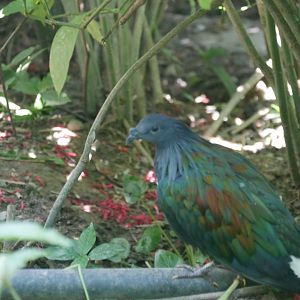
Day One, Part One.
Cairns Aquarium - Part One
I'll be splitting the review of Cairns Aquarium into two parts, the first containing the freshwater and terrestrial animals and exhibits, and the latter containing saltwater animals. The entry fee for the Aquarium is 52 AUD (At the time of writing this roughly equates to 34 USD, 31 Euro, 27 Pound), which is quite high, for me however, it was well worth it. Species as of 4/23
The first row of tanks consists of seven wall tanks and a circular tank for freshwater fish of the Wet Tropics region. The first tank contains
Jungle Perch, other exhibits have species such as
Long-finned Eel, Freshwater Moray Eel, Tandanus Catfish, Sleepy Cod, Pig-nosed Turtle, and the very rare
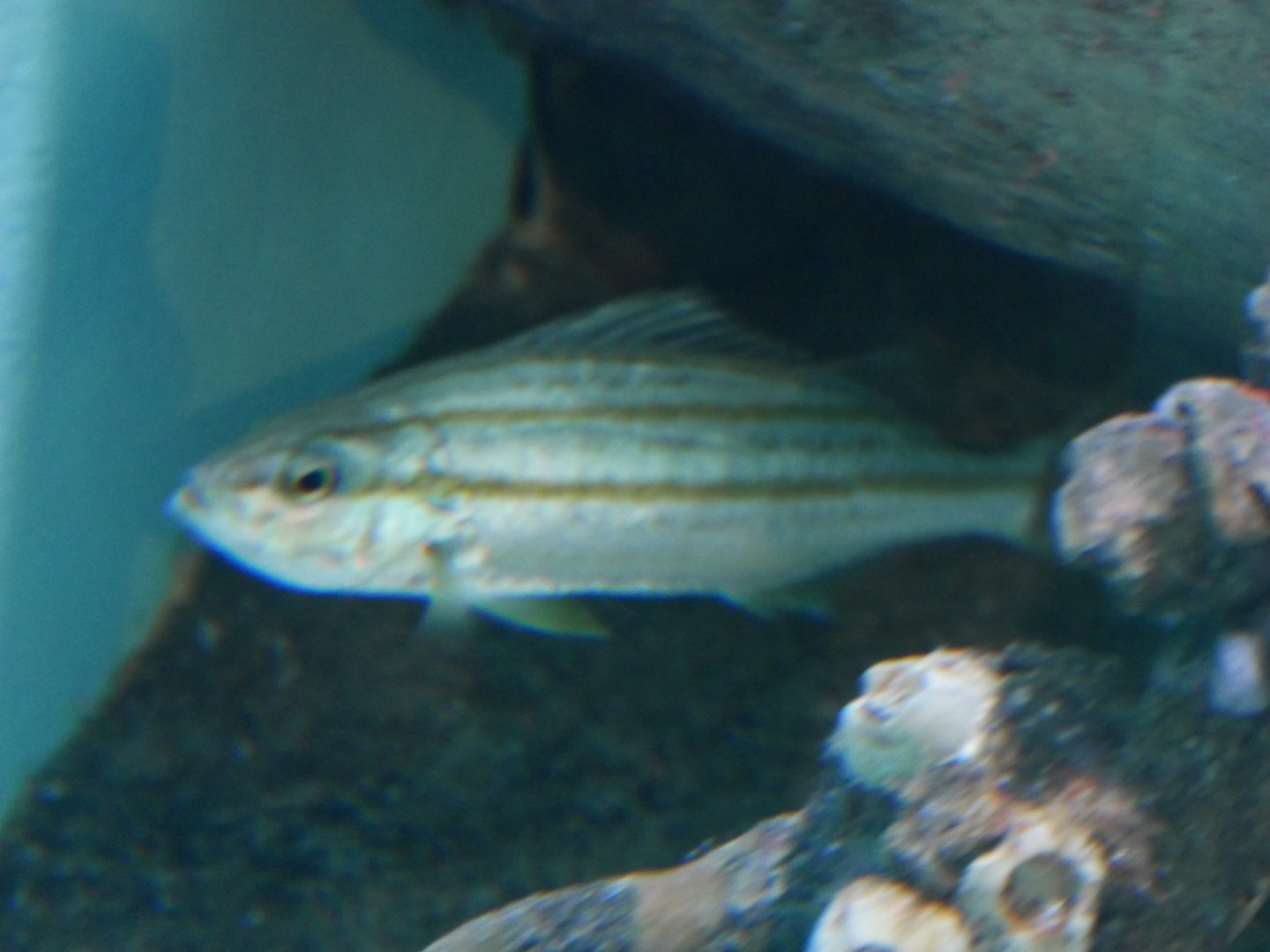
Khaki (Tully River) Grunter. A diverse array of fish kept in generally spacious aquaria.
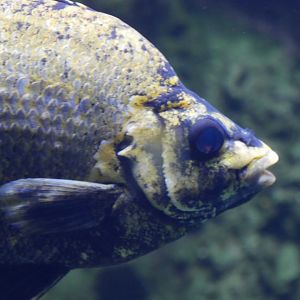
Exiting the bend, there are four more tanks before the main attraction of the area, the first tank is a circular exhibit containing tropical Eel-tailed Catfish species and Rainbowfish. While the signage may at first glance appear to be for Lake Eacham Rainbowfish, these are actually just
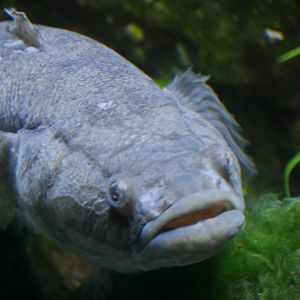
Eastern Rainbowfish. The other three exhibits are box shaped, the first houses a
Bullrout, sometimes known as the 'freshwater stonefish' and although they aren't deadly, they are still highly venomous and should be treated with great respect. At the time of visiting the other two contained aquatic invertebrates, one with a species of
Macrobranchium shrimp and the other a
Red-Claw Crayfish. These Crayfish are found invasive in tropical and sub-tropical parts of the world on at least three continents.
The crowning jewel of the zone,
River Monsters is Australia's largest indoor tank entirely dedicated to freshwater fish, while a few of the species such as
Khaki Grunter, Barramundi, Barcoo Grunter and
Northern Saratoga, would have been seen in prior exhibits there are also
Mangrove Jack, a
Silver Grunter,
Forktail Catfish and most impressively,
Australian Freshwater Whiprays, one of the most interesting Stingray species that can be seen in Aquariums globally, as the name suggests, they inhabit full freshwater and often are found in the same rivers as large predators such as Bull Sharks, Saltwater Crocodiles and Sawfish. Speaking of Sawfish, there was once an individual held in this exhibit, however it outgrew the tank. The educational material throughout this whole section, and the Aquarium as a whole is well presented and generally informative, however, the same cannot be said for the animal signage, as is the case with Australian Aquariums, very few species are signed, however in the Freshwater section, the coverage rate is very good since there are few species per tank.
Up the elevator and into the
Rainforest of the Wet Tropics, there is an abundance of educational material pertaining to the rainforests of the area. The first exhibit is that of one of North Queensland's most common snake species the
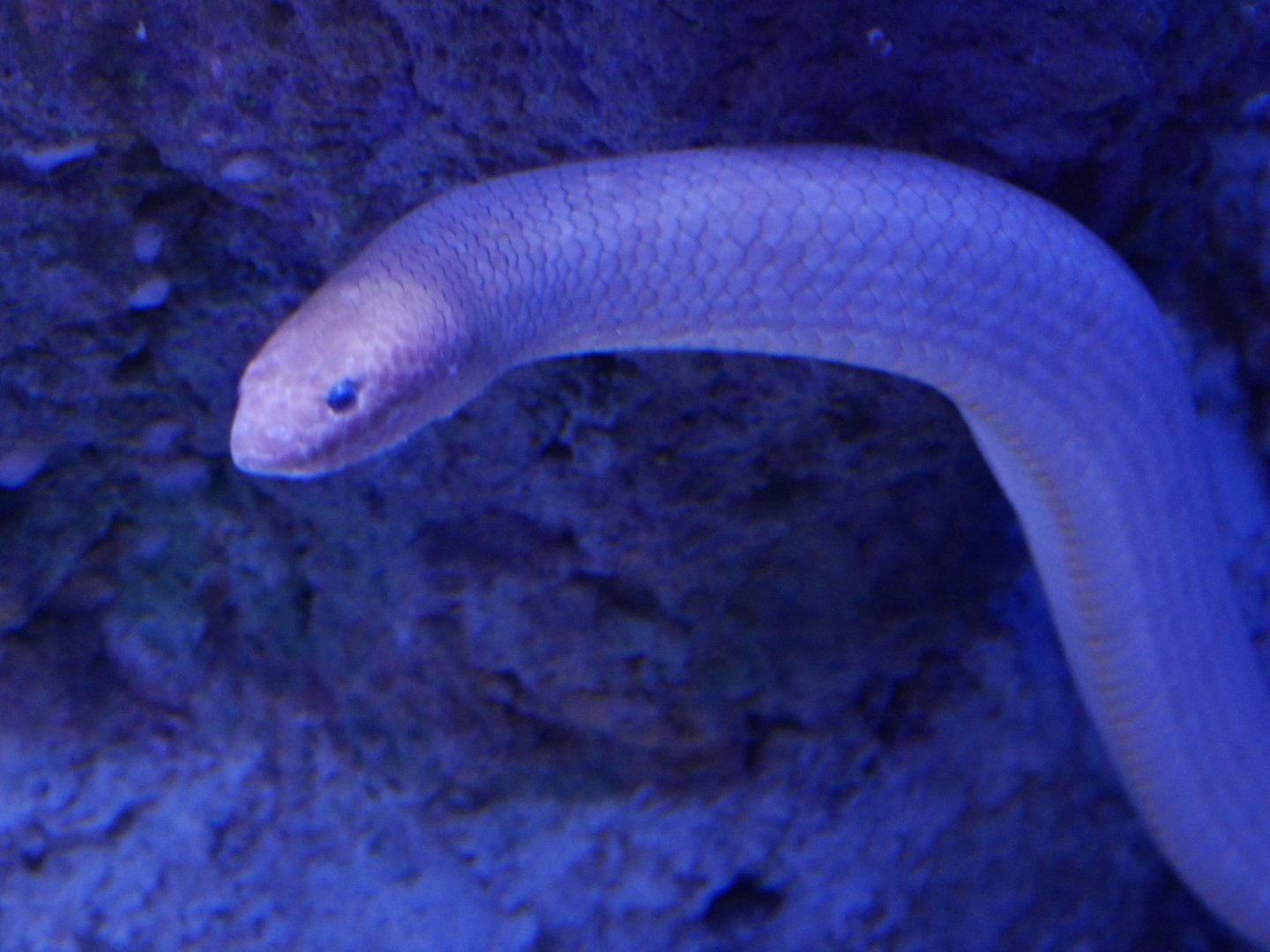
Freshwater Keelback, one of Australia's few colubrids and can famously consume Cane Toads without ill effect. Next is tank for turtles, specifically
Cann's Snake-necked Turtle and the pretty
Jardine River Turtle. There are then five wall exhibits for herps, including
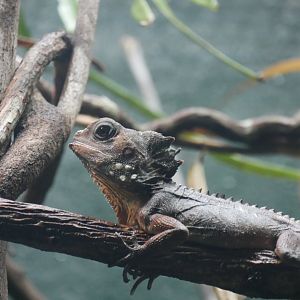
Eastern Water Dragon, Carpet Python, Water Python, Australian Mangrove Monitor, Boyd's Forest Dragon and
Pink Tongued Skink.
Another large exhibit with turtles, this time
Kreft's River Turtle, also accompanied by fish in
Coal Grunter and
Australian Snakehead Gudgeon and also a juvenile
Freshwater Crocodile. Afterwards is another set of this time, somewhat smaller terrariums containing more wet tropics species such as
Common Tree Snake, Northern Leaf Tailed Gecko, Orange Thighed Tree Frog, Green Tree Frog, Wilcox's Frog, Crowned Stick Insect, Common Tree Snake, Spotted Tree Monitor, Northern Barred Frog, Spotted Python and others. In between the Crocodile enclosure and this next enclosure viewable on both sides is an enclosure for
Green Tree Python. Undoubtedly the highlight for the rainforest is a large mixed species terrarium for
Emerald Tree Monitors and
Major Skinks. There is also an enclosure with
Scrub Python around here but I can't remember exactly where and what it's held with. The final exhibit is another mixed species enclosure this time with
Common Blue Tongue Lizards and
Frilled Lizards. Stay tuned for Part 2, where we cover the reef!