Zoo/Aquarium Hot Takes

I feel like defining what counts as ABC species here already is a hot take on it self.

I just read about someone calling penguins, crocodilians, pelicans, meerkats, otters, leopards (incl. snow leopard), okapi and red panda not a ABC species, whilst they all are; yes okapi too nowadays.

Truthfully ABC species these days, if you ask me, is a much larger pool of species that is not just;
Elephants, ape, monkey, giraffe, zebra, antelope, snake, parrot.

It has most definitely grown in the past years. Lemurs, aardvarks, capybara, okapi, armadillos, anteaters, pangolin are all getting more known it feels like, to me, compared to the ABC of animals books I grew up 15 years back. In those books them most unique species were animals like the Yak. I notice how my friends who have no particular interest in zoos or nature also all know these animals. Why? Mostly because of interner memes or other media traction. But in the end my generation ends up getting to know these animals and possibly pass down this information onto the next generations. Creating new ABC's in the process.

I think that ABC species often just get a bad reputation on ZooChat because they are considered ABC = popular = common species. Whilst if you look at the species individually, the amounts of educational value such a species holds, the endangerment status of many ABC's, and how unique some ABC's are within the natural world. I think there is no way to say that ABC's are a bad thing. Sure you folks may prefer seeing a quirky rare mongoose instead of a meerkat or prefer bonobos over gorillas, and subspecies nerds will appreciate some oddity like a maneless zebra more then the general run of the mill plains zebra subspecies like grant's. But either species still hold much value for a zoo.
Sure ZooChatters or Zoonerds in general may not enjoy looking at gorillas again and will walk by to see some random rat species or a rare bird species. But in the end zoos probably moreso look into what the general public would like to see, or can learn from. And the ABC's are probably the best ones to do the job.

Sure people will look at a hispids cotton rat for a minute or so when they're active. But they will not remember it as a hispids cotton rats. They will just say they saw some mouse or rat at the zoo. Rare species in zoos also, at least within the Netherlands, don't feel like they get any proper length of educational material at all. They're just there being rare and pretty in their exhibits. Whilst meanwhile zoos could push to make rarer species ABC's themselves.

In the end I think there is no bad thing about ABC animals in zoos.

And people who believe that zoos ''trending'' to focus more on ABC species because they simply are enlarging habitats to meet more modern husbandry standards and strive for progressive husbandry, and then cry about it online, that's just dumb.

So my hot take is;
- Stop crybabying about ABC species

People know yak because it's usually the species for Y in the many animal alphabet things, and it's an easy name to pronounce and remember, unlike Quetzal :P
 
What form of exhibitry do you think avoids best this kind of response? I'm racking my brain trying to think.
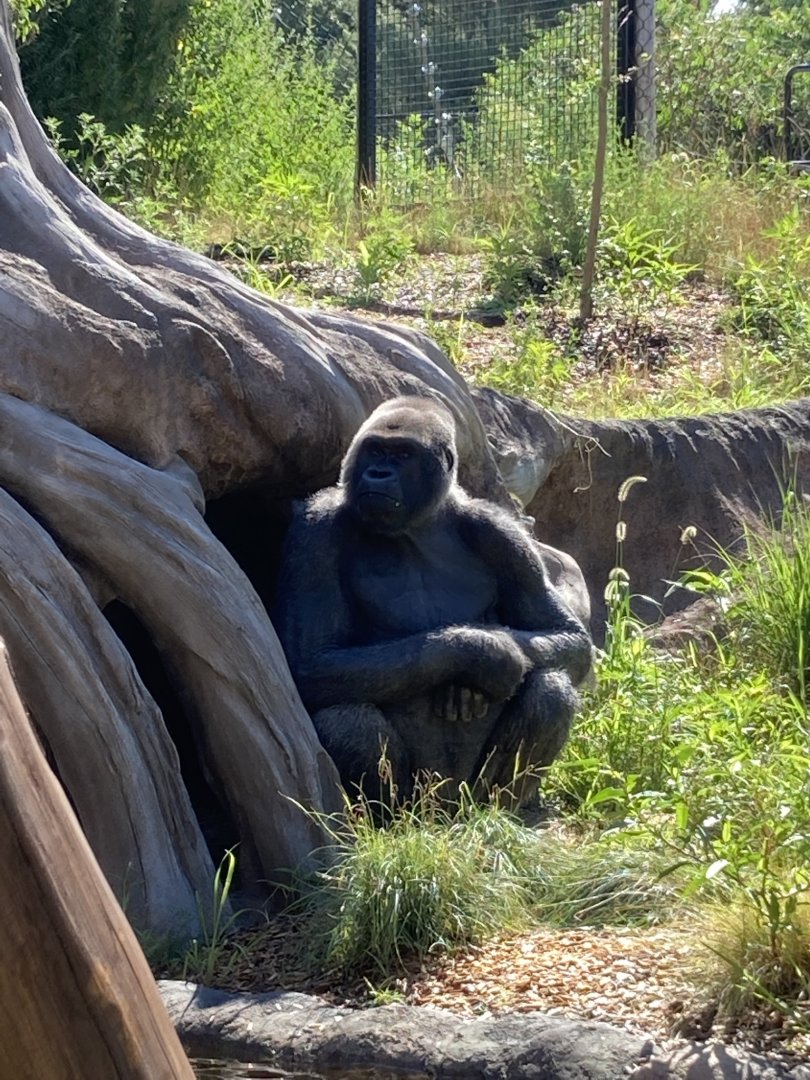
I should have worded my comment differently. I don't really hate them or think they should all be closed off from the public, I just feel they're a lot easier to be used in the wrong way with the "right picture" than a large grassy area separated by a moat. I just feel like something like the first picture is easier to be manipulated by anti-zoo people than the second one.
images


images
 
I agree and again should've worded my response to this thread differently. They for sure have their purpose and having an indoor area that the public can see is better than just having an outdoor area that will have no animals for the colder days, I just feel these indoor spaces can be twisted into looking bad way easier than a large area separated by a moat.
 
I should have worded my comment differently. I don't really hate them or think they should all be closed off from the public, I just feel they're a lot easier to be used in the wrong way with the "right picture" than a large grassy area separated by a moat. I just feel like something like the first picture is easier to be manipulated by anti-zoo people than the second one.
images


images

The first picture is of an outdoor exhibit from the week that it opened to the public. By now, the plantings have really grown in, and it looks a lot better-- way better than that photograph makes it seem. I don't have a specific picture from that angle to show how it has changed since then, but here is a different one that may be at least somewhat demonstrative of my point:


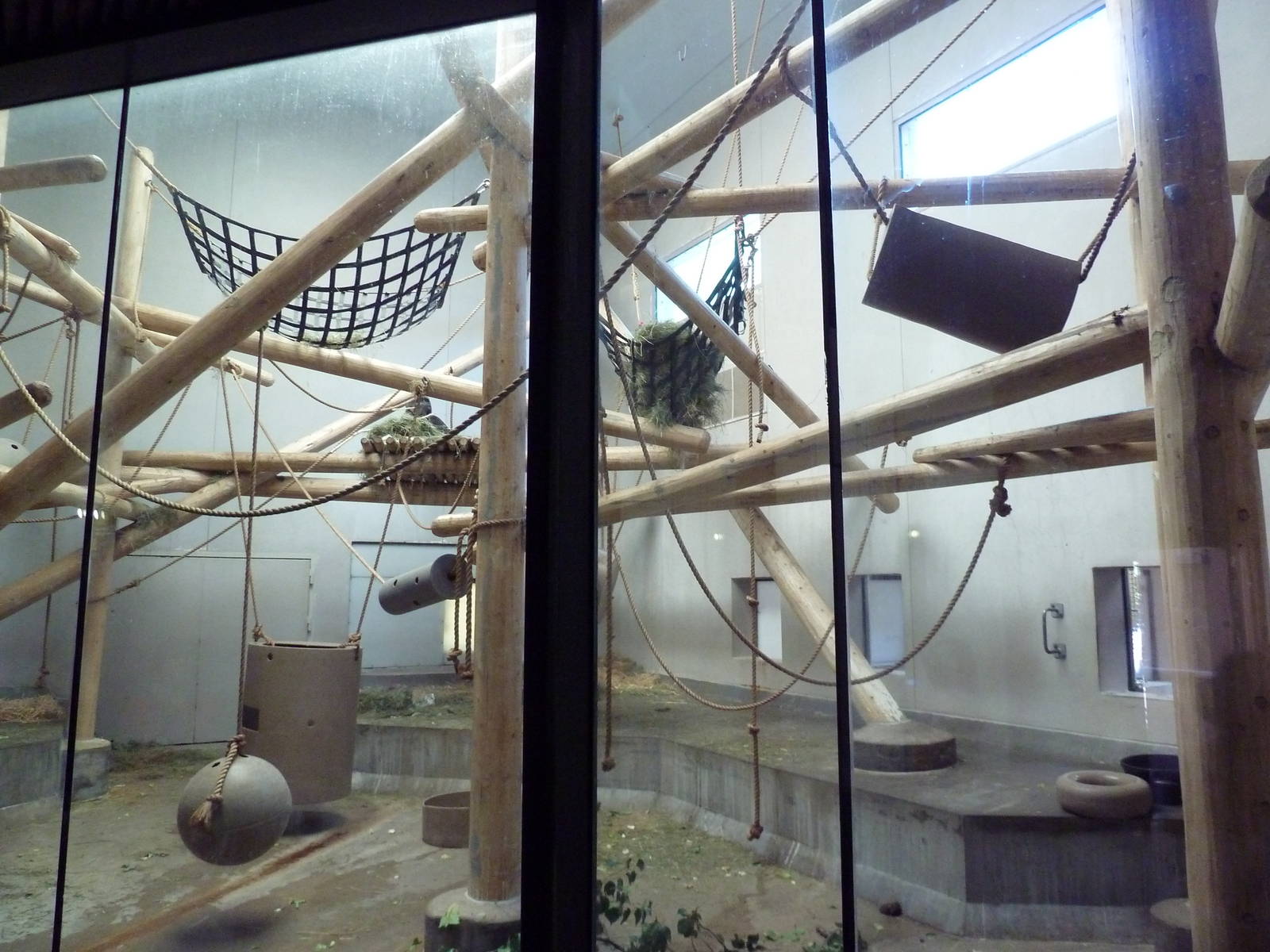
To me, pictures of behind-the-scenes animal holding areas, or indoor great ape exhibits like this, are much more likely to fuel anti-zoo opinions:

 
I should have worded my comment differently. I don't really hate them or think they should all be closed off from the public, I just feel they're a lot easier to be used in the wrong way with the "right picture" than a large grassy area separated by a moat. I just feel like something like the first picture is easier to be manipulated by anti-zoo people than the second one.
images


images
I agree and again should've worded my response to this thread differently. They for sure have their purpose and having an indoor area that the public can see is better than just having an outdoor area that will have no animals for the colder days, I just feel these indoor spaces can be twisted into looking bad way easier than a large area separated by a moat.
Moats, in my opinion, are frankly a big waste of space. Why have a large area of land unusable by animals when there are windows or fences that could allow the animals more space to access? If used sparingly and properly, I can get behind them in some cases, but overall would much rather see other forms of barriers. Furthermore, I'd also call fences a safer alternative to moats, for both animals and guests. Every now and then, you see a news story about someone jumping over a moat into an animal exhibit, something that's much less likely to occur with a window/fence. There's also occasionally been stories/problems of animals falling into or being injured by moats- something that again would've been impossible with a different barrier. Thirdly, moats are also costly. That's a lot of ground to be moved when designing an exhibit, and if/when the exhibit is renovated/demolished it would also be more expensive than a different form of barrier. So, all in all, while I have nothing against properly designed moats used sparingly, it's not something I'd recommend in most cases. Plus, if we want to talk gorillas specifically, I've never seen a moated exhibit that provides enough vertical space for the gorillas, something that Franklin Park Zoo's exhibit does a really good job of.
 
Moats, in my opinion, are frankly a big waste of space. Why have a large area of land unusable by animals when there are windows or fences that could allow the animals more space to access? If used sparingly and properly, I can get behind them in some cases, but overall would much rather see other forms of barriers. Furthermore, I'd also call fences a safer alternative to moats, for both animals and guests. Every now and then, you see a news story about someone jumping over a moat into an animal exhibit, something that's much less likely to occur with a window/fence. There's also occasionally been stories/problems of animals falling into or being injured by moats- something that again would've been impossible with a different barrier. Thirdly, moats are also costly. That's a lot of ground to be moved when designing an exhibit, and if/when the exhibit is renovated/demolished it would also be more expensive than a different form of barrier. So, all in all, while I have nothing against properly designed moats used sparingly, it's not something I'd recommend in most cases. Plus, if we want to talk gorillas specifically, I've never seen a moated exhibit that provides enough vertical space for the gorillas, something that Franklin Park Zoo's exhibit does a really good job of.
I never thought of any of that. Those are some good points. I guess at the end of the day it doesn't matter what a zoo habitat looks like to an anti-zoo person, they'll despise it either way. So maybe I should show these indoor and glass-viewing areas more appreaciation.
 
The first picture is of an outdoor exhibit from the week that it opened to the public. By now, the plantings have really grown in, and it looks a lot better-- way better than that photograph makes it seem. I don't have a specific picture from that angle to show how it has changed since then, but here is a different one that may be at least somewhat demonstrative of my point:


To me, pictures of behind-the-scenes animal holding areas, or indoor great ape exhibits like this, are much more likely to fuel anti-zoo opinions:

Good to know. That was just the best example I could find when I looked by gorillas in zoos, but it doesn't look bad to me personally, just probably to someone who doesn't care for zoos, but then again that would be the case for any zoo exhibit to them, most likely.
 
Zoos should do more to educate on the natural history, diversity, and conservation of invertebrates, plants, and even fungi.

Some farm exhibits should have sections devoted to modern, sustainable agricultural practices (think Epcot’s “Living with The Land” greenhouses).
 
The main reason I don't like them much is that it's easy for pictures of these habitats to be used as anti-zoo propaganda.
I just feel these indoor spaces can be twisted into looking bad way easier than a large area separated by a moat.

While I understand the logic here, in general I don't believe these are good reasons for zoos to not do or build something a certain way. Zoo enclosures and practices should be designed based on what works best for animals, keepers, and visitors, not what is slightly less "propagandize-able" as anti-zoo content. Putting image ahead of best practice would not be a good ordering of priorities.
 
I should have worded my comment differently. I don't really hate them or think they should all be closed off from the public, I just feel they're a lot easier to be used in the wrong way with the "right picture" than a large grassy area separated by a moat. I just feel like something like the first picture is easier to be manipulated by anti-zoo people than the second one.
images


images
I did not think of moats until after I made my reply - thank you for clarifying. I can understand what you mean much better now.
 
Considering how often this site complains about abc species, it's definitely a little accurate. Although it's childish to call others that.
Then let them complain about it. I see the necessity of ABC species as visitor attractions and crowd pleasers that generate considerable income. But I'm not blind to the disadvantages their special status and thus treatment can bring to lesser known species, conservation and the economy of a zoo. And if you still feel that this opinion makes me a "crybaby" @Ursus , then please, do feel free to come to WdG to tell me that in person. ;)
Zoos should do more to educate on the natural history, diversity, and conservation of invertebrates, plants, and even fungi.
I appreciate your interdisciplinary approach; yet the eponymous focus of ZOOs on zoology would have to be re-considered then.:)
 
Last edited:
I should have worded my comment differently. I don't really hate them or think they should all be closed off from the public, I just feel they're a lot easier to be used in the wrong way with the "right picture" than a large grassy area separated by a moat. I just feel like something like the first picture is easier to be manipulated by anti-zoo people than the second one.
Gorillas tend not to like "large grassy areas" because they don't like being exposed, and moats are actually dangerous for apes - many apes around the world have drowned in zoo moats.
 
On the topic of moats, Chester, which if I am not mistaken were one of the first to use moats for apes, still use a moated exhibit for their chimps. Does anyone know if they have had any incidents with their moat?
 
For that reason I'm surprised water moats haven't been phased out a bit quicker in ape exhibits. I've read some ape care manuals and they all recommend against the use of water moats, citing various drowning incidents.
It's not only water moats. Dry moats can also be a danger- with animals (and idiotic guests) running the risk of falling in. Ideally, if a zoo wants a "moat-like" habitat, the ideal imo is one in which the animals can still access the dry moat safely. One of my local zoos, Capron Park, has this with their lions and sloth bear, and while the exhibits do have other problems with them, it's nice to see a dry moat with a gradual slope on the animal side and then a steep slope on the visitor side, such that animals can still access it.

Edit: here's a decent photo from the zc gallery showing the aforementioned moat, which the sloth bears can (and regularly do) enter, but a steeper wall and hot wire prevent them from exiting on the visitor side.
Sloth Bear Habitat
sloth-bear-habitat.536799

sloth-bear-habitat.536799
 
Last edited:
Gorillas tend not to like "large grassy areas" because they don't like being exposed, and moats are actually dangerous for apes - many apes around the world have drowned in zoo moats.
True, I just used those gorilla pics as an example because they're so different, but the grassy area description was more in reference to animals like savanna animals or maybe some bears. Apes just became the main topic since I was almost mainly referencing indoor ape areas, but I am also referencing any animal behind glass (lions come to mind) compared to from behind a moat, of course with trees and other things in the habitat that ensure it isn't bare.
 
Oh, there is. Among others, denouncing other ZooChatters as "crybabies" if they do not agree with your take. ;)

Just a general remark really, nothing personal. But I don't call people a crybaby just because they don't agree with my thinking. I'm not that terrible. I value peoples opinions but I do think that from time to time there is a bit of unnecessary attitude towards ABC animals in threads across the platform.

Considering how often this site complains about abc species, it's definitely a little accurate. Although it's childish to call others that.

That's why it's my hot take.
In hindsight, I agree, it was a childish move on my part.

Then let them complain about it. I see the necessity of ABC species as visitor attractions and crowd pleasers that generate considerable income. But I'm not blind to the disadvantages their special status and thus treatment can bring to lesser known species, conservation and the economy of a zoo. And if you still feel that this opinion makes me a "crybaby" @Ursus , then please, do feel free to come to WdG to tell me that in person. ;)

I don't understand why I would call you a crybaby for WdG? Because it has no meerkat or elephant? I'm not following you.

In the end I used the word crybaby to overexeggerate and amplify my take. That I do believe that ABC's often get a bad rep on ZooChat, sometimes for good reasons, but sometimes not as much. There's ofcourse downs to a zoo focussing on just ABC's and all that jazz, I believe in that as well. By all means, I did not mean to offend anyone with the term.
 
“Exotic-domestic” bovines like Yak and Water Buffalo should be more common in AZA zoos. I know these are both domestic species, but their wild counterparts are basically non-existent outside of Asia (afaik) and varying degrees of threatened. Why not use domestic yaks and buffaloes to educate the general public on the plight of their wild cousins?
In a similar vein, Watusi could be displayed to educate guests on desertification in Africa, or endangered domestic breeds.
Also, I think all 3 of these animals are neat and I just want to see more of them. ;)
Please I only see an average of one yak every three years I’d do anything to see them more often.
 
Back
Top