ZooChat Big Year 2020

BIRDS:
1 Cooper's Hawk - Accipiter cooperii
2 American Kestrel - Falco sparverius
3 Eurasian Collared-Dove - Streptopelia decaocto
4 Ring-billed Gull - Larus delawarensis
5 American White Pelican - Pelecanus erythrorhynchos
6 Bald Eagle - Haliaeetus leucocephalus
7 Northern Flicker - Colaptes auratus
8 American Crow - Corvus brachyrhynchos
9 Black-capped Chickadee - Poecile atricapillus
10 Carolina Wren - Thryothorus ludovicianus
11 Eastern Bluebird - Sialia sialis
12 American Robin - Turdus migratorius
13 Dark-eyed Junco - Junco hyemalis
14 Common Goldeneye - Bucephala clangula
15 Northern Harrier - Circus hudsonius
16 Red-tailed Hawk - Buteo jamaicensis
17 Red-bellied Woodpecker - Melanerpes carolinus
18 European Starling - Sturnus vulgaris
19 American Goldfinch - Spinus tristis
20 American Tree Sparrow - Spizelloides arborea
21 Northern Shoveler - Spatula clypeata
22 Gadwall - Mareca strepera
23 Great Blue Heron - Ardea herodias
24 Eastern Meadowlark - Sturnella magna
25 Rock Pigeon - Columba livia
26 Cackling Goose - Branta hutchinsii
27 Canada Goose - Branta canadensis
28 Wood Duck - Aix sponsa
29 Mallard - Anas platyrhynchos
30 Downy Woodpecker - Dryobates pubescens
31 Blue Jay - Cyanocitta cristata
32 Yellow-rumped Warbler - Setophaga coronata
33 Northern Cardinal - Cardinalis cardinalis

MAMMALS:
1 Eastern Fox Squirrel - Sciurus niger
2 White-tailed Deer - Odocoileus virginianus


BIRDS:
34 Mourning Dove - Zenaida macroura
35 Greater White-fronted Goose - Anser albifrons
36 Redhead - Aythya americana
37 Greater Scaup - Aythya marila
38 Bufflehead - Bucephala albeola
39 Hooded Merganser - Lophodytes cucullatus
40 Ruddy Duck - Oxyura jamaicensis
41 Pied-billed Grebe - Podilymbus podiceps
42 Double-crested Cormorant - Phalacrocorax auritus
43 Song Sparrow - Melospiza melodia
 
Minor update - classic car park bird found in car park.

Birds:
32. Pied Wagtail - Motacilla alba

:)
 
Around Moonlit yesterday.

Mammals

1. European rabbit Oryctolagus cuniculus
Are rabbits really endangered?​

Birds

27. Galah Eolophus roseicapilla
28. Eastern rosella Platycercus eximius
29. Australian magpie Gymnorhina tibicen

Invertebrates

1. Monarch Danaus plexippus

Today was my first day off work since Christmas Day, so Sue and I went swimming at Hastings pool and then lunch at a cafe near the pier. In the time we were in the pool a dense smoke haze had rolled in from the East Gippsland fires.

Birds

30. Silver gull Chroicocephalus novaehollandiae
31. Australian white ibis Threskiornis molucca
32. Australian pelican Pelecanus conspicillatus

Am yet to pick up binoculars this year, so looking forward to some serious birdwatching soon.

 
January 1 done and dusted. Very nice start to the year coming back from Terrick-Terrick NP! The Paradise Shelduck was reported at the Western Treatment Plant today and all signs point to it being a genuine vagrant - mainland Australia's second record!

MAMMALS
Victoria, Australia
1 - Fat-tailed Dunnart (Sminthopsis crassicaudata)
2 - European Rabbit (Oryctolagus cuniculus)
3 - Eastern Grey Kangaroo (Macropus giganteus)

BIRDS
Victoria, Australia
1 - Australian Pipit (Anthus australis)
2 - Eastern Barn Owl (Tyto javanica)
3 - Nankeen Kestrel (Falco cenchroides)
4 - Tawny Frogmouth (Podargus strigoides)
5 - Australian Owlet-nightjar (Aegotheles cristatus)
-- Pied Butcherbird (Cracticus nigrogularis) [heard]
-- Peaceful Dove (Geopelia placida) [heard]
6 – Galah (Eolophus roseicapilla)
7 - Red-rumped Parrot (Psephotus haematonotus)
8 - White-winged Chough (Corcorax melanorhamphos)
9 - Brown Treecreeper (Climacteris picumnus)
-- Grey Shrikethrush (Colluricincla harmonica) [heard]
-- Gilbert’s Whistler (Pachycephala inornata) [heard]
10 - Hooded Robin (Melanodryas cucullata)
11 - Willie Wagtail (Rhipidura leucophrys)
12 - Australian Raven (Corvus coronoides)
13 - White-plumed Honeyeater (Lichenostomus penicillatus)
14 - Wedge-tailed Eagle (Aquila audax)
15 - Red-capped Robin (Petroica goodenovii)
16 - Rainbow Bee-eater (Merops ornatus)
17 - Australian Magpie (Cracticus tibicen)
18 - Common Bronzewing (Phaps chalcoptera)
19 - Crested Pigeon (Ocyphaps lophotes)
20 - Superb Fairywren (Malurus cyaneus)
21 - Yellow-rumped Thornbill (Acanthiza chrysorrhoa)
22 - House Sparrow (Passer domesticus)*
23 - Common Myna (Acridotheres tristis)*
24 - Common Starling (Sturnus vulgaris)*
25 - Southern Whiteface (Aphelocephala leucopsis)
26 - Fairy Martin (Petrochelidon ariel)
27 - Black-tailed Nativehen (Tribonyx ventralis)
28 - Brown Songlark (Megalurus cruralis)
29 - White-winged Fairywren (Malurus leucopterus)
30 - Straw-necked Ibis (Threskiornis spinicollis)
31 - Australian Pratincole (Stiltia isabella)
32 - White-fronted Chat (Epthianura albifrons)
33 - Black Kite (Milvus migrans)
34 - White-necked Heron (Ardea pacifica)
35 - Australian Wood Duck (Chenonetta jubata)
36 - Masked Lapwing (Vanellus miles)
37 - Australian Hobby (Falco longipennis)
38 - Feral Pigeon (Columba livia)*
39 - Magpie-lark (Grallina cyanoleuca)
40 - Welcome Swallow (Hirundo neoxena)
41 - Brown Falcon (Falco berigora)
42 - Little Raven (Corvus mellori)
43 - Whiskered Tern (Chlidonias hybrida)
44 - Eurasian Coot (Fulica atra)
45 - Hoary-headed Grebe (Poliocephalus poliocephalus)
46 - Australasian Swamphen (Porphyrio melanotus)
47 - Pied Stilt (Himantopus leucocephalus)
48 - Black Swan (Cygnus atratus)
49 - Australian White Ibis (Threskiornis moluccus)
50 - Little Pied Cormorant (Microcarbo melanoleucos)
51 - Little Black Cormorant (Phalacrocorax sulcirostris)
52 - Great Cormorant (Phalacrocorax carbo)
53 - Australian Shelduck (Tadorna tadornoides)
54 - Grey Teal (Anas gracilis)
55 - Chestnut Teal (Anas castanea)
56 - Paradise Shelduck (Tadorna variegata)
57 - Pink-eared Duck (Malacorhynchus membranaceus)
58 - Pacific Black Duck (Anas superciliosa)
59 - Hardhead (Aythya australis)
60 - Australasian Shoveler (Anas rhynchotis)
61 - Australian Pied Cormorant (Phalacrocorax varius)
62 - Australian Pelican (Pelecanus conspicillatus)
-- Little Grassbird (Megalurus gramineus) [heard]
63 - Red-kneed Dotterel (Erythrogonys cinctus)
64 - Sharp-tailed Sandpiper (Calidris acuminata)
65 - Red-necked Stint (Calidris ruficollis)
66 - Curlew Sandpiper (Calidris ferruginea)
67 - Whistling Kite (Haliastur sphenurus)
68 - Red-necked Avocet (Recurvirostra novaehollandiae)
69 - Blue-billed Duck (Oxyura australis)
70 - Swamp Harrier (Circus approximans)
71 - Cape Barren Goose (Cereopsis novaehollandiae)
72 - Eurasian Skylark (Alauda arvensis)*
-- Australian Reed Warbler (Acrocephalus australis)
73 - Silver Gull (Chroicocephalus novaehollandiae)
74 - Bar-tailed Godwit (Limosa lapponica)
75 - Australian Pied Oystercatcher (Haematopus longirostris)
76 - Greater Crested Tern (Thalasseus bergii)
77 - Black-shouldered Kite (Elanus axillaris)
78 - Rainbow Lorikeet (Trichoglossus moluccanus)
79 - Sulphur-crested Cockatoo (Cacatua galerita)
80 - Red Wattlebird (Anthochaera carunculata)
81 - Noisy Miner (Manorina melanocephala)
82 - Long-billed Corella (Cacatua tenuirostris)
83 - Little Wattlebird (Anthochaera chrysoptera)
-- Pied Currawong (Strepera graculina) [heard]
I'm removing Paradise Shelduck from my list now. A few experts are now considering the likelihood that it may genuinely be a mutant Australian Shelduck despite the strange appearance. Time will tell but for the time being I'd rather not count it.

BIRDS
83 - Common Blackbird (Turdus merula)
-- Grey Butcherbird (Cracticus torquatus) [heard]
84 - Little Corella (Cacatua sanguinea)
85 - Australian Reed Warbler (Acrocephalus australis)
86 - Spotted Pardalote (Pardalotus punctatus)
87 - Dusky Moorhen (Gallinula tenebrosa)
88 - Buff-banded Rail (Gallirallus philippensis)
89 - Australasian Grebe (Tachybaptus novaehollandiae)
90 - Musk Lorikeet (Glossopsitta concinna)
91 - Great Egret (Ardea alba)
92 - Spotless Crake (Porzana tabuensis)
93 - New Holland Honeyeater (Phylidonyris novaehollandiae)
94 - European Goldfinch (Carduelis carduelis)*
95 - Latham's Snipe (Gallinago hardwickii)
96 - Black-fronted Dotterel (Elseyornis melanops)
97 - Royal Spoonbill (Platalea regia)
98 - Eurasian Tree Sparrow (Passer montanus)*

REPTILES
1 - Murray River Turtle (Emydura macquarii)

INVERTEBRATES
-- scorpion sp.
1 - European Honey Bee (Apis mellifera)*
 
Last edited:
Going back the shelduck discussion, I found it to be much more similar to the South African shelduck. Here is the original photo:

shelduck.PNG

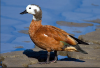
And here is a female South African shelduck:

sa shelduck.PNG

The facial markings are extremely similar, with the dark grey feathers extending over the ear area of the face, then receding down the neck. The beak is the same black colour, the tail feathers are both black with a tinge of grey on top and a hint of green, and the overall body colour is the same. I'm inclined to think it was actually a South African. It even has the same white collar.
 

Attachments

  • shelduck.PNG
    shelduck.PNG
    270.4 KB · Views: 41
  • sa shelduck.PNG
    sa shelduck.PNG
    304.1 KB · Views: 41
Last edited:
I had a fantastic start of the birding year at the Dutch coast yesterday, mainly to find wintering seabirds. While we did not see as many species as previous years, we had fantastic sightings of many birds we were eager to see. Highlights were close up encouters with longspurs and Shore Larks, a pair of absolutely stunning Long-Tailed Ducks and three species of divers.

Birds
21. Greylag Goose, Anser anser
22. Dunnock, Prunella modularis
23. Eurasian Wren, Troglodytes troglodytes
24. Redwing, Turdus iliacus
25. Great Cormorant, Phalacrocrax carbo
26. European Herring Gull, Larus argentatus
27. Eurasian Curlew, Numenius arquata
28. Fieldfare, Turdus pilaris
29. Black-Headed Gull, Chroicocephalus ridibundus
30. Eurasian Oystercatcher, Haematopus ostralegus
31. Eurasian Wigeon, Mareca penelope
32. Grey Plover, Pluvialis squatarola
33. Great Black-Backed Gull, Larus marinus
34. Barnacle Goose, Branta leucopsis
35. Eurasian Skylark, Alauda arvensis
36. Sanderling, Calidris abla
37. Great Crested Grebe, Podiceps cristatus
38. Common Shelduck, Tadorna tadorna
39. Peregrine Falcon, Falco peregrinus
40. Meadow Pipit, Anthus pratensis
41. Shore Lark, Eremophila alpestris
42. Mallard Duck, Anas platyrhynchos
43. Mew Gull, Larus canus
44. Gadwall, Mareca strepera
45. Lapland Longspur, Calcarius lapponicus
46. Greater White-Fronted Goose, Anser albifrons
47. Common Kestrel, Falco tinnunculus
48. Grey Heron, Ardea cinerea
49. Egyptian Goose, Alopochen aegyptiaca
50. Western Jackdaw, Coloeus monedula
51. Eurasian Coot, Fulica atra
52. Ruddy Turnstone, Arenaria interpres
53. Red-Breasted Merganser, Mergus serrator
54. Common Redshank, Tringa totanus
55. Red-Throated Diver, Gavia stellata
56. Slavonian Grebe, Podiceps auritus
57. Common Eider, Somateria mollissima
58. Common Goldeneye, Bucephala clangula
59. Great Northern Diver, Gavia immer
60. Common Scoter, Melanitta nigra
61. Northern Shoveler, Spatula clypeata
62. Tufted Duck, Aythya fuligula
63. Brant Goose, Branta bernicla
64. Long-Tailed duck, Clangula hyemalis
65. Common Buzzard, Buteo buteo
66. Great Egret, Ardea alba
67. Little Grebe, Tachybaptus ruficollis
68. Black-Throated Diver, Gavia arctica
69. Black-Eared Grebe, Podiceps nigricollis
70. Common Starling, Sturnus vulgaris

Mammals
1. Harbour Seal, Phoca vitulina
2. Grey Seal, Halichoerus grypus

Maybe not interesting to most people here, but we also found two plant species rare in the Netherlands: Sea Rush (Juncus maritimus) and Sea Spurge (Euphorbia paralias).
 
@amur leopard I do agree the bird looks similar to a Cape Shelduck and the more I look into it, the less like a juvenile female Paradise Shelduck it seems. It seems this bird is probably the very same as a bird that was seen in 2013, and perhaps even in 2006, and if this is the case it cannot be a Paradise Shelduck. The white on the face is a little more extensive than in Cape but nothing in the plumage rules it out. I'm just no longer sure we can rule out that it is a mutant Aussie Shelduck showing similarity to Cape as a result of an atavism. This would also seem more likely, given that the only way a Cape Shelduck could have arrived in Australia would be as a ship-assisted vagrant or as an illegal escapee, given the species has never been kept in Australia legally.

Blog discussing possibly the same bird in 2013:
Jennifer Spry's Birding Blog: Shelduck at WTP Sunday 7th April
 
@amur leopard I do agree the bird looks similar to a Cape Shelduck and the more I look into it, the less like a juvenile female Paradise Shelduck it seems. It seems this bird is probably the very same as a bird that was seen in 2013, and perhaps even in 2006, and if this is the case it cannot be a Paradise Shelduck. The white on the face is a little more extensive than in Cape but nothing in the plumage rules it out. I'm just no longer sure we can rule out that it is a mutant Aussie Shelduck showing similarity to Cape as a result of an atavism. This would also seem more likely, given that the only way a Cape Shelduck could have arrived in Australia would be as a ship-assisted vagrant or as an illegal escapee, given the species has never been kept in Australia legally.

Blog discussing possibly the same bird in 2013:
Jennifer Spry's Birding Blog: Shelduck at WTP Sunday 7th April

Slightly off topic but how long do these vagrants normally stay for as I’m planning to visit the treatment plant soon. Also to inquire is the place full of beehives and bull ant nests. If so I might give it a pass.
 
@amur leopard I do agree the bird looks similar to a Cape Shelduck and the more I look into it, the less like a juvenile female Paradise Shelduck it seems. It seems this bird is probably the very same as a bird that was seen in 2013, and perhaps even in 2006, and if this is the case it cannot be a Paradise Shelduck. The white on the face is a little more extensive than in Cape but nothing in the plumage rules it out. I'm just no longer sure we can rule out that it is a mutant Aussie Shelduck showing similarity to Cape as a result of an atavism. This would also seem more likely, given that the only way a Cape Shelduck could have arrived in Australia would be as a ship-assisted vagrant or as an illegal escapee, given the species has never been kept in Australia legally.

Blog discussing possibly the same bird in 2013:
Jennifer Spry's Birding Blog: Shelduck at WTP Sunday 7th April
Oh, that's really interesting. That does indeed look like the same bird, in which case it can't be a juvenile Paradise Duck. Probably the only way to get an actual answer would be through DNA.
 
Oh, that's really interesting. That does indeed look like the same bird, in which case it can't be a juvenile Paradise Duck. Probably the only way to get an actual answer would be through DNA.

I reckon its a Cape Shelduck, however it got there. The head shape is different and the neck less slender than the Paradise ones, that's apart from the ageing thing.
 
I'll give this another go this year. I don't expect to collate a very a big list this year but I get personal enjoyment, satisfaction and new-found appreciation from the species I do find.

Birds:
1. Noisy Miner Manorina melanocephala
2. Indian Myna Acridotheres tristis
3. Pied Butcherbird Cracticus nigrogularis
4. Spotted Turtle Dove Spilopelia chinensis
5. Scaly-breasted Lorikeet Trichoglossus chlorolepidotus
6. Torresian Crow Corvus orru
7. Australian White Ibis Threskiornis moluccus
8. Rainbow Lorikeet Trichoglossus moluccanus
9. Welcome Swallow Hirundo neoxena
10. Australasian Figbird Sphecotheres vieilloti
11. Pied Currawong Strepera graculina
12. Australian Magpie Cracticus tibicen
13. Feral Pigeon Columba livia
14. Magpie Lark Grallina cyanoleuca
15. Crested Pigeon Ocyphaps lophotes
16. Straw-necked Ibis Threskiornis spinicollis
17. Brush Turkey Alectura lathami
18. Pacific Black Duck Anas superciliosa
19. Intermediate Egret Ardea intermedia
20. Grey Teal Anas gracilis
21. Purple Swamphen Porphyrio melanotus
22. Dusky Moorhen Gallinula tenebrosa
23. Little Black Cormorant Phalacrocorax sulcirostris
24. Laughing Kookaburra Dacelo novaeguineae
25. Superb Fairy Wren Malurus cyaneus
26. Masked Lapwing Vanellus miles
27. Galah Eolophus roseicapilla
28. Willie Wagtail Rhipidura leucophrys
29. Grey Butcherbird Cracticus torquatus

Herptiles:
1. Eastern Water Dragon Intellagama lesueurii
2. Cane Toad Rhinella marina

Fish:
1. Long-finned Eel Anguilla reinhardtii

Invertebrates
1. Plumbago Blue Leptotes plinius
2. Housefly Musca domestica
3. Meadow Argus Junonia villida
4. Odorous Black Ant Tapinoma sessile
5. Lemon Migrant Butterfly Catopsilia pomona
6. Large Grass-yellow Eurema hecabe
7. Cabbage White Pieris rapae
8. Blue Skimmer Orthetrum caledonicum
9. Scarlet Percher Diplacodes haematodes
10. Red Arrow Rhodothemis lieftincki
11. Golden-tailed Spiny Ant Polyrhachis ammon
12. Green-headed Ant Rhytidoponera metallica
13. Orchard Swallowtail Papilio aegeus
14. Common Crow Butterfly Euploea core
15. Dome Tent Spider Cyrtophora moluccensis
16. European Honeybee Apis mellifera

A few more additions from the garden today.
Herptiles
3. Garden Skink Lampropholis delicata
4. Asian House Gecko Hemidactylus frenatus

Invertebrates
17. Queensland Fruit Fly Bactrocera tryoni
18 Variable Ladybird Coelophora inaequalis
 
Last edited:
Going back the shelduck discussion, I found it to be much more similar to the South African shelduck. Here is the original photo:

View attachment 425667

And here is a female South African shelduck:

View attachment 425668

The facial markings are extremely similar, with the dark grey feathers extending over the ear area of the face, then receding down the neck. The beak is the same black colour, the tail feathers are both black with a tinge of grey on top and a hint of green, and the overall body colour is the same. I'm inclined to think it was actually a South African. It even has the same white collar.

I reckon its a Cape Shelduck, however it got there. The head shape is different and the neck less slender than the Paradise ones, that's apart from the ageing thing.
A single melanin-blocking mutation could have gotten a bird like this from an Aussie female though...
upload_2020-1-3_22-23-26.png

Cape not out of the question (the lack of a complete white collar in particular is promising for Cape versus mutant) but I'm still thinking a mutant is more likely.
 

Attachments

  • upload_2020-1-3_22-23-26.png
    upload_2020-1-3_22-23-26.png
    145.1 KB · Views: 41
Birds:
6. Short Billed Corella (Cacatua sanguinea)
7. Galah (Eolophus roseicapilla)
8. Feral Pigeon (Columba livia)
9. Crested Pigeon (Ocyphaps lophotes)
10. Blue-faced Honeyeater (Entomyzon cyanotis)
11. Masked Plover (Vanellus miles)
12. Welcome Swallow (Hirundo neoxena)
13. Torresian Crow (Corvus orru)
14. Australian Magpie (Cracticus tibicen)

Mammals:
1. Grey-headed Flying Fox (Pteropus poliocephalus)
Birds:
15. Little Egret (Egretta garzetta)
16. Pacific Black Duck (Anas superciliosa)
17. Silver Gull (Chroicocephalus novaehollandiae)
18. Pied Butcherbird (Cracticus nigrogularis)
19. Peewee (Grallina cyanoleuca)
20. Spotted Dove (Spilopelia chinensis)
21. Pied Currawong (Strepera graculina)

Reptiles:
1. Delicate Garden Skink (Lampropholis delicata)

I personally think the duck is a cape shelduck. If it is it would be interesting to find out how it ended up in Werribee. Here’s another photo:
 

Attachments

  • 9C5F35FB-95AE-4745-8525-92520C12F184.png
    9C5F35FB-95AE-4745-8525-92520C12F184.png
    295.5 KB · Views: 3
first mammal of the year
1 eurasian red squirrel Sciurus vulgaris
birds
19
bohemian waxwing
Bombycilla garrulus
]20 coal tit Periparus ater
21 european crested tit Lophophanes cristatus
 
Lunchtime stroll today kept the birds ticking over and brought an unsurprising first mammal.

Birds:
33. Rook - Corvus frugilegus
34. Eurasian Sparrowhawk - Accipiter nisus

Mammals:
1. Eastern Grey Squirrel - Sciurus carolinensis

:)
 
Just realised I forgot to include a bird yesterday. It was originally bird 31, bringing my actual total for the 1st January to 34.

31. Dunnock Prunella modularis

I then went out for another walk today, where I added another three species:
35. Song thrush Turdus philomelos
36. Eurasian jay Garrulus glandarius
37. Coal tit Periparus ater

I only added one bird species today (probably due to the abysmal weather), seen at Colchester Zoo helping itself to food from the blue duiker enclosure:

38. Western jackdaw Corvus monedula
 
Back
Top