Zoos in Decline

Firstly, given that the SF Zoo has not made any public acknowledgment or announcement of their plans to acquire pygmy hippos, let alone any plans for their habitat or the messaging and signage surrounding it, I think it is a little premature to be accusing of them of “claiming pygmy hippos come from Madagascar”…

Secondly, you complain a lot about the renaming of animals; however, you do realize that in almost all of these circumstances the name the keepers call the animal is not changing, correct? An animal’s name can be a big way for a zoo to either raise funds or garner publicity, both of which are obviously very important for sustaining the zoo and fundraising for future projects. Just because a zoo auctions off the right to name an incoming animal that already has a name or an animal is renamed to reflect something in pop culture doesn’t mean that the keepers aren’t going to continue to call that animal their original name behind-the-scenes. I’ve seen it a half dozen times with giraffe I’ve worked with in the past — one of which had her public name changed twice. It’s really not that big of a deal, and most people would have no clue if an animal’s name is not it’s original name. Sometimes the animals aren’t even called names behind-the-scenes at all, depending on the species!
Animals don't care what their name is.
 
including Pygmy hippos in their upcoming Madagascar habitat claiming that they’re from Madagascar
Well, there used to be three species of Malagasy pygmy hippopotami (albeit more closely related to the common hippo). So with some good will, the pygmy hippos could be interpreted as living stand-ins for their extinct relatives...;)
 
There seem to be three main reasons why zoos decline, some of which only apply to certain types of zoo

3) And then there are the zoos that are managed by people lacking a zoological background or interest / bureaucrats. Such people understand dollar signs and paper truths. But they couldn't care less whether they turn a zoo into the McDonalds of zoos with fewer animals, nothing too exciting, decidedly bland, while still perfectly acceptable for most visitors. For connoisseurs as us that is a nightmare, look at Melbourne and the direction many US zoos seem to be taking in terms of management. Having people with a solid understanding of zoology and conservation high up in the organisation is key to remaining relevant as a zoo and to keep innovating and maintaining the diverse collections zoos will need in the future. Sadly this type of decline is wholly unnecessary.

Paignton is given as an example of a failing zoo above, and I'm sad to say that I agree. I've been visiting for years, since before its glory years of the mid 1990s when it received a European grant, sold some land and was able to undergo a major revamp. The TB outbreak in 2017 was a catastrophe and then along came Covid, so the decline was originally none of the zoo's doing. But in my opinion, the steps taken to deal with the financial crisis have resulted in Reason 3) above coming into play. The zoo's important customers are the tourists who flock here for one visit during the school summer holidays - they'll come whatever, and there's no need to entice them back. They keep telling us how exciting everything is, but it isn't - it's depressing.
 
I think Gigit has hit on an important point. The vast majority of visitors won't know a zoo well enough to see what is happening, so the decline will only be noticed by those who visit at least semi-regularly.

I think it does also link into Lintworm's third point that some decline could be due to senior management looking for ways to cut costs. Get rid of some of the species held in mixed species exhibits. Reduce the number of individual animals held, for example, instead of having 5 animals of a particular species, have 3. Remove some of the less prominent enclosures or those around the edge of the zoo entirely. I have seen all three of those done and new visitors wouldn't know any different. Only those that knew what was there previously would notice the decline.
 
I think Gigit has hit on an important point. The vast majority of visitors won't know a zoo well enough to see what is happening, so the decline will only be noticed by those who visit at least semi-regularly.

I think it does also link into Lintworm's third point that some decline could be due to senior management looking for ways to cut costs. Get rid of some of the species held in mixed species exhibits. Reduce the number of individual animals held, for example, instead of having 5 animals of a particular species, have 3. Remove some of the less prominent enclosures or those around the edge of the zoo entirely. I have seen all three of those done and new visitors wouldn't know any different. Only those that knew what was there previously would notice the decline.

Further to this is an enormous and expensive project showcasing a handful of species is built in an area where previously there were numerous exhibits or greater species diversity but in less spectacular surroundings.

Taking London as an example, the newly renovated Snowdon Aviary with the colobus will be a great improvement for the average visitor, whereas those of us who knew and enjoyed the bird collection both in the Snowdon and in the (now demolished?) subsidiary aviaries will feel something has been lost.
 
Past that, while I've been extremely vocal about bringing certain animals back to Philly, (ahem - elephants and polar bears much?) and the sentiment behind that is still very much "never say never", ultimately I do hope that the zoo does form a plan that is as creative as Zoo360 itself, moving away from standard fare like kangaroo walkabouts, beer gardens, *unnecessary* playgrounds (THE ZOO'S GOT FOUR. FRIGGIN FOUR.) decorative monocultural lawns, etc.
Outback Outpost isn’t a walkabout. And even if it was, I believe the term is “Walkaroo Kangabout” for particularly uninspired Australian exhibits that replace more interesting stuff (such as Roo Valley or the upcoming one at Denver, replacing the Bird House).
But yeah, Philly has certainly become “lamer” over the years. And it isn’t even their megafauna that I miss the most, a lot of their more unusual animals have left, too. Aardvark, Kea, Echidna, Coati, Fossa, Zorilla (I didn’t even know they had them), the list goes on.
 
Outback Outpost isn’t a walkabout. And even if it was, I believe the term is “Walkaroo Kangabout” for particularly uninspired Australian exhibits that replace more interesting stuff (such as Roo Valley or the upcoming one at Denver, replacing the Bird House).
But yeah, Philly has certainly become “lamer” over the years. And it isn’t even their megafauna that I miss the most, a lot of their more unusual animals have left, too. Aardvark, Kea, Echidna, Coati, Fossa, Zorilla (I didn’t even know they had them), the list goes on.
My point still stands that okapi and RRHs (the latter were moved to the Phase, a legitimately terrible move IMO) ended up being replaced with kangaroos and emus. When the kangaroos had a perfectly adequate exhibit near the Small Mammal House...
 
Chomutov is not so bad yet, but I cant see much progress, their new masterplan seems all over the place.

It's important to note that the masterplan isn't a stonewall decision, as I understand it, it is merely an architectural concept, nothing is decided yet (although the chances are solid that they will actually go with it)

Chomutov's big advantage is that the exhibits for local and in general Palearctic species age (at least in my opinion) optically much slower so their lack of development isn't as glaring at first sight.

Usti has a plan to turn itself around - that I am sceptical about will succeed.

I had the opportunity to have a lengthy chat with the new director and I am a big fan of her ideas and general strategy (not all ideas though...:D) I would be immensely happy if she succeeds and resurrects Ústí a bit and if she doesn't, some other zoo will very quickly pick her up.

The zoo's important customers are the tourists who flock here for one visit during the school summer holidays - they'll come whatever, and there's no need to entice them back.

It's interesting how the views and strategies differ from zoo to zoo...The Head of the Zoological department of one Czech zoo is going by this philosophy: "The key is to make the zoo look good enough to make the visitors want to come again, pay the entrance fee again and spend the money in the zoo again."
 
Toronto Zoo, which has lost many species within 10 years:
  • African Elephant
  • Dhole
  • Malayan Tapir
  • Gaur
  • Black-handed Spider Monkeys
  • Pygmy Marmoset
  • Arctic Fox
  • Snowy Owl
  • Canadian Lynx
  • Cougar
  • Secretary Bird
  • Von Deckens Hornbill
  • Cabot's Tragopan
  • Mata Mata
  • Electric Eel
  • Swamp Wallaby
  • Little Pied Cormorant, etc

These species are on the list of phase-outs:
  • Indian Rhino
  • Wrinkled Hornbill
  • Clouded Leopard
  • River Hippo
  • Matschie's Tree Kangaroo
  • Brush-tailed Bettongs
  • Spotted-necked Otter
  • Lion-tailed Macaque
  • Barbary Macaque
  • Barbary Sheep
  • Himalayan Tahr
  • Prehensile-tailed Porcupine
  • Chinese Crocodile Lizard
  • Chamois
So the Zoo will have fewer rarities in the future, probably more species will appear on the phase-out list since many animals in the Zoo are quite old, and substitutions are uncertain. Other than the outdoor exhibit of Orangutan, the Zoo doesn't have any big improvement in these years and closes two exhibit houses: Malayan Wood Pavilion and African Cave & Night. The lack of financial resources is the major hardship that the Zoo is facing, and the general public do not care about most rarities so the Zoo gradually loses enthusiasm to collect them.
 
Last edited:
All I can say is welcome to the new normal folks. We don’t live in a Lied Jungle or Desert Dome era anymore. Most new zoo projects are smaller exhibits and nothing extraordinary or innovative, and instead are just standard new exhibits for species already in their care or new species to the zoo that can be seen everywhere else. At least in the US anyways. Rarer species are being phased out and are not looking to be obtained. The general public really doesn’t care about species that us zoo nerds fond over, and the inclusion of a sloth, llama, or kangaroo attraction is a sure way of bringing in crowds. Of course not all zoos follow this pattern. There have been exceptions and great exhibits have been built lately and some zoos like DWA are trying to keep their rarer species. Overall however, I feel most zoos are on the decline. It is my goal to see pick up all the rare species crumbs left over from a bygone era.

Sorry for being depressing, thank you for coming to my TED Talk.
 
All I can say is welcome to the new normal folks. We don’t live in a Lied Jungle or Desert Dome era anymore. Most new zoo projects are smaller exhibits and nothing extraordinary or innovative, and instead are just standard new exhibits for species already in their care or new species to the zoo that can be seen everywhere else. At least in the US anyways. Rarer species are being phased out and are not looking to be obtained. The general public really doesn’t care about species that us zoo nerds fond over, and the inclusion of a sloth, llama, or kangaroo attraction is a sure way of bringing in crowds. Of course not all zoos follow this pattern. There have been exceptions and great exhibits have been built lately and some zoos like DWA are trying to keep their rarer species. Overall however, I feel most zoos are on the decline. It is my goal to see pick up all the rare species crumbs left over from a bygone era.

Sorry for being depressing, thank you for coming to my TED Talk.

I don't think most zoos are declining, I think many are changing, evolving to match with the era we live in and with the evolution of mindsets. Diversity is declining, that I agree with you.
Zoos face new challenges and they have to adapt.

The trend is not to collect as many species as you can anymore (with a few really good exceptions) and zoos have to prove their worth to people who don't know better, and they can do this by improving the quality of life of their inhabitants, by improving the looks of the exhibits and in order to do so, many zoos have to reduce the size of their collection.
Bern Tierpark aims to do so and does it very well, few species but great exhibitry.
DWA on the other hand does well at having rarities, but from the pictures I've seen, some exhibits really aren't that great and I am not sure about their breeding success with the said rarities.
Also, the EAZA doesn't support cooperation between privates and zoos from what I understood, getting new species is harder if you're not willing to work with privates who still have a great diversity in their hands. Although probably nothing like it was in the past century of course.

Then about exhibits and new projects, I can't say much about US zoos but one thing is sure : COVID hit many zoos badly and they for sure had to review their plans or delay them. But here in Europe, I am quite happy many zoos still see things big, with many interesting projects opened recently and yet to be finished. To name a few : Zürich's Pantanal is getting a net all over the area, the Elephant house in Tierpark Berlin, the Rhino house in Zoo Berlin (with part of the building already finished and looking great).
 
All I can say is welcome to the new normal folks. We don’t live in a Lied Jungle or Desert Dome era anymore. Most new zoo projects are smaller exhibits and nothing extraordinary or innovative, and instead are just standard new exhibits for species already in their care or new species to the zoo that can be seen everywhere else. At least in the US anyways. Rarer species are being phased out and are not looking to be obtained. The general public really doesn’t care about species that us zoo nerds fond over, and the inclusion of a sloth, llama, or kangaroo attraction is a sure way of bringing in crowds. Of course not all zoos follow this pattern. There have been exceptions and great exhibits have been built lately and some zoos like DWA are trying to keep their rarer species. Overall however, I feel most zoos are on the decline. It is my goal to see pick up all the rare species crumbs left over from a bygone era.

Sorry for being depressing, thank you for coming to my TED Talk.
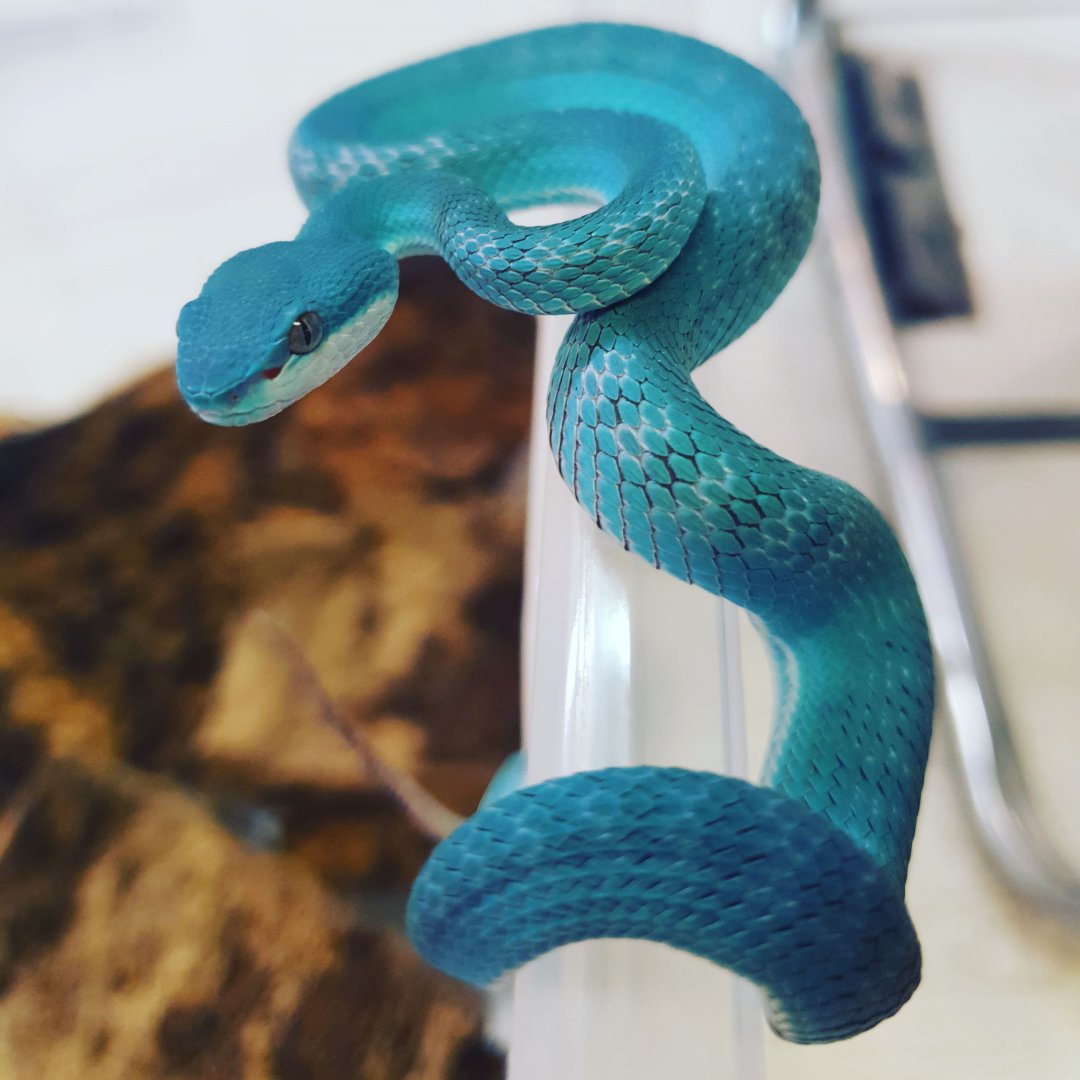
That's quite a short TED Talk, and a tad bit gloomy. While there is indeed a decrease of the variety of species in zoos when it comes to birds and larger mammals, there's still hope in regard to reptiles, fish and invertebrates. More than ten years ago, the only places to see live blue Sunda Island pitvipers were the Island of Komodo, behind the scenes at Zoo Moscow and at some peculiar private keepers (who were rather unwilling to share this live gem with others). Now this wonderful snake can be observed at my own little zoo "Welt der Gifte" in Salzburg, Austria. Back in the days, I would not have dreamed of being able to present this species.
We might have lost the zoo directors of old who loved to compete with one another when it came to the rarity and numbers of species kept in their care. But there are good and smart people among their successors who know and love what they do, while having a different yet necessary focus on animal welfare and conservation than the old guard. And who will bring delight to the zoo nerds of the present and the future. Maybe not by building another zoo megabuilding, but by shifting your focus to species beyond the charismatic megafauna that you've failed to acknowledge before, may they be dung beetles, blue vipers or bullfrogs.

 
Last edited:
Also, the EAZA doesn't support cooperation between privates and zoos from what I understood, getting new species is harder if you're not willing to work with privates who still have a great diversity in their hands. Although probably nothing like it was in the past century of course
The bureaucrats at the EAZA might not like it, but thanks to the lack of alternatives, citizen conservation projects, networking organisations like the ZGAP, influential private citizens etc., there are times that they'll have to bite the bullet, like they have done many a times in the past. ;)
 
All I can say is welcome to the new normal folks. We don’t live in a Lied Jungle or Desert Dome era anymore. Most new zoo projects are smaller exhibits and nothing extraordinary or innovative, and instead are just standard new exhibits for species already in their care or new species to the zoo that can be seen everywhere else. At least in the US anyways. Rarer species are being phased out and are not looking to be obtained. The general public really doesn’t care about species that us zoo nerds fond over, and the inclusion of a sloth, llama, or kangaroo attraction is a sure way of bringing in crowds. Of course not all zoos follow this pattern. There have been exceptions and great exhibits have been built lately and some zoos like DWA are trying to keep their rarer species. Overall however, I feel most zoos are on the decline. It is my goal to see pick up all the rare species crumbs left over from a bygone era.

Sorry for being depressing, thank you for coming to my TED Talk.

I agree with a lot of what you say, MonkeyBat. I wonder if some Marketing Teams have too much power in some zoos. These teams can decide what visitors will be interested in, without finding out information about lesser-known species. Popular species with no reintroduction programmes can be allowed to produce as many young as possible. Excess young can be moved to other zoos, displacing species that Marketing Teams consider less interesting and less likely to raise revenue. That is why some 'popular' species take up a lot of space in many zoos, regardless of whether they have conservation value. The meerkat is a classic example.
 
Which is bull**** and one of the things I soft-hate EAZA for
As far as I know not even AZA supports it, so we cannot even see rare hoofstock from texan ranches, which is a shame: most of us would agree that it's better to see a live animal in a zoo rather than on the wall of some rich dentist
 
I agree with a lot of what you say, MonkeyBat. I wonder if some Marketing Teams have too much power in some zoos. These teams can decide what visitors will be interested in, without finding out information about lesser-known species. Popular species with no reintroduction programmes can be allowed to produce as many young as possible. Excess young can be moved to other zoos, displacing species that Marketing Teams consider less interesting and less likely to raise revenue. That is why some 'popular' species take up a lot of space in many zoos, regardless of whether they have conservation value. The meerkat is a classic example.
As much as I agree with you on everything unfortunately every zoo needs the charismatic crowd pleaser animals
 
IMO a zoo not having any new developments in years doesn't mean it's in decline. No, Bronx is not in decline just because they haven't had a new exhibit in years. A zoo has to have an actual, noticeable decline in recent years.

In fact, in some rare cases where a zoo has achieved a state close to perfection, no new developments may be a good thing. There's a reason Shed Aquarium hasn't unveiled a new mega-exhibit in years - because it's really hard to improve upon what they already have (yes, I know they have plans to make a new reef-themed mega-exhibit am I'm kind of mad about it).
 
Good points made by all who responded to me. I do very much agree with you @birdsandbats with regards to zoos like Bronx. They haven’t made any new exhibits in about a decade and it remains my favorite zoo. Changed my perspective on exhibits created, and perhaps I was a bit to harsh with saying most zoos were on the decline. I apologize. I can still mostly stand by my main points still :)
 
I should also just mention that I understand that this isn’t just black and white and there are reasons for phasing out species/ budget restrictions which I completely understand.
 
Back
Top